From Digital Nomad to Polar Expedition Guide: The Evolution of Adventure Travel Careers in the High North

The landscape of modern travel content creation is undergoing a profound structural shift, as established digital creators pivot away from traditional influencer models toward specialized, hands-on industry roles. A prominent example of this broader professional transition is the career trajectory of seasoned travel writer and photographer Liz Carlson, known globally through her digital platform Young Adventuress, who has formally transitioned into a full-time polar expedition guide and travel consultant. This evolution highlights a growing fatigue with the saturated digital media economy and a concurrent surge in demand for authentic, expert-led expedition tourism in remote polar regions.
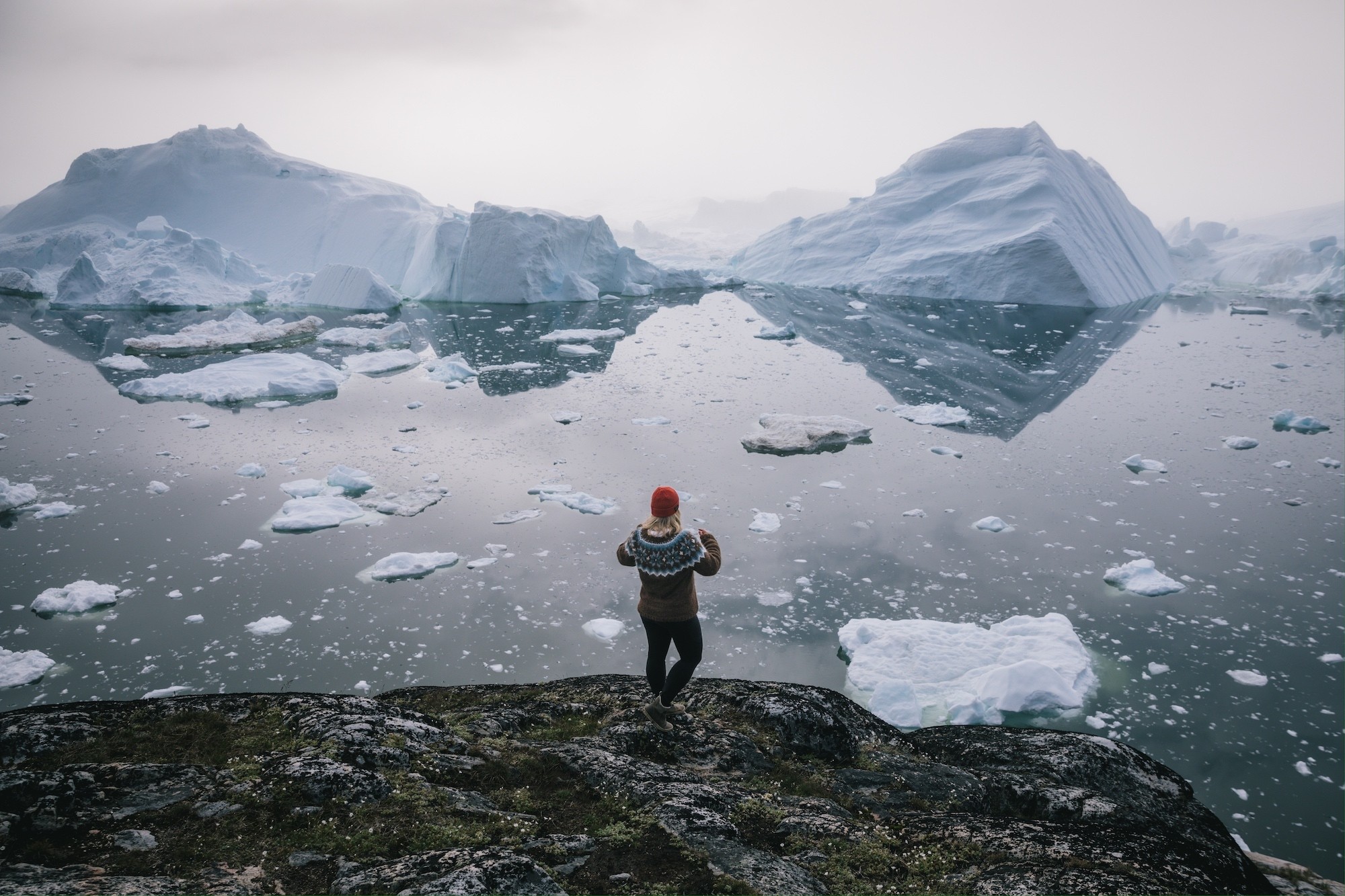
The economics and logistics of high-latitude travel present unique challenges that necessitate specialized operational frameworks. The Arctic and Antarctic regions remain largely inaccessible to conventional tourism infrastructure. Spanning vast expanses of ice, tundra, and frigid ocean waters, these environments are predominantly navigable only via specialized expedition vessels during a compressed three-to-four-month summer window when sea ice recedes. Outside of these fleeting summer months, transit relies heavily on specialized small aircraft, reinforced marine vessels, and seasonal snowmobiling.
Operating within these volatile ecosystems requires rigorous logistical planning, stringent environmental compliance under international maritime frameworks, and deep regional expertise. Consequently, expedition companies increasingly rely on seasoned professionals—such as marine naturalists, ice-pilots, cultural interpreters, and veteran guides—to ensure passenger safety and enrich educational programming.
The Professional Transition from Digital Media to Field Operations
For over a decade, Carlson established her professional reputation as a location-independent travel journalist, documenting remote destinations through long-form blogging and photography. However, the operational pressures and shifting monetization models of the post-pandemic digital media landscape have catalyzed a reassessment of traditional content creation careers. Industry analysts note a broader trend of digital creators experiencing burnout due to the relentless algorithmic competition, saturation of sponsored content, and diminishing returns on ad-supported web traffic.
Rather than remaining tethered to the screen-based hustle of the influencer economy, Carlson integrated more deeply into the operational side of tourism, securing a multi-month seasonal contract as an expedition guide with Adventure Canada, a prominent family-owned and operated expedition cruise line. This transition reflects a deeper desire for community-driven work environments and tangible, physical engagement with the destinations being documented.
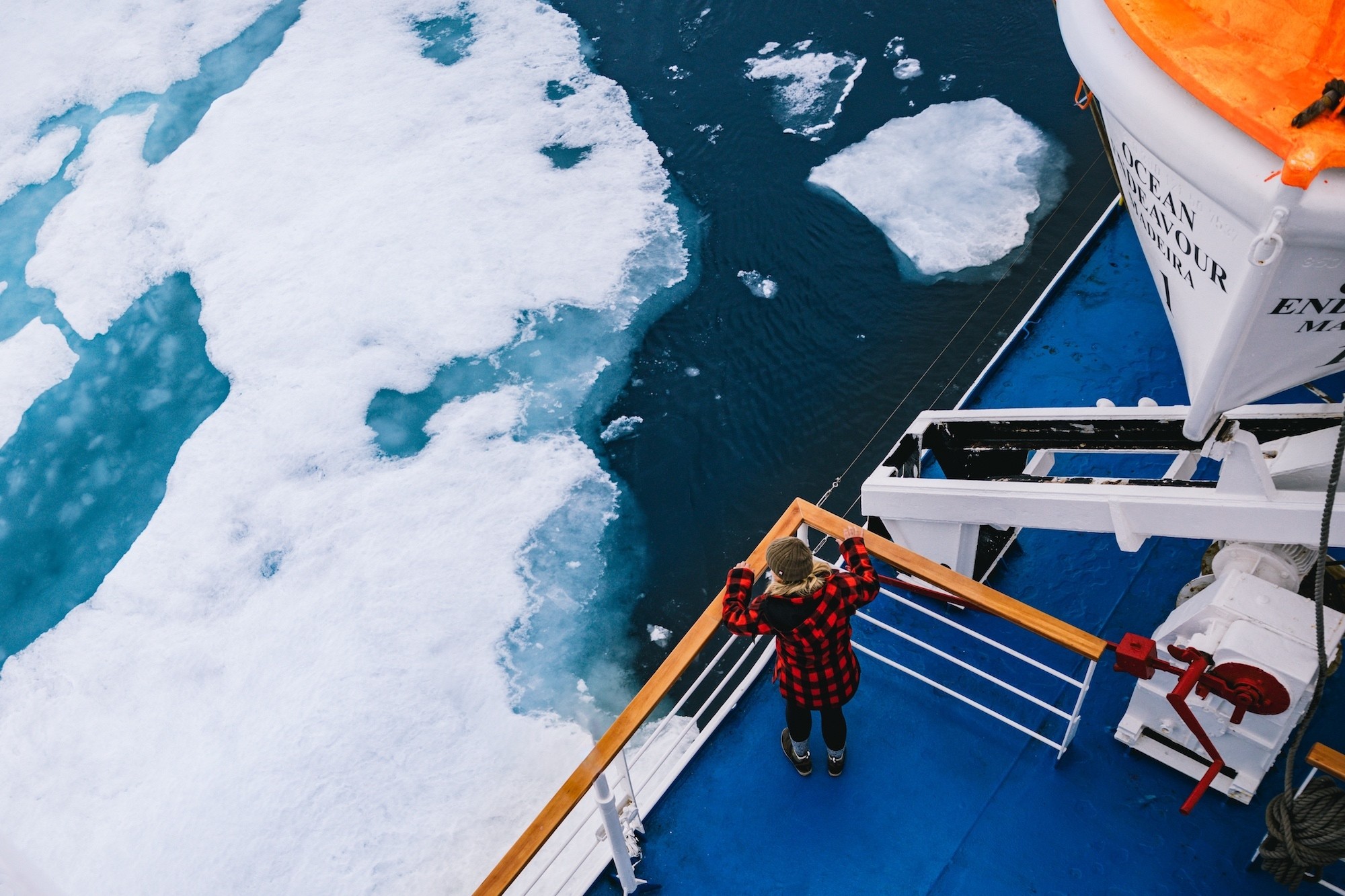
Working in partnership with established operators allows guides to move beyond superficial destination marketing and participate directly in the stewardship, education, and safe navigation of fragile polar zones. Carlson’s operational schedule now involves spending roughly half the year at sea across both polar circles, bridging the gap between public education and field-based expedition leadership.
The Mechanics of Modern Polar Expedition Cruising
The expedition cruise sector has experienced a steady resurgence following global pandemic-related disruptions, driven by travelers seeking transformational, off-the-beaten-path experiences. Companies like Adventure Canada—founded by a network of family and long-time Arctic enthusiasts—operate on high rates of repeat clientele and community retention, with industry reports indicating that up to half of all passengers on given polar voyages are returning travelers.

The day-to-day responsibilities of a polar expedition guide are multifaceted, demanding both physical endurance and specialized technical skills. Core duties typically include:
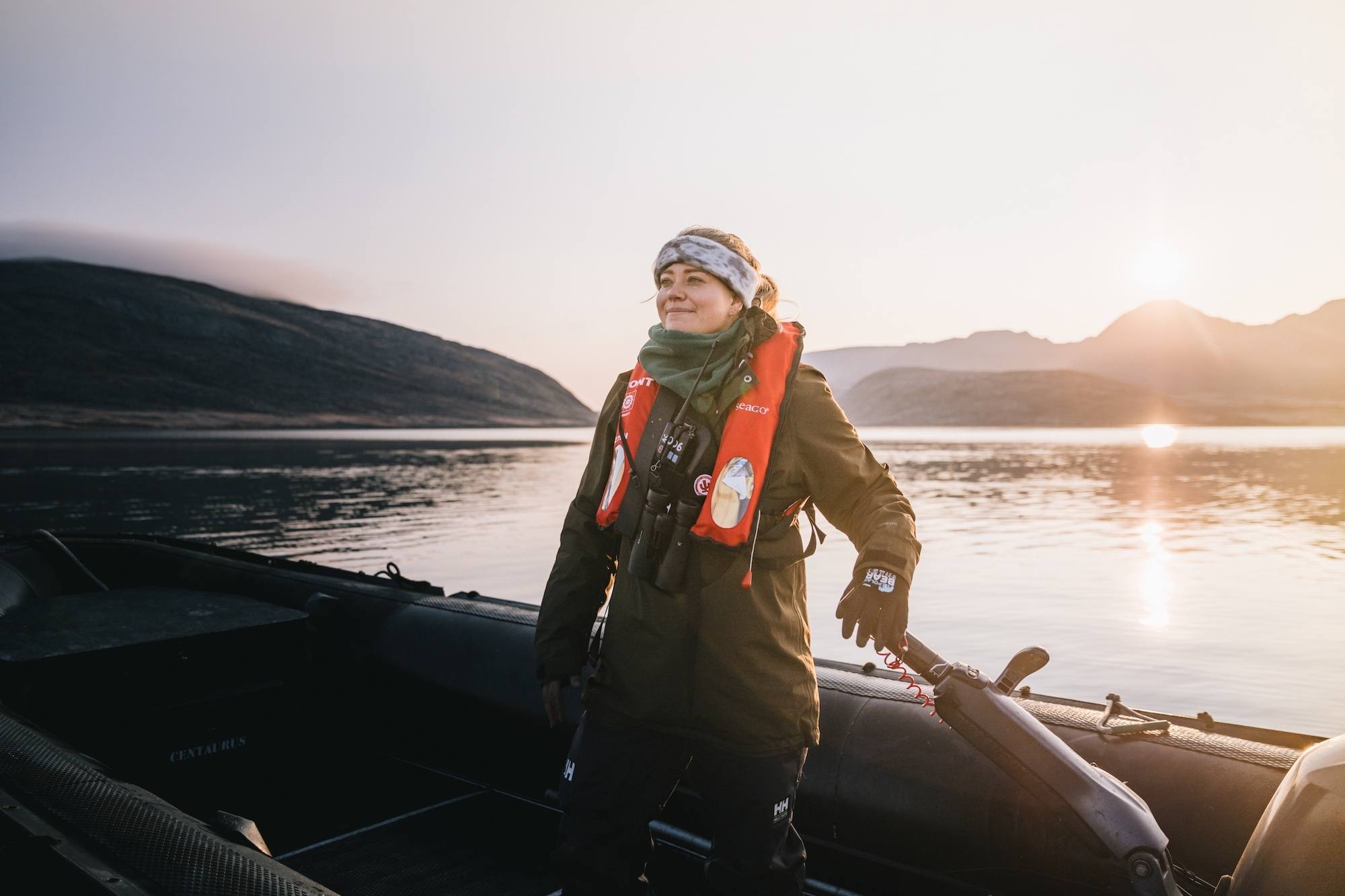
- Piloting Zodiac inflatable boats through heavy ice floes and around massive tabular icebergs.
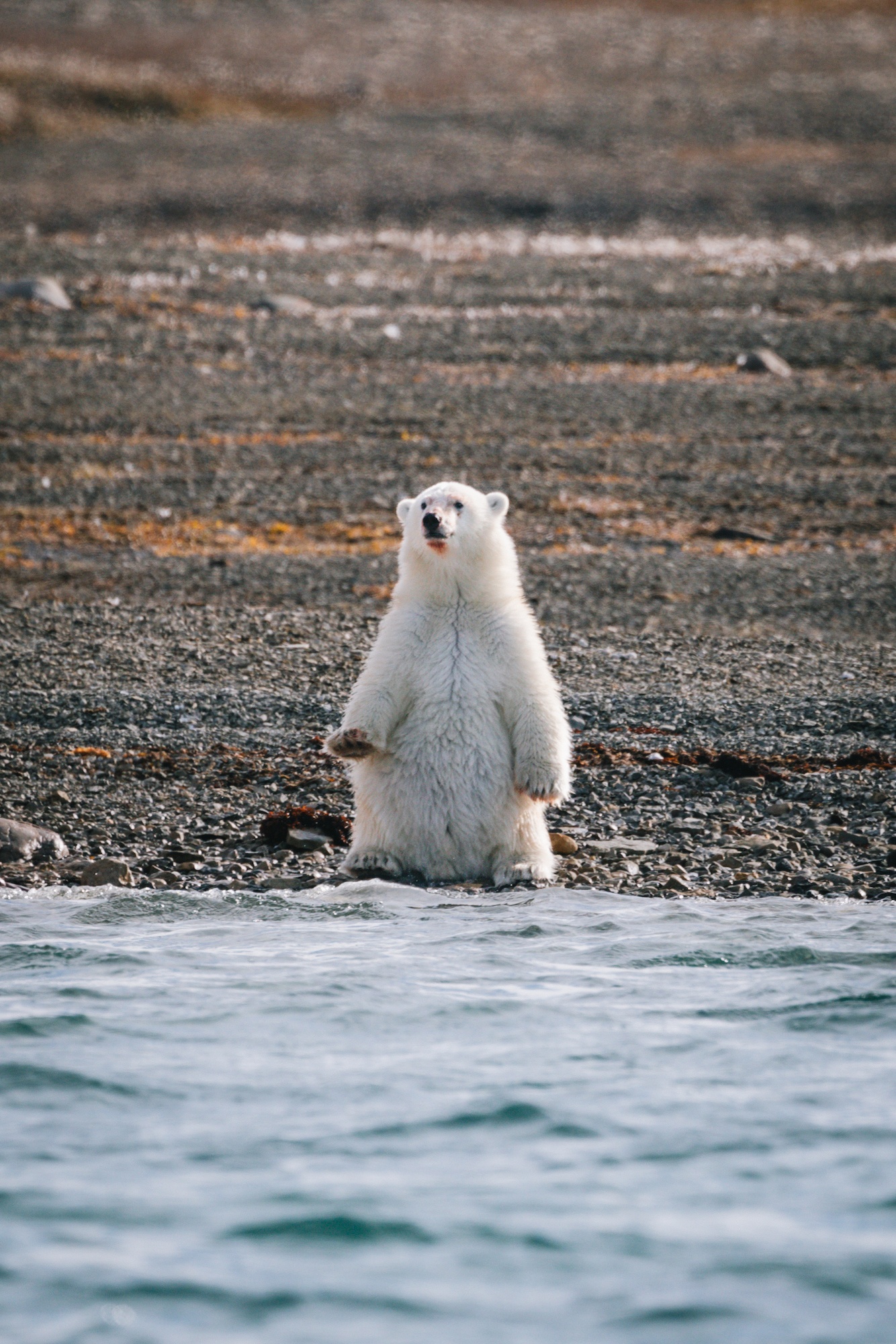
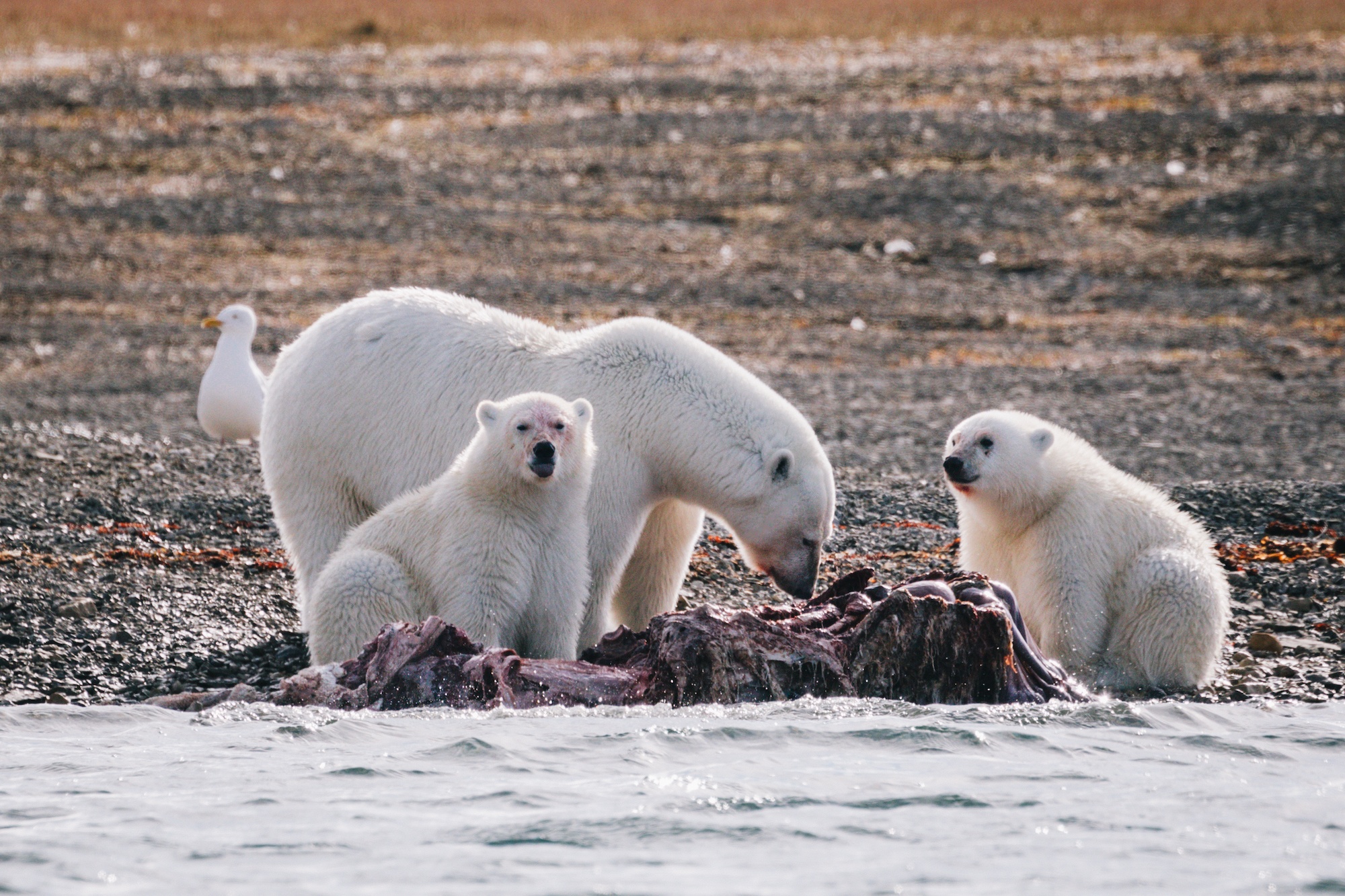
- Conducting continuous wildlife monitoring from the ship’s bridge, tracking marine mammals and apex predators such as polar bears.
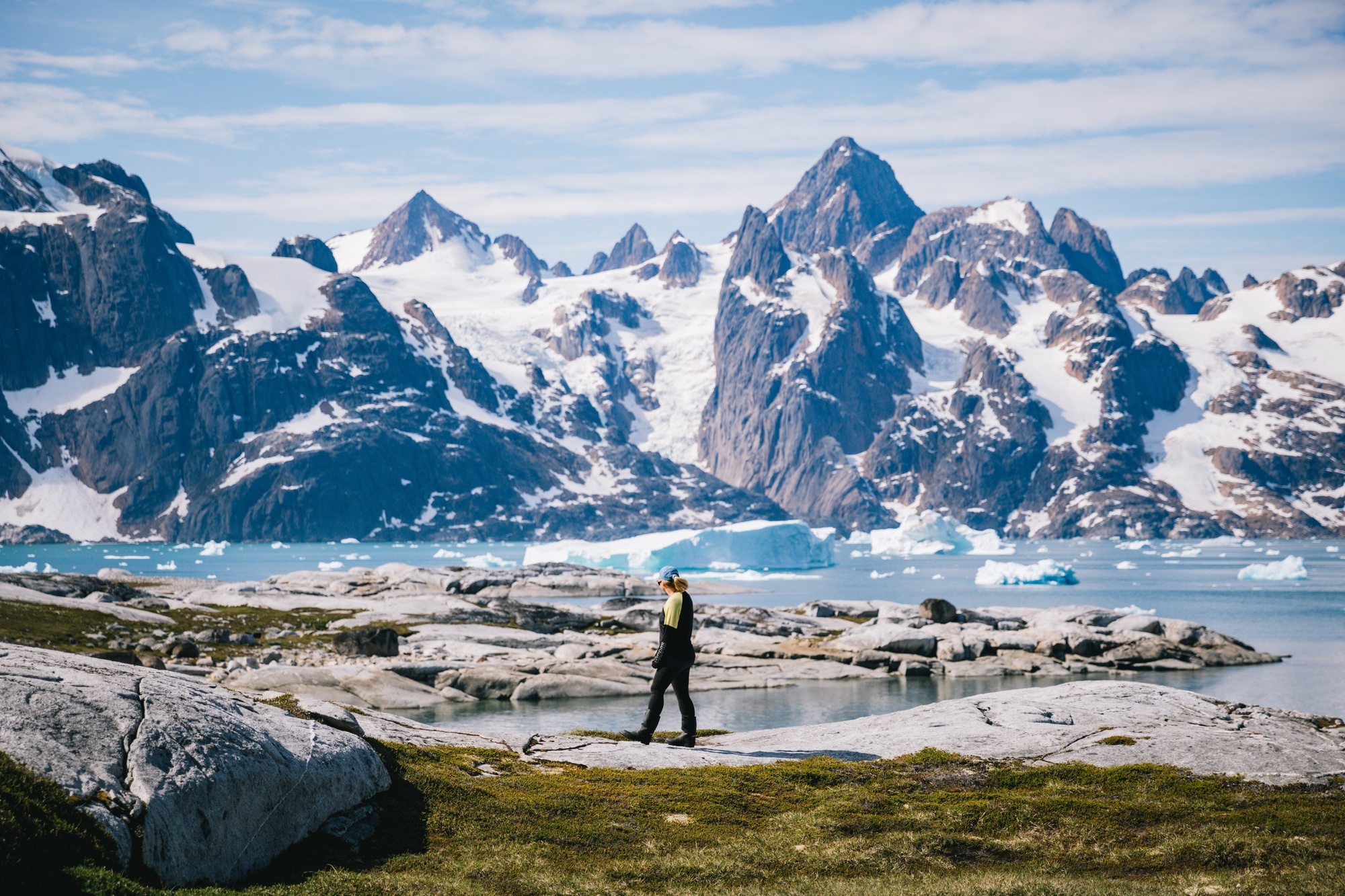
- Leading shore excursions across remote tundra and historical sites, ensuring adherence to strict environmental guidelines designed to protect local wildlife and minimize human footprint.
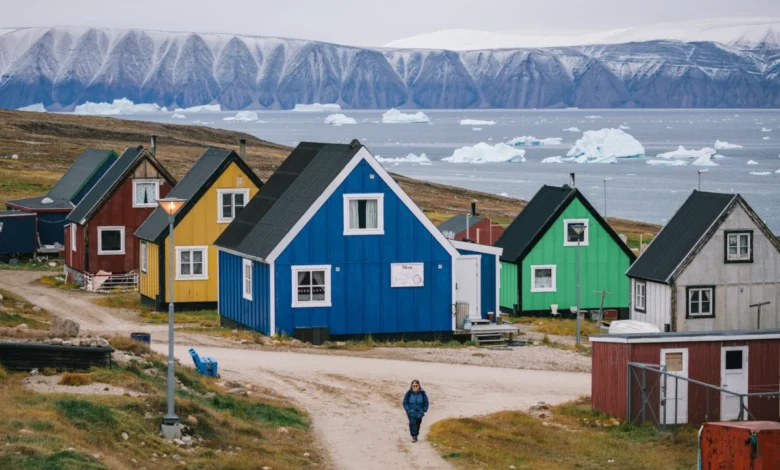
- Facilitating cultural exchanges with Indigenous communities throughout the Canadian Arctic and Greenland, fostering mutual understanding and respectful tourism practices.
- Delivering scientific and historical lectures on board, covering topics ranging from glaciology and marine biology to the annals of early Arctic exploration, such as the Franklin expedition.
Economic Diversification and the Shift Toward Specialized Travel Consulting
In tandem with her field operations, Carlson has formalized a referral-based travel consultancy model designed to connect prospective travelers directly with curated polar itineraries. Rather than relying solely on passive advertising revenue, this business model leverages firsthand field experience to provide consumers with tailored advisory services.
Under this framework, guides and regional experts act as trusted intermediaries between travelers and cruise operators. By sharing deep contextual knowledge of specific ship layouts, seasonal ice conditions, and itinerary nuances, specialized consultants aim to demystify polar travel—a market often characterized by high financial investment and complex logistical requirements. Industry observers note that consumer trust in travel recommendations has shifted toward individuals with verified, boots-on-the-ground operational experience, moving away from generalized lifestyle marketing.
Environmental Implications and the Rise of Polar Stewardship
As interest in high-latitude travel accelerates, the tourism industry faces heightened scrutiny regarding its ecological footprint. The Arctic is warming at a rate significantly faster than the global average, leading to diminishing glaciers, shifting sea-ice patterns, and altered wildlife migration routes.
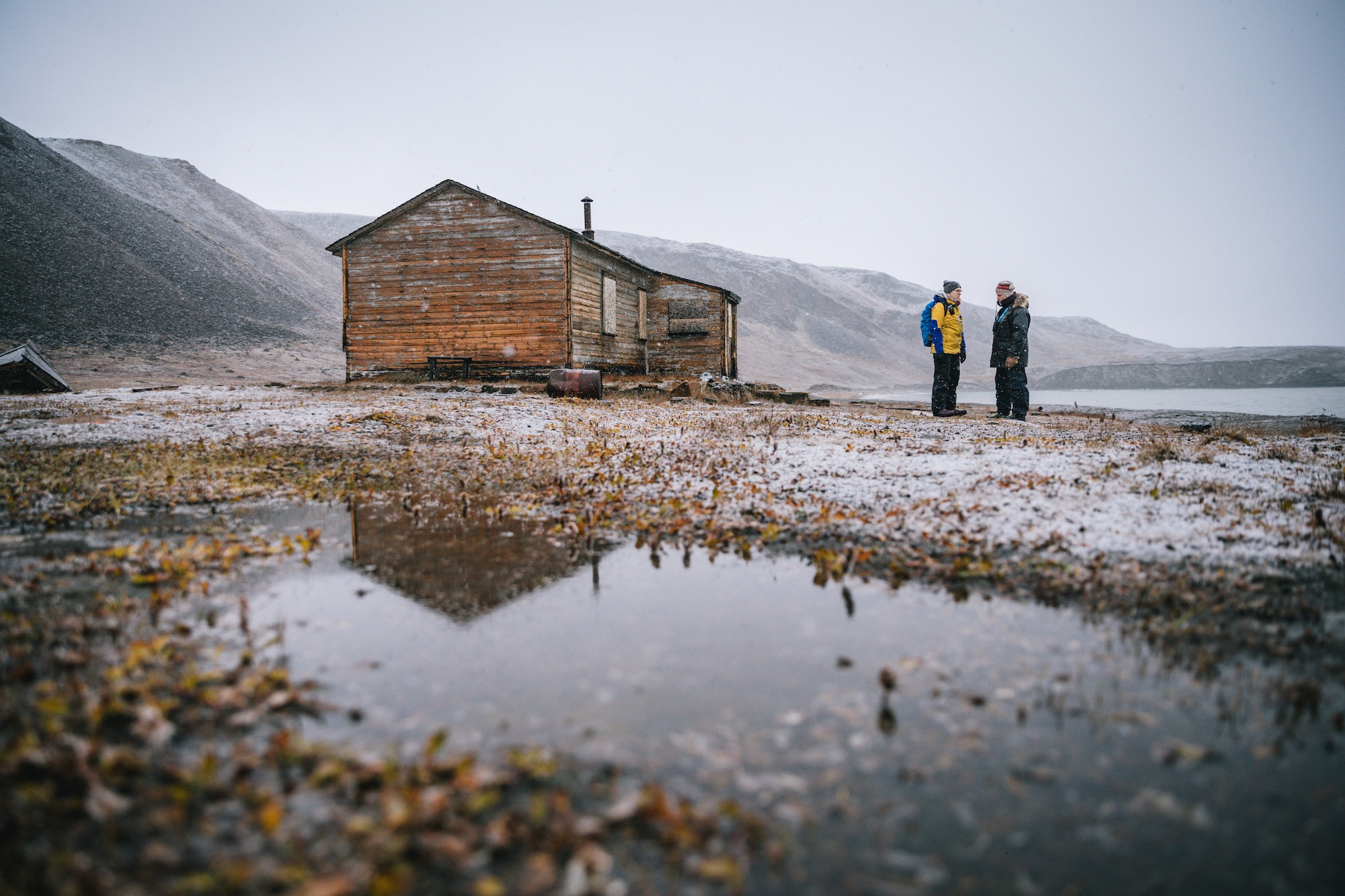
Tour operators and guiding personnel emphasize that responsible, tightly regulated tourism serves as a vital tool for environmental conservation. By immersing travelers directly in fragile wilderness areas and remote northern communities, expedition companies aim to cultivate a dedicated cohort of environmental ambassadors. Proponents argue that travelers who witness firsthand the impacts of climate change on sea ice and indigenous livelihoods are statistically more likely to advocate for systemic conservation policies upon returning to their home countries.
Furthermore, international organizations such as the International Association of Antarctica Tour Operators (IAATO) and the Association of Arctic Expedition Cruise Operators (AECO) enforce strict operational protocols. These include limiting passenger numbers on shore, maintaining mandated distances from wildlife, and supporting local scientific research vessels through logistical cooperation.
Future Outlook for Expedition Tourism and Remote Careers
The career pivot demonstrated by professionals moving from digital publishing into hands-on expedition management points toward a maturing adventure travel market. As travelers increasingly prioritize authenticity, safety, and ecological mindfulness, the demand for highly trained field staff will continue to expand.
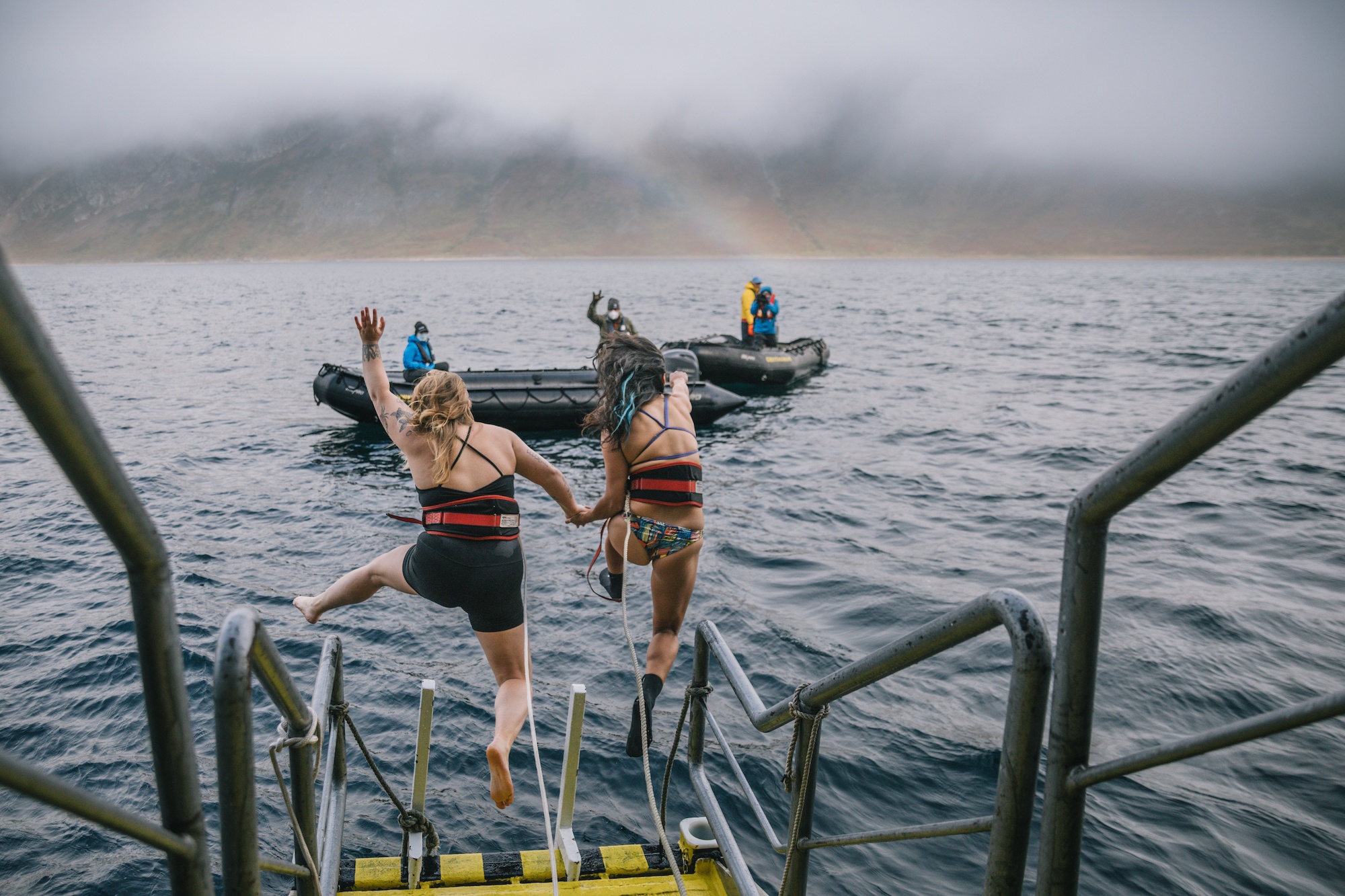
For destination experts and content creators alike, the future appears to lie in deep specialization rather than broad lifestyle broadcasting. By embedding themselves within the logistical supply chains of responsible polar operators, experienced guides are carving out sustainable, meaningful careers that protect the very environments they celebrate. Through a combination of on-the-ground leadership, educational outreach, and specialized advisory services, these professionals are redefining what it means to work within the modern travel industry—prioritizing environmental stewardship and human connection over digital saturation.