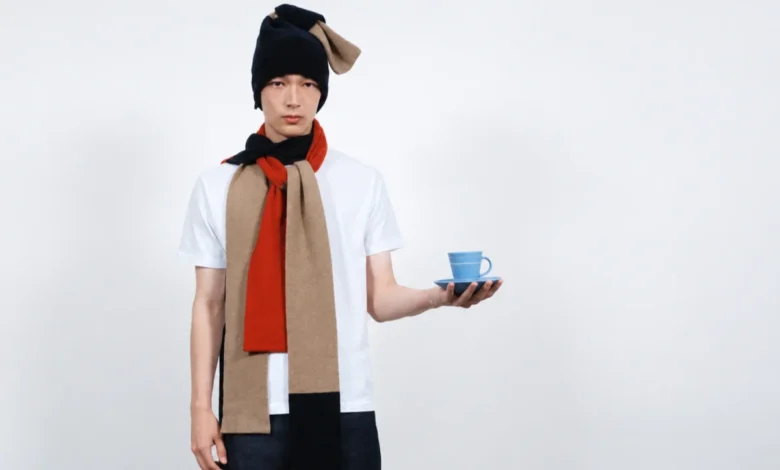
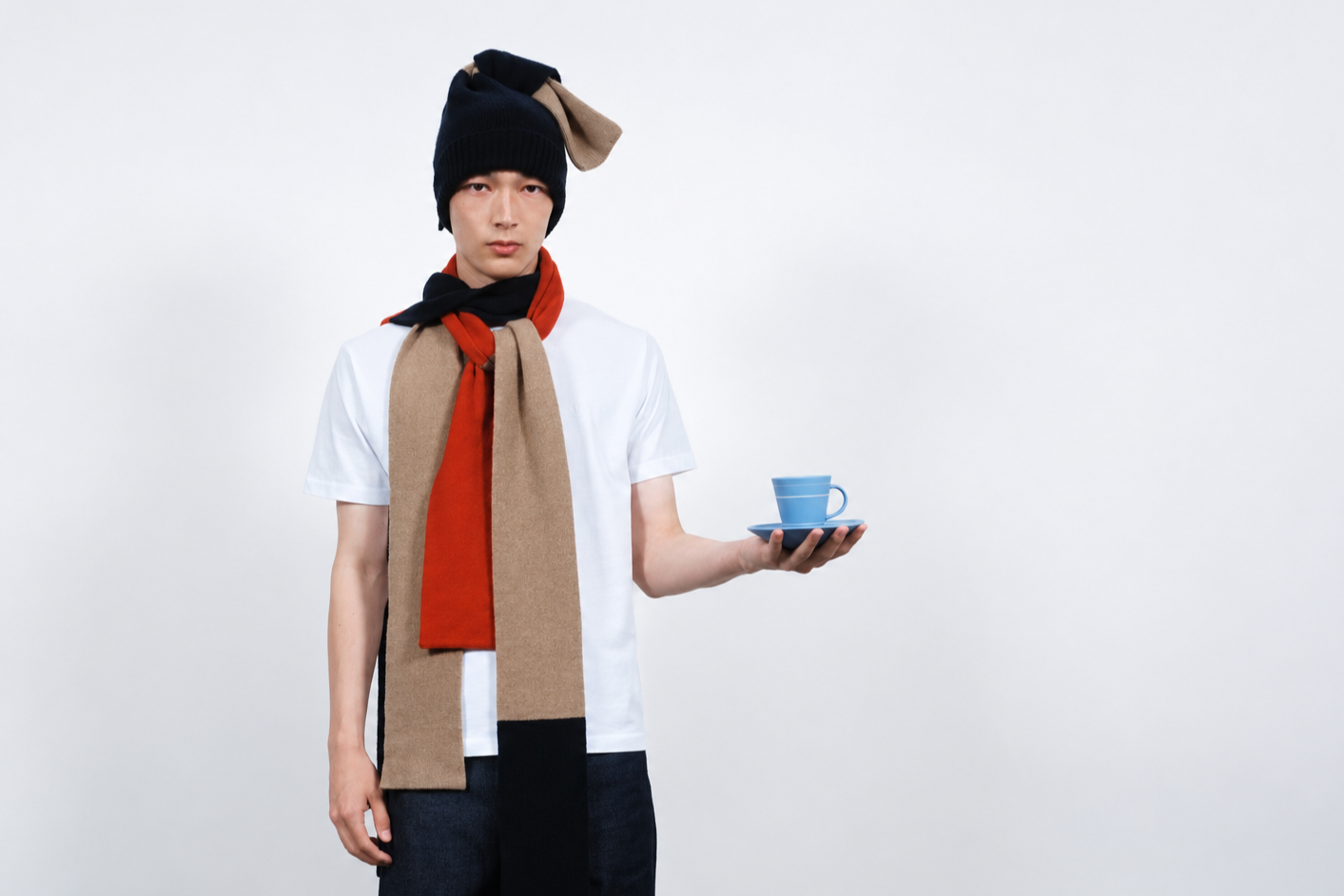
The discourse surrounding fashion, from spoken words to written critiques and even fleeting thoughts, increasingly circles back to its elemental origins: the earth. This profound connection is evident in the growing emphasis on the provenance of fibers, the lifecycle of garments, and the escalating demand for natural materials. Regardless of how it is presented, luxury’s intrinsic link to the planet is undeniable. This grounding principle extends to the realm of ceramics, an ancient craft now experiencing a renaissance within the dynamic world of high fashion. Luxury fashion houses are demonstrating an unusual and fervent embrace of ceramic artistry, marking a significant evolution beyond occasional collaborations and signaling a deeper integration into the industry’s creative and commercial fabric.
The resurgence of ceramics in luxury fashion is not merely a fleeting trend but a testament to a broader shift in consumer values and industry introspection. For millennia, clay has been extracted from the earth and meticulously shaped by human hands. Today, this ancient practice is finding new relevance, resonating with a contemporary desire for authenticity, craftsmanship, and a tangible connection to the creative process. This renewed appreciation is exemplified by prominent figures in the fashion world. Jonathan Anderson, a visionary designer whose influence spans Loewe, JW Anderson, and his recent impactful tenure at Dior, has consistently championed the integration of craft into his collections. Concurrently, Christopher Bailey, the former chief creative officer of Burberry, has invested in Burleigh Pottery, a venerable British ceramics institution, further solidifying the burgeoning relationship between these two seemingly disparate fields. This convergence signifies a move from sporadic partnerships to a more profound and integrated artistic dialogue.
Few individuals are as uniquely positioned to articulate this paradigm shift as Henry Holland. Following the administration of his fashion label, House of Holland, brought on by the unprecedented challenges of the Covid-19 pandemic, the British designer embarked on a transformative journey into the world of ceramics. What began as a therapeutic escape through a few introductory classes quickly blossomed into a second, deeply fulfilling career. The establishment of Henry Holland Studio marked not only a pivot in his professional trajectory but, as he himself articulates, a return to the very essence of artistry that can sometimes be overshadowed in the fast-paced fashion industry.
"It really reconnected me with creativity and the hands-on process," Holland explains, reflecting on his transition. "With fashion, when you’re running a brand and running a business, you can get bogged down with the business side." This sentiment underscores a critical tension within the modern fashion system: the inherent conflict between commercial pressures and the unadulterated pursuit of creative expression. Holland’s experience highlights how the tactile and deliberate nature of ceramic work offers a vital counterpoint to the often overwhelming demands of brand management and production cycles.
The Tactile Appeal: A Return to Direct Creation
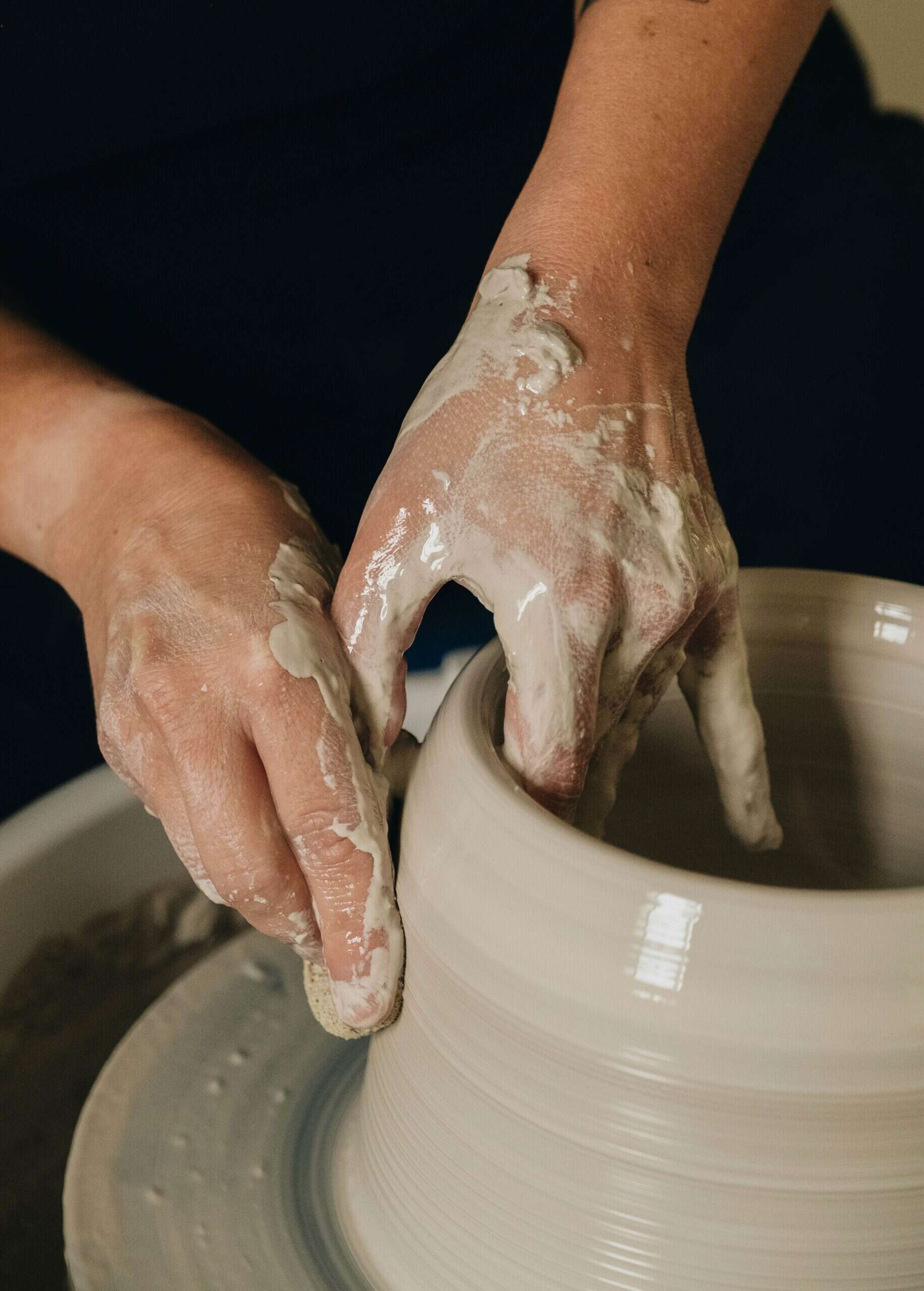
What captivated Holland was not merely the material itself, but the intrinsic process of working with clay. In stark contrast to the multi-layered journey of a fashion item, which often passes through numerous hands before reaching the end consumer, ceramics bring the maker into direct, intimate contact with the finished object. "It’s just me and my two hands again creating," Holland states, emphasizing the profound sense of personal connection and satisfaction derived from this direct engagement. "That was really refreshing." In an industry characterized by rigid production schedules and creativity often dictated by commercial imperatives, clay emerges as a symbol of a more considered, slower, and deeply personal approach to making.
"The fashion industry has become so big, and it operates at such speed that sometimes that part of the process can feel slightly lost," Holland elaborates. "It can start to feel a bit like a conveyor belt of creativity." This analogy vividly captures the potential for creative burnout and the dilution of individual artistic input when production scales become immense and timelines compress. The appeal of ceramics, therefore, lies in its inherent resistance to this mass-production mentality.
While fashion has historically lauded craftsmanship, the execution of such artistry has increasingly become a domain commissioned rather than personally undertaken by designers. Ceramics, by their very nature, necessitate a direct return to the hands-on process. Each fingerprint etched into the clay, each subtle irregularity in the glaze, and every minor variation in form serves as an indelible mark of the maker. These imperfections are not flaws but rather eloquent testaments to the human touch, a powerful reminder that luxury is not solely defined by flawless perfection but by the authentic narrative embedded within its creation.
"Ceramics is very much about slow craft and slowing down," Holland observes. "There’s a real respect and understanding between creatives across different disciplines. People appreciate the process." This mutual appreciation across creative fields fosters an environment where the journey of creation is valued as much as the final product. It speaks to a growing awareness within the luxury sector of the importance of provenance, skill, and the human story behind each object.
Championing Craft: The Influence of Industry Leaders
Jonathan Anderson has been a pivotal figure in fostering this cross-disciplinary appreciation. During his influential tenure at Loewe, he established the Loewe Foundation Craft Prize, an initiative that has garnered international acclaim for artisans working across a diverse range of disciplines, including ceramics, textiles, and other traditional crafts. This award has not only provided a global platform for craftspeople but has also elevated the perception of craft within the high-fashion ecosystem. More recently, Anderson’s eponymous label collaborated with Wedgwood, the esteemed British pottery maker, to reimagine pieces from the company’s rich archive, with a highly anticipated second collection slated for release. His inaugural collection for Dior further amplified this dialogue, drawing inspiration from the profound work of British-Kenyan ceramicist Dame Magdalene Odundo, alongside other artists and artisans whose practices extend beyond the conventional boundaries of fashion.
Anderson’s commitment to integrating craft is not an isolated phenomenon. Christopher Bailey’s acquisition of Burleigh Pottery, a company with a 175-year legacy, demonstrates a significant investment in preserving and revitalizing traditional artisanal practices. Louis Vuitton has also actively engaged with ceramic artists, commissioning works from talents such as Shio Kusaka, thereby infusing its brand with unique artistic expressions. Dior Maison, under various creative directions, has a long-standing tradition of collaborating with makers whose creations masterfully blur the lines between functional objects and covetable works of art. This concerted effort by leading luxury houses to incorporate ceramics and other crafts into their portfolios suggests a strategic recognition of the inherent value and appeal of artisanal production.
A Deeper Resonance: Redefining Luxury in the Modern Era
Holland remains optimistic about the longevity of this trend, viewing it as more than just a passing fascination. "I don’t see it as a trend because ceramics have been around forever," he asserts. "There’s a real deep appreciation for them. It feels like they’re having a moment, but that’s reflective of people really engaging with it as a medium." This perspective suggests that the current surge in interest is not a superficial adoption but rather a genuine and sustained engagement with ceramics as a legitimate and valuable artistic medium.
The increasing embrace of ceramics by the fashion industry is a potent reflection of a broader evolution in how consumers define luxury. Increasingly, value is being placed not solely on exclusivity or price point, but on the authorship of an object, the narrative it carries, and the story of its creation. Consumers are keen to understand who made an item, how it was crafted, and the context from which it emerged. Handmade ceramics, with their inherent traceability and personal touch, fulfill these desires in a way that mass-produced luxury goods often cannot.
"Exclusivity has to come in lots of different ways now," Holland explains. "It can’t just be about price point anymore. I think you’ve got to bring different audiences in through storytelling and exploration of the roots of collections." This strategic shift acknowledges that true luxury in the 21st century is multifaceted, encompassing not only material opulence but also intellectual engagement, emotional resonance, and a connection to authentic human endeavor.
The Patronage of Craft: Supporting Artisans and Audiences
Initiatives such as the Loewe Foundation Craft Prize play a crucial role in this evolving landscape. By positioning themselves as patrons of the arts, luxury houses are increasingly supporting individual artists and introducing contemporary makers to wider audiences. This symbiotic relationship benefits both the established brands and the emerging talents within the craft sector.
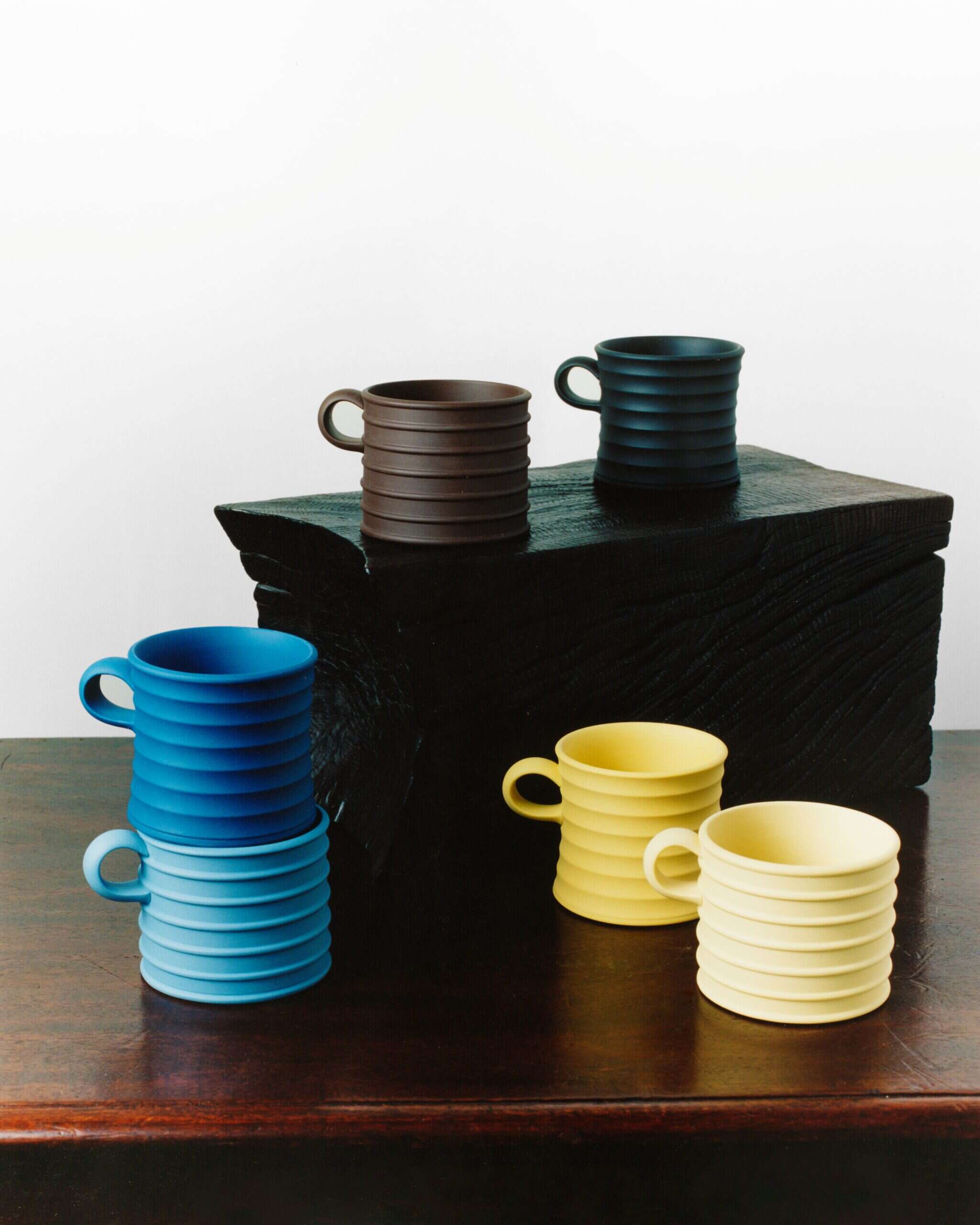
"I think it’s really beneficial for the artisans and craftspeople," Holland comments. "It uplifts their work and creates a new level of recognition." This patronage not only provides financial support and exposure but also lends a sense of prestige and validation to artisanal practices, helping to secure their future in a rapidly changing world.
The Enduring Allure: Craftsmanship as Brand DNA
While fashion possesses a notorious ability to transform movements into fleeting trends, the integration of ceramics appears to be cultivating something more profound. The industry has a history of absorbing important conversations—from sustainability to inclusivity—only to move on. However, the burgeoning relationship with craft suggests a potential for greater permanence. "I think designers and houses and brands are much more aware of that and making sure that they don’t engage in these things in a way that they engage and disengage," Holland states. "It becomes part of the brand’s DNA." This indicates a conscious effort by some luxury entities to embed values of craftsmanship and authenticity into their core identity, rather than treating them as ephemeral marketing tactics.
If ceramics are indeed having a moment, it is a moment that has been thousands of years in the making. Fashion’s rapid pace may be undeniable, but the growing fascination with clay and its inherent qualities suggests a welcome recalibration. It signals that some of the industry’s most insightful designers are no longer in a hurry to simply churn out the next collection, but are instead embracing a more deliberate, thoughtful, and deeply rooted approach to creation, one that values the enduring power of the earth and the human hand. This shift represents a profound redefinition of luxury, one that looks not just to the future of innovation but also to the timeless wisdom of the past.