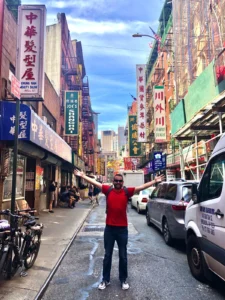
For many years, the path to becoming a digital nomad was almost synonymous with embracing the freelance lifestyle. The prevailing narrative suggested that to achieve the coveted freedom of working from anywhere and escaping the traditional 9-to-5 office grind, individuals had to transition into offering services online. This often involved packaging existing skills into freelance offerings such as writing, website design, social media management, virtual assistance, coaching, consulting, marketing, search engine optimization (SEO), and video editing. The list of potential freelance ventures was extensive, encouraging aspiring nomads to monetize their expertise by securing clients and generating sufficient income to sustain their nomadic aspirations. This model, exemplified by pioneers who began their online careers over a decade ago by running travel blogs, collaborating with brands, and building online businesses, offered unparalleled flexibility, allowing work to be conducted from diverse locations ranging from bustling beach towns and serene mountain villages to cramped airport lounges and vibrant co-working spaces across numerous countries. However, after more than a decade of this lifestyle, a crucial evolution has emerged in the digital nomad landscape: freelancing is no longer the sole, or even always the optimal, route to living and working internationally.

The Traditional Digital Nomad Path and its Hidden Complexities
The archetypal digital nomad dream often painted a simplistic picture: resign from your conventional job, launch a freelance career, acquire a few clients, book a one-way ticket, and work from any desired location. While this vision holds undeniable appeal and can be genuinely fulfilling, the reality of freelancing often presents a more intricate set of challenges that many only discover post-transition. Beyond merely performing the core work, freelancers are inherently responsible for the entire business operation. This includes the continuous pursuit of new clients through pitching and selling, managing administrative tasks like invoicing and follow-ups, navigating payment discussions, drafting and overseeing contracts, and constantly seeking replacement clients to mitigate income fluctuations. The "feast-or-famine" cycle is a common experience, where periods of robust income can be interspersed with stressful lulls. The departure of a single major client can significantly disrupt financial stability, making the perceived "freedom lifestyle" feel considerably less secure. While freelancing remains a powerful avenue for building location-independent income, the global remote work environment has undergone a significant transformation, offering alternative models.
The Rise of Global Employment for Location-Independent Professionals
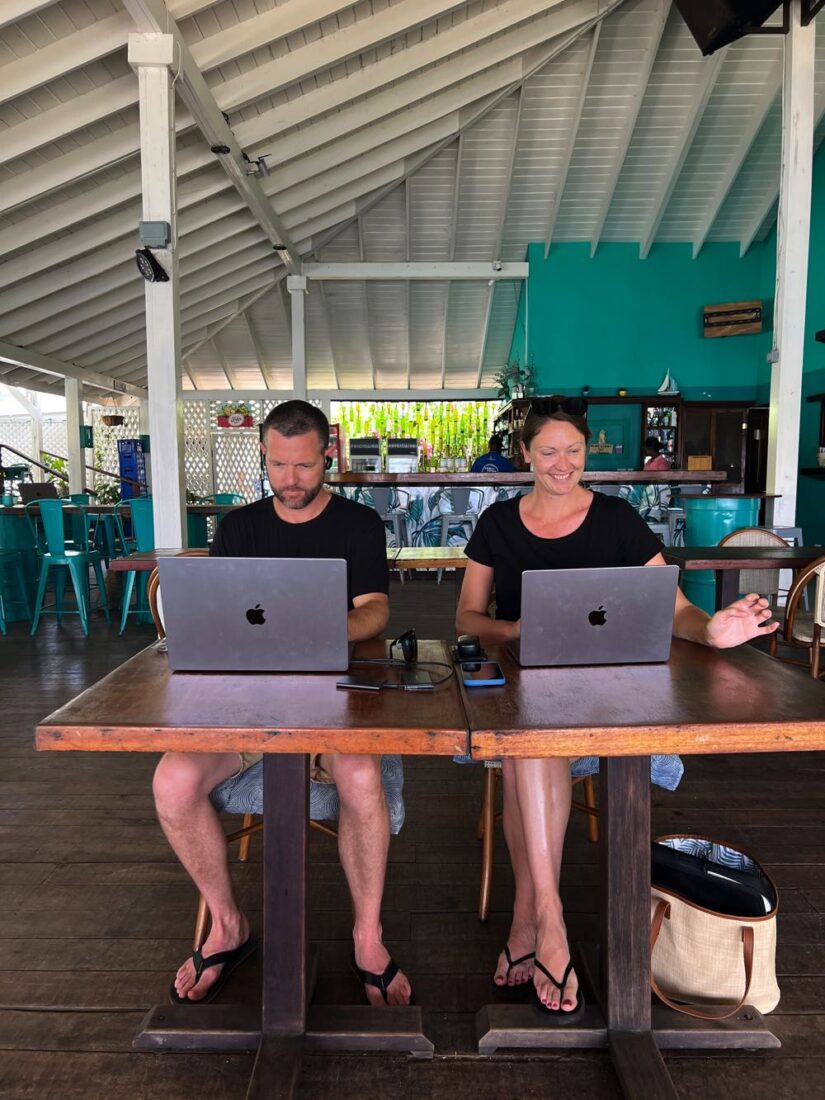
The digital nomad landscape has matured, driven by a convergence of technological advancements, evolving corporate attitudes, and a global pandemic that normalized remote work on an unprecedented scale. Increasingly, international companies are recognizing the value of a geographically diverse talent pool, transcending traditional hiring boundaries. Simultaneously, a growing number of professionals desire to live abroad while retaining the stability and benefits associated with conventional employment. This shift reflects a broader understanding that the most qualified candidate for a role may not reside in the same city, country, or even continent as the hiring organization. This confluence of factors has created a significant opportunity for digital nomads: the ability to achieve location independence without necessarily becoming a freelancer.
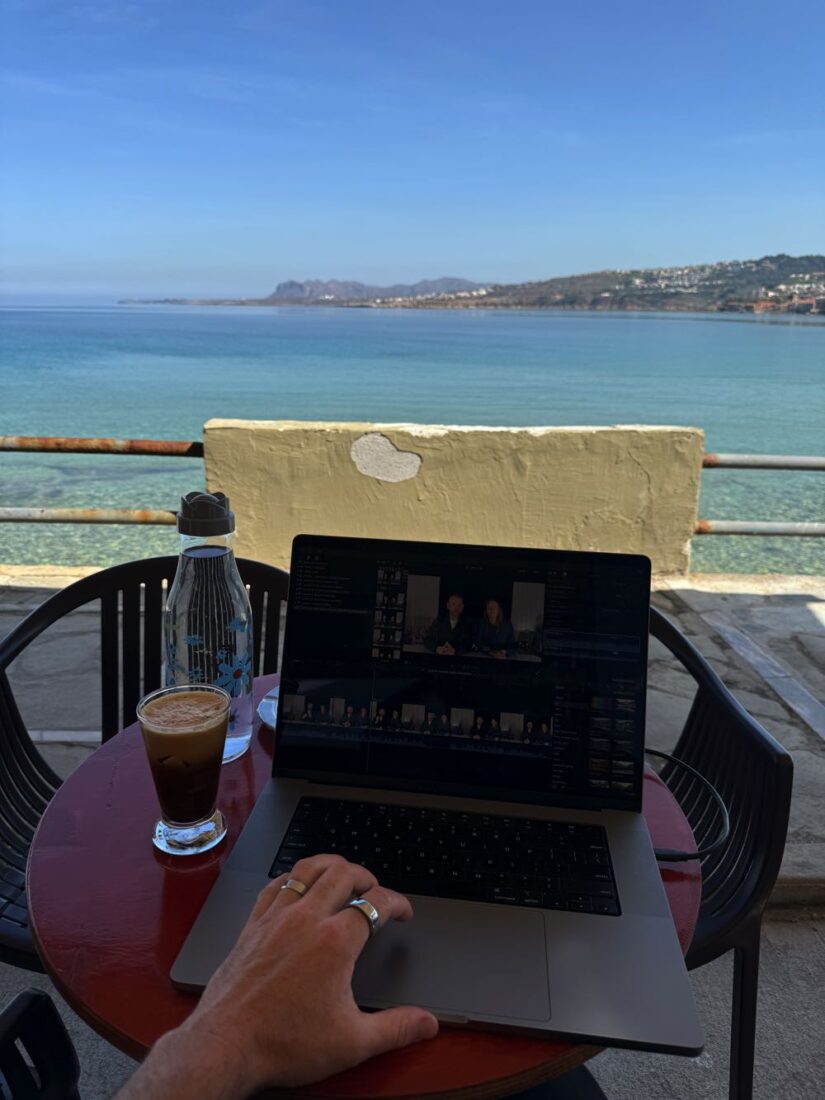
Historically, digital nomads perceived their options as a binary choice: either maintain a traditional office job or become a self-employed freelancer. However, a third, increasingly viable option has emerged: securing employment as a full-time staff member with an international company while residing and working abroad. This paradigm shift allows individuals to enjoy the structural benefits of employment—a defined role, a regular salary, clear responsibilities, and often access to comprehensive payroll, benefits packages (including health insurance and paid time off), and local employment protections—all while embracing a location-independent lifestyle. For many, this represents an ideal scenario, marrying the desire for travel and cultural immersion with the security of stable income and a structured career path. Not everyone aspires to build and manage their own agency, develop and sell coaching programs, or engage in the relentless pursuit of freelance clients. A substantial segment of the digital nomad community comprises highly skilled professionals who excel at their craft and would prefer to work for a single, reputable company, provided they are not compelled to sacrifice their freedom to live internationally.
This model facilitates scenarios such as a Canadian marketing specialist working for a Dutch firm from a vibrant apartment in Lisbon, a British software developer contributing to a US startup while enjoying the beaches of Thailand, or a South African customer success manager serving a German company from the historic cities of Spain. The scope extends to designers, operations managers, copywriters, sales representatives, accountants, project managers, product specialists, and software engineers—virtually any professional whose skills are valued more than their fixed physical location.
Freelancing vs. Global Employment: A Comparative Analysis
Freelancing offers ultimate autonomy. It empowers individuals to select their clients, determine their rates, and control their workload. It provides a platform for building a personal brand, developing unique service offerings, and potentially scaling into a larger business entity. However, this independence comes at the cost of encompassing virtually every operational aspect of a business. The freelancer acts as the marketing, sales, finance, administration, and delivery department, shouldering all responsibilities. This multifaceted role can lead to significant administrative overhead and income volatility.

In contrast, Global Employment provides greater structure and predictability. Employees typically have a clearly defined role, a consistent salary, and a set of explicit responsibilities. Furthermore, employment often includes access to benefits such as paid time off, health insurance, and robust local employment protections. Crucially, it liberates individuals from the constant pressure of client acquisition and self-promotion that characterizes freelancing. For digital nomads weary of the "feast-or-famine" cycle, global employment offers a more stable and less administratively burdensome alternative. Many individuals drawn to the digital nomad lifestyle appreciate the travel and cultural exploration but do not inherently enjoy the intricacies of self-employment. Their primary objective is meaningful work, a stable income, and the freedom to choose a living environment that aligns with their desired lifestyle—a legitimate and increasingly accessible aspiration.
Navigating the Legalities: The Role of Employers of Record (EORs)
A common question arises regarding the legal feasibility of being employed by a company while residing abroad. The answer is a definitive yes, but the operational and legal framework is critical. This is where an Employer of Record (EOR) plays a pivotal role. An EOR is a third-party organization that enables companies to legally hire employees in countries where they do not possess their own local legal entity or infrastructure.
Companies like Rivermate exemplify the function of an EOR. Instead of the hiring company undergoing the complex, time-consuming, and costly process of establishing a local branch, registering a business, understanding intricate local employment laws, and managing country-specific payroll and compliance, the EOR assumes the role of the legal employer in the employee’s country of residence. Crucially, the day-to-day work, reporting lines, and operational directives still originate from the hiring company. The employee continues to collaborate with their team and fulfill their designated role as if directly employed by the company. However, the EOR handles all the local employment complexities, including payroll processing, tax compliance, drafting legally sound employment contracts, administering benefits, managing workers’ compensation, and ensuring adherence to all local labor laws and regulations. This arrangement significantly simplifies international hiring for companies, simultaneously making global employment a far more realistic and streamlined option for digital nomads seeking stability.

Transitioning an Existing Remote Role to an International One
The desire to work abroad can also stem from an existing remote role within one’s home country. For instance, a Canadian professional might wish to live in Portugal, or a UK-based remote worker might seek a warmer, more affordable, or culturally resonant locale. This scenario often presents unique complexities. A job being "remote" within a home country does not automatically confer the right or legal capacity to perform that job from anywhere in the world.
The primary hurdle is rarely a lack of trust in the employee but rather the legal and compliance obligations faced by the employer. Relocating to another country triggers a host of considerations for the employer, including local employment laws, tax implications, social security contributions, benefit administration, insurance requirements, and potential compliance issues related to establishing a legal presence in a new jurisdiction. These complexities often lead companies to restrict international remote work, even when the job function itself is location-agnostic. It is frequently a compliance issue, not a remote work efficacy problem. Here again, an EOR provides a critical solution. By engaging an EOR, the original employer can potentially outsource the legal and administrative burdens of international employment, allowing the employee to legally reside and work in their chosen country without the company needing to establish a local entity or navigate unfamiliar legal frameworks directly.
Strategies for Securing International Employment

For digital nomads aspiring to secure employment with an international company rather than pursuing freelancing, a strategic shift in self-presentation is paramount.
- Emphasize Business Outcomes, Not Just Lifestyle: Companies hire to solve problems and achieve objectives. Therefore, candidates should position themselves as individuals who can deliver clear business results from any location, rather than leading with their desire for a nomadic lifestyle. Applications, professional profiles, and interviews should clearly articulate value proposition and demonstrable impact.
- Target Remote-First, Globally Distributed Companies: Not all companies are equipped or willing to hire internationally. Aspiring global employees should focus on organizations that have already embraced a remote-first culture, operate with globally distributed teams, or explicitly state their openness to international talent. Key phrases in job descriptions to look for include: "Remote-first," "Globally distributed team," "Work from anywhere," "International hiring," "EOR-supported employment," or "Hiring globally." Additionally, reviewing a company’s team page or mission statement can reveal insights into their remote work culture and global footprint.
- Provide Clarity on Location and Time Zone: Ambiguity regarding one’s location—such as stating "I’m flexible" or "I travel around"—can create apprehension for potential employers. Companies require clear information about an employee’s legal residency, primary working location, stable time zone, and any potential complexities this might entail. While a digital nomad’s life doesn’t need to be mapped out indefinitely, the ability to articulate a stable, professional setup is crucial. For example, stating, "I am currently based in Bulgaria and intend to maintain tax residency here for the foreseeable future. While I travel occasionally, my main working location and time zone remain stable," is far more reassuring than a description of constant, unpredictable movement.
- Ask Informed Questions Before Accepting a Role: Prior to accepting an international remote position, it is vital to understand the precise employment structure. Key questions include:
- What is the legal employment structure in my country of residence?
- Will I be hired directly or through an Employer of Record (EOR)?
- What benefits (health insurance, retirement, paid time off) are offered, and how do they apply to international employees?
- What are the company’s policies regarding international travel while employed?
- Are there any restrictions on future relocation to other countries?
- How are taxes and social security contributions handled for international employees?
- What support is provided for visa or residency requirements?
- How does the company manage time zone differences for team collaboration?
Knowing these details upfront ensures alignment between the employee’s expectations and the company’s capabilities.
- Balance Lifestyle with Professionalism: While authenticity about a location-independent lifestyle is acceptable, it should not overshadow one’s professional identity. The most successful international remote employees instill confidence in their employers through reliability, strong communication skills, an understanding of time zone management, and the ability to work autonomously. They are professionals who meet deadlines, participate actively in calls, protect company data, navigate cultural differences, manage their schedules effectively, and contribute meaningfully to the team, irrespective of physical location. This emphasis on professional competence and reliability is what truly makes a global employee valuable.
The Future of Digital Nomad Work: Professionalization and Diversification

The early digital nomad movement was intrinsically linked to entrepreneurship, blogging, freelancing, and online business ventures. While these paths continue to thrive, they no longer represent the only iteration of the lifestyle. The evolving landscape signals a more professional, structured, and globally integrated form of digital nomadism. Individuals are increasingly seeking a blend of freedom and stability, the ability to travel coupled with a regular paycheck, and location independence without the inherent complexities of running a full-fledged business.
Concurrently, companies are striving to access the broadest possible talent pool, necessitating compliant and legal mechanisms for hiring across international borders. This convergence of desires and operational needs presents a profound opportunity. The digital nomad of today does not exclusively have to be a freelancer. They can be a full-time employee, working for an international corporation, benefiting from a stable role, compliant payroll, comprehensive benefits, and the ability to build a robust career while living abroad. The critical factor lies in understanding and leveraging the appropriate employment structures.
Conclusion
After years of immersion in online work and international living, the fundamental appeal of location independence as a means to design a life of greater freedom remains strong. However, the discourse surrounding this lifestyle must evolve. It is no longer solely about impulsively quitting a job and improvising on the go, nor is it exclusively about freelancing from a laptop in picturesque locations, or perpetuating the often-unrealistic image of effortlessly running a business from a beach.

While freelancing will undoubtedly remain the ideal path for some, and entrepreneurship the dream for others, a significant and growing segment of digital nomads will find their optimal path in securing stable, globally employed positions. This model offers the best of both worlds: the freedom to explore the world and choose one’s living environment, combined with the security, structure, and professional development opportunities of traditional employment. With the continued growth of global hiring practices, the proliferation of remote-first companies, and the increasingly sophisticated support offered by Employer of Record solutions, the avenues for achieving this balanced lifestyle are more numerous and accessible than ever before. The future of digital nomadism is not just mobile; it is increasingly professionalized, diverse, and secure.