The Economic Reality of Modern Travel
The travel industry has undergone a volatile transformation over the last several years. Following the global pandemic, "revenge travel"—a phenomenon where consumers spent aggressively on trips to make up for lost time—led to a sharp spike in demand. This surge, coupled with rising fuel costs and labor shortages in the hospitality sector, has driven the price of traditional tourism to record highs. According to recent consumer price index data, the cost of airfare and lodging in major metropolitan hubs has outpaced general inflation in several quarters.
For many, this price hike has led to a binary choice: remain stationary or travel on credit. The latter option carries long-term implications. When a traveler carries a balance on a credit card with a 20% annual percentage rate (APR), a $3,000 vacation can quickly balloon into a much larger liability if not paid off immediately. Financial analysts note that the "emotional burden" of this debt often outlasts the positive memories of the trip, leading to a cycle of financial stress that inhibits future mobility.
The Paradigm Shift: From Destinations to Experiences
A central tenet of modern budget travel is the deconstruction of the "bucket list." Traditionally, travel goals have been location-specific—witnessing the Eiffel Tower, visiting the beaches of Bali, or trekking through the Swiss Alps. Professional travel strategists now suggest that focusing on the feeling or the activity rather than the specific geography can unlock more affordable opportunities.
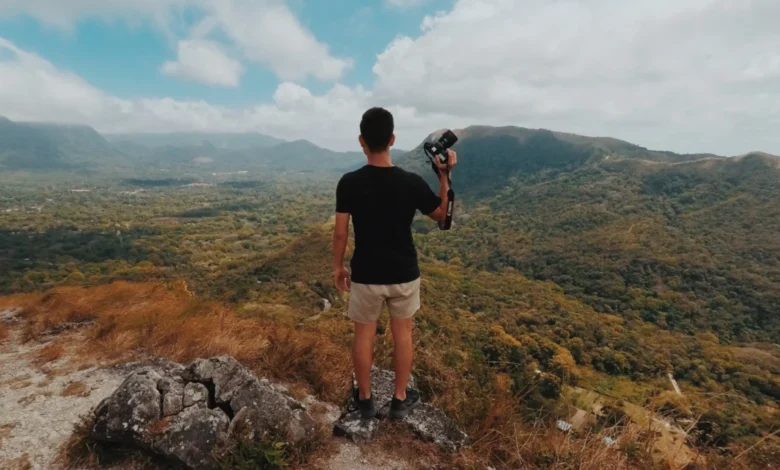
This experience-based approach encourages travelers to identify the core components of their interest. If the goal is to experience "old-world charm," a traveler in North America might find similar satisfaction in Quebec City rather than flying to Western Europe. If the goal is "immersion in nature," local national parks or regional rail trails can provide the same psychological benefits as distant wilderness areas at a fraction of the cost. By prioritizing the experience—whether it be hiking, culinary exploration, or historical research—travelers can find suitable alternatives within a bus or train ride of their home.

Chronology of the Budget Travel Movement
The evolution of low-cost travel can be traced through several distinct phases over the past two decades:
- The Hostel and Backpacking Era (2000–2010): The rise of digital booking platforms made hostels more accessible to a broader demographic beyond students, popularizing the idea of shared-room travel.
- The Sharing Economy Boom (2010–2018): The launch of platforms like Airbnb and Couchsurfing revolutionized how travelers viewed accommodation, moving away from standardized hotels toward residential stays.
- The Rise of Remote Work and "Slow Travel" (2019–Present): The pandemic-era shift toward remote work allowed individuals to spend longer periods in a single location, reducing per-day costs and encouraging deeper local immersion rather than rapid-fire sightseeing.
Today, the movement is entering a "creative austerity" phase, where travelers use sophisticated digital tools to find "glitches" in pricing, participate in home exchanges, or engage in labor-for-lodging arrangements.
Strategies for Zero-Cost and Low-Cost Accommodation
Accommodation typically represents the largest line item in a travel budget. To mitigate this, savvy travelers are increasingly turning to non-traditional models:
Housesitting and Pet Sitting
This has emerged as one of the most effective ways to secure luxury-level accommodation for free. Homeowners who travel often require responsible individuals to care for their property and pets. Platforms such as TrustedHousesitters have seen a surge in membership as travelers realize they can stay in high-end homes in cities like Chicago, London, or Tokyo in exchange for basic domestic responsibilities.
Home Exchanges
popularized by the film The Holiday and facilitated by modern websites, home swapping allows two parties to trade residences for a set period. This eliminates lodging costs entirely and provides a "live-like-a-local" experience that hotels cannot replicate.
Hospitality Networks
While Couchsurfing was the pioneer, newer networks have refined the model of staying with locals for free. These interactions are built on social capital and mutual interest rather than financial transaction, often resulting in cultural insights that commercial tours fail to provide.
The Role of Domestic Exploration and Rail Trails
A significant barrier to travel is the perceived necessity of crossing international borders. However, internal tourism offers a wealth of cultural and geographical diversity that is often overlooked. Within large nations like the United States, Canada, or Australia, moving between regions can feel like visiting a different country due to variations in dialect, cuisine, and local history.
Active travel, such as cycling "rail trails," has seen a 30% increase in participation over the last three years. These trails—disused railway lines converted into multi-use paths—offer a low-cost way to see the countryside. Because these paths are often flat and pass through small, affordable towns, they provide an accessible form of adventure that requires little more than a bicycle and a tent or a modest inn.
Data Analysis: The Hidden Costs of Travel Debt
To understand the impact of the "Travel Now, Pay Later" trend, consider the following data points:
- Interest Compounding: A traveler who puts $5,000 of travel expenses on a card with 22% interest and only makes minimum payments will eventually pay over $4,000 in interest alone over several years.
- Opportunity Cost: The capital used to pay off travel debt is capital that is not being invested in retirement accounts or housing equity, which can have a multi-decade impact on net worth.
- The "Post-Vacation Blues" Correlation: Psychological studies indicate that travelers who return to significant debt report a faster "decay" of the happiness levels gained during their trip compared to those who stayed within budget.
Expert Perspectives and Industry Responses
Tourism boards are beginning to recognize the shift toward budget-conscious travel. "We are seeing a move away from ‘extravagance’ toward ‘authenticity,’" says a spokesperson for a major European tourism council. "Travelers are less interested in the gold-plated experience and more interested in the local market, the neighborhood park, and the regional hiking trail."

Financial advisors also emphasize the importance of a "travel sinking fund"—a dedicated savings account where small amounts are deposited monthly. This proactive approach ensures that when a travel opportunity arises, the funds are already available, rendering high-interest credit unnecessary.
Broader Implications for the Travel Industry
The democratization of travel through budget-friendly methods has several long-term implications:
- Sustainability: Local and domestic travel typically has a much lower carbon footprint than long-haul international flights. The rise of budget-conscious travel aligns closely with environmental goals.
- Economic Distribution: When travelers use housesitting or stay in residential areas, their spending tends to go toward local grocery stores and small cafes rather than multinational hotel chains and airport concessions. This helps distribute tourism dollars more equitably within a community.
- Mental Health: By removing the financial barrier to travel, more people can access the restorative benefits of a change of scenery. This is particularly important in high-stress urban environments where "getting away" is a psychological necessity.
In conclusion, the belief that travel requires a large fortune is a relic of a previous era of tourism. By adopting a creative approach, focusing on experiences over prestige, and leveraging the sharing economy, exploration remains accessible to almost everyone. The most successful travelers of the future will not be those with the largest bank accounts, but those with the most resourcefulness and the willingness to rethink what it means to go on a journey. Avoiding debt is not just a financial strategy; it is a way to ensure that the spirit of travel remains a source of joy rather than a source of long-term stress.