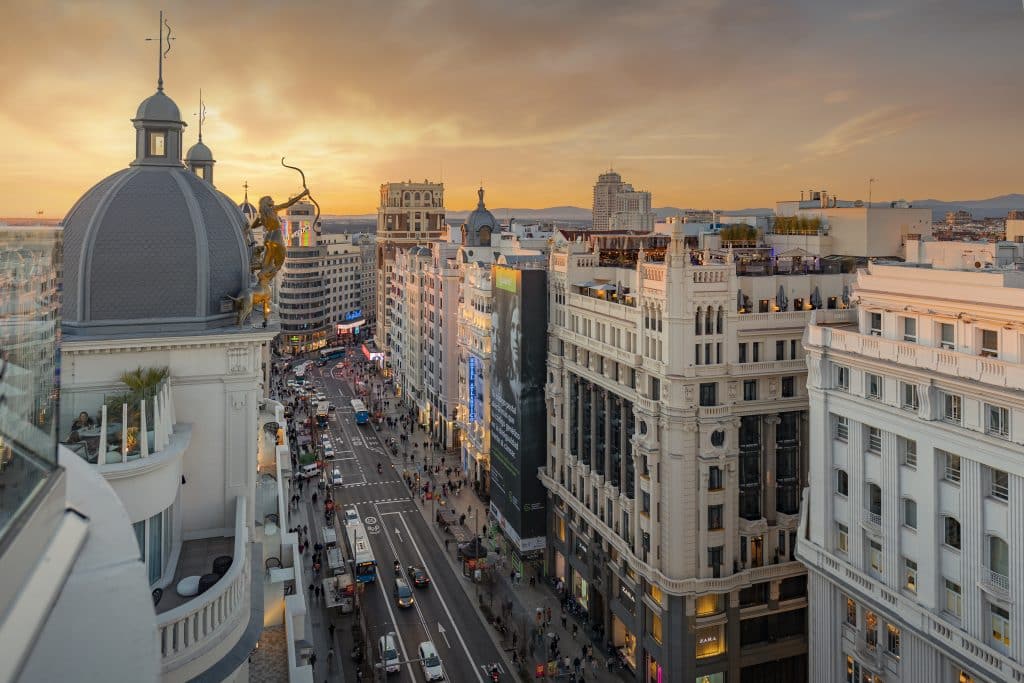
The city of Madrid has solidified its standing as a primary destination for international travelers seeking a sophisticated urban experience, characterized by a unique blend of world-class art, expansive green spaces, and a distinct socio-cultural rhythm. Long considered a secondary stop to coastal counterparts like Barcelona, Spain’s capital is now being recognized by industry experts and tourism analysts as a "connoisseur’s city"—a metropolis that prioritizes local authenticity and high-density cultural offerings over traditional tourist tropes. This shift in perception is supported by recent infrastructure developments, a surging gastronomic scene, and the 2021 UNESCO World Heritage designation of the "Paisaje de la Luz" (Landscape of Light).
The Evolution of the Madrileño Identity and Global Appeal
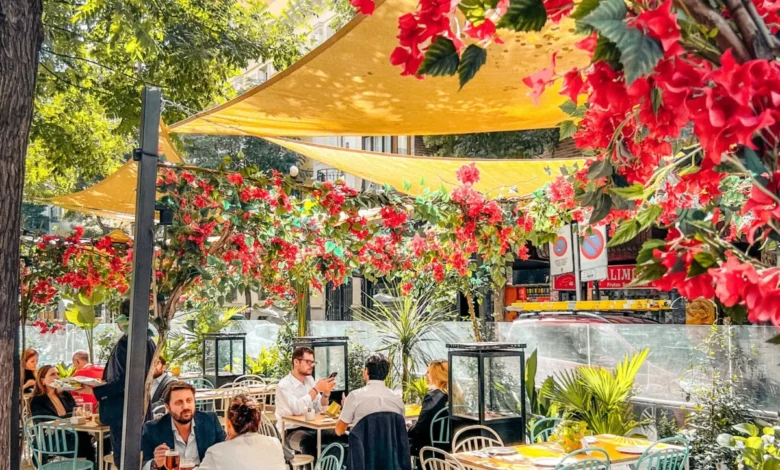
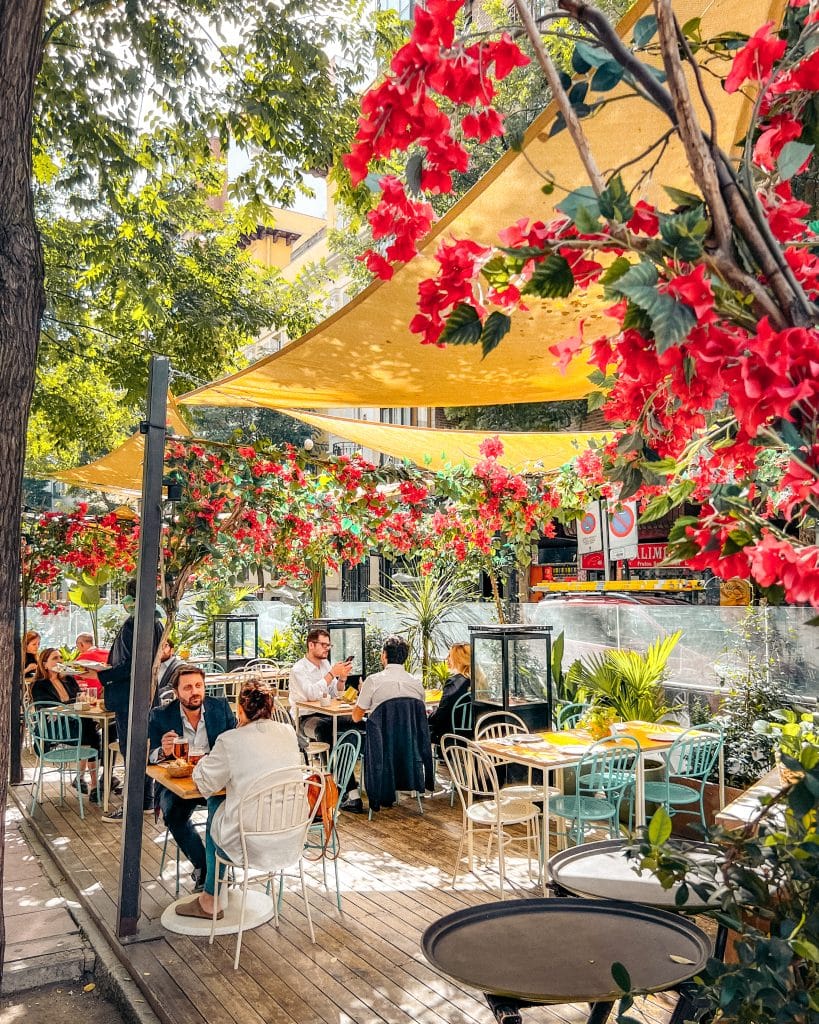
Madrid’s rise in the global tourism market is not a matter of chance but the result of a long-term strategic pivot toward cultural and luxury tourism. Historically, the city served as the administrative and royal heart of Spain, a fact reflected in its grand architecture and centralized layout. Today, that history provides the backdrop for a modern economy driven by the "tardeo" lifestyle—a social ritual involving late-afternoon gatherings on terraces—and a schedule that operates significantly later than most European or North American cities.
The city’s daily rhythm, where lunch typically commences at 2:00 PM and dinner at 9:00 PM, has become a hallmark of the Madrid experience. Far from being a mere curiosity, this schedule dictates the economic flow of the city’s hospitality sector, allowing for multiple peaks of activity throughout the day and night. The vibrancy of the streets at midnight, even on weekdays, underscores a social cohesion that attracts travelers looking for an immersive, lived-in urban environment rather than a curated museum-city.
The Golden Triangle of Art: A Global Cultural Pillar
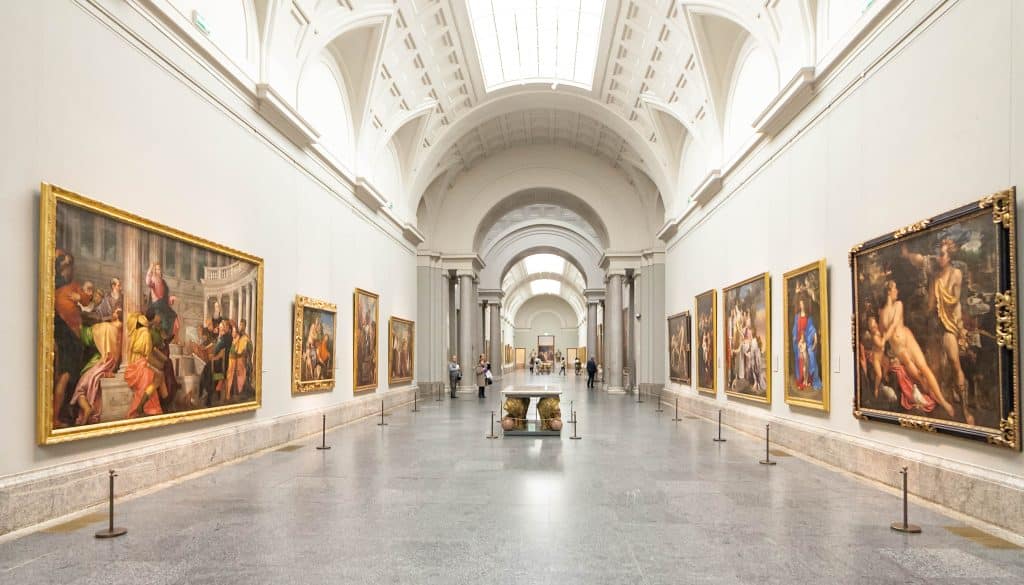
Central to Madrid’s international prestige is the "Golden Triangle of Art," a concentrated area housing three of the world’s most significant museums: the Prado Museum, the Reina Sofía National Art Center, and the Thyssen-Bornemisza National Museum.
- The Prado Museum: As Spain’s premier national art gallery, the Prado houses one of the finest collections of European art, dating from the 12th century to the early 20th century. With approximately 3 million visitors annually, it remains a cornerstone of the city’s cultural economy.
- The Reina Sofía: This institution serves as the hub for modern and contemporary art. Its centerpiece, Pablo Picasso’s Guernica, continues to be a major draw for international visitors. The museum’s focus on 20th-century Spanish art, including works by Salvador Dalí and Joan Miró, provides a critical historical narrative of Spain’s transition into modernity.
- The Thyssen-Bornemisza: Completing the triangle, this museum offers a private collection that fills the historical gaps left by its neighbors, covering movements from Italian Primitives to English, Dutch, and German schools, as well as Impressionism and Pop Art.
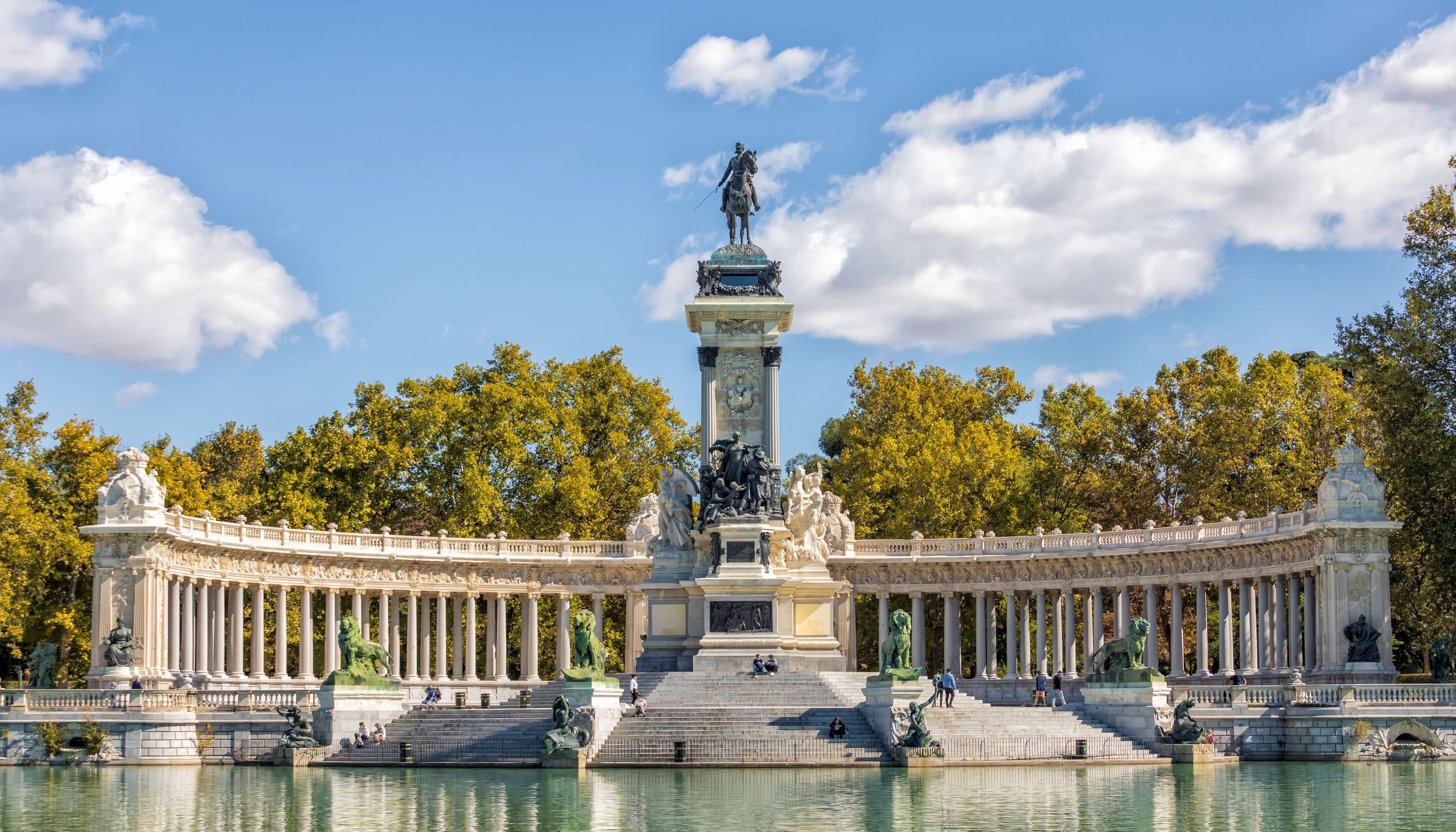
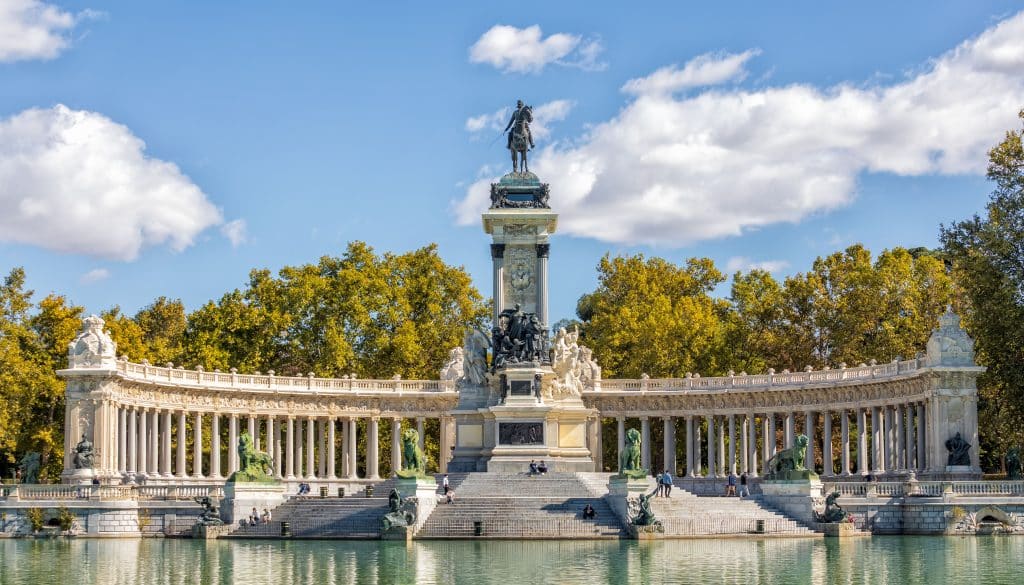
In July 2021, UNESCO added the Paseo del Prado and Buen Retiro park to its World Heritage List. This area, dubbed the "Landscape of Light," was recognized as an "evolved cultural landscape," marking the first time an urban green space in Madrid received such an honor. This designation has provided a significant boost to the city’s brand, positioning it as a leader in sustainable urban heritage.
Urban Planning and the Significance of El Retiro
The Parque del Buen Retiro (El Retiro) serves as the lungs of the city and a primary example of successful urban green space management. Spanning over 125 hectares and featuring more than 15,000 trees, the park is a historical site that was once a royal retreat. Key landmarks within the park, such as the 19th-century Crystal Palace—an iron-and-glass structure originally built for the Philippine Exposition—and the Monument to Alfonso XII, highlight the intersection of nature and classical architecture.
For the modern traveler, El Retiro represents a necessary counterpoint to Madrid’s high-density urban core. The park’s integration into the daily lives of residents—used for rowing, reading, and social exercise—reinforces the city’s appeal as a destination where visitors can "live like a local." Analysts suggest that such expansive, accessible green spaces are increasingly prioritized by post-pandemic travelers who value wellness and open-air environments.
Gastronomy as an Economic and Cultural Driver
Madrid’s culinary scene has undergone a transformation, moving from traditional taverns to a sophisticated landscape that includes over 20 Michelin-starred restaurants. However, the heart of the city’s food culture remains its public markets and historic eateries.
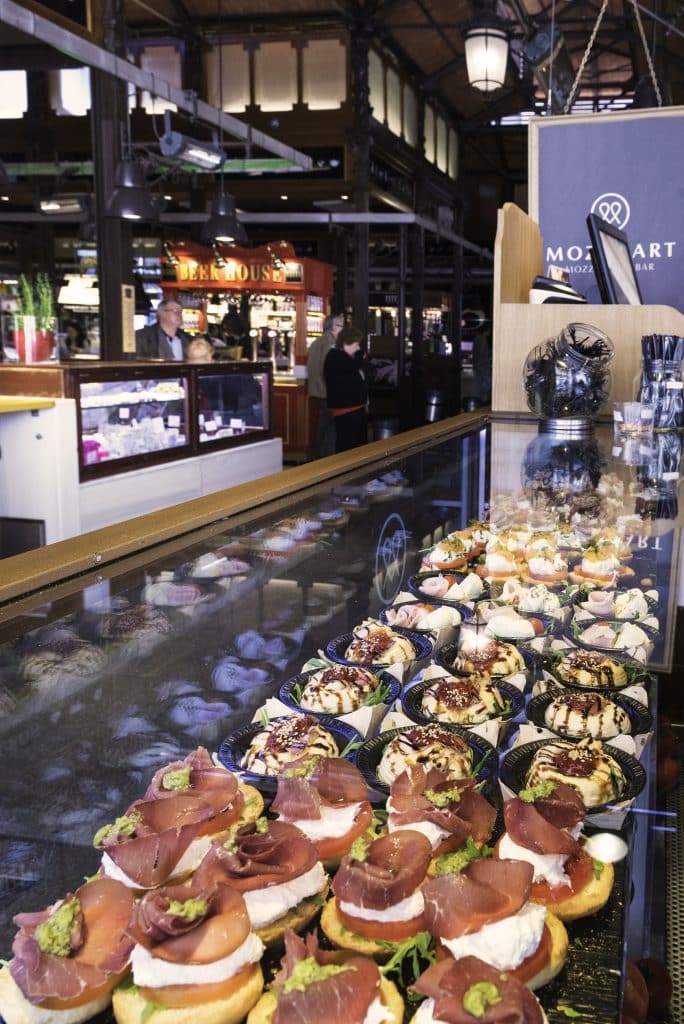
The Mercado de San Miguel, located near the Plaza Mayor, stands as a prime example of the "market-to-table" trend. The iron-and-glass structure, dating back to 1916, was renovated in the early 2000s to become a gourmet hall. It serves as a vital entry point for visitors to experience Spanish staples such as Iberian ham, fresh seafood, and encurtidos (pickled snacks).
Beyond the gourmet markets, the city’s identity is tied to specific culinary traditions, such as the cocido madrileño (a chickpea-based stew) and the ubiquitous churros con chocolate. The ability of the city to maintain these traditions while fostering innovation in fine dining has created a robust "foodie" tourism sector that rivals the Basque Country and Catalonia.
Neighborhood Micro-Economies and Diversification
Madrid’s strength lies in its distinct neighborhoods (barrios), each offering a different socio-economic profile:
- Malasaña: Known as the creative heart of the city, this neighborhood is a hub for independent boutiques, vintage shops, and street art. It represents the "young" energy of Madrid.
- Chueca: Internationally recognized as a premier LGBTQ+ friendly district, Chueca is a center for inclusivity and vibrant nightlife, contributing significantly to the city’s social reputation.
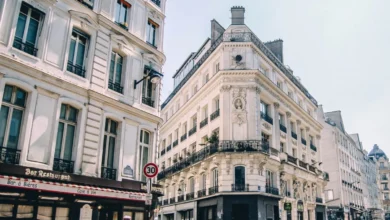
- Salamanca: This upscale district, characterized by wide 19th-century boulevards, hosts high-end international brands and fine dining, catering to the luxury tourism segment.
- La Latina: Famous for its Sunday flea market, El Rastro, and its concentration of tapas bars, this area preserves the traditional, historical atmosphere of the city.
- Carabanchel: Recently dubbed the "Soho of Madrid," this emerging district is seeing an influx of artists and galleries, signaling a shift in the city’s cultural center of gravity toward the periphery.
Infrastructure and Connectivity: The Gate to Spain
Madrid’s status as a top-tier destination is supported by the Adolfo Suárez Madrid-Barajas Airport (MAD), one of the largest and most well-connected aviation hubs in Europe. The airport serves as the primary bridge between Europe and Latin America, facilitating a steady stream of international traffic.
Once on the ground, the Madrid Metro offers one of the most efficient and extensive underground networks in the world, with nearly 300 stations. This infrastructure allows for high mobility without the need for private transport, a key factor in urban sustainability. Furthermore, Madrid serves as the central hub for the AVE (High-Speed Rail) network, connecting the capital to Barcelona, Seville, and Valencia in under three hours. This connectivity makes Madrid the logical starting point for broader Iberian itineraries.
Comparative Analysis: Madrid vs. Barcelona
For decades, Barcelona dominated the Spanish tourism narrative due to its Mediterranean coastline and Gaudí-designed architecture. However, travel analysts note that Madrid is currently benefiting from a "second-city" surge (despite being the capital). Travelers are increasingly drawn to Madrid’s perceived authenticity—the sense that the city exists for its residents rather than solely for the tourist gaze.
While Barcelona has faced challenges regarding "over-tourism" and social friction, Madrid has managed to expand its tourism capacity while maintaining a high level of local engagement. The city’s focus on "city connoisseurs"—those interested in deep cultural immersion rather than check-list sightseeing—has resulted in longer average stays and higher per-visitor spending.
Future Outlook and Strategic Goals
The Madrid City Council and the regional government continue to invest in the "ES Madrid" brand, focusing on year-round tourism. Unlike many European cities that suffer from extreme seasonality, Madrid’s dry, sunny winters and vibrant autumns make it a viable 12-month destination.
Future growth is expected to focus on sustainable development and the promotion of less-visited districts like Chamberí and Carabanchel to prevent overcrowding in the city center. By balancing its royal heritage with a cutting-edge creative economy, Madrid is positioning itself not just as the capital of Spain, but as a leading capital of global culture.
In conclusion, Madrid’s current trajectory suggests a city that has successfully navigated the transition into a modern, high-value tourism hub. Its commitment to preserving its unique social clock, investing in its "Golden Triangle" of museums, and maintaining its expansive green spaces ensures that it remains a destination built for those who truly love the complexity and vibrance of urban life.