Comprehensive Guide to Madagascar Infrastructure Biodiversity and the Realities of Tourism in the Great Island

Madagascar, the fourth largest island in the world, remains one of the most ecologically diverse yet logistically challenging destinations for international travelers. Known for its high rate of endemism and unique cultural heritage, the nation offers a landscape that is roughly 90 percent unique in its flora and fauna. However, the experience of navigating the country is defined as much by its environmental splendor as it is by its systemic infrastructure deficits, profound economic disparities, and periodic political volatility. As of early 2026, the Malagasy tourism sector continues to grapple with the aftermath of significant civil unrest, highlighting the complexities of travel in a developing nation where modern amenities are often secondary to the raw realities of the environment.
Biological and Geographical Context
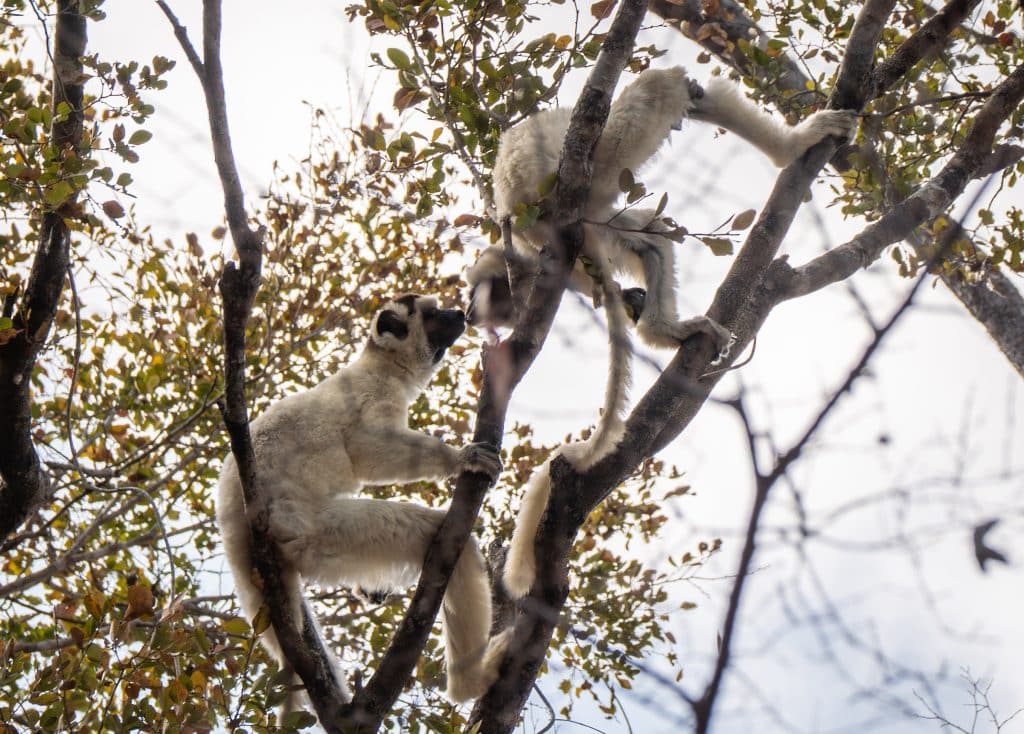
The evolutionary history of Madagascar is the primary driver of its tourism appeal. Separated from the African mainland approximately 160 million years ago and from the Indian subcontinent 90 million years ago, the island served as a biological laboratory. This isolation allowed for the evolution of species found nowhere else on Earth, most notably the lemur. Currently, there are over 100 known species of lemurs, all of which are endemic to the island.
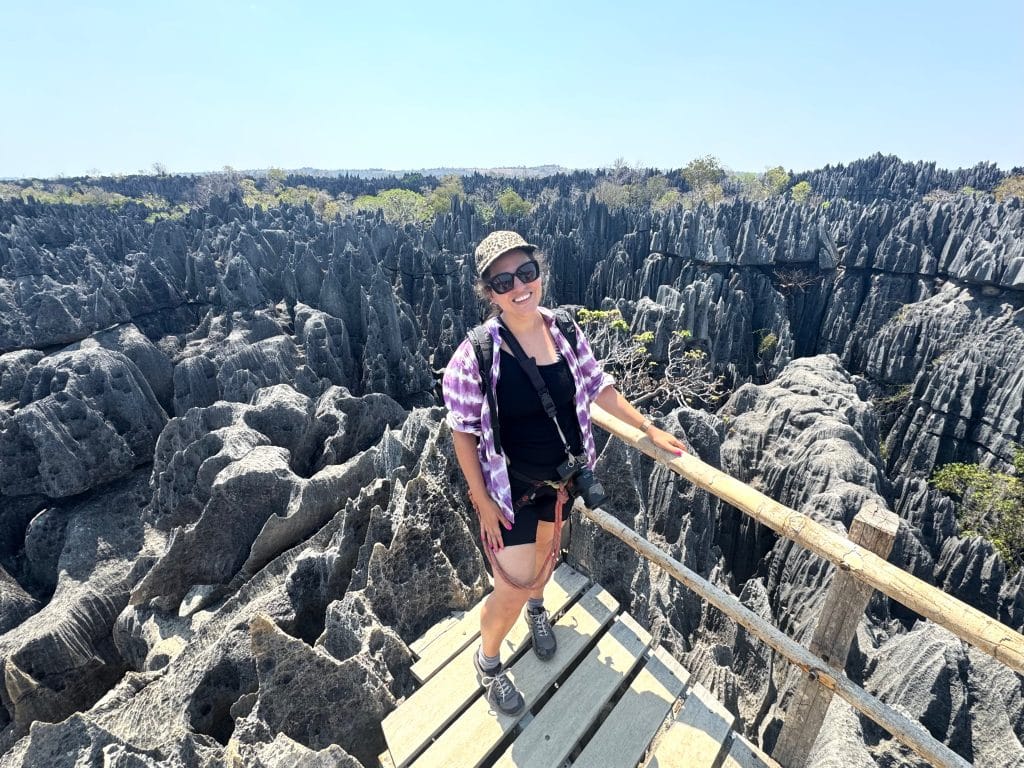
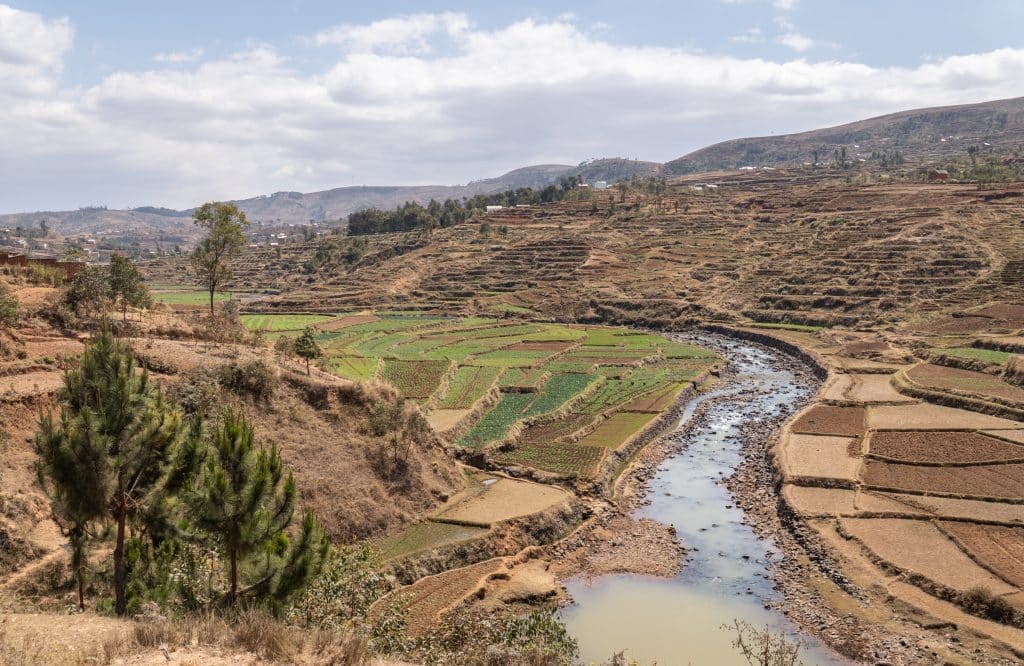
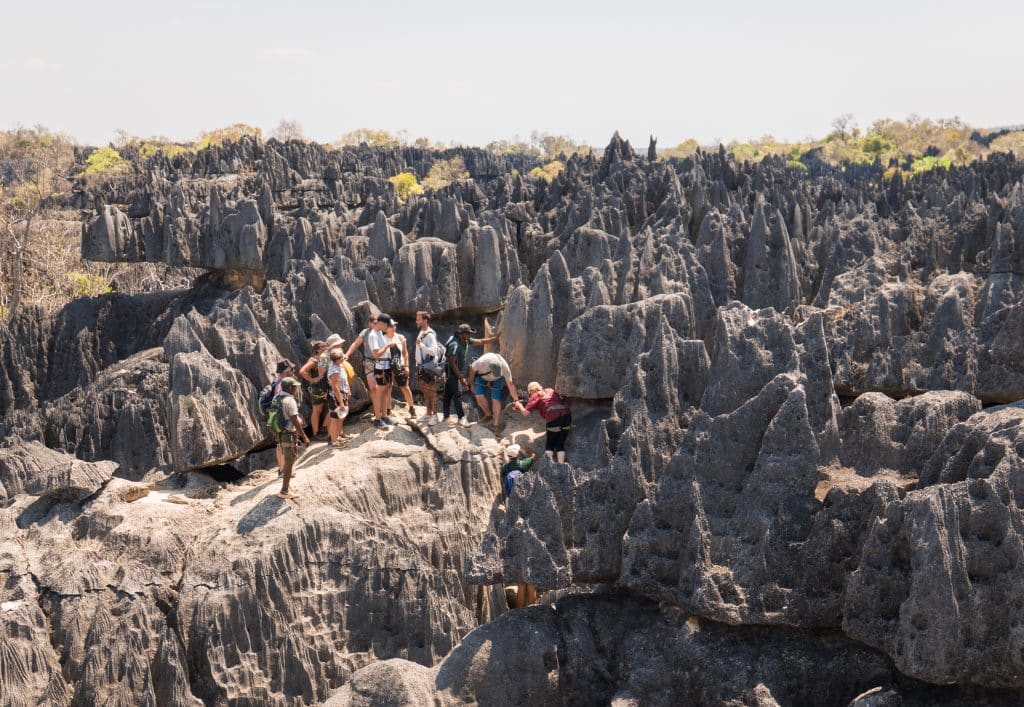
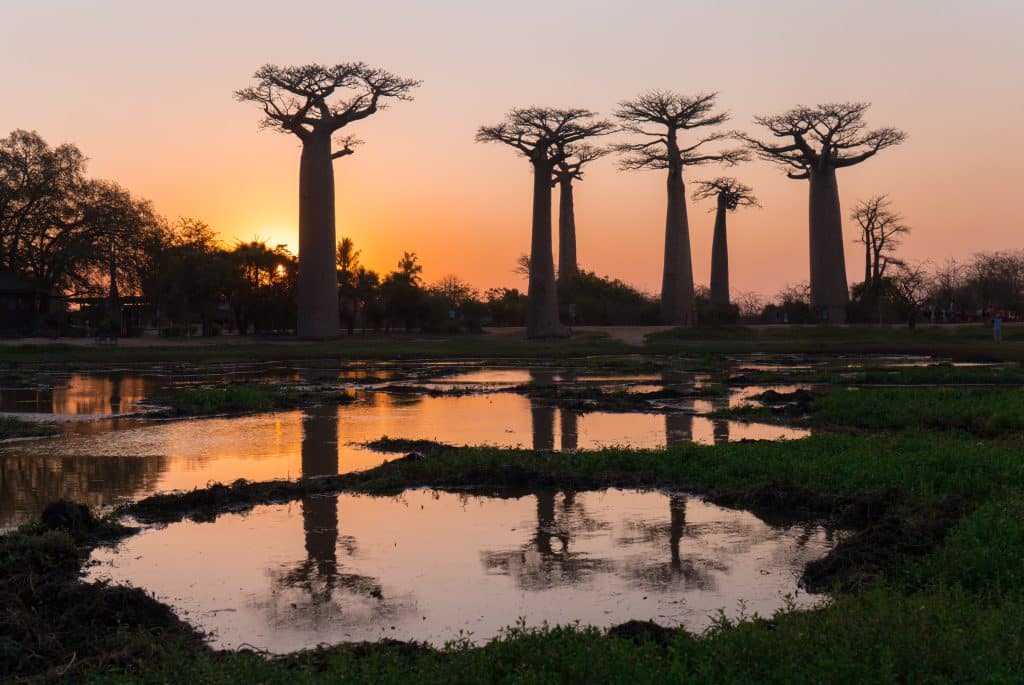
The island’s geography is divided into several distinct ecosystems: the tropical rainforests of the east, the central highlands, and the dry deciduous forests and spiny deserts of the west and south. This variety necessitates specialized travel planning, as the climate and terrain vary drastically between regions. For instance, the Tsingy de Bemaraha National Park, a UNESCO World Heritage site, features a "stone forest" of jagged limestone needles formed over centuries of erosion, while the Avenue of the Baobabs near Morondava showcases ancient Adansonia grandidieri trees, some of which are over 800 years old.
Infrastructure and the Logistics of Movement
One of the most significant barriers to Malagasy tourism is the state of the national infrastructure. The country’s road network is categorized into National Roads (RN) and secondary "B-roads." While some national routes are paved, they are frequently plagued by potholes and seasonal damage. The B-roads, however, represent a much higher level of difficulty. These unpaved tracks are often impassable during the rainy season, which typically runs from January to March.
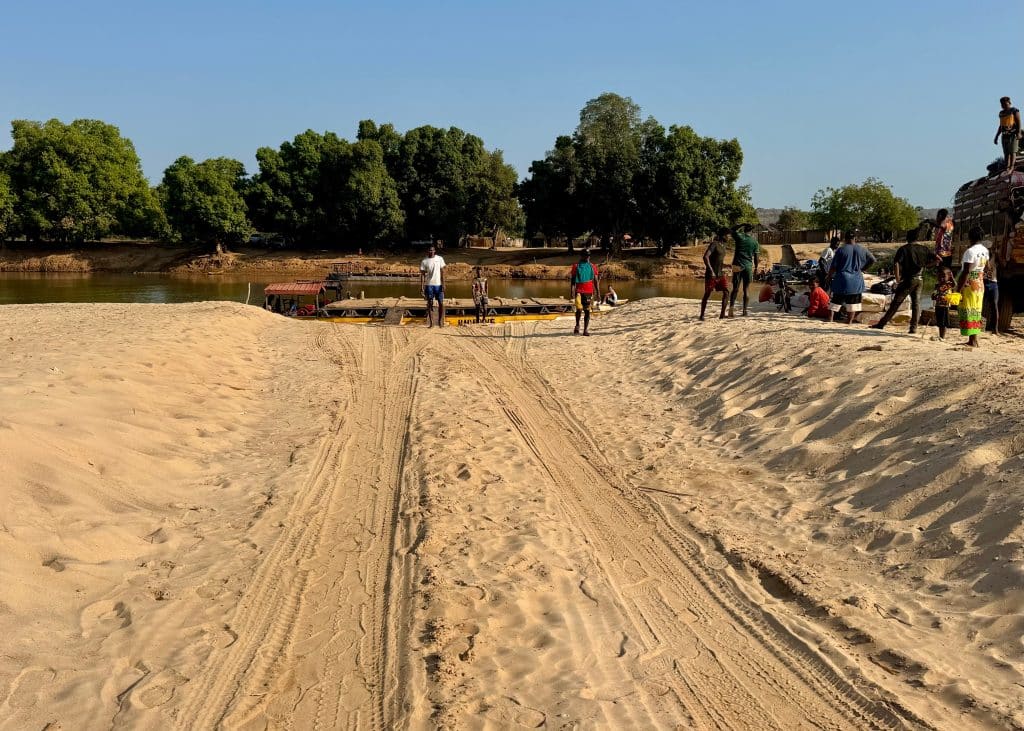
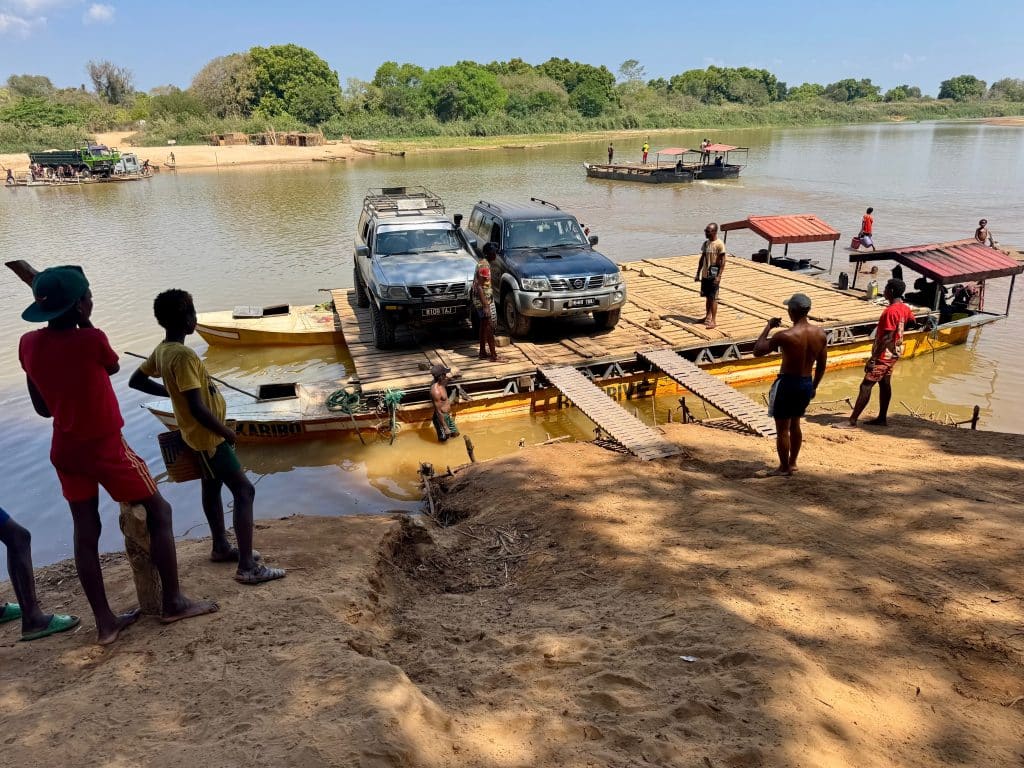
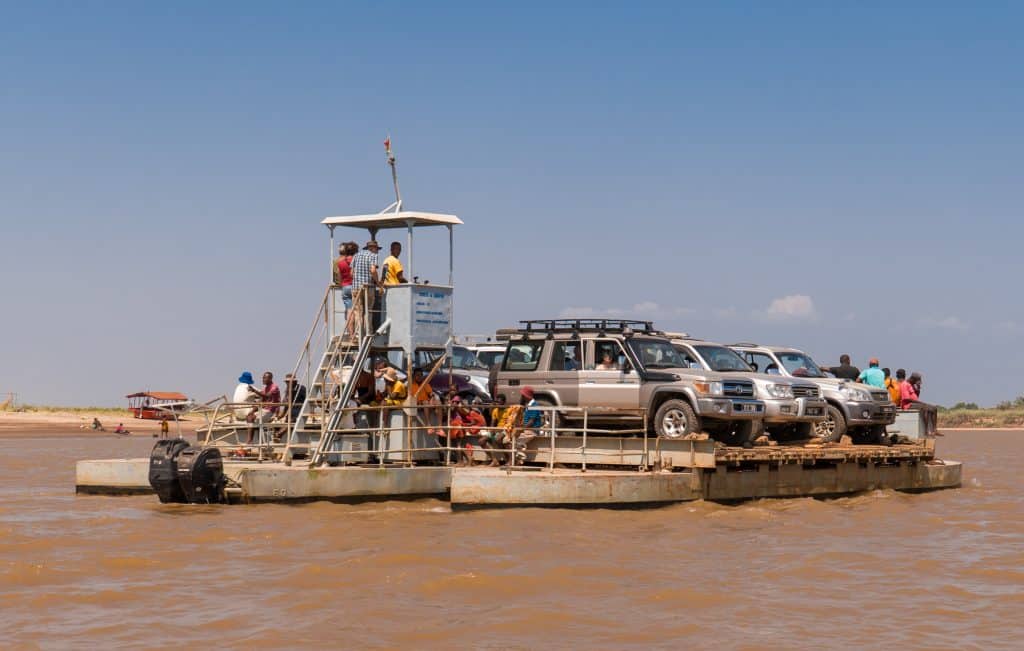
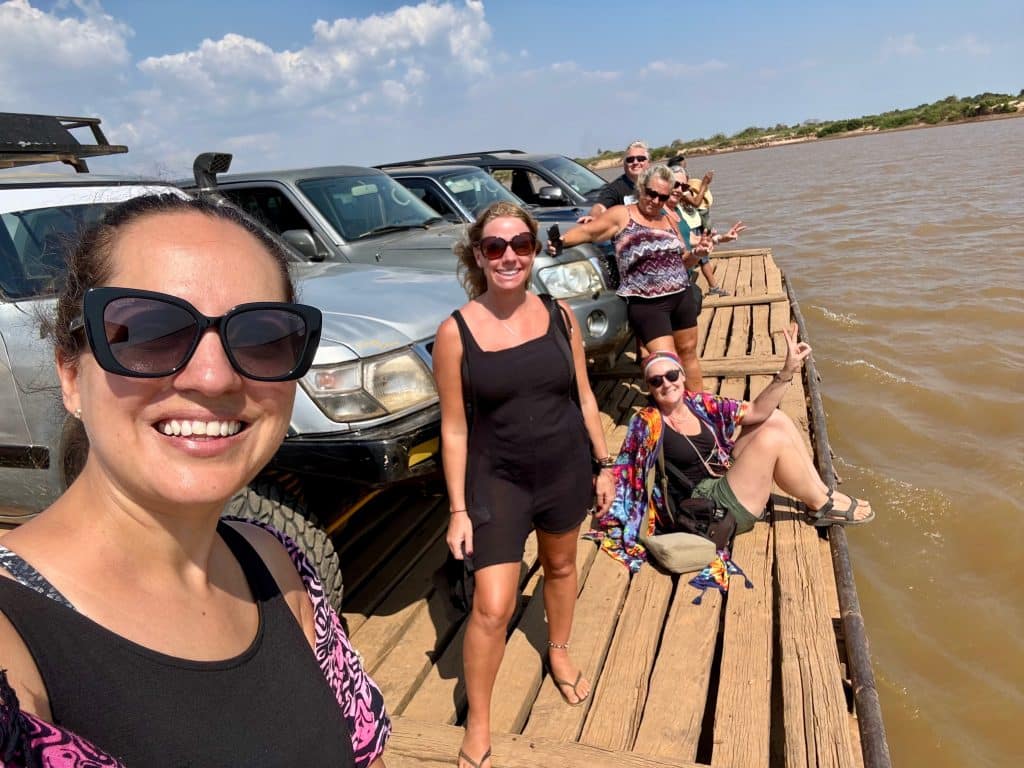
Travel experts and local operators emphasize that 4×4 vehicles are not merely a preference but a necessity for most overland journeys. In many rural areas, the absence of bridges requires vehicles to be transported across rivers on primitive motorized rafts consisting of wooden planks lashed to canoes. These crossings are time-consuming and carry inherent risks, yet they remain the only viable method for reaching key sites like the Grand Tsingy.
Due to the arduous nature of road travel—where a 200-kilometer journey can take upwards of 12 hours—internal flights are the preferred method for long-distance transit. Madagascar Airlines operates these routes, but capacity is limited. Industry data suggests that flights often sell out months in advance, requiring travelers to secure bookings as early as six to eight months before their arrival. The reliability of these flights, however, remains tied to the country’s political and economic stability.
Chronology of the 2025 Political Unrest
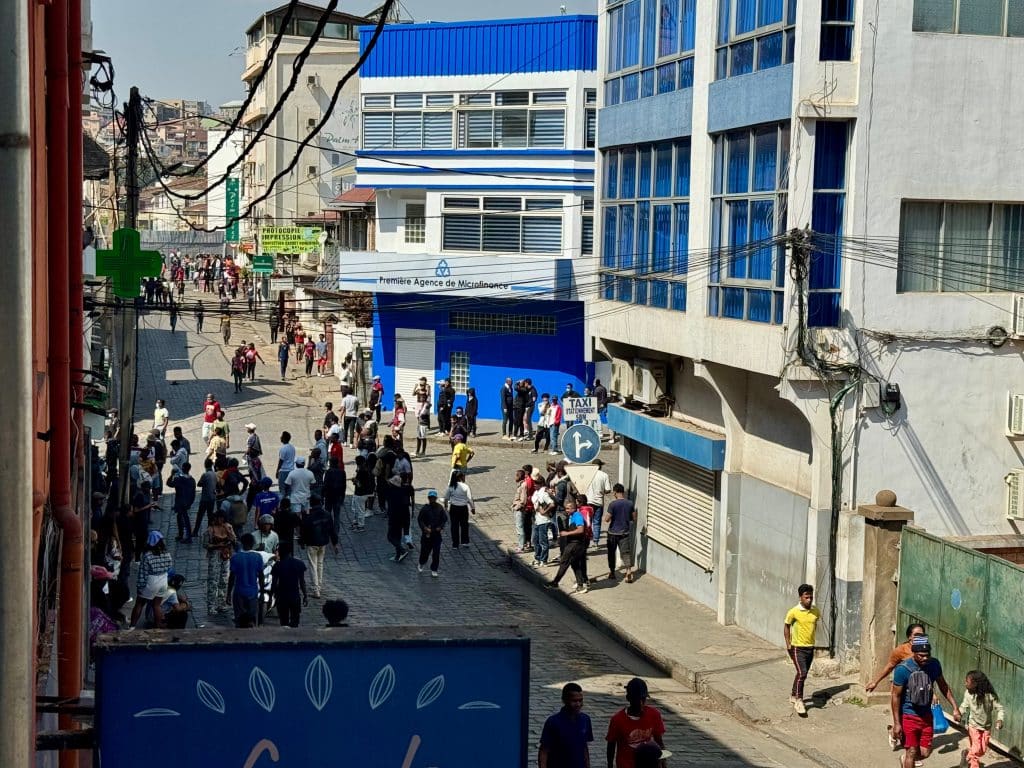
The political landscape of Madagascar is historically characterized by periods of transition and civil demonstration. In late September and early October 2025, the country experienced a surge of nationwide protests centered in the capital, Antananarivo.
September 20-25, 2025: Protests intensified in the capital’s urban core. Demonstrators, primarily young adults, took to the streets to protest chronic power outages, water shortages, and allegations of government corruption.
September 25, 2025: Violence escalated in Antananarivo. Police utilized tear gas to disperse crowds near major hotels and government buildings. Several international travel advisories, including those from the United States and the United Kingdom, were elevated to "Level 3: Reconsider Travel."
September 26-28, 2025: Domestic flight schedules were severely disrupted. Madagascar Airlines cancelled numerous afternoon departures as curfews were implemented in major cities. Travelers were forced to seek refuge in gated communities or secure guesthouses on the outskirts of the capital.
Early October 2025: The unrest culminated in a military-led intervention. Following the evacuation of the sitting president, a military council assumed leadership to "restore order and basic services."
By the first quarter of 2026, the situation had stabilized, and the military-led government had begun restoring power and water infrastructure in urban centers. While tourism has resumed, the events served as a stark reminder of the underlying social tensions driven by economic hardship.
Socio-Economic Realities and Poverty
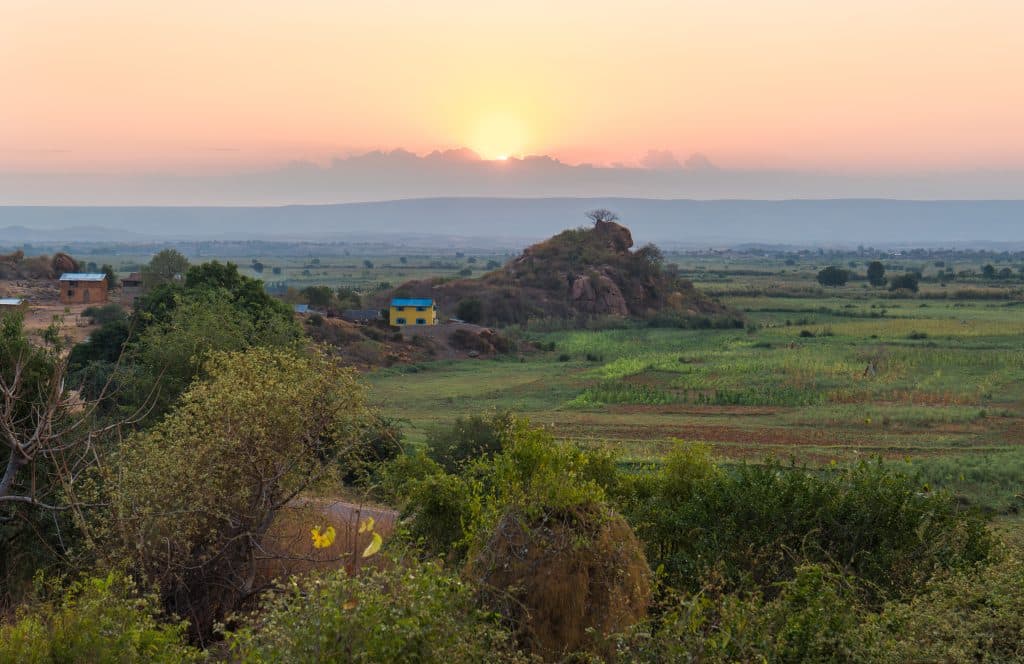
Madagascar consistently ranks among the poorest nations globally, with a significant portion of the population living below the international poverty line. This economic reality is visible to any visitor venturing outside the primary tourist hubs. In rural villages, access to running water and electricity is rare, and many communities rely on subsistence farming and artisanal mining.
The impact of poverty on children is particularly acute. Observers note a lack of basic educational supplies and healthcare in rural schools. Furthermore, the absence of basic corrective services—such as eyeglasses—highlights the lack of specialized medical care.
The tourism industry plays a vital role in the local economy, but experts advocate for "pro-poor tourism" strategies. This involves hiring local guides, staying in locally owned guesthouses, and purchasing handicrafts directly from artisans. There is a strong consensus among NGOs operating in the region that travelers should avoid giving money or candy directly to children, as this can foster a culture of begging and contribute to dental health issues in areas without dental care. Instead, donations to schoolteachers or established community funds are recommended.
Regional Analysis: Key Tourism Hubs
The Central Highlands and Antsirabe
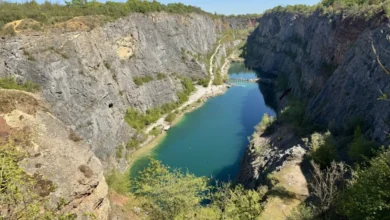
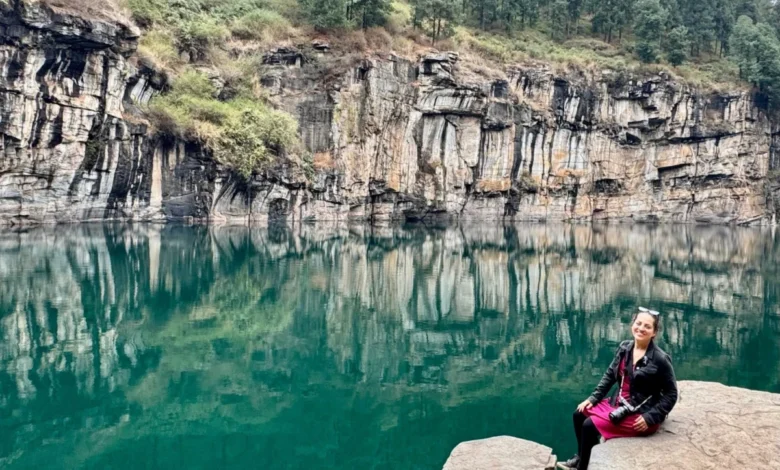
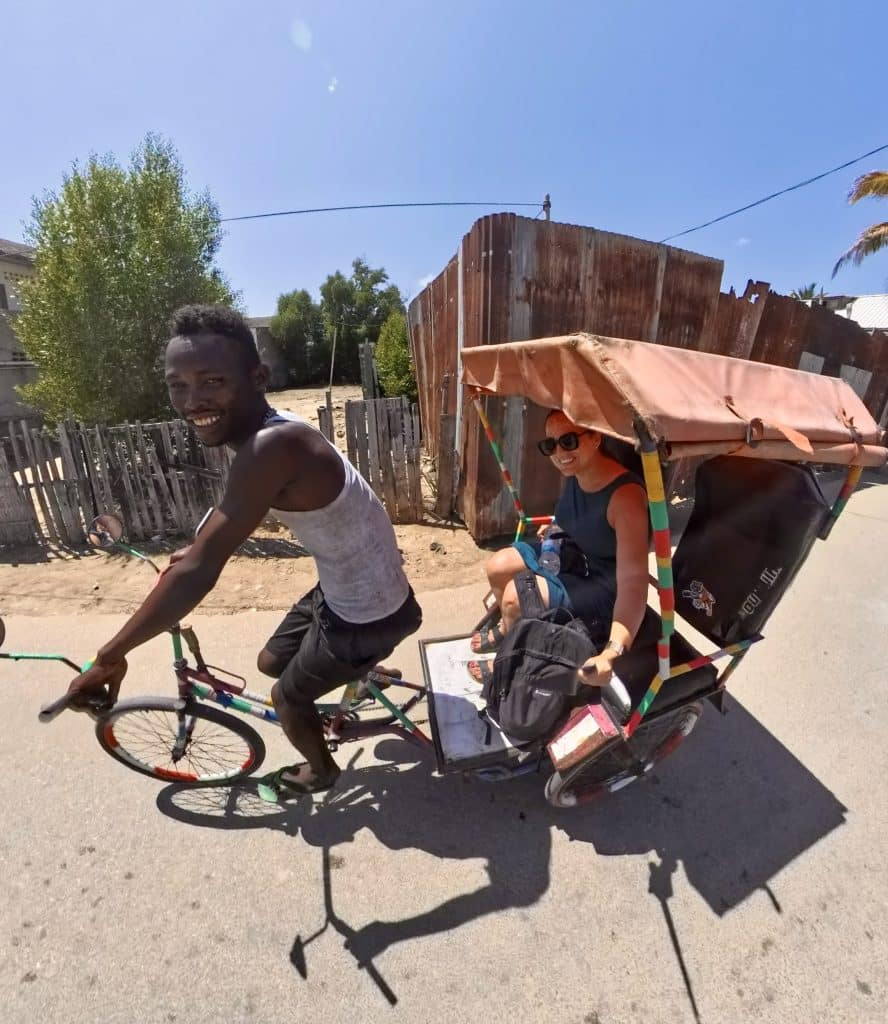
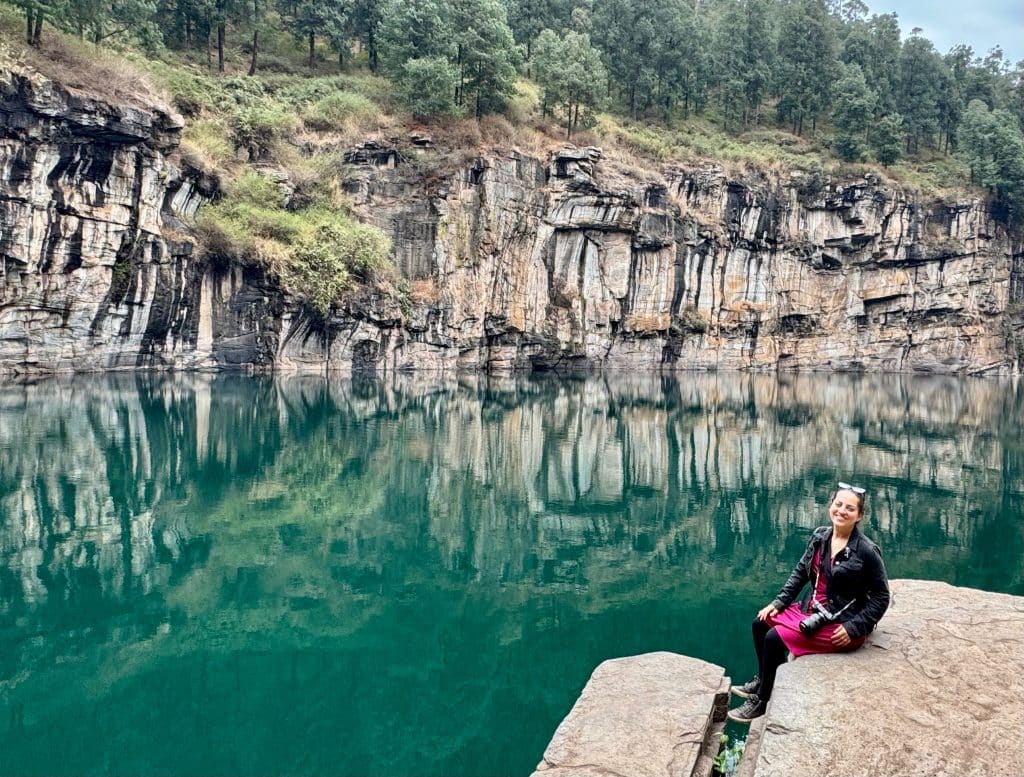
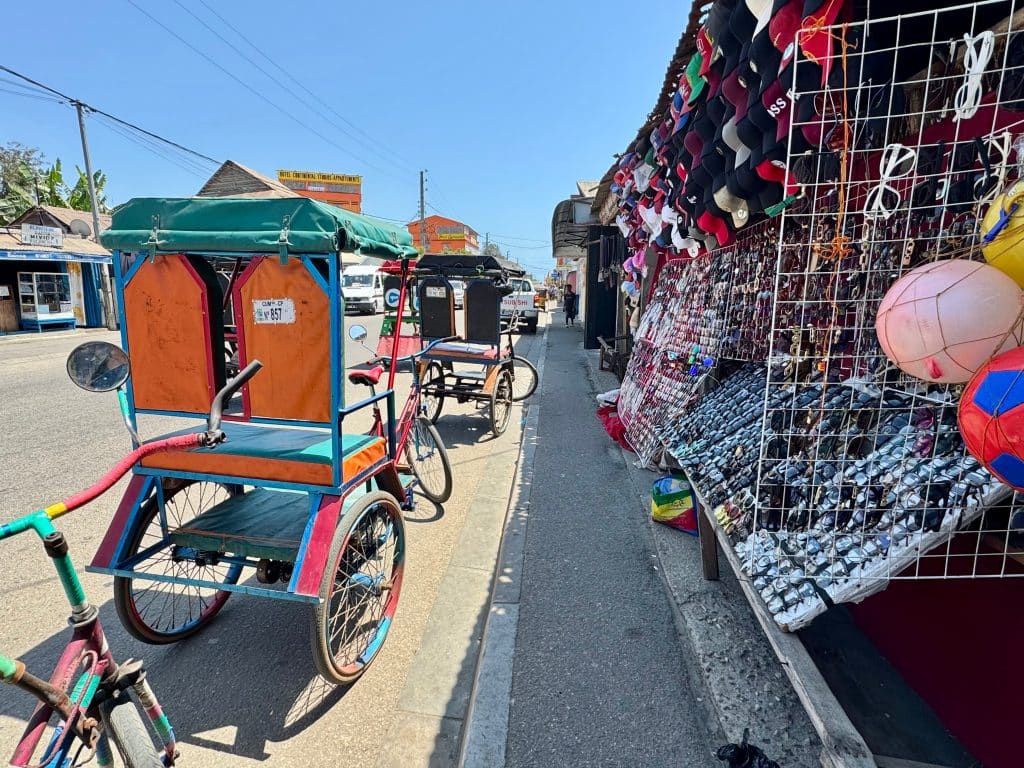
Located south of the capital, Antsirabe is a center for industry and agriculture. Known for its French colonial architecture and the use of "pousse-pousse" (rickshaws), it serves as a gateway to Lake Tritiva. This volcanic crater lake is significant for both its aesthetic beauty and local folklore.
The Western Wilds: Tsiribihina and Tsingy
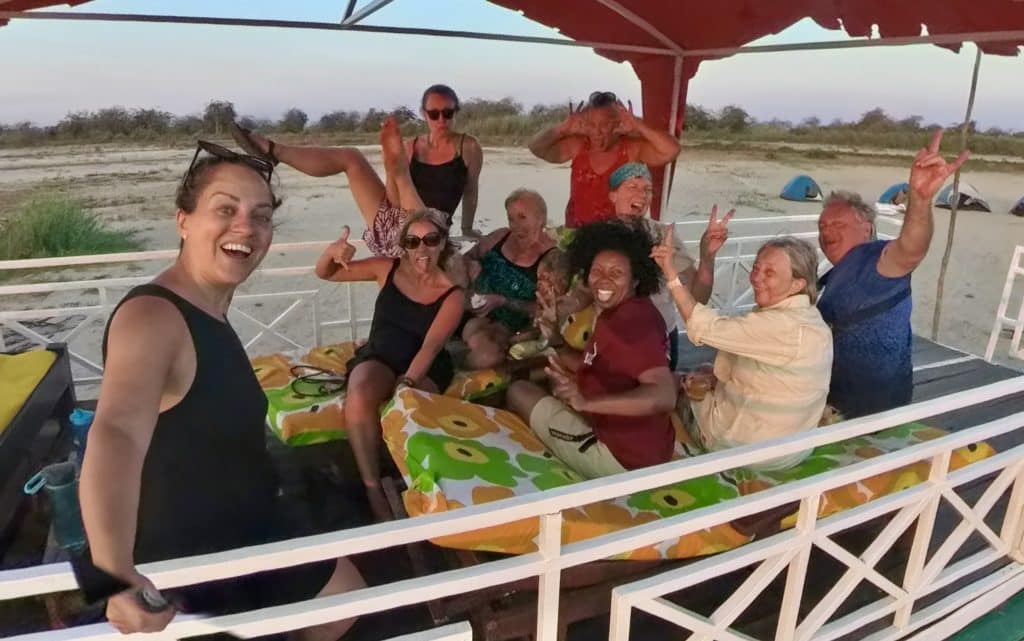
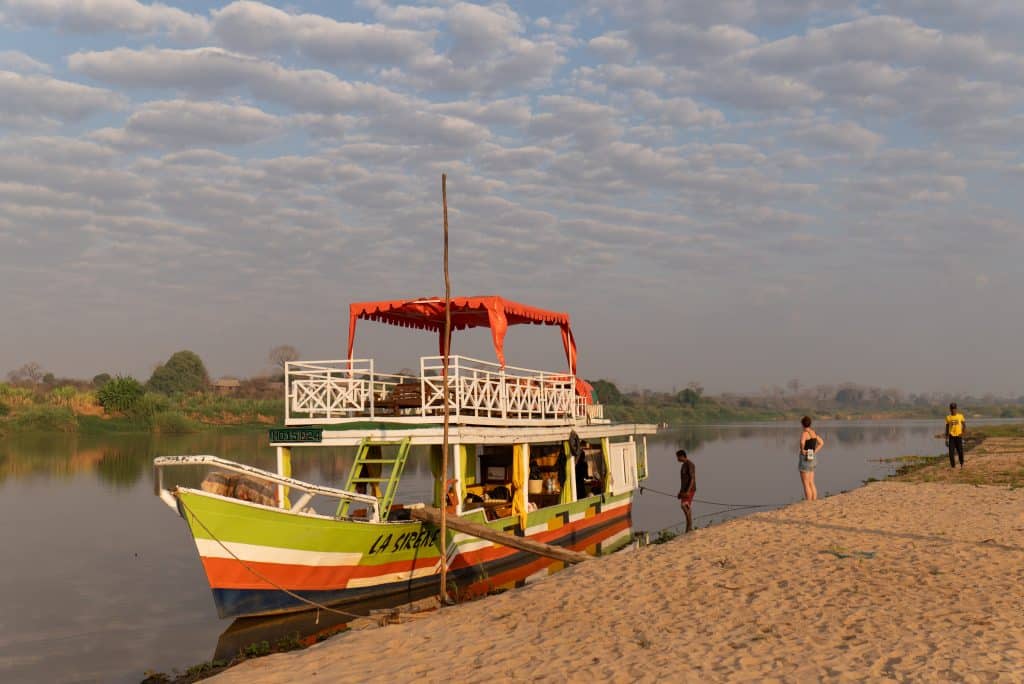
The Tsiribihina River provides a unique perspective on Malagasy life. Multi-day boat expeditions allow for the observation of riverside villages and wildlife, including various lemur species and chameleons. Further west, the Tsingy de Bemaraha National Park offers technical hiking opportunities. The "Grand Tsingy" requires the use of harnesses and via ferrata cables to navigate the sharp limestone formations.
The Coastal Retreat: Nosy Be
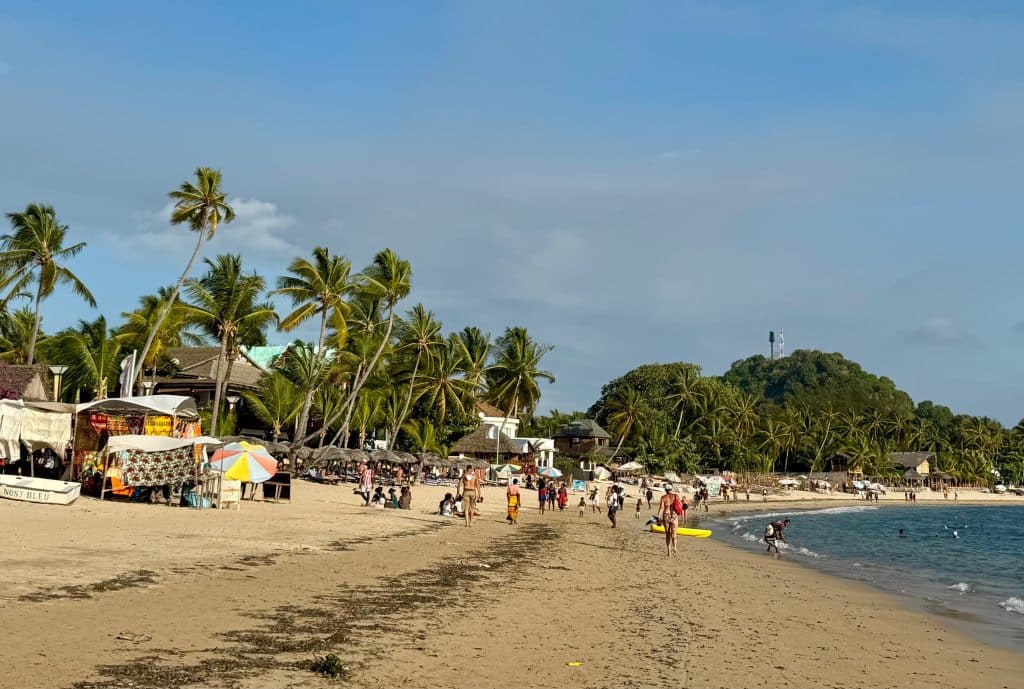
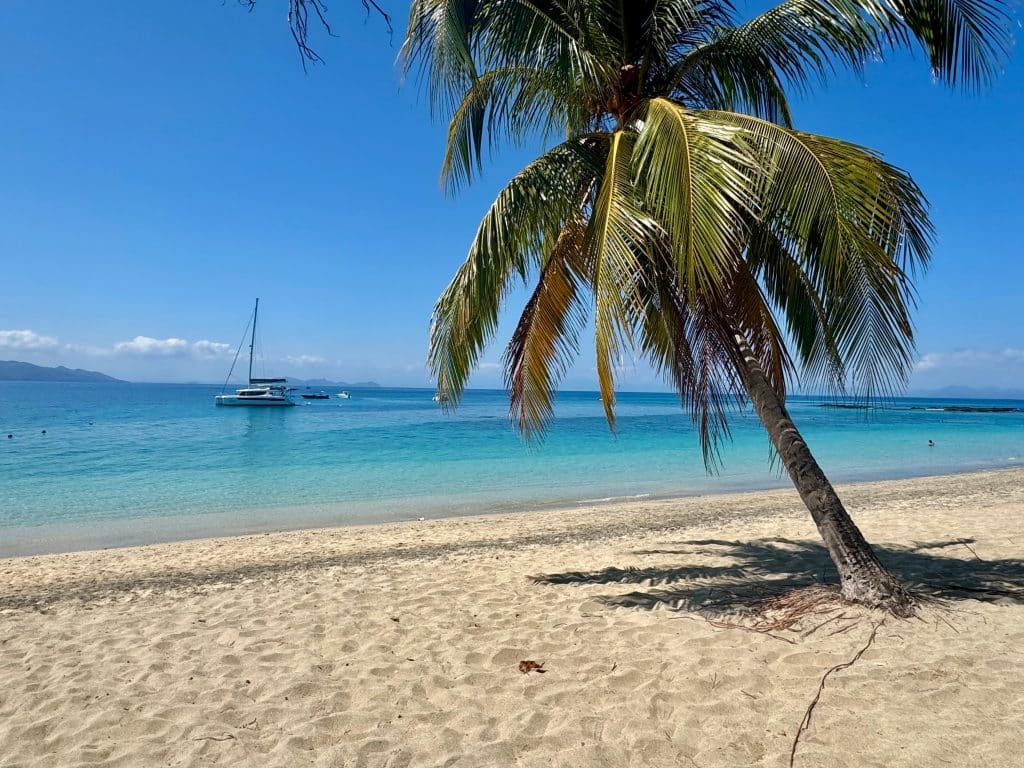
Nosy Be, an island off the northwest coast, represents the most developed arm of Madagascar’s tourism industry. With direct flights to Europe, it offers a more conventional resort experience. It is a hub for marine biodiversity, including whale sharks and giant sea turtles. However, analysts note that Nosy Be is often disconnected from the "real" Madagascar, offering a level of comfort that is unrepresentative of the mainland.
Health and Safety Protocols
Travel to Madagascar requires rigorous medical preparation. The country is a high-risk zone for malaria, necessitating the use of prophylaxis such as Malarone or Doxycycline. Additionally, the lack of medical infrastructure makes preventative vaccinations essential. Travel clinics typically recommend vaccinations for Hepatitis A, Typhoid, Rabies, and Tetanus.
Sanitation remains a primary concern. Travelers are advised to use high-concentration DEET insect repellents and to consume only bottled or purified water. Given the remoteness of many areas, carrying a comprehensive medical kit—including broad-spectrum antibiotics for foodborne illnesses—is a standard recommendation for international visitors.
Implications for Future Tourism
The future of Madagascar’s tourism industry depends on a delicate balance between conservation and development. The island’s unique biodiversity is under constant threat from deforestation and "slash-and-burn" agriculture (tavy), driven by the need for survival among the rural poor.
The 2025 political shift suggests a potential for infrastructure reinvestment, but the long-term effects of military governance on international relations and tourism remains to be seen. For the seasoned traveler, Madagascar remains a "frontier destination"—one that offers unparalleled rewards for those willing to endure significant physical and logistical challenges. The island is not yet ready for the luxury market in the traditional sense; even high-end properties are subject to the country’s limited supply chains and utility failures.
In conclusion, Madagascar is a destination defined by its contradictions. It is a land of immense natural wealth and staggering human poverty; of breathtaking landscapes and crumbling roads. To visit Madagascar is to witness one of the world’s last truly wild places, but it requires a level of flexibility and social consciousness that few other destinations demand. As the country moves further into 2026, the focus remains on building a resilient tourism model that can withstand political shifts while providing tangible benefits to the Malagasy people.