The Global Evolution of Resort Amenity Excellence A Comprehensive Guide to the Worlds Best Hotel Lazy Rivers

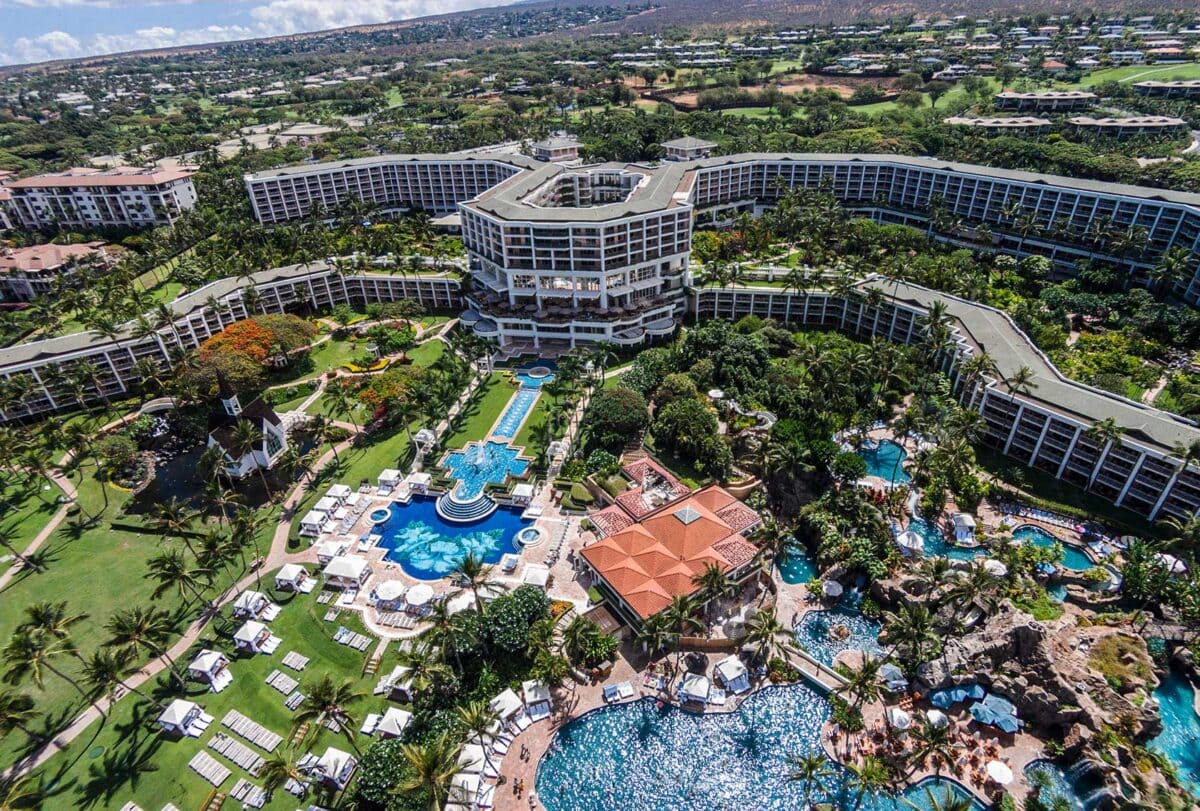
The hospitality industry has undergone a significant transformation over the last two decades, shifting from providing basic lodging to creating immersive, all-encompassing destinations. At the forefront of this evolution is the "resortification" of water features, where the traditional swimming pool has been supplanted by sophisticated aquatic complexes. Among these, the lazy river has emerged as a premier symbol of luxury and family-centric engineering. Originally popularized by standalone waterparks in the late 20th century, these slow-moving water loops are now multi-million dollar investments for global hotel brands, serving as a primary driver for occupancy rates and average daily rates (ADR). This report examines the technical specifications, economic impact, and geographical distribution of the world’s most significant hotel lazy rivers, highlighting the properties that have set the gold standard in aquatic leisure.
The Economic and Architectural Shift in Resort Design
Industry data from the American Hotel & Lodging Association (AHLA) suggests that resorts with extensive water features, including lazy rivers and splash zones, can command a premium of 20% to 40% over comparable properties without such amenities. For large-scale developers like Disney Destinations, Marriott International, and Hyatt Hotels Corporation, the inclusion of a lazy river is no longer a peripheral consideration but a core component of the site plan. These features serve a dual purpose: they increase the "length of stay" by providing on-property entertainment and allow resorts to market themselves as "vacation-in-place" destinations.
The engineering of these rivers has also advanced. Modern systems utilize high-efficiency variable-speed pumps and advanced filtration technologies to maintain water quality and flow while minimizing energy consumption. In arid regions, such as Arizona or the Middle East, these rivers often incorporate sophisticated water recycling systems to align with increasingly stringent environmental regulations.
Leading Domestic Examples: The Florida and Texas Hubs
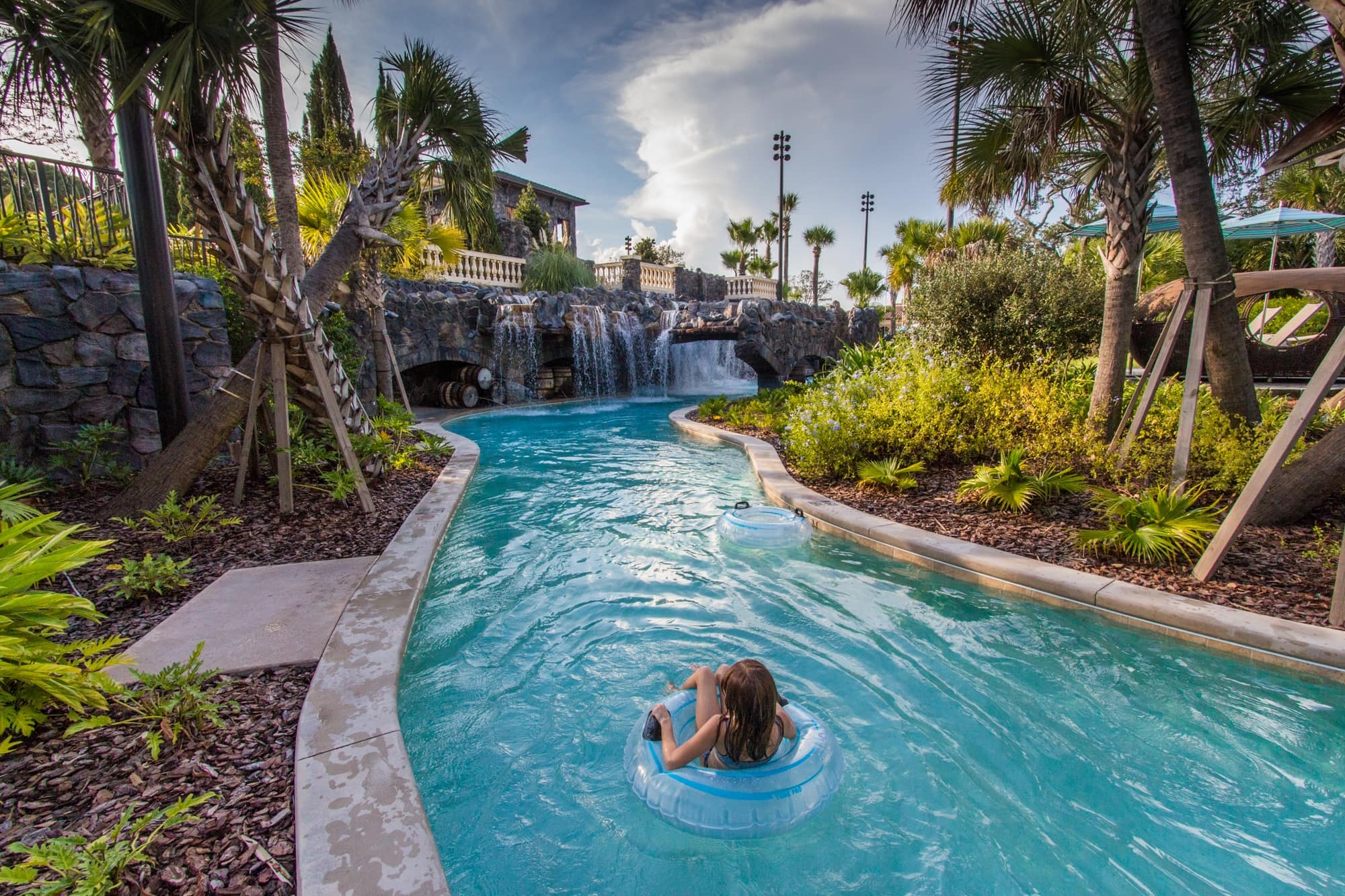
Florida remains the epicenter of the hotel lazy river phenomenon, driven largely by the competitive landscape of Orlando. The Four Seasons Resort Orlando at Walt Disney World Resort represents the pinnacle of this trend. Its five-acre Explorer Island includes a lazy river that features a "canyon" with waterfalls and spray elements. Market analysis indicates that such high-end amenities allow the property to maintain some of the highest occupancy rates in the luxury segment, even during the off-peak season.
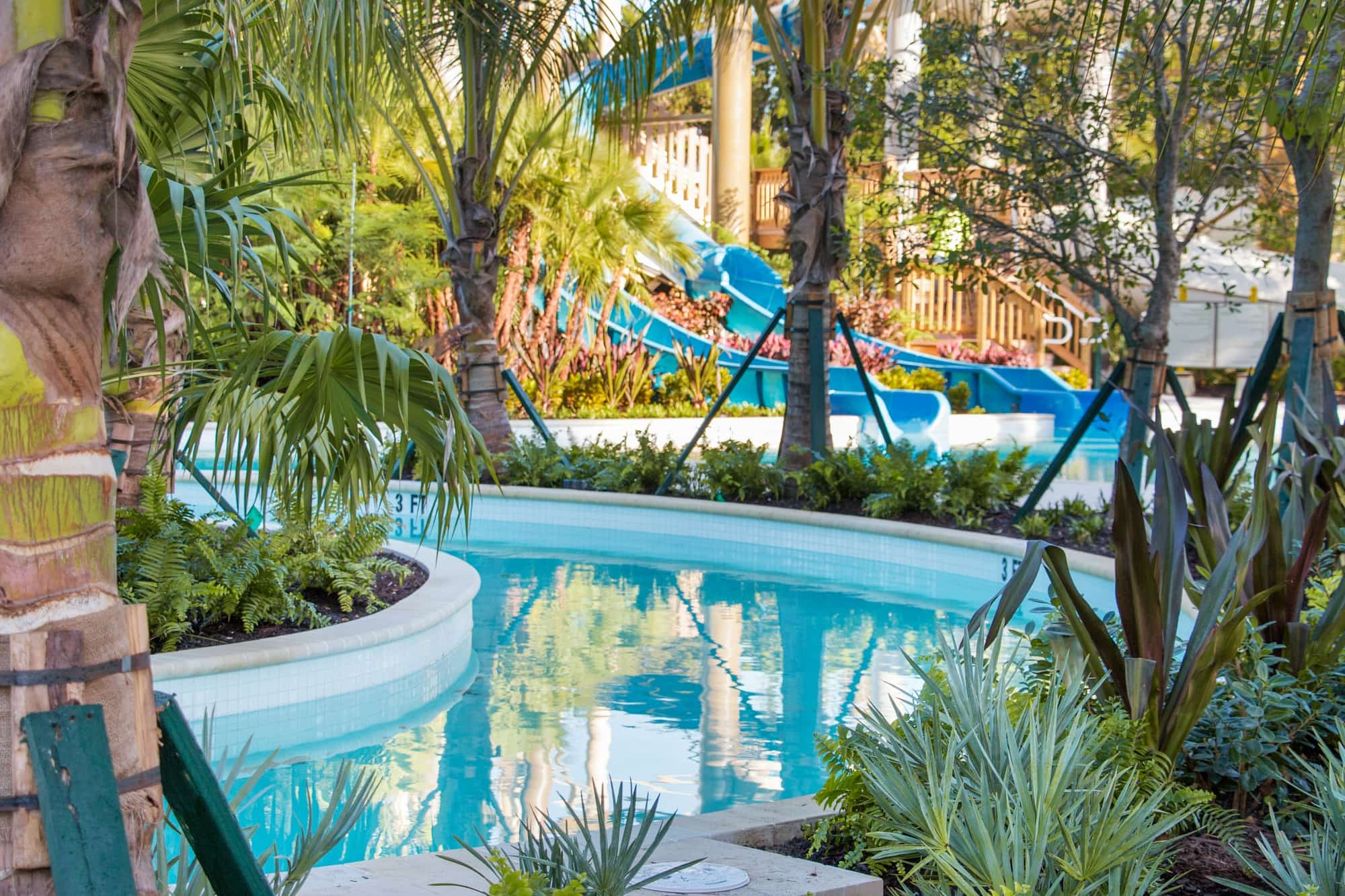
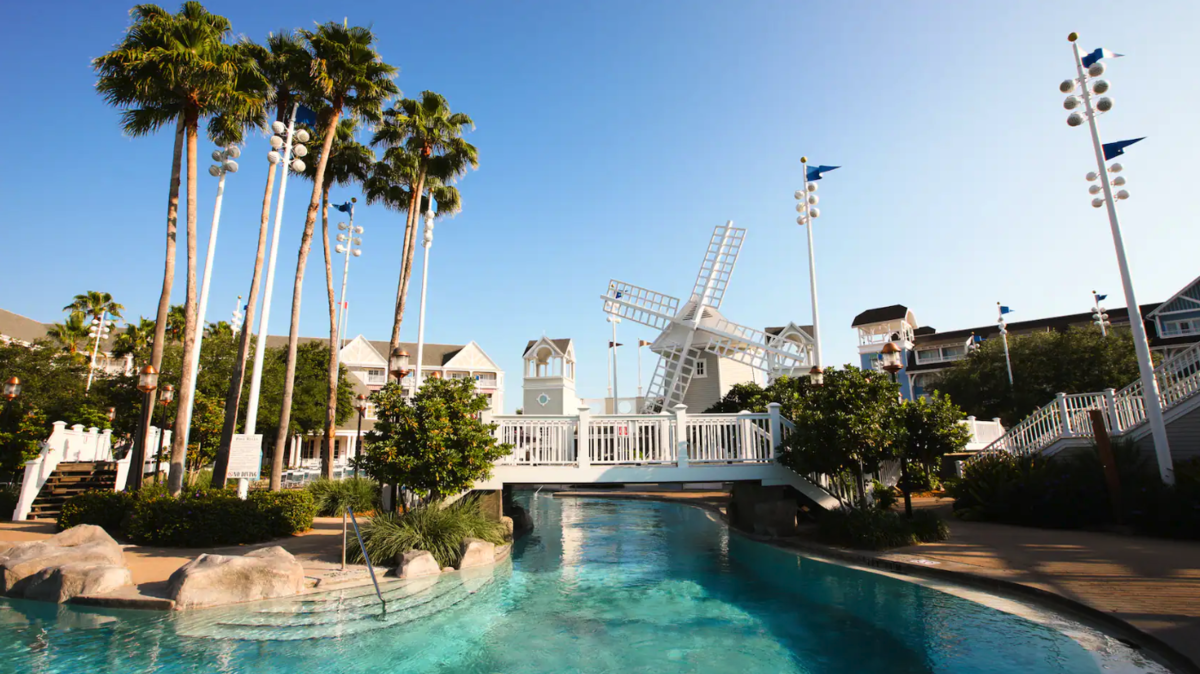
Similarly, Disney’s Beach Club Resort features Stormalong Bay, a three-acre water playground shared with the Yacht Club Resort. Its lazy river is notable for its integration into a sand-bottomed pool complex, a technical challenge that requires specialized maintenance to prevent sand from infiltrating the mechanical pump systems.
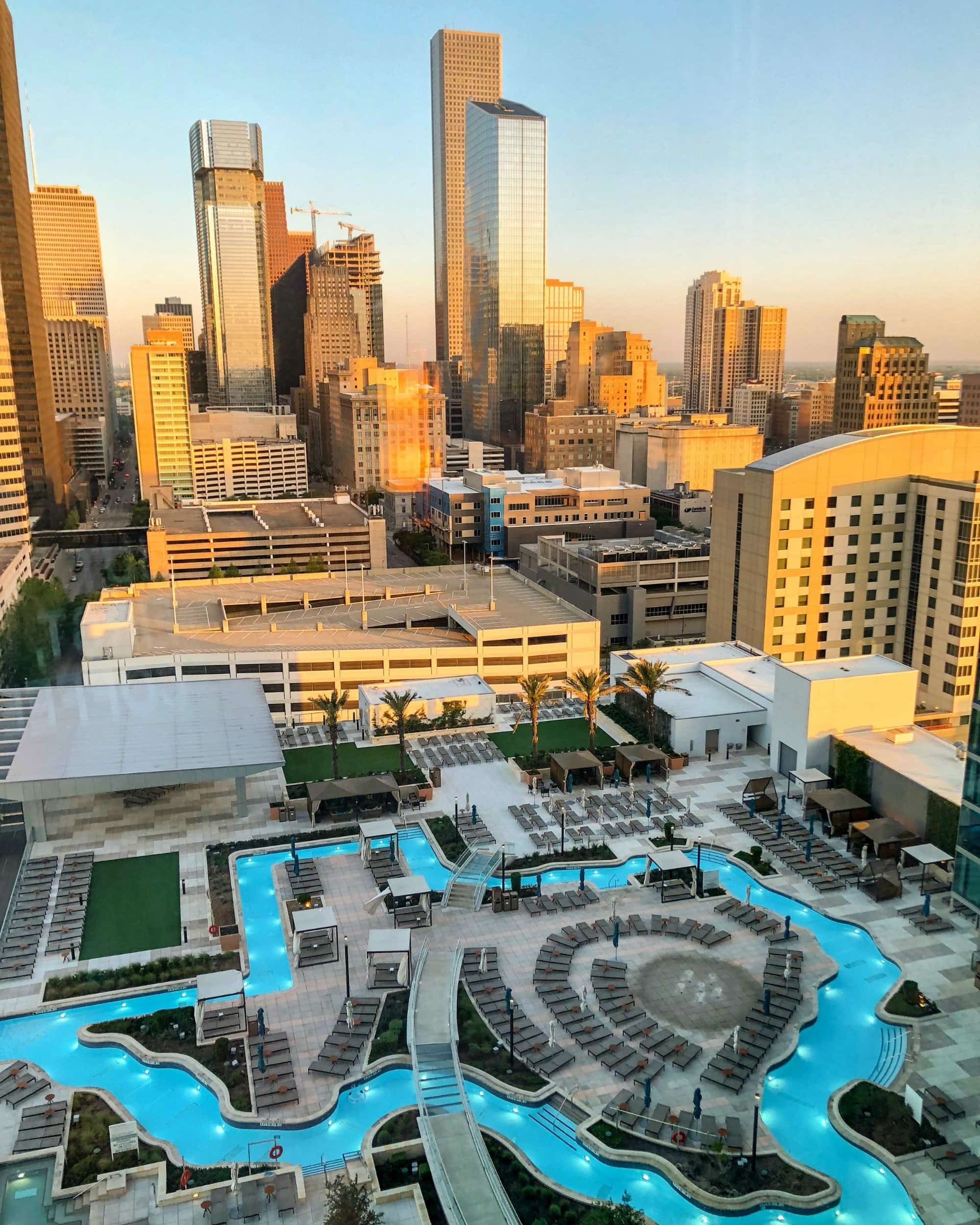
In Texas, the Marriott Marquis Houston has redefined urban resort design with its rooftop "Texas-shaped" lazy river. Elevated 110 feet above ground level, the structure required significant structural reinforcement to support the weight of the water. This architectural feat serves as a case study for urban hotels seeking to compete with coastal resorts by utilizing vertical space for leisure.
The Southwest and the Integration of Natural Landscapes
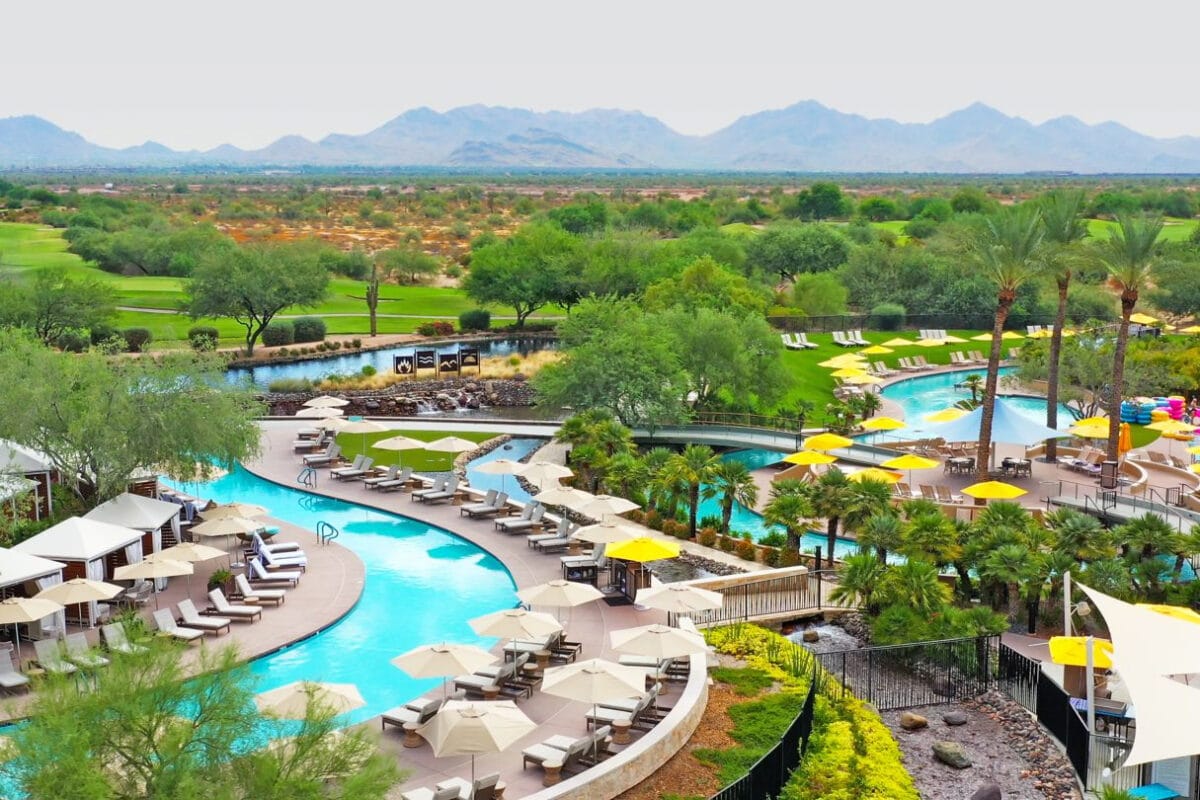
In the American Southwest, the JW Marriott Phoenix Desert Ridge Resort & Spa utilizes its lazy river to provide a cooling oasis within the Sonoran Desert. The property’s "Lazy River Pool" is part of a five-pool complex that caters to the high-volume family market. Industry experts note that in desert climates, the evaporative cooling effect of large moving water bodies can actually lower the ambient temperature of the immediate pool deck, improving guest comfort.
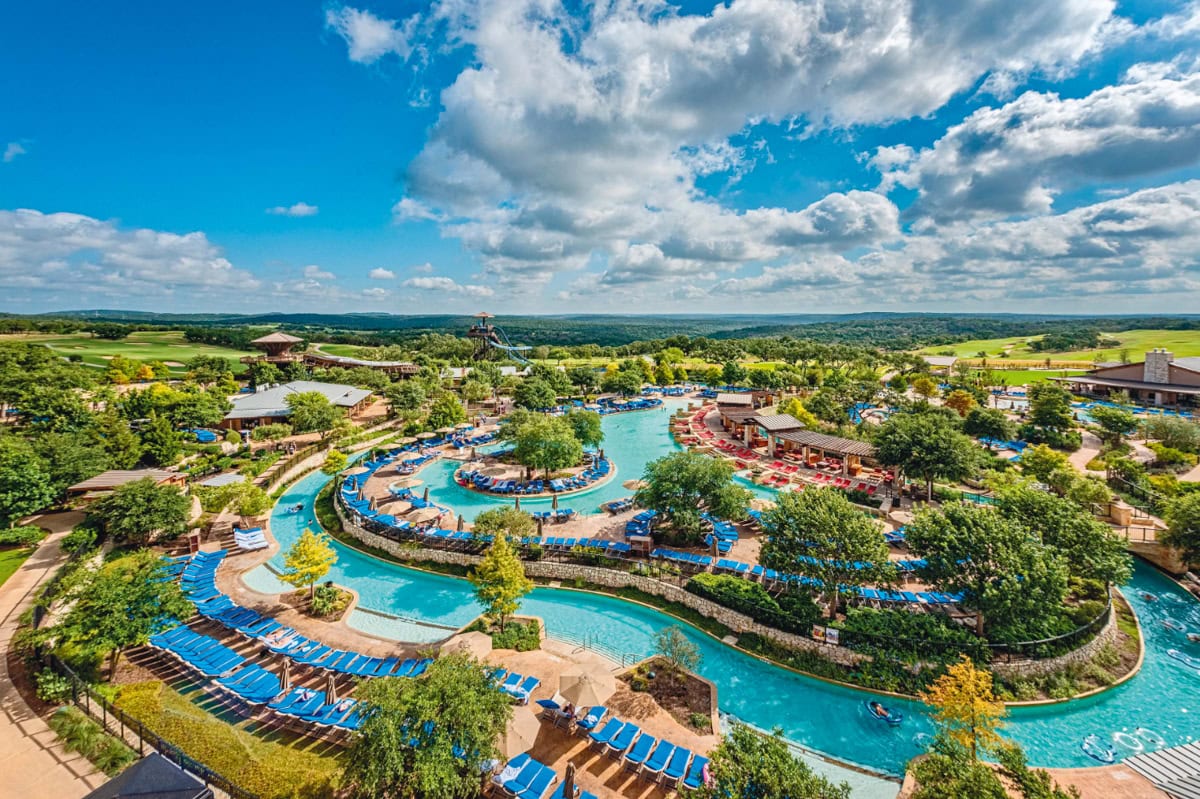
Further east, the JW Marriott San Antonio Hill Country Resort & Spa offers the River Bluff Water Experience. This 1,100-foot lazy river is designed to mimic the natural limestone geography of the Texas Hill Country. By integrating native flora such as live oaks and cedar elms, the resort achieves a "naturalistic" aesthetic that distinguishes it from the more artificial designs found in traditional theme parks.
International Expansion and Caribbean All-Inclusive Models
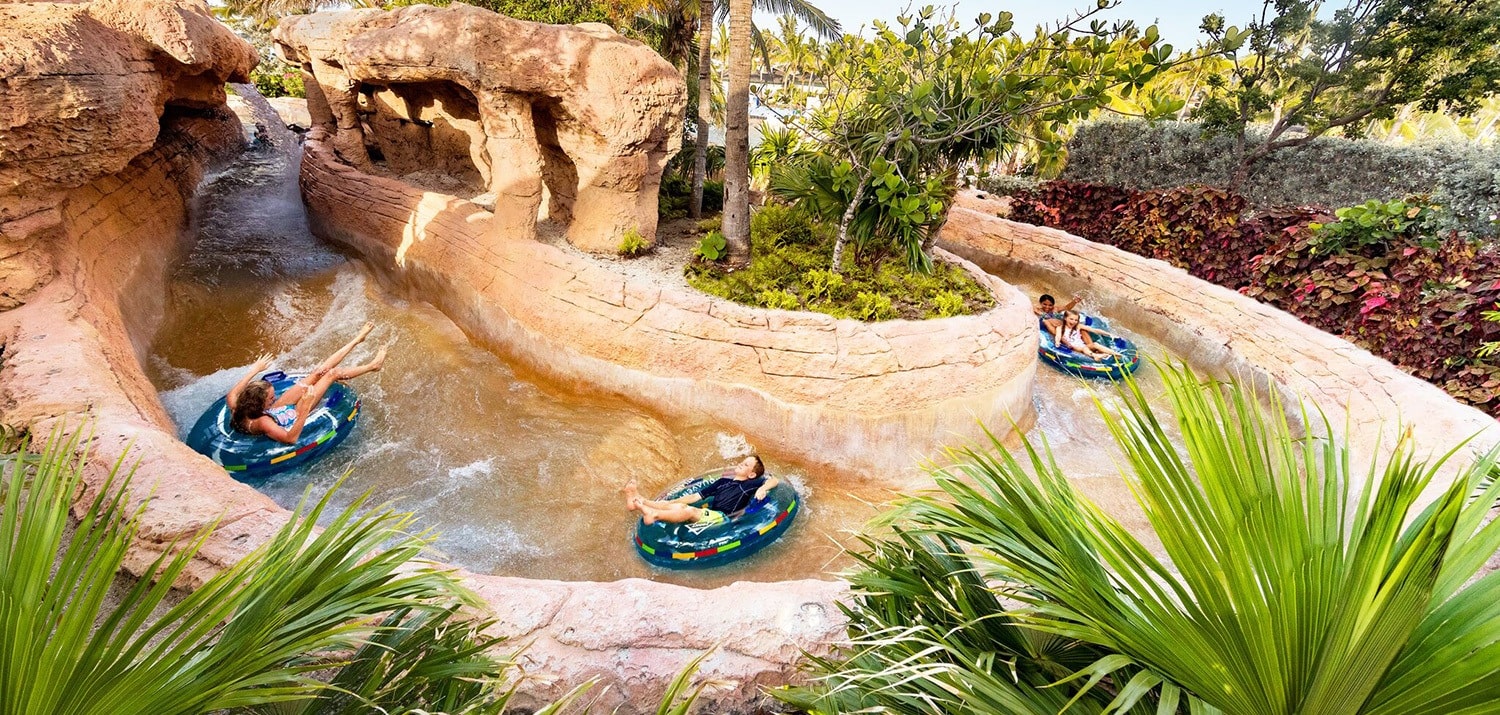
The globalization of the luxury resort model has seen the proliferation of lazy rivers across the Caribbean and the Middle East. Properties like Atlantis Paradise Island in the Bahamas have set high benchmarks with "The Current," a mile-long river that utilizes water escalators and wave generators to create a more dynamic experience than the standard "lazy" flow. This represents a sub-segment of the industry known as "action rivers," which bridge the gap between relaxation and thrill-seeking.
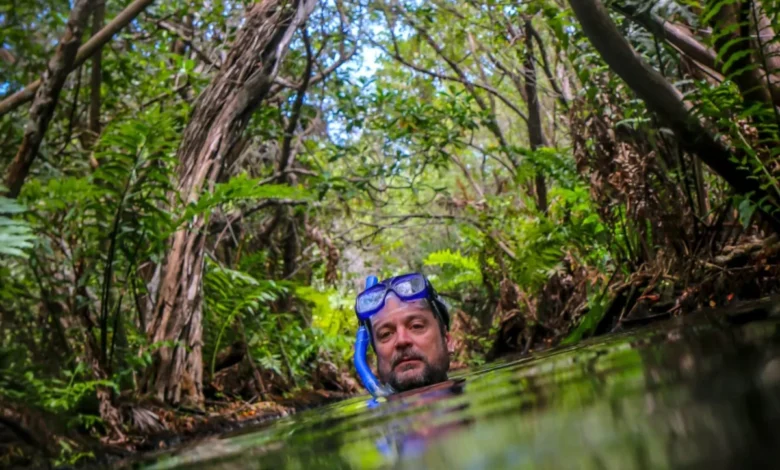
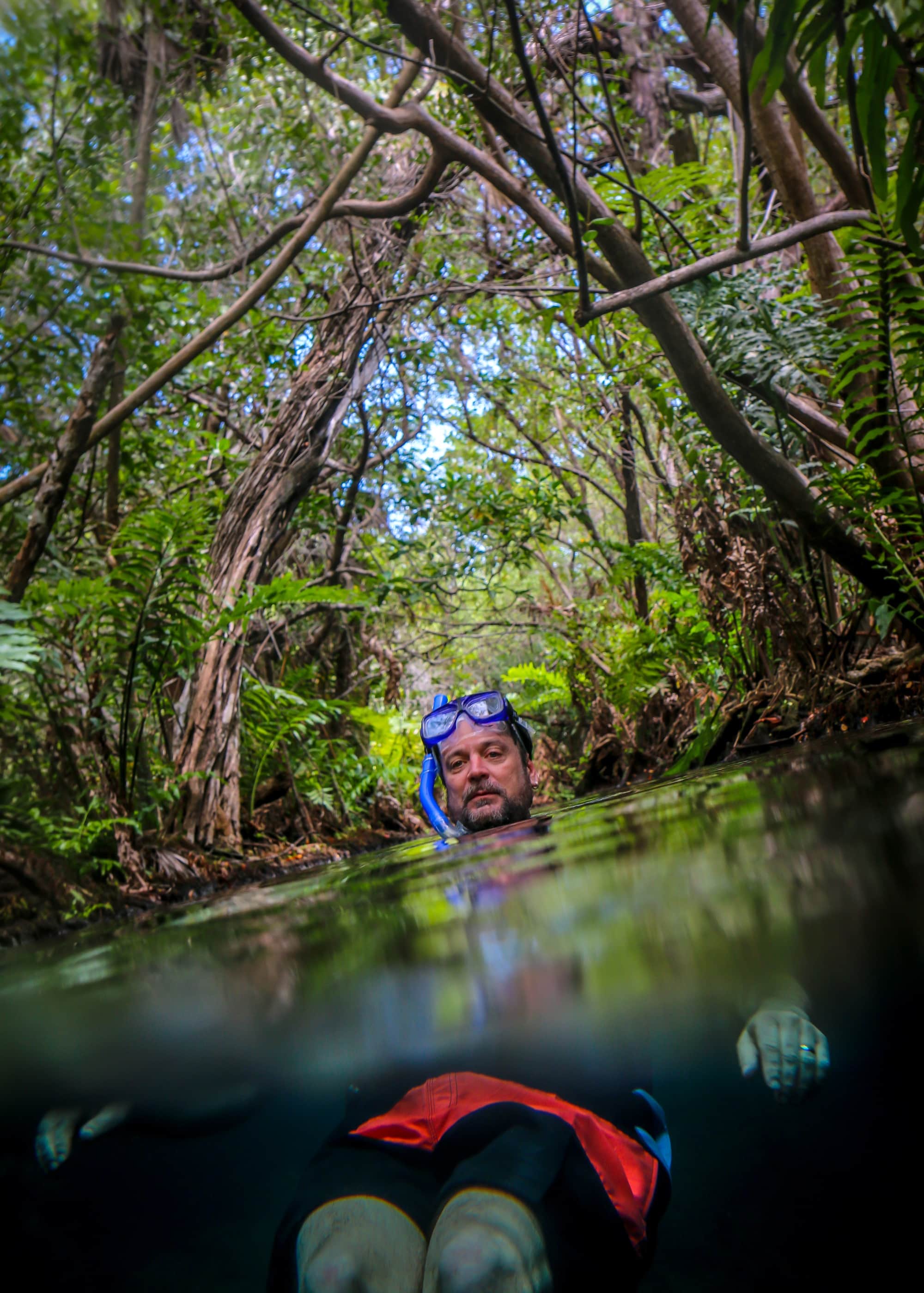
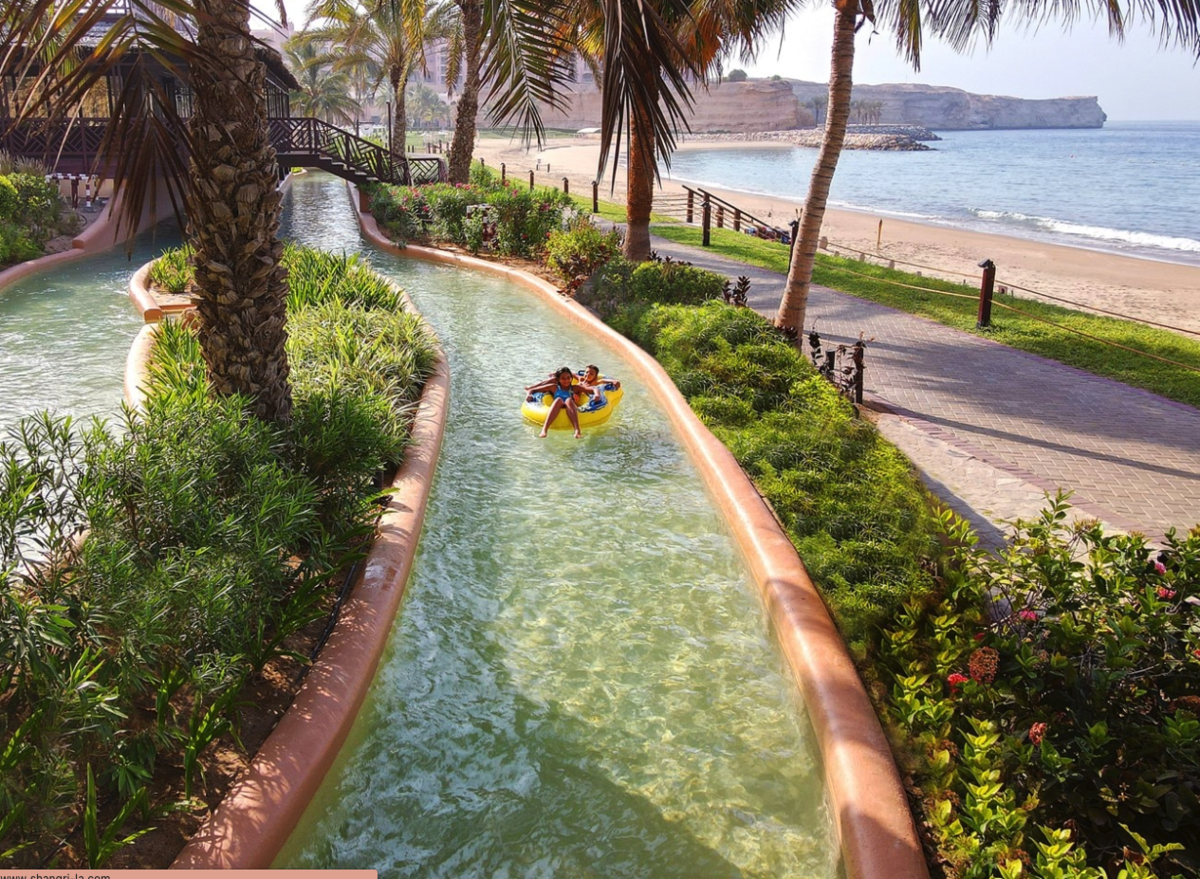
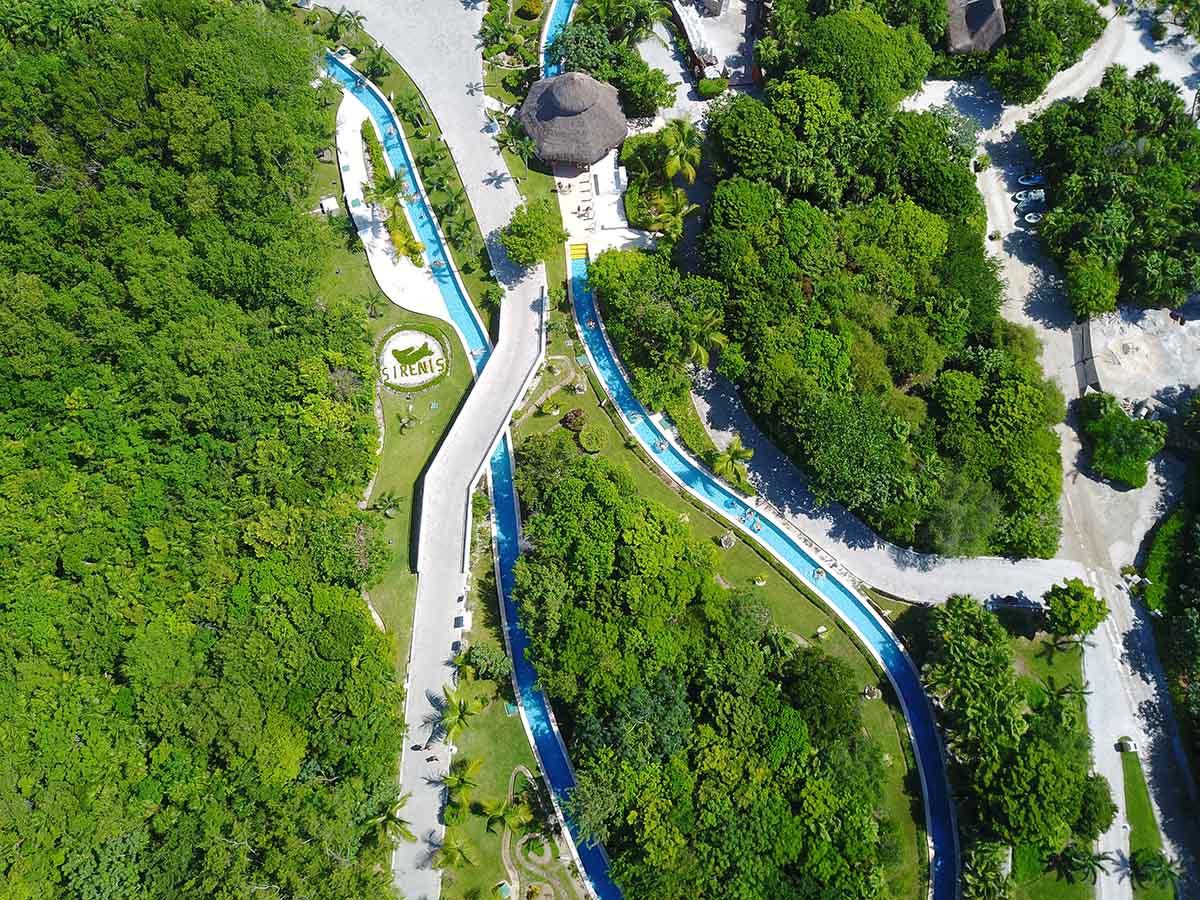
In Mexico’s Riviera Maya, Hacienda Tres Ríos has taken a sustainable approach by utilizing an actual natural river, the Rio Selva. This "natural lazy river" connects cenotes to the Caribbean Sea, allowing guests to float through mangrove forests. This model highlights a growing trend in eco-tourism where existing geographical features are leveraged as luxury amenities with minimal environmental footprint.
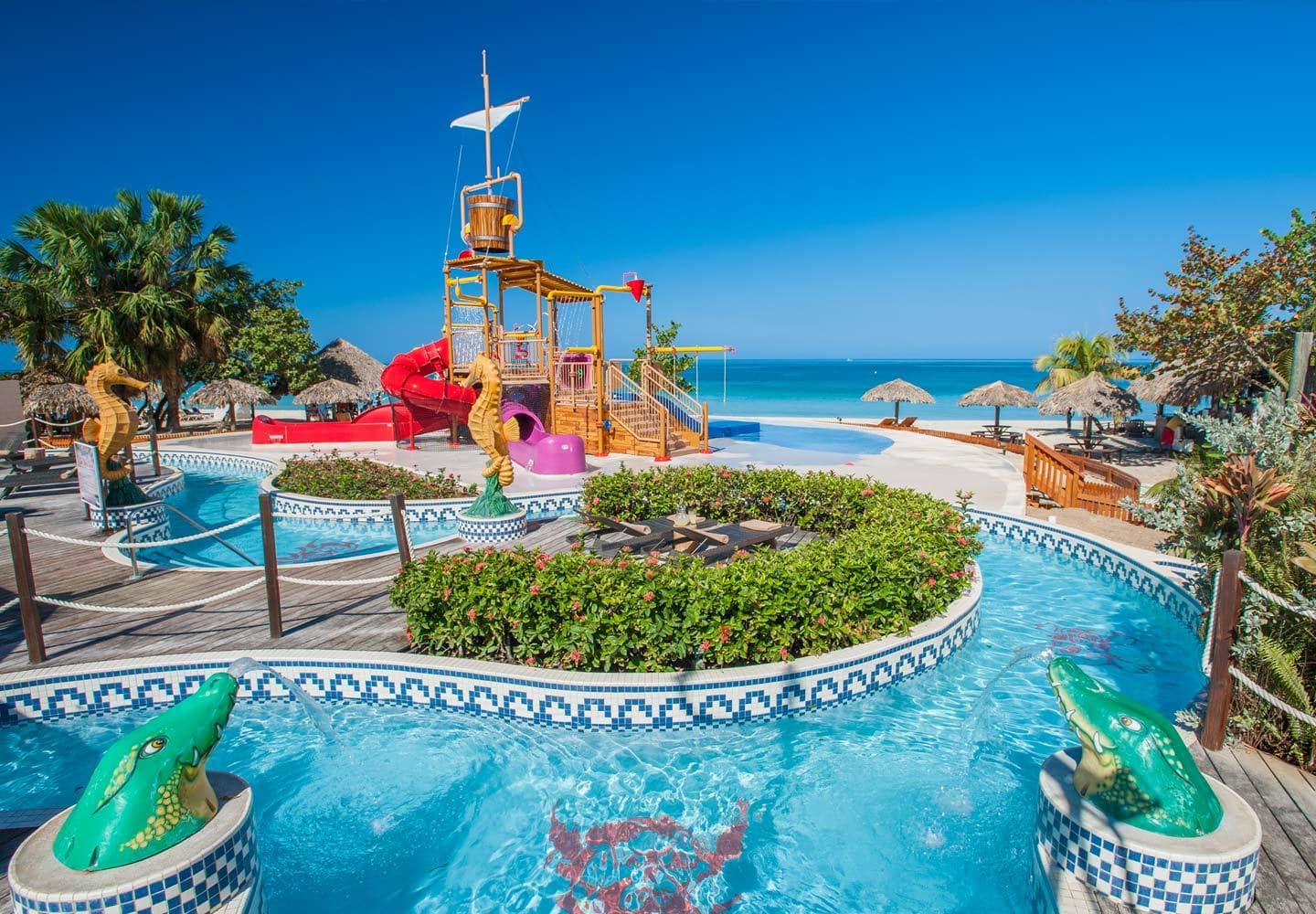
The Dominican Republic has also seen a surge in aquatic investment. The Hyatt Ziva Cap Cana and the Nickelodeon Hotel Punta Cana both feature expansive water parks as their central attractions. These properties utilize the lazy river to connect different "zones" of the resort, effectively using the water feature as a secondary transportation network for guests.
The Role of Theming and Brand Identity
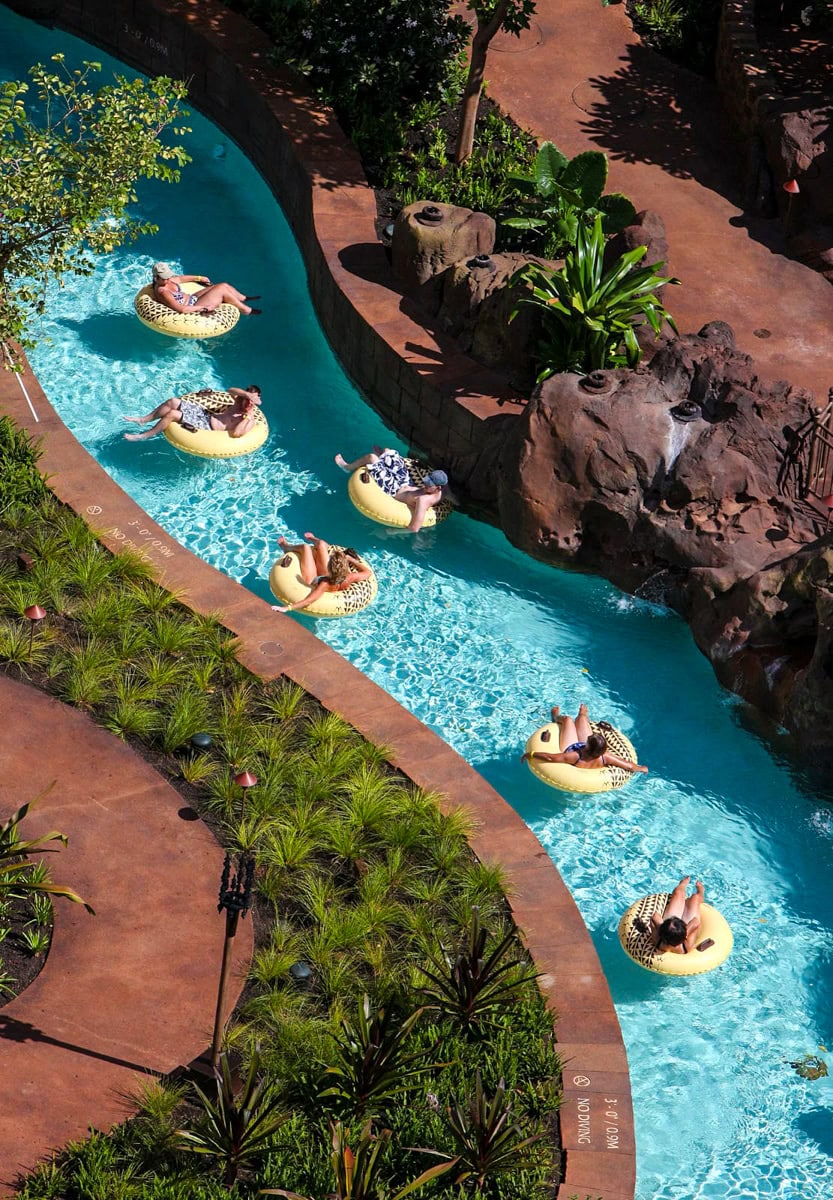
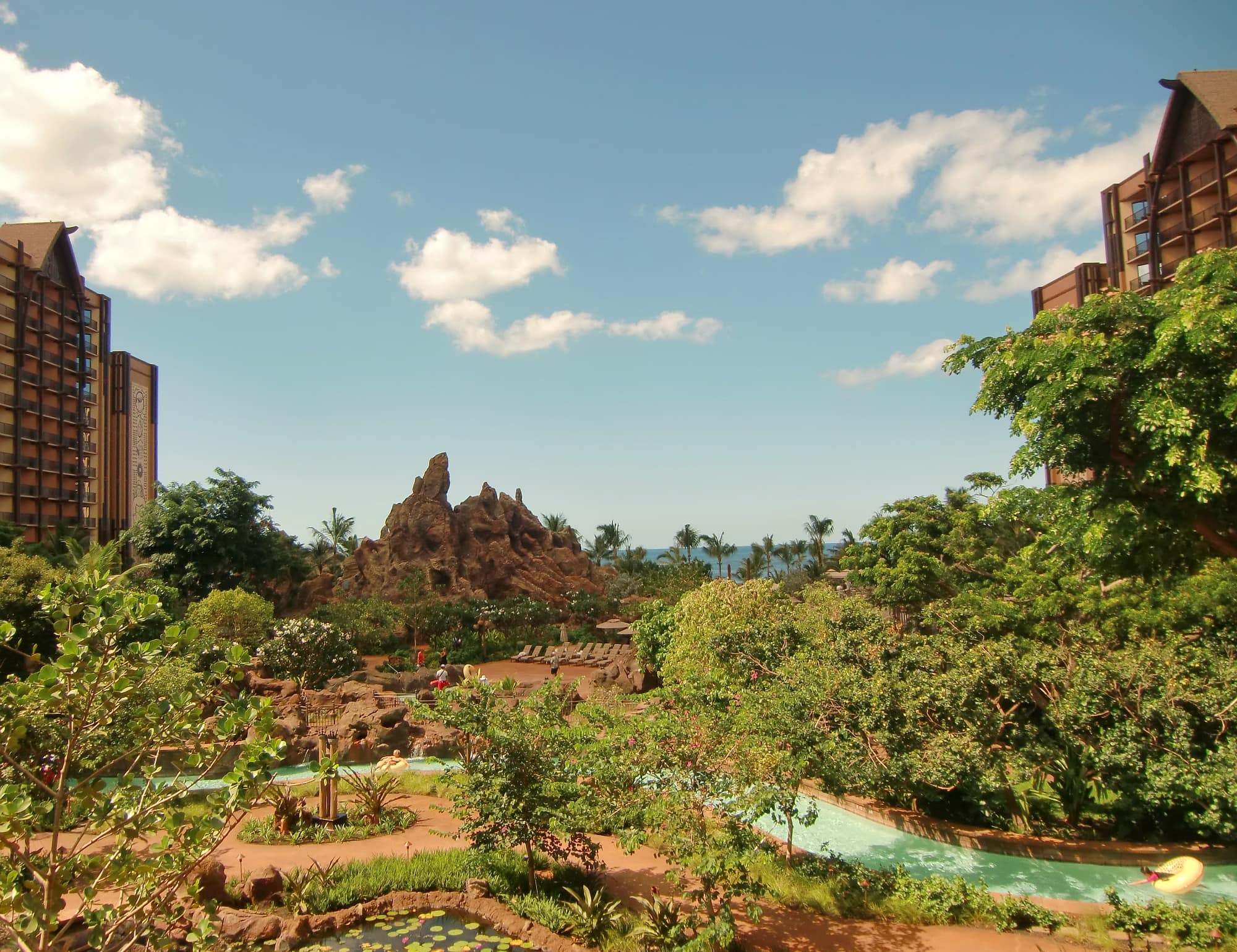
For brands like Disney and Nickelodeon, the lazy river is an extension of their storytelling. At Aulani, A Disney Resort & Spa in Oahu, the Waikolohe Stream incorporates "volcanic" tunnels and hidden "Menehune" (legendary Hawaiian people) statues. This thematic depth allows the resort to command a higher price point by offering an experience that is perceived as unique to the brand.
Similarly, the Nickelodeon Hotel Punta Cana’s Aqua Nick park uses its lazy river to reinforce its brand through "slime" aesthetics and character interactions. Data from family travel surveys indicates that "brand-aligned water features" are a top three factor for parents when selecting an all-inclusive destination.
Technical Maintenance and Safety Protocols
The operation of a hotel lazy river involves complex logistics. Safety is the primary concern, requiring a higher ratio of lifeguards per square foot than standard rectangular pools due to the "blind spots" created by curves and landscaping. Most modern resorts have adopted the following standards:
- Variable Depths: Usually maintained between 3 and 4 feet to ensure safety for various age groups.
- Flow Velocity: Typically calibrated to 1 to 2 feet per second.
- Water Treatment: Advanced UV and ozone filtration systems are increasingly common to reduce reliance on chlorine, which can be harsh on guests during the extended periods typically spent in a lazy river.
Broader Implications for the Hospitality Industry
The rise of the hotel lazy river signifies a broader shift in consumer behavior. Travelers are increasingly seeking "controlled environments" where luxury, safety, and entertainment are guaranteed. For investors, while the initial capital expenditure (CAPEX) for a lazy river can range from $2 million to over $10 million, the long-term return on investment (ROI) is often justified by the ability to charge higher "resort fees" and the increased revenue from poolside food and beverage sales.
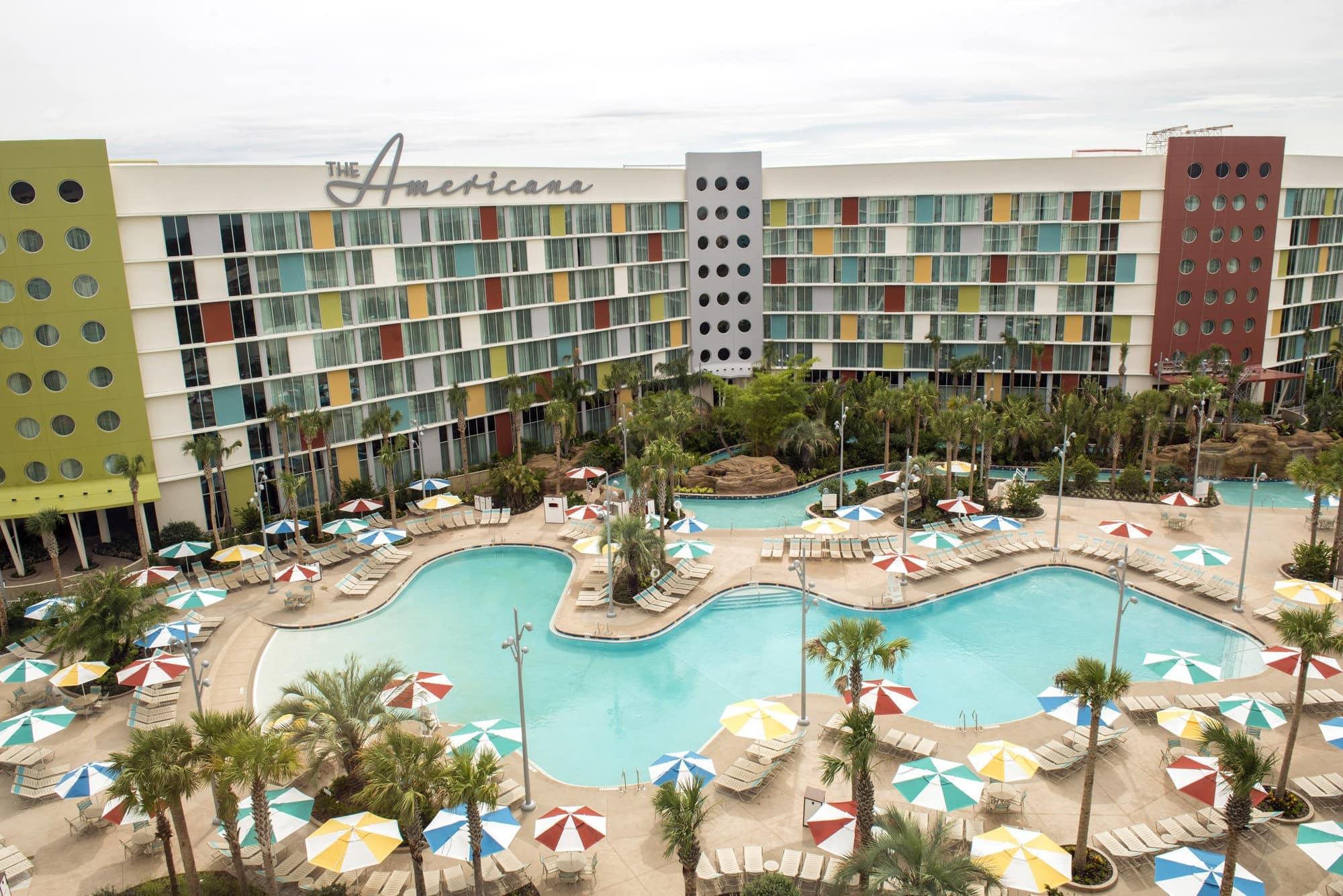
Furthermore, the presence of these features has forced mid-scale brands to upgrade their offerings. Properties like Universal’s Cabana Bay Beach Resort and various Embassy Suites have begun installing smaller-scale rivers to compete for the value-conscious family demographic. This "trickle-down" effect ensures that the lazy river will remain a staple of the hospitality landscape for the foreseeable future.
Chronology of the Modern Hotel Water Park
- Pre-1990: Water features in hotels were limited to standard swimming pools and occasional hot tubs.
- 1994: Atlantis Paradise Island opens, signaling the start of the "mega-resort" era with integrated aquatic habitats.
- 2000-2010: Luxury brands like Four Seasons and JW Marriott begin integrating lazy rivers into their "club" and "resort" concepts to attract the multi-generational travel market.
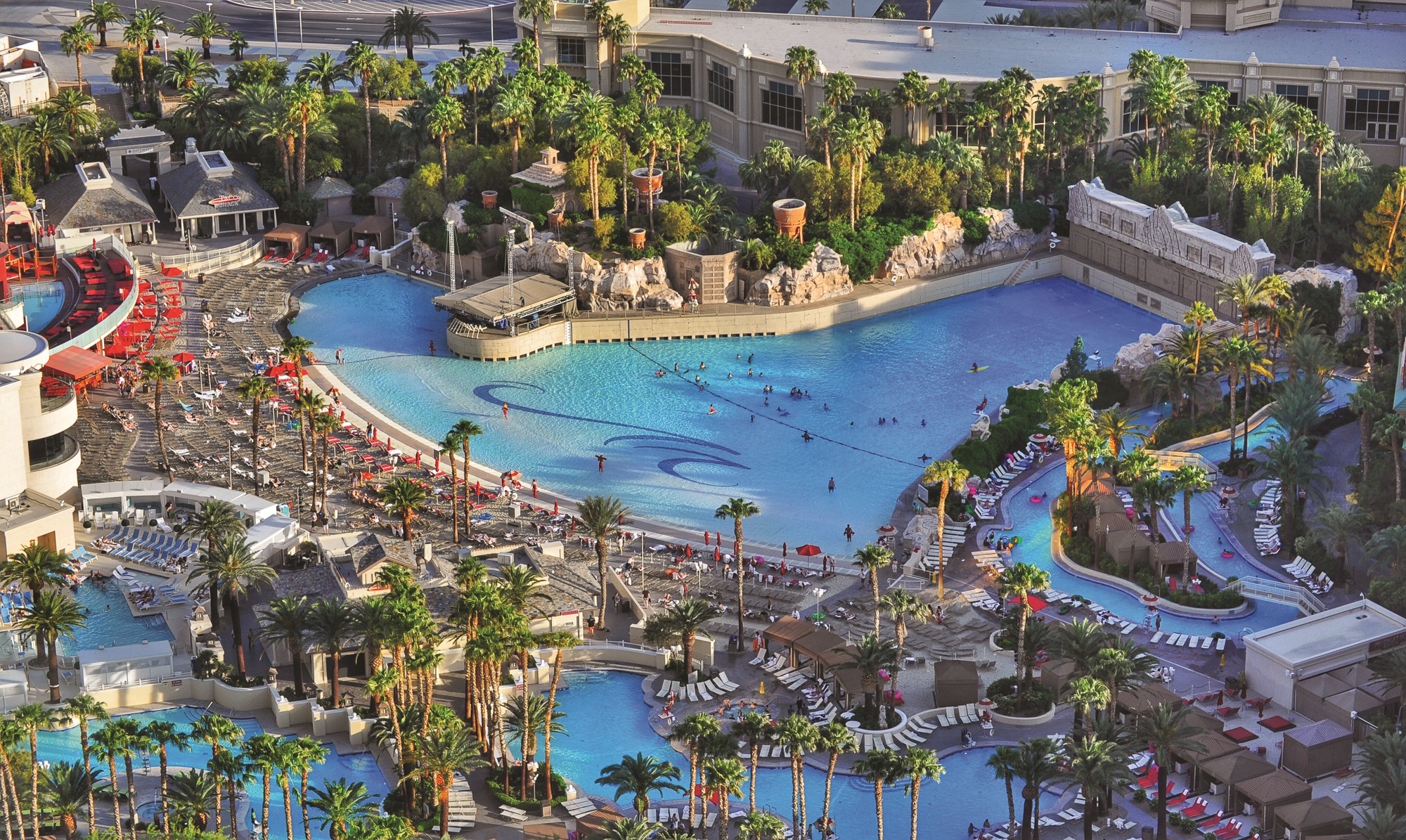
- 2015-Present: The "Rooftop Revolution" begins, with urban hotels in cities like Houston and Las Vegas installing elevated rivers to maximize land value.
- Post-2020: A surge in "domestic luxury" travel leads to record-breaking investments in on-site water parks as travelers opt for self-contained resort experiences.
Conclusion
The evolution of the hotel lazy river from a novelty to a necessity reflects the changing demands of the global traveler. Whether it is the engineering marvel of a rooftop river in Houston, the naturalistic flow of a mangrove stream in Mexico, or the branded immersion of a Disney resort in Hawaii, these features represent the intersection of architectural innovation and consumer psychology. As competition in the luxury resort sector intensifies, the sophistication, length, and thematic depth of these aquatic features will likely continue to grow, further blurring the lines between the traditional hotel and the modern theme park.