The Uncrowded Wonders of Iceland: Experiencing the Land of Fire and Ice Beyond the Tourist Trail

It is ten in the morning at Seljalandsfoss, a renowned Icelandic waterfall on the country’s southern coast. The car park is already at capacity, a testament to its fame. Tour buses arrive in rapid succession, disgorging eager visitors. A discernible queue has formed along the pathway that leads behind the cascading water – the very vantage point that draws so many for that iconic photograph. The pervasive mist rising from the powerful cascade has transformed the ground into a treacherous mud slick, a fate that befalls at least one pair of pristine white trainers every few minutes. This scene, while breathtaking, is indicative of a common challenge faced by travelers to Iceland during its peak season: overwhelming crowds at its most celebrated landmarks.
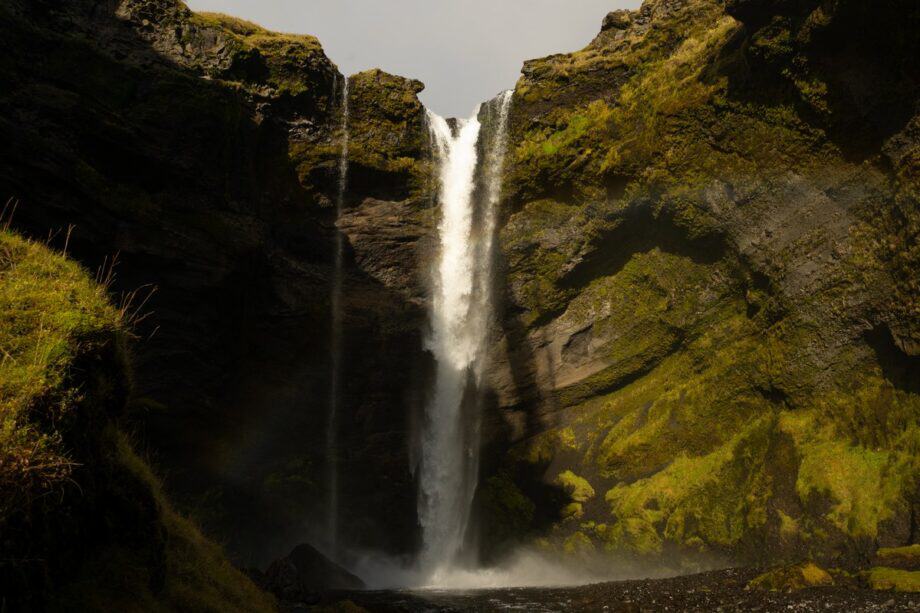
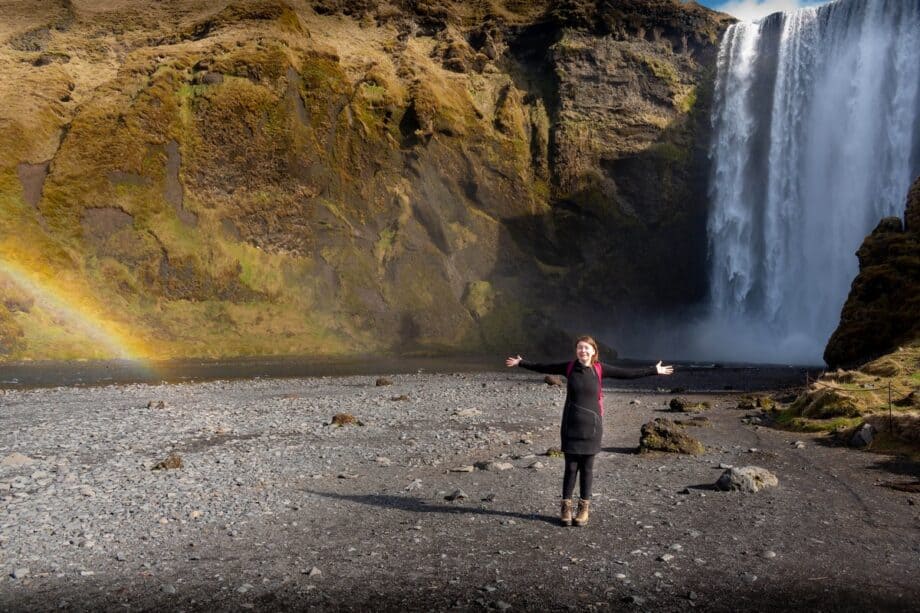
Two hours later, a starkly different experience unfolds. Standing at the base of a waterfall twice the height of Seljalandsfoss, within a canyon so profoundly quiet that the subtle shifts in wind direction above can be clearly discerned. There is no expansive car park, no queue, and no tour buses. The air is filled only with the resonant sound of water meeting rock and the occasional, solitary cry of a fulmar nesting precariously on the cliff face. This is the reality of a private, expertly guided tour with Lilja Tours, a stark contrast to the bustling popularity of Iceland’s most famous attractions.
This dichotomy highlights the reality of Iceland in summer. The famous sites are celebrated for valid reasons, and their popularity is a direct consequence of their undeniable allure. However, Iceland is a country of immense, often understated, beauty, generously rewarding those who possess the knowledge of where and, crucially, when to seek it out.
The Temporal Paradox: How Visitor Habits Create Crowds
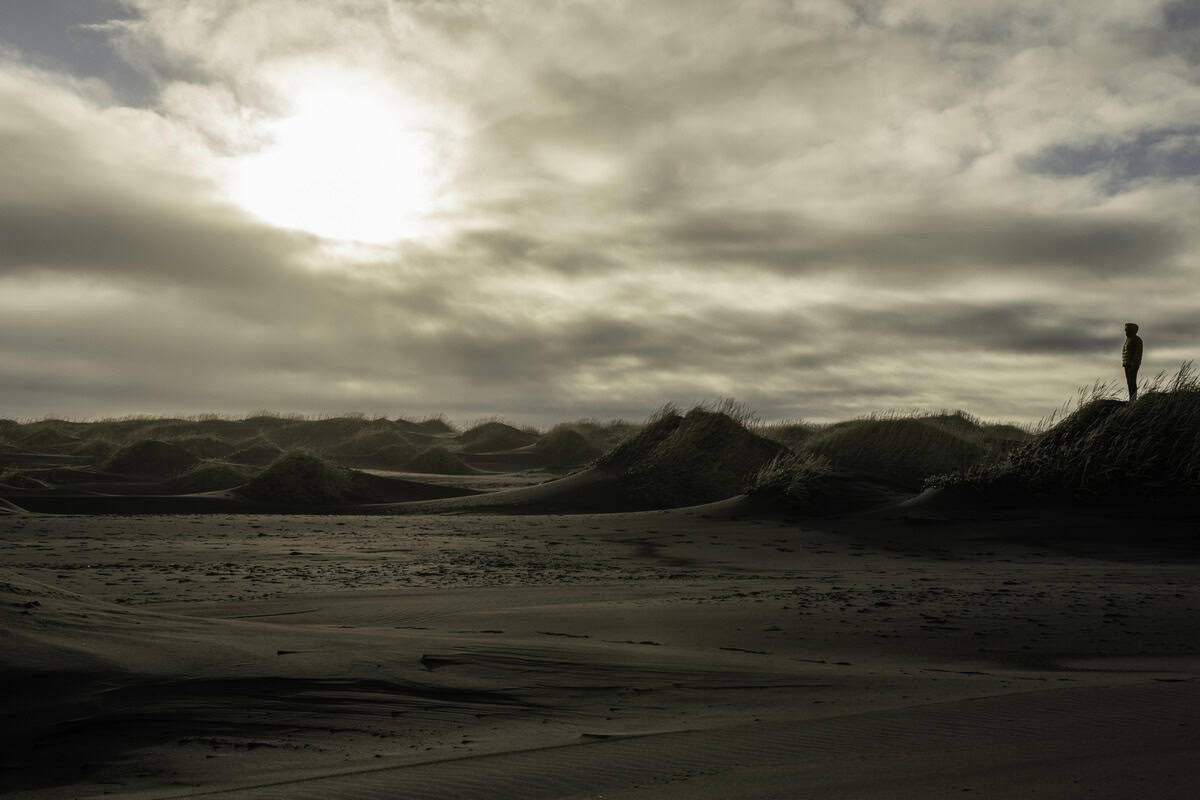
Iceland’s most frequented destinations – the iconic Golden Circle, the dramatic South Coast waterfalls, the striking Reynisfjara black sand beach, and the ethereal glacier lagoon at Jökulsárlón – share a predictable daily rhythm. Tour buses typically commence their arrivals around nine or ten in the morning, with peak visitor numbers persisting until approximately four in the afternoon. As the evening progresses, the throngs begin to dissipate. By six o’clock, the crowds noticeably thin, and by eight, it is often possible to experience these magnificent locations in near solitude.
In a country where the summer daylight extends well beyond midnight, visiting a waterfall at nine in the evening is not a compromise; it is an elevation of the experience. The light softens, casting a warmer, more golden hue. Shadows lengthen, imbuing the landscape with a sense of depth and drama. The fine spray from the cascade catches the ambient light, transforming into shimmering, ethereal veils that the harsh midday sun could never produce. This profound solitude elevates the experience from a mere photo opportunity to something akin to a spiritual encounter.
The same temporal dynamics apply with equal force in winter. With only four to five hours of daylight in December, most visitors tend to cluster their sightseeing activities within this narrow window. Arriving just thirty minutes before the general influx of tourists, however, can offer a dramatically different perspective on Iceland, particularly during the pre-dawn blue hour, a period of surreal, soft light that predates sunrise.
Ultimately, timing emerges as the single most powerful, and cost-free, tool for avoiding the pervasive crowds. It requires no special access, no advanced permits, and yet, it profoundly enhances both the quality of the travel experience and the resulting photographic memories.
Beyond the Beaten Path: Exploring Iceland’s Undiscovered Routes
Iceland’s tourism infrastructure, by necessity and design, tends to funnel visitors along well-established corridors. The Golden Circle, the main artery of Route 1 along the South Coast, and the shorter loop around the Snæfellsnes Peninsula are popular due to their accessibility and inherent spectacularity. However, these well-trodden paths represent only a fraction of the country’s vast and diverse offerings.
Consider, for instance, the Silver Circle. This less-traveled route meanders through the geothermal valleys and volcanic landscapes situated east of Borgarnes. It unveils steaming fumaroles, sites of significant historical importance, numerous natural spas, and one of the world’s largest lava caves. This route can be seamlessly integrated with an exploration of the Snæfellsnes Peninsula, forming a compelling two-day itinerary. On a typical busy summer day, one might encounter only a dozen individuals across the entire Silver Circle route if visited at opportune times.
The principle extends far beyond a single route. Iceland is replete with parallel alternatives to its most celebrated attractions – locations that deliver an equally profound emotional impact without the accompanying crowds, provided one knows where to look.
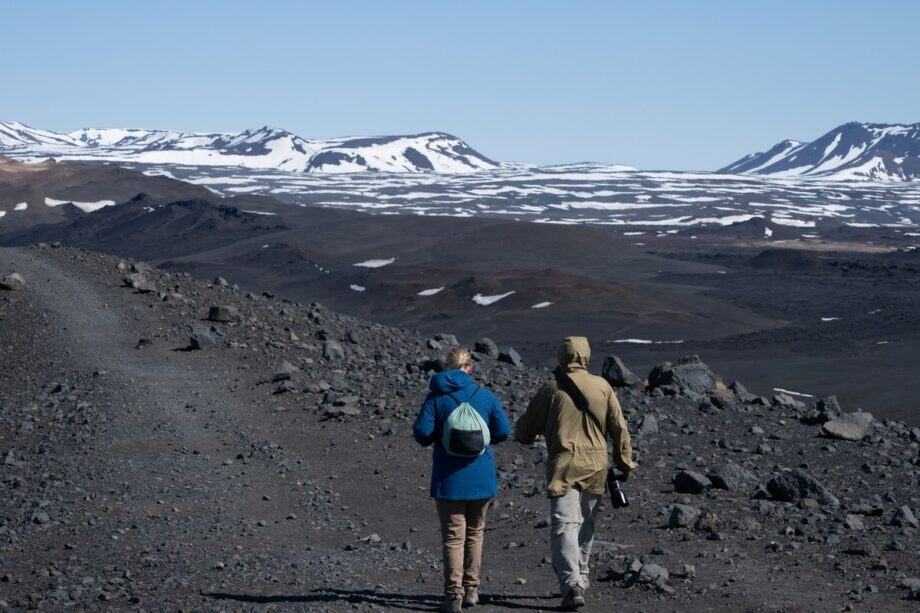
The Westfjords, for example, remain largely untouched by mass tourism, despite boasting some of the most dramatic coastal scenery in all of Europe. The Eastern Fjords operate at a pace that evokes Iceland as it was two decades ago, offering a tranquil escape. The interior Highlands, accessible only during the summer months via challenging four-wheel-drive tracks, present volcanic landscapes so vast and empty that they render other destinations comparatively domesticated.
The Private Tour Advantage: Intelligence and Exclusivity
There is a discernible and growing trend among luxury travelers to opt for private guided experiences over independent self-drive itineraries in Iceland. This preference is driven by more than just comfort, although the amenity of arriving at each destination in a premium vehicle, such as a Mercedes, rather than a compact rental certainly contributes to the appeal.
The true, inherent advantage lies in the specialized knowledge and intelligence that a private guide provides. A seasoned guide, navigating these routes weekly, possesses an intimate understanding of the optimal times to visit specific locations. They know that Skógafoss is best experienced at seven in the morning, that Reynisfjara is both safest and most atmospherically potent in the late afternoon, and that the glacier lagoon is at its calmest and most photogenic during the transitional periods of dawn and dusk, when the tour boats have ceased their operations. This granular, nuanced timing knowledge is impossible to replicate through guidebooks or travel applications; it is accumulated through seasons of dedicated, daily observation and firsthand experience.
Furthermore, a skilled guide is intimately familiar with the alternative options. When the car park at Seljalandsfoss is overflowing, they know of an equally impressive, yet entirely uncrowded, waterfall just fifteen minutes away. When the Golden Circle is at its peak saturation, a detour onto a highland road, threading between two imposing glaciers, can offer a drive so striking that clients frequently report it as the highlight of their entire trip – a location they had never even heard of prior to that morning.
This approach is not about eschewing Iceland’s most iconic attractions altogether. Rather, it is about experiencing them on terms that align with the sheer quality of the landscape itself – without the diminishing effect of overwhelming crowds detracting from their inherent magnificence.
Embracing the Seasonal Shift: Finding Solitude Off-Peak
Perhaps the most elegant and effective strategy for avoiding crowds is to visit Iceland during periods when they are simply not present.
September stands out as one of Iceland’s best-kept secrets. By this month, the summer tour buses have largely departed. The landscape undergoes a breathtaking transformation, adorned in autumnal hues of russet, amber, and deep greens – colors that many visitors miss by exclusively associating Iceland with the peak summer months of June through August. Crucially, the celestial ballet of the Northern Lights makes its return. Daylight hours remain generous, typically ranging from fourteen to sixteen hours, providing ample opportunity for exploration. Furthermore, the availability of premium accommodation, which often requires booking months in advance during the July peak, opens up considerably.
October further extends this advantage. The shorter days of October create the dramatic, low-angle light that is so intrinsically linked with Iceland’s visual identity, enhancing the dramatic landscapes. From November through February, the full winter experience unfolds, complete with the allure of the Northern Lights, the magical crystalline formations of ice caves, and snow-covered volcanic terrain, all enjoyed with a significantly reduced number of visitors.
Even within the conventional peak season, the first two weeks of June and the final two weeks of August offer a noticeably quieter experience compared to the intense crowds of July. While the phenomenon of the midnight sun is present throughout this period, the visitor numbers are considerably more manageable.
Silence as the Ultimate Luxury
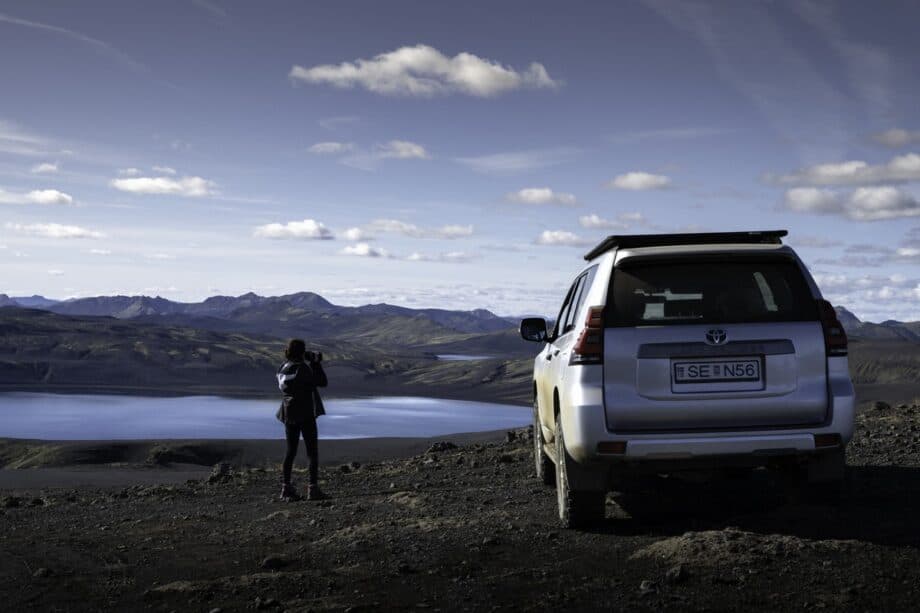
There is a burgeoning recognition among discerning travelers that genuine, uninterrupted silence – a complete immersion in the natural environment – represents the rarest and most profound luxury of all. Iceland, despite its escalating popularity, continues to offer this in remarkable abundance. The country is roughly the size of England yet boasts a population smaller than many individual London boroughs. By venturing off the established tourist routes, by strategically adjusting one’s timing, or by engaging the services of a knowledgeable guide who understands where the quiet places lie, visitors can find themselves in landscapes where the only audible elements are the whispering wind, the rushing water, and the occasional call of a bird.
That profound moment at the base of an unnamed waterfall – one that rivals the grandeur of Seljalandsfoss, situated in a canyon so still that the shift in the wind above is a palpable sensation – is not an unusual occurrence on a meticulously planned private tour in Iceland. It is, in fact, a common experience.
The crowds are a tangible reality of modern tourism in Iceland. However, so too is the profound silence and solitude that awaits those who seek it intelligently. Knowing where to find this precious commodity is simply a matter of who is guiding you there.