From Solitary Climber to Community Pillar: Anthony Leong’s Ascent in the Guiding World

Anthony Leong’s journey from Macau to becoming an aspiring American Mountain Guides Association (AMGA) Rock Guide in New York City exemplifies resilience, a passion for teaching, and a profound commitment to fostering diversity within the climbing community. His initial move to New York presented significant challenges, not least of which was the difficulty of finding climbing partners. At the time, Asian representation in the climbing world was notably sparse, and many of his initial friends viewed climbing as an extreme sport, declining invitations. Coupled with a nascent grasp of English, meeting new people and integrating into the existing climbing scene proved arduous. However, a deep-seated love for teaching, cultivated since his youth, sparked an innovative solution: if partners were not readily available, he would empower others to become them. This proactive approach laid the foundation for a remarkable transition from a solitary climber to a pivotal figure in New York’s outdoor education landscape.
Early Foundations and the Spark of Instruction
Leong’s introduction to rock climbing began during his high school years in Macau, a vibrant city on China’s southern coast. He participated in a government-sponsored program in Hong Kong designed to promote the sport. This initial exposure, while not a professional certification, provided fundamental skills in climbing techniques and, crucially, strategies for teaching others. This formative experience allowed him to transition from rudimentary bouldering near the ground to scaling significant heights, utilizing bolts, ropes, and anchors to ascend 50-foot routes with friends back home. This early taste of structured learning and teaching proved instrumental years later.

Upon arriving in New York, the initial enthusiasm for climbing encountered practical hurdles. The absence of a consistent climbing partner severely limited his progress. Access to renowned outdoor climbing destinations like the Gunks, a popular crag in upstate New York, was hindered by the lack of a car. Furthermore, the city’s only climbing gym at the time was both geographically distant and financially prohibitive, compounding the challenge of consistent practice and skill development. The urban environment, while offering myriad opportunities, initially felt isolating for an outdoor enthusiast.
The turning point arrived in 2008 with the opening of a new climbing gym closer to his residence. Seizing the opportunity, Leong successfully persuaded friends to try the sport. Drawing upon the teaching skills acquired during his teenage years, he began instructing them in essential techniques such as belaying and anchor building. What commenced as a pragmatic endeavor to "convert" friends into climbing partners gradually evolved into a deeper realization: he genuinely enjoyed sharing the sport with others. This nascent passion for instruction resonated deeply, prompting a friend to pose a pivotal question: "If you like this so much, why don’t you turn it into a career?" The suggestion, seemingly obvious in retrospect, had not previously crossed his mind but ignited a new professional aspiration.
Navigating the Professional Path: The AMGA Challenge
Inspired by his friend’s suggestion, Leong began researching the requirements to become an AMGA Rock Guide. The American Mountain Guides Association (AMGA) sets the global standard for professional mountain guiding in the United States, offering rigorous certification programs across disciplines like rock, alpine, and ski guiding. Becoming an AMGA-certified guide is a demanding multi-year process involving extensive training courses, practical exams, and significant personal climbing experience, culminating in a highly respected credential that signifies expert-level competence in safety, technique, and leadership.
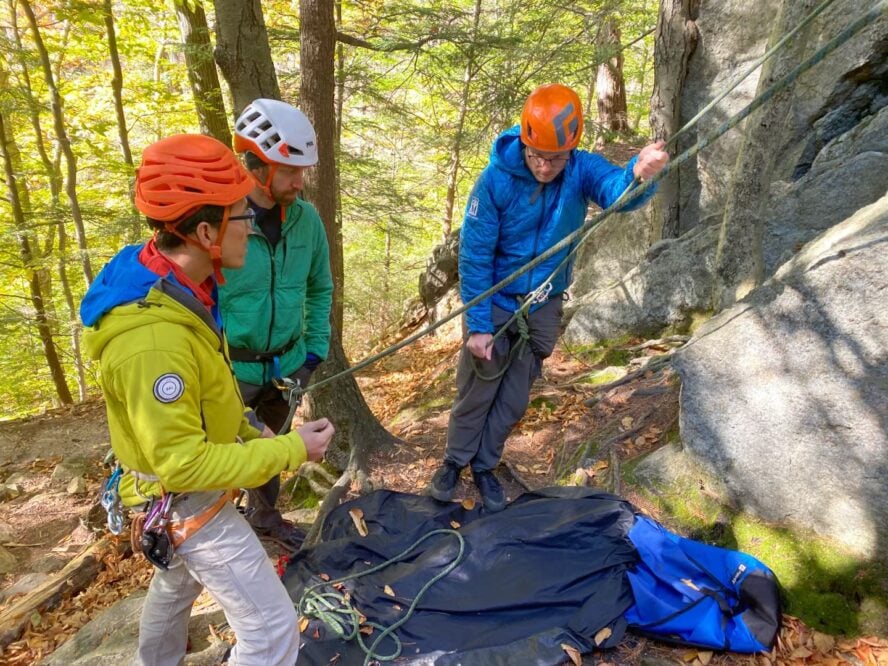
One aspect became immediately clear and daunting: the substantial financial investment required for AMGA courses and exams. The cost of professional guide education is a significant barrier for many aspiring guides. Courses, often lasting several days to weeks, involve tuition fees, travel expenses, accommodation, and the opportunity cost of lost income during training periods. After completing the extensive educational and experiential requirements, it often takes years for guides to establish a client base and earn a sustainable wage, particularly one that can support a family in a high-cost-of-living area like New York City. This economic reality often forces aspiring guides to balance their training with other employment, extending the certification timeline considerably.
Reducing the Burden: The 57hours Guide Education Fund
Recognizing these systemic financial hurdles, the 57hours Guide Education Fund was established in 2021 to mitigate the cost burden faced by aspiring outdoor guides. This innovative initiative allocates one percent of 57hours’ yearly profits to provide scholarships that cover expenses such as course fees, examination costs, travel, and other associated expenditures. Crucially, half of these funds are specifically reserved for new female, Black, Indigenous, and People of Color (BIPOC), and LGBTQ+ guides. This targeted allocation is a concerted effort to promote greater equity and representation within the outdoor industry, addressing historical underrepresentation and fostering a more inclusive guiding community.
For individuals like Anthony Leong, the 57hours scholarship proved to be a critical enabler. He leveraged the funds to pursue his Wilderness First Responder (WFR) certification through Rise Outside, participating in their inaugural BIPOC program. The WFR certification is a mandatory prerequisite for the AMGA Rock Guide certification, underscoring its importance in ensuring guides possess advanced medical skills for remote environments.
The Wilderness First Responder Experience: Beyond Medical Skills
Leong admits that his proficiency in climbing far surpasses his initial comfort with medical procedures. Despite having completed a Wilderness First Aid (WFA) course previously, the prospect of the WFR’s in-depth focus on human anatomy—bones, muscles, and complex physiological systems—initially induced nervousness. The WFR course is an intensive, 10-day, 80-hour program, typically costing around $900. The significant time and financial investment placed considerable pressure on Leong to succeed, fearing the loss of both resources if he failed.
However, the experience proved to be profoundly transformative. Under the expert guidance of instructor Chris Broughton Bossong, the course emphasized extensive hands-on practice, which gradually alleviated Leong’s anxiety. What began as a high-pressure academic endeavor evolved into an enriching journey, fostering both valuable medical knowledge and unexpected personal growth. He found immense support within the diverse group of participants, openly discussing shared challenges faced by underrepresented individuals in the outdoor field. The course concluded not only with a certification but also with lasting connections and a deepened sense of self-efficacy.
Leong’s key takeaways from the WFR course extend beyond clinical skills. He emphasizes the critical importance of basic first aid for any independent climber, including the Mechanism of Injury (MOI) check, the ABCDE Primary Assessment (Airway, Breathing, Circulation, Disability, Exposure), fundamental splint building, and shelter construction. These foundational skills are crucial for managing unforeseen emergencies in remote backcountry settings. Furthermore, he highlights the psychological aspect of patient care, stressing the importance of maintaining a positive and comforting demeanor, avoiding negative or alarming language, even in dire situations. Finally, Leong points out the significant discrepancies between cinematic portrayals of wilderness rescue and reality, particularly regarding helicopter signals. Waving arms in the sky, often depicted as a distress signal, actually communicates "Do Not Land Here" to pilots, potentially delaying crucial aid. Understanding proper communication protocols is paramount for effective rescue operations.
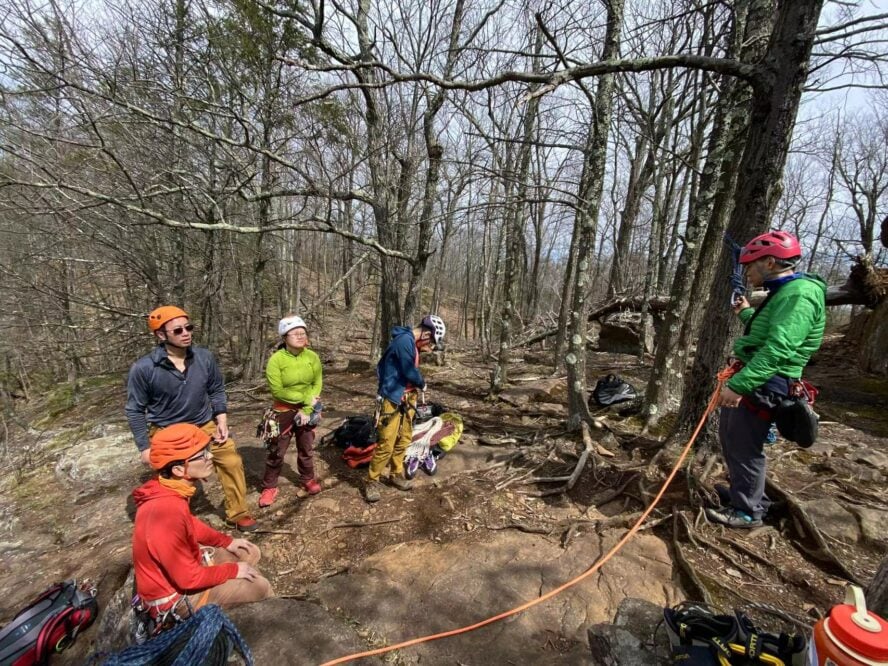
The unique demographic of his WFR cohort—predominantly female and all BIPOC—fostered a distinct learning environment. Unlike the often homogenous groups he had encountered in previous climbing courses (typically one woman among several white men), this program allowed for candid conversations about protecting BIPOC spaces, stepping up as leaders, and empowering each other within the climbing community. This shared experience underscored the profound value of affinity spaces in fostering belonging and addressing systemic issues.
Building Bridges: Mentorship and Community Development
Just as finding a climbing partner was initially challenging, Leong also faced difficulties in securing a mentor who shared his cultural background. While his AMGA instructors—Caleb Freese, Joe Vitti, Matt Shove, and others—have served as invaluable de facto mentors, providing expert guidance throughout his complex journey toward Rock Guide certification, the absence of local mentors who also identify as Asian remains a significant hurdle. This gap highlights the broader need for increased diversity at all levels of outdoor leadership.
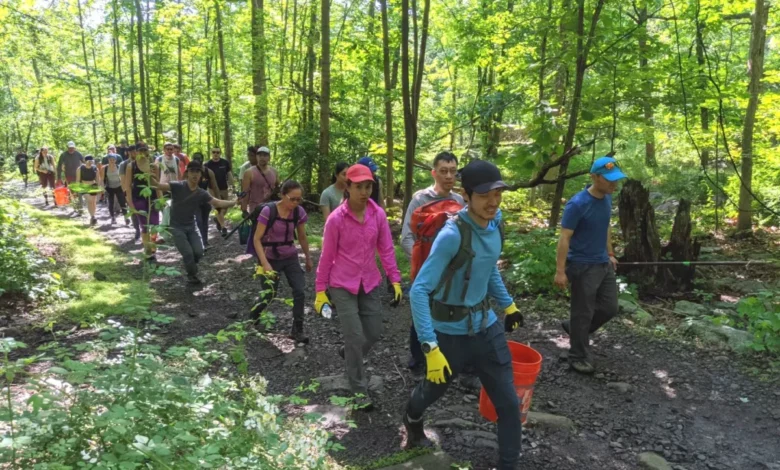
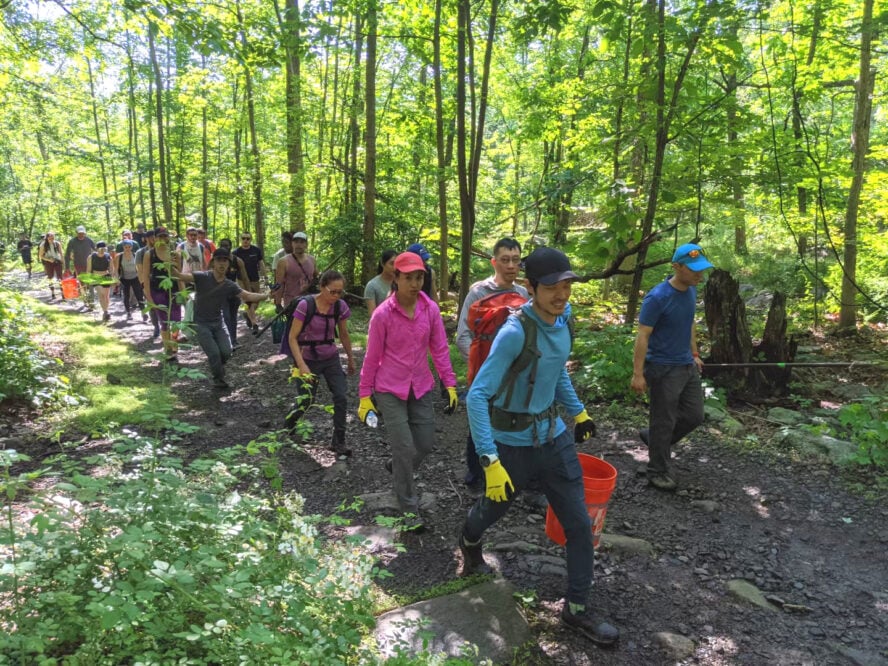
In response to this need, Leong co-founded "Project iii" a few years ago, a dedicated group for Asian climbers. This initiative aims to cultivate a supportive community committed to mutual assistance and growth. The group, comprising approximately 200 members, boasts three AMGA Single Pitch Instructors (SPIs), ten SPI Trainees (who have completed the course but not the exam), and around 100 newcomers to the sport. Project iii serves as a vital platform for experienced climbers to impart knowledge, for new participants to learn correct techniques, and for everyone to easily find climbing partners. It directly addresses the initial isolation Leong experienced, creating a vibrant, inclusive space where cultural identity is celebrated alongside a shared passion for climbing.
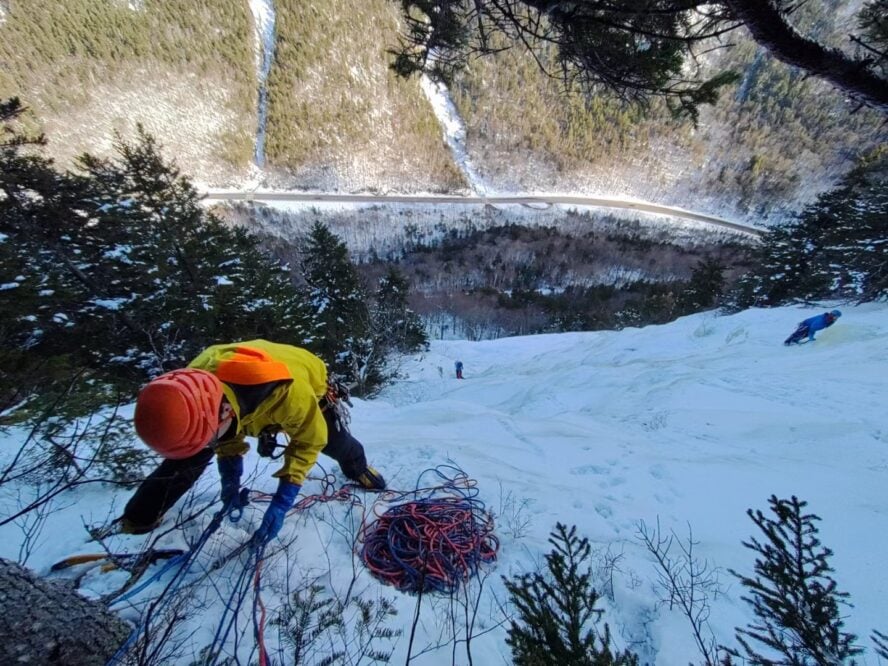
Beyond Project iii, Leong’s impact extends to the broader New York and New Jersey climbing communities. In 2019, he assumed the role of Education Chair for the Appalachian Mountain Club (AMC) Climbing Committee in his chapter. The AMC, one of the oldest outdoor recreation and conservation organizations in the United States, provides extensive outdoor education and leadership opportunities. In this capacity, Leong organizes a wide range of activities, from monthly meetups at local climbing gyms like The Cliffs to comprehensive educational programs and guided climbing trips. His leadership in the AMC further solidifies his commitment to mentoring, knowledge dissemination, and expanding access to the climbing community for a diverse array of participants.
The Road Ahead: Towards AMGA Rock Guide Certification
Anthony Leong’s dedication recently culminated in his official acceptance into the AMGA Rock Guide Program for 2023, a significant milestone in his professional development. The path to full certification is rigorous, demanding adherence to numerous stringent requirements. These include leading ten traditional climbs rated 5.10a or harder on various rock types (both single and multi-pitch), leading or co-leading ten Grade III traditional rock routes (Grade III denotes routes requiring most of a day to complete, indicating a high level of commitment and technical skill), and leading or co-leading 50 multi-pitch rock routes, among other technical and experiential benchmarks.
His immediate next steps involve enrolling in the 10-day Rock Guide Course, followed by the 10-day Advanced Rock Guide Course and their respective examinations. To fulfill the Grade III route requirements, which are less common in the Northeast, Leong plans to seek experience in areas like the Adirondacks and the White Mountains of New Hampshire, potentially undertaking a two-week trip to renowned destinations such as Red Rock in Nevada. Despite the demanding nature of these requirements and the considerable time and effort involved, Leong remains steadfast in his commitment to see the process through to completion.
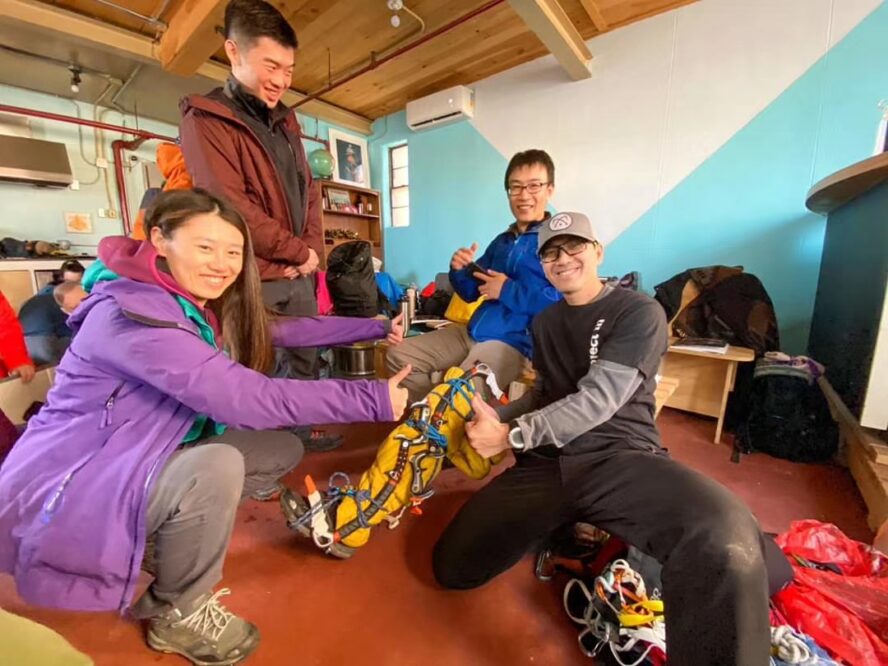
While he aspires to become a full-time professional guide, Leong remains pragmatic about the financial realities. Living in New York City with a child, he acknowledges the difficulty of transitioning entirely from his design job to a guiding career that may not immediately provide comparable financial stability. His wife, he quips, would likely "kill him" if he attempted such a drastic shift without careful planning. Nevertheless, his passion for outdoor education is unwavering. He is resolute in his dedication to working as a part-time guide, volunteering with non-profit outdoor organizations, and serving as a mentor within the BIPOC and Asian climbing communities. This balanced approach allows him to continue his guiding aspirations while contributing significantly to community building and diversity efforts.
A Community of Gratitude
Anthony Leong concludes his narrative with a heartfelt expression of gratitude to the many individuals and organizations that have supported his journey. He extends his thanks to the American Mountain Guides Association for its foundational work in professional guiding, and specifically to his SPI Teacher Joe Vitti and SPI Examiner Matt Shove for their invaluable instruction. He acknowledges Rise Outside and Alexis Krauss for making the WFR course possible, and his WFR Instructor Chris Broughton Bossong for his expert guidance. Special thanks are also directed to Szu-ting Yi for her mentorship and to 57hours for the crucial financial support provided through their scholarship program.
Leong’s journey underscores the critical role of accessible education, community support, and dedicated individuals in fostering a more inclusive and skilled outdoor community. His story serves as an inspiration for aspiring guides, particularly those from underrepresented backgrounds, demonstrating that passion, coupled with strategic support, can overcome significant barriers and lead to profound personal and communal impact. The 57hours Guide Education Fund continues to offer opportunities, with its next application round launching in the winter, inviting other guides to pursue their professional aspirations with essential financial assistance.