Navigating the Shift Rural Tourism Resilience and the Path Forward in a Post-Pandemic World

The global tourism industry, a sector that once accounted for one in ten jobs worldwide and contributed significantly to the global Gross Domestic Product (GDP), faced an unprecedented existential crisis throughout 2020 and the early stages of 2021. As the COVID-19 pandemic precipitated a near-total halt in international mobility, the landscape of travel underwent a fundamental transformation. While urban centers and major transit hubs saw a precipitous decline in footfall, a distinct trend emerged in the periphery: the resilience and relative success of rural and ecotourism. As travelers sought safety through social distancing and natural ventilation, the "great outdoors" became more than a recreational preference; it became a prerequisite for the survival of the travel industry.
The State of the Industry: A Year of Unprecedented Loss
To understand the pivot toward rural tourism, one must first acknowledge the scale of the devastation within the broader sector. According to data from the United Nations World Tourism Organization (UNWTO), 2020 was the worst year on record for tourism, with international arrivals dropping by 74%. This represented approximately 1 billion fewer international arrivals compared to the previous year, resulting in an estimated loss of $1.3 trillion in export revenues.
For many tour operators, the reality was stark. A review of digital platforms and booking calendars during this period revealed a graveyard of cancelled itineraries. Many businesses that had thrived on high-volume city tours or cruise excursions found themselves unable to operate for the entirety of 2020, with many remaining dormant well into the first half of 2021. However, this period of stagnation was not universal. While the "closed shop" mentality dominated urban hospitality, several companies specializing in remote, nature-based excursions found a narrow but viable path forward.
The Rural Advantage: Social Distancing by Design
The survival of certain tour operators can be attributed to the inherent characteristics of rural destinations. Unlike crowded metropolitan areas where population density facilitates the rapid transmission of respiratory viruses, rural areas offer a natural buffer. The lower population density and the emphasis on outdoor activities provided travelers with a sense of security that indoor attractions could not replicate.
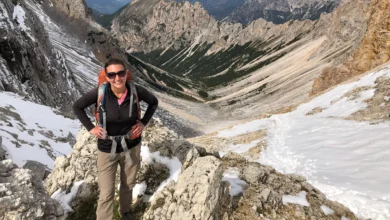
Kirsi Hyvaerinen, a member of the Board of Directors at the Global Ecotourism Network, provided firsthand evidence of this shift. Between August and October 2020, Hyvaerinen conducted an extensive overland journey from Montenegro to Finland and back. Her observations underscored a significant trend: rural tourism businesses that successfully resumed operations did so by leaning into their natural environment. These businesses did not merely reopen; they adapted their logistics to ensure that the entire guest experience—from transportation to dining—remained within low-risk, open-air settings.
The success of these rural operators was often tied to their ability to communicate safety without sacrificing the "escape" that travelers were desperate to find. By focusing on remote communities, these tours avoided the logistical and ethical complexities of bringing outsiders into densely populated, high-risk urban zones.
Policy Barriers and the Erosion of Consumer Confidence
Despite the demand for rural escapes, the path to recovery has been obstructed by factors largely beyond the control of individual business owners. Policy-level challenges have proven to be the most significant hurdles. Vicky Smith, a prominent consultant and the founder of Earth Changers—a platform dedicated to positive-impact tourism—highlights the restrictive nature of government advisories.
Using the United Kingdom as a primary example, Smith points to the Foreign, Commonwealth & Development Office (FCDO) and its practice of advising against all but essential travel to the majority of the world’s nations. These advisories carry heavy weight; they often render standard travel insurance null and void. Even if an airline is willing to fly and a destination is prepared to receive guests, the lack of insurance coverage creates a financial risk that most travelers are unwilling to bear.
Furthermore, the "exempt" or "green" lists of safe countries have been notoriously volatile. During the height of the pandemic, these lists were often updated weekly, creating a "quarantine roulette" for travelers. The fear of an unplanned 14-day isolation upon returning home—potentially disrupting work and family life—has placed persistent downward pressure on booking numbers. This lack of predictability has decimated consumer confidence, making long-term planning nearly impossible for both travelers and operators.
Chronology of an Industry in Flux
The timeline of the pandemic’s impact on tourism reveals a series of reactive shifts that eventually led to the current focus on rural resilience:
- January – March 2020: Initial outbreaks lead to localized lockdowns and the first wave of international travel bans. The industry anticipates a short-term disruption.
- April – June 2020: Global "Great Lockdown." International tourism effectively grinds to a halt. The UNWTO declares 2020 the "Year of Tourism and Rural Development," ironically highlighting the sector’s potential just as it collapses.
- July – September 2020: A brief "summer window" in the Northern Hemisphere sees a surge in domestic tourism and "staycations." Rural areas in Europe and North America experience a spike in demand as people avoid cities.
- October 2020 – January 2021: Second and third waves of the virus lead to renewed restrictions. The "holiday season" is largely lost, forcing many operators to pivot toward 2022 projections.
- Early 2021 – Present: The rollout of vaccines begins to offer a glimmer of hope, though the focus remains heavily on localized, sustainable, and rural travel models as international borders remain inconsistently open.
Community Integration as a Survival Mechanism
One of the most striking outcomes of the pandemic has been the blurring of lines between tourism and community aid. In the absence of traditional guests, many rural tourism businesses shifted their focus toward local social responsibility. This shift was not merely a public relations strategy but a genuine effort to preserve the social fabric upon which their businesses depend.
Vicky Smith highlights the Grootbos Private Nature Reserve in South Africa as a hallmark of this approach. When international travel stopped, the reserve’s foundation redirected its resources to combat local food insecurity. Their free meals program, which initially targeted school children who were no longer receiving school-provided lunches, scaled rapidly. By early July 2020, the program had provided over 125,000 meals to the surrounding community.
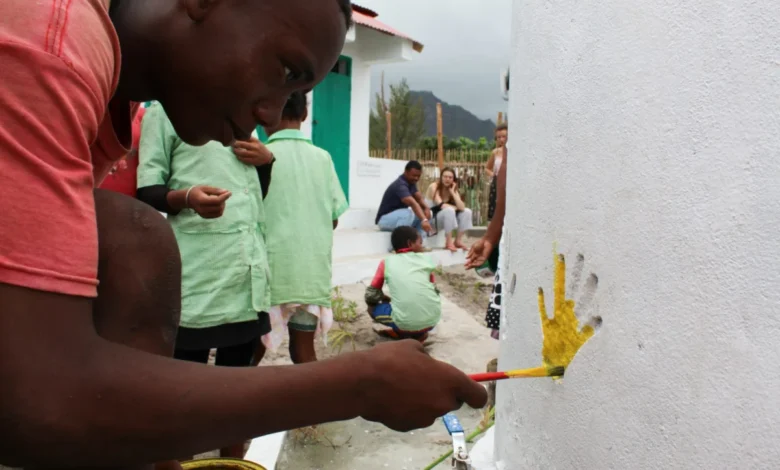
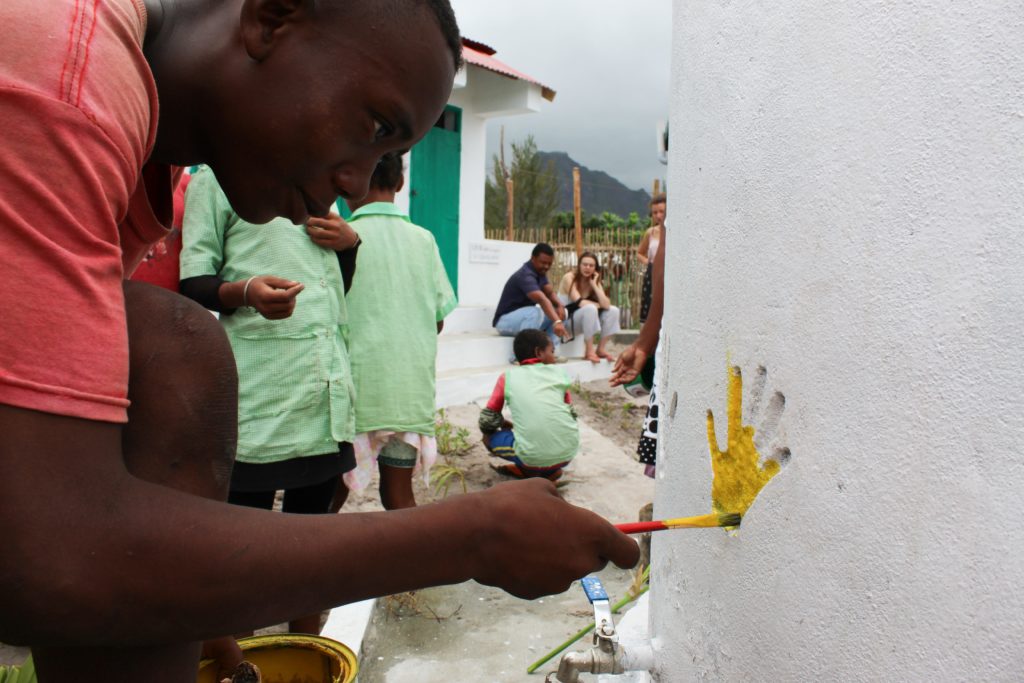
Similarly, the NGO SEED Madagascar, which usually facilitates conservation-based volunteer tourism, pivoted to public health support. Throughout the pandemic, they collaborated with local government agencies to purchase medical equipment, construct fourteen hand-washing stations in high-traffic areas, and produce thousands of cloth masks.
These actions have profound long-term implications. As Smith notes, the pandemic has acted as a magnifying glass for corporate values. Organizations that supported their local communities during the crisis are likely to enjoy greater loyalty and a stronger "social license to operate" when full-scale tourism returns. Travelers are increasingly looking for brands that demonstrate authentic ethical commitments rather than superficial marketing.
Expert Recommendations for the "New Normal"
For businesses looking to navigate the remaining months of the pandemic and the subsequent recovery phase, industry experts emphasize a strategy of flexibility and transparency. Ariane Janer, a sustainable tourism consultant and Technical Director of Instituto Homo Caballus, suggests that the "wise expansion" of a clientele requires a shift in operational philosophy.
Key recommendations for rural tourism operators include:
- Hyper-Local Focus: Tapping into the domestic market is no longer optional. Operators should tailor their products to residents within their own borders who are seeking "micro-adventures."
- Radical Transparency: Clear communication regarding sanitation protocols, refund policies, and the current health status of the destination is essential for rebuilding trust.
- Low-Impact Logistics: Moving away from large group tours toward private or "bubble" excursions that minimize contact with outsiders.
- Value-Based Branding: Emphasizing the positive impact that a traveler’s presence has on local conservation and community health.
The Broader Impact: A Permanent Shift in Travel Philosophy?
While the pandemic is a temporary health crisis, its impact on the tourism industry may be permanent. The "flight to the rural" has introduced a new demographic of travelers to the benefits of ecotourism and slow travel. There is a growing realization that the previous model of "overtourism" in major cities was unsustainable both environmentally and socially.
The current crisis has provided a forced "reset" button. It has allowed rural destinations to demonstrate their value not just as secondary options, but as primary drivers of a more resilient and ethical travel industry. The companies that have survived—and in some cases, expanded—during this period are those that viewed the pandemic not just as a disaster to be weathered, but as a catalyst for deeper integration with nature and community.
As the world slowly reopens, the tourism sector faces a choice: return to the high-volume, low-margin models of the past, or embrace the rural-centric, value-driven approach that has proven so resilient during the darkest days of the COVID-19 era. For the ethical traveler and the forward-thinking operator, the path forward is increasingly green, remote, and deeply rooted in local impact.