2024 International Women’s Day Theme: Inspire Inclusion, Tourism Sector’s Crucial Role in Empowering Women

The 2024 International Women’s Day theme, "Inspire Inclusion," serves as a powerful call to action, urging the dismantling of barriers, the challenging of stereotypes, and the creation of environments where every woman is valued and respected. While significant strides have been made in gender equality and inclusion globally, the pursuit of a world where everyone is fully included and has equitable opportunities for success remains an ongoing endeavor. The tourism sector, a significant global economic force, stands at a critical juncture, possessing the potential to not only embrace this theme but to actively lead in its implementation through deliberate strategies that empower women and marginalized groups.
Historically, International Women’s Day, observed annually on March 8th, originated from socialist political movements in the early 20th century, advocating for women’s rights, including suffrage and improved working conditions. Over the decades, it has evolved into a global day of recognition and a catalyst for change, with annual themes guiding focus and action. The "Inspire Inclusion" theme for 2024 emphasizes that inclusion is not merely about representation but about ensuring women are actively involved, their voices are heard, and they have the resources and support to thrive.
Companies, governments, and communities all bear a responsibility in fostering this more equitable world. This requires intentional change and concrete actions to ensure that women and marginalized groups are not only present but are integral to decision-making processes, benefit equitably from economic opportunities, and are free from discrimination and bias. The tourism sector, with its extensive reach and inherent connection to diverse cultures and communities, is uniquely positioned to champion these principles.
Travel as a Catalyst for Diversity and Inclusion
In its ideal form, travel is a celebration of diversity, an appreciation of differences, a means to break down stereotypes and biases, and an avenue for genuine engagement with local communities. The aspiration for many in the tourism industry is to contribute positively to the places visited, enhancing the lives of local residents. Mindful and sustainable travel practices often embody these ideals. However, it is a recognized reality that not all tourism businesses and travelers consistently uphold these principles.
The tourism sector possesses a significant capacity to proactively pursue greater participation from women and to drive greater social impact, thereby moving closer to these aspirational goals. Embracing inclusivity promises to not only strengthen the sector, making it more resilient and adaptable, but also to cultivate deeper and more transformative travel experiences for those who engage with it. By intentionally integrating women into all facets of the industry, from entry-level positions to leadership roles, and by supporting women-led enterprises, tourism can become a powerful engine for positive social change.
The Landscape of Women in Tourism: Progress and Persistent Gaps
As of 2019, women constituted a substantial 54% of the global tourism sector’s employment, according to the World Travel & Tourism Council (WTTC). On the surface, this statistic appears to signify a significant achievement, representing a foundational step towards greater opportunity and access for women within the industry. However, a deeper analysis reveals a more complex reality. Research conducted by the United Nations World Tourism Organization (UNWTO) indicates that the majority of these positions are concentrated in lower-skilled, lower-paid roles. Furthermore, women hold only approximately 19-25% of leadership and C-suite positions. This disparity suggests that while women are employed in large numbers, they are often relegated to entry-level or informal sector jobs, which leaves them disproportionately vulnerable to economic shocks, such as those experienced during the COVID-19 pandemic.
The challenge for the tourism sector, therefore, extends beyond simply increasing the number of women in its workforce. It necessitates a fundamental shift towards empowering women as partners, managers, and leaders. In alignment with the "Inspire Inclusion" theme, this involves providing women and marginalized groups with the necessary resources and opportunities within their local contexts to achieve success. This proactive approach is crucial for building a more equitable and sustainable tourism ecosystem.
The Profound Impact of Investing in Women
The imperative to invest in women within the tourism sector is underscored by compelling evidence of its broader societal benefits. Investing in women is, in essence, an investment in communities and future generations. Kiva, a microfinance organization that provides loans to low-income entrepreneurs worldwide, has found that women reinvest approximately 80% of their earnings into the education and well-being of their children. This multiplier effect is significant. Further research from the United Nations and UN Women corroborates these findings, indicating that women’s economic empowerment is intrinsically linked to greater gender equality, enhanced human rights, accelerated economic growth, increased rates of girls’ education, and improvements in various other community indicators of well-being.
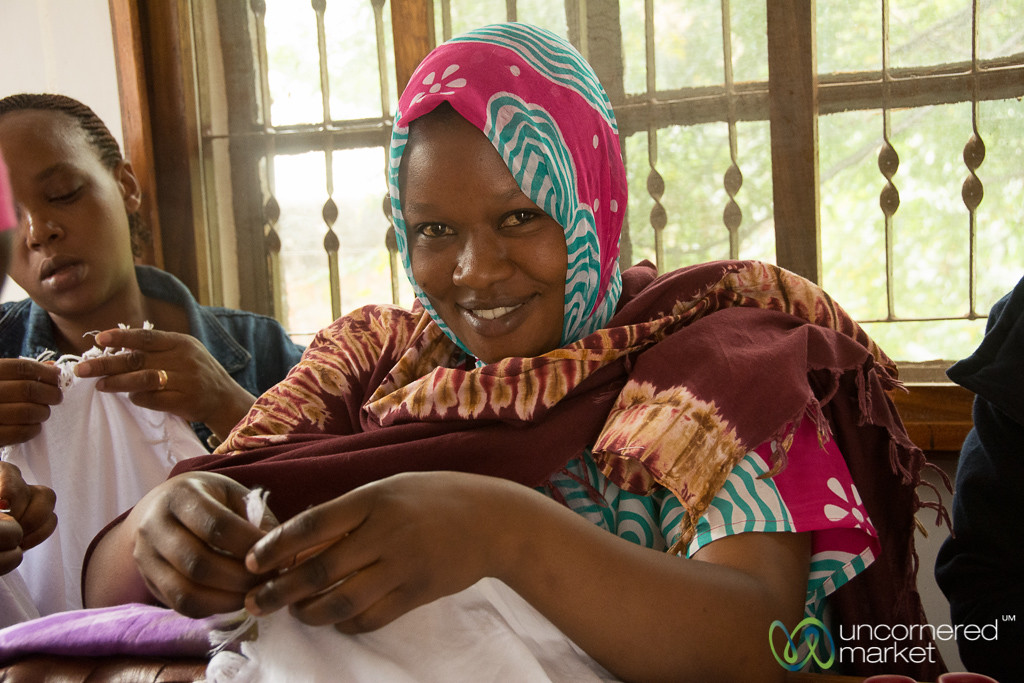
Anecdotal evidence powerfully illustrates these principles. Shoshe, a woman from Moshi, Tanzania, who benefited from business training and market access for her handicrafts through a local program, articulated this deeply personal motivation: "I want to break the cycle for my daughter. I want to prove women can work and earn money." Her words highlight the intergenerational impact of empowering women economically.

Alessandra Alonso of Women in Travel echoed this sentiment during a G Adventures Retravel panel discussion. She stated, "For us, economic empowerment is the beginning of everything. Because when a woman earns, then the kids get educated, the extended family eats and the whole community is much better off." This perspective underscores that investing in women’s economic agency yields dividends that ripple outward, benefiting entire communities.
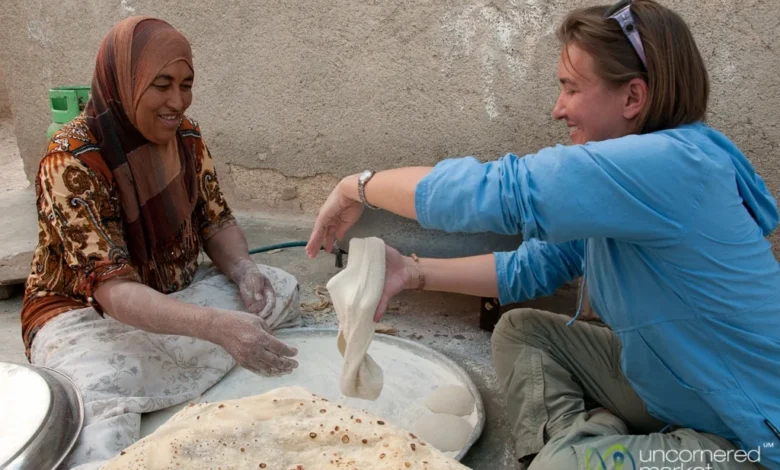
The Zikra Initiative in Jordan exemplifies how social enterprises can directly support women and preserve cultural heritage. By providing women with opportunities to share their traditional skills, such as making "Shrak" (traditional Jordanian bread), with visitors, these initiatives foster economic independence and cultural preservation. Such programs not only empower the women involved but also enrich the travel experience by offering authentic cultural immersion.
Practical Strategies for Enhancing Inclusion in Tourism
To translate the principles of "Inspire Inclusion" into tangible outcomes, the tourism sector can adopt several practical strategies:
- Promote Women in Leadership and Decision-Making Roles: Actively recruit, train, and mentor women for management and leadership positions. This involves challenging existing biases in hiring and promotion processes and creating supportive work environments that enable women to advance their careers.
- Support Women-Owned and -Led Businesses: Provide financial assistance, business development training, and market access to women entrepreneurs in the tourism value chain. This includes tour operators, accommodation providers, artisans, and service providers. Initiatives like Moshi Mamas in Tanzania, which offers business and skills training and market access for women artisans, serve as powerful examples.
- Ensure Fair Wages and Working Conditions: Advocate for and implement policies that guarantee equal pay for equal work and provide safe, equitable working conditions for all employees, particularly those in roles historically dominated by women or in the informal sector.
- Invest in Skills Development and Training: Offer accessible training programs that equip women with the skills needed for higher-value roles within the tourism industry, including specialized guiding, management, marketing, and digital literacy.
- Foster Inclusive Marketing and Representation: Ensure that marketing materials and communications reflect the diversity of travelers and the workforce, showcasing women in various roles and highlighting their contributions to the industry. This helps to challenge stereotypes and inspire future generations.
- Create Supportive Work Environments: Implement policies that support work-life balance, such as flexible working hours and adequate parental leave, to enable women to balance their professional and personal responsibilities.
Lynn, a guide at Chobe Game Lodge in Botswana, leading an all-women guiding team utilizing electric vehicles, represents a forward-thinking approach. This initiative not only empowers women but also aligns with sustainability goals, demonstrating how inclusion and environmental responsibility can go hand-in-hand.
The Business Case for an Inclusive Workforce
Beyond the ethical imperative, fostering inclusive workforces makes sound business sense. Numerous studies indicate that companies with higher levels of gender diversity, particularly at the executive level, tend to outperform their less diverse counterparts in terms of financial performance. A McKinsey & Company report, for instance, highlights the correlation between gender diversity and profitability. One key reason for this outperformance is the diversity of leadership styles and perspectives. The inclusion of varied opinions and insights fuels collective intelligence, often leading to more creative solutions and more effective problem-solving.

The business rationale also extends to the consumer side. In the tourism and travel industry, it is estimated that women make a significant majority – between 70-80% – of travel decisions. With women travelers also comprising a growing segment of the global tourist population, a company’s ability to understand and cater to the needs of its current and prospective customers is significantly enhanced by a diverse workforce that reflects this consumer base. Workplace diversity, therefore, becomes a strategic advantage, enabling businesses to better connect with and serve their clientele.
Inspiring Inclusion: A Continuous Commitment
As International Women’s Day is celebrated, it is imperative to move beyond symbolic gestures and focus on sustained, deliberate action that supports and empowers women throughout the year. The tourism sector has a unique opportunity to embody the spirit of "Inspire Inclusion" not just on one day, but every day. By actively inviting, welcoming, and providing women with the necessary resources and support, the industry can empower them to take the lead in shaping a more inclusive and equitable future for all.
When the tourism sector fully embraces this commitment, it not only enhances the lives of women within the industry but also enriches the travel experiences for everyone and contributes to building a more just and prosperous world. This is the vision of an inclusive world that the tourism sector, through conscious effort and strategic implementation, can help to realize.