Decoding the Economics of Disney Cruise Line: A Comprehensive Analysis of Costs, Inclusions, and Market Positioning

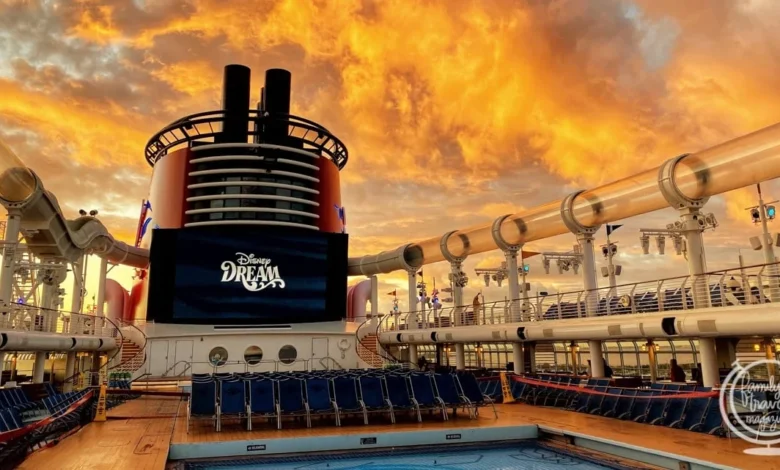
The Disney Cruise Line (DCL) occupies a unique and premium niche within the global maritime tourism industry, characterized by a pricing structure that often exceeds that of its primary competitors, such as Royal Caribbean International and Carnival Cruise Line. For families and travel planners, the "Disney Premium" is a central factor in the decision-making process, necessitating a detailed examination of what constitutes the total cost of a voyage. As the cruise line undergoes a period of significant fleet expansion, the financial dynamics of booking a Disney vacation have become increasingly complex, influenced by seasonal demand, stateroom categories, and an evolving list of onboard inclusions and exclusions.
The Foundation of Disney’s Pricing Model
Disney Cruise Line’s pricing is built upon a supply-and-demand framework that prioritizes brand loyalty and a specialized family-centric experience. Unlike many "budget" cruise lines that utilize low entry-level fares to attract passengers and then rely heavily on onboard spending, Disney’s base fare is more inclusive but substantially higher at the outset.
The primary drivers of cost are the time of year and the specific ship being booked. Peak travel periods, which align with North American school vacation schedules—such as spring break, summer holidays, and the December festive season—see the highest price points. Conversely, the month of January is traditionally recognized as the most cost-effective time for Caribbean and Bahamian itineraries. During this period, lower demand and the potential for cooler weather in the northern Caribbean result in reduced fares. However, the industry standard of dynamic pricing means that as a ship fills up, the remaining staterooms increase in price, rewarding those who book eighteen to twenty-four months in advance.
Comparative Analysis of Stateroom Categories
The selection of a stateroom is the most significant variable in the base cruise fare. DCL offers four primary categories: Interior, Oceanview, Verandah, and Concierge.
- Interior Staterooms: These are the most economical options, lacking natural light but often featuring "Magical Portholes" on older ships (the Magic and Wonder) or virtual displays on newer vessels that show real-time exterior views with animated Disney characters.
- Oceanview Staterooms: These provide a porthole or large window, offering natural light without the higher cost of a balcony.
- Verandah Staterooms: The most popular category for Disney travelers, these rooms include a private outdoor balcony. For itineraries in scenic regions like Alaska or the Norwegian Fjords, the price delta for a Verandah can be several thousand dollars, yet it remains the most requested tier.
- Concierge Level: This represents the pinnacle of Disney’s luxury offering. Concierge guests receive priority boarding, access to a private lounge with complimentary food and spirits, and dedicated shoreside planning services. Prices for Concierge suites on a seven-night sailing can easily exceed $20,000 for a family of four.
A defining feature of Disney’s stateroom design is the "split bathroom" concept, found in most categories. This design separates the toilet and a sink from the shower and a second sink, a logistical advantage for families getting ready simultaneously that contributes to the line’s reputation for family-friendly engineering.
Understanding the "All-Inclusive" Value Proposition
To justify its higher price point, Disney Cruise Line includes several amenities that are typically "upcharges" on other lines. A factual assessment of these inclusions is essential for an accurate cost-benefit analysis.
Dining and Beverages:
DCL utilizes a "Rotational Dining" system where guests move to a different themed restaurant each night, accompanied by the same waitstaff. This service model is unique to Disney and is included in the fare. Furthermore, Disney is one of the few major cruise lines to include unlimited soda, standard coffee, and tea at its 24-hour beverage stations and in the dining rooms. On many other lines, a "soda package" can cost between $10 and $15 per person, per day.
Entertainment and Childcare:
The cost of a Disney cruise covers Broadway-style theatrical productions, first-run motion pictures (including new releases from Marvel, Lucasfilm, and Pixar), and character meet-and-greets. Crucially, Disney’s youth clubs—the Oceaneer Club and Oceaneer Lab—are included in the fare for children ages 3 to 10. These facilities are widely regarded as the gold standard in the industry, featuring high counselor-to-child ratios and sophisticated interactive technology.
Quantifying the "Hidden" Costs: Exclusions and Add-ons
While the base fare covers the essentials, the total "out-of-pocket" cost of a Disney cruise can rise significantly when accounting for non-included items.
Transportation and Logistics:
For sailings departing from Port Canaveral, Florida, guests must account for the cost of reaching the terminal. Disney’s ground transfers currently cost approximately $39 per person each way from Orlando International Airport. While convenient, families of four or more often find that private car services or ride-sharing apps are more economical.
Shore Excursions (Port Adventures):
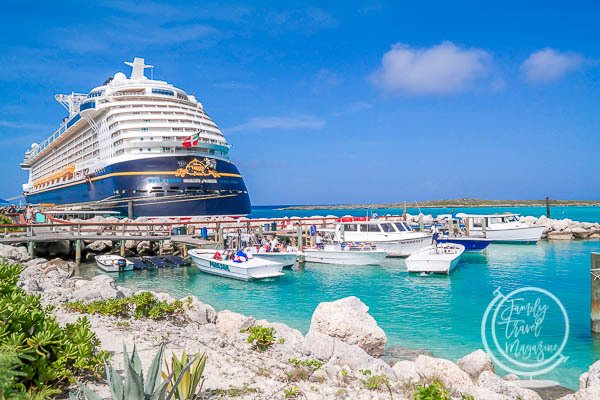
Shore excursions represent the largest variable expense outside of the cruise fare. In premium markets like Alaska or Europe, high-demand excursions—such as helicopter glacier tours or private guided tours of Rome—can cost upwards of $700 per person. Even in the Bahamas, activities like swimming with dolphins or renting private cabanas on Disney’s private island, Castaway Cay, require significant additional investment.
Adult-Only Dining and Alcohol:
While family dining is included, DCL offers premium, adult-only specialty restaurants: Palo (Italian-inspired) and Remy (French-inspired). These venues require a per-person cover charge or a-la-carte pricing. Additionally, unlike some luxury lines, Disney does not include alcoholic beverages in its standard fare. Guests can purchase wine or beer packages to mitigate costs, but the lack of an "all-inclusive" drink package (a staple on lines like Norwegian or Celebrity) is a notable distinction in Disney’s financial model.
Gratuities and Service Fees:
Disney automatically adds suggested gratuities for the dining room server, assistant server, head server, and stateroom host. As of late 2023, the recommended gratuity is $14.50 per night, per guest. For a seven-night cruise for a family of four, this adds $406 to the final bill.
Regional Pricing Benchmarks
As of 2024 and 2025 booking cycles, the following price ranges represent the current market reality for a family of four in a standard stateroom:
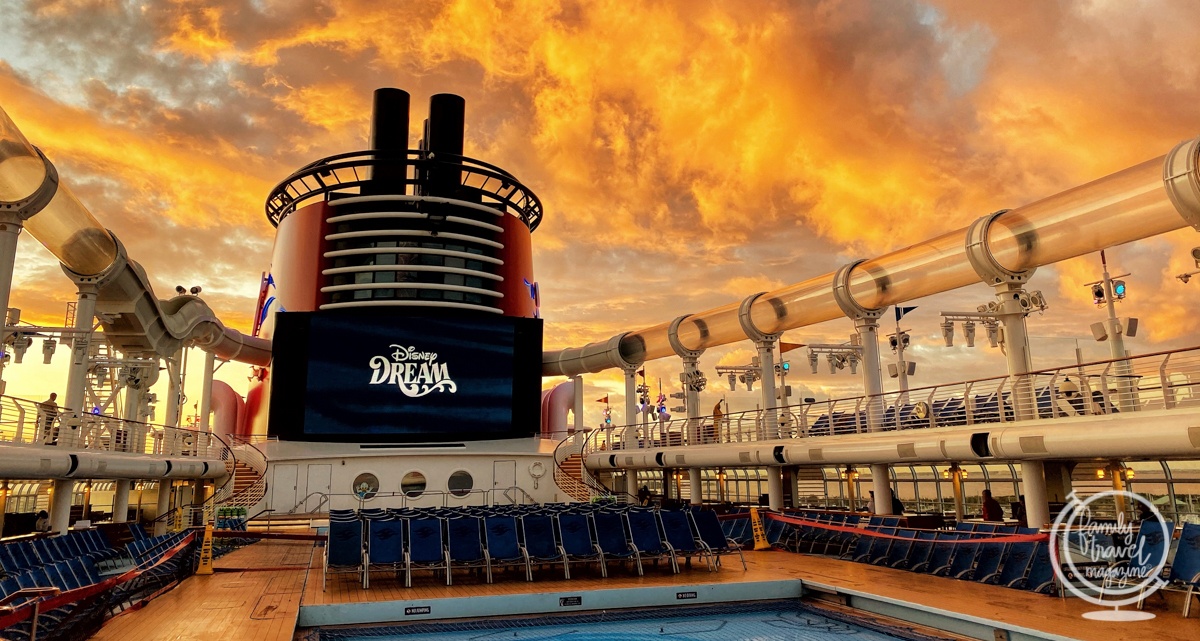
- 3-Night Bahamian (Disney Wish/Dream/Destiny): $2,700 – $8,700. These short "taster" cruises are the most accessible entry point but have the highest cost-per-night ratio.
- 7-Night Alaskan (Disney Wonder): $5,400 – $16,000. Alaska is a seasonal market (May through September), and the limited inventory drives prices to the higher end of the spectrum.
- 7-to-10-Night Mediterranean (Disney Dream): $4,300 – $15,000+. European itineraries are heavily influenced by port fees and the complexity of multi-country logistics.
Fleet Expansion and the Future of DCL Pricing
The Disney Cruise Line is currently in the midst of its largest expansion since its inception in 1995. The addition of the Disney Wish (2022), the Disney Treasure (2024), and the announced Disney Destiny and Disney Adventure will nearly double the fleet’s capacity.
Industry analysts suggest that this increase in supply may eventually stabilize pricing, though the current "revenge travel" trend and high demand for the new "Wish-class" ships have kept prices at historic highs. Furthermore, the opening of Disney’s second private destination in the Bahamas, Lookout Cay at Lighthouse Point, provides the company with more proprietary "high-margin" destinations, allowing them to control the guest experience and capture more shoreside revenue.
Strategic Financial Planning for Travelers
For those seeking to mitigate the high cost of a Disney cruise, two primary mechanisms exist: the Onboard Booking Discount and the Placeholder system.
Guests currently sailing on a Disney ship can book their next cruise via the Disney Cruise Line Navigator app. This typically yields a 10% discount on the prevailing rate for a future sailing. If a guest is unsure of their future dates, they can purchase a "Placeholder" for $250. This placeholder is valid for two years and secures the 10% discount for a future booking. This system is a critical tool for repeat "Castaway Club" members to maintain the affordability of the brand.
Additionally, specialized discounts are occasionally released for Florida residents, Canadian residents, and active or retired U.S. Military personnel. These are typically restricted to "guarantee" staterooms, where Disney assigns the room number close to sailing, and are offered only on dates with lower-than-expected occupancy.
Conclusion: The Market Position of Disney Cruise Line
The data indicates that while a Disney cruise is objectively more expensive than many of its peers, its value is derived from a high level of "built-in" services and the leverage of global intellectual property. The absence of a casino (a major revenue generator for other lines), the inclusion of soft drinks, and the high-quality childcare are deliberate strategic choices that appeal to a specific demographic willing to pay a premium for a controlled, family-oriented environment.
As Disney continues to expand its fleet and global reach, the cost of participation remains high, yet the line’s high repeat-guest rate suggests that for a significant portion of the market, the "Disney Premium" remains a justifiable expenditure within the broader landscape of family vacation options.