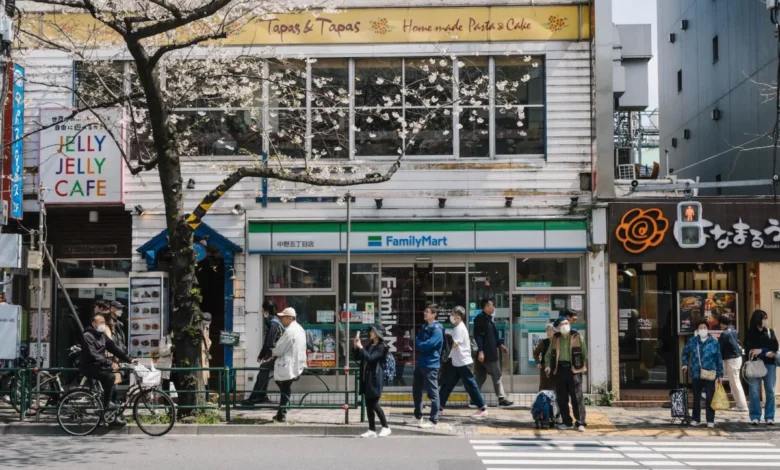
While a casual observer might perceive Japanese convenience stores, or konbini, as largely interchangeable establishments—defined by their uniform bright signage, inviting warm interiors, and a seemingly standardized array of products—a deeper understanding reveals a nuanced ecosystem where each brand carves out its distinct identity and caters to specific consumer needs. These ubiquitous retail outlets, far from being mere places to grab a quick snack, are integral threads in the fabric of daily Japanese life, offering an unparalleled blend of convenience, quality, and a surprisingly diverse range of services.
The Pillars of Japanese Convenience: An Overview
The konbini phenomenon is deeply embedded in Japan’s urban and rural landscapes, with over 55,000 stores nationwide as of recent industry reports, collectively generating annual sales exceeding 10 trillion yen. This vast network serves an estimated 40 million customers daily, highlighting their critical role in the national infrastructure. From their origins in the 1970s, konbini evolved rapidly, driven by Japan’s fast-paced lifestyle, compact living spaces, and a strong cultural emphasis on efficiency and customer service. They are more than just shops; they function as mini-community centers, offering everything from fresh meals and household essentials to financial services and parcel delivery.
On the surface, commonalities abound: refrigerated sections perpetually stocked with onigiri (seaweed-wrapped rice balls) and sandwiches, hot food counters featuring items like fried chicken and oden (a savory stew), and central aisles laden with snacks ranging from senbei rice crackers to an endless variety of gummy candies. Yet, for the discerning local, and increasingly for informed international visitors, the differences between the major players—7-Eleven, FamilyMart, and Lawson—and their smaller competitors are significant, influencing everything from meal choices to available services. These distinctions are not trivial; they reflect strategic brand positioning, target demographics, and often, unique product development that fosters fierce brand loyalty.
Deep Dive into the ‘Big Three’
The triumvirate of 7-Eleven, FamilyMart, and Lawson dominates the Japanese konbini landscape, their logos instantly recognizable whether nestled between rice paddies in the countryside or occupying prime ground floor real estate in Tokyo’s towering skyscrapers. Their sheer prevalence and extensive reach across the archipelago underscore their market leadership and deep penetration into Japanese society.
7-Eleven: The Reliable Stalwart and Innovator
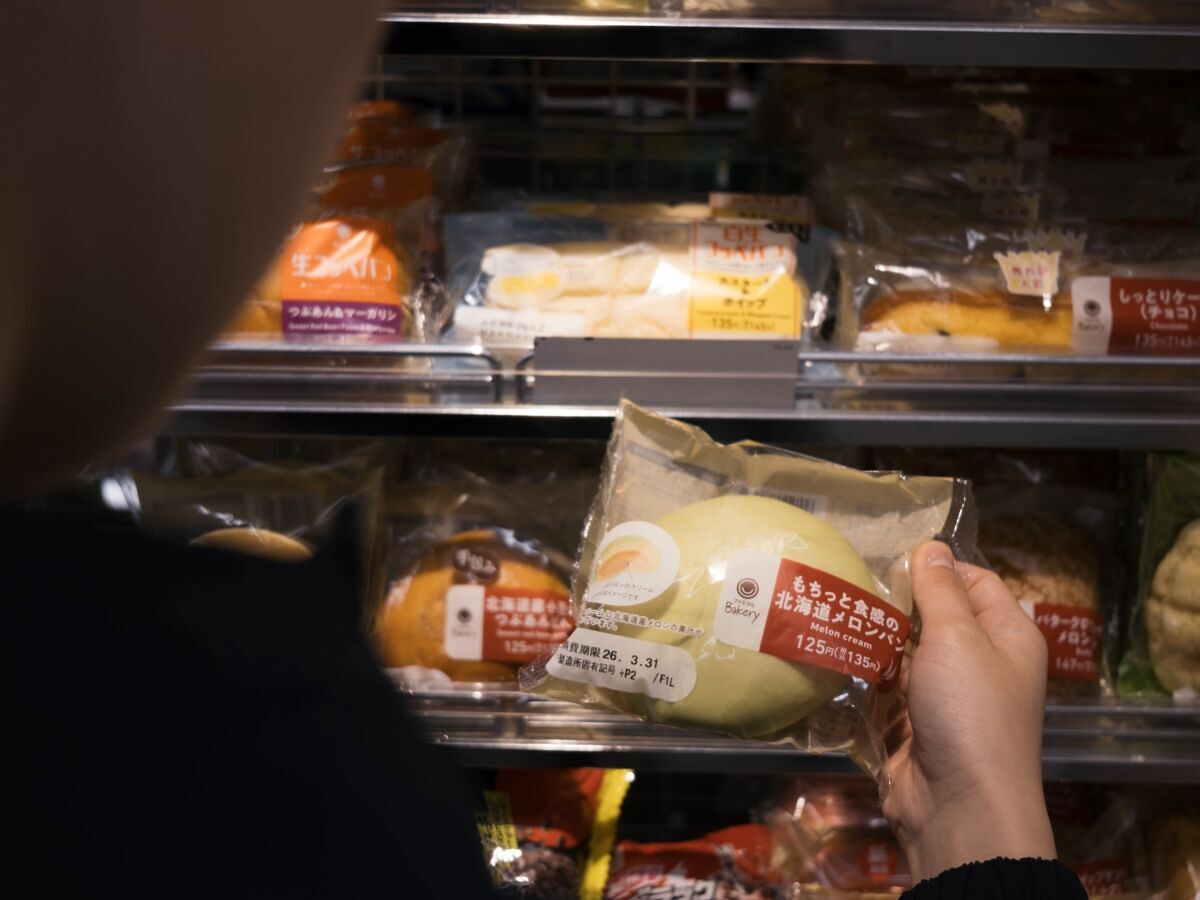
While no official ranking exists, many Japanese locals would anecdotally place 7-Eleven at the pinnacle for its sheer reliability and comprehensive offerings. A subsidiary of the Japanese-owned Seven & I Holdings, 7-Eleven Japan operates over 21,000 stores, making it the largest konbini chain in the country. Its dominance stems from a relentless pursuit of innovation, particularly in product development and logistics. The brand’s private label line, "Seven Premium," is a testament to its commitment to quality, offering a vast array of high-quality food and household items that often rival or surpass those found in supermarkets. These products, ranging from gourmet instant noodles to freshly prepared deli items, are developed with meticulous attention to detail and frequently updated based on consumer feedback and seasonal availability.
Beyond its impressive food selection, 7-Eleven distinguishes itself with a suite of services far exceeding those typically found in its international counterparts. These include ubiquitous ATMs that often accept international credit and debit cards, a crucial amenity for foreign tourists. Customers can pay utility bills, taxes, and insurance premiums, purchase tickets for concerts, theme parks, and public transport, and even send or receive parcels directly from the store. Printing, copying, and fax services, along with free Wi-Fi, transform these stores into miniature, always-open community hubs. This comprehensive service model is a core reason for its widespread appeal and solidifies its position as the go-to konbini for a multitude of daily needs.
FamilyMart: The Home of FamiChiki and Coffee Culture
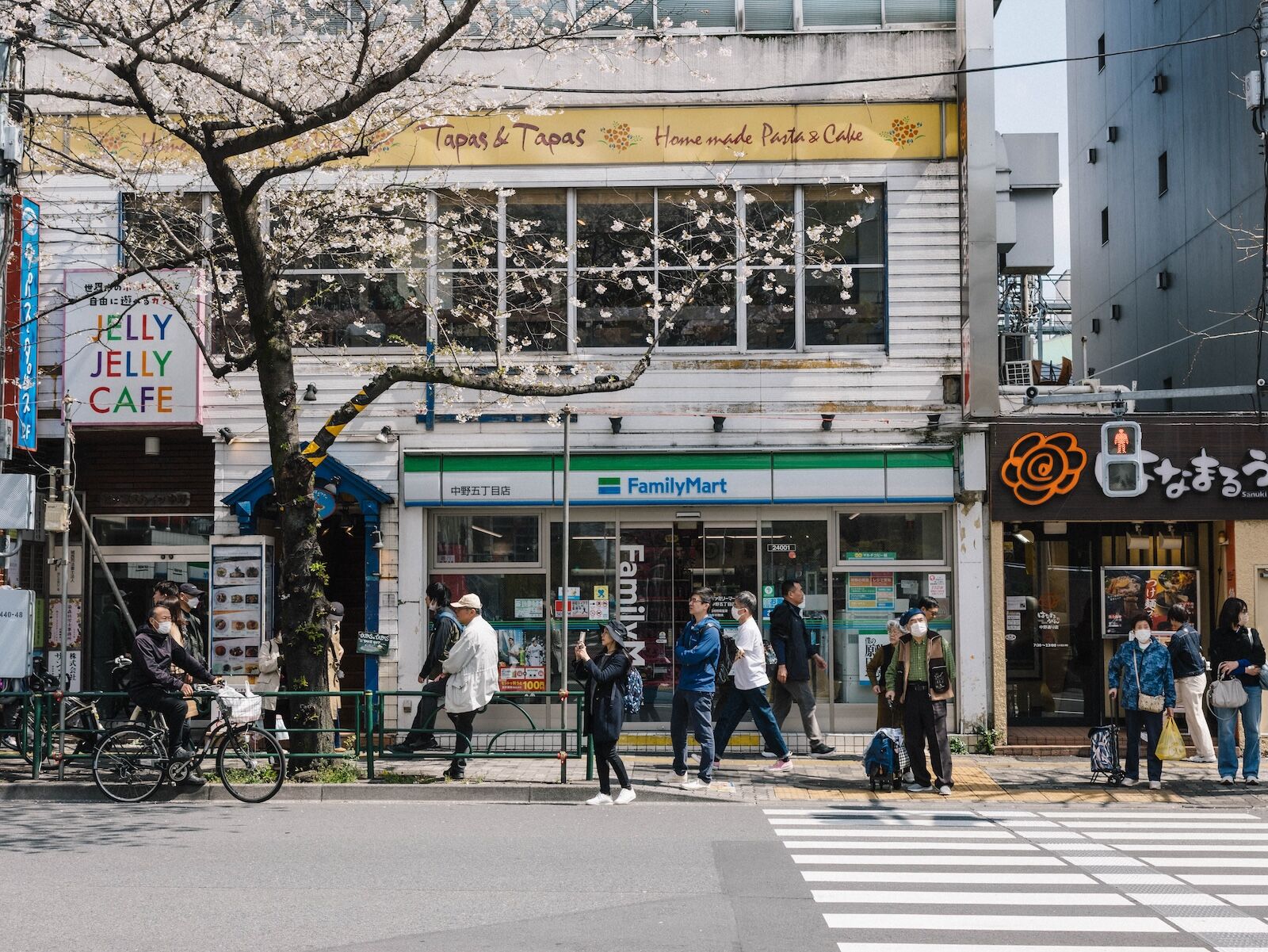
FamilyMart, with over 16,000 locations, commands a strong second position, recognized for its distinctive green, white, and blue logo. The brand has cultivated a loyal following, particularly among those with specific cravings for its signature items. Central to its appeal are the "two Cs": chicken and coffee. FamilyMart’s "FamiChiki" fried chicken is a cultural phenomenon, a perfectly seasoned, crispy, and juicy snack that has achieved cult status. It’s a popular grab-and-go protein boost for busy individuals, often paired with their "FamiCafe" coffee. The FamiCafe system offers self-serve, freshly brewed coffee with customizable options including simple syrup, creamer, and various flavored add-ins, catering to the evolving tastes of Japanese coffee drinkers.
FamilyMart also excels in its marketing and promotional strategies, frequently engaging customers with playful campaigns, sometimes even extending to unexpected merchandise like branded socks, as noted in online discussions. This focus on engaging promotions and popular, high-quality fast-food items helps FamilyMart maintain a vibrant and youthful brand image, attracting a demographic looking for both convenience and a bit of culinary flair.
Lawson: Sweet Sensations and Niche Market Innovation
Lawson, identifiable by its calming blue logo, operates over 14,000 stores and holds a unique position in the konbini market. While it gained international viral fame for a particular store’s picturesque view of Mount Fuji, its true local renown lies in its exceptional range of sweets and desserts. Lawson’s dessert offerings, from its premium roll cakes to seasonal parfaits and artisanal puddings, are frequently lauded for their quality, often rivaling those from specialty patisseries. This focus on high-quality sweet treats has cemented its reputation among dessert enthusiasts.
Beyond its confectionery prowess, Lawson has strategically diversified with two notable offshoot brands:
- Natural Lawson: Catering to health-conscious consumers, Natural Lawson offers a curated selection of organic, natural, and low-calorie products. Its shelves are stocked with fresh salads, gluten-free snacks, healthy bento boxes, and organic beverages, appealing to a demographic increasingly focused on wellness and dietary needs. This innovative approach taps into a growing market segment, demonstrating the konbini‘s adaptability.
- Lawson 100: This sub-brand focuses on value, offering a wide array of products, primarily groceries and household items, at highly discounted prices, often around 100 yen. Lawson 100 effectively competes with discount supermarkets, providing essential goods at accessible price points, particularly valuable in areas with a higher proportion of budget-conscious shoppers. These distinct concepts allow Lawson to capture a broader market spectrum, from premium health food to everyday bargains.
Beyond the Behemoths: Niche and Regional Players
While the "Big Three" dominate, several other konbini chains play significant roles, often distinguished by regional strength or specialized offerings.
MiniStop: The Fresh Food Frontier
MiniStop, though less common nationwide with approximately 2,000 stores, sets itself apart with an emphasis on freshly prepared hot meals and an enticing array of soft-serve ice cream. Its in-store kitchens allow for items like hot dogs, rice bowls, and even some types of fried chicken to be prepared on-site, offering a warmer, fresher alternative to pre-packaged options. The chain is particularly celebrated for its soft-serve ice cream, which features an ever-rotating selection of seasonal and unique flavors, such as roasted sweet potato in autumn or brown sugar mochi, transforming a simple dessert into a seasonal delight. This focus on fresh, made-to-order items creates a distinct dining experience.
Daily Yamazaki: A Bakery Haven
Daily Yamazaki, linked to the major Yamazaki Baking company, brings a unique bakery-style concept to the konbini world. With its bright red and yellow branding evoking a sense of nostalgic familiarity, these stores offer freshly baked bread and pastries alongside standard convenience store fare. Unlike other chains where items like curry pan (curry-filled fried dough) or sausage rolls are pre-packaged, Daily Yamazaki operates more like a traditional bakery. Customers can select their desired items with tongs, placing them in baskets before taking them to the checkout, ensuring a warm and fresh experience that strongly differentiates it from competitors.
NewDays: The Commuter’s Companion
NewDays is primarily found within JR East train stations, strategically positioned to serve the millions of commuters and travelers traversing Japan’s extensive rail network. Its offerings are tailored to the needs of passengers on the go, providing quick and easy access to breakfast items, snacks, beverages, and travel essentials. Its location-specific presence makes it an invaluable resource for daily commuters and long-distance travelers alike, seamlessly integrating into the rhythm of Japan’s public transportation system.
Seicomart: Hokkaido’s Local Gem
Seicomart stands out as a powerful regional player, predominantly serving Japan’s northernmost island, Hokkaido, where it boasts a remarkable market share. Recognizable by its cartoonish cow logo, Seicomart is celebrated for its "Hot Chef" corner, a unique feature where fresh, piping hot meals are prepared on-site. This includes classics like katsudon (pork cutlet bowl) and onigiri that are filled and wrapped right in the store. During Hokkaido’s notoriously long and below-freezing winters, these freshly cooked, warm meals provide a welcome oasis of comfort. Seicomart’s strong local sourcing and community ties further strengthen its position as a beloved Hokkaido institution, demonstrating how regional konbini can thrive by deeply understanding and serving local needs.
The Ephemeral Delights: Embracing Japan’s Seasonal Sensibility
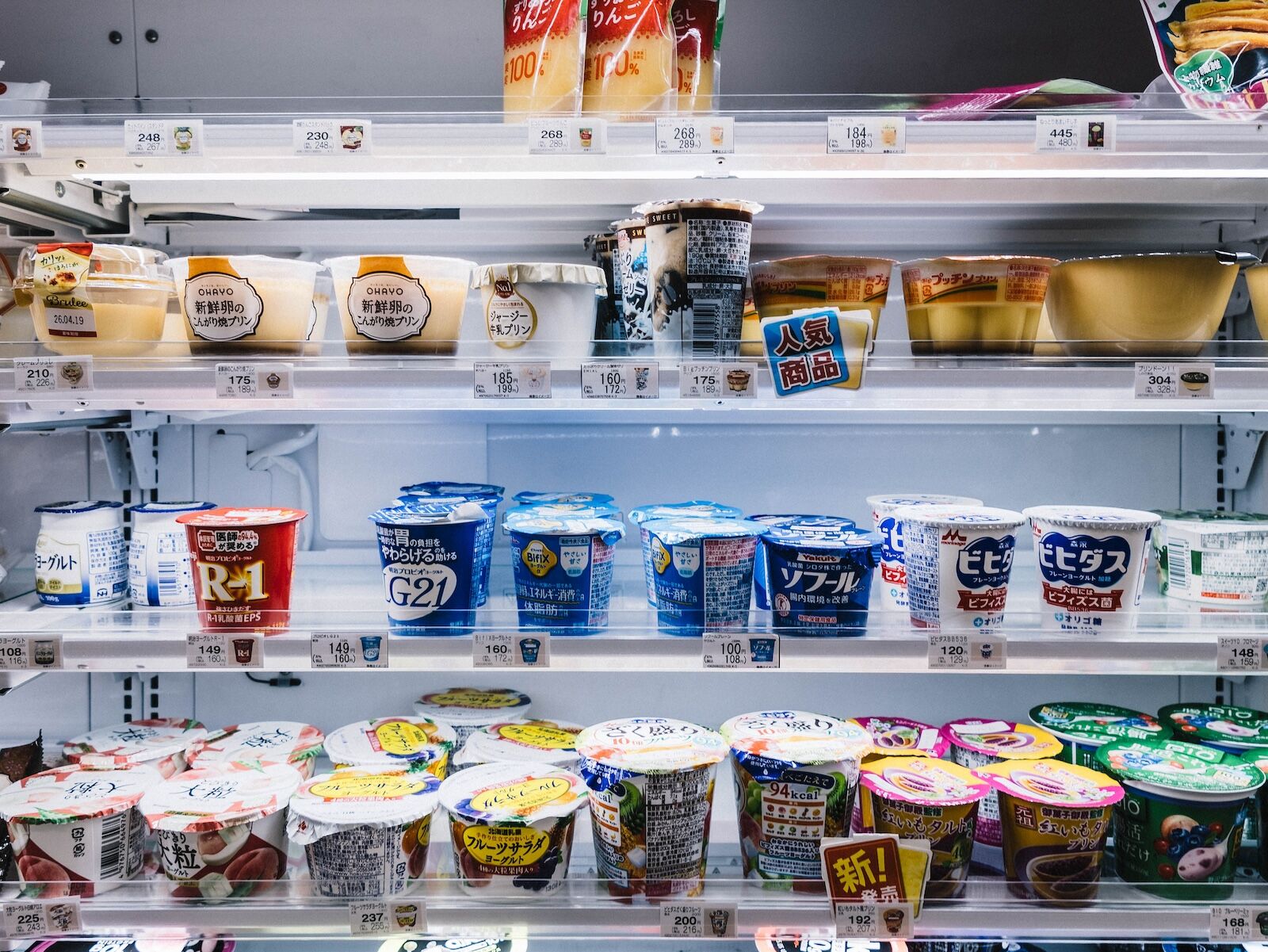
For many, the true magic of Japanese konbini lies not in their staple offerings but in the kikan gentai – the limited-time-only seasonal products that rotate with a captivating speed that often outpaces social media trends. While viral sensations like the fluffy whipped egg sando are undoubtedly delicious and a reliable classic, they represent only the enduring foundation of the konbini culinary landscape. The real intrigue, the drama, and the profound connection to Japanese culture come alive through these fleeting seasonal items.
Japan has a profound and ancient appreciation for seasonality, known as mono-no-aware, the bittersweet awareness of the impermanence of things. This aesthetic principle permeates every aspect of Japanese life, from classical waka poetry and traditional kimono designs to the culinary arts, including even humble convenience store offerings. Michelin-starred chefs meticulously craft seasonal tasting menus with ingredients at their peak freshness, and remarkably, the same philosophy extends to konbini shelves, albeit in a more accessible format.
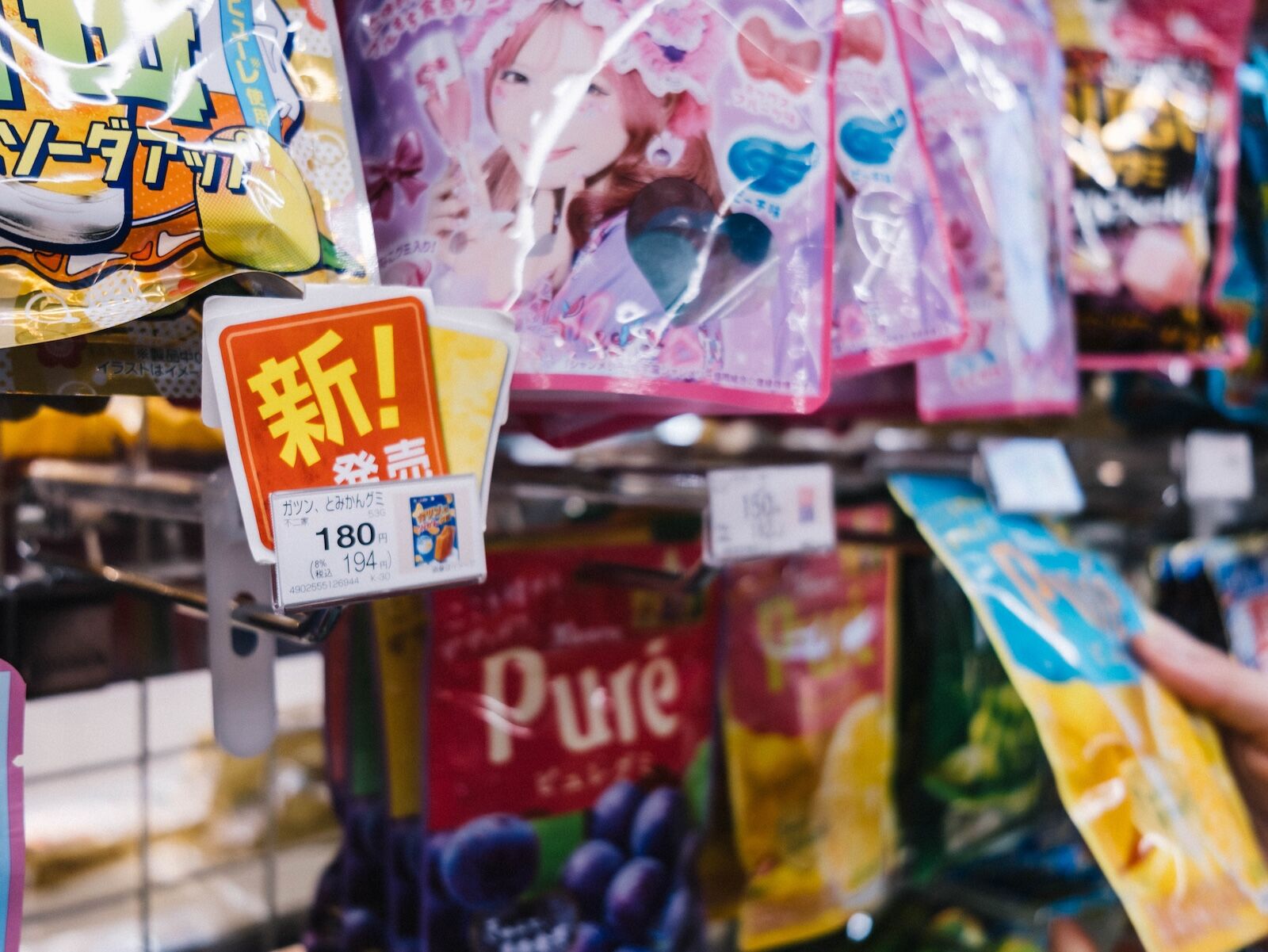
The seasonal calendar at a konbini is a vibrant tapestry of flavors and colors. The savory aroma of oden, a hearty stew, is a quintessential winter exclusive, providing warmth and comfort during the colder months. As spring approaches, the landscape transforms with the delicate pink hues of peach promotions, manifesting in candies, drinks, and desserts infused with the fruit’s subtle sweetness. Cherry blossom (sakura) season ushers in a flurry of sakura-themed treats, from mochi to lattes, each a fleeting celebration of the iconic bloom. Summer introduces the controversial yet beloved mint chocolate flavor, which daringly extends beyond ice cream to breads and various sweets. Autumn brings forth flavors of roasted sweet potato, chestnuts, and pumpkin. This constant rotation ensures there’s always a new treat to discover, a momentary delight that embodies the essence of mono-no-aware. For konbini frequent flyers, the thrill of hunting for these surprising new limited releases never fades, fostering a sense of discovery and a unique connection to the changing seasons. The rapid turnover also fuels consumer engagement, creating a subtle urgency to try items before they vanish, driving repeat visits and maintaining a dynamic retail environment.
A Morning Lifeline: Konbini as Japan’s Premier Breakfast Spot
Japan’s early morning commercial landscape presents a distinct challenge for those seeking breakfast options. Before 10 AM, traditional sit-down restaurants are largely closed, with common alternatives limited to low-frills chains like Denny’s or Royal Host, or classic Showa-era kissaten cafes. These retro establishments, independently owned by coffee "masters," typically offer simple menus of coffee and toast. Even modern coffee shops, to the dismay of many American and other international travelers accustomed to pre-dawn openings, often don’t begin service until well after the morning rush for caffeine has begun.
For jet-lagged tourists, early adventurers eager to explore, or bedraggled commuters en route to the office, the konbini emerges as the indispensable solution for a morning boost. These stores are meticulously stocked overnight, ensuring that consumables are made fresh each day, offering an impressive variety to satisfy virtually any craving. Commuters can grab a quick onigiri—available in countless fillings like salmon, tuna mayo, or pickled plum—to eat between train transfers. More substantial options include full-sized bento boxes, featuring balanced meals with rice, fish or meat, and various side dishes, or tamagoyaki (rolled egg omelettes), often served cold. Crucially, most konbini feature an entire self-serve cafe corner, providing grab-and-go coffee or flavored coffee drinks, a lifeline for anyone in dire need of their morning caffeine fix.
Beyond the sheer breadth of offerings, Japanese konbini provide something even more valuable: unwavering reliability. The assurance that an affordable, fulfilling, and high-quality meal awaits at any hour of the day is a unifying factor for residents and travelers alike. This consistent quality and extensive selection starkly differentiate Japanese konbini from their counterparts in many other countries, particularly the United States, where convenience store food often carries a reputation for being of lesser quality. Whether rushing for an early morning Shinkansen (bullet train) before sit-down establishments open, or simply needing a dependable start to the day, the konbini stands as the ever-faithful breakfast spot, always there when needed most.
The Unseen Network: Konbini as Community Hubs and Economic Engines
The influence of konbini extends far beyond their immediate retail function, cementing their status as crucial community hubs and significant economic drivers. Their extensive array of services makes them indispensable for daily life in Japan. ATMs within konbini are often the most accessible for cash withdrawals, particularly for international visitors. These stores also serve as critical points for paying utility bills, national health insurance premiums, and various other public services, streamlining administrative tasks for residents.
Furthermore, konbini play a vital role in logistics, acting as pick-up and drop-off points for parcels, a service invaluable in a society that values efficiency and convenience. They sell tickets for a vast range of events, from concerts and sporting matches to museum exhibitions and transportation, acting as decentralized box offices. Public restrooms, often meticulously maintained, provide a welcome amenity in dense urban environments. The provision of free Wi-Fi in many stores also transforms them into temporary digital workspaces or communication points for travelers.
In times of natural disaster, which Japan is prone to, konbini are often designated as emergency supply points, underscoring their critical infrastructure role. Their continuous operation provides a sense of normalcy and access to essential goods when other businesses may be closed. Economically, the konbini sector is a major employer, providing numerous job opportunities across its vast network. It drives significant economic activity through its supply chains, product development, and technological integration.
Looking ahead, konbini continue to evolve, adapting to changing consumer preferences and technological advancements. There’s a growing emphasis on health-conscious options, sustainability, and digital integration, including self-checkout systems, app-based payments, and even nascent delivery services. While facing challenges from a shrinking workforce and competition from online retailers and larger supermarkets, the Japanese konbini remains a resilient, innovative, and indispensable institution, a testament to its unique blend of convenience, quality, and community service that continues to enrich daily life across the nation.