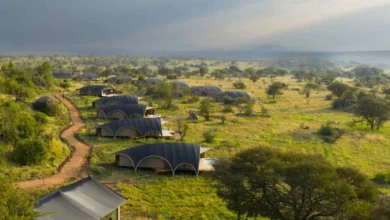
Latin America’s extraordinary biodiversity, often overshadowed by more conventional safari destinations, is finally receiving its deserved recognition. This vast continent, characterized by its dramatic landscapes and exceptionally diverse biomes—sometimes within a single nation—offers wildlife encounters on par with, if not surpassing, those found in Africa. While iconic locations like the Galapagos Islands, the Amazon rainforest, and the jaguar-rich Brazilian wetlands draw significant international attention, numerous lesser-known enclaves provide exceptional wildlife experiences away from the usual tourist crowds, catering to the discerning nature lover. This article delves into some of these unique and unforgettable wildlife destinations across Latin America, highlighting their ecological significance, conservation efforts, and the unparalleled experiences they offer.

Wetlands and Wildlife in the Colombian Llanos: A Subtropical Safari
While the Brazilian Pantanal is widely celebrated for offering the chance to spot the "Latin American Big Five"—tapir, jaguar, giant otter, giant anteater, and maned wolf—Colombia’s central wetlands present a compelling, off-the-beaten-path alternative for similar, spectacular wildlife encounters. The Colombian Llanos, a sprawling expanse of tropical grasslands situated between the Andes Mountains and the Orinoco River basin, cover an area exceeding 500,000 square kilometers. This region, predominantly influenced by cattle ranching, undergoes a dramatic seasonal transformation. During the wet season, extensive flooding creates a vast wetland ecosystem, supporting an abundance of aquatic and semi-aquatic life, including spectacled caiman, anacondas, and the formidable Orinoco crocodile, South America’s largest crocodilian.
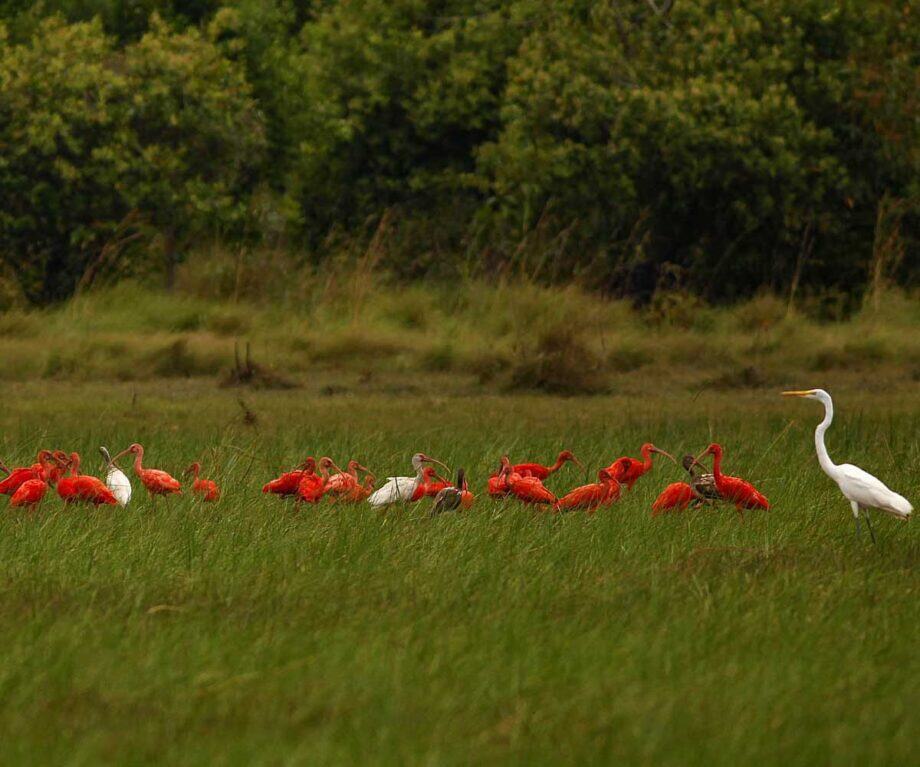
As the dry season commences, the receding waters concentrate wildlife around remaining water sources, drawing creatures from the surrounding forests. This period offers prime opportunities for observing iconic mammals such as giant anteaters, jaguars, and capybaras. The avian life in the Llanos is equally remarkable, with the majestic jabiru stork and vast, vibrant flocks of scarlet ibis being particular highlights. The ecological dynamics of the Llanos are intrinsically linked to this hydrological cycle, a natural rhythm that shapes the landscape and dictates the movements and concentrations of its wildlife. Understanding this cycle is crucial for appreciating the resilience and adaptability of the species that inhabit this unique biome.
Beyond its wildlife, the Llanos are rich in cultural heritage, characterized by a welcoming cowboy culture. Visitors often experience evenings filled with traditional music and dance, accompanied by the melodic strains of local harps as the sun sets over the plains. The region’s cuisine reflects its agricultural roots, with an emphasis on organic meats, artisanal breads, and cheeses, complemented by the fresh bounty of freshwater fish. The logistical ease of accessing the Llanos is another significant advantage. Colombia’s extensive internal flight network, with flight times rarely exceeding an hour, makes incorporating a visit to the Llanos into a broader Colombian itinerary considerably less arduous than navigating the vast distances required to explore similar biodiversity in larger countries like Brazil. This accessibility, combined with the rich wildlife viewing opportunities, makes the Llanos a compelling choice for intrepid travelers seeking a distinctive wildlife adventure.
When to Go: The dry season, spanning from December to March, is optimal for observing large mammals as they congregate around diminishing water sources.
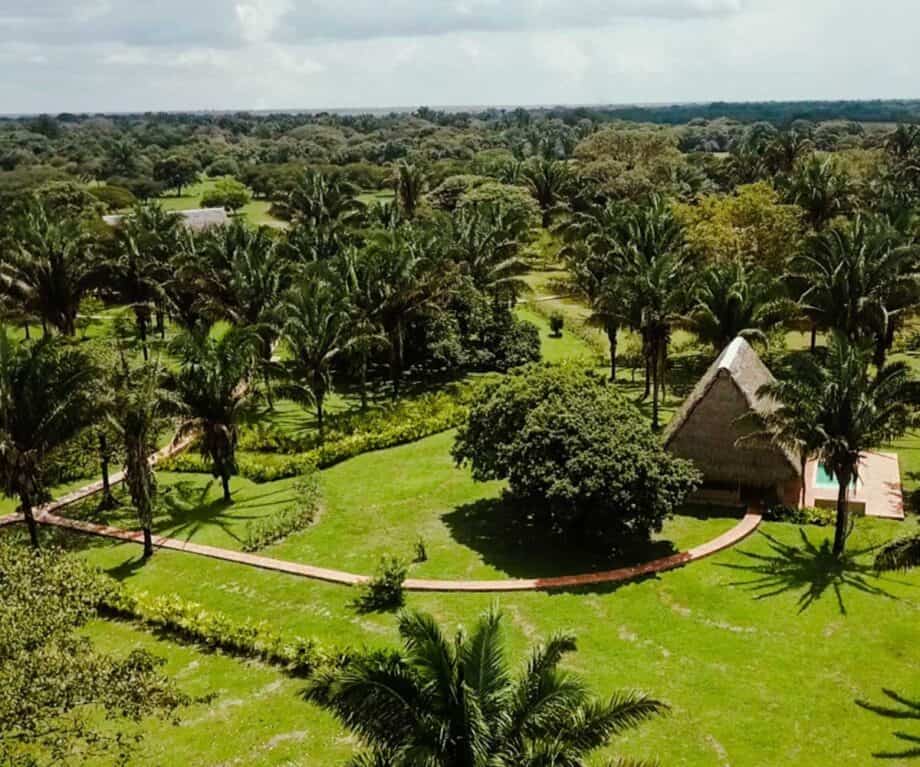
Where to Stay: While the capital of the Casanare department, Yopal, offers conventional hotel accommodations, for a truly immersive experience, Savanna Orinoquía Lodge provides secluded lodgings that place guests in close proximity to the wildlife and the natural rhythms of the Llanos.
Birding in Ecuador’s Cloud Forest: A Symphony of Color and Sound
While the Galapagos Islands often capture Ecuador’s wildlife spotlight, the country’s subtropical cloud forests are, in fact, among the most biodiverse forested areas on Earth. Located within easy reach of the capital, Quito, these montane forests are a haven for a staggering array of species. Lucky visitors may encounter the elusive Andean spectacled bear, various primate species, and an astonishing diversity of exotic butterflies. However, the true spectacle of the cloud forest lies in its avian inhabitants.

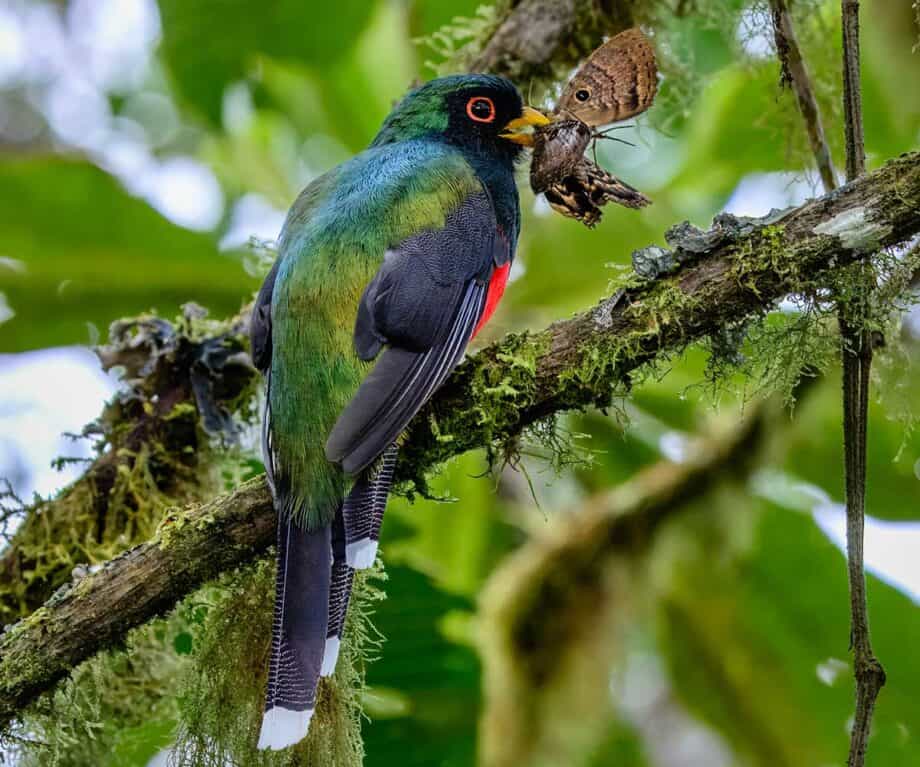
The Mindo cloud forest, in particular, is a renowned birding hotspot, boasting over 500 species. This includes a remarkable concentration of hummingbirds, with several species endemic to the region, alongside the vibrantly colored Andean Cock-of-the-Rock. Quetzals and tanagers are also abundant, transforming these temperate forests into a paradise for avid ornithologists. The cloud forest’s unique microclimates, characterized by high humidity and consistent rainfall, also foster an incredible diversity of plant life. Over 4,500 species of orchids thrive here, alongside a profusion of bromeliads, ferns, and other lush tropical vegetation, creating a breathtakingly verdant environment.
The ecological significance of these cloud forests extends beyond their biodiversity. They play a critical role in water regulation, acting as vital sponges that capture and filter water, providing essential resources for downstream communities and ecosystems. Conservation efforts in these regions often focus on preserving these delicate hydrological functions, alongside protecting the unique flora and fauna.
These experiences can be seamlessly integrated into a broader Ecuadorian itinerary, serving as a perfect complement to a Galapagos cruise or a stay in Quito. The proximity and accessibility of these cloud forest regions make them an easily attainable yet profoundly rewarding wildlife destination, offering a stark contrast to the volcanic landscapes of the Galapagos.
When to Go: The dry season, from June to September, offers generally clearer skies, which can enhance visibility for birdwatching and hiking.

Where to Stay: Mashpi Lodge stands out as an exemplary eco-luxury accommodation. Nestled within a private cloud forest reserve, it offers an unparalleled opportunity to immerse oneself in the wildlife-rich environment while adhering to stringent sustainability principles. Its design integrates seamlessly with the natural surroundings, providing a tranquil and luxurious base for exploration.
The Corcovado National Park, Costa Rica: A Biodiversity Hotspot
Costa Rica, despite its diminutive size—occupying just 0.03% of the planet’s landmass—is a global leader in wildlife conservation and biodiversity, accounting for an astonishing 6% of the Earth’s species. While wildlife is abundant throughout the country, venturing into more remote areas like the Corcovado National Park on the Osa Peninsula offers travelers more intimate and less crowded encounters with nature.

Corcovado National Park is a vast protected area safeguarding one of Central America’s last remaining pristine tracts of lowland tropical rainforest. This isolated peninsula is a sanctuary for a remarkable array of species, including Baird’s tapir, the country’s largest land mammal. The park offers exceptional opportunities to sight ocelots, jaguarundis, American crocodiles, harpy eagles, pumas, and the elusive jaguar, alongside various monkey species, including the charismatic white-faced capuchin. The park’s stunning coastal setting further enhances its appeal, providing a dramatic backdrop for wildlife viewing.
The ecological importance of Corcovado cannot be overstated. It represents a critical stronghold for numerous endangered species and serves as a vital corridor for wildlife movement. Its protection is a testament to Costa Rica’s long-standing commitment to conservation, which has seen significant investment in protected areas and ecotourism initiatives. The park’s remoteness and the requirement for certified local guides underscore a philosophy of responsible tourism, aiming to minimize human impact while maximizing the educational and conservation benefits of visitor presence.
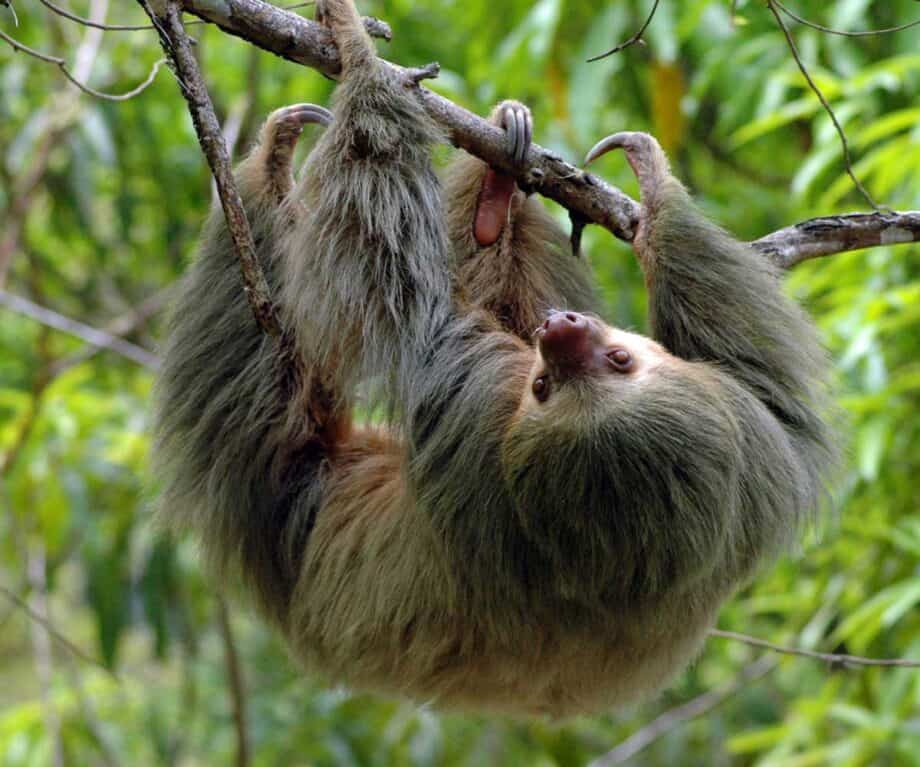
Beyond the terrestrial wonders, the sheltered waters of the bay between the peninsula and the mainland offer opportunities for marine wildlife viewing, including bull sharks, bioluminescent plankton, whales, and dolphins. Cano Island, a biological reserve located offshore, provides exceptional snorkeling and diving experiences, revealing a vibrant underwater world teeming with marine life. The park’s strict visitor regulations, requiring guided tours, are designed to protect its fragile ecosystems and ensure that wildlife is observed with minimal disturbance. This approach not only safeguards the environment but also enhances the quality of the visitor experience, offering a more authentic and respectful encounter with nature.
When to Go: The dry season, from December to April, generally offers the most favorable conditions for wildlife viewing and hiking within the park.
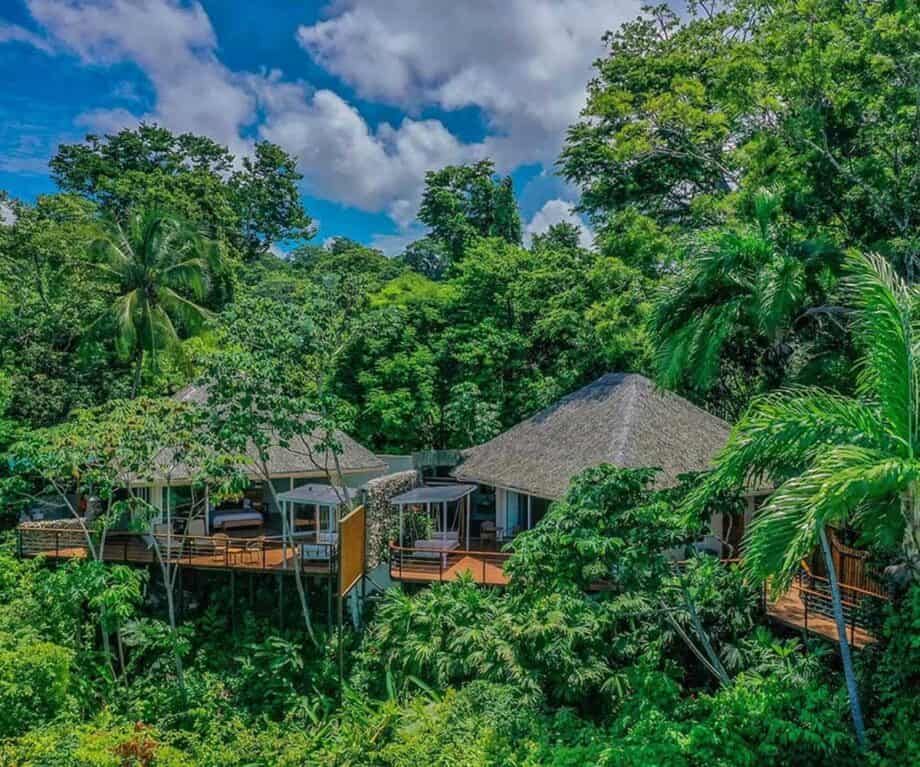
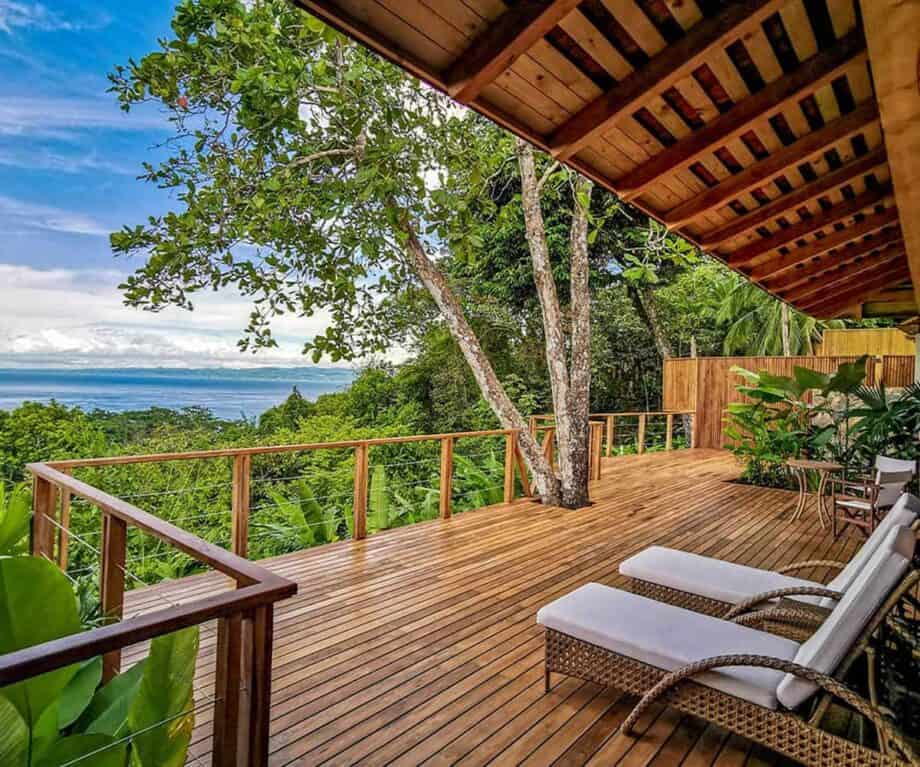
Where to Stay: Lapa Rios Ecolodge is a highly acclaimed establishment that harmoniously blends luxury accommodations with pioneering sustainability practices. For those seeking ultimate seclusion and indulgence, Playa Cativo Lodge offers an exclusive experience, accessible only by boat, further emphasizing the park’s remote and pristine nature.
Exploring Marine Ecosystems in Belize: A Subaquatic Paradise
For enthusiasts of marine wildlife, Belize presents an unparalleled destination, renowned for its breathtaking barrier reef—the second largest in the world—and iconic natural wonders such as the Great Blue Hole. This Central American gem offers a luxurious coastal experience in close proximity to some of the planet’s most extraordinary marine life.
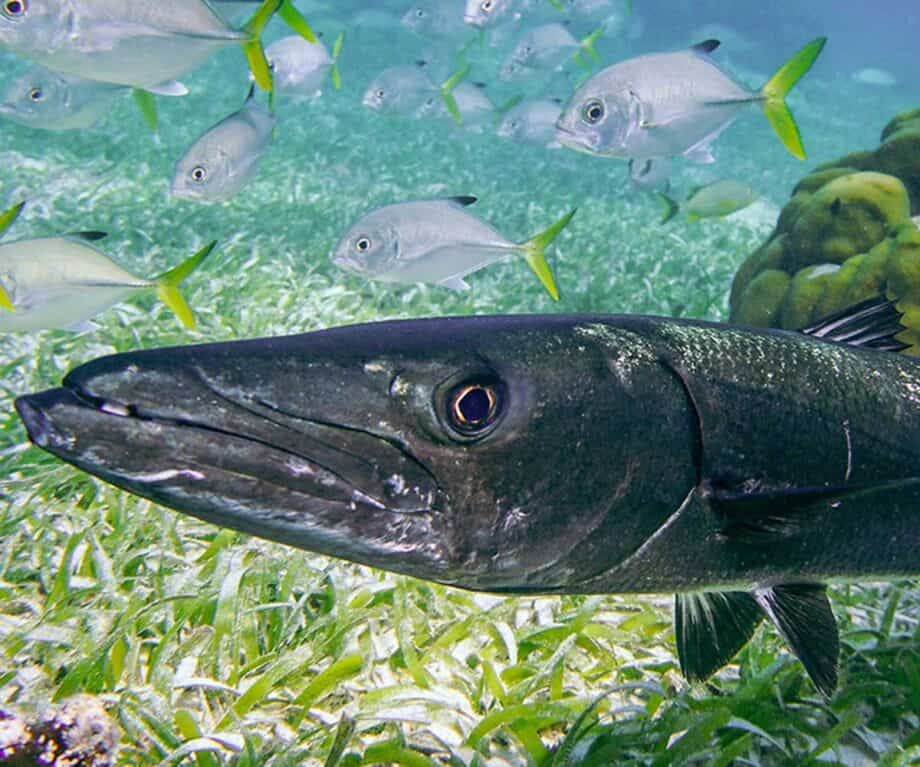
The Hol Chan Marine Reserve, situated near Ambergris Caye, is an ideal location for snorkelers and beginner divers. Its shallow, calm waters, averaging just nine meters in depth, provide exceptional visibility of up to 100 feet, revealing a vibrant coral reef ecosystem populated by a dazzling array of fish, sea turtles, and other marine creatures. The nearby Shark-Ray Alley offers a low-effort yet highly rewarding experience for snorkelers, allowing for close encounters with graceful nurse sharks and stingrays in their natural habitat.
More experienced divers can explore the legendary Great Blue Hole, a colossal marine sinkhole approximately 40 meters deep. This geological marvel is famed for its dramatic underwater formations and is a recognized site for observing Caribbean reef sharks and hammerheads. The atolls of Lighthouse Reef, Turneffe, and Glover’s Reef, all easily accessible from Belize, offer further diving opportunities, including encounters with diverse coral ecosystems and pelagic species. The country’s commitment to marine conservation is evident in its network of marine protected areas, which are crucial for the health of the barrier reef and its inhabitants. These areas are actively managed to ensure sustainable tourism practices and the long-term survival of the delicate marine environment.
The combination of world-class diving and snorkeling, coupled with a sophisticated tourism infrastructure that includes luxurious resorts and private island villas, positions Belize as a premier destination for those seeking to combine modern coastal luxury with unforgettable marine wildlife encounters. The country’s dedication to preserving its marine heritage ensures that these underwater wonders will be available for future generations to experience.
When to Go: Belize is a year-round destination for divers, with consistently warm water temperatures. The period from April to June is particularly auspicious for whale shark encounters. October and November are renowned for the grouper mating season, attracting vast shoals of fish.
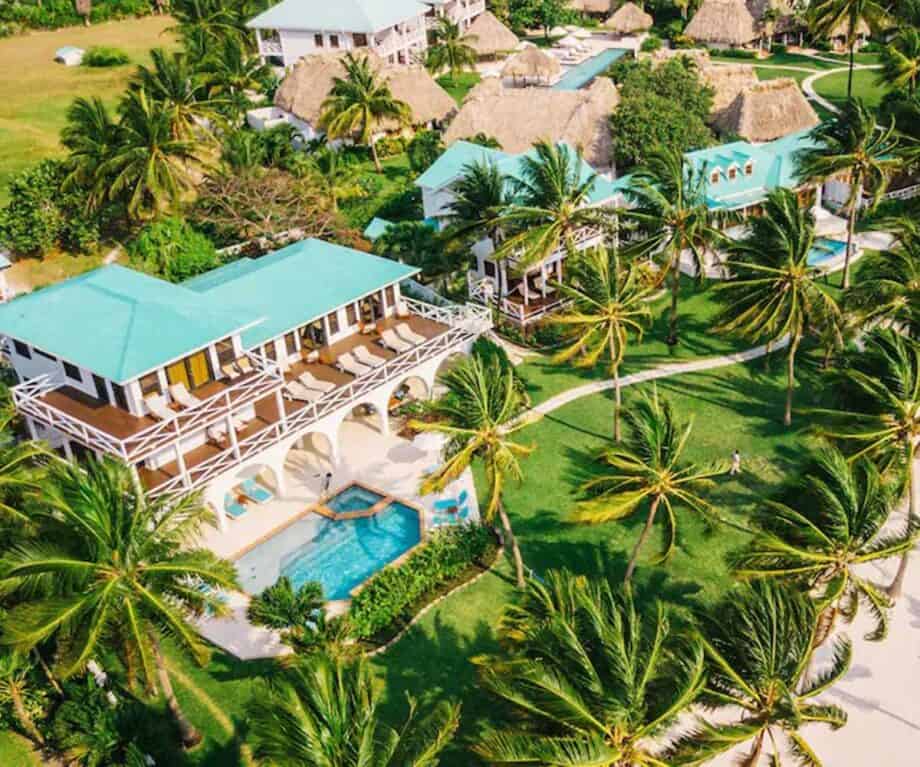
Where to Stay: Victoria House offers an intimate and luxurious retreat on its own private beach. For those desiring absolute seclusion, fully staffed villas on private islands provide an exclusive Belizean experience.
Spotting Maned Wolves in the Cerrado, Brazil: A Savannah Secret
While the Amazon and the Pantanal often dominate discussions of Brazilian wildlife, the Cerrado, Brazil’s vast savannah, remains one of the country’s best-kept wildlife secrets. Covering over two million square kilometers, this heterogeneous subtropical landscape comprises rivers, scattered shrubs, dry forests, and extensive grasslands, offering a unique ecological niche.

The Cerrado is home to a remarkable array of iconic species, including the shy maned wolf, the marsh deer, giant anteaters, giant armadillos, tapirs, jaguars, and pumas. The region also supports a significant abundance of birdlife, including the critically endangered Spix’s macaw, a symbol of conservation success in Brazil. The ecological characteristics of the Cerrado, such as its deep-rooted vegetation adapted to seasonal droughts and fires, contribute to its distinct biodiversity.
Beyond its wildlife, the Cerrado offers adventurous travelers the opportunity for challenging hikes through virtually untouched terrain, exploring its hills, rivers, waterfalls, and plains in near solitude. For those seeking active wildlife holidays, combining savannah wildlife tours with hiking, cycling, rafting, and climbing in this region provides a dynamic and engaging experience. The sheer scale of the Cerrado means that many areas remain relatively unexplored, offering a sense of genuine discovery for visitors. Conservation efforts in the Cerrado are increasingly focused on protecting this vital biome from agricultural expansion and habitat fragmentation, recognizing its immense ecological and biodiversity value.
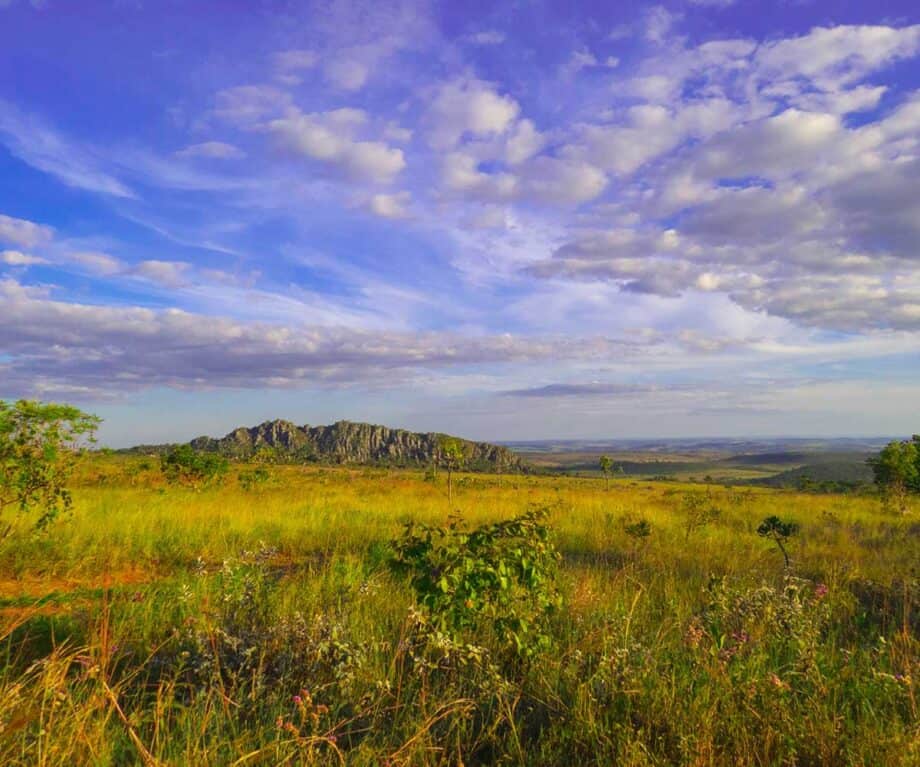
When to Go: The period from April to September offers milder temperatures, making it ideal for outdoor adventures and wildlife viewing.
Where to Stay: Pousada Trijuncao, an exclusive boho-chic lodge with just seven rooms, offers rustic charm and accessibility via a five-hour drive from Brasília or a 30-minute light aircraft flight, providing a secluded base for exploring the Cerrado.