Dior Cruise Collection Unveiled in Los Angeles: A Cinematic Homage to the City of Dreams

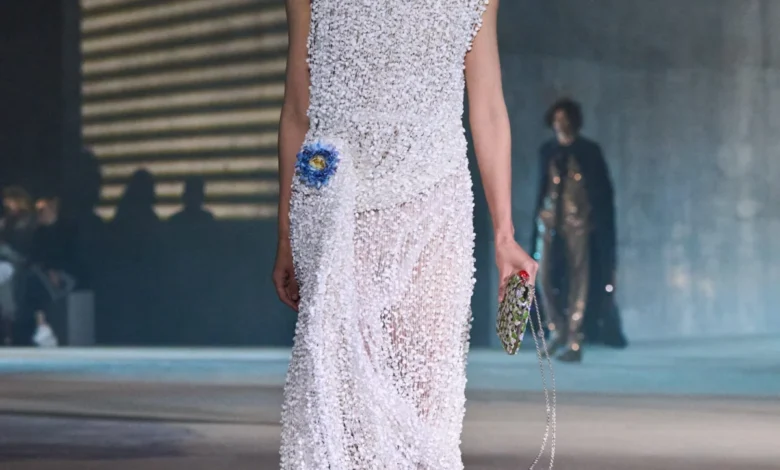
Jonathan Anderson’s debut cruise collection for Dior, presented in Los Angeles on Wednesday, was a meticulously crafted ode to the city’s profound influence on art, design, and cinema. The Northern Irish couturier, known for his masterful storytelling, transformed the recently inaugurated David Geffen Galleries into a cinematic landscape, drawing parallels between the allure of Hollywood and the enduring fantasy embedded in Christian Dior’s legacy. The collection, titled "Wiltshire Boulevard" after the iconic thoroughfare that hosted the show, not only showcased Anderson’s sartorial vision but also underscored the strategic importance of such grand-scale presentations in the contemporary luxury market.

A Cinematic Spectacle on Wiltshire Boulevard
The choice of venue, the $724 million David Geffen Galleries, a striking neo-brutalist structure by Pritzker Prize-winning architect Peter Zumthor, provided a dramatic and fitting backdrop. Its imposing concrete and glass façade, part of the Los Angeles County Museum of Art, lent a distinctly David Lynchian atmosphere to the proceedings, evoking the surreal and often enigmatic spirit of Los Angeles. Anderson’s program notes, styled as a movie script, further cemented the narrative, inviting guests into a world where fashion and film intermingled seamlessly.
The runway narrative unfolded with a cast of models embodying off-beat characters, from street hustlers to extras reminiscent of the iconic film Grease. Vintage convertibles, their ignition keys adorned with Dior logos and chains – a testament to Anderson’s talent for creating covetable accessories – were strategically placed, enhancing the immersive, cinematic experience. The soundtrack, featuring the moody blues of John Lee Hooker, set a tone of sophisticated allure and narrative depth, signaling the commencement of a truly transportive show.

Echoes of Hollywood and Californian Charm
The collection itself was a rich tapestry woven with references to California’s vibrant spirit. Local poppies bloomed on Dior floral prints, while hollyhocks inspired fabric flower scarves, adding a touch of natural beauty. The classic film noir motif of Venetian blinds found its way into superb gray wool-flannel coats, exuding an air of timeless elegance. A nod to cinematic history was particularly poignant with the recreation of a Dior Bar jacket, famously worn by Marlene Dietrich in Alfred Hitchcock’s 1953 film Stage Fright. Christian Dior himself had designed the costumes for the movie, highlighting the enduring symbiotic relationship between the house and the silver screen. This connection was further celebrated at a welcome dinner held at Charlie Chaplin’s Studios, where a mock drive-in setup projected the black-and-white film for influencers to enjoy from classic Cadillacs and Oldsmobiles.
The pre-show buzz was palpable, with Dior effectively taking over the city’s visual landscape. Billboards and social media feeds featured Irish model-actress Alison Oliver, embodying a modern-day Grace Kelly cruising down an empty Pacific highway. Hundreds of flag-shaped Dior advertisements adorned lampposts along miles of Sunset Boulevard, creating an omnipresent brand experience that underscored the collection’s thematic exploration of Los Angeles.

The Cruise Collection as a High-Stakes Arena
The cruise collection season has evolved into a crucial battleground for major fashion houses, each vying to produce the most innovative and talked-about events, attracting a constellation of stars and Very Important Clients (VICs). Dior’s spectacle followed Chanel’s earlier presentation in Biarritz and preceded upcoming shows by Gucci and Louis Vuitton in New York, and Max Mara in Shanghai. These events are not merely fashion shows; they are elaborate productions designed to generate global media attention, drive brand desirability, and solidify market positioning. The significant investment in such elaborate destination shows reflects the growing importance of the cruise season, which bridges the gap between traditional fashion calendars and offers consumers aspirational pieces for travel and resort wear.
Star Power and Emerging Trends
The Dior cruise show drew a formidable front-row contingent, including Miley Cyrus, Anya Taylor-Joy, Mikey Madison, and Sabrina Carpenter. Each celebrity posed before a stark gray concrete Dior logo, showcasing their individual style. Cyrus opted for a relaxed double denim ensemble, while Taylor-Joy embraced the classic allure of a little black dress. Madison sported a sharp Irish tweed suit, and Carpenter wore a vibrant yellow flower-bedecked dress. This last look, with its playful floral embellishments, foreshadowed a key trend seen in the opening trio of drop-waisted chiffon dresses with high collars, worn with flats – a silhouette poised to become a significant fashion statement.

Anderson’s Enduring Connection to Los Angeles and Cinema
For Jonathan Anderson, this Los Angeles debut was not a departure but a homecoming of sorts. His long-standing relationship with the city predates his tenure at Dior. While directing Loewe, another LVMH brand, he signed with the influential United Talent Agency in 2014. His significant contributions to film costume design, including Luca Guadagnino’s Queer and the highly anticipated Challengers starring Zendaya, underscore his deep understanding and appreciation for the cinematic arts. This background provided him with a unique perspective, allowing him to infuse the Dior cruise collection with an authentic narrative that resonated with the city’s cultural DNA.
A Dialogue Between Past and Present
In a pre-show conversation with Elite Traveler, Anderson elaborated on the profound connection Christian Dior forged with Los Angeles and Hollywood in the 1950s. He emphasized that Dior’s pioneering efforts in dressing film stars and forging relationships with major studios like Paramount and Warner Bros. were revolutionary for their time. "People think of Monsieur Dior as romantic, but he was also a very savvy businessman," Anderson noted, referencing iconic actresses such as Lauren Bacall, Ingrid Bergman, Ava Gardner, Audrey Hepburn, Grace Kelly, Sophia Loren, Marilyn Monroe, and Elizabeth Taylor, all of whom were famously adorned in Dior creations. Anderson’s vision for the collection aimed to recapture that spirit of glamour and aspiration, albeit through a contemporary lens.

Artistic Collaboration and Playful Irony
Anderson’s artistic sensibilities shone through in his collaboration with renowned Pop artist Ed Ruscha. A series of shirts featuring Ruscha’s distinctive graphic script, applied to checked shirts and piped tops adorned with industrial-style numerals and texts, captured a sense of irreverent cool. These pieces, paired with ripped denim jeans and delicate silver chains, were a hit with front-row attendees like Al Pacino, Bill Pullman, and Jeff Goldblum, who appreciated the fusion of high fashion and artistic expression. "We gave Ed carte blanche and took whatever he sent us," Anderson shared with a chuckle. "I think it’s important to have some fun in cruise and inject irony." His own attire for his bow – jeans and a checked shirt – further reinforced this playful, approachable aesthetic.
The Dream Factory and the Reinvention of Iconic Silhouettes
The collection’s pervasive dreamy quality served as a powerful thematic thread, linking Christian Dior’s post-war vision of offering women an escape through fantasy, the Surrealist dreamscapes he once curated, and the ultimate "Dream Factory" that is Hollywood. This confluence of ideas manifested in the reimagining of Dior’s iconic Saddle bag, which was presented in various Southern Californian interpretations. Padded leather versions echoed the comfort of convertible upholstery, while cobalt-blue sequined styles evoked a "Rhinestone Cowboy" aesthetic. Fabric flower iterations, reminiscent of peonies and lupins found in the Hollywood Hills, added a whimsical touch. Similarly, Anderson’s updated Bar jackets received a fresh spin with striking crystalline degradé or elegantly "bedraggled" gothic finishes, demonstrating a modern reinterpretation of classic codes.

Meticulous Execution and Enduring Legacy
The event itself was a masterpiece of organization. Each guest was provided with a checkered cannage Dior wool-and-cashmere blanket, a thoughtful touch as the sun set and temperatures dropped into the low 50s Fahrenheit, offering comfort amidst the grand spectacle. The presence of Bernard Arnault, Chairman and CEO of LVMH, underscored the strategic importance of the event. Despite a challenging fiscal year for the luxury conglomerate, Arnault expressed his satisfaction with a laconic "A sublime show," highlighting the successful blend of artistry and commerce.
The post-show experience continued the elevated atmosphere. Guests were ferried by limousines to an after-party at the legendary Chateau Marmont, a venue synonymous with Hollywood’s enduring mystique. This choice of location further solidified the collection’s narrative, suggesting an upward trajectory for both the brand and the immersive experience it had curated. The private viewing within the David Geffen Galleries presented an eclectic and impressive display of art, ranging from ancient statues to works by Francis Bacon and Jacques-Louis David, providing a rich cultural context that mirrored the depth and breadth of Anderson’s vision. The Dior cruise collection in Los Angeles was not just a fashion presentation; it was a carefully orchestrated cultural moment, a testament to Jonathan Anderson’s storytelling prowess and Dior’s continued relevance in the global fashion landscape.