A Chronological Legacy of American Conservation
The development of the U.S. National Park System followed a trajectory of increasing environmental awareness and the desire to preserve "the works of man" alongside the wonders of nature. By examining these parks in the order of their founding, families can trace the history of the American wilderness and the evolving philosophy of preservation.
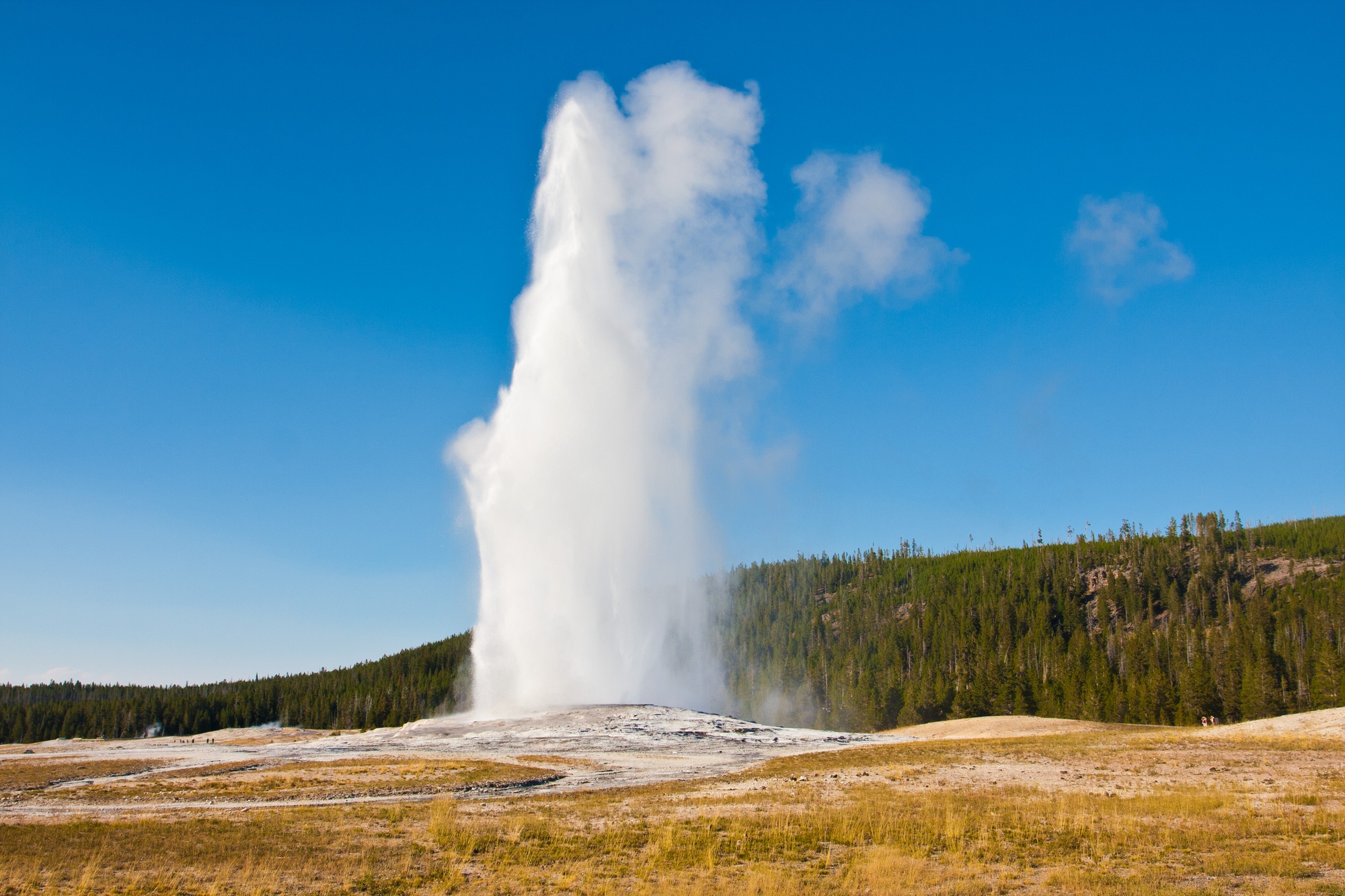
1872: Yellowstone National Park (Wyoming, Montana, Idaho)
As the world’s first national park, Yellowstone remains the gold standard for family wildlife encounters. Known as the "Serengeti of the West," the park’s 2.2 million acres host the largest concentration of mammals in the lower 48 states.
- Family Programming: The Junior Ranger program here is particularly robust, focusing on geothermal safety and the reintroduction of wolves.
- Key Sites: Old Faithful, Grand Prismatic Spring, and the Lamar Valley for bison and grizzly bear viewing.
- Strategic Lodging: Experts recommend the Old Faithful Inn for its historical significance or the Holiday Inn West Yellowstone for modern amenities like heated pools.
1890: Sequoia and Yosemite National Parks (California)
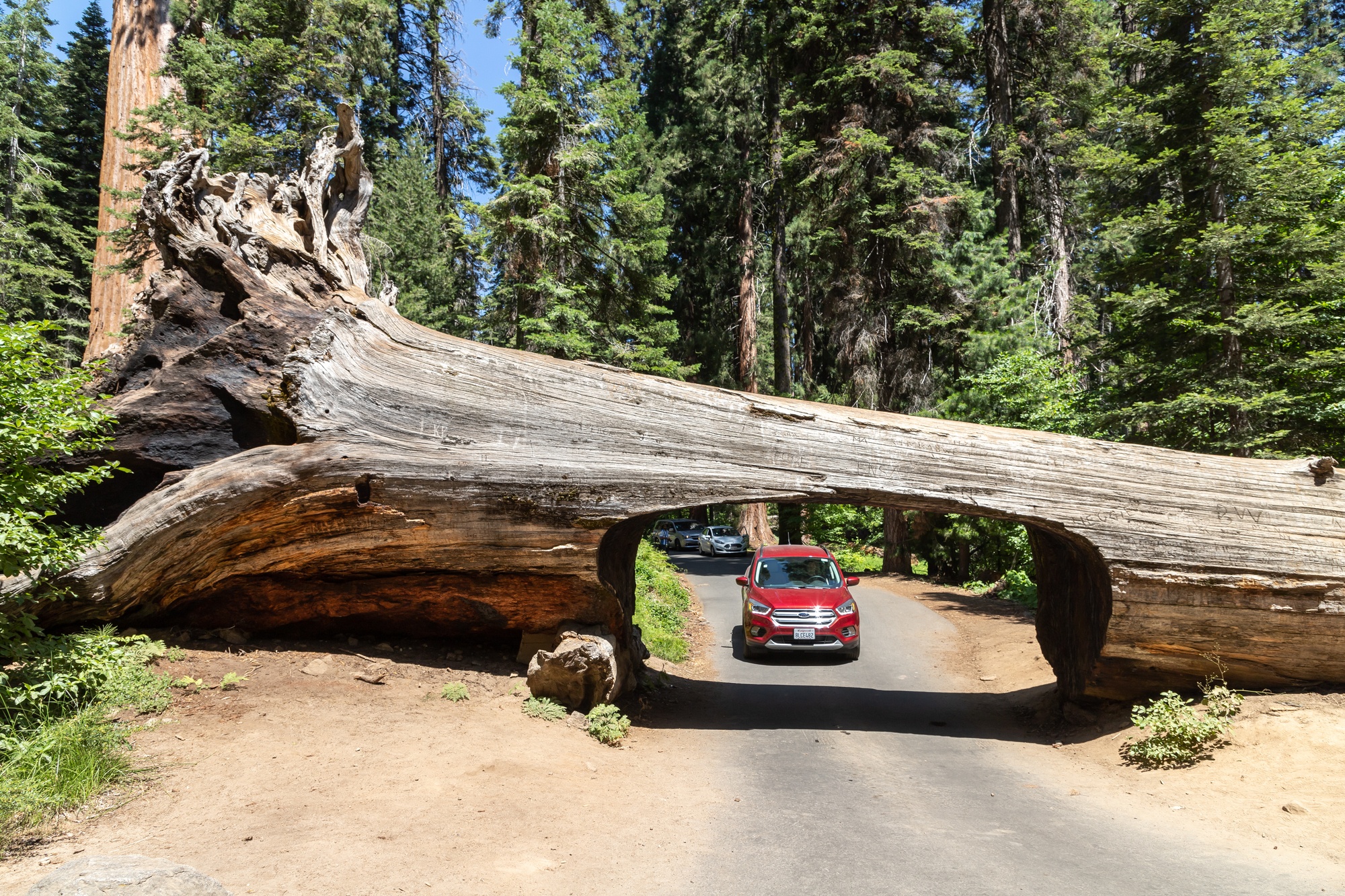
Established just one week apart, these Sierra Nevada giants offer contrasting views of the "High Sierra." Sequoia is home to the General Sherman Tree, the world’s largest living thing by volume, while Yosemite is defined by its glacial valley and granite monoliths.
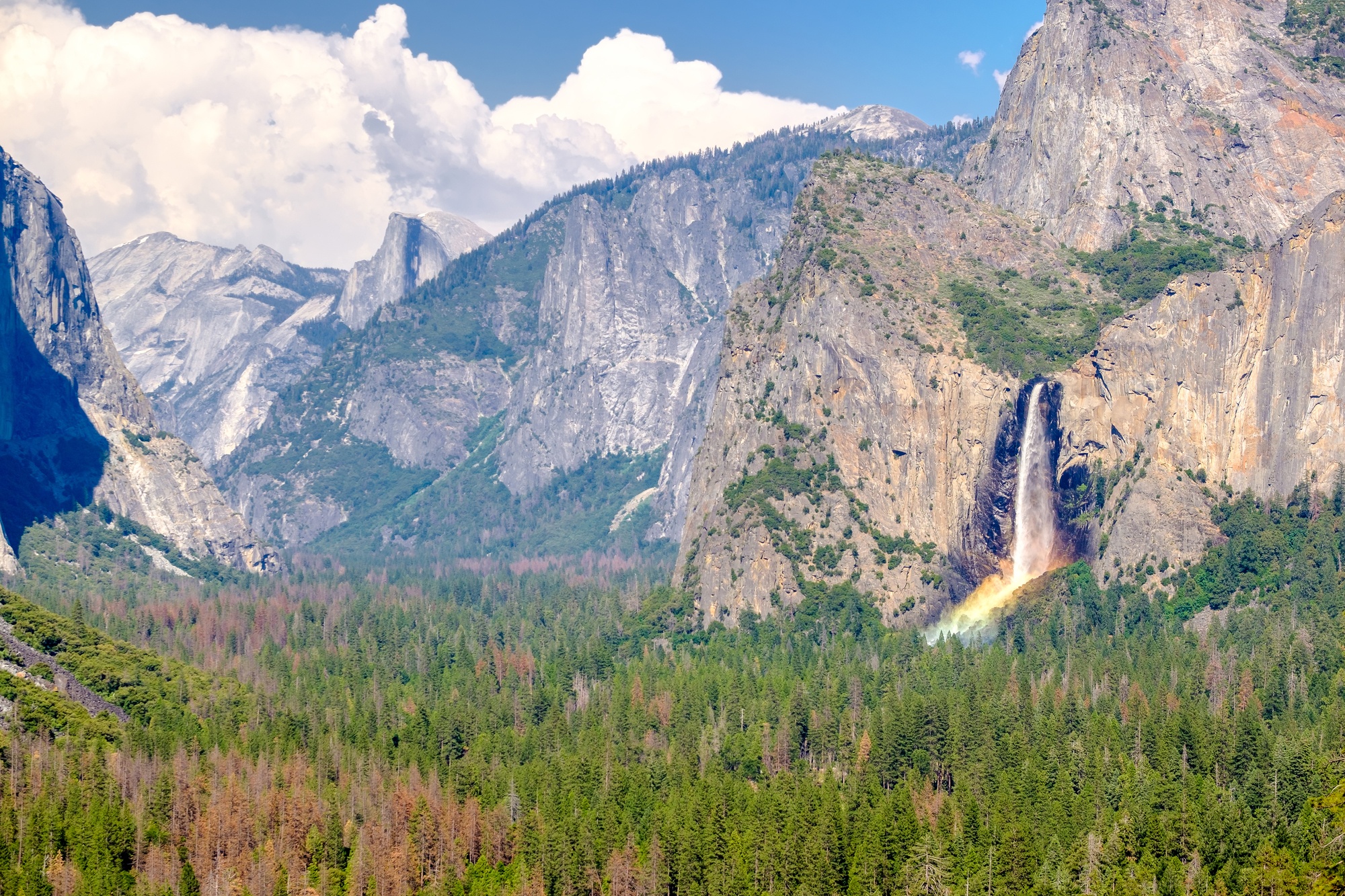
- Activities: In Sequoia, families often prioritize the Tunnel Log drive-through and the climb up Moro Rock. In Yosemite, the focus shifts to the Lower Yosemite Fall trail and the Mist Trail.
- Educational Impact: Yosemite provides a unique opportunity to study glacial erosion and the history of the Buffalo Soldiers who once patrolled the park.
1906: Mesa Verde National Park (Colorado)
Mesa Verde represents a shift in NPS history, as it was the first park established to preserve archaeological sites. It protects nearly 5,000 known archaeological sites, including 600 cliff dwellings.
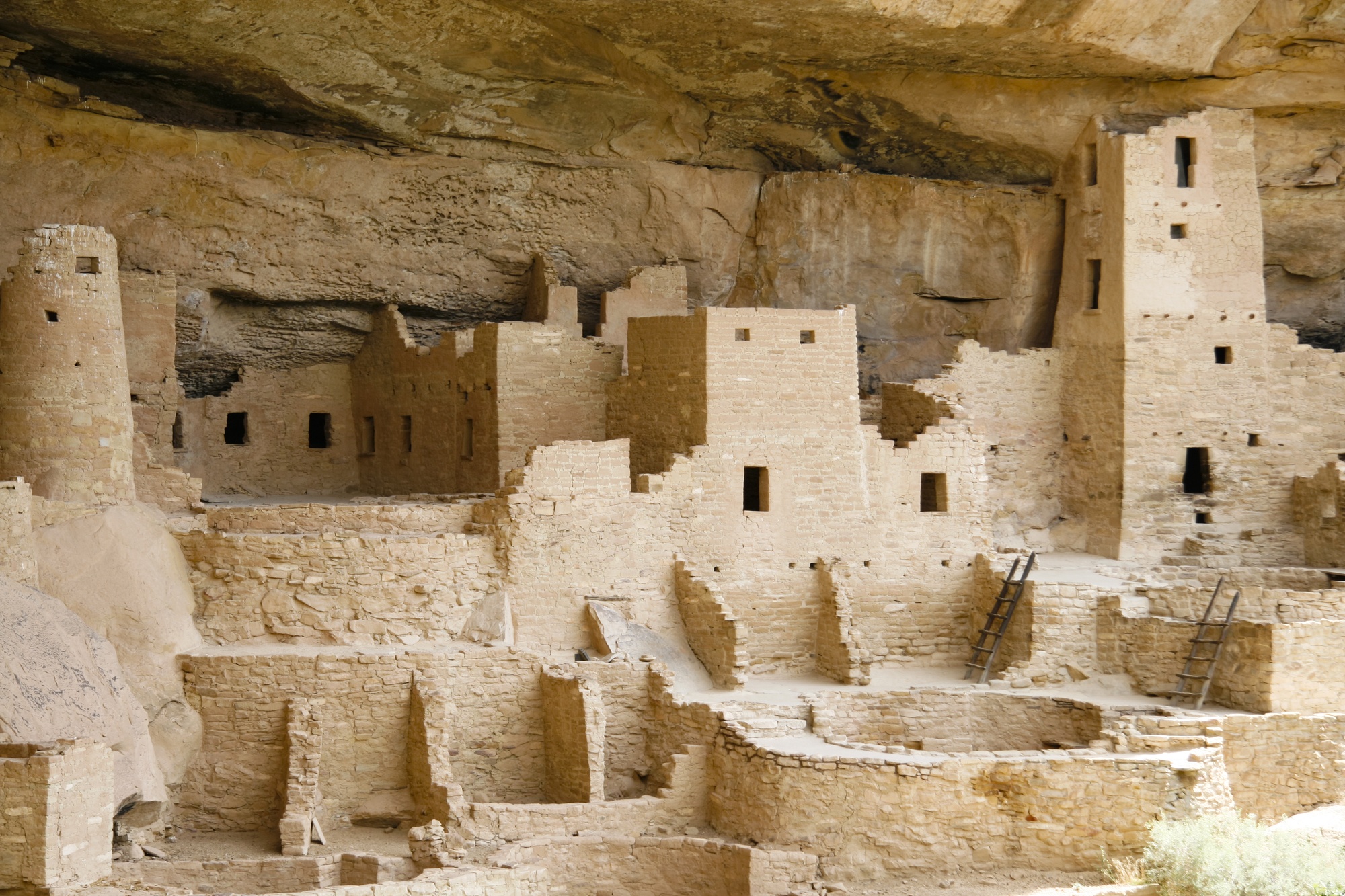
- Historical Context: The Ancestral Pueblo people inhabited these cliffs for over 700 years. Guided tours of Cliff Palace or Balcony House allow children to physically engage with history by climbing wooden ladders and exploring ancient rooms.
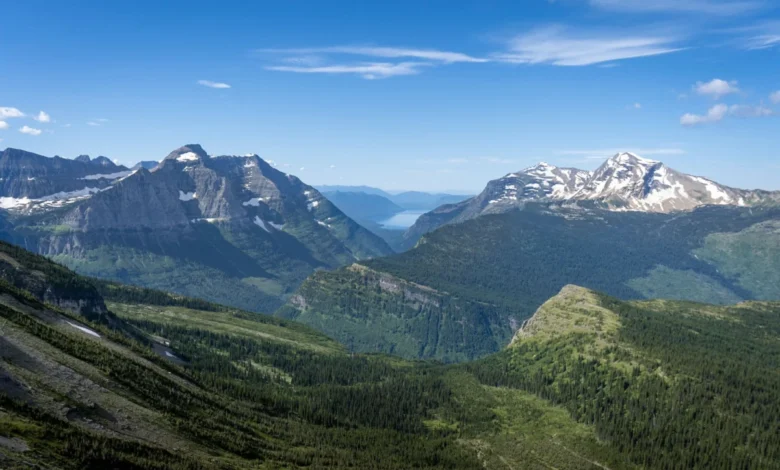
1910: Glacier National Park (Montana)
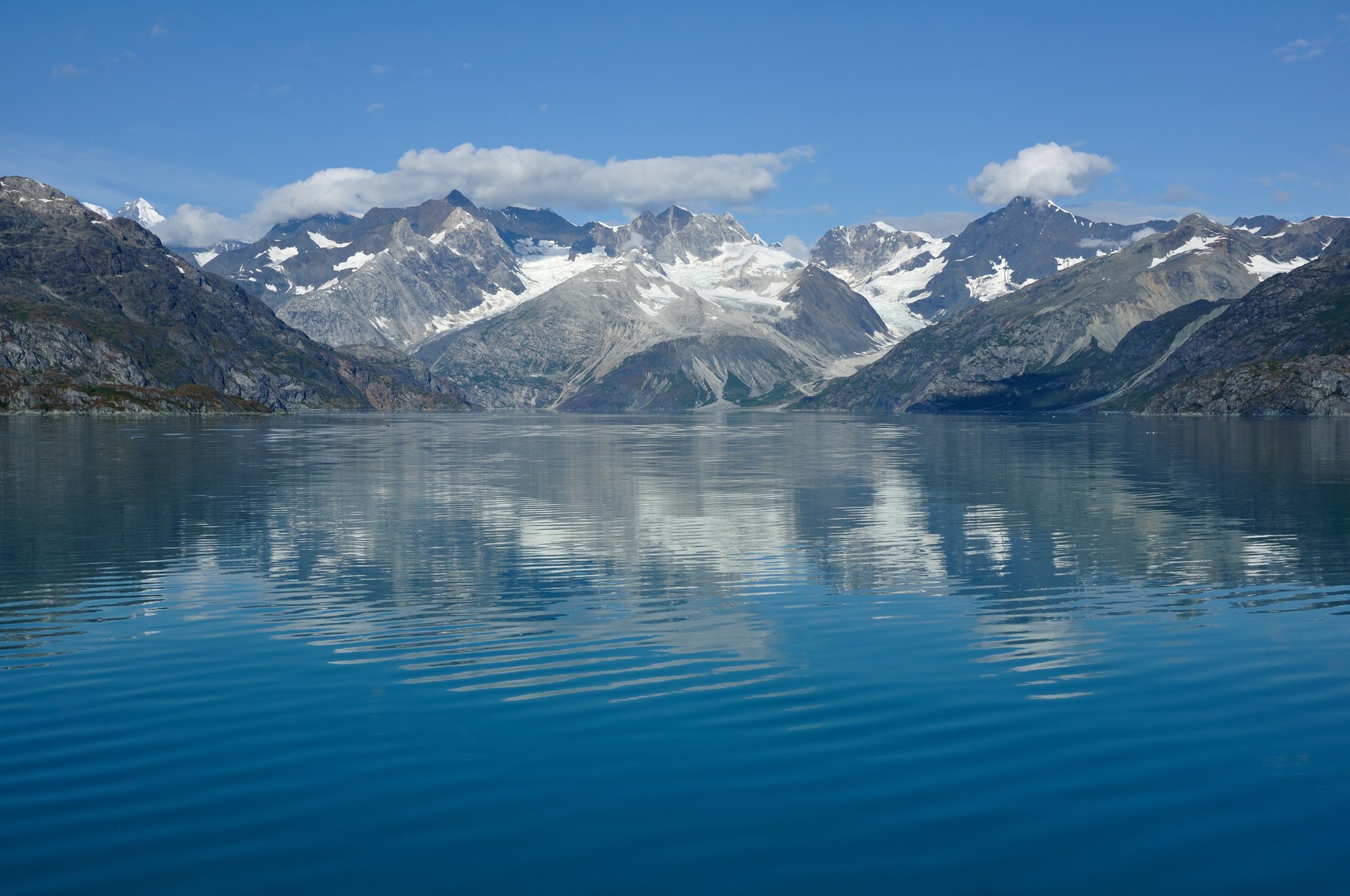
Often referred to as the "Crown of the Continent," Glacier is a critical site for observing the effects of climate change.
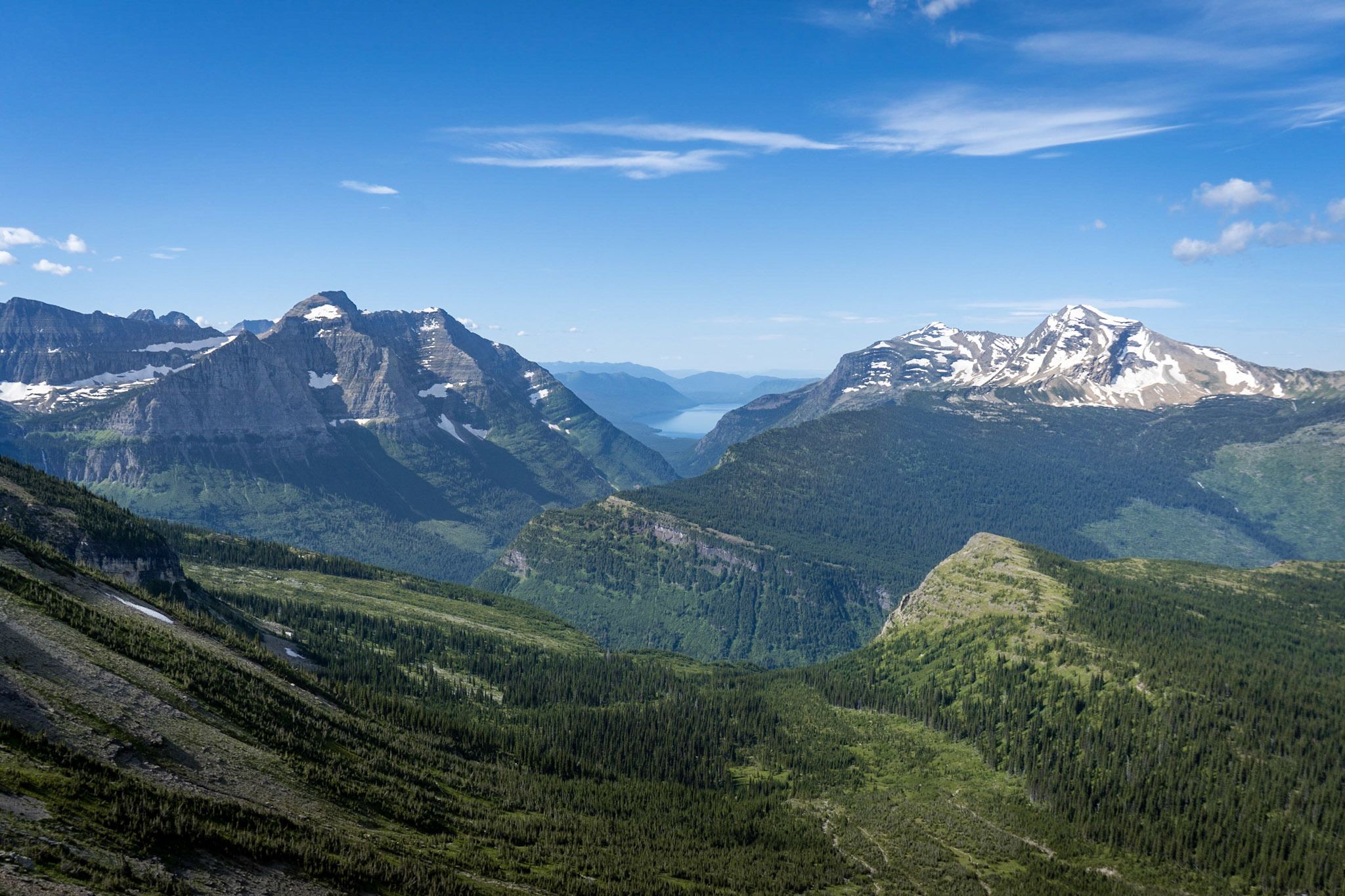
- Geographical Data: The park features over 700 lakes and two mountain ranges. The Going-to-the-Sun Road provides a 50-mile traverse across the Continental Divide, offering families accessible views of receding glaciers.
The Expansion of Diversity: From Volcanoes to Arctic Peaks
Following the establishment of the National Park Service in 1916, the system expanded into more diverse ecosystems, including tropical islands and sub-arctic tundra.
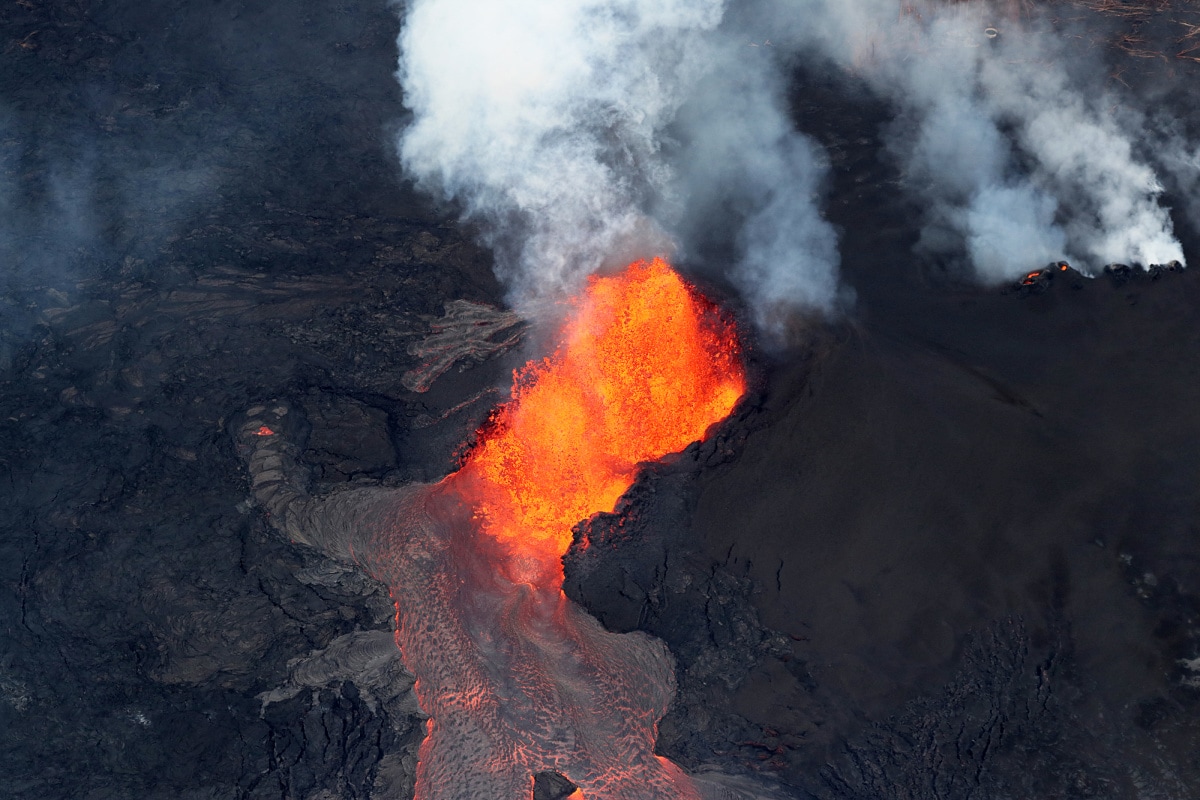
1916: Hawaii Volcanoes National Park (Hawaii)
This park protects some of the most unique geological landscapes on Earth, centered around Kilauea and Mauna Loa, two of the world’s most active volcanoes.
- Scientific Interest: Families can walk through the Nahuku (Thurston Lava Tube) and view the Halemaʻumaʻu crater. The park serves as a primary site for volcanology studies, where children can learn about the formation of new land.
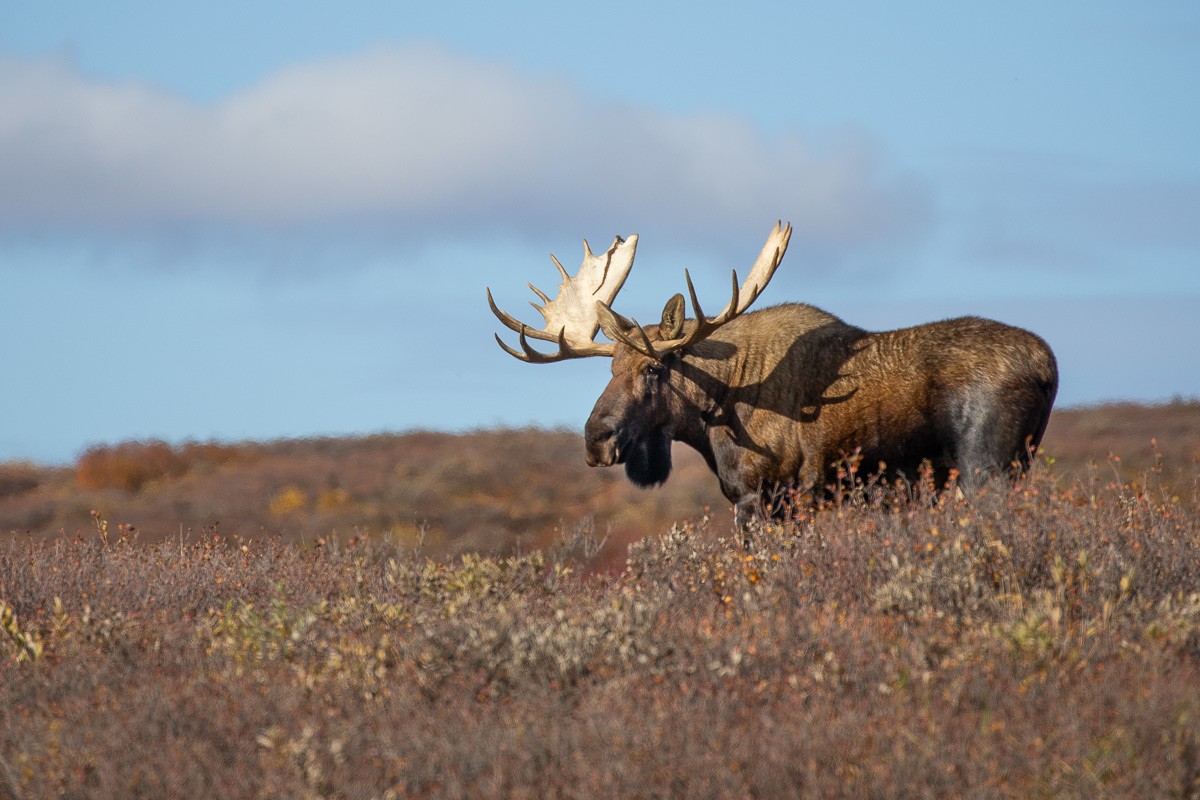
1917: Denali National Park (Alaska)
Denali encompasses 6 million acres of wild land, bisected by a single road. It is home to Denali (formerly Mt. McKinley), which rises to 20,310 feet above sea level.
- Wildlife Observation: The "Big Five" of Denali—moose, caribou, Dall sheep, wolves, and grizzly bears—are the primary draw. The park also operates the only kennel of working sled dogs in the NPS, offering daily demonstrations that are a highlight for younger visitors.
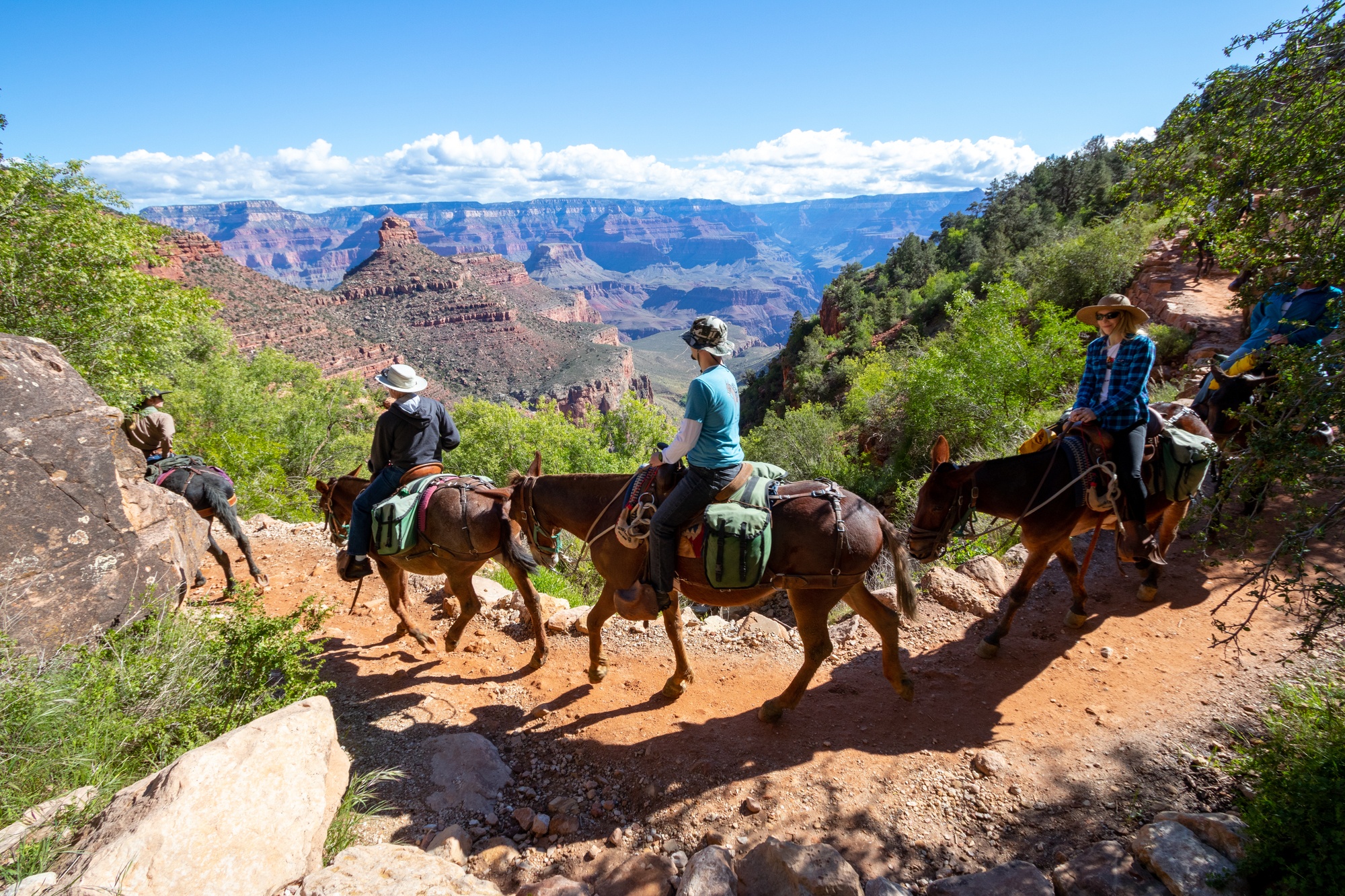
1919: Grand Canyon National Park (Arizona)
As one of the Seven Natural Wonders of the World, the Grand Canyon’s scale is nearly incomprehensible. The canyon is 277 miles long, up to 18 miles wide, and over a mile deep.
- Educational Value: The Trail of Time on the South Rim is a 2.8-mile interpretive walking path that represents the canyon’s geologic history, where each meter walked signifies one million years of the Earth’s life.
Southern and Coastal Wonders: 1920s–1940s
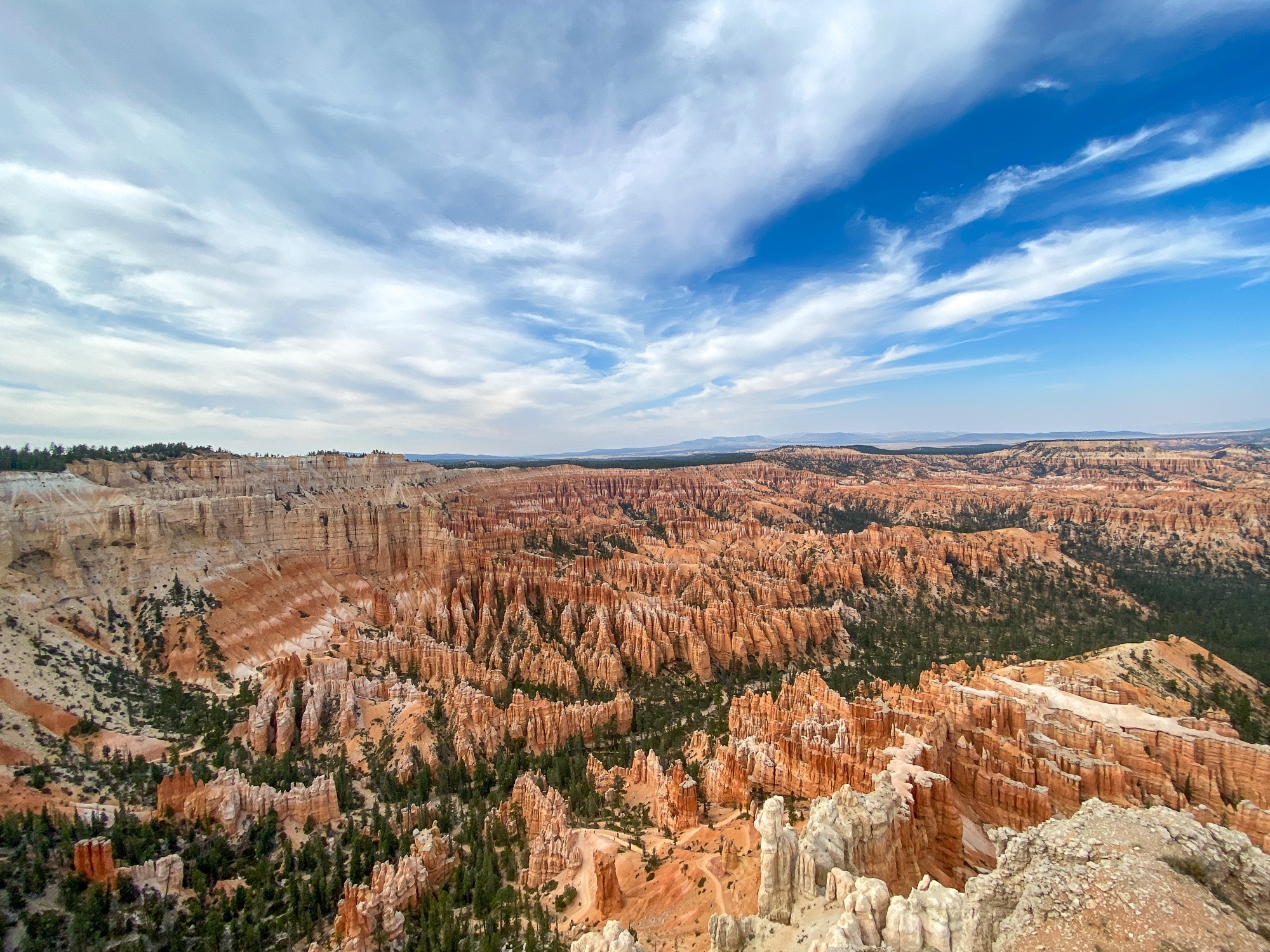
1928: Bryce Canyon National Park (Utah)
Bryce Canyon is not a single canyon but a series of giant natural amphitheaters. It holds the largest collection of hoodoos (irregular columns of rock) in the world.
- Astronomy: Due to its remote location and high elevation, Bryce Canyon is a certified International Dark Sky Park. The park’s astronomy programs are among the best in the system for families interested in stargazing.
1934: Great Smoky Mountains National Park (NC/TN)
The most visited national park in the U.S., the Smokies are world-renowned for their biodiversity. Over 19,000 species have been documented in the park, and scientists believe an additional 80,000–100,000 may live there.
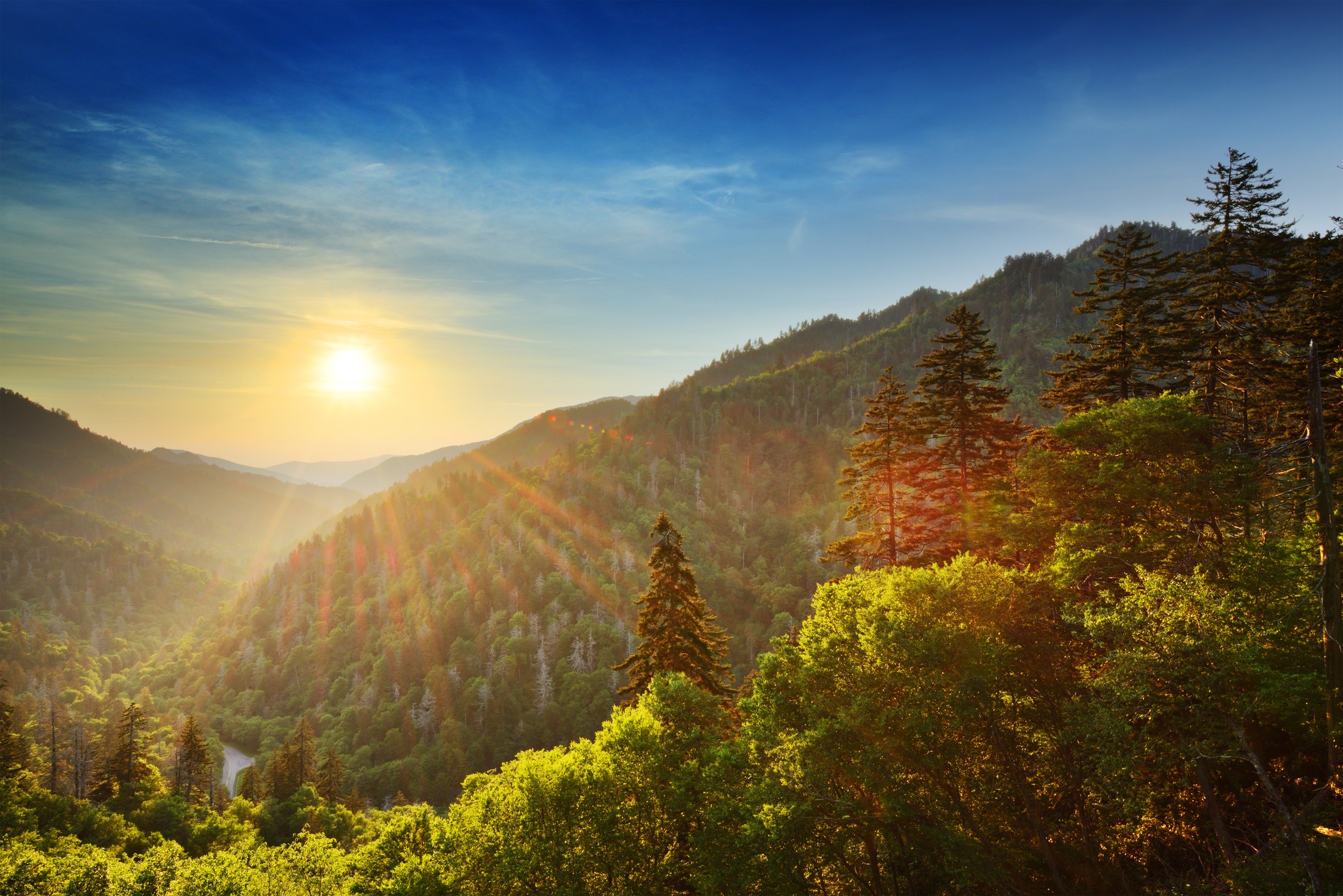
- Family Favorites: Cades Cove offers a 11-mile loop for wildlife viewing, while the Clingmans Dome observation tower provides 360-degree views of the mist-covered peaks.
1938: Olympic National Park (Washington)
Olympic is unique for its three distinct ecosystems: subalpine forest and wildflower meadow, temperate rainforest, and the rugged Pacific coast.
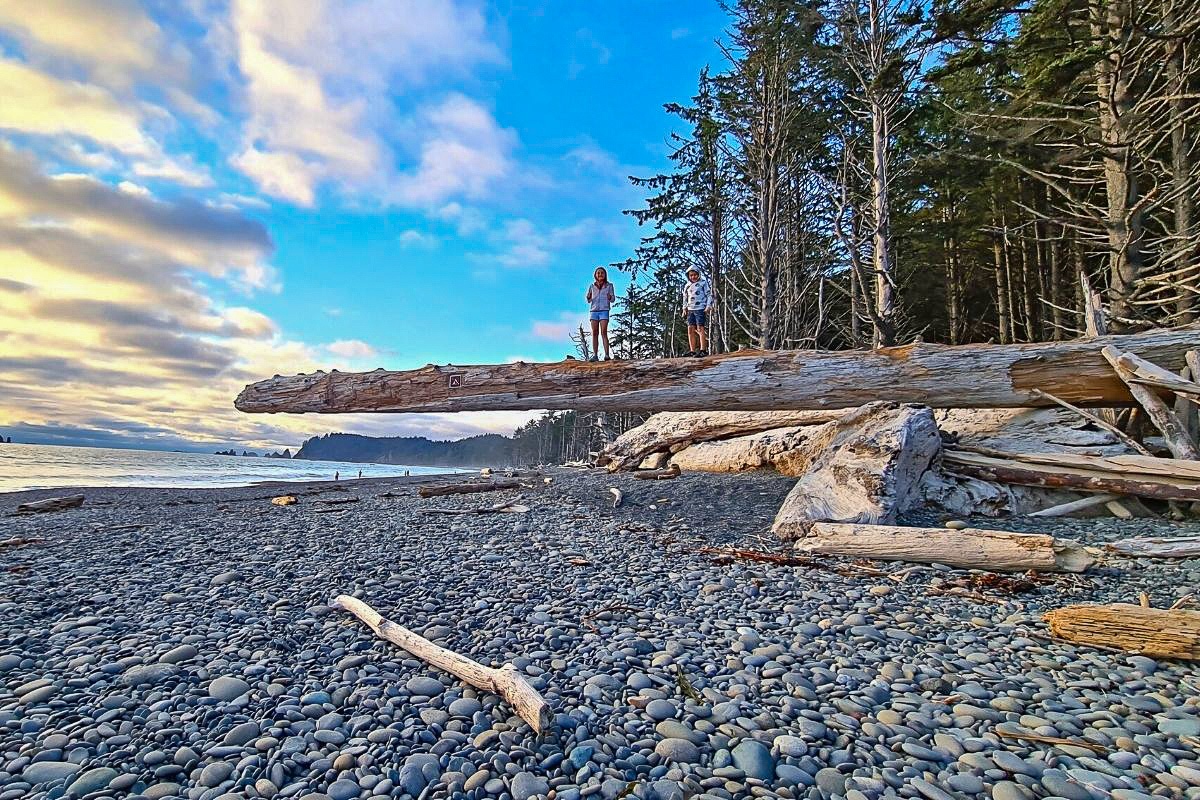
- Exploration: The Hoh Rain Forest receives over 12 feet of rain annually, creating a lush, moss-covered environment that feels prehistoric to children. Tidepooling at Ruby Beach allows for hands-on marine biology education.
Remote and Marine Environments: The Modern Era
As the 20th century progressed, the NPS focused on protecting more fragile and remote environments, including islands and underwater ecosystems.
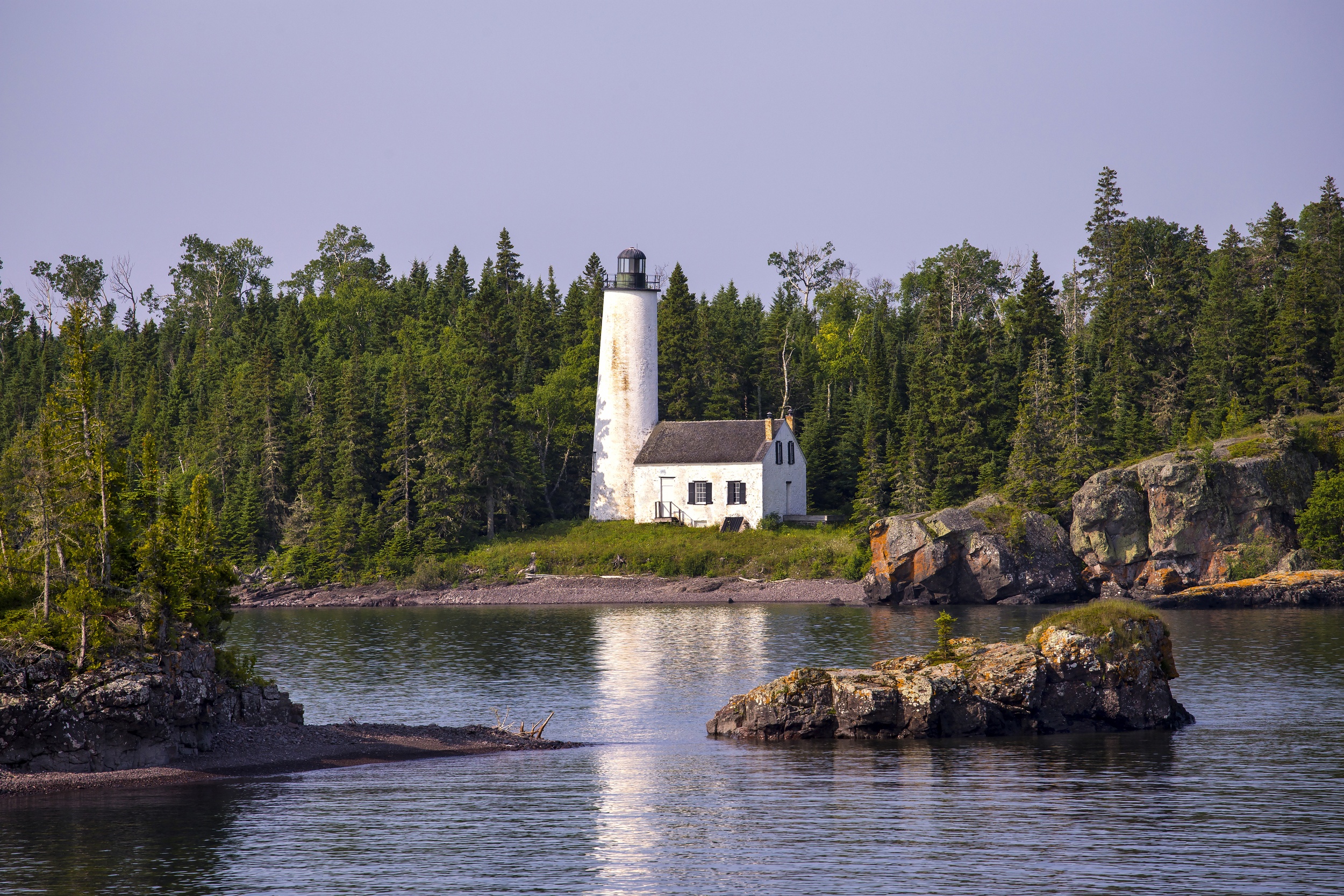
1940: Isle Royale National Park (Michigan)
Located in Lake Superior, Isle Royale is only accessible by boat or seaplane. It is one of the least visited national parks, making it ideal for families seeking a true wilderness experience.
- Biological Studies: The park is famous for the longest-running predator-prey study in the world, focusing on the relationship between wolves and moose.
1947: Everglades National Park (Florida)
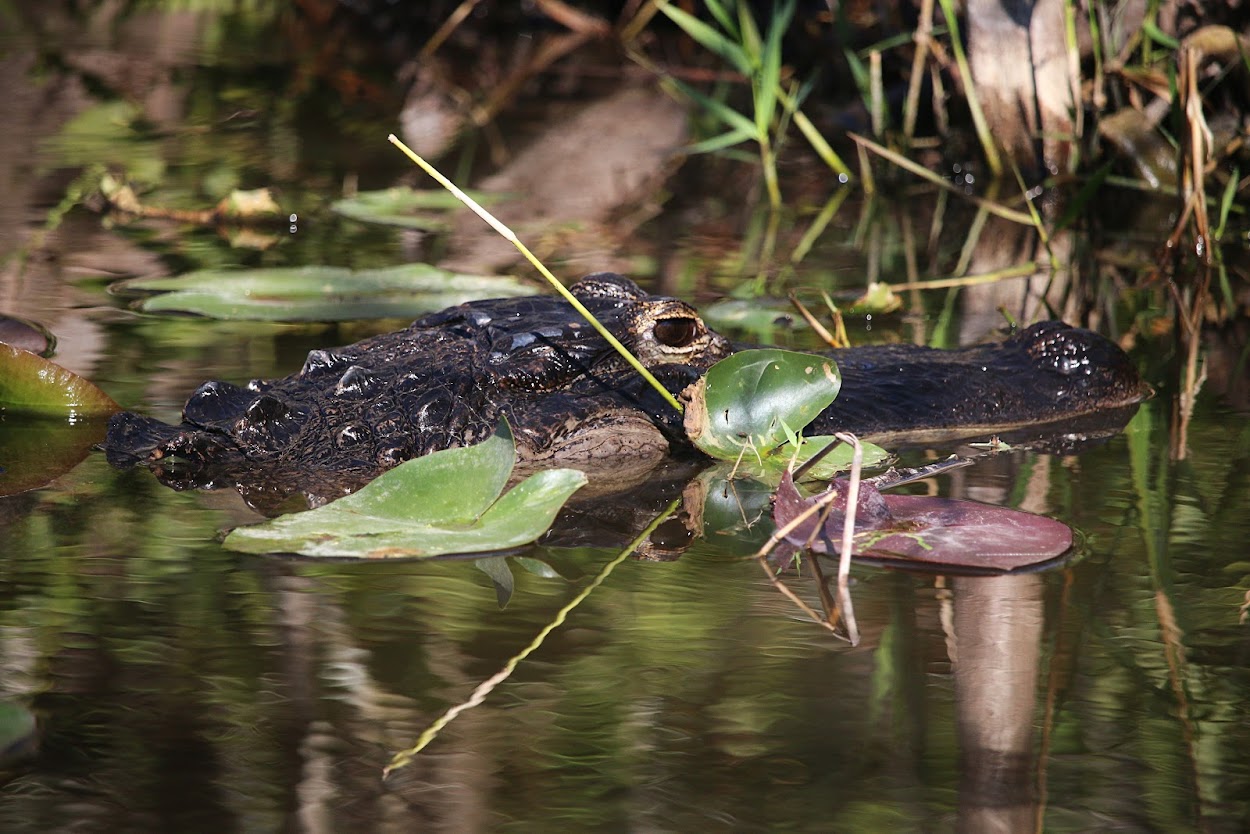
This 1.5-million-acre wetland is the largest subtropical wilderness in the United States. It is a World Heritage Site and an International Biosphere Reserve.

- Conservation Fact: It is the only place on Earth where alligators and crocodiles coexist in the wild. Airboat tours and the Shark Valley tram provide safe ways for families to observe these apex predators.
1980: Channel Islands and Biscayne National Parks (CA/FL)
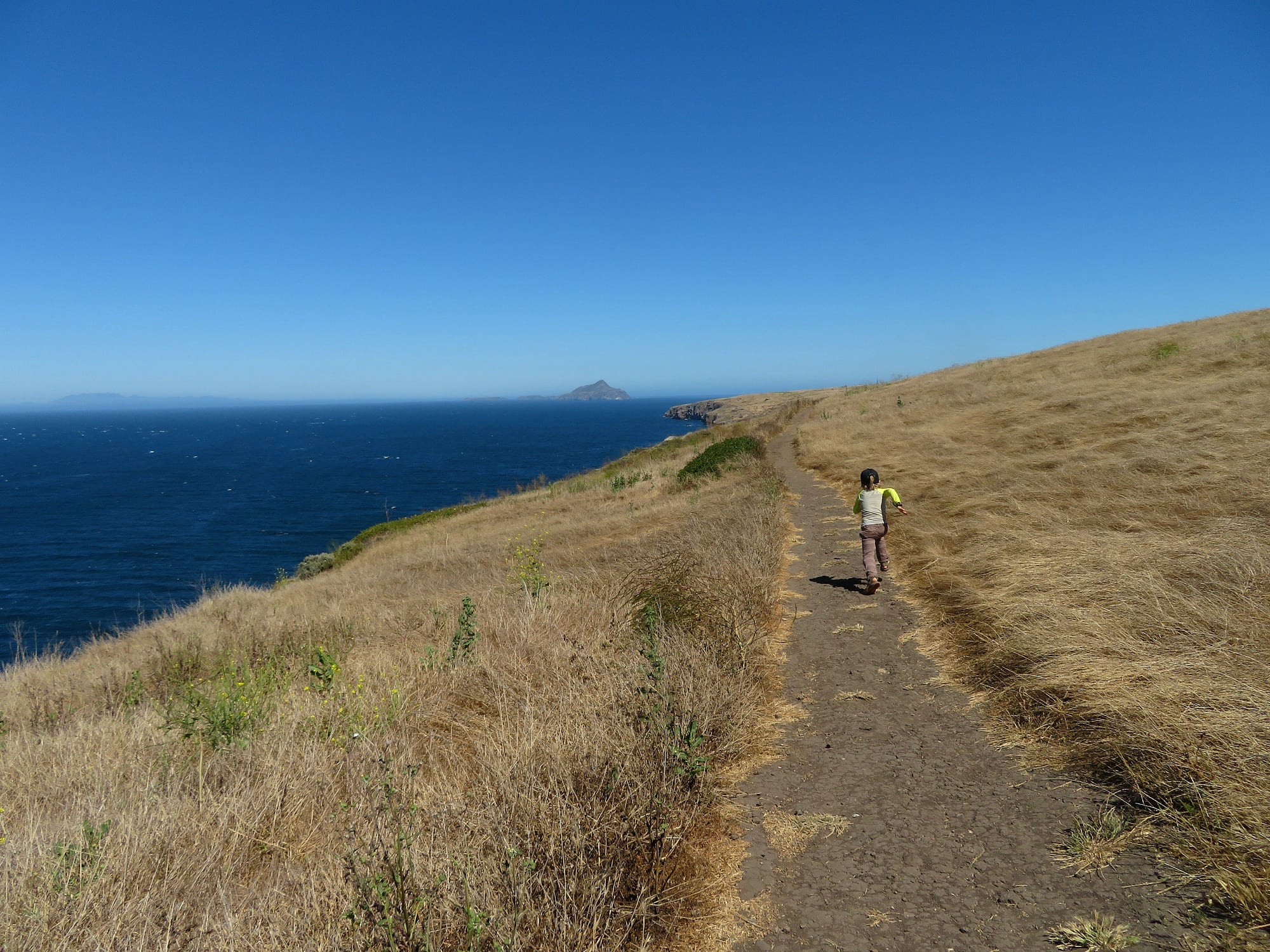
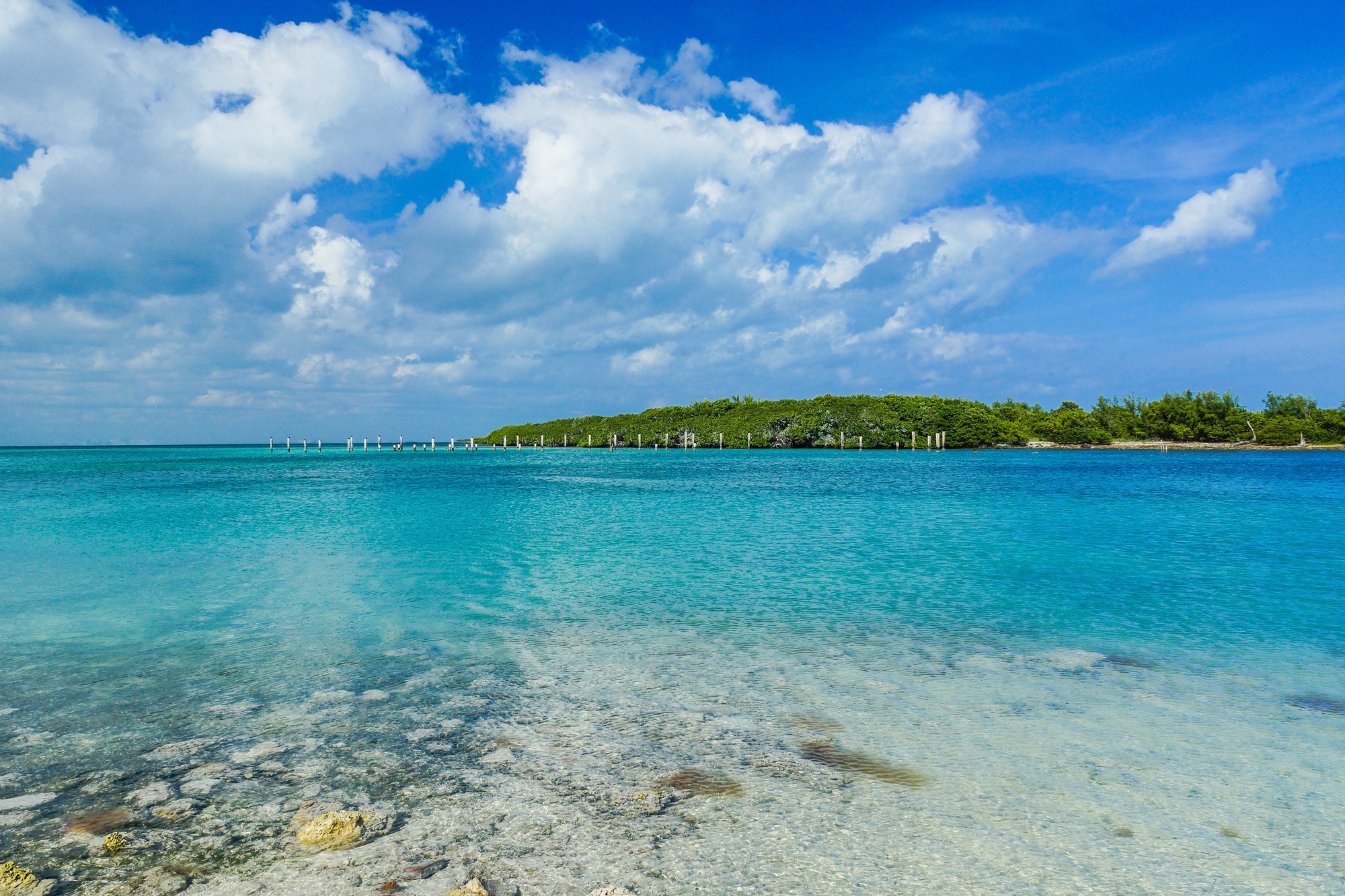
Both parks represent the NPS’s commitment to marine preservation. The Channel Islands are often called the "Galapagos of North America" due to their endemic species, such as the island fox. Biscayne, being 95% water, requires families to explore via glass-bottom boats or snorkeling to see the vibrant coral reefs.
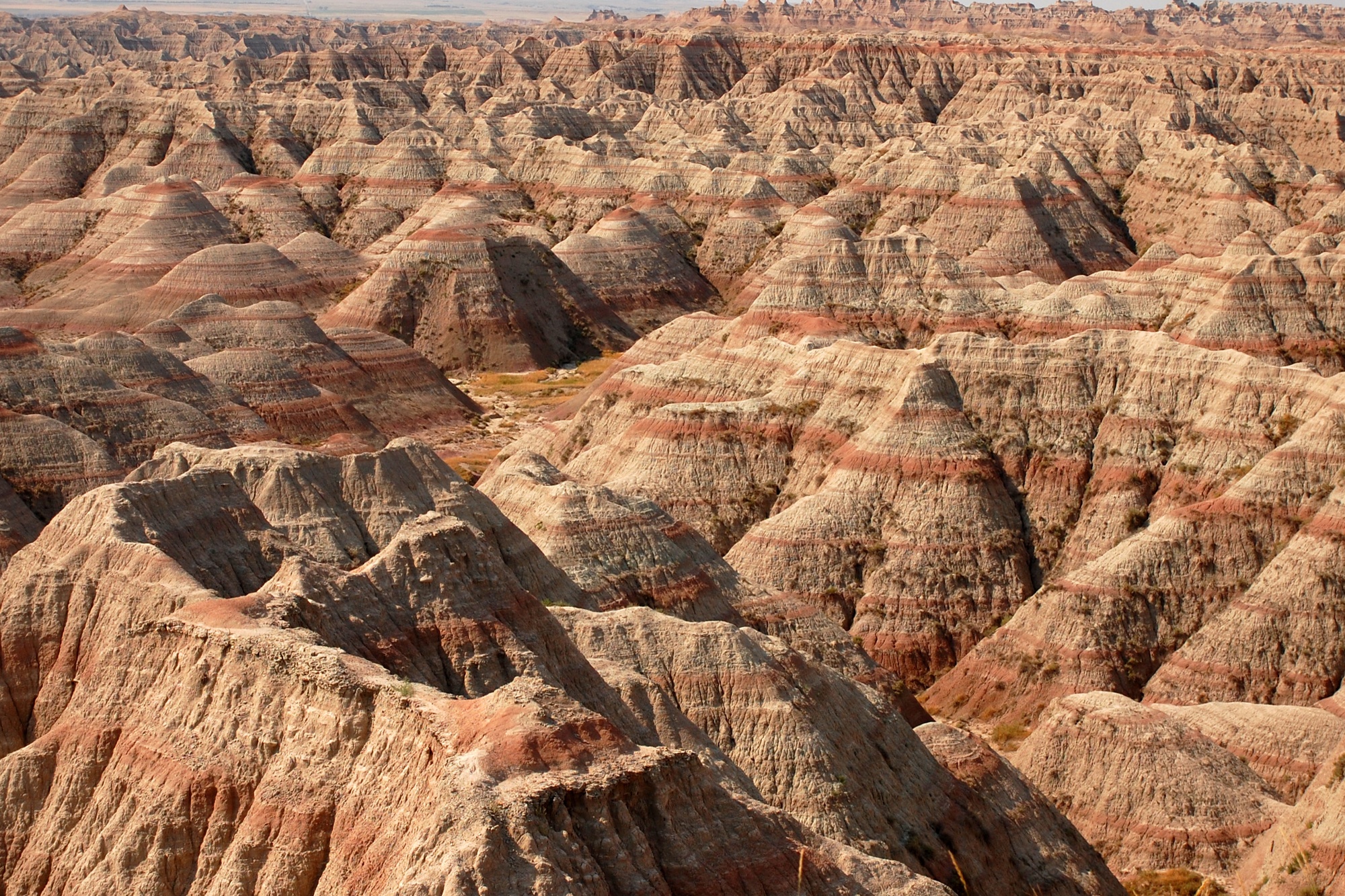
1994: Death Valley National Park (CA/NV)
As the largest national park in the contiguous United States, Death Valley is a land of extremes. It holds the record for the highest reliably reported air temperature on Earth (134°F).
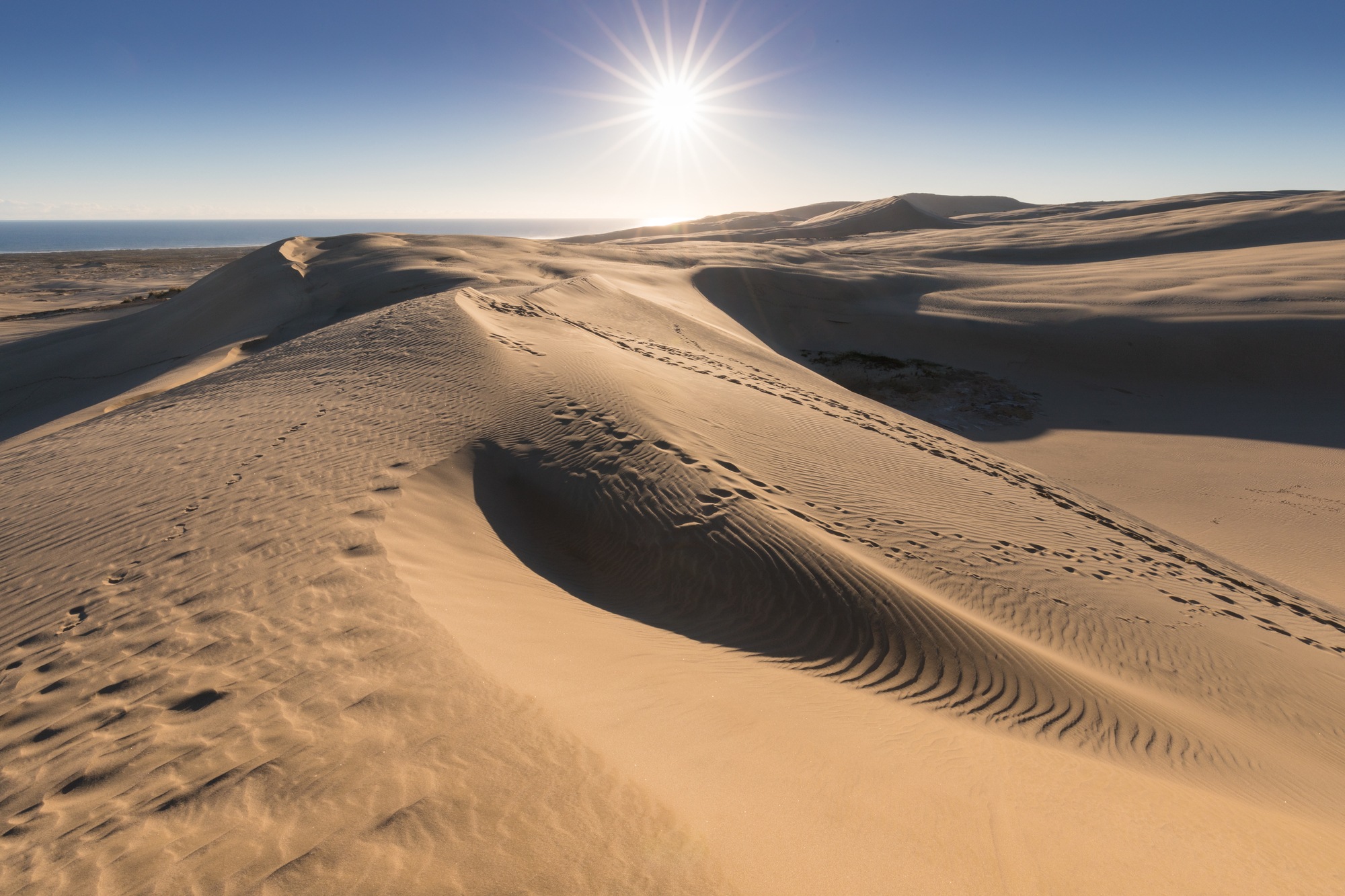
- Safety and Education: Visiting in the winter or spring allows families to explore the Mesquite Flat Sand Dunes and Badwater Basin (the lowest point in North America) without the danger of extreme heat.
Analysis of Broader Impact and Implications
The inclusion of national parks in family travel itineraries has significant implications for both the economy and the future of conservation. According to the 2023 National Park Visitor Spending Effects report, visitors to national parks spent an estimated $26.4 billion in local gateway communities. This spending supported 415,400 jobs and had a $55.6 billion cumulative benefit to the U.S. economy.
Beyond economics, the "Every Kid Outdoors" program—which provides all U.S. fourth graders and their families free access to federal lands—serves as a vital tool for social equity. By removing the financial barrier of entry fees, the program ensures that children from all backgrounds can develop a connection to the natural world.
From a journalistic perspective, the "Junior Ranger" phenomenon is more than a souvenir program; it is a recruitment tool for the next generation of environmental stewards. As these parks face challenges from over-tourism and climate-driven landscape shifts, the education of young visitors remains the NPS’s most effective long-term strategy for preservation. By visiting these 20 iconic parks, families contribute to the ongoing narrative of American conservation while creating a legacy of environmental literacy in their children.
Frequently Asked Questions for Families
What is the best age to start visiting national parks?
While many parks are accessible to infants via carriers, travel experts suggest that ages 5 through 12 are the "sweet spot" for fully engaging with Junior Ranger activities and moderate hiking trails.

Are the parks stroller-friendly?
Major sites like the Grand Canyon Rim Trail and Yellowstone’s boardwalks are paved and stroller-accessible. However, for most interior trails, an all-terrain stroller or a hiking backpack is recommended.
How do we handle wildlife safety with children?
The NPS mandates a distance of at least 100 yards from bears and wolves, and 25 yards from all other wildlife, including bison and elk. Parents are encouraged to use binoculars and telephoto lenses to provide children with a "close-up" view without risking safety.
When should we book accommodations?
In-park lodges often book out 12 to 13 months in advance. For peak summer travel, families should aim to secure their lodging at least one year before their planned arrival.