The Evolution of Solo Travel Infrastructure: A Chronological Overview
The landscape of accommodation for solo travelers has undergone a radical evolution over the past several decades. Historically, the hospitality sector was designed almost exclusively for couples and families, often penalizing single travelers with the "single supplement"—a surcharge that could double the cost of a stay.
In the post-WWII era, the emergence of the International Youth Hostel Federation provided the first structured network for solo explorers, though these were largely restricted to students and younger demographics. By the early 2000s, the rise of digital booking platforms like Booking.com and Expedia allowed solo travelers to compare prices and read verified reviews, increasing transparency in a previously opaque market.
The 2010s marked the "Sharing Economy Revolution." The launch and rapid scaling of platforms like Airbnb, VRBO, and Couchsurfing decentralized the hospitality industry, offering solo travelers the opportunity to live like locals in residential neighborhoods. Simultaneously, boutique hostels—often termed "flashpackers"—began to emerge, bridging the gap between budget dormitories and luxury hotels. Today, in the post-pandemic era, the industry has further adapted with the rise of "Pod Hotels" and dedicated solo cabins on river cruises, reflecting a market that finally recognizes the solo traveler as a high-value, permanent demographic.

Market Data and the Economics of Independent Travel
Accommodation typically accounts for 40% to 60% of a solo traveler’s total budget. Unlike group travelers who can split the cost of a double room, the solo traveler must navigate a market where price parity is rarely guaranteed. Industry analysis suggests that solo travelers are increasingly willing to trade square footage for high-end amenities and central locations.
In major metropolitan hubs like London, Paris, and New York, the demand for "single-occupancy" rooms has surged. Data from the UK-based Z Hotels chain and the American Pod Hotel group indicates that high-density, small-footprint rooms in prime locations are consistently at near-capacity. These models prioritize communal spaces—lobbies, bars, and rooftop terraces—allowing solo travelers to choose between private retreat and social engagement.
Traditional Hotels: The Shift Toward Single-Occupancy Design
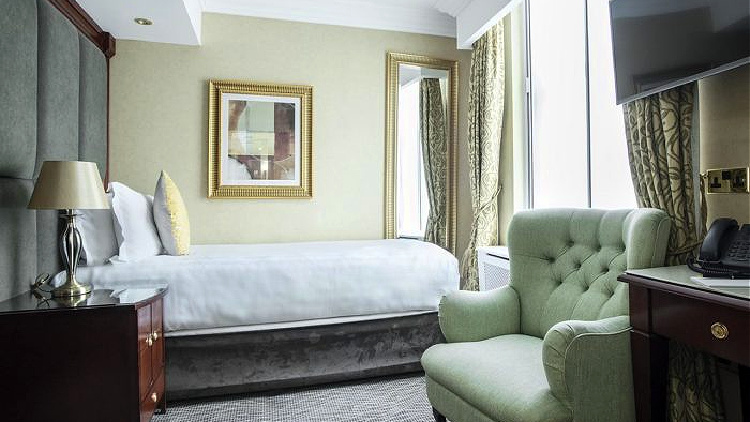
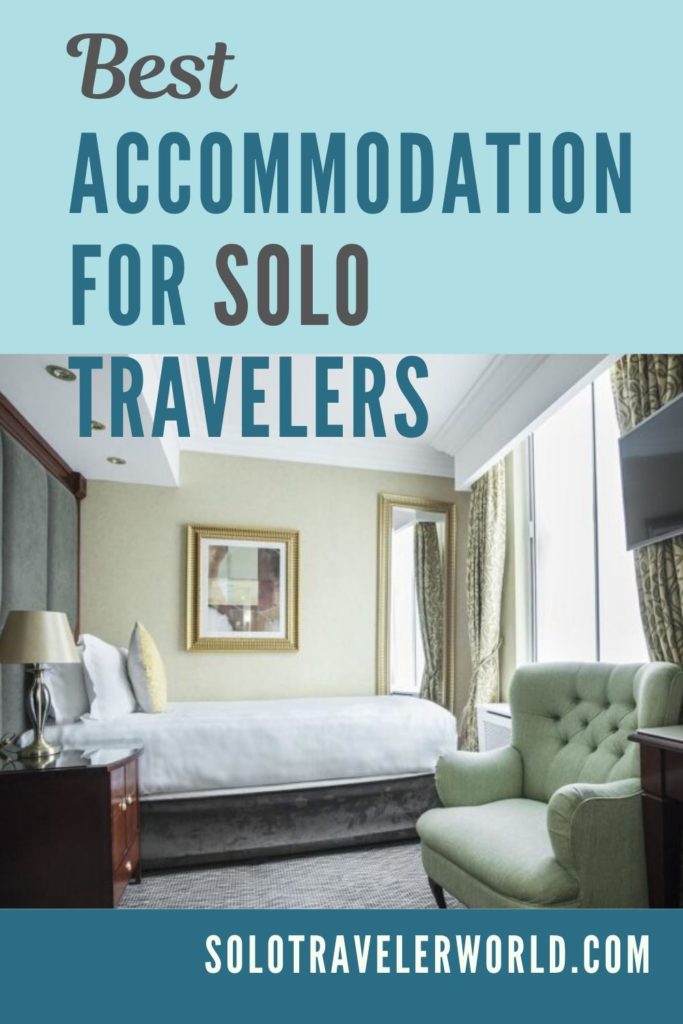
While the North American hotel market remains largely focused on double-occupancy rooms (Queen or King beds), the European market has long embraced the "Single Room" concept. These rooms are designed specifically for one person, often featuring a twin bed and a smaller footprint, which allows for a lower price point without sacrificing the security and services of a full-scale hotel.
The modern solo-friendly hotel now offers value-added services that mitigate the traditional "solo tax." These include:
- Integrated Safety Features: 24-hour concierge services and secure key-card access to elevators.
- Complimentary Social Hours: Afternoon tea, wine hours, or communal breakfasts designed to facilitate low-pressure social interaction.
- Logistical Support: Shuttle services and local transit passes that reduce the reliance on expensive private taxis.
Industry experts note that "confirmed-stay reviews" on booking aggregators have become the primary tool for solo travelers to vet properties. Metrics such as "solo traveler rating" now allow guests to specifically filter for properties that are welcoming to those traveling alone.
The Hostel Renaissance: Social Connectivity and Safety
Hostels have transcended their "backpacker" reputation to become sophisticated social hubs. For the solo traveler, hostels offer a unique "social-on-demand" environment. Modern hostel infrastructure typically includes:

- Gender-Specific Dormitories: Female-only dorms provide an added layer of comfort and security for women traveling alone.
- Private Rooms: Many hostels now offer private ensuite rooms, allowing travelers to enjoy the social atmosphere of a hostel kitchen or lounge while maintaining private sleeping quarters.
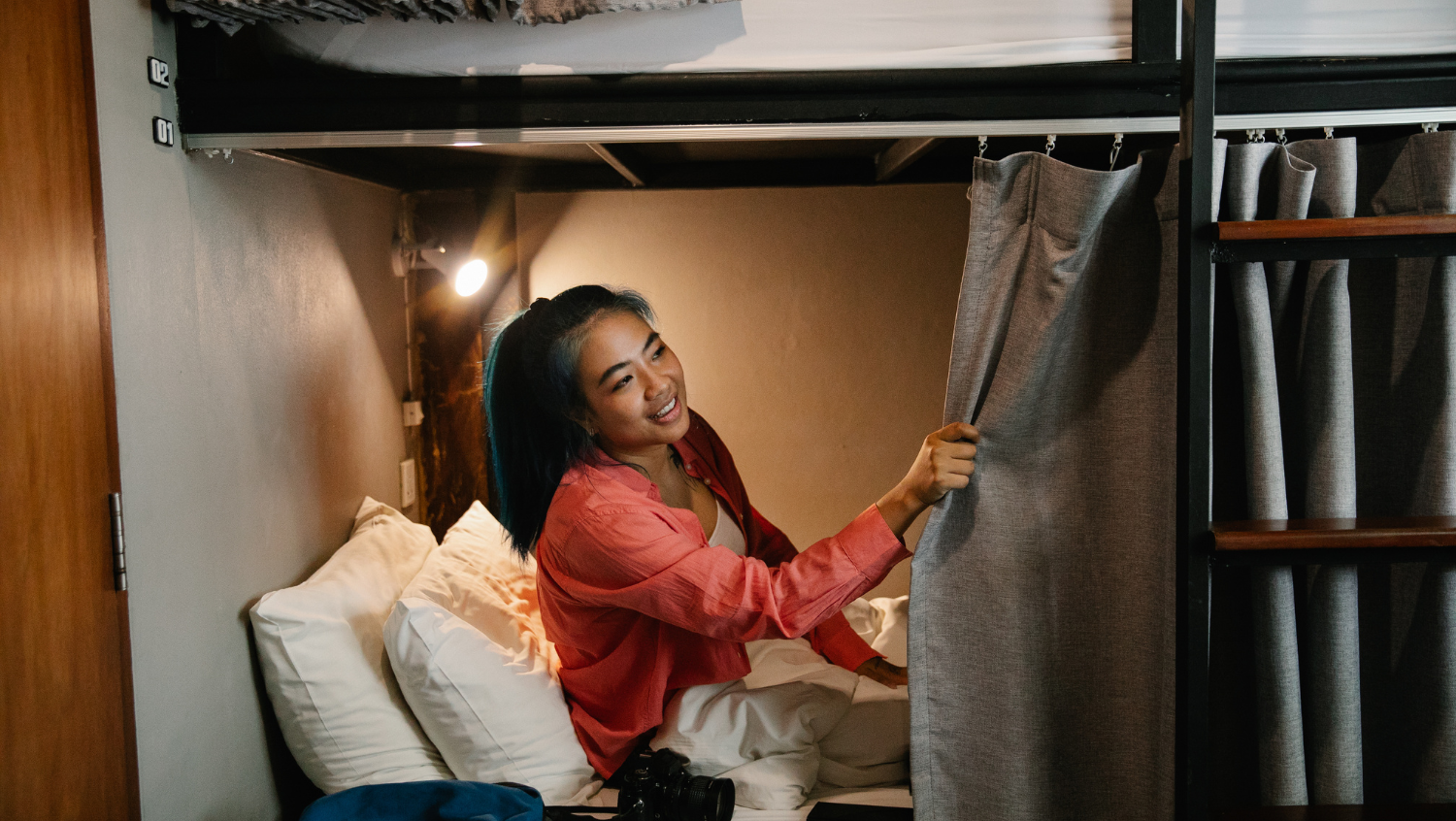
- Hybrid Models: The rise of "Pods"—fully enclosed beds within a shared room—offers a middle ground between a traditional bunk and a private room, providing acoustic and visual privacy at a fraction of the cost of a hotel.
Safety remains a paramount concern in this sector. Modern hostels have responded with large-scale locker systems, often equipped with internal charging ports, and rigorous check-in procedures.
The Sharing Economy: Accountability in Vacation Rentals
The use of vacation rentals through sites like Airbnb and VRBO remains a subject of debate within the solo travel community. Proponents argue that staying in a residential home offers a deeper cultural immersion and access to kitchen facilities that reduce food costs. Critics, however, point to safety concerns regarding unregulated access to properties.
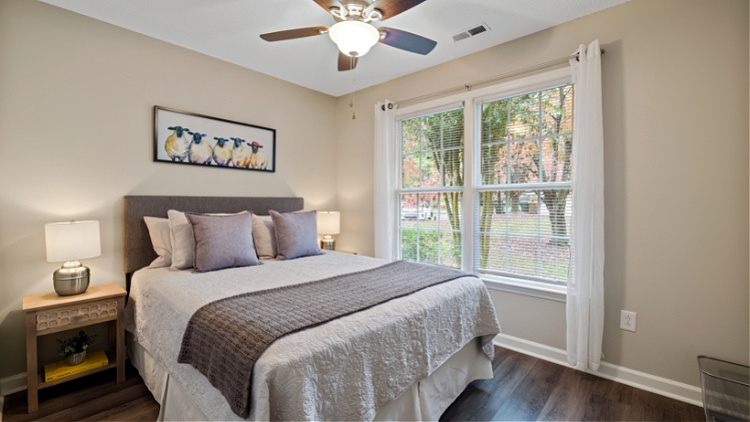
To address these concerns, major hospitality brands have entered the space. For example, Homes & Villas by Marriott Bonvoy provides a curated selection of rentals managed by professional property management companies. This "branded" approach adds a layer of accountability, ensuring that properties meet specific safety and cleanliness standards while allowing travelers to earn loyalty points.
Statements from the Solo Travel Society, a global community of independent travelers, highlight a split in preference:

- The Pro-Rental View: Having a local host can provide an immediate "connection" and insider knowledge that a hotel desk cannot match.
- The Pro-Hotel View: The presence of on-site staff and 24/7 security makes hotels the preferred choice for those prioritizing physical safety and professional accountability.
Alternative Models: House Sitting, Homestays, and Exchanges
For long-term solo travelers, service-based and exchange-based models have become increasingly popular. These options often eliminate the cost of accommodation entirely in exchange for labor or property access.
- House Sitting: Platforms like TrustedHousesitters connect travelers with homeowners who need pet care or property maintenance. This model appeals to solo travelers who prefer the quiet of a residential home and the companionship of animals.
- Home Exchanges: Services like HomeExchange.com allow travelers to swap their primary residence with another member. This model is particularly effective for solo travelers who own their homes and wish to explore expensive destinations like Prague, Bordeaux, or New York without incurring lodging costs.
- Homestays: Unlike a standard rental, a homestay involves living with a host family. This is frequently used by language learners and cultural enthusiasts seeking an authentic "local" experience.
Specialized Luxury: River Cruising and Boutique B&Bs
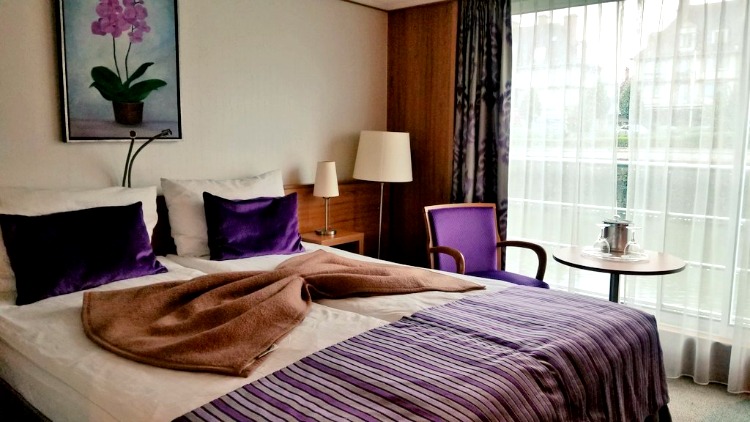
The luxury sector is also adapting to solo demand. River cruising, traditionally a couple-centric industry, has seen a significant increase in solo-occupancy cabins. Operators such as MS River Venture and others frequently waive the single supplement on specific itineraries to attract independent travelers. The primary appeal of this model is the "moving hotel" concept—travelers can visit multiple cities without the stress of repeated packing and transit logistics.
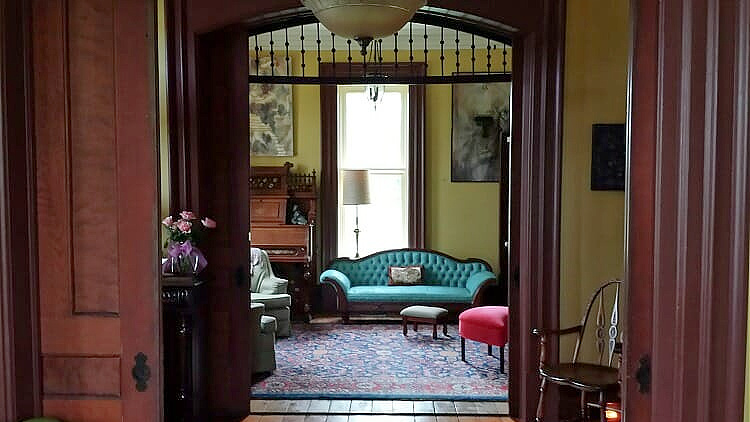
Similarly, Bed & Breakfasts (B&Bs) offer a middle ground between the anonymity of a hotel and the intimacy of a homestay. B&Bs in the UK and North America are noted for their communal dining tables, which naturally encourage conversation among guests, making them a preferred choice for solo travelers who enjoy storytelling and shared meals.
Safety Protocols and Risk Mitigation
Regardless of the accommodation type, safety remains the primary variable for solo travelers. Official recommendations from travel security experts suggest a multi-layered approach to choosing a stay:
- Vetting through Reviews: Prioritizing properties with recent, detailed reviews from other solo travelers.
- Location Analysis: Using digital mapping tools to ensure the property is located in a well-lit area with easy access to public transportation.
- Direct Communication: Contacting hosts or hotel managers prior to arrival to confirm safety features, such as 24-hour desk presence or secure entry.
Broader Implications for the Global Hospitality Industry
The rise of solo-friendly accommodation has broader implications for urban planning and hotel design. As more travelers choose to go it alone, developers are shifting away from large, cavernous suites toward "efficient luxury"—smaller rooms with high-quality finishes and expansive communal infrastructure.
This trend also reflects a demographic shift. With more people delaying marriage or choosing to remain single, solo travel is no longer a "phase" but a lifestyle choice. Hospitality brands that fail to eliminate the single supplement or provide safe, social environments for solo guests risk alienating one of the fastest-growing and most resilient segments of the travel market.

In conclusion, the "best" accommodation for a solo traveler is no longer a one-size-fits-all solution. It is a highly personalized choice that balances the need for solitude with the desire for community, and the requirement for safety with the constraints of a budget. As the industry continues to innovate, the solo traveler is finally being recognized not as a traveler who is "alone," but as an independent consumer with specific, sophisticated needs.