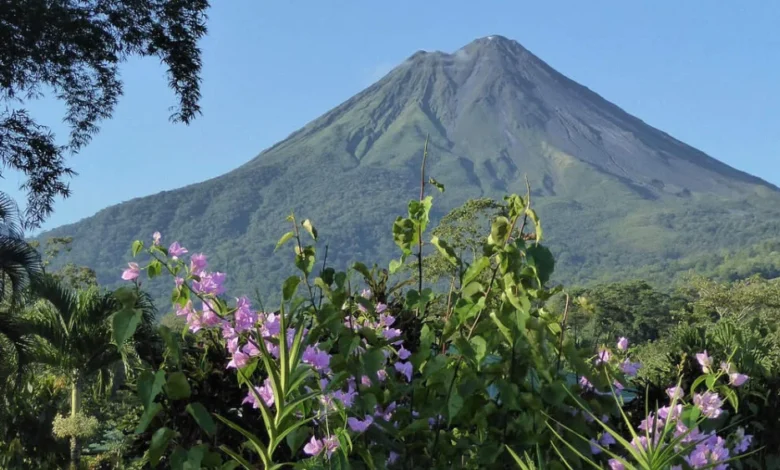
Costa Rica has long maintained a global reputation as a pioneer in environmental stewardship, successfully reversing decades of deforestation to become a bastion of biodiversity. However, as the global climate crisis intensifies, the nation’s celebrated "Pura Vida" lifestyle is facing unprecedented ecological challenges. Beyond the traditional imagery of luxury eco-lodges and recreational ziplining lies a burgeoning movement of climate-conscious travel. This shift represents a transition from passive ecotourism to active "regenerative" travel, where visitor engagement directly funds and facilitates climate resilience. Local communities, particularly those outside the primary resort zones, are now at the forefront of this movement, developing innovative strategies to combat biodiversity loss, rising sea levels, and extreme weather patterns.
The urgency of this transition is underscored by Costa Rica’s National Decarbonization Plan, which aims to achieve net-zero emissions by 2050. While the central government provides the policy framework, the practical execution of climate action often falls to grassroots organizations and indigenous groups. For the modern traveler, these initiatives offer a dual opportunity: to experience the country’s natural wonders in their most authentic form and to participate in the scientific and social efforts required to preserve them for future generations.
The Evolution of Costa Rican Conservation: A Brief Chronology
To understand the current state of climate action in Costa Rica, one must look at the nation’s historical trajectory. In the 1970s and 1980s, Costa Rica faced some of the highest deforestation rates in Latin America, driven largely by cattle ranching and agricultural expansion. By the early 1990s, the government pivoted, implementing the Payment for Environmental Services (PSA) program, which incentivized landowners to protect and restore forests.
By 2021, Costa Rica had successfully doubled its forest cover, which now protects more than 50% of its landmass. However, the 21st century brought new threats. Climate change has introduced erratic rainfall patterns, increasing the frequency of landslides in the highlands and flooding in the coastal lowlands. This history has set the stage for the current era of conservation, where the focus has shifted from mere "protection" to "active adaptation and resilience."
1. Osa Peninsula: Preserving Biological Corridors in a Warming World
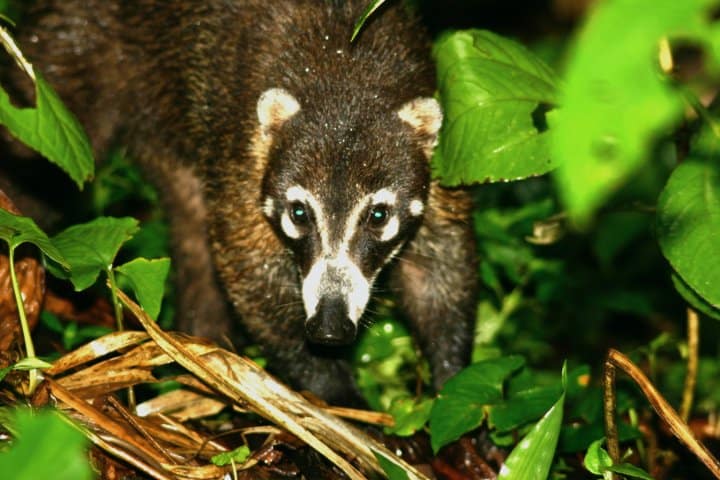
The Osa Peninsula, described by National Geographic as "the most biologically intense place on Earth," serves as a critical laboratory for observing climate-driven wildlife migration. Recent scientific data indicates that over 62% of tropical forests globally are becoming disconnected from their historical climate zones. As temperatures rise, species are forced to move to higher elevations or different latitudes to survive. If these animals encounter fragmented landscapes—such as agricultural clearings or urban development—they become "trapped" in unsuitable environments.

In response, organizations like Osa Conservation and local Bribri guides are focusing on the restoration of biological corridors. These are strips of protected forest that allow wildlife to move safely between larger protected areas, such as Corcovado National Park. Travelers visiting the Dos Brazos de Río Tigre community are no longer just sightseeing; they are supporting a community that has transitioned from gold mining to forest guardianship. By hiring local guides who monitor animal behavior and shifts in migration patterns, tourists provide the economic stability necessary for these communities to reject extractive industries in favor of long-term ecological monitoring.
2. Manzanillo: Blue Carbon and Women-Led Mangrove Restoration
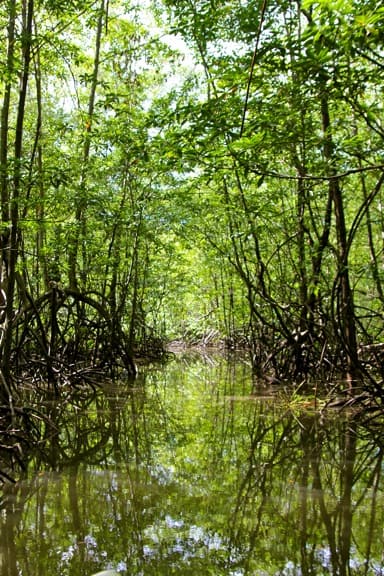
On the Caribbean coast, the community of Manzanillo in Puntarenas illustrates the intersection of gender equity and climate resilience. Mangroves are among the most efficient carbon sinks on the planet, capable of storing up to four times more carbon than terrestrial forests—a concept known as "blue carbon." For the residents of Manzanillo, 80% of whom live within mangrove ecosystems, these forests are also a vital defense against storm surges and rising sea levels.
A local women’s cooperative has taken the lead in this sector, planting over 4,000 mangrove seedlings to restore degraded areas. This initiative does more than just sequester carbon; it regenerates the breeding grounds for local fish populations, which are the backbone of the community’s economy. The Talamanca Association of Ecotourism and Conservation (ATEC) has further integrated this into the travel sector by offering guided boat tours and managing the country’s only natural mangrove oyster bank. This model demonstrates how ecotourism can offset the economic losses caused by inconsistent fishing seasons linked to warming ocean temperatures.
3. Monteverde: Addressing the "Ascending" Cloud Base
The Monteverde Cloud Forest is perhaps the most visible victim of shifting humidity levels. Since 1979, the base of the clouds that provide the forest with its essential moisture has been rising at a rate of 1.8 to 2.7 meters annually. As the "cloud bank" moves upward, the unique species that inhabit the highest peaks—such as the now-extinct golden toad—have nowhere left to go. This phenomenon, known as the "cloud forest squeeze," results in drier conditions during the summer and extreme saturation during the rainy season.
The Monteverde Cloud Forest Biological Preserve utilizes 100% of its tourism revenue to fund climate research and environmental education. By visiting the preserve, travelers contribute to the maintenance of wildlife corridors that help species migrate vertically as their habitat shifts. Furthermore, the preserve’s naturalist-led night walks provide essential data on how nocturnal species are adapting to these changing humidity levels, turning every tour into a data-gathering mission.
4. Talamanca: Reforestation as a Defense Against Extreme Weather
In the Talamanca mountain range, the Association of Organizations of the Talamanca Caribbean Biological Corridor (ACBTC) is addressing the immediate physical dangers of climate change: landslides and flooding. As rainfall becomes more intense and less predictable, steep hillsides are increasingly prone to collapse, threatening both human settlements and downstream ecosystems.
The ACBTC operates a specialized nursery cultivating 120,000 plants, focusing on native species that provide the most soil stability and flood mitigation. Reforestation here is a strategic engineering project; trees are planted to act as natural barriers, slowing the flow of water and anchoring the soil. Travelers can participate through volunteer programs or by visiting the nursery to learn about the specific ecological roles of various native flora. This proactive approach to land management is a critical component of Costa Rica’s broader strategy to minimize the "climate loss and damage" caused by increasingly violent storm systems.
5. Puerto Viejo: Indigenous Wisdom as a Blueprint for Resilience
The Bribri and Cabécar peoples of the Talamanca region offer a perspective on climate action that predates modern science. Their ancestral knowledge emphasizes a spiritual and practical reciprocity with the land. For these indigenous groups, the rainforest is not a resource to be managed, but a relative to be respected.
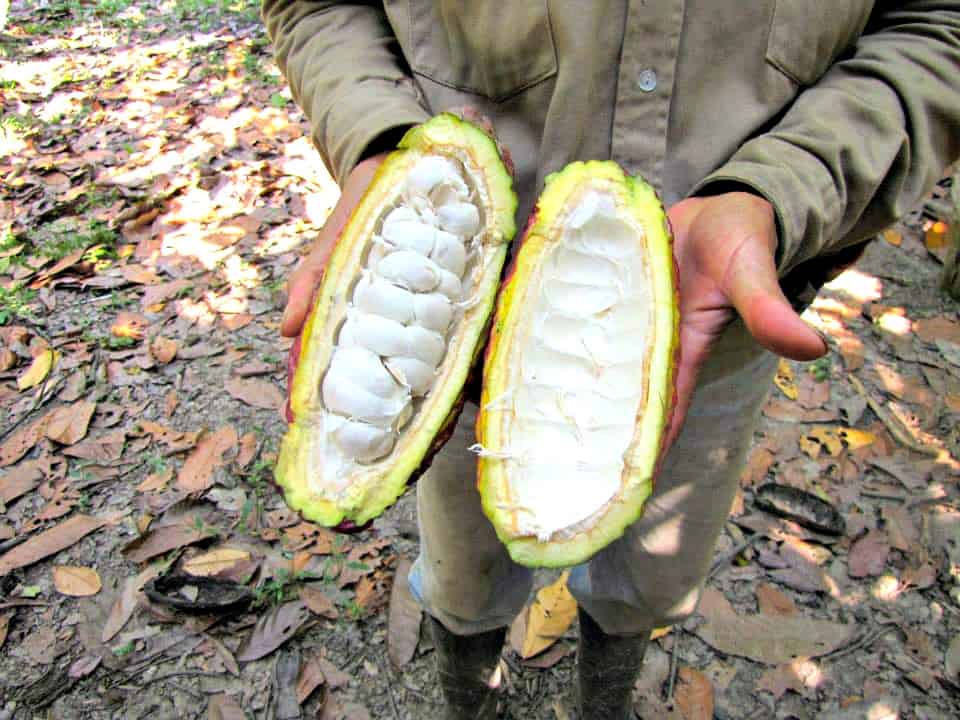
A central figure in this cultural framework is the cacao tree. According to Bribri tradition, the creator god Sibú transformed a woman into a cacao tree to sustain the people. Today, traditional cacao agroforestry—where cacao is grown under the shade of native forest trees—is recognized by climate scientists as a superior model for sustainable agriculture. It maintains biodiversity, preserves soil health, and sequesters carbon more effectively than monoculture plantations. Through ATEC, visitors can engage in community-based tourism that supports these traditional practices, ensuring that indigenous knowledge remains a central pillar of Costa Rica’s climate strategy.
6. Arenal: The Renewable Energy Frontier
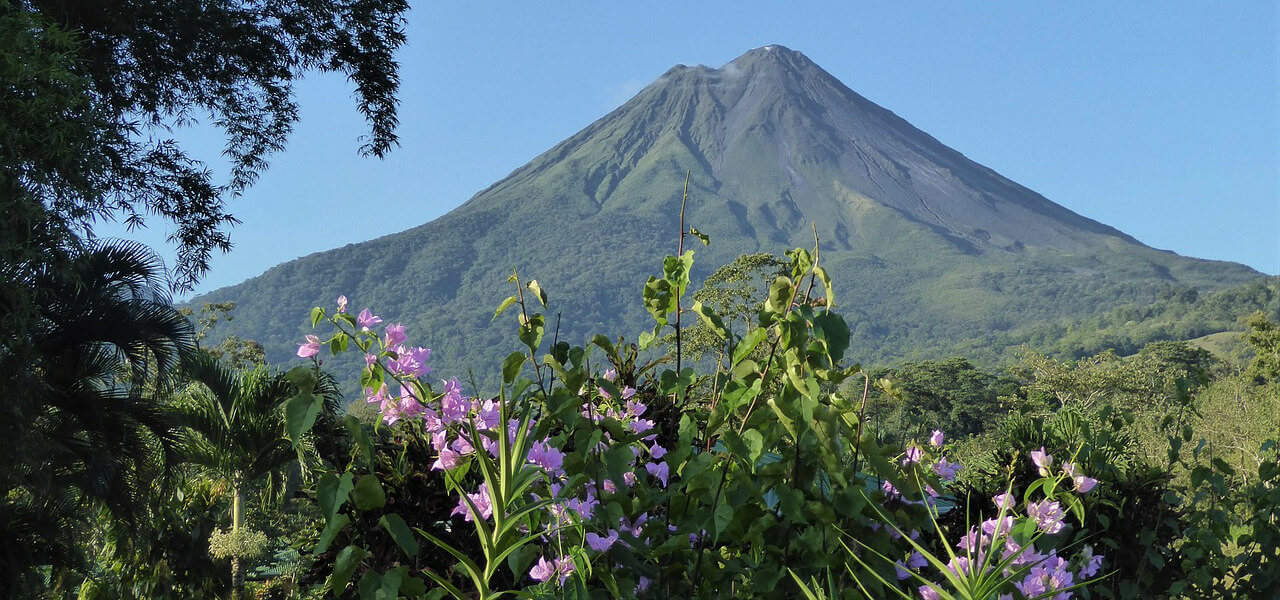
Costa Rica’s energy grid is a global anomaly, with approximately 98% of its electricity generated from renewable sources. The Arenal region is the heart of this infrastructure, utilizing the volcanic heat (geothermal) and the massive Lake Arenal (hydroelectric) to power the nation. This commitment to green energy has allowed the country to decouple its economic growth from carbon emissions.
Travelers can see this energy independence in action at sites like Rancho Margot. This eco-resort and organic farm operates entirely off-grid, generating its own power through micro-hydroelectric turbines. The ranch serves as a model for a circular economy, where waste is repurposed, food is grown on-site using permaculture techniques, and the carbon footprint of every guest is minimized. The availability of volunteer programs allows visitors to gain hands-on experience in sustainable agriculture and renewable energy maintenance, providing them with skills to implement in their home communities.
7. Gandoca Coast: Protecting Marine Life from Thermal Stress
The Gandoca-Manzanillo Wildlife Refuge is a critical nesting site for leatherback sea turtles, the largest of all living turtles. However, climate change is threatening these ancient mariners in two distinct ways. First, rising sea levels are eroding and inundating nesting beaches, destroying eggs before they can hatch. Second, the sex of a sea turtle is determined by the temperature of the sand during incubation. Higher temperatures lead to a disproportionate number of female hatchlings, a phenomenon that could eventually lead to population collapse.
Organizations such as the Costa Rican Alliance for Sea Turtle Conservation & Science (COASTS) are working to mitigate these impacts by relocating nests to "hatcheries" where temperatures can be monitored and managed. Tourism plays a vital role here; the funds generated from regulated turtle-watching tours pay for the patrols that protect nests from poachers and the scientific equipment used to monitor sand temperatures. This "citizen science" approach allows travelers to witness the direct impact of climate change on marine life while providing the financial resources needed to fight it.
Broader Impact and Implications for Global Tourism
The transition of Costa Rica’s tourism industry from a luxury commodity to a tool for climate action has significant implications for the global travel market. As travelers become increasingly aware of their carbon footprints, the demand for "regenerative travel"—trips that leave a destination better than it was found—is expected to rise.
Costa Rica’s model proves that conservation and economic development are not mutually exclusive. By empowering local communities and indigenous groups, the nation has created a decentralized network of climate resilience that is funded by the very people who come to admire its beauty. For the global community, Costa Rica serves as a case study in how a small, developing nation can leverage its natural capital to lead the fight against a global crisis. The lesson for the traveler is clear: the most memorable part of a journey is no longer just what you see, but the positive impact you leave behind.