Portland, Maine, a coastal city of approximately 68,000 residents, serves as a quintessential example of New England’s ability to balance historical preservation with modern cultural vitality. Surrounded by water on four sides, the city has developed a reputation for its distinct hospitality, a quality often attributed to the brisk Atlantic air and a deep-rooted sense of community. For those visiting the region, the distinction between "Mainers"—those born within the state—and "Mainiacs"—those who have relocated from elsewhere but survived the rigors of a Maine winter—is a fundamental part of the local social fabric. This cultural identity, paired with a resilient history and a world-class culinary scene, positions Portland as a focal point of the American Northeast.
Historical Foundations and the Architecture of Resilience
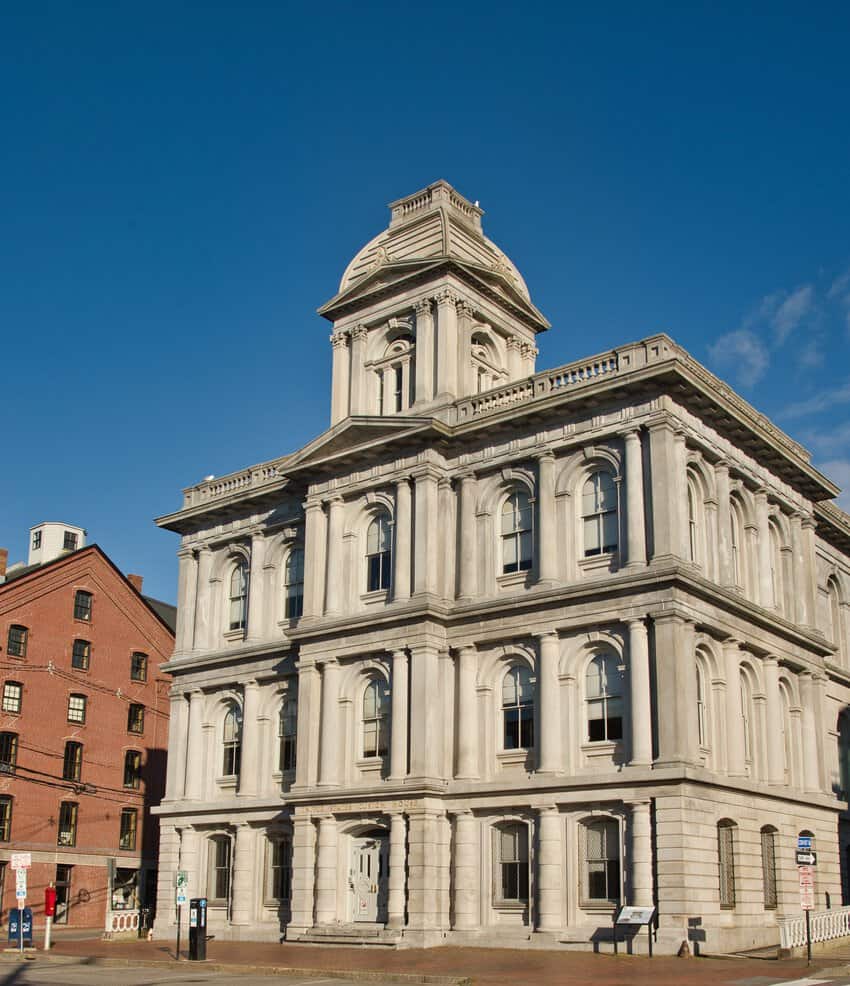
The physical aesthetic of Portland’s downtown area is a direct result of one of the most significant disasters in 19th-century America. On July 4, 1866, a fire sparked by either a celebratory firecracker or a discarded cigar in a boathouse ignited a conflagration that leveled much of the city. The "Great Fire" destroyed approximately 1,800 buildings, including 1,200 residences, government offices, and hotels. In the two years following the disaster, the city was rebuilt using traditional New England red brick, a move intended to provide greater fire resistance and a cohesive architectural identity. Today, the Old Port and downtown districts remain largely unchanged from this reconstruction period, offering a preserved glimpse into post-Civil War urban design.
Beyond its physical structures, Portland holds a unique place in the history of American social reform. The city was the home of Neal Dow, known as the "Father of Prohibition." Dow’s advocacy led to the passage of the "Maine Law" in 1851, which prohibited the manufacture and sale of alcohol in the state decades before the national Eighteenth Amendment was ratified. This legacy of temperance created a clandestine culture of speakeasies, some of which still exist as hidden relics of a bygone era. One such establishment, located near Market Street, remains accessible only through a nondescript entrance and a sliding bookcase, maintaining a cash-only policy that reflects its underground origins.
A Literary and Artistic Hub
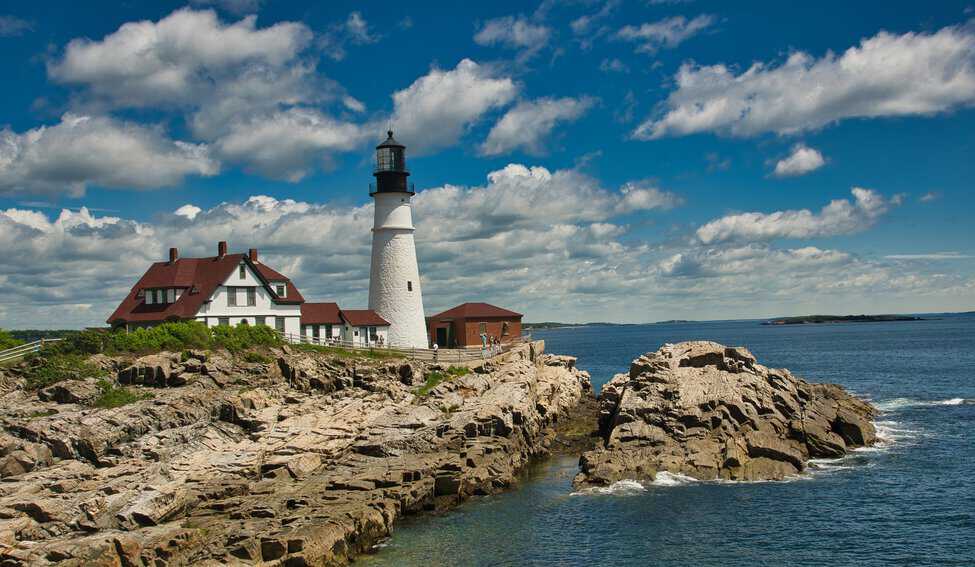
Portland’s influence on American culture extends into the realms of literature and the fine arts. The Wadsworth-Longfellow House, located at 489 Congress Street, stands as the oldest building in the city and the first named historic site in Maine. It was the boyhood home of Henry Wadsworth Longfellow, one of the most celebrated poets of the 19th century. Longfellow’s works, including "Paul Revere’s Ride" and "The Song of Hiawatha," were often informed by the atmospheric conditions of his hometown. His frequent walks to the Portland Head Light in nearby Cape Elizabeth are credited with inspiring much of his maritime-themed poetry.
The city’s commitment to the arts was further solidified in the 20th century, aided by high-profile residents such as actress Bette Davis and her husband Gary Merrill. Their investments in the local cultural landscape helped establish Portland as a regional center for music and performance. This legacy continues at the Merrill Auditorium, a premier venue for operas, concerts, and the performances of local icons like comedian Bob Marley, whose work often satirizes the linguistic nuances of the "authentic Mainer" accent.

The Portland Museum of Art (PMA), founded in 1882, serves as the cornerstone of the city’s visual arts scene. The museum underwent a significant expansion in 1983 following a major gift from philanthropist John Chipman Payson, which included seventeen paintings by the renowned marine artist Winslow Homer. The PMA complex also includes the McLellan House, a three-story Federal-style mansion that showcases the city’s 19th-century wealth and architectural sophistication.
The Economics of the Working Waterfront and Lobster Industry
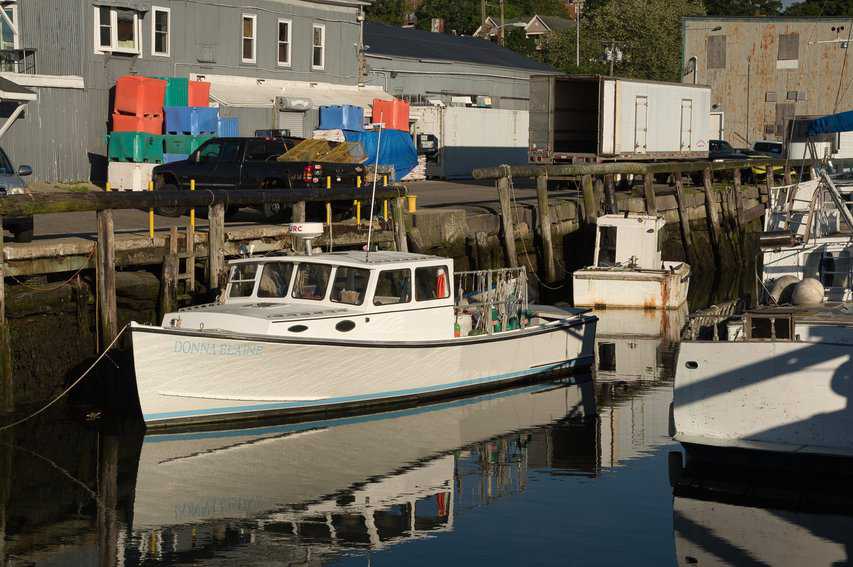
While tourism is a vital component of the local economy, Portland remains a "working waterfront." This term refers to the active commercial fishing, shipping, and ship-building activities that define the harbor. The lobster industry, in particular, is the lifeblood of the region. Maine produces approximately 90% of the United States’ lobster supply, with over 100 million pounds harvested annually.
Sustainability is the hallmark of the Maine lobster trade. Unlike industrial-scale fishing operations, Maine lobsters are hand-harvested from small dayboats. Strict regulations ensure the longevity of the species:
- Size Limits: Both undersized and oversized lobsters are returned to the water to protect the breeding population.
- V-Notching: If a fisherman catches a female lobster carrying eggs, they cut a small "V" into her tail flipper before releasing her. This mark alerts other fishermen that she is a proven breeder and must not be harvested, even when she is no longer carrying visible eggs.
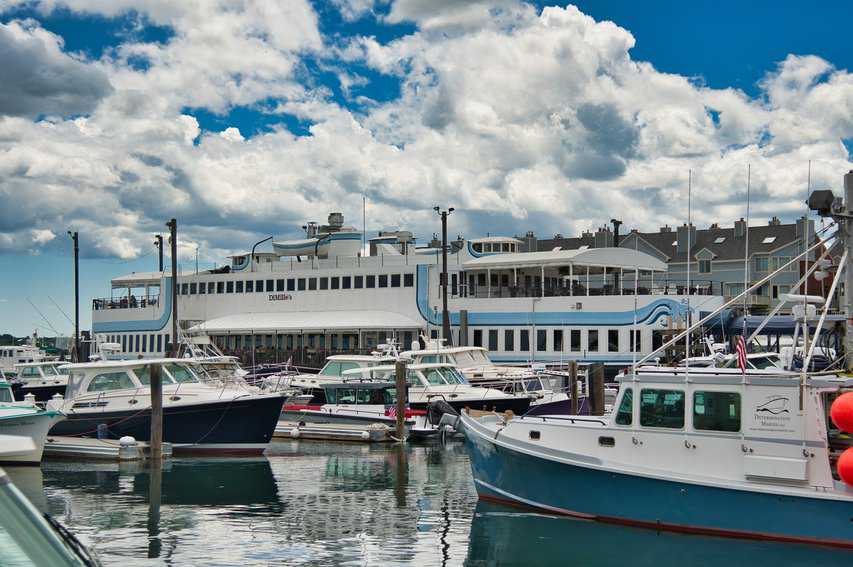
This commitment to sustainability has bolstered Portland’s reputation as a premier culinary destination. The city reportedly boasts more restaurants per capita than any other U.S. city except San Francisco. From landmark establishments like DiMillo’s—a former New York City ferry boat converted into a floating restaurant—to casual seafood markets on the waterfront, the "purist" approach to lobster remains the most popular: steamed whole and served with drawn butter and local corn on the cob.
The Evolution of the Craft Brew Movement
The city’s relationship with alcohol has shifted dramatically from the days of Neal Dow. Portland is now recognized as a leading hub for the American craft beer movement. The history of brewing in the city is intertwined with its immigrant roots, particularly the Irish community. While historical pubs like the Brian Boru Public House were casualties of the COVID-19 pandemic, the industry has continued to expand.
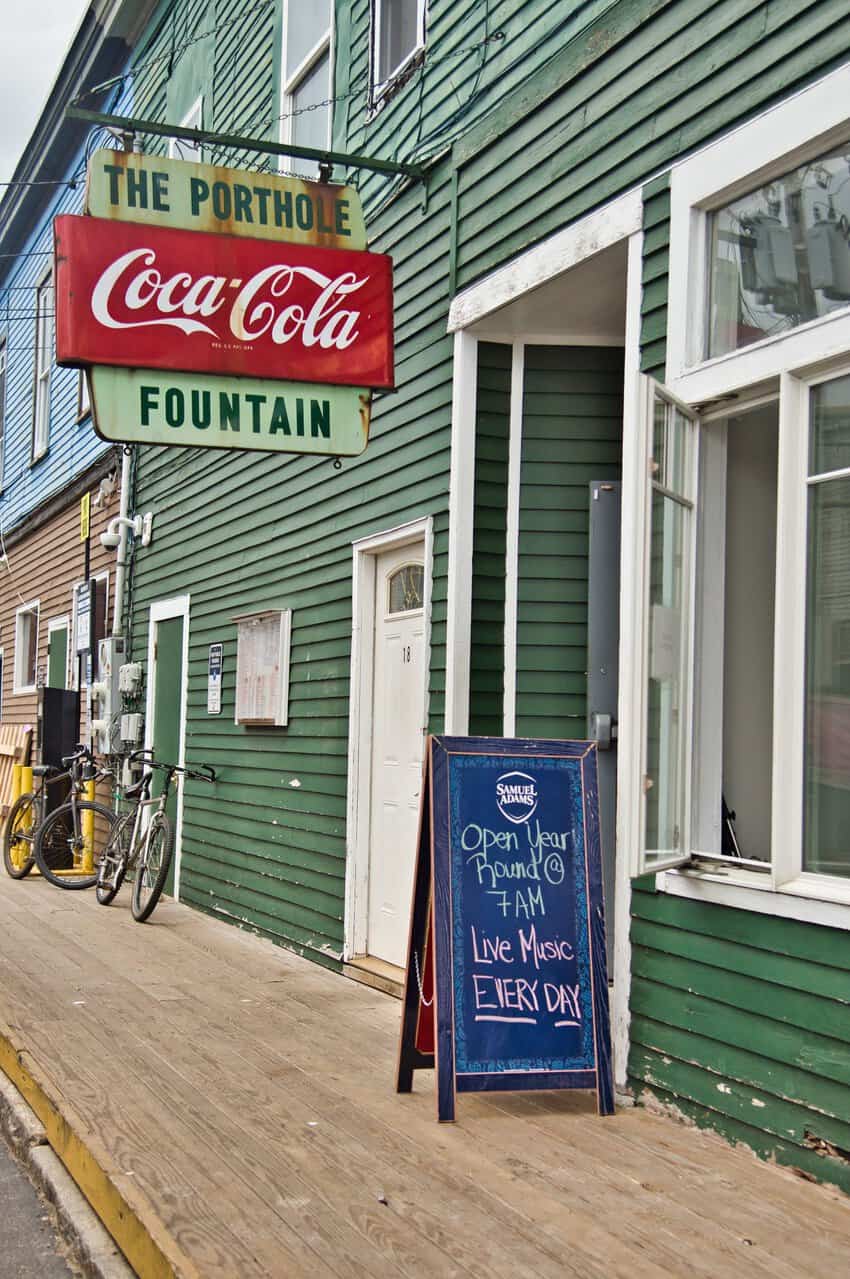
Currently, there are approximately 20 brewpubs operating within the city limits, many concentrated in the Old Port area. "Dewey’s" (formerly Three-Dollar Dewey’s) stands as the city’s original alehouse, offering 42 tap lines and maintaining a long-standing tradition of local craft beer excellence. On summer evenings, Fore Street often transforms into a vibrant social corridor, where the high concentration of bars and the red-brick pedestrian environment create an atmosphere reminiscent of New Orleans’ Bourbon Street, albeit with a distinctly New England character.
Neighborhood Dynamics and Urban Challenges
Portland’s geography is defined by its hills and promenades. Munjoy Hill, located at the city’s eastern end, was historically a working-class neighborhood that housed laborers involved in the molasses trade and shipbuilding. Today, it is an area of significant revitalization, home to specialty restaurants and the Portland Observatory. The Observatory, a historic maritime signal station, offers panoramic views of Casco Bay and the islands that dot the harbor.
The Eastern Promenade provides a scenic vista of "captains’ houses" and Fort Allen Park, which features a monument dedicated to the USS Portland. This area also serves as a reminder of the city’s industrial contributions during World War II, when "Liberty Ships" were constructed in South Portland by a workforce that included "Wendy the Welder"—the local counterpart to the national "Rosie the Riveter" icon.
However, like many growing urban centers, Portland faces modern social challenges. Portions of Congress Street have seen an increase in homelessness and substance abuse issues, prompting local authorities and community organizations to seek balance between tourism development and social services. Travelers are often advised to remain aware of these shifting neighborhood dynamics while exploring the city’s cultural corridor.
Broader Impact and Regional Significance
The success of Portland, Maine, serves as a blueprint for small-city revitalization. By leveraging its maritime heritage and historical architecture, the city has created a brand that attracts millions of visitors annually while maintaining a functional industrial port. The "You can’t get there from here" trope—a classic bit of Maine humor—belies the reality that Portland has become more accessible and internationally recognized than ever before.
The city’s ability to sustain its lobster industry through rigorous self-regulation provides a global model for environmental stewardship in the face of commercial demand. Furthermore, the transition from the "driest" city in America during the Prohibition era to a "craft beer capital" illustrates a significant cultural evolution that mirrors broader shifts in American social norms.
In conclusion, Portland offers a multifaceted experience that transcends its reputation for "tasty lobster." It is a city defined by the resilience of its people, the preservation of its red-brick history, and a forward-looking approach to arts and gastronomy. Whether visiting the iconic Portland Head Light or navigating the hidden speakeasies of the Old Port, visitors encounter a city that remains deeply connected to its past while actively shaping its future as a premier New England destination.