The Delicate Balance of Preservation and Progress Monemvasias Struggle with Sustainable Tourism

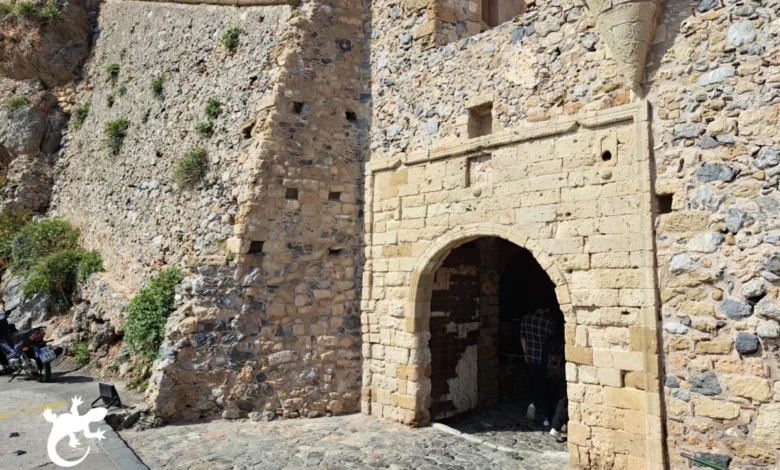
Monemvasia, a medieval fortress-city carved into the side of a monolithic rock in the southeastern Peloponnese, currently stands at a critical crossroads between historical preservation and the escalating pressures of modern global tourism. As Europe’s oldest continuously occupied castle town, Monemvasia has survived centuries of sieges, diplomatic transfers, and periods of neglect. However, the 21st century presents a new challenge: how to accommodate the economic benefits of a booming travel industry without eroding the very authenticity and structural integrity that make the "Gibraltar of the East" a unique cultural asset.
Rising 300 meters above the Aegean Sea and connected to the mainland by a narrow causeway, Monemvasia remains a snapshot of Byzantine, Venetian, and Ottoman history. While the town’s survival was once ensured by its impenetrable walls, its modern existence is maintained through a fragile compromise between archaeological rigor and commercial viability. The tension between these two forces is now intensifying as local authorities and stakeholders weigh the benefits of increased visitor capacity against the risks of "Disneyfication" and environmental degradation.
A Legacy of Resilience: The Historical Context of the Rock
Founded in the 6th century by inhabitants of ancient Laconia seeking refuge from Slavic and Avaric invasions, Monemvasia’s name is derived from the Greek words mone and emvasia, meaning "single entrance." This strategic geography allowed it to become a major maritime hub and a powerful Byzantine stronghold. Over the centuries, control of the rock shifted between the Byzantine Empire, the Papacy, the Knights Hospitaller, the Republic of Venice, and the Ottoman Empire.
Each ruling power left an indelible mark on the town’s architecture. The lower town, or Kastro, is a labyrinth of narrow cobblestone streets, Byzantine churches, and Venetian mansions. The upper town, located on the plateau of the rock, houses the ruins of the original fortress and the 12th-century Church of Hagia Sophia, one of the most important Byzantine monuments in Greece.

By the mid-20th century, however, Monemvasia was on the verge of becoming a ghost town. Depopulation and the lack of modern infrastructure meant that many of the medieval structures were crumbling. The survival of the site today is largely credited to a series of controversial yet necessary modernization efforts that began in the 1960s.
The Mid-Century Modernization: A Necessary Compromise
The transition of Monemvasia from a decaying ruin to a premier tourist destination was not accidental. In the 1960s, the Greek government and local archaeological services faced a dilemma: allow the town to deteriorate naturally or introduce modern utilities that would technically compromise the archaeological layers but allow for human habitation.
In 1964, a sewage system and running water were integrated into the lower town. This was followed by the introduction of electricity in the 1970s. These developments were the catalysts for a revitalization of the local economy. As modern conveniences became available, the aesthetic appeal of the town began to attract international attention.
During this period, many of the dilapidated stone houses were purchased and restored. Strict preservation laws were implemented to ensure that any renovation used historically accurate materials and techniques. This "gentrification" of the fortress saved the physical structures from collapse but also fundamentally altered the town’s social fabric. As property prices soared, original inhabitants found it increasingly difficult to maintain their homes, leading to a shift where the majority of the local population moved to Gefyra, the modern village on the mainland.
The Socio-Economic Shift: From Residents to Visitors
Today, the permanent population of the Monemvasia fortress is estimated at fewer than 20 individuals. The town has essentially become a "living museum" where the primary residents are hotel staff, boutique owners, and seasonal workers. This demographic shift is a common phenomenon in heritage sites worldwide, but it poses a significant threat to the "living" aspect of the castle town.

While the movement of locals to Gefyra has allowed for the preservation of the fortress’s medieval aesthetic, it has also created a seasonal economy that is heavily dependent on high-end tourism. The lower town is now filled with luxury guesthouses, tavernas, and souvenir shops. While this has brought significant wealth to the region, the reliance on tourism creates a vulnerability to global economic fluctuations and seasonal lulls.
Data from the Hellenic Statistical Authority indicates that the Peloponnese region has seen a steady increase in international arrivals over the last decade, with a significant portion of those visitors listing Monemvasia as a primary destination. However, the infrastructure of a medieval rock is inherently limited. The narrow causeway and the lack of parking in Gefyra are already reaching their "carrying capacity" during peak summer months.
Modern Development and the Threat of "Disneyfication"
The most pressing concern for preservationists today is a series of proposed developments intended to increase visitor numbers. While some projects, such as the newly inaugurated Agios Nikolaos Museum, have been praised for enhancing the educational value of the site, other proposals have met with stiff resistance.
One of the most contentious projects is the proposed installation of a cable car or "ski lift" to transport tourists from the lower town to the upper fortifications. Proponents argue that it would make the upper town accessible to elderly visitors and those with mobility issues, potentially increasing revenue from the site. Critics, however, argue that such a modern structure would permanently mar the silhouette of the rock and destroy the sense of historical immersion that makes Monemvasia unique.
Similarly, plans for elaborate night-time decorative lighting have been criticized as a step toward turning a historical landmark into a theme park. The term "Disneyfication" is frequently used by local heritage advocates to describe the process of stripping a site of its authentic, often rugged, character in favor of a polished, consumer-friendly experience.

The Cruise Ship Dilemma and Environmental Impact
The potential for Monemvasia to become a regular port of call for cruise ships is another flashpoint in the debate over sustainable tourism. While cruise tourism brings a high volume of visitors in a short period, it often results in "overtourism" without providing a proportional economic benefit to the local community, as most passengers return to their ships for meals and accommodation.
The environmental impact of mass tourism on the rock is also a growing concern. The Aegean waters surrounding Monemvasia are known for their clarity, but increased maritime traffic and the waste generated by thousands of daily visitors threaten the local marine ecosystem. Furthermore, the physical wear and tear on the ancient cobblestone streets—originally designed for foot traffic and pack animals—is accelerating under the weight of hundreds of thousands of tourists annually.
Official Responses and the Path Forward
The Greek Ministry of Culture and Sports, along with the Municipality of Monemvasia, has emphasized that any future development must adhere to the principles of sustainable tourism. In official statements, representatives have noted that Monemvasia’s inclusion on the UNESCO World Heritage tentative list necessitates a high level of oversight.
"The goal is not to stop development, but to ensure that development serves the monument," a spokesperson for the local archaeological service noted in a recent planning meeting. This includes prioritizing the restoration of the upper town’s fortifications and improving the pedestrian experience in Gefyra to reduce congestion on the causeway.
To achieve a sustainable balance, experts suggest several key strategies:

- Visitor Management: Implementing a reservation system or daily caps on visitor numbers to prevent overcrowding during peak hours.
- Diversification: Encouraging tourism in the "shoulder seasons" (spring and autumn) to provide a more stable, year-round income for the local population.
- Infrastructure Investment: Improving the facilities in Gefyra to ensure that the mainland town can support the influx of visitors without putting undue pressure on the fortress itself.
- Educational Tourism: Shifting the focus from purely aesthetic tourism to educational and cultural experiences that highlight the complex history of the site.
Broader Implications for Global Heritage Sites
The struggle facing Monemvasia is a microcosm of a global challenge. From the canals of Venice to the citadel of Machu Picchu, the world’s most iconic heritage sites are grappling with their own popularity. The paradox of tourism is that the very act of visiting a place to appreciate its beauty can contribute to its destruction.
For Monemvasia, the solution lies in a model of "slow tourism" that values quality over quantity. By maintaining strict architectural controls and resisting the urge to install intrusive modern amenities, Monemvasia can remain a rare example of a functional medieval town. The challenge for the next decade will be to resist the lure of short-term financial gains from mass tourism in favor of long-term stewardship.
As Greece continues to break records for tourist arrivals—surpassing 32 million visitors in recent years—the pressure on sites like Monemvasia will only grow. The success of the town’s management strategy will serve as a bellwether for other historical sites in the Mediterranean. If Monemvasia can successfully navigate the demands of the 21st century without losing its 6th-century soul, it will provide a blueprint for the future of heritage preservation in an age of global mobility.