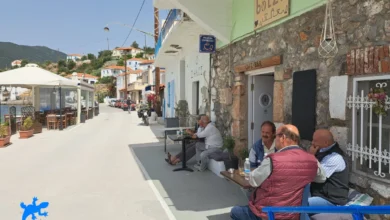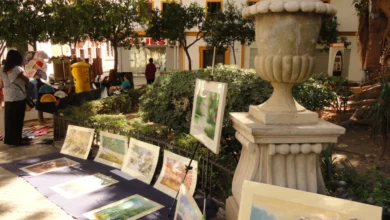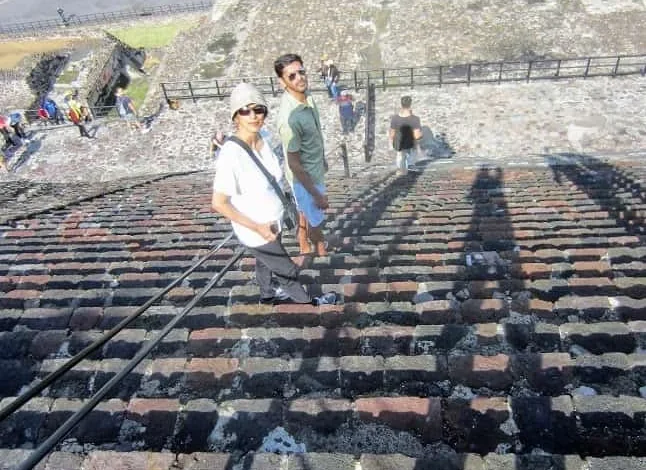
The global tourism landscape in 2026 is undergoing a profound transformation as travelers increasingly abandon the high-velocity, multi-city itineraries that defined the previous decade. This shift, colloquially known as "slow travel," represents a deliberate move toward depth over breadth, prioritizing cultural immersion and personal well-being over the traditional "bucket list" approach to exploration. As international transit hubs face unprecedented congestion and travel costs fluctuate, the appeal of settling into a single location for an extended period has transitioned from a niche preference to a dominant market trend.
The Shift Toward Intentional Tourism
In the post-pandemic era, the travel industry has seen a gradual rejection of "performative tourism"—the practice of visiting numerous landmarks in a short window primarily for social media documentation. Industry analysts observe that by 2026, the psychological toll of hyper-mobility has reached a breaking point. Travelers are now reporting "destination fatigue," a condition exacerbated by the logistical complexities of modern air travel and the homogenization of tourist-heavy urban centers.
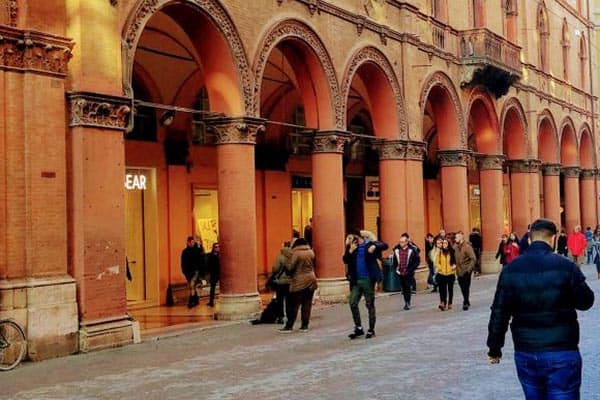
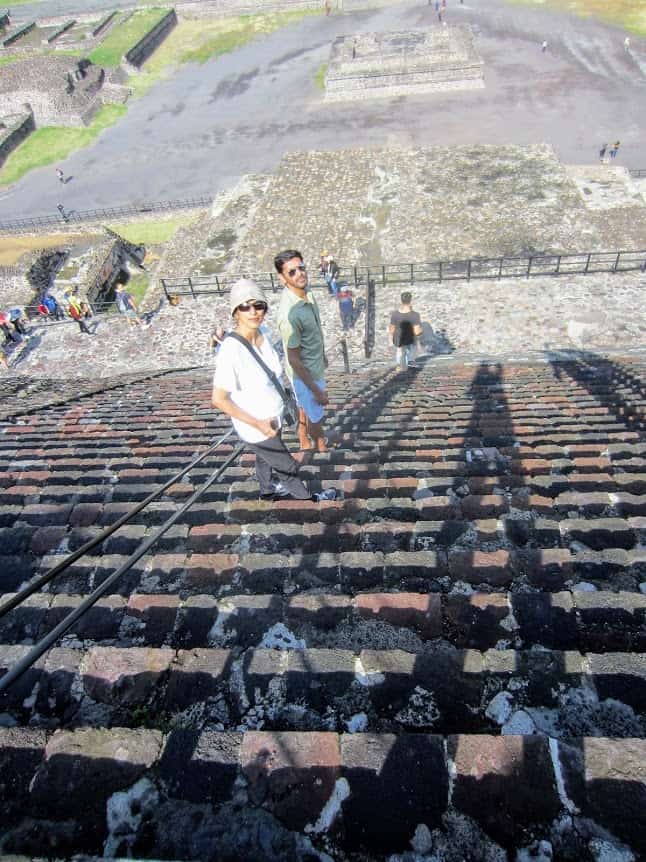
Instead of the traditional five-city-in-seven-days model, the 2026 traveler is more likely to select a single hub, such as Bologna, Italy, or Oaxaca, Mexico, and remain there for the duration of their journey. This approach allows for the development of a "temporary residency" mindset. By frequenting the same neighborhood establishments—the local café, the corner bakery, or the central market—visitors are moving beyond the role of passive observers and becoming active, albeit temporary, participants in the local community.
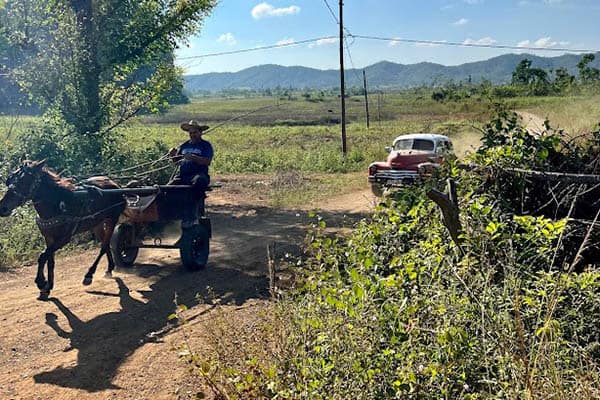
A Chronology of the Slow Travel Evolution
The transition to slow travel did not occur overnight but is the result of a decade of shifting socio-economic factors:
- 2015–2019: The Peak of "Fast Travel." Driven by low-cost carriers and the "Instagram effect," global tourism focused on high-volume, short-duration trips to iconic landmarks.
- 2020–2022: The Great Reflection. Global lockdowns forced a total cessation of movement, leading many to reassess the value of travel. The concept of "meaningful travel" began to take root during the initial recovery phases.
- 2023–2024: The Rise of Remote Work. The normalization of the "digital nomad" lifestyle allowed professionals to merge work and travel, necessitating longer stays and a slower daily rhythm.
- 2025–2026: The Maturity of the Movement. Slow travel becomes a recognized economic sector. Cities begin to tailor their infrastructure toward long-term visitors rather than day-trippers to combat overtourism.
Economic Drivers and the "Second City" Strategy
The economic realities of 2026 are significant drivers of the slow travel movement. Rapid fluctuations in fuel prices and the implementation of "tourist taxes" in major capitals like Rome, Paris, and Amsterdam have made constant movement prohibitively expensive. Logistics, including luggage fees and regional transit, often consume up to 40% of a traditional travel budget.
By contrast, staying in one location significantly reduces per-diem costs. Long-term rentals, often found in residential neighborhoods rather than tourist districts, offer better value and kitchen facilities that reduce the need for expensive restaurant dining. This economic shift has popularized "second cities"—destinations that offer rich cultural experiences without the premium price tag of a national capital.
For example, travelers are increasingly choosing Porto over Lisbon, or Ghent over Brussels. These cities provide a more manageable scale for walking and local exploration. In Porto, the proximity of residential markets like Mercado do Bolhão allows visitors to integrate into the city’s daily food cycles, fostering a sense of familiarity that is impossible to achieve in a 24-hour visit.
Supporting Data: The Impact of Duration on Satisfaction
Recent surveys from global travel platforms indicate a strong correlation between the length of stay and the perceived quality of a trip. Data from 2025 suggests that travelers who stayed in one location for more than six days reported a 30% higher satisfaction rate regarding "cultural connection" compared to those on multi-stop tours.
Furthermore, the environmental impact of slow travel is a growing concern for the modern traveler. A single long-stay trip generates a significantly lower carbon footprint than a journey involving multiple short-haul flights or high-speed rail segments. In 2026, "environmental responsibility" is cited by 22% of travelers as a primary reason for choosing a slower itinerary.
Technological Integration and Flexible Planning
The digital tools used to plan travel have also evolved to support this trend. Modern platforms now prioritize flexibility and personal rhythm over rigid scheduling. There is a growing market for "choice architecture" in travel apps, where users can find tools that emphasize control and minimize the pressure of "must-see" lists.
Interestingly, this desire for controlled, low-pressure experiences mirrors trends in other digital sectors. Whether using travel planning tools or engaging with online entertainment platforms, today’s users are looking for environments where they can set their own pace. This shift away from "noisy," high-pressure interfaces reflects a broader cultural desire for autonomy. In the context of travel, this means leaving gaps in the itinerary for "accidental" discoveries—a quiet courtyard café in Tbilisi or an impromptu walk through Valencia’s Turia Gardens.
Industry Responses and Infrastructure Adjustments
Tourism boards and local governments are responding to the slow travel trend by adjusting their marketing and infrastructure. Many European university towns, such as Coimbra in Portugal, have begun promoting "slow zones"—walkable districts where public spaces are designed for lingering rather than through-traffic.
Official statements from various tourism ministries suggest a growing preference for "quality over quantity." A spokesperson for the Portuguese Tourism Board recently noted, "Our goal is no longer just to increase the number of arrivals, but to increase the length of stay. A visitor who stays for a week contributes more to the local economy and places less strain on our transport infrastructure than seven visitors who stay for one day."
Implications for the Future of Global Tourism
The rise of slow travel in 2026 has several long-term implications for the global tourism industry:
- Alleviation of Overtourism: By dispersing travelers into "second cities" and encouraging longer stays, the pressure on iconic landmarks is reduced, preserving them for future generations.
- Cultural Preservation: Longer stays encourage deeper engagement with local traditions and languages, helping to sustain local crafts and businesses that might otherwise be displaced by souvenir shops.
- Mental Health and Wellness: Travel is increasingly being viewed as a form of "restorative practice" rather than an exhausting pursuit of status. This shift aligns with global wellness trends emphasizing mindfulness and presence.
- Reshaping Accommodation: The hospitality industry is seeing a surge in demand for "aparthotels" and rentals that offer domestic amenities, as the line between "traveler" and "resident" continues to blur.
Conclusion: The Rebellious Act of Patience
In an era of hyper-efficiency and instant gratification, choosing to go slow is becoming a form of modern rebellion. The "Grandma-core" aesthetic—a return to old-fashioned values like patience, observation, and conversation—has found a new home in the travel world, albeit supported by 2026’s high-speed connectivity.
The true joy of slow travel lies in the realization that a trip is not a performance review or a checklist to be completed. It is, as many 2026 travelers have discovered, a life one gets to borrow for a short while. By choosing fewer places, travelers are finding that they actually see more. They notice the rhythm of the fishmongers, the habits of the neighborhood dogs, and the subtle shifts in the city’s light. In the end, the best journeys of 2026 are not measured in miles covered, but in the depth of the roots planted, however temporarily.