Best Toddler Headphones for Plane Travel: A Comprehensive Guide to Enhancing Safety and Comfort for Young Flyers

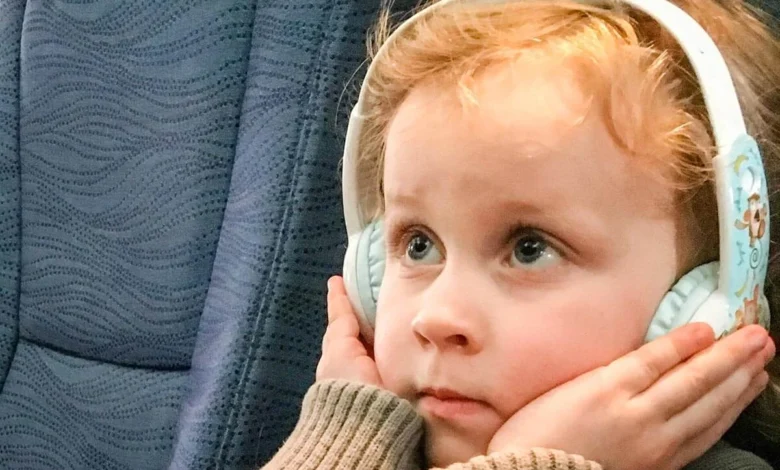
The logistics of air travel with young children have undergone a significant transformation over the last decade, shifting from basic survival strategies to a sophisticated reliance on specialized child-safe technology. As airlines continue to modernize their fleets and in-flight entertainment systems, the demand for peripheral equipment tailored specifically for toddlers has surged. Central to this technological kit is the toddler-specific headphone, a device engineered to balance the necessity of auditory entertainment with the critical requirement of pediatric hearing protection. Modern parents and travel experts now identify a high-quality pair of volume-limited headphones as a primary essential for maintaining order and comfort during long-haul flights.
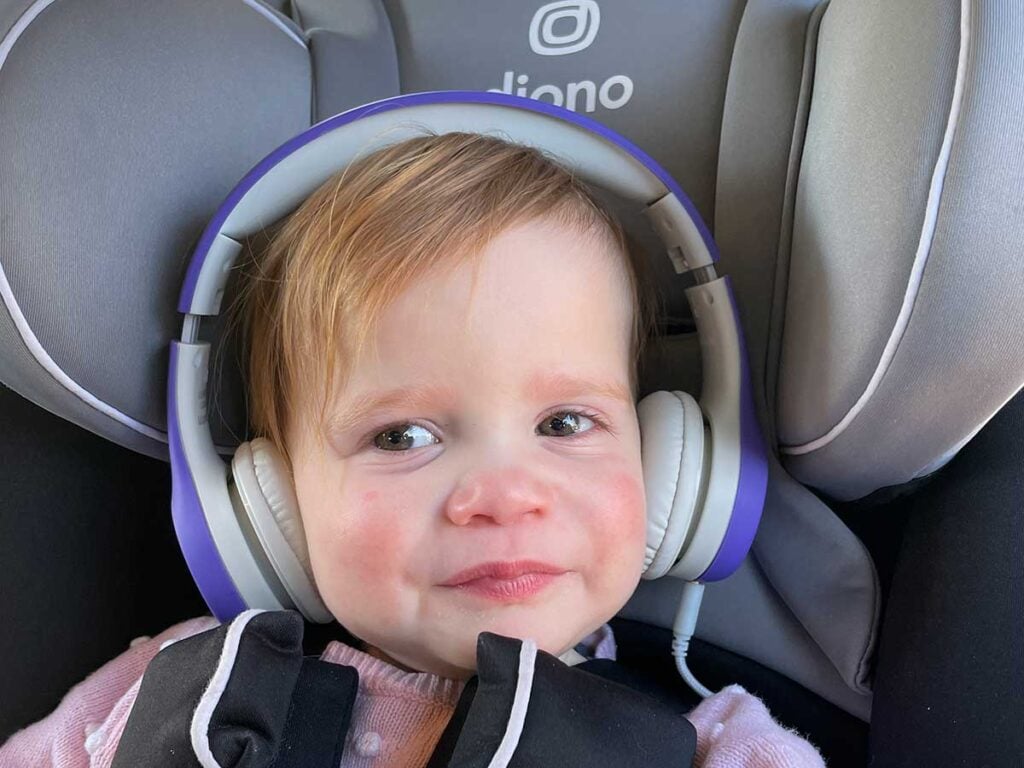
The Critical Importance of Pediatric Hearing Safety
The primary driver behind the development of toddler-specific audio gear is the prevention of noise-induced hearing loss (NIHL). According to data from Johns Hopkins Medicine, NIHL in children is often the result of prolonged exposure to high-decibel sounds emitted from personal electronic devices, including tablets and laptops. Unlike adult ears, the auditory systems of toddlers are highly sensitive and still developing, making them more susceptible to permanent damage from sound levels that an adult might find tolerable.

Standard adult headphones can often reach volumes exceeding 100 decibels (dB). In the context of an airplane cabin, where ambient engine noise typically fluctuates between 80 and 85 dB, there is a natural tendency for users to increase the volume of their devices to overcome the background drone. For a toddler, this "volume war" can lead to dangerous levels of sound exposure. Consequently, the American Speech-Language-Hearing Association (ASHA) and the World Health Organization (WHO) recommend that audio devices for children be strictly limited to a maximum output of 85 dB, with some experts advocating for a lower limit of 75 dB for younger children or extended listening sessions.
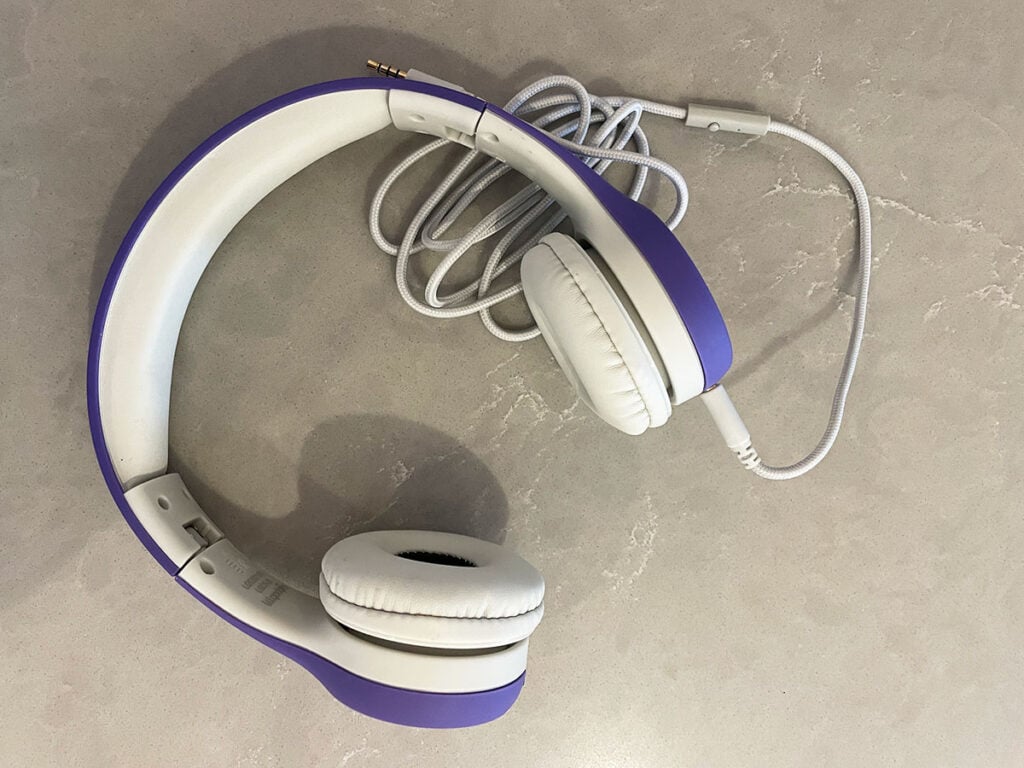
Technical Analysis of Market-Leading Toddler Headphones
The current market for toddler headphones is segmented into three primary categories: wireless Bluetooth models, traditional wired units, and specialized form factors such as headband-style speakers. Each category addresses specific logistical challenges encountered during air travel.
High-Performance Wireless and Bluetooth Options
Wireless technology has become the preferred choice for many traveling families due to the elimination of physical cords, which can pose a tangling hazard or be easily damaged by active toddlers.
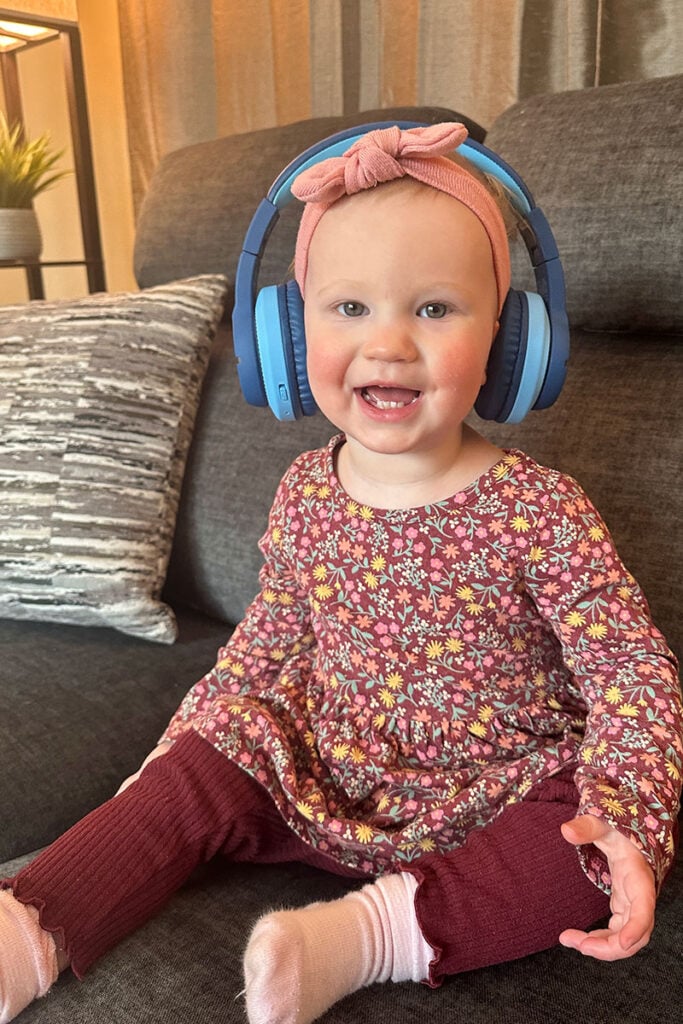
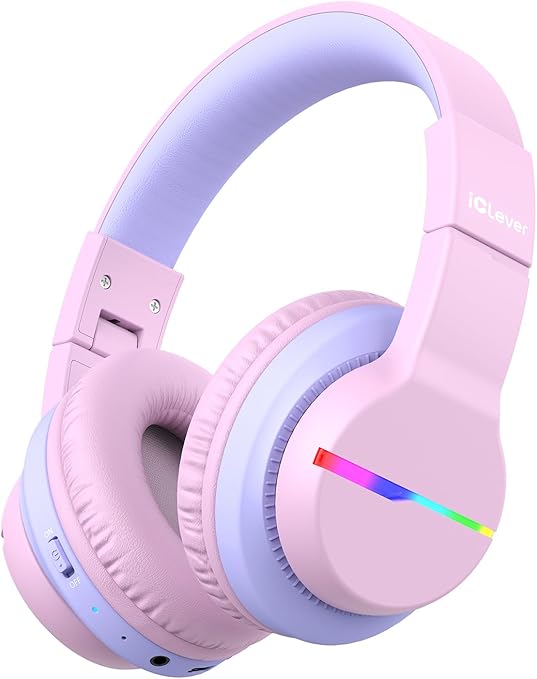
The iClever BTH12 stands out as a top-tier wireless option, offering a dual-volume limit of 74 dB and 85 dB. This allow parents to adjust the safety threshold based on the environment—using the 74 dB setting for quiet waiting areas and the 85 dB setting to compensate for engine noise during flight. These units are characterized by long battery life and the inclusion of a backup audio cable, ensuring that the headphones remain functional even if the battery is depleted mid-flight.

Similarly, the Mokata Kids Bluetooth Headphones provide a budget-friendly wireless solution. These units emphasize ease of pairing and portability, featuring a foldable design that fits into standard toddler carry-on bags. Like the iClever models, they offer selectable listening modes to ensure the audio does not reach hazardous levels.
Specialized Form Factors: The Headband Revolution
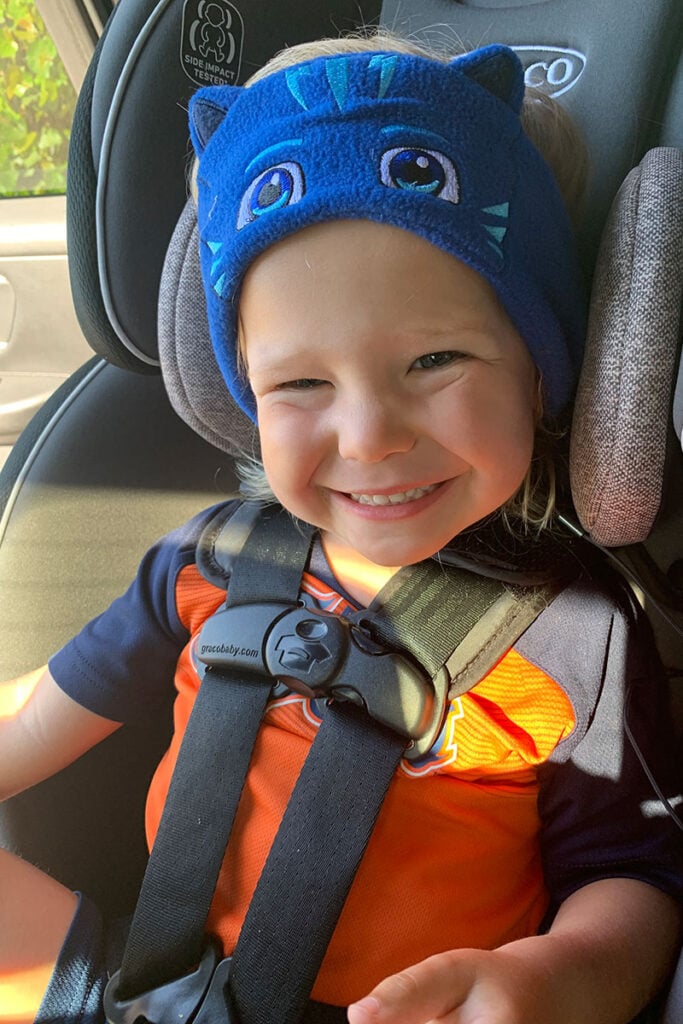
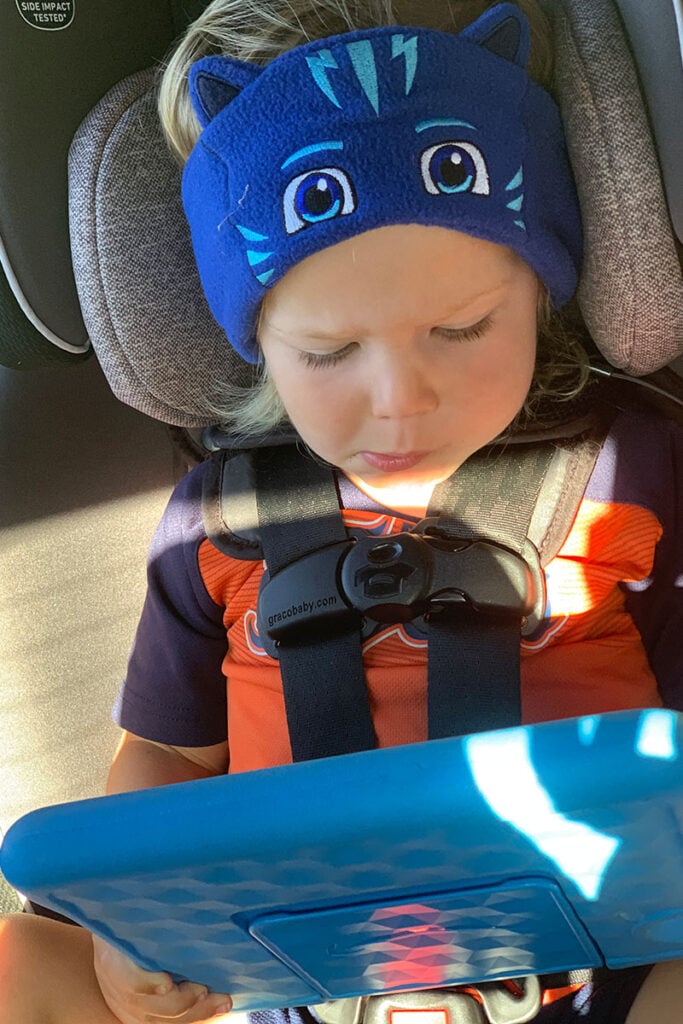
For toddlers who find traditional over-ear cups bulky or uncomfortable, the headband-style headphone has emerged as a significant innovation. CozyPhones, a leader in this niche, utilizes ultra-thin speakers tucked inside a soft, washable fleece headband. This design is particularly effective for toddlers who may want to sleep during the flight, as the flat speakers do not press uncomfortably against the ear when the child rests their head against a travel pillow or seat back. Furthermore, the 90 dB limit on these units is designed to be safe while remaining audible over the ambient noise of a pressurized cabin.
Premium and Safety-First Engineering
The Puro BT2200-Plus is frequently cited by audiologists as a premium choice for pediatric hearing protection. These headphones are engineered with a focus on sound quality that does not require high volume to achieve clarity. By maintaining a strict 85 dB cap and utilizing high-quality materials for noise isolation, Puro reduces the "leakage" of ambient noise into the ear, allowing the child to hear their movie or music clearly at lower, safer volumes.

Supporting Data: Ambient Noise and Decibel Management
To understand the necessity of these devices, one must examine the acoustic environment of a commercial aircraft. During takeoff, decibel levels can reach 105 dB, settling into a constant roar of 80-85 dB during cruise. If a child uses headphones without volume-limiting technology, they are likely to push the volume to 90-95 dB just to hear the dialogue of a film.

Data suggests that exposure to 90 dB for more than two hours can begin to cause ear fatigue and potential damage in young children. Volume-limited headphones solve this by providing a "hard ceiling." Additionally, noise-isolating designs—those that physically block the ear canal or cover the outer ear with padding—can reduce the perceived ambient noise by 10-20 dB, effectively making the 85 dB limit feel much louder and clearer to the user without increasing the actual sound pressure on the eardrum.

Strategic Preparation: A Timeline for Success
The introduction of headphones to a toddler should be a structured process rather than a last-minute addition at the airport. Travel experts suggest the following chronology for integrating audio gear into a travel routine:
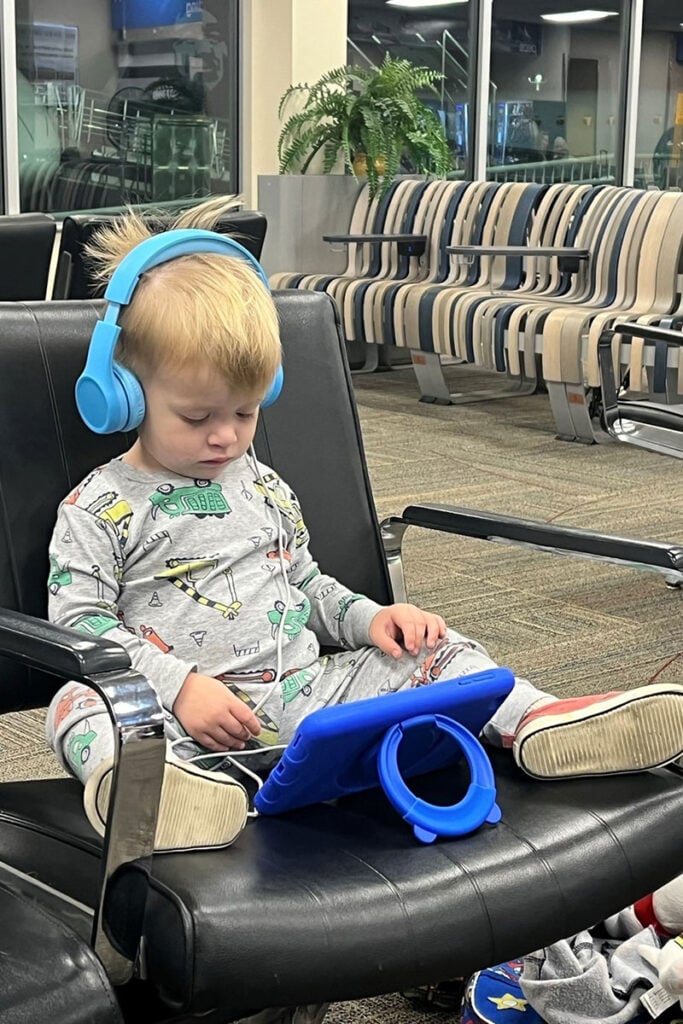
- The Selection Phase (2-3 Weeks Before Departure): Involve the toddler in the selection process. Choosing a device in a favorite color or featuring a specific animal design (such as the Kidrox Tiger-Ear) increases the child’s "buy-in" and willingness to wear the device.
- The Home Integration Phase (1-2 Weeks Before Departure): Introduce the headphones in a familiar, low-stress environment. Allowing the child to wear them for 15-minute intervals while watching a favorite show helps them acclimate to the sensation of over-ear padding or a headband.
- The Mimicry Phase (Ongoing): Toddlers are developmentally inclined to imitate adult behavior. Parents are encouraged to wear their own headphones around the house to demonstrate that using the device is a standard part of the "traveler" persona.
- The Deployment Phase (Flight Day): Utilize the headphones as part of a broader "activity rotation." To prevent "headphone fatigue," parents should intersperse audio entertainment with screen-free activities such as coloring books or stickers.
Broader Impact and Industry Implications
The rise of the "connected toddler" has forced the travel industry to reconsider cabin ergonomics and entertainment offerings. Many airlines have begun to phase out the low-quality, one-size-fits-all earbuds previously provided to passengers, recognizing that they are unsuitable for children. This has led to an increase in "BYOD" (Bring Your Own Device) policies where seat-back screens are being replaced or supplemented by high-speed Wi-Fi that streams directly to personal, child-safe hardware.
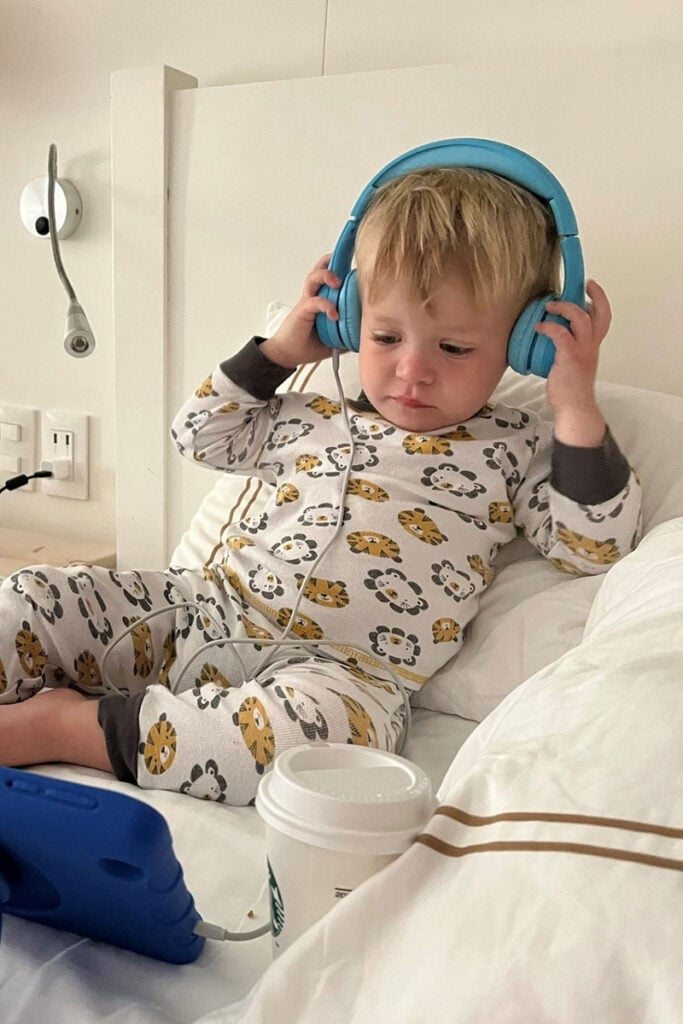
Furthermore, the "Share Port" feature found in models like the Snug Play+ and the iClever 2-packs has solved a significant logistical hurdle for families with multiple children. By allowing two sets of headphones to daisy-chain into a single device, airlines and parents can manage limited tray table space more effectively, reducing the need for multiple tablets and the subsequent clutter of charging cables.

Conclusion and Expert Recommendations
While the variety of toddler headphones on the market is vast, the consensus among pediatric experts and seasoned travelers is clear: safety and comfort are non-negotiable. The transition from wired to wireless continues to gain momentum, providing greater freedom of movement in the cramped confines of an economy-class seat. However, the backup of a physical cable remains a vital failsafe for long-haul travel.

Ultimately, the goal of utilizing high-quality toddler headphones is to create a controlled sensory environment. By mitigating the stress of loud engine noise and providing a familiar auditory outlet, these devices do more than just entertain; they serve as a psychological anchor that helps a young child navigate the complexities of air travel. As technology continues to evolve, the integration of active noise canceling (ANC) into more affordable toddler models is expected to be the next major milestone in pediatric travel safety. For now, parents who invest in reputable, volume-limited brands are taking a scientifically backed step toward ensuring their child’s long-term hearing health while facilitating a more peaceful journey for all passengers on board.