Les Grands Buffets Redefining Luxury Gastronomy through the Legacy of Traditional French Cuisine

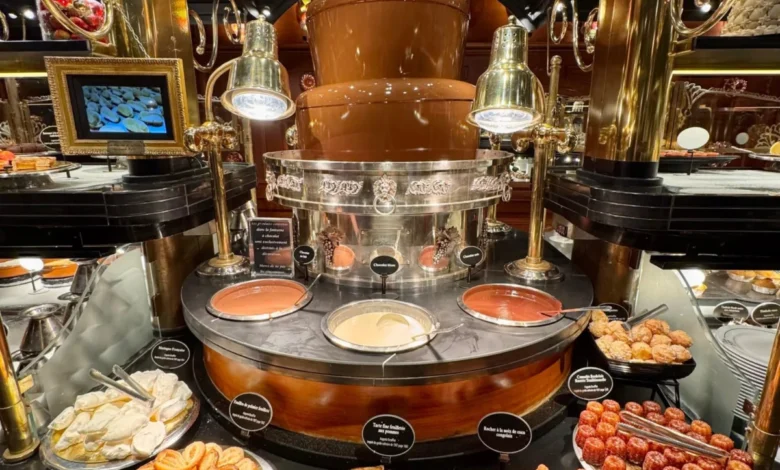
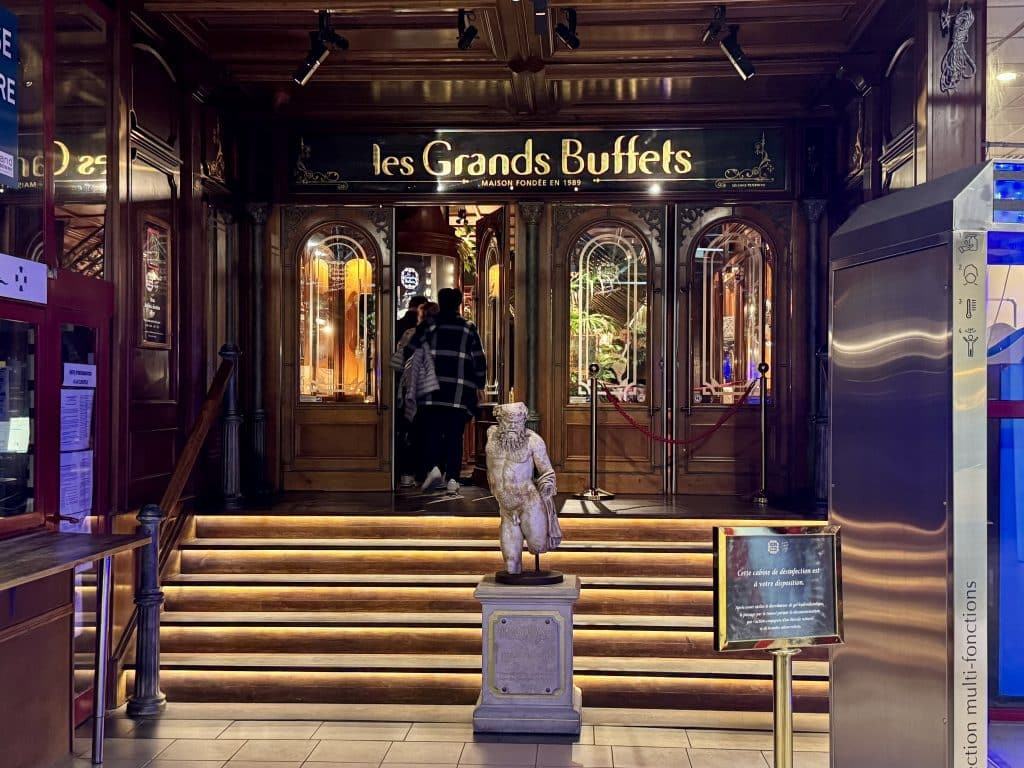
The culinary landscape of Southern France is home to a unique gastronomic phenomenon that challenges the traditional boundaries between high-end dining and high-volume service. Les Grands Buffets, located in the city of Narbonne, has evolved from its 1989 origins as a local dining hall into a global destination for food enthusiasts, offering an all-you-can-eat experience centered on the most prestigious elements of French heritage cooking. By 2026, the establishment has solidified its reputation as one of the most famous restaurants in France, welcoming approximately 400,000 guests annually and serving as a vital economic engine for the Languedoc-Roussillon region.
The Vision of Louis Privat and the Escoffier Legacy
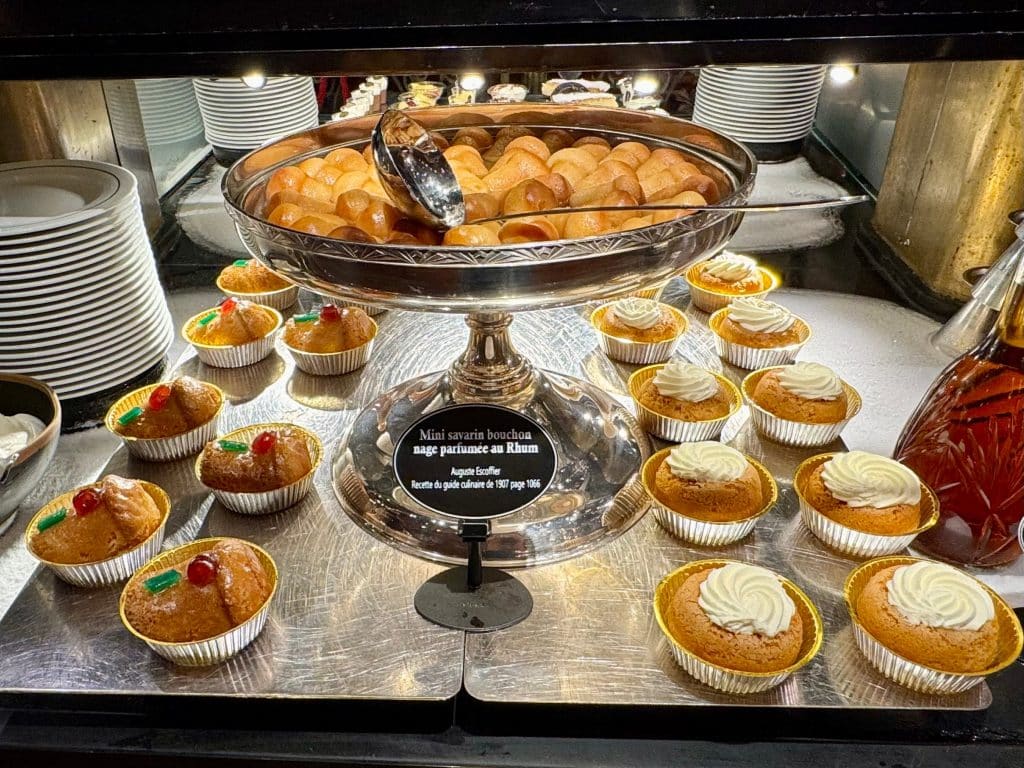
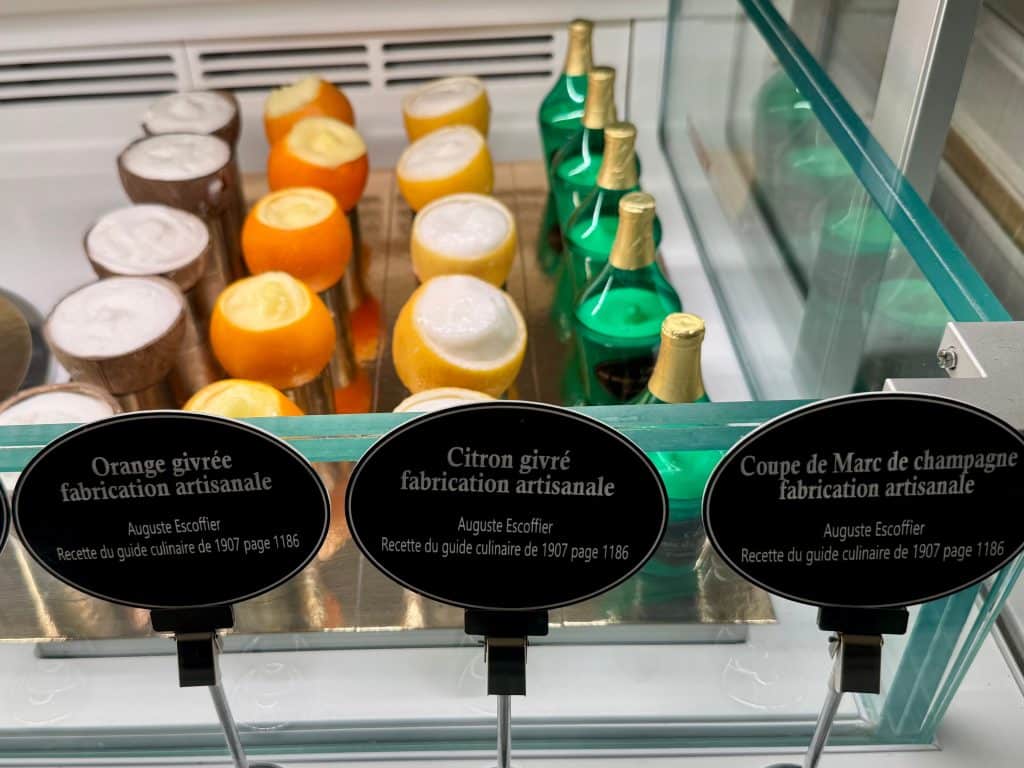
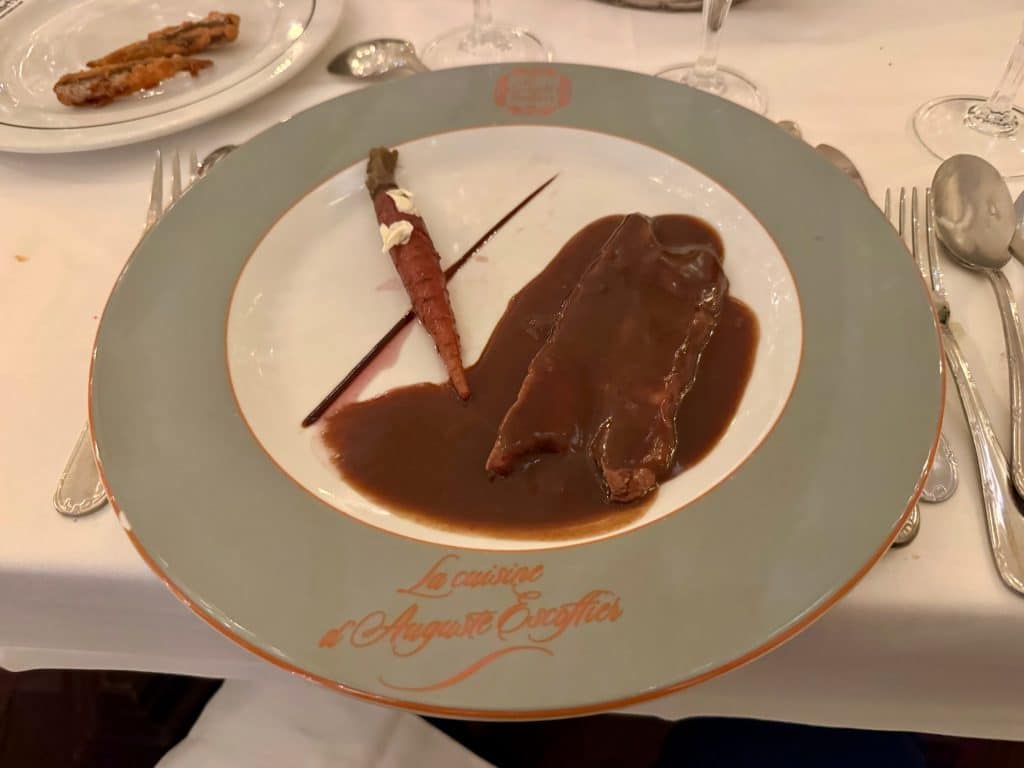
The history of Les Grands Buffets is rooted in a desire to preserve the vanishing traditions of French bistro and bourgeois cuisine. Founded by restaurateur and Narbonne native Louis Privat, alongside his wife Jane Privat, the restaurant was initially intended to serve as a cafeteria for the Espace Liberté, a local sports complex housing a skating rink and swimming pool. However, Privat’s ambition was to create a "temple" for the culinary philosophy of Chef Auguste Escoffier.
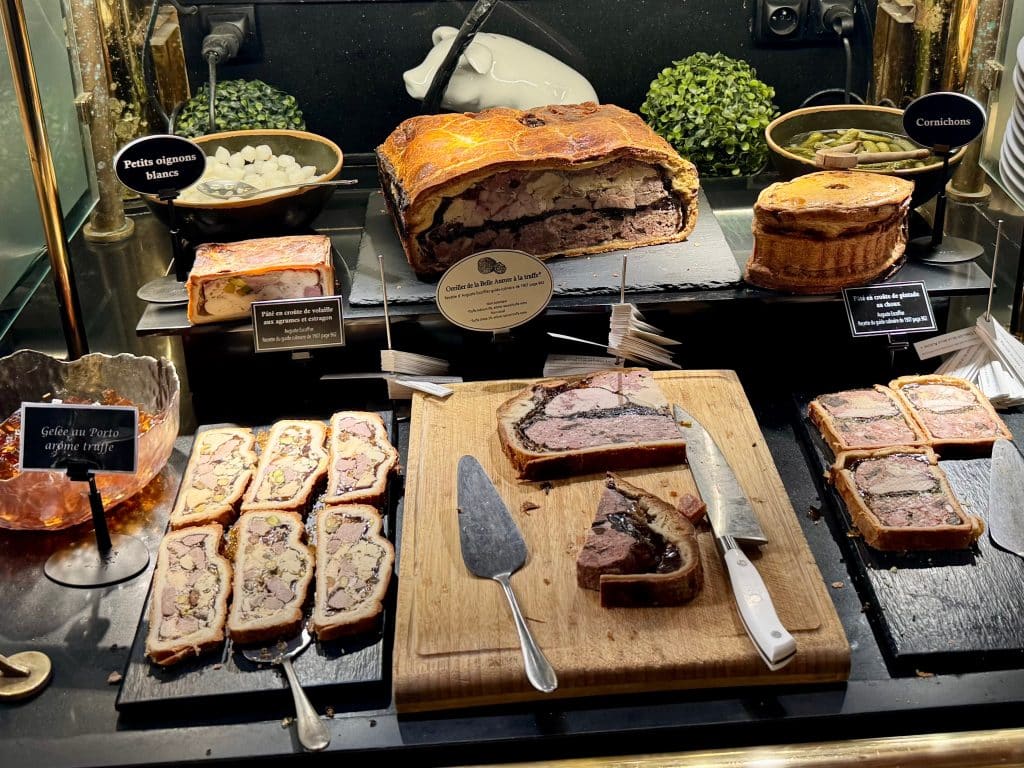
Escoffier, often referred to as the "king of chefs and the chef of kings," revolutionized French cuisine at the turn of the 20th century. His 1903 seminal work, Le Guide Culinaire, modernized the heavy, ornate style of the 19th century and introduced the "brigade de cuisine" system, which remains the standard for professional kitchens worldwide. Privat observed that many of the dishes Escoffier popularized—such as frog legs, tripe, and snails—were disappearing from modern menus due to their labor-intensive preparation. Les Grands Buffets was conceived as a means to democratize these luxury items, offering them at a flat rate that makes high-tier French gastronomy accessible to a broader demographic.
Culinary Architecture: A Multi-Station Experience
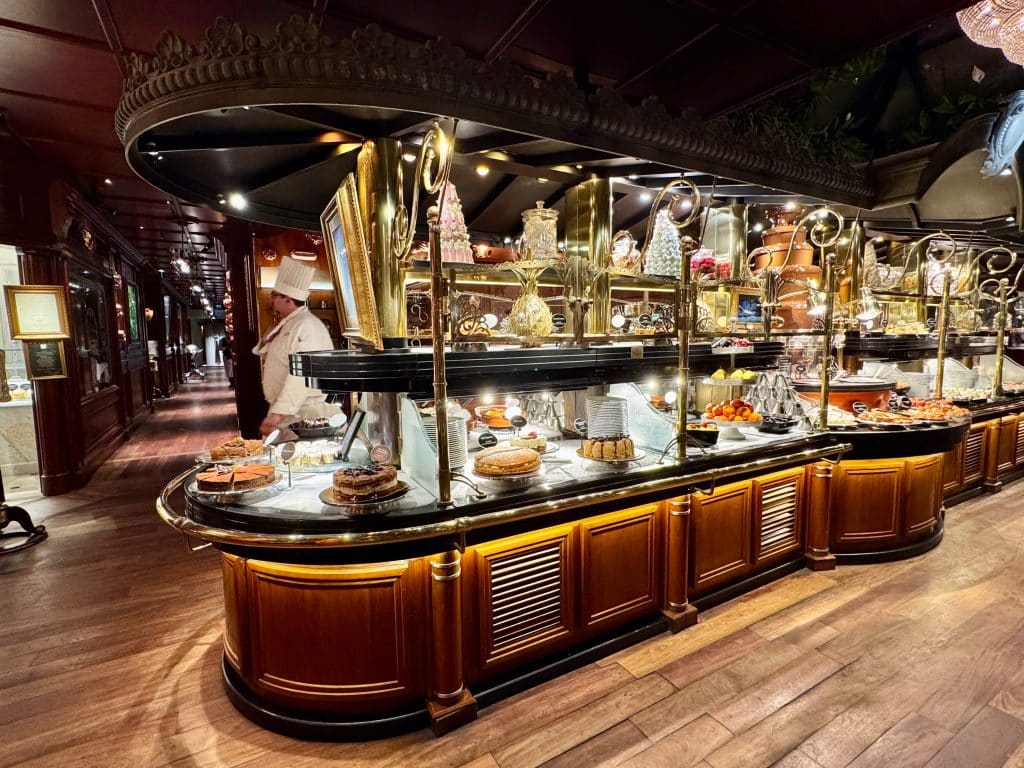
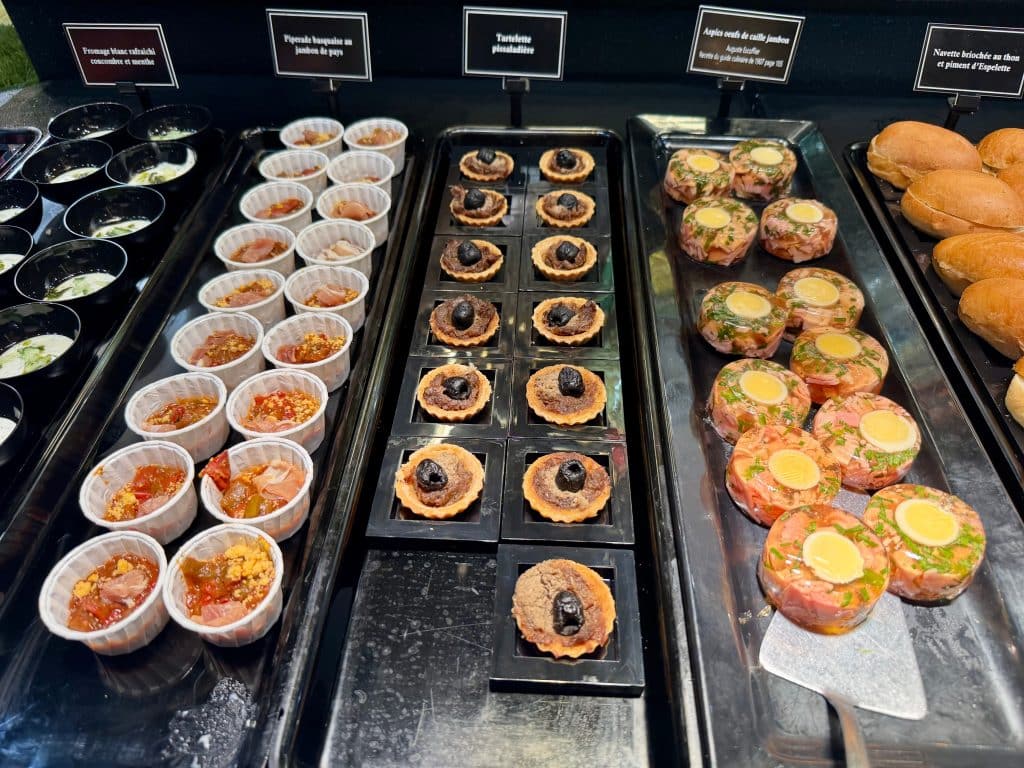
The operational core of Les Grands Buffets is divided into several specialized stations, each dedicated to a specific facet of French culinary arts. The 2026 pricing model, set at €65.90 per person, includes access to all food stations, while beverages are priced separately at rates comparable to direct winery sales.
The Seafood and Foie Gras Pavilions
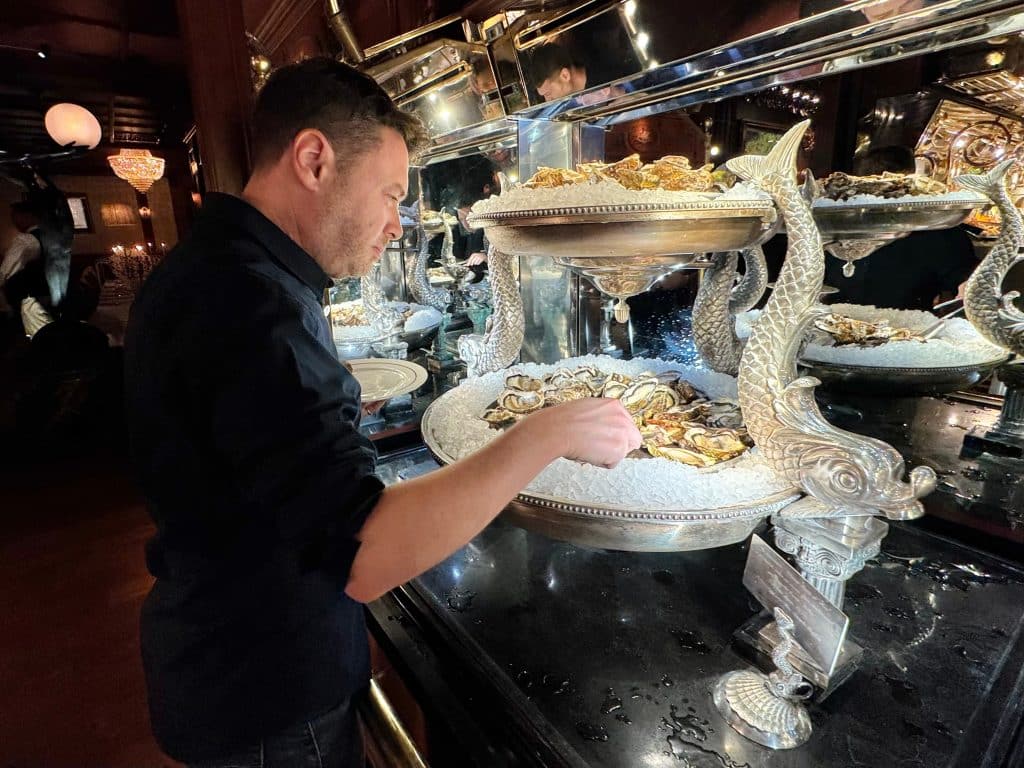
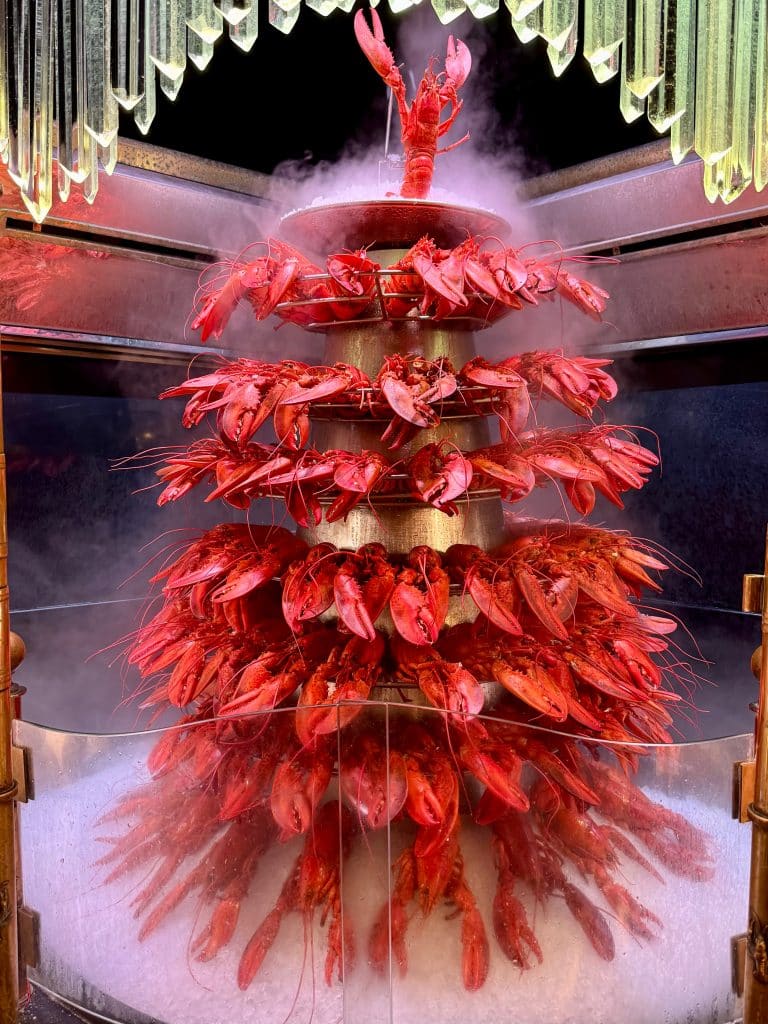
The seafood section is anchored by a massive "lobster tower," which serves as the restaurant’s most photographed feature. Patrons have access to unlimited quantities of Atlantic lobster, snow crab legs, and Étang de Thau oysters. This is supplemented by a range of preserved and smoked fish, including herring, mackerel, and anchovies.
Parallel to the seafood is the foie gras station, which offers an unprecedented variety of this French delicacy. The selection includes foie gras prepared with Armagnac, truffle-infused varieties, and the "foie brûlée," a signature preparation that combines the richness of duck liver with a caramelized sugar crust, mimicking the texture of a traditional crème brûlée.
The Rotisserie and Historical Entrées
At the center of the dining room is the rotisserie, where chefs prepare specialized dishes to order. This section features historical recipes such as Hare à la Royale, sweetbreads vol-au-vent, and coquilles St. Jacques. One of the most significant offerings is the canard au sang, or pressed duck. This dish follows a rigorous ceremonial preparation involving a silver duck press. The press used at Les Grands Buffets was purchased at auction in 2016 for €40,000 and was originally utilized at the legendary Parisian restaurant La Tour d’Argent. Les Grands Buffets remains the only restaurant in France to offer this complex dish during every lunch and dinner service throughout the year.
The World Record Cheese Selection
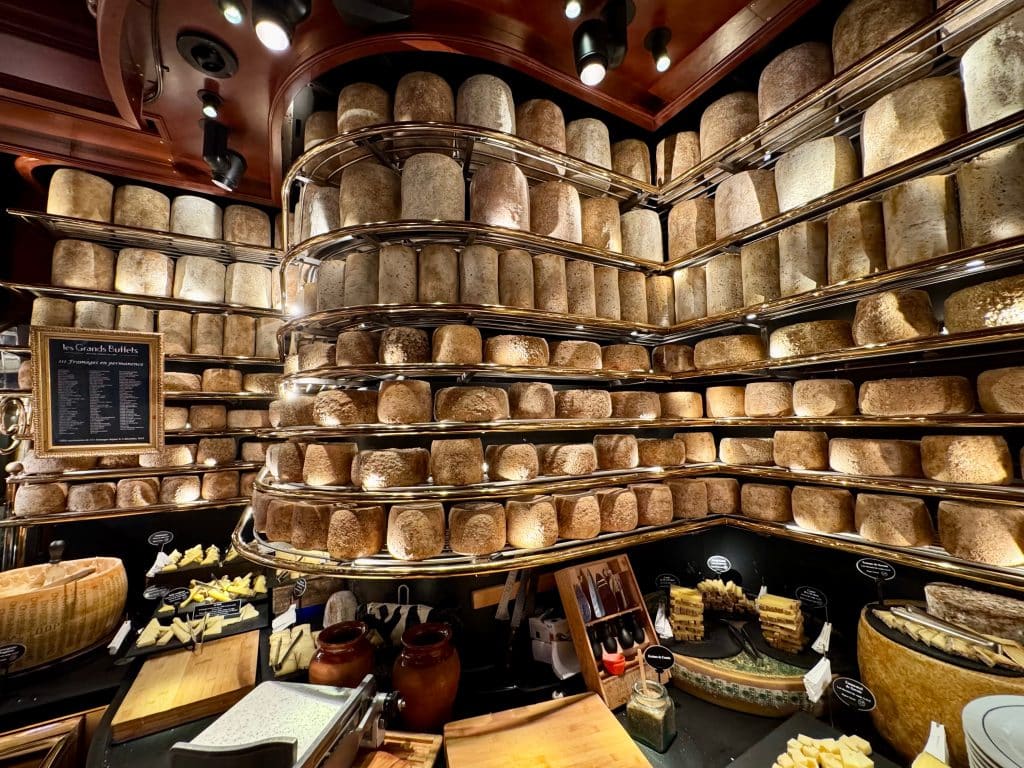
In 2021, Les Grands Buffets was officially recognized by the Guinness World Records for having the largest selection of cheeses in a restaurant. The display features 111 different varieties, curated by a team of master cheesemakers. The selection spans the geographical diversity of France and Europe, including local truffled Brie, Swiss Tête de Moine served in delicate spirals, and an array of blue, hard, and soft cheeses. The scale of the cheese buffet requires a dedicated staff to manage ripeness and presentation, ensuring that each variety is served at its optimal temperature.
Economic Impact and Business Strategy
The business model of Les Grands Buffets relies on high volume and vertical integration to maintain its price point. While the cost of luxury items like lobster and truffles is high, the restaurant offsets these expenses through the sheer number of daily covers and a unique wine pricing strategy.
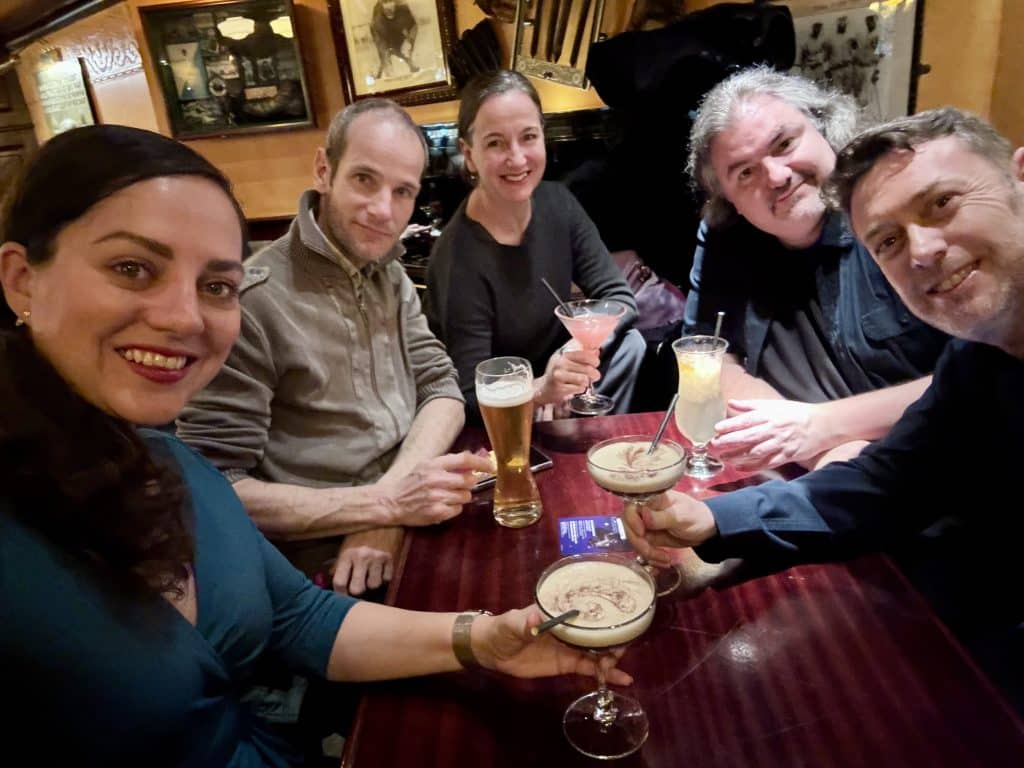
The establishment sells wine at "producer prices," meaning the cost to the customer is the same as if they had purchased it directly from the vineyard. This strategy encourages higher beverage consumption while also serving as a marketing tool for local Languedoc-Roussillon winemakers. Additionally, the restaurant offers a takeaway service where guests can purchase the wines they enjoyed during their meal by the case at the same producer rates.
The restaurant operates 365 days a year, providing consistent employment for a large staff and generating significant tourism revenue for Narbonne. Local officials have noted that the restaurant acts as a primary "pull factor" for the city, with many international visitors planning multi-day trips to Southern France specifically to secure a table at the buffet.
Logistical Challenges and Reservation Dynamics
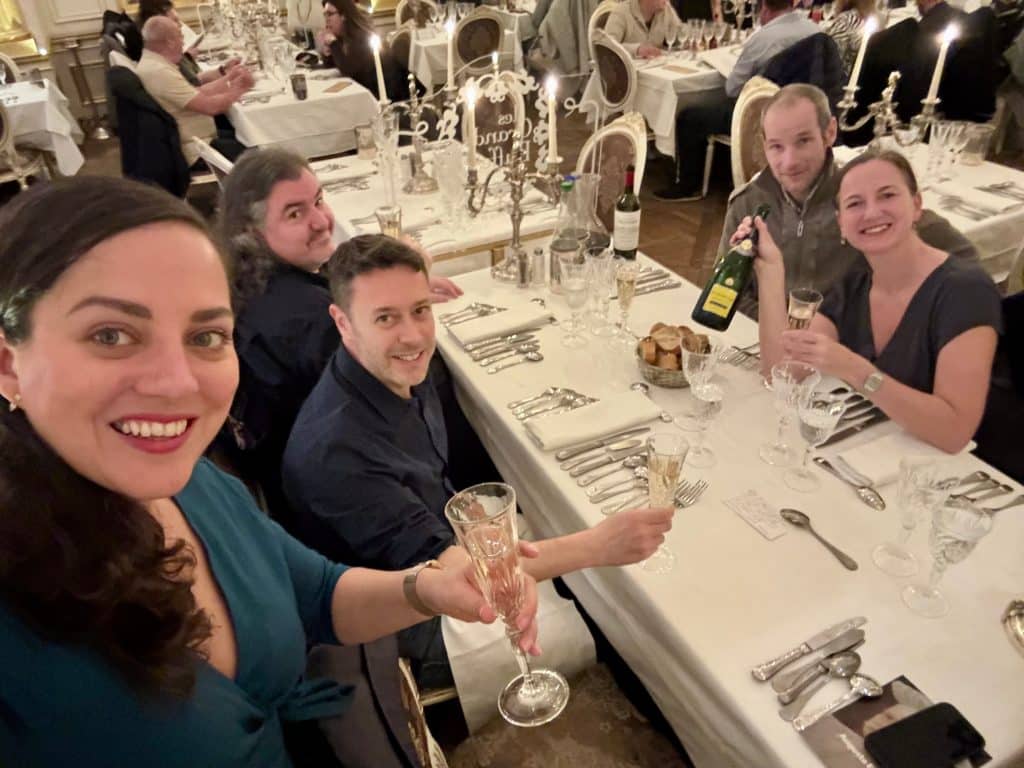
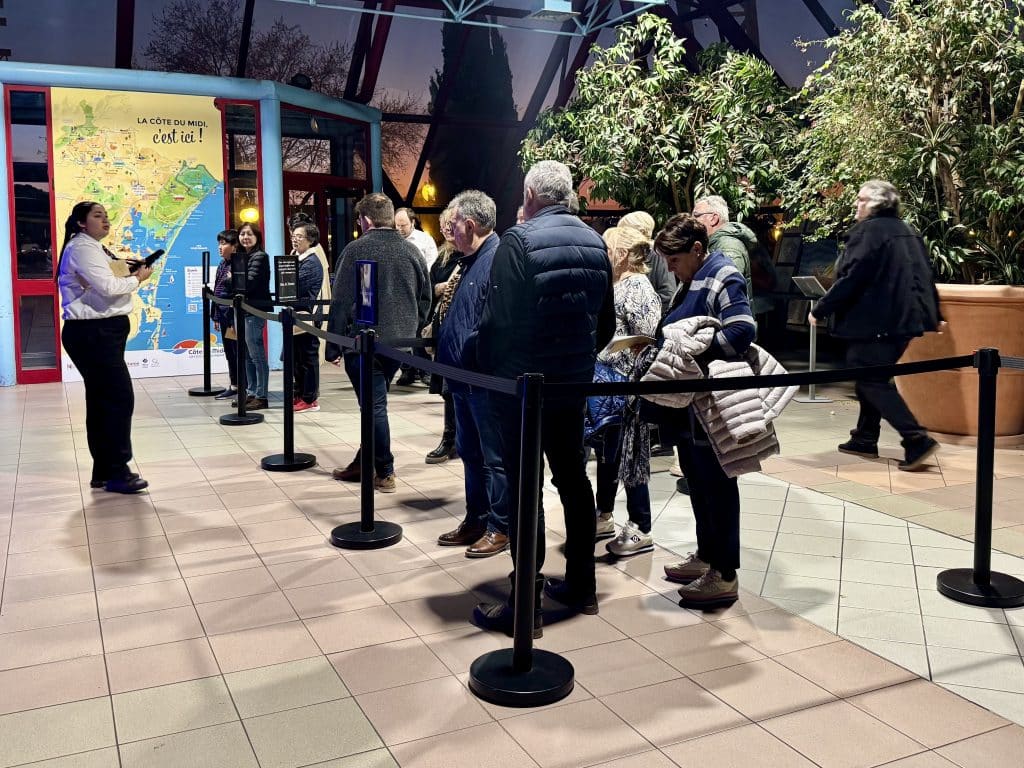
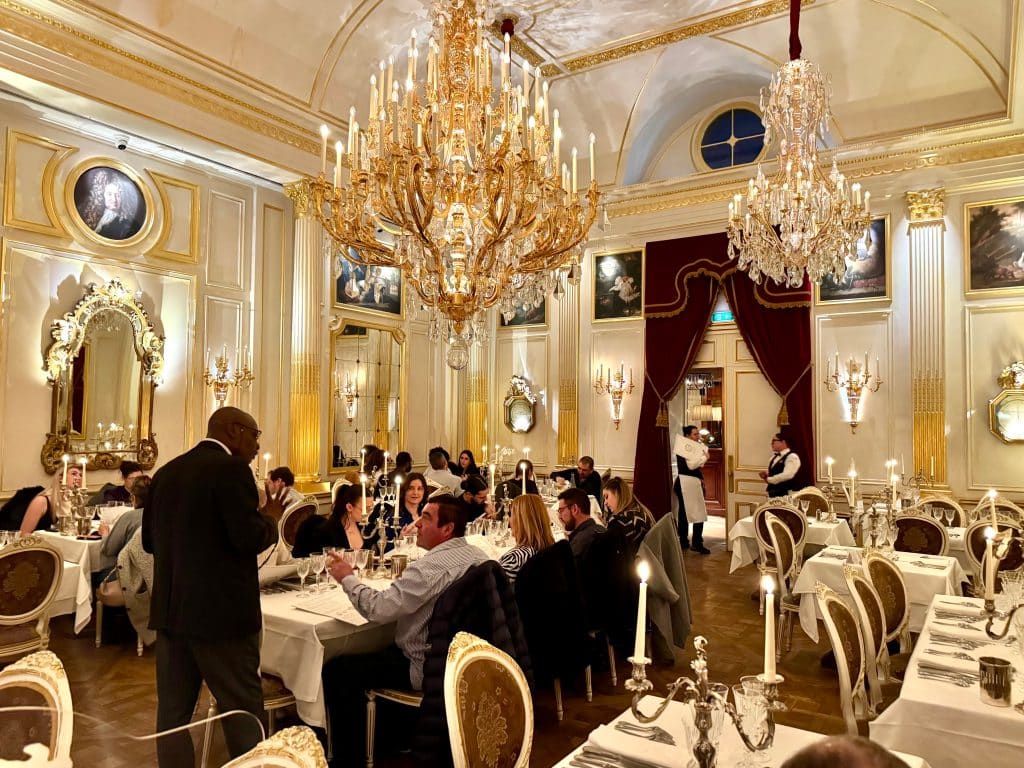
The popularity of Les Grands Buffets has created a unique set of logistical challenges for both the management and the patrons. Reservations are notoriously difficult to obtain, often requiring booking several months in advance. The restaurant utilizes a sophisticated online reservation system that allows guests to choose specific themed dining rooms, such as the Baroque-style Salon Doré (Gold Room) or the outdoor garden terrace, Jardin Hervé di Rosa.
To manage the high demand and prevent no-shows, the restaurant implements strict reservation policies. In 2026, these include optional cancellation insurance and a non-refundable deposit system. The management also emphasizes a specific dress code—prohibiting sportswear and casual beach attire—to maintain the formal atmosphere associated with traditional French dining.
Implications for French Culinary Culture
Beyond its success as a commercial enterprise, Les Grands Buffets serves as a cultural repository. By maintaining the availability of "disappearing" dishes, the restaurant plays a role in the intangible heritage of France. Culinary analysts suggest that the buffet format, while often associated with lower-quality fare in other contexts, has been elevated here into a form of "gastronomic theater."
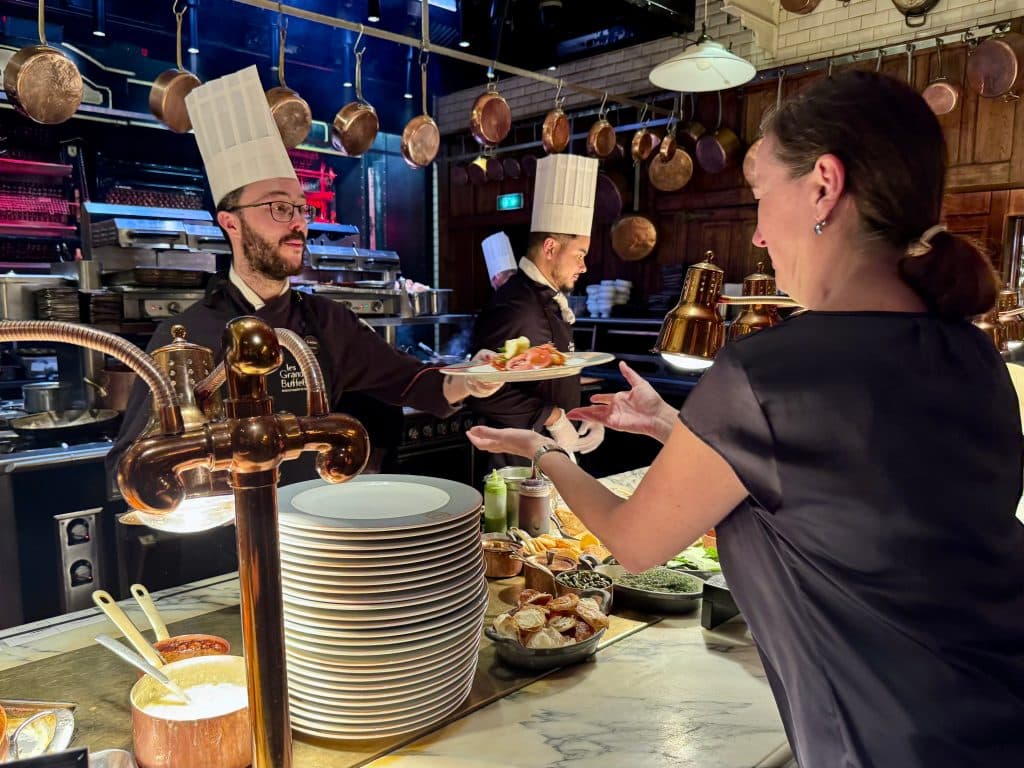
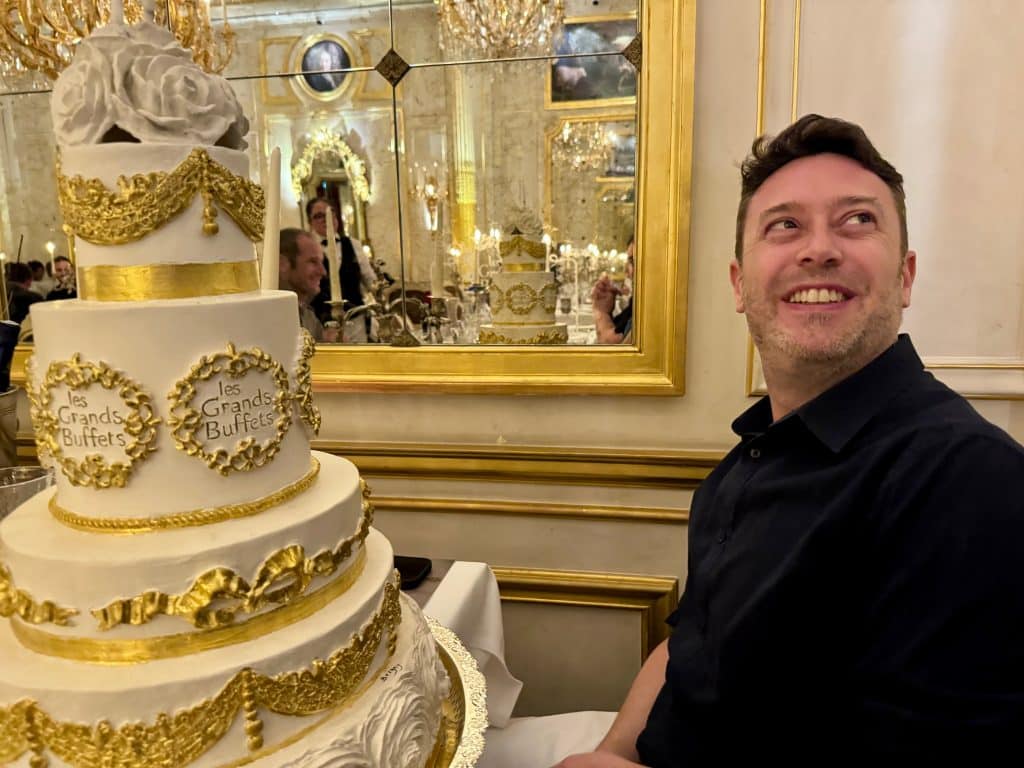
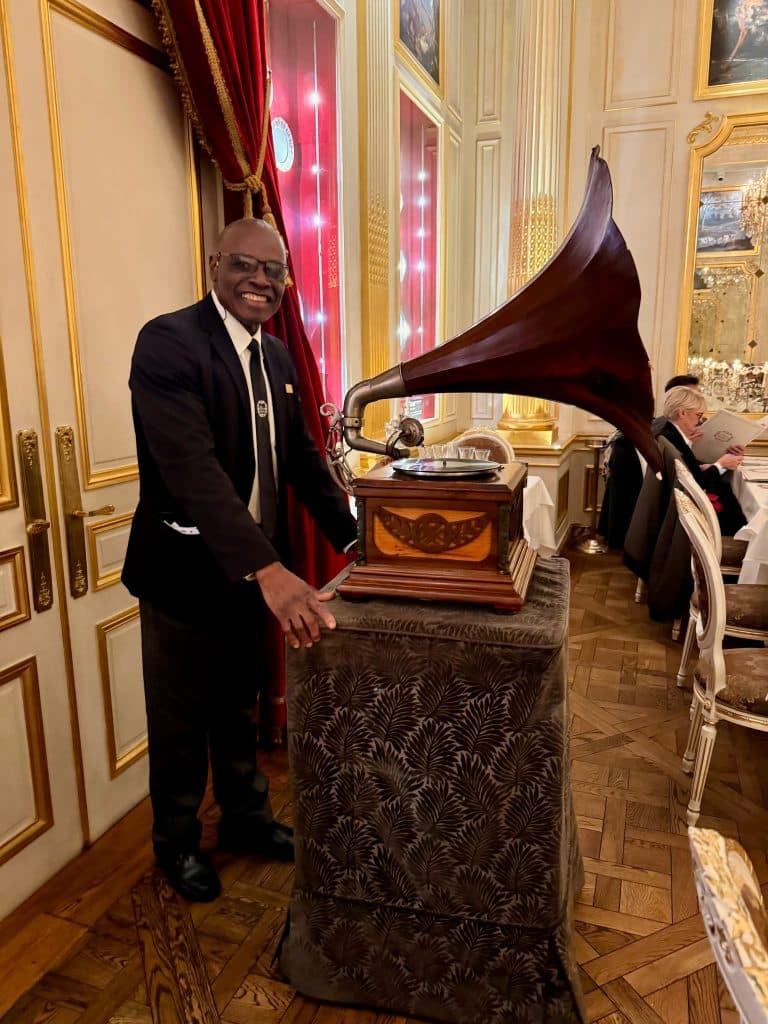
The inclusion of Wagnerian music during the duck-pressing ceremony and the use of vintage gramophones for birthday celebrations contribute to a sensory experience that extends beyond the food. This theatricality is a deliberate nod to the "Grand Service" of the 18th and 19th centuries, where the presentation of food was as important as its consumption.
Regional Connectivity and Tourism
The success of Les Grands Buffets has placed Narbonne on the map for travelers who might otherwise bypass the city for larger hubs like Toulouse or Montpellier. The city’s location on the high-speed rail lines connecting Paris, Barcelona, and Marseille makes it an accessible stop for European travelers.
Data from regional tourism boards indicates that the "Les Grands Buffets effect" has led to increased occupancy rates for local hotels and increased foot traffic for other Narbonne attractions, such as the Roman Horreum and the Narbo Via museum. The restaurant’s location within the Espace Liberté also brings visibility to the city’s public sports and leisure facilities, demonstrating a successful public-private synergy.
Conclusion and Future Outlook
As Les Grands Buffets moves further into the late 2020s, it remains a case study in the successful scaling of luxury dining. By adhering to the principles of Auguste Escoffier while embracing modern business efficiencies, Louis Privat has created a model that honors the past while remaining economically viable in the present.
While the restaurant faces ongoing challenges related to food waste management and the rising costs of raw luxury ingredients, its status as a Guinness World Record holder and a cultural icon ensures its continued relevance. For the culinary world, Les Grands Buffets is more than just a restaurant; it is a testament to the enduring appeal of classical French cuisine and the possibility of making the "experience of a lifetime" a daily reality for thousands of guests. The institution proves that with the right combination of tradition, theatricality, and strategic pricing, the grandeur of the French table can be preserved for future generations.