Anaheim’s OCVIBE Project Set to Transform Regional Landscape with $4 Billion Mixed-Use Development

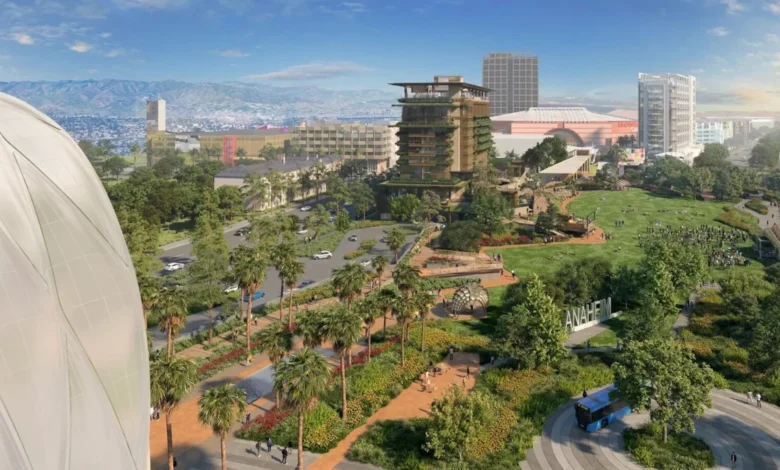
Anaheim, California is on the cusp of a dramatic transformation with the OCVIBE project, an ambitious $4 billion privately financed mixed-use development poised to redefine the city’s identity beyond its world-renowned theme parks. Spanning 95 to 100 acres around the existing Honda Center, this monumental undertaking aims to create a vibrant, self-sustaining urban village featuring entertainment venues, residential spaces, office complexes, diverse dining options, and extensive public parks. The initiative seeks to establish a true "downtown" for Orange County, offering a dynamic destination for both local residents and a broader spectrum of visitors, moving beyond the transient nature of theme park tourism.
A New Vision for Anaheim’s Core
For decades, Anaheim has been synonymous with Disneyland, a global tourism magnet attracting approximately 50,000 visitors daily, with 17.3 million guests in 2024 alone – a figure roughly twice the population of New York City. However, a significant challenge for Anaheim’s broader economy has been the insular nature of this tourism; the vast majority of visitor spending often remains within the "Disney ecosystem," with little incentive for tourists to explore the surrounding city. This has left Anaheim, despite its immense visitor numbers, lacking a robust, diverse urban core that caters to its residents and offers a comprehensive experience beyond the gates of the amusement park.
OCVIBE directly addresses this disparity. Developers articulate a clear goal: to expand the existing 1993-built Honda Center – an 18,000-plus-capacity sports stadium and concert venue – into a multifaceted communal space, residential hub, and entertainment complex designed to appeal to a wide range of audiences, not just those on a dedicated tourist itinerary. The project is envisioned as a catalyst for urban renewal, fostering a sense of community and providing amenities that have long been absent in this part of Orange County. The underlying sentiment driving the project, as echoed on OCVIBE’s official site, is to give "Orange County the downtown they deserve," a phrase encapsulating the region’s aspiration for a vibrant, accessible urban center.
At the Heart: The Expanded Honda Center and Architectural Prowess
The Honda Center serves as the foundational anchor for the OCVIBE development. While it has successfully hosted countless hockey games for the Anaheim Ducks, major concerts, and events since its inception, the OCVIBE project plans to integrate it into a much larger, more cohesive environment. The expansion will not merely add facilities but fundamentally transform the area around the stadium into an active, engaging urban fabric.
Guiding the aesthetic and functional design of this ambitious project is the renowned Smith-Clementi architectural firm, a team with an impressive portfolio of experience in Los Angeles design. Leads Julie Smith-Clementi and Frank Clementi have contributed to some of Southern California’s most iconic destinations, including the historic Hollywood Bowl and the sprawling Grand Park in downtown Los Angeles. Their involvement signals a commitment to creating public spaces that are both aesthetically pleasing and highly functional, capable of accommodating large crowds while maintaining an intimate feel. According to the firm, a key design principle is to generate excitement from the moment guests arrive. This will be achieved through strategic design choices such as the use of bright, inviting colors and the incorporation of large, welcoming entrances that evoke an immediate "event-type feel," setting a celebratory tone for all who enter the complex. This approach is critical for drawing visitors further into the development, encouraging exploration beyond their primary destination, whether it be a hockey game or a concert.
Unveiling the OCVIBE Offerings: A Micro-City of Entertainment and Lifestyle
The sheer scale and diversity of OCVIBE’s planned offerings are central to its transformative potential. Spread over nearly 100 acres, the development is designed as a comprehensive micro-city, integrating various facets of urban life into a seamless experience.
Premier Entertainment Venues: A significant highlight of the OCVIBE project is the planned addition of a brand-new, dedicated concert space with a capacity exceeding 5,000 people. This venue will operate entirely separate from the existing Honda Center, addressing a long-standing need for a medium-sized, acoustically optimized performance space in the region. While the Honda Center can accommodate larger acts, its primary design as a sports arena means it isn’t always optimized for sound and stage performances. The new concert hall is specifically engineered to deliver superior acoustics and an enhanced guest experience, positioning OCVIBE as a premier destination for live music. This strategic addition aims to attract a broader array of musical acts and cultural events, further diversifying Anaheim’s entertainment landscape.
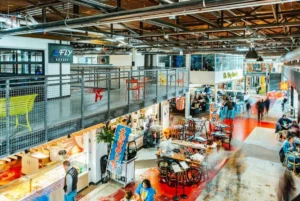
A Culinary Destination: Foodies will find OCVIBE particularly appealing, with plans for more than 35 new dining venues upon completion. This extensive culinary offering is designed to create a vibrant gastronomic scene, encouraging visitors to make a full day out of their visits to games and concerts by enjoying pre- and post-event meals and drinks in the sunny California weather. The most intriguing dining area is the proposed market hall, Katella Commons. Envisioned as a lively, communal atmosphere, Katella Commons will feature restaurant stalls for 21 different restaurants and chefs, providing an eclectic mix of culinary experiences. This concept, reminiscent of popular urban market halls, promises to be a dynamic hub for food exploration. Overseeing the culinary vision for Katella Commons is Chef Rémi Lauvand, an accomplished figure formerly the Director of Culinary Operations at Universal Studios Hollywood. His expertise suggests a commitment to high-quality, diverse, and innovative food offerings. Beyond the diverse food stalls, Katella Commons will also house six distinct bars, each with its own unique theme. These include the Vesper Lounge, offering Japanese-meets-Scandinavian-inspired drinks; a retro 1970s-themed cocktail lounge for a nostalgic experience; and Bar Barcelona, which will focus on amaro and a curated selection of wines. These diverse options cater to a wide range of tastes and preferences, ensuring a vibrant nightlife.
Expansive Public Realms: Embracing Southern California’s year-round excellent weather, OCVIBE will feature an impressive network of 20 public parks and plazas. The core philosophy behind these spaces is to create accessible, free, and welcoming environments for everyone. This aligns with the broader goal of providing Orange County with the public infrastructure characteristic of a thriving downtown. Connectivity is key to the design, with more than three miles of walking trails seamlessly linking various parts of the complex. This extensive pedestrian network is integral to the developers’ vision of making this vast space easily navigable without reliance on cars, promoting walkability and a healthier urban environment. These public spaces are not just decorative; they are intended to be active gathering places for community events, relaxation, and casual strolls.
Integrated Living and Hospitality: OCVIBE is far more than just an entertainment complex; it is designed to be a thriving residential and hospitality hub. Current plans project the opening of two on-site hotels by 2028, collectively offering 500 eco-friendly hotel rooms. This emphasis on sustainability in hospitality reflects contemporary environmental concerns and appeals to a growing segment of travelers. Crucially, the development is not solely focused on tourism. Developers are committed to integrating over 2,000 residences into the complex, addressing the critical need for housing in the region. A significant provision in the development plan, approved by the Anaheim City Council, mandates that 15 percent of these residential units be designated for affordable housing. This commitment underscores a recognition of local community needs and aims to ensure that the benefits of OCVIBE extend to a diverse demographic. Residential areas are projected to cover approximately 40 percent of the total space, indicating a substantial commitment to creating a living community within the development. Furthermore, thousands of square feet of office and business space are included in the plans, signaling the developers’ intent to attract employers and retail businesses, thereby creating job opportunities and a robust local economy supported by the surrounding apartments, restaurants, and public transportation hubs.
Strategic Location and Connectivity
A critical aspect of OCVIBE’s design and anticipated success is its strategic location around the Anaheim Regional Transportation Intermodal Center (ARTIC). This massive transportation hub is a cornerstone of regional connectivity, linking Amtrak service, Metrolink commuter rail, and both local and intercity buses. This integration means that Angelenos and residents from across Southern California can access OCVIBE conveniently via public transit, significantly reducing traffic congestion and parking demands. The developers’ emphasis on ARTIC highlights a forward-thinking approach to urban planning, prioritizing accessibility and sustainable transportation options. This connectivity is vital for making OCVIBE a regional destination, drawing visitors from beyond Anaheim’s immediate vicinity and encouraging a broader audience to engage with its offerings.
Projected Timeline and Milestones
The OCVIBE project is unfolding with a clear, albeit ambitious, timeline. While the full venue is slated to be up and running by sometime in 2028, certain phases are projected for earlier completion. Specifically, the public parks and plazas, which are central to the community-focused vision, are anticipated to be finished as early as the beginning of 2027. This phased approach allows for early activation of key public amenities, generating buzz and allowing residents to experience parts of the development sooner.
The target opening date in 2028 is particularly strategic. That year, the Honda Center is set to host indoor volleyball tournaments as part of the Olympic Games, which will be held in the Los Angeles area. An opening prior to the Olympic ceremonies, which begin on July 14, 2028, would be ideal. While a specific official opening date has not yet been announced, it is highly probable that developers are eyeing the Olympics as a prime opportunity to introduce OCVIBE and its diverse offerings to a regional and international audience, leveraging the global spotlight to maximize initial exposure and visitor engagement.
Economic Impact and Community Benefits
While the definitive economic benefits can only be fully assessed post-completion, the team behind OCVIBE projects significant positive impacts for the Anaheim area. Direct financial benefits include an estimated $9.2 million in annual tax revenue for the city of Anaheim, a substantial injection into municipal coffers that can support public services and infrastructure. Beyond direct revenue, the project is projected to generate $255 million in broader public benefits, encompassing improvements to the ARTIC hub, the creation of extensive public spaces, and other community-oriented enhancements.
A key aspect of OCVIBE’s financial model that has garnered positive attention is its funding structure. With a projected cost of approximately $4 billion, the vast majority of the development is almost entirely privately financed. This means the project does not rely heavily on taxpayer money, a common concern with large-scale urban developments. The only government financing involved is $400 million in city-issued bonds. Crucially, these bonds are secured by revenue generated from the Honda Center itself, ensuring that the financial burden does not fall directly on the shoulders of Anaheim residents. This model provides a degree of fiscal security and demonstrates a commitment to responsible development.
The anticipated benefits extend beyond financial figures. The construction phase alone is expected to create thousands of jobs, providing a significant boost to the local labor market. Once operational, OCVIBE will support a diverse range of employment opportunities across its entertainment, hospitality, retail, and office sectors. Furthermore, the influx of visitors and new residents is expected to stimulate local businesses, contributing to a more vibrant and diversified economy for Anaheim, lessening its singular reliance on theme park tourism. The inclusion of 15 percent affordable housing units is a direct, tangible benefit to the community, addressing a critical housing shortage and ensuring that the development contributes to social equity within the city.
Stakeholder Perspectives and Public Reception
The vision for OCVIBE is clear: to not only establish a gathering point for locals but also to create a compelling destination for Californians and visitors from further afield. Developers envision a place where people can come for a concert or a Ducks game, or simply to escape the crowds of Disneyland, and spend an entire afternoon exploring the massive new complex. The integration with ARTIC is a direct response to the need for greater public transit accessibility, aiming to make OCVIBE a car-optional destination for many.
The Anaheim City Council’s approval of the development plan, including provisions for affordable housing, indicates official support for the project’s broad goals and its potential community benefits. Public reception, as gleaned from local online forums like Reddit, has been generally positive, though cautiously curious. Many residents express enthusiasm for the plans, particularly praising the inclusion of a dedicated concert venue, which has been a long-standing desire for local music enthusiasts. There is also considerable support for the integration with the ARTIC system, with many comments encouraging its use as a means to alleviate traffic and parking concerns. This feedback suggests a strong local appetite for diversified entertainment, enhanced public spaces, and improved urban infrastructure that OCVIBE promises to deliver.
Broader Implications: Reshaping Southern California’s Urban Fabric
The OCVIBE project carries significant implications that extend beyond the city limits of Anaheim, potentially reshaping Southern California’s urban fabric. It represents a major step in diversifying Anaheim’s economic and cultural identity, positioning it as a multi-faceted hub rather than solely a theme park city. This diversification could serve as a model for other regions seeking to enhance their urban centers and attract a broader range of investment and talent.
The scale and private financing model of OCVIBE set a precedent for large-scale mixed-use developments in the region. Its success could encourage similar ambitious projects that integrate entertainment, residential, commercial, and public spaces, fostering more sustainable and livable urban environments. By addressing the perceived lack of a vibrant downtown in Orange County, OCVIBE could fulfill a long-held regional aspiration, providing a central gathering place for arts, culture, and community life. The project’s commitment to public spaces, walkability, and public transit connectivity also aligns with contemporary urban planning trends focused on sustainability and quality of life.
Ultimately, OCVIBE is more than just a real estate development; it is an investment in the future identity of Anaheim and Orange County. By creating a destination that caters to diverse needs and interests, from world-class entertainment to vibrant culinary experiences and essential community living, OCVIBE aims to establish a legacy of urban revitalization and regional prominence, offering a truly unique "vibe" to Southern California.