Day of the Dead in Puerto Vallarta: A Comprehensive Guide to Mexico’s Most Vibrant Cultural Tradition

Día de los Muertos, or Day of the Dead, represents one of the most profound intersections of indigenous pre-Hispanic beliefs and Catholic liturgy in Mexico. While the holiday is observed nationwide, Puerto Vallarta has emerged as a premier destination for both domestic and international visitors seeking an authentic yet accessible experience of this UNESCO-recognized Intangible Cultural Heritage of Humanity. From late October through November 2, the coastal city undergoes a transformation, as the Malecón and historic district become living galleries of memory, art, and communal reflection.
Historical Context and Cultural Significance
The roots of Día de los Muertos trace back thousands of years to the Aztec, Toltec, and Nahua people, who considered mourning the dead to be disrespectful. Instead, the holiday functions as a celebration of the cycle of life and death, viewing the latter as a natural, albeit inevitable, transition rather than an end. Following the Spanish conquest, these indigenous rituals were syncretized with the Catholic observances of All Saints’ Day (November 1) and All Souls’ Day (November 2).

In modern Puerto Vallarta, this tradition serves a dual purpose: it acts as a vital link to ancestral heritage and a significant driver of cultural tourism. Local authorities and community groups have worked extensively to standardize the city’s public offerings, ensuring that the spectacle—while visually arresting—retains its solemnity and respect for the departed.

Chronology of Observances
The commemorative calendar in Puerto Vallarta begins well before the traditional dates, reflecting a multi-day approach to honoring different aspects of the afterlife:

- October 27: Traditionally recognized as the day to honor pets who have passed, with many residents setting up small, dedicated altars.
- November 1: Known as Día de los Inocentes or the Day of the Little Angels, this day is reserved for the souls of children.
- November 2: The primary date for honoring deceased adults, marked by the most significant public parades and cemetery vigils.
The Malecón and the Monumental Catrinas
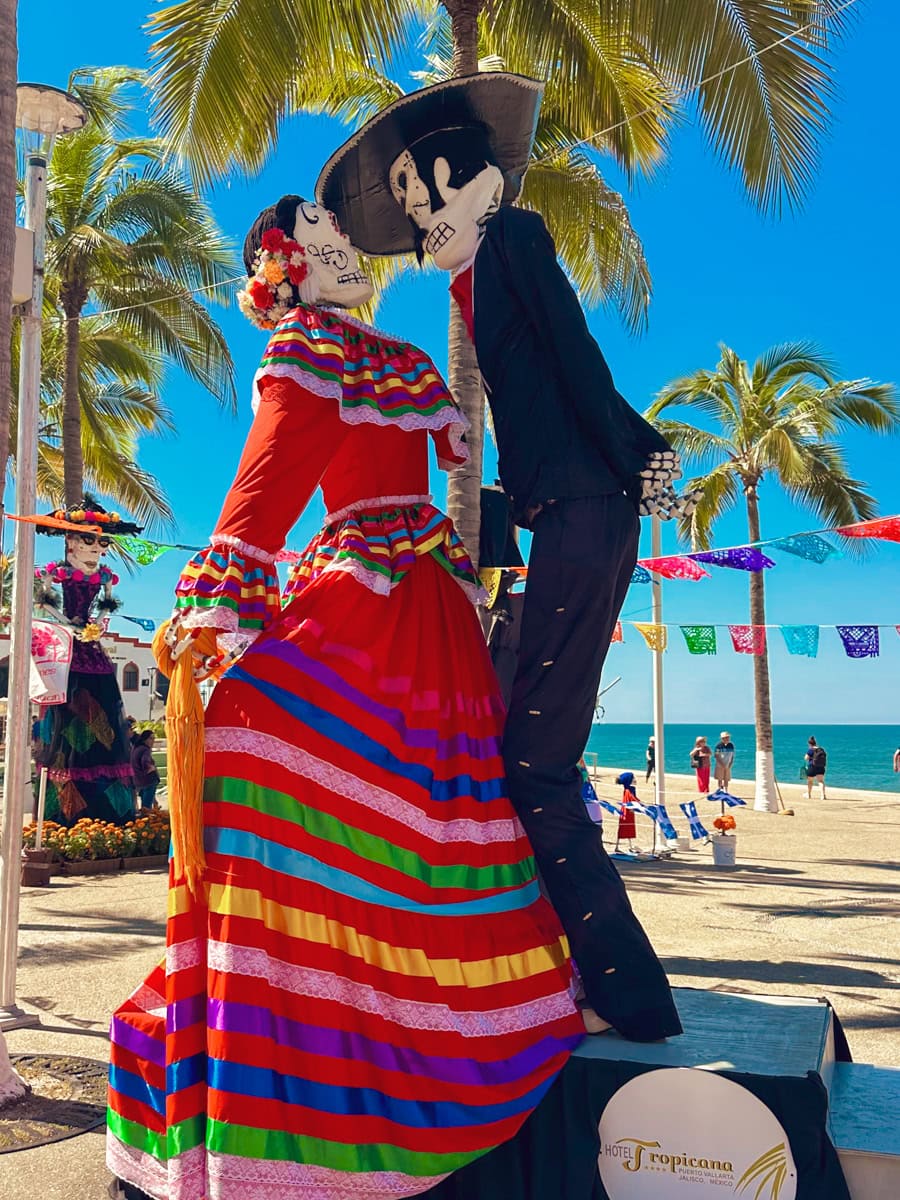
The centerpiece of Puerto Vallarta’s celebrations is the display of La Calavera Catrina along the Malecón, the city’s iconic oceanfront boardwalk. The Catrina figure, originally conceptualized by illustrator José Guadalupe Posada as a satirical critique of social inequality, has evolved into a global symbol of Mexican identity.

In recent years, Puerto Vallarta has gained international notoriety for constructing the world’s tallest Catrina. These sculptures often exceed 75 feet in height, requiring meticulous engineering and the collaboration of local artisans, municipal workers, and sponsors. The presence of these towering figures serves a dual purpose: they function as public art installations that draw thousands of visitors to the downtown corridor and act as a stark reminder of the "great equalizer"—death—as posited by Posada’s original work.

Public Ofrendas and Municipal Participation
The Plaza de Armas and the adjacent streets, such as Calle Paseo Díaz Ordaz, serve as the primary venues for public ofrendas. These altars are highly structured, featuring specific elements that carry symbolic weight:

- Marigolds (Cempasúchil): The vibrant orange color and strong scent are believed to guide the spirits of the dead to their family homes.
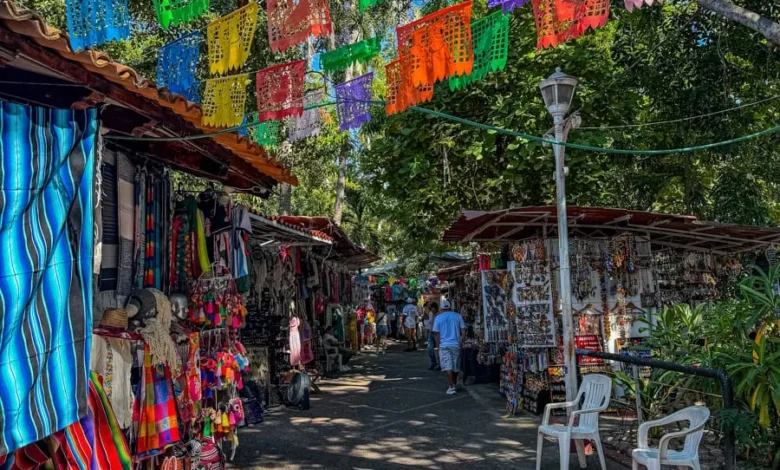
- Papel Picado: Intricately cut tissue paper banners represent the element of air and the fragility of life.
- Candles: These illuminate the path for wandering souls.
- Sugar Skulls: These represent the sweetness of life and the lighthearted acceptance of death.
The central ofrenda in the Plaza de Armas is traditionally dedicated to the city’s founder, Don Guadalupe Sánchez, anchoring the celebration in local history. Unlike private home altars, these public displays are designed for educational purposes, allowing visitors to appreciate the diversity of regional styles and the personal narratives inscribed upon the items placed for the deceased.

Cemetery Vigils: The Heart of Tradition
While the Malecón offers a festive atmosphere, the Cinco de Diciembre Cemetery provides a more intimate look at the holiday’s emotional core. On the night of November 2, the cemetery remains open to families who spend the evening cleaning graves, playing music, and sharing meals.

This practice, known as the velación, is considered a private act of love. Tourists are generally permitted to observe, provided they maintain a respectful distance and adhere to strict decorum. This contrast—between the exuberant, public art on the boardwalk and the quiet, flickering candlelight of the cemetery—encapsulates the complexity of the Mexican relationship with death.

Gastronomic Traditions: A Culinary Bridge
Food is an essential component of the ofrenda. In Puerto Vallarta, local restaurants and households emphasize three specific staples that define the season:

- Pozole: A pre-Hispanic soup made from hominy and meat, seasoned with a variety of chilies. Its preparation often becomes a communal event.
- Tamales: These parcels of masa and filling, wrapped in corn husks or banana leaves, represent the endurance of ancestral recipes.
- Pan de Muerto: A sweet, brioche-like bread topped with bone-shaped dough pieces. It is perhaps the most recognizable food item, found in bakeries throughout the city in the weeks leading up to the holiday.
Institutional Support and Economic Impact
The municipal government of Puerto Vallarta, alongside local tourism boards, actively promotes the holiday as a cornerstone of the autumn tourism season. By facilitating large-scale events like the Gran Desfile de Día de Muertos (the Great Day of the Dead Parade), the city effectively manages the influx of visitors, channeling them toward designated zones and reducing pressure on sensitive sites.

Local resorts, such as Velas Vallarta and Casa Velas, have integrated these cultural touchstones into their guest programming. By hosting workshops on calavera face painting and providing educational tours, these institutions help bridge the gap between casual tourism and cultural immersion. Statements from local hospitality leaders suggest that such programming is increasingly requested by international travelers who prioritize "experiential travel" over traditional resort-based leisure.

Analytical Overview: The Modern Evolution of a Tradition
The celebration of Día de los Muertos in Puerto Vallarta is currently undergoing a period of expansion. The increasing popularity of the event has led to a professionalization of the art installations and a heightened focus on the "Day of the Animals," which has gained traction in a city with a high density of pet owners and animal welfare organizations.

However, the rise in tourism brings a necessity for cultural sensitivity. The challenge for organizers is to maintain the authenticity of the rituals while accommodating the commercial interests that accompany large-scale tourism. As the event continues to grow, there is a clear trend toward decentralization, with smaller neighborhoods and private businesses increasingly curating their own celebrations, thereby spreading the economic and cultural impact more evenly across the city.

In conclusion, Puerto Vallarta offers a unique lens through which to view one of the world’s most enduring traditions. By balancing the spectacle of the world’s tallest Catrina with the quiet, ancestral vigils in the local cemeteries, the city provides a comprehensive experience that honors the dead while fostering a deeper understanding of Mexican cultural identity. For the traveler, the event is not merely a sight to behold, but a complex, multi-layered engagement with the history, art, and values of the Mexican people.