Curacao, a constituent country of the Kingdom of the Netherlands, has emerged as a premier destination within the Southern Caribbean, distinguished by its unique blend of Dutch colonial architecture, diverse cultural heritage, and pristine ecological landscapes. Located outside the hurricane belt, the island offers year-round tropical weather, with average temperatures hovering between 80°F and 85°F (27°C to 29°C), making it a reliable location for tourism and outdoor recreation throughout the calendar year.
Historical Context and Urban Development
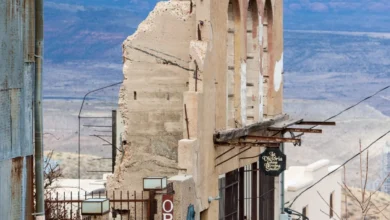
The capital city of Willemstad is a designated UNESCO World Heritage site, recognized for its historic center and harbor. The city’s architectural identity is defined by pastel-colored colonial buildings, a legacy of Dutch maritime influence that dates back to the mid-17th century. Recent urban initiatives have focused on integrating sustainable tourism practices with historical preservation.
Cycling has been identified by local tourism authorities as a low-impact method for visitors to navigate the dense urban core. The city center, comprising the neighborhoods of Pietermaai, Punda, Otrobanda, and Scharloo, features a high concentration of protected monuments. By utilizing bicycles, tourists are encouraged to bypass traditional vehicular traffic, thereby reducing the carbon footprint of their transit while engaging more directly with the island’s cultural murals and restoration projects. Local enterprises, such as Van Gogh Specialty Coffee, have integrated bicycle rental services into their business models to facilitate this transition toward eco-conscious exploration.
Geographical Overview and Beach Tourism
The topography of Curacao is characterized by rugged limestone cliffs, scrub-covered hills, and a series of sheltered coves that define the island’s northern and western coastlines. The tourism sector relies heavily on the maintenance of these natural assets.
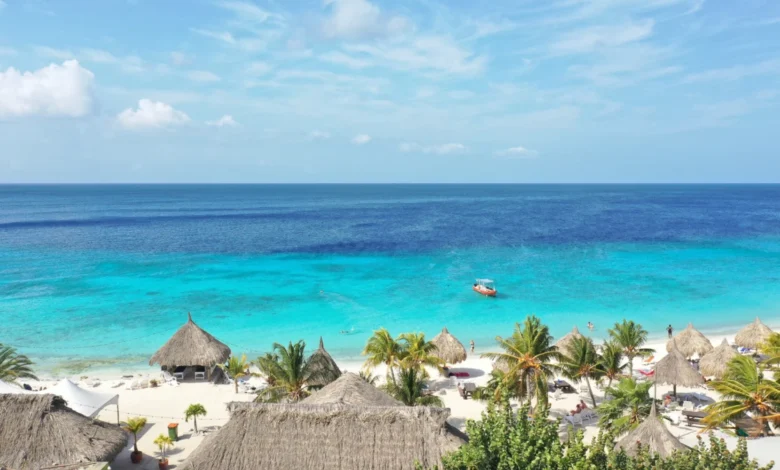
Data from the Curacao Tourist Board indicates that beach tourism remains the primary driver of the island’s economy. The coastal regions are divided into two distinct categories: the highly developed eastern beaches and the more secluded western coves.
- Jan Thiel and Mambo Beach: Situated in the vicinity of Willemstad, these locations are representative of modernized beach infrastructure. They provide extensive amenities, including high-capacity resorts, water sports facilities, and monitored swimming areas. These locations are essential for the island’s mass tourism capacity, providing necessary services for cruise ship passengers and short-term stay visitors.
- Kenepa (Knip) and Grote Knip: Located on the western periphery, these sites represent the island’s natural heritage. Grote Knip, in particular, is frequently cited in environmental reports for its high water clarity and minimal infrastructure, which serves to preserve the aesthetic and ecological integrity of the coastline.
- Playa Porto Mari: This site is significant for its unique double reef system. Scientific surveys of the area have noted that the offshore topography creates a diverse habitat for marine life, making it a focal point for marine biology tourism and recreational diving.
Klein Curacao: An Uninhabited Ecological Reserve
Klein Curacao, a small, uninhabited island located approximately 15 miles (24 kilometers) southeast of the main island, serves as a critical site for biodiversity and historical exploration. Access to the island is strictly regulated and facilitated primarily by maritime charters.
The island is home to an abandoned 19th-century lighthouse and various maritime wreckages, which have become landmarks of local history. Tourism operators, specifically those with long-term concessions such as Mermaid and Miss Ann Boat Trips, provide the only permanent infrastructure on the island. This centralized approach to tourism management is designed to mitigate the environmental impact on the fragile ecosystem of the islet, ensuring that waste management and visitor flow are strictly controlled.
Economic Implications and Tourism Management
The economic impact of tourism on Curacao is substantial, accounting for a significant portion of the nation’s GDP. According to recent economic indicators, the island has seen a steady increase in international arrivals, driven by diversification in its tourism product—moving from simple leisure travel to experiential, activity-based tourism such as cycling, snorkeling, and historical exploration.
From an administrative perspective, the government of Curacao has faced the challenge of balancing the influx of visitors with the conservation of its colonial landmarks and natural reserves. The development of infrastructure in areas like Scharloo and the protection of western beaches are part of a broader, decade-long strategy to manage the environmental load of the tourism sector.
Tourism experts suggest that the current focus on "slow travel"—encouraging visitors to spend more time in specific districts rather than transit-heavy day trips—is an intentional strategy to ensure that the island’s cultural assets are not degraded by over-tourism. By promoting activities like cycling through Willemstad, the local government aims to distribute economic benefits more equitably among small-scale urban businesses.
Chronology of Infrastructure Development
- 1997: Willemstad and its harbor were officially inscribed as a UNESCO World Heritage site, catalyzing a massive restoration project across the city’s four historic districts.
- 2010: Following the dissolution of the Netherlands Antilles, Curacao became an autonomous country, leading to an increase in foreign direct investment in the hospitality sector.
- 2015–2020: Expansion of the cruise terminal in Otrobanda saw record-breaking visitor numbers, necessitating a shift toward decentralized tourism to prevent congestion in the historic city center.
- 2021–Present: Post-pandemic recovery efforts have prioritized the "boutique" tourism model, focusing on the promotion of hidden gems like Grote Knip and the ecological restoration of coastal reefs.
Official Stance and Future Outlook
The Curacao Tourist Board has consistently emphasized that the island’s future prosperity lies in the preservation of its authentic Dutch Caribbean identity. In recent statements, officials have noted that the diversification of tourist activities—specifically into the western region—is essential to relieving the pressure on the urban center.
"The goal is not merely to increase the volume of arrivals, but to increase the quality of the engagement between the visitor and the island," a spokesperson for the local tourism department noted. This philosophy is reflected in the current policies that prioritize the maintenance of public beach access and the restoration of historical sites over the construction of new large-scale resorts.
The implications for the future of Curacao appear positive, provided that the current balance between infrastructure development and environmental conservation is maintained. As global travel trends shift toward destinations that offer a mix of historical education and outdoor recreation, Curacao is well-positioned to remain a competitive entity within the Caribbean tourism market. The reliance on sustainable transport, such as bicycle infrastructure in the city and regulated boat transit to protected areas, serves as a model for small island developing states attempting to modernize their economies without sacrificing their cultural and ecological foundations.
For the average visitor, these factors result in a travel experience that is both accessible and well-managed, offering a comprehensive look at an island that continues to evolve while keeping its colonial history firmly at the forefront of its identity. Whether traversing the streets of Willemstad by bicycle or exploring the clear waters surrounding the western coastline, the island offers a distinct, structured approach to Caribbean tourism that distinguishes it from neighboring islands.