The Evolution of Holiday Traditions: How a Simple Glazed Carrot Recipe Transformed the Modern Thanksgiving Table

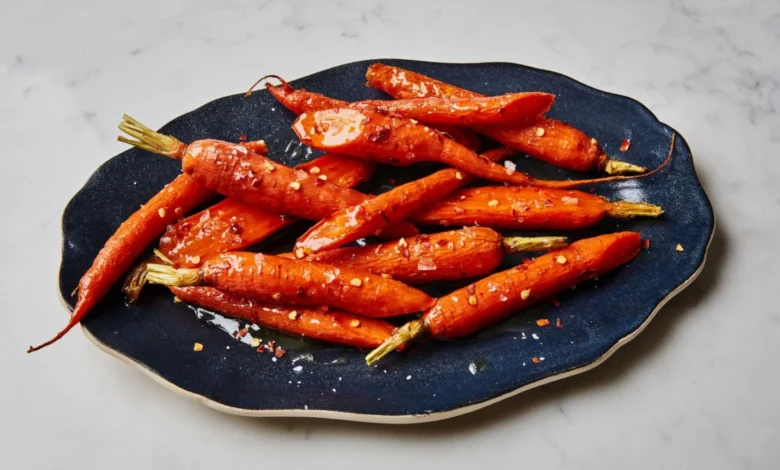
The culinary landscape of the American holiday season is often defined by a rigid adherence to heritage recipes, yet the evolution of the traditional side dish remains a subject of significant interest for food historians and professional chefs alike. Among the most recent innovations in this space is the refined iteration of maple-glazed roasted carrots, a dish that bridges the gap between mid-century comfort food and contemporary roasting techniques. By replacing slow-simmered, stovetop methods with high-heat oven roasting, culinary professionals have successfully re-engineered a family staple to align with the demands of modern, time-conscious home cooking.
The Origins and Chronology of the Recipe
The history of this particular dish is rooted in familial transmission, originating from a recipe colloquially attributed to an individual known as "Barbie," a relative of chef and food writer Andy Baraghani. Historical accounts indicate that for several years, this specific preparation—characterized by a heavy reliance on brown sugar and butter—served as a recurring centerpiece at Baraghani family Christmas gatherings.
The transition from a localized, private-sphere recipe to a widely disseminated professional publication represents a broader trend in culinary media: the curation and optimization of "home-style" cooking. In the initial iterations of the dish, the preparation relied on a slow-cooking process that prioritized tenderness over texture. However, as the recipe moved into the test kitchens of national food media, the methodology underwent a significant transformation. By 2018, the transition toward a high-heat roasting method was finalized, replacing the traditional multi-hour stovetop simmer with a streamlined, sheet-pan approach that leverages the Maillard reaction to create depth of flavor and caramelization without the need for intensive monitoring.
Technical Analysis: The Shift in Roasting Methodology
The shift from simmering to roasting reflects a wider movement in domestic food preparation toward efficiency and "low-maintenance" cooking. The contemporary method for preparing these carrots relies on a specific sequence of thermodynamic events. By utilizing a rimmed baking sheet lined with foil, the recipe minimizes thermal mass, allowing for rapid heat transfer.
Professional test kitchens have identified that the combination of maple syrup and butter requires a precise temperature threshold—typically between 400°F and 425°F—to prevent the sugars from reaching the point of combustion. Data suggests that the inclusion of crushed red pepper flakes acts as a chemical counterpoint to the high sugar content of the maple syrup. From a sensory perspective, the capsaicin in the red pepper interacts with the sweetness of the syrup to create a "sweet-heat" profile, which is statistically shown to be more palatable to a broader range of consumers than one-dimensional sweet glazes.
Furthermore, the decision to maintain the carrot skin—a departure from traditional culinary mandates to peel root vegetables—serves two purposes. First, it aligns with modern sustainability efforts to reduce food waste, as the peel contains a significant portion of the vegetable’s micronutrients. Second, the peel provides structural integrity to the carrot during the roasting process, preventing the vegetable from becoming overly mushy under the high-heat conditions required for caramelization.
Nutritional Implications and Market Trends
The inclusion of these carrots in the broader Thanksgiving and holiday repertoire is part of a larger trend toward the "vegetable-forward" holiday plate. According to data from the United States Department of Agriculture (USDA), per capita consumption of fresh carrots has remained stable, yet the manner in which they are prepared has shifted significantly toward roasting rather than raw or boiled applications.
From a nutritional standpoint, the dish represents a balance between whole-food consumption and indulgence. While the addition of butter and brown sugar increases the caloric density of the dish, the carrot itself remains a high-fiber, vitamin A-rich vehicle. Nutritionists often point out that the fat content from the butter is actually necessary for the bioavailability of beta-carotene, the primary pigment in carrots, which is fat-soluble. Consequently, the "unhealthy" additions often criticized by health advocates serve a functional purpose in maximizing the nutrient absorption of the primary ingredient.
The Role of Media in Culinary Standardization
The transformation of this recipe provides a case study in how digital media standardizes domestic rituals. When a recipe is published online, it ceases to be a static family heirloom and becomes an evolving data set. The comment sections, user-generated reviews, and social media tagging associated with such recipes act as a real-time testing ground.
For instance, the inclusion of "flaky salt" as a finishing agent is a relatively recent addition to the culinary lexicon. Historically, table salt was the standard; however, the rise of artisanal sea salt production has seen "flaky" varieties become the industry standard for finishing dishes. This addition provides a tactile contrast—a crunch—that addresses a common critique of roasted vegetable dishes: that they lack textural variety.
Comparative Analysis: Savory vs. Sweet Profiles
While the maple-glazed iteration remains a popular choice, market research indicates a bifurcation in consumer preference. There is a growing segment of the population that favors savory, herb-forward preparations over the syrupy, sweet profiles of traditional holiday dishes. This has led to the development of "easy roasted" alternatives that utilize olive oil, garlic, and fresh thyme, omitting the sweeteners entirely.
Industry experts suggest that this split reflects a generational shift in palate, with younger demographics tending toward less sugar-heavy preparations. However, the maple-glazed carrot remains a dominant force in the holiday sector because it serves as a "bridge" dish—an approachable, familiar flavor profile that pairs effectively with standard holiday proteins like ham, turkey, and lamb.
Challenges in Scaling and Home Execution
One of the primary challenges identified by home cooks in replicating these recipes is the consistency of the glaze. Because sugar burns at a lower temperature than the structural components of the carrot, timing becomes a critical variable.
Official guidance provided by professional test cooks emphasizes the following technical benchmarks:
- Uniformity of Size: Maintaining consistent thickness is essential. If pieces vary in size, the smaller pieces will carbonize before the larger pieces are cooked through.
- The "Tenderness" Metric: Relying on a timer is discouraged in favor of sensory observation. Once the carrots reach a state of "al dente" tenderness, the caramelization process should be monitored closely to prevent the sugars from crossing the threshold into bitterness.
- Foil Utilization: The use of foil serves as a protective barrier, preventing the sugars from adhering directly to the metal of the baking sheet, which significantly reduces the difficulty of the post-cooking cleanup process.
Broader Impact and Implications
The evolution of the glazed carrot is a microcosm of the modern food industry’s attempt to reconcile tradition with efficiency. As households face increasing time constraints during major holidays, the demand for "low-labor, high-output" recipes has never been higher. By refining the roasting process, media outlets have successfully extended the lifespan of a classic side dish, ensuring its relevance for future generations.
Furthermore, the documentation of these recipes serves as an anthropological record of how domestic life has changed. What began as a personal connection—the story of a relative’s recipe—is now a standardized, globally accessible instruction set. This transition, while perhaps stripping away some of the idiosyncratic nature of family lore, provides a level of reliability and predictability that modern cooks demand.
As we look toward the future of holiday dining, it is likely that the "maple-glazed" category will continue to see further iterations. Perhaps the next phase will involve the integration of alternative sweeteners or the addition of fermented components to add a layer of complexity to the existing sweet-heat profile. Regardless of the specific modifications, the core principles established by the current, high-heat roasting movement are likely to remain the industry standard for the foreseeable future, anchoring the holiday table in a tradition that is both nostalgic and thoroughly optimized for the modern age.