For centuries, the arid landscapes of the Arab world have concealed a sophisticated network of natural geothermal wonders, serving as both vital watering holes for nomadic civilizations and revered sanctuaries for those seeking medicinal relief. From the verdant palm groves of Oman to the expansive, sun-drenched oases of Saudi Arabia, these mineral-rich hot springs represent a convergence of geological rarity and ancient wellness traditions. Today, these sites are undergoing a renaissance, as modern infrastructure investments transform rugged natural basins into accessible hubs for global wellness tourism. By leveraging modern aviation infrastructure and boutique hospitality, travelers can now access these remote thermal retreats with unprecedented ease, turning what was once a grueling expedition into a streamlined journey of rejuvenation.
A Historical Perspective on Thermal Healing
The practice of balneology—the therapeutic use of hot springs—is deeply embedded in the cultural fabric of the Middle East and North Africa. Archaeological findings suggest that ancient civilizations, including the Nabataeans, Romans, and later, the Umayyad and Abbasid caliphates, recognized the unique chemical properties of these thermal waters. Historically, these springs were not merely recreational; they were functional infrastructure for the military and the elite, who constructed elaborate bathhouses around natural vents to treat ailments ranging from dermatological conditions to chronic musculoskeletal pain.
The scientific consensus surrounding these springs often points to high concentrations of sulfur, magnesium, calcium, and sodium. When absorbed through the skin or inhaled via mineral-rich steam, these elements are theorized to promote vasodilation, thereby improving circulation and lowering blood pressure. Modern medical practitioners in the region continue to acknowledge these sites as viable, albeit complementary, avenues for managing chronic inflammation and stress-related disorders.
Chronology of Development: From Ancient Springs to Modern Wellness Centers
The evolution of these sites follows a clear trajectory:
- Ancient Era: Discovery and utilization by indigenous tribes and trade caravans.
- Medieval Period: Construction of permanent hammams and stone-carved pools by regional dynasties.
- Late 20th Century: Initial infrastructure development, focusing on basic access roads and rudimentary facility management.
- 21st Century: Integration of sustainable luxury hospitality, environmental conservation protocols, and global marketing initiatives to promote regional wellness tourism.
Regional Profiles: The Premier Geothermal Destinations
1. Khatt Hot Springs, United Arab Emirates
Situated in the emirate of Ras Al Khaimah, the Khatt Hot Springs originate from a deep-seated limestone aquifer. Scientific data indicates these waters maintain a consistent temperature of 40°C (104°F) year-round. The site has been modernized with a luxury hotel complex, ensuring that the sulfur-rich water is channeled into controlled, hygienic environments. This development reflects the UAE’s broader strategy to diversify its tourism sector beyond metropolitan attractions by highlighting the natural heritage of the northern emirates.
2. Moulay Yacoub Hot Springs, Morocco
Located 12 miles from the UNESCO World Heritage site of Fez, Moulay Yacoub is perhaps the most clinically documented spring in North Africa. The waters here are famously rich in sulfur and mineral salts. Clinical observations by local health authorities have historically linked the waters to the treatment of chronic rheumatoid conditions and ENT (ear, nose, and throat) ailments. The village has evolved into a dedicated health resort, drawing thousands of visitors annually who seek a combination of traditional Moroccan hospitality and evidence-based thermal therapy.
3. Ma’in Hot Springs, Jordan
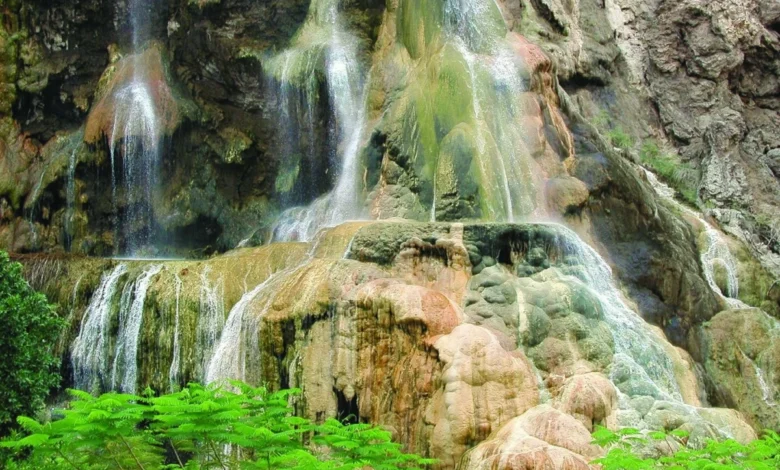
The Ma’in Hot Springs are a primary example of geological majesty combined with commercial viability. Located in the Madaba Governorate, these thermal waterfalls descend from basaltic mountains, reaching temperatures as high as 63°C (145°F). The proximity to the Dead Sea, which sits at the lowest point on Earth, creates a unique microclimate. The Jordanian government has invested heavily in the surrounding infrastructure, positioning the site as a cornerstone of the country’s "Wellness and Medical Tourism" roadmap.
4. Siwa Oasis Hot Springs, Egypt
Deep within the Western Desert lies the Siwa Oasis, a historical anomaly where ancient Berber culture remains largely preserved. Cleopatra’s Bath, the most famous of these springs, is a stone-lined pool fed by natural groundwater. Unlike commercialized spas, the appeal of Siwa remains its remoteness. Geologists note that these springs are part of the Nubian Sandstone Aquifer System, one of the world’s largest fossil water reservoirs, adding an element of environmental rarity to the visitor experience.
5. Ad-Dal’a Hot Springs, Saudi Arabia
Located in the Al-Kharj region, the Ad-Dal’a spring presents a fascinating case study in hydrology. With a depth reaching 30 meters, the spring functions as a subterranean network connected to the nearby Samha Spring. Recent government initiatives under Saudi Vision 2030 have prioritized the documentation and preservation of such geological sites, aiming to integrate them into the nation’s burgeoning eco-tourism circuits.
6. Korbous Hot Springs, Tunisia
Perched on the edge of the Mediterranean, the village of Korbous features seven distinct springs. The water temperature, which can reach 60°C (140°F), is among the highest in the region. Local health studies suggest that the hyperthermal nature of these springs is particularly effective for post-operative recovery and muscular rehabilitation. The aesthetic value of the site, characterized by rugged cliffs overlooking the sea, provides a psychological benefit that complements the physical healing properties of the water.
7. Nakhal Hot Springs, Oman
Known locally as Ain Al Thawarah, the Nakhal springs are a focal point of Oman’s interior tourism. The water emerges at the foot of the Western Hajar Mountains, flowing through a man-made aflaj (irrigation) system that has been refined over centuries. The integration of the nearby 17th-century Nakhal Fort offers a synthesis of cultural history and natural beauty, making it a key attraction for travelers interested in the Omani interior.
8. Al-Jubah Hot Springs, Saudi Arabia
Situated in the Wadi Ad-Dawasir, these springs are significant for their high sulfur content. Unlike the more temperate springs, Al-Jubah serves as a specialized destination for those seeking relief from chronic joint pain. The recent construction of modern bathing facilities ensures that these springs can host international visitors while maintaining high sanitary standards.
Data-Driven Implications for Wellness Tourism
The growth of the wellness tourism market in the Arab world is not incidental. According to recent industry reports, the global wellness tourism market is projected to reach significant valuations by 2030, with the Middle East emerging as a high-growth region. The "hot spring" sector is a critical component of this growth, as it caters to the rising demand for "slow travel"—an approach that prioritizes mental health, physical recovery, and environmental immersion.
From an economic standpoint, these sites offer a hedge against the seasonal fluctuations of traditional beach or city tourism. Because thermal springs are often located in rural or mountainous regions, their development provides essential employment opportunities for local communities, fostering a sustainable economic model that preserves the environment while generating revenue.
Official Responses and Future Outlook
Tourism boards across the region, from the Jordan Tourism Board to the Saudi Tourism Authority, have increasingly highlighted these geothermal assets in their international marketing campaigns. The focus has shifted from mere sightseeing to "wellness experiences." Official statements from regional ministries emphasize the importance of "responsible tourism," noting that any development around these springs must account for the finite nature of groundwater resources.
The integration of these sites into global flight networks—such as the expansion of regional low-cost carriers—has effectively removed the "barrier of distance" that previously kept these destinations as hidden gems. As infrastructure continues to improve, the challenge for these nations will be to maintain the "tranquility" that draws travelers to these springs in the first place. Striking a balance between modernization and the preservation of the raw, natural essence of these oases remains the ultimate objective for the region’s tourism planners.
Ultimately, the allure of the Arab world’s hot springs lies in their duality: they are simultaneously scientific phenomena and historical monuments. As travelers look for increasingly authentic and restorative experiences, these ancient waters offer a timeless solution—a bridge between the frantic pace of modern life and the enduring, restorative power of the Earth’s natural heat. Whether seeking physiological relief or a meditative retreat, the traveler who visits these nine locations is participating in a ritual that has defined human survival and leisure for millennia.