Standing Sentinel Over the Atlantic: The Architectural and Cultural Significance of the Hassan II Mosque in Casablanca

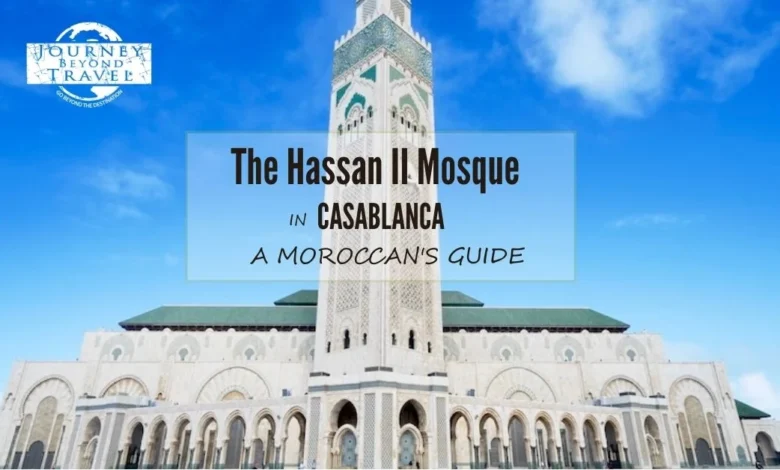
Casablanca, a city frequently romanticized through the lens of mid-century cinema, serves as the economic and industrial powerhouse of Morocco. Beyond the noir-infused nostalgia that defines its global reputation, the city is home to a monument that encapsulates the nation’s modern identity: the Hassan II Mosque. Positioned prominently on a promontory overlooking the Atlantic Ocean, the mosque is more than a place of worship; it is an architectural triumph that symbolizes the collective national effort of the Moroccan people at the close of the 20th century.
A Chronology of Vision and Construction
The conceptual origins of the Hassan II Mosque date back to the late 1980s, following the death of King Mohammed V. King Hassan II envisioned a monument that would serve as a lasting testament to the nation’s Islamic heritage and its future aspirations. Construction officially commenced in 1986, driven by a national mandate that sought to integrate traditional Moroccan craftsmanship with cutting-edge engineering.

The project was completed in 1993, coinciding with the 60th birthday of King Hassan II. The construction process was characterized by a massive mobilization of resources and human capital. Thousands of Moroccan artisans, or maalems, were employed to execute the intricate decorative elements, while over 30,000 workers labored in shifts to meet the ambitious deadline. The funding model was unique: a national public subscription campaign encouraged citizens from all walks of life—from rural farmers to urban merchants—to contribute to the construction, fostering a profound sense of ownership and shared national pride.
Architectural Specifications and Engineering Feats
Designed by the French architect Michel Pinseau, the Hassan II Mosque occupies a nine-hectare site. Its most striking feature is its location; consistent with the Quranic verse, "His throne was upon the water," a significant portion of the prayer hall is built directly over the Atlantic Ocean. This engineering marvel was made possible by the construction of a massive concrete platform capable of withstanding the relentless pressure of the tides.
The dimensions of the structure are equally imposing. The minaret stands at 210 meters (689 feet), making it one of the tallest in the world. It is equipped with a laser light that directs a beam toward Mecca, visible from a distance of up to 30 kilometers. The facility is designed to accommodate 25,000 worshippers in the interior prayer hall, with an additional 80,000 capable of gathering on the expansive exterior esplanade, totaling a capacity of 105,000 individuals during major religious events.

Material sourcing was a critical component of the design philosophy. The project prioritized the use of Moroccan natural resources: cedarwood was harvested from the Middle Atlas Mountains, marble was sourced from Agadir, and granite was extracted from the region of Tafraoute. Only specialized components, such as the massive Murano glass chandeliers imported from Italy, were brought in from abroad, underscoring a commitment to local economic development and the promotion of domestic artisanal industries.
The Academy of Traditional Arts: A Legacy of Preservation
A vital, yet often overlooked, component of the Hassan II Mosque complex is the Academy of Traditional Arts, established in 2012. The institution serves as a functional extension of the mosque’s mission to preserve and propagate Moroccan heritage. The Academy provides rigorous training in ten distinct sectors, including zellij (geometric mosaic tilework), wood carving, metalwork, leatherwork, and traditional calligraphy.
By institutionalizing these crafts, the Moroccan government has sought to ensure that the techniques employed to build the mosque do not vanish with the passing of the elder generation of artisans. The school functions as a living laboratory where history meets modern vocational training, preparing a new generation of craftsmen to maintain both the mosque and the broader cultural infrastructure of the country.

Tourism, Accessibility, and Cultural Etiquette
The Hassan II Mosque holds a unique status in the North African religious landscape. It is one of the very few mosques in Morocco that permits entry to non-Muslim visitors. This policy has been instrumental in fostering cross-cultural dialogue and providing a deeper understanding of Islamic architecture and Moroccan societal values.
Access for tourists is strictly regulated through a guided tour system. These tours operate on a structured schedule, typically commencing in the morning hours to avoid the peak heat of the day and to allow for better natural lighting inside the prayer hall. The guided format ensures that the mosque remains an active and undisturbed place of worship while providing visitors with historical and architectural context.
Respect for the sanctity of the space is the primary requirement for all guests. The dress code is conservative: shoulders, chest, and knees must be covered. Upon entering the prayer hall, all visitors are required to remove their footwear, which are then carried in plastic bags provided by the facility. While the floors are constructed of cool, polished marble—often kept at a comfortable temperature via underfloor heating—the requirement to be barefoot or in socks is a standard practice of Islamic etiquette.

Economic and Social Implications
The existence of the Hassan II Mosque has had a measurable impact on the tourism sector of Casablanca. As the city’s primary cultural landmark, it serves as a central anchor for international visitors, stimulating activity in the surrounding hospitality and dining sectors. The nearby Corniche district has evolved into a hub for tourism, with businesses like La Sqala capitalizing on the proximity to the mosque to provide authentic cultural experiences.
From a sociological perspective, the mosque acts as a focal point for national identity. The fact that the structure was financed through both state funds and public contributions serves as a point of reference for modern Moroccan history. It represents a synthesis of traditional values—such as the importance of the hammam (public bath) and the mosque in daily life—with an outward-looking, modernized urban landscape.
Practical Guidelines for Future Visitors
For those planning a visit, logistical preparation is essential to ensure a seamless experience.

- Arrival: It is highly recommended to arrive early, ideally by 9:00 AM. This timing minimizes exposure to large crowds and allows for the best photographic conditions, as the morning sun accentuates the intricate detail of the marble and zellij work.
- Logistics: The mosque is located on Boulevard Sidi Mohammed Ben Abdallah. It is easily accessible via the city’s network of petit taxis. Visitors should verify ticket prices and tour schedules directly through the official mosque website or a verified tour operator, as these are subject to change based on religious holidays or maintenance schedules.
- Friday Restrictions: Travelers should be aware that the mosque is a functioning place of worship. On Fridays, the day of communal prayer, the site is closed to tourism for the majority of the day.
- Photography: While photography is permitted in most areas, visitors must exercise discretion. It is strictly prohibited to photograph worshippers during prayer or to capture images of local individuals without explicit consent. The exterior, particularly with the Atlantic Ocean as a backdrop, offers the most iconic photographic opportunities.
Conclusion
The Hassan II Mosque remains a pinnacle of architectural ambition in the 21st century. By successfully bridging the divide between historical artistry and modern engineering, the structure provides a tangible connection to the Moroccan past while signaling the country’s trajectory into the future. Whether observed from the perspective of an architectural scholar, a tourist, or a local citizen, the mosque stands as a testament to the power of collective effort and the enduring significance of heritage in an increasingly globalized world. As Casablanca continues to expand and evolve, the Hassan II Mosque will undoubtedly remain its most resilient and graceful sentinel, watching over the Atlantic as it has for the past three decades.