The Blossoming of Tradition: An In-Depth Look at Morocco’s Annual Festival of Roses

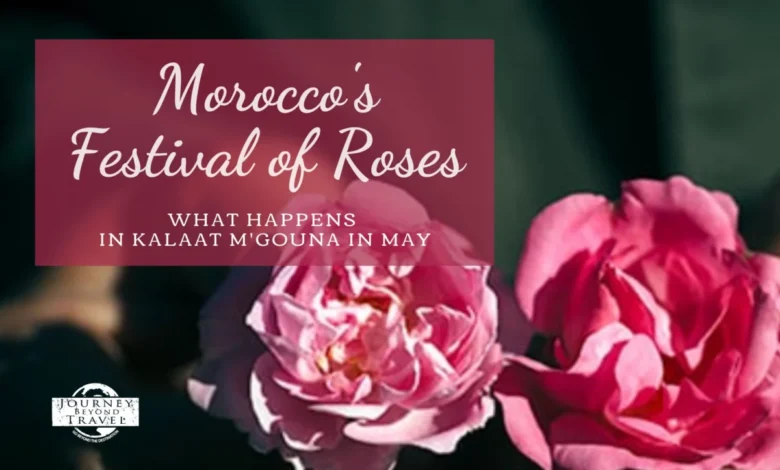
In the rugged, sun-drenched landscapes of Morocco’s Dadès Valley, the annual harvest of the Rosa Damascena—a fragrant, resilient bloom known for its medicinal and aromatic properties—culminates in a cultural phenomenon that bridges the gap between ancient agricultural heritage and modern economic necessity. The 2026 edition of the Salon International de la Rose à Parfum, which concluded on May 10th in the town of Kelaat M’Gouna, served as a poignant reminder of the region’s enduring connection to this botanical industry. For four days, the valley transformed into a epicenter of folklore, industrial exhibition, and community celebration, drawing stakeholders, researchers, and visitors to the foothills of the Atlas Mountains.
Historical and Cultural Significance
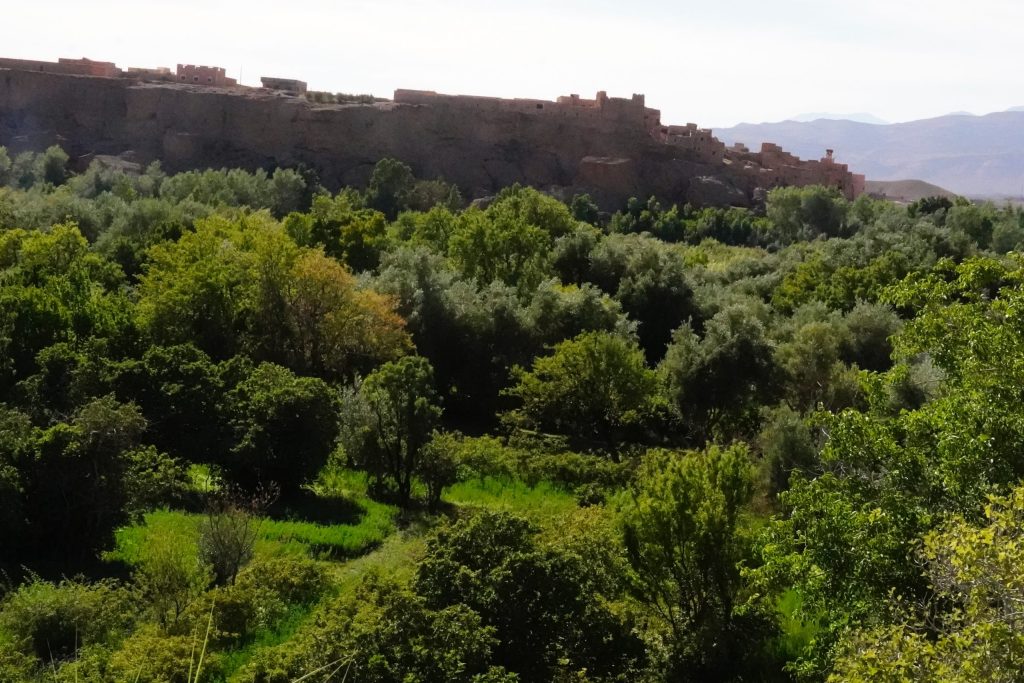
The presence of the rose in this region is not merely an aesthetic choice but a historical legacy. Local lore suggests that the rose was introduced to the area in the 10th century by pilgrims returning from Saudi Arabia. Over the centuries, the plant adapted to the unique microclimate of the Dadès Valley, where the convergence of glacial meltwater from the Atlas Mountains and the arid heat of the desert creates the ideal conditions for the high-potency oil production required by the global perfume industry.
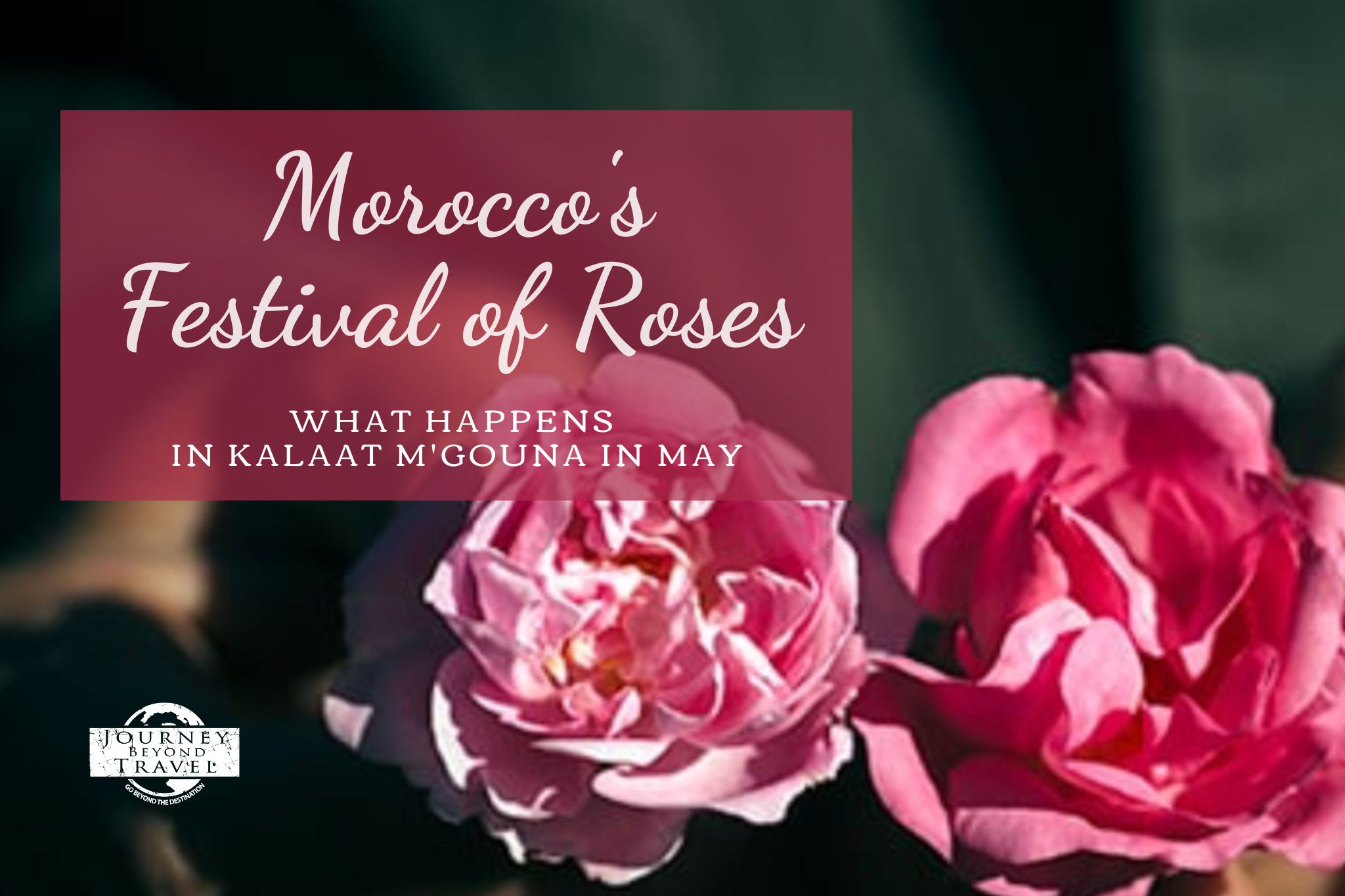
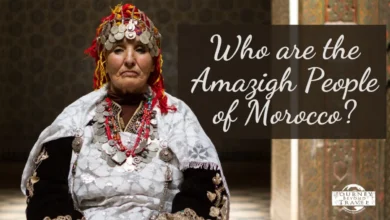
The festival itself has evolved from a local harvest celebration into a state-recognized event. Held under the patronage of King Mohammed VI, the festival serves as a platform to highlight the socio-economic importance of the rose industry, which remains a primary source of income for thousands of families in the Drâa-Tafilalet region. The event is a testament to the resilience of Amazigh culture, as traditional music, dance, and communal festivities are woven into the fabric of the four-day program.
The 2026 Festival Chronology
The 2026 iteration of the festival was marked by a structured transition from academic inquiry to public celebration.
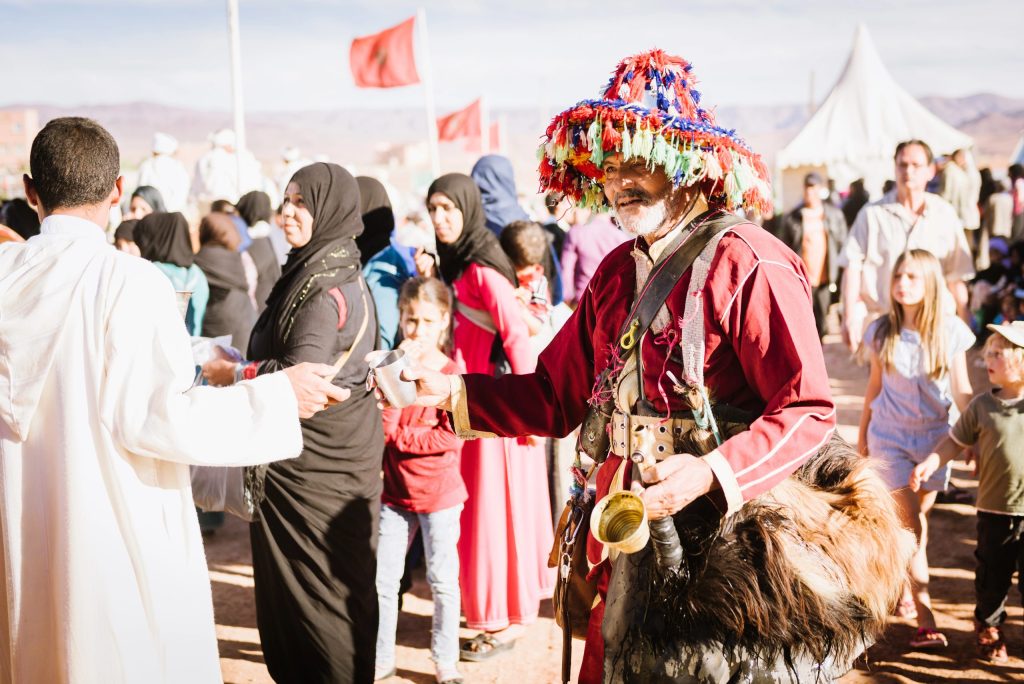
The opening day, May 7, was characterized by official protocols. Following the inaugural speeches and the formal signing of industry conventions, the focus shifted to the exhibition grounds. The afternoon featured traditional Amazigh performances, including the rhythmic ahwach singing, which served to ground the festival in its cultural roots before the commercial and industrial aspects took center stage.
By Friday, May 8, the tone shifted to technical and economic discourse. The Salle des Conférences hosted a series of expert-led panels involving agricultural scientists, local producers, and government officials. The primary agenda included discussions on sustainable irrigation practices, strategies to increase distillation yields, and the challenges of competing in the international fragrance market. This segment of the festival underscores the professional nature of the sector, where the "pink gold" of Morocco is treated with the seriousness of a high-value commodity.
Saturday, May 9, represented the zenith of the festivities. The atmosphere on Boulevard Mohammed VI became one of intense public engagement. The traditional carnival parade, featuring elaborate floral floats and the crowning of the Rose Queen, drew thousands of attendees. For the local community, this day is not merely a tourist attraction but an essential moment for commerce, as the souks become saturated with locally sourced rose oil, dried buds, soaps, and traditional silver jewelry.
The final day, May 10, was marked by a gradual winding down. As the public exhibitions concluded, the quiet return of the valley to its agrarian rhythm served as a reminder that the festival is a brief interruption in a year-long cycle of labor-intensive cultivation.
Industrial Data and Economic Implications
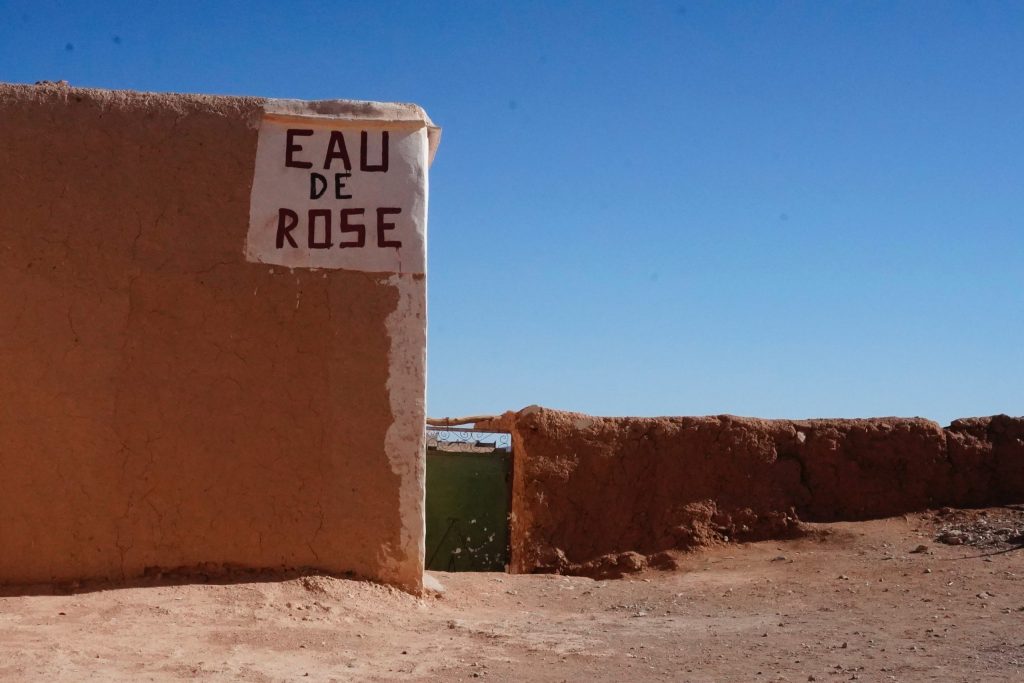
To understand the significance of the Kelaat M’Gouna region, one must look at the quantitative data regarding rose production. The extraction of rose oil, or attar, is an arduous process. It requires approximately 7,000 pounds of hand-picked petals to produce a mere 35 ounces of essential oil. This massive input-to-output ratio explains the premium pricing of authentic Moroccan rose products.
The industry operates on a strict timeline; because the volatile compounds in the roses are highly sensitive to heat, flowers must be harvested in the early morning hours and processed within a few hours of picking to prevent degradation. Consequently, the festival acts as a bottleneck for this massive logistics operation. During the week of the festival, it is common to see trucks laden with tons of petals traversing the N10 highway, contributing to the distinct, heavy scent of roses that permeates the valley during the harvest season.
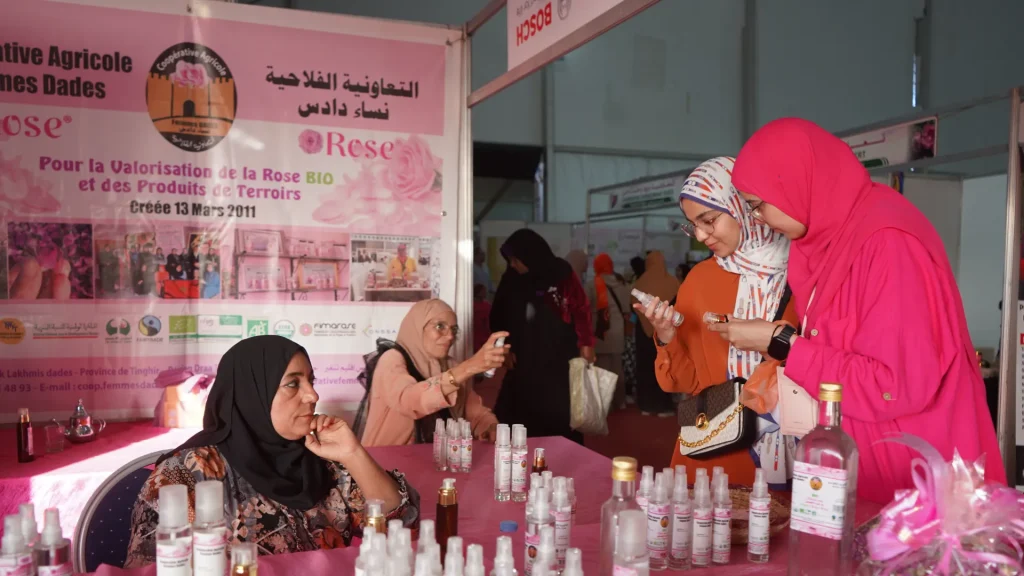
From an economic perspective, the festival serves as a vital marketing window for small-scale cooperatives. By interacting directly with consumers at the Salon, these producers bypass intermediaries, ensuring that a larger share of the profit remains within the local community. This direct-to-consumer model is essential for the sustainability of the region’s traditional artisanal techniques.
Quality Control and Consumer Awareness
A recurring theme during the festival is the education of visitors regarding product authenticity. Experts at the Salon emphasize that genuine rosewater is clear, not pink. The proliferation of artificially colored and scented products in broader commercial markets—often labeled as Moroccan rosewater—poses a challenge to the reputation of the authentic local product. The festival provides a venue where consumers can verify the provenance of their purchases directly from the distilleries, ensuring they are obtaining products derived from the Rosa Damascena rather than synthetic alternatives.
Broader Impact and Future Outlook
The Festival of Roses is more than a cultural display; it is an exercise in regional branding. By positioning Kelaat M’Gouna as a global hub for natural rose products, the festival contributes to the stability of the local economy. The involvement of government agencies and international agricultural bodies suggests a long-term commitment to professionalizing the sector, improving processing facilities, and protecting the region’s geographical indication.
For travelers and researchers, the event offers a rare look at a community that has managed to maintain its traditional agrarian practices while integrating into a sophisticated international supply chain. As planners look toward the 2027 edition, the emphasis remains on the balance between tourism and the preservation of the authentic harvest experience.
Industry analysts observe that the festival’s growth has necessitated improved infrastructure, including better waste management for the massive volumes of petal pulp left over after distillation—a byproduct now increasingly repurposed as organic fertilizer or animal feed, further highlighting the circular nature of the local economy.
Essential Guidance for Attendees
For those planning to attend the 2027 festival, which is expected to occur in the first two weeks of May, experts recommend arriving at least 48 to 72 hours before the Saturday parade. This "pre-festival" period allows visitors to witness the actual harvesting and distillation processes, which are arguably more representative of the region’s identity than the public parade itself.
Accommodation remains the primary logistical hurdle. With limited capacity in Kelaat M’Gouna, early booking is critical. While Ouarzazate serves as a secondary base, the logistical reality of the mountainous terrain makes staying within the valley preferable for those wishing to immerse themselves in the local atmosphere. Furthermore, visitors are advised to rely on cash transactions, as the local cooperative model is largely unequipped for digital payment systems.
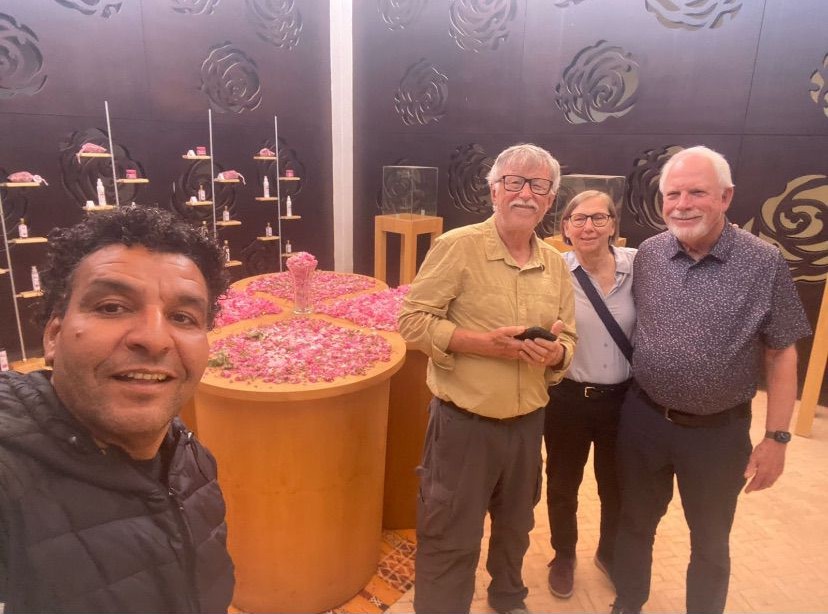
Ultimately, the Moroccan Festival of Roses remains a prime example of how a singular natural resource can define the cultural and economic trajectory of a region. It is a celebration that demands patience, an appreciation for the labor-intensive nature of traditional agriculture, and a respect for the community that has cultivated this botanical legacy for over a millennium. Whether one is there to study the economics of distillation or simply to witness the sheer scale of the bloom, the experience offers a profound insight into the enduring synergy between the Moroccan landscape and the people who tend it.