Eid al-Adha: A Comprehensive Examination of the Islamic World’s Most Significant Observance

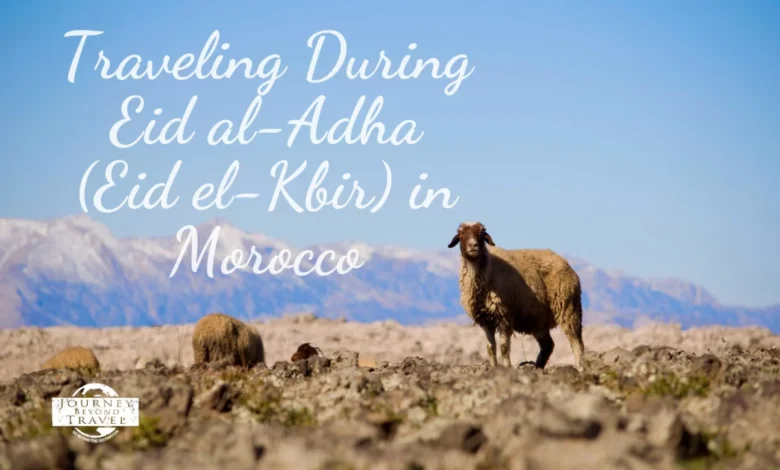
Eid al-Adha, frequently referred to as the "Festival of Sacrifice," stands as the preeminent holiday within the Islamic calendar. Occurring exactly two lunar months following the conclusion of Ramadan, this multi-day observance commemorates the profound narrative of Prophet Ibrahim’s (Abraham) willingness to sacrifice his son as an act of obedience to divine command. While the theological underpinnings are shared with the Abrahamic traditions of Judaism and Christianity, the specific narrative in the Islamic tradition identifies the son as Ismael. Beyond its religious significance, the holiday functions as a major socio-economic event, characterized by communal feasting, charitable distribution of wealth, and a temporary shift in the domestic rhythm of Muslim-majority nations. Known colloquially in North Africa as Eid el-Kbir, or "The Big Holiday," the event is also widely recognized by Francophone populations as la fête du mouton, reflecting the central role the sheep plays in the ritualistic proceedings.
The Chronology and Theological Framework
The timing of Eid al-Adha is tethered to the Dhu al-Hijjah month of the Islamic lunar calendar, coinciding with the culmination of the Hajj pilgrimage in Mecca. The holiday begins on the 10th day of Dhu al-Hijjah and lasts for four days. Because the Islamic calendar is strictly lunar, the holiday shifts approximately 11 days earlier each solar year, necessitating a complex system of moon sighting—often performed by national religious authorities—to confirm the exact start date.
Historically, the festival serves as a physical reenactment of Ibrahim’s devotion. According to Islamic scripture, as Ibrahim prepared to carry out the sacrifice, God intervened, providing a ram to be slaughtered in place of his son. This narrative establishes the practice of Qurbani, or the ritual sacrifice of livestock. Today, the event functions as a mechanism for social cohesion. Families typically distribute one-third of the sacrificed meat to the impoverished, one-third to friends and relatives, and retain the final third for their own household consumption. This mandated distribution serves as a critical annual safety net for marginalized communities, ensuring that even those in dire economic straits have access to high-quality protein and celebratory sustenance.
Economic and Logistical Implications
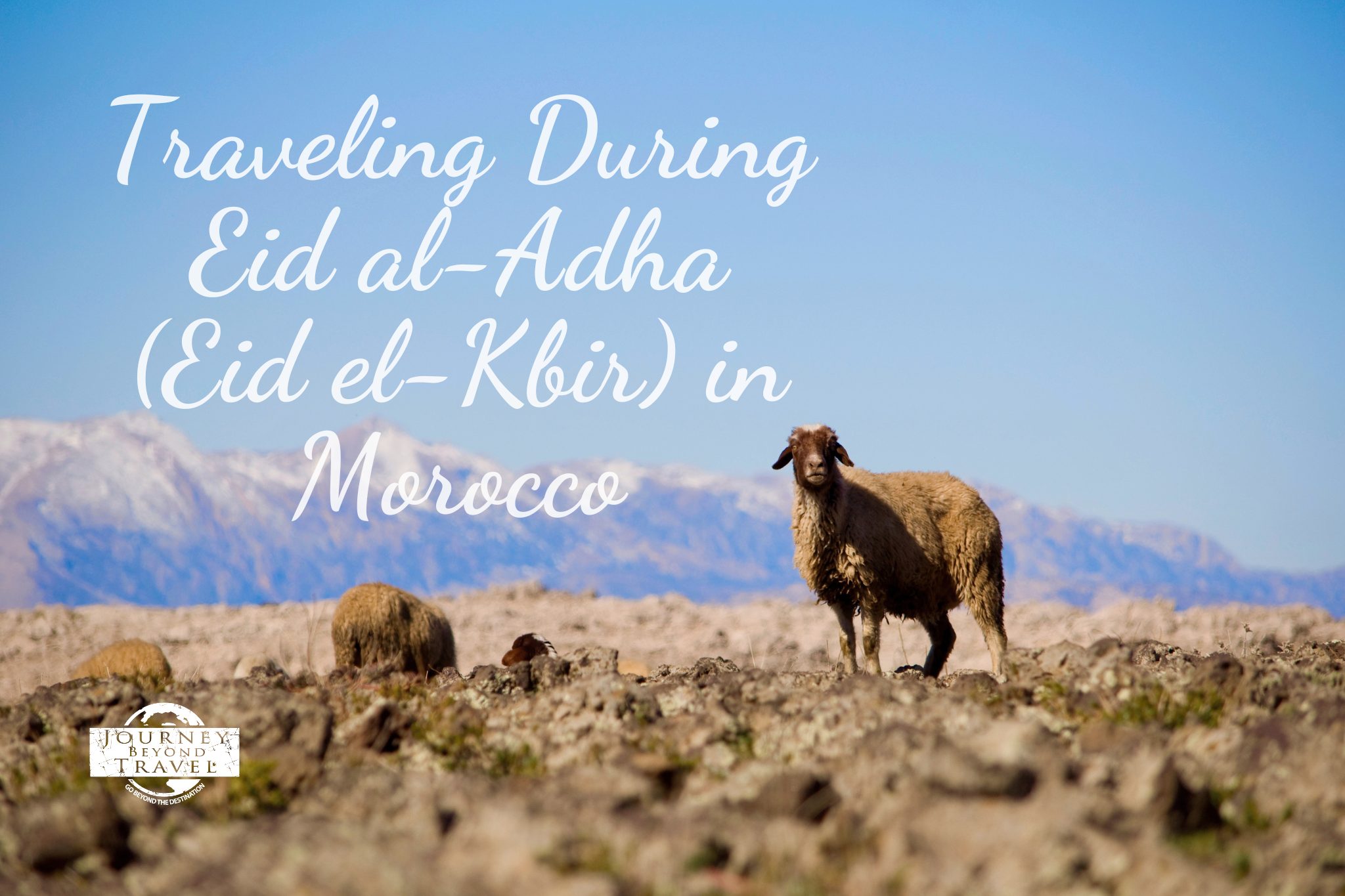
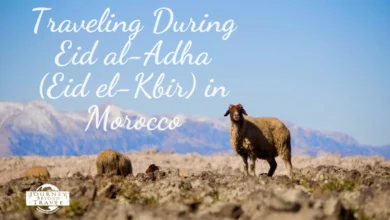
The lead-up to Eid al-Adha triggers a massive surge in livestock demand. In countries such as Morocco, the logistics of this period are staggering. Millions of sheep are transported from rural grazing grounds to urban centers. The sheer volume of livestock creates a unique logistical environment: streets, balconies, and rooftops are repurposed as temporary holding pens. This influx represents a significant portion of the annual income for rural farmers and livestock breeders, making the holiday a vital pillar of the agricultural economy.
From a macroeconomic perspective, the period is marked by high consumer spending. Retail markets, spice vendors, and butcher services experience peak demand. However, this also results in significant infrastructure strain. Public transportation systems often face near-total shutdowns as the workforce migrates from cities to their ancestral homes for the holiday. Major transit arteries become congested, and logistics companies frequently suspend standard operations to accommodate the mass internal migration of families.
The Ritual Experience: A Detailed Observation
The first day of the holiday is defined by the formal sacrifice, conducted in accordance with halal protocols. Professional butchers often enter homes to perform the task, ensuring the process adheres to strict religious and sanitary guidelines. This is a visceral and highly communal experience. By midday, the scent of burning wool and singed meat permeates the air, as families use charcoal barrels—frequently placed on street corners—to singe the sheep’s head and feet, which are considered delicacies and are integrated into traditional recipes.
The culinary cycle of Eid al-Adha is highly structured, with specific cuts of meat designated for each day of the festival. On the first day, the focus is on "offal-forward" dishes. Delicacies such as kebda charmoula—liver seasoned with cumin, paprika, and fresh herbs—are prepared immediately following the sacrifice. These dishes are designed to be consumed fresh, as refrigeration was historically unavailable in rural settings.
By the second day, the consumption shifts to the head and feet, often prepared alongside couscous in a celebratory communal meal. The third day is reserved for more elaborate, slow-cooked dishes such as mhammar, featuring lamb chops marinated in smen (a fermented, clarified butter) and slow-cooked tajines like mrrozeya, which combines the neck of the lamb with honey, raisins, and almonds to create a rich, savory-sweet profile. This cycle is not merely about consumption; it is an exercise in resource management, ensuring that nearly every part of the animal is utilized, minimizing waste, and honoring the sanctity of the offering.

Societal Perspectives and Expert Analysis
Anthropologists and sociologists often characterize Eid al-Adha as a "leveling" event. Because the obligation to provide meat to the poor is a core tenet of the faith, the holiday acts as a temporary bridge across class lines. During these four days, the distinction between the affluent and the indigent is narrowed through the medium of communal dining and charity.
However, the event is not without its challenges. Modern urban centers, particularly in North Africa and the Middle East, struggle with the environmental impact of such a concentrated slaughter. Waste management authorities are frequently overwhelmed, leading to the mobilization of emergency sanitation crews to handle the byproducts of the sacrifice. Despite these logistical hurdles, the cultural imperative remains strong. For the average family, the inability to participate in the sacrifice is considered a significant social hardship, which often leads to the expansion of micro-credit systems and informal lending during the weeks preceding the holiday to ensure all households can acquire a sheep.
Advice for Travelers and Observers
For international visitors, the period surrounding Eid al-Adha offers a profound, albeit challenging, window into the traditional fabric of Islamic society. While the sight of livestock in metropolitan areas may be jarring to those unaccustomed to rural agricultural practices, it is a hallmark of the holiday’s authenticity.
Travel experts, including Morocco-based authors and cultural guides, suggest that travelers should plan for significant delays in transport. Train tickets should be purchased weeks in advance, and travelers should be prepared for the suspension of standard city services. Those visiting major hubs like Marrakesh, Fez, or Casablanca are advised to secure reservations in hotels that provide in-house dining, as many independent restaurants close for the duration of the holiday to allow staff to return to their families.

Despite the logistical friction, the holiday is widely regarded as one of the most welcoming times for a visitor to be present. The social atmosphere is characterized by a "reunification" spirit; invitations to join a family for a meal are not uncommon. Such an experience provides a rare, intimate look at the domestic life of the region, emphasizing the values of hospitality and generosity that are central to the identity of the Islamic world.
Conclusion
Eid al-Adha remains a dynamic intersection of faith, tradition, and economic reality. It is a time when the modern world pauses to observe an ancient practice that reinforces the bonds of family and community. By understanding the rigorous scheduling, the dietary traditions, and the logistical realities of the festival, observers can better appreciate the depth of its cultural significance. Whether viewed through the lens of religious devotion or as a fundamental societal ritual, the "Big Holiday" continues to serve as an essential touchstone for millions, marking the calendar with a blend of solemnity, sacrifice, and celebration. As the global Muslim population continues to grow, the holiday’s influence on regional economies and social structures will likely remain as robust as ever, cementing its place as a defining event in the human experience.