The Great European Pivot: Why Budget-Conscious Travelers Are Abandoning Traditional Hotspots for Underrated Gems

The landscape of European tourism is undergoing a structural transformation as travelers, particularly those from the United States, pivot away from iconic, high-cost capitals in favor of more affordable, emerging destinations. Data from the European Travel Commission (ETC) for the 2026 season confirms that the traditional dominance of destinations like Paris, Rome, and London is waning. Instead, a distinct migration toward smaller, budget-friendly nations—most notably in Central and Eastern Europe—has become the defining trend of the current travel era.
This shift is rooted in a complex convergence of macroeconomic pressures. With European inflation rates consistently hovering above the three percent threshold and airfare costs for transatlantic travel surging by 33 percent in the fall of 2026 compared to the previous year, the financial barrier to entry for a "classic" European vacation has reached an inflection point. As discretionary income is squeezed by high living costs, travelers are increasingly prioritizing value, leading to a surge in arrivals for countries that offer historical, cultural, and natural beauty without the premium price tags associated with Western European hubs.
The Macroeconomic Catalyst for Change
The travel industry has operated under the assumption that demand for heritage cities is inelastic; however, the 2026 figures suggest otherwise. The year began with a significant recalibration of consumer behavior. By early spring 2026, industry analysts noted that while demand for Europe remained high, the "shoulder season"—traditionally the period between peak summer and winter—failed to provide the typical price relief.
According to market research, the 33 percent spike in airfare was driven by a combination of high fuel costs and labor shortages, which limited flight capacity. For the average American traveler, this meant that a trip to France or Italy required a significantly larger budget for transport alone, forcing many to look toward destinations where the local cost of living remained lower. The result has been a redistribution of tourism revenue, with nations that were once considered peripheral now capturing a larger share of the market.
Malta: The Short-Haul Surge
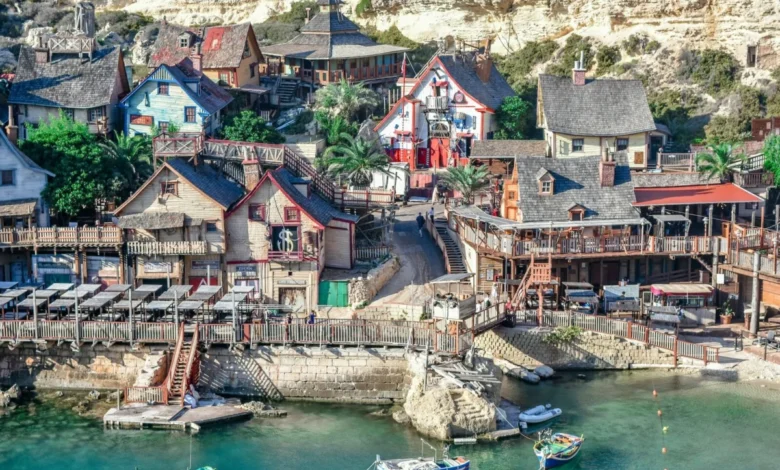
Malta recorded the most rapid growth in arrivals for the 2026 season, marking an 18.1 percent increase. This surge is primarily attributed to a strategic expansion of short-haul, low-cost carrier routes connecting the archipelago to major European hubs. While the increase in arrivals was substantial, the growth in overnight stays remained more modest at 10.1 percent, highlighting a shift in travel style.
Industry experts observe that Malta has effectively captured the "long weekend" market. The island’s temperate climate, which extends well into the autumn months, allows it to function as a viable alternative to more expensive Mediterranean resorts. By leveraging its historical architecture and coastal accessibility, Malta has positioned itself as an efficient, budget-conscious getaway. However, the disparity between the growth of arrivals and the duration of stay suggests that while the destination is successful in attracting volume, it faces the challenge of converting transient visitors into long-term tourists.
Ireland: The Rise of the Extended Road Trip
Ireland presents a compelling counter-narrative to the short-trip trend. While arrivals increased by 12.7 percent, overnight stays surged by 17.6 percent, representing the largest jump in the region. This statistic serves as a primary indicator that the composition of the average visitor’s itinerary is changing.
The data suggests a transition from city-centric tourism—typically centered on the high-cost hotel market of Dublin—to regional exploration. The "Wild Atlantic Way," a 1,600-mile coastal route, has become a focal point for travelers seeking to maximize the value of their trip. By venturing into the rugged landscapes of the west, tourists are finding more affordable accommodation options in rural areas compared to the inflated prices of the capital. This dispersal of tourism is viewed positively by regional economic development boards, as it alleviates pressure on urban infrastructure while stimulating local economies in traditionally quieter provinces.
Montenegro and the Adriatic Alternative
Montenegro’s 9.6 percent growth in arrivals is a direct result of aggressive aviation infrastructure development. The decision by Wizz Air to establish a base at Podgorica Airport in the spring of 2026 served as a catalyst, resulting in a 30 percent increase in flight volume.
The economic implication for Montenegro is clear: it is effectively competing with Croatia by offering an almost identical geographical experience—walled medieval towns and turquoise Adriatic coastlines—at a lower price point. For many, the "Croatian experience" has become a victim of its own success, with surging costs and over-tourism in cities like Dubrovnik prompting a search for regional alternatives. Montenegro has successfully positioned itself as the logical successor, capitalizing on the high demand for Adriatic travel while maintaining a lower cost of entry for service-sector spending.
Slovakia: Capitalizing on the "Value Alps"
In Central Europe, Slovakia has emerged as the premier destination for nature and wellness-focused travel. With a 14.8 percent increase in arrivals and a 15.4 percent rise in overnights, the country is proving that the demand for outdoor recreation is increasingly driven by budget considerations.
Slovakia has effectively marketed its High Tatras region as a direct competitor to the Swiss and Austrian Alps. With a robust infrastructure for hiking and skiing, coupled with a dense concentration of thermal spa towns like Piešťany, the country offers a premium wellness experience at a fraction of the cost found in Western Europe. Furthermore, its geographical proximity to Vienna—only an hour by train—allows it to be integrated into broader Central European itineraries. This strategic positioning has allowed Slovakia to pivot from a "transit country" to a primary destination in its own right.
The American Perspective: A Broader Trend
The trend is not confined to intra-European travel; it is a global phenomenon. While Spain continues to attract the highest volume of American tourists, the growth rates in non-traditional destinations are significantly higher. The 29 percent increase in U.S. visits to Montenegro, 24.7 percent to Romania, and 24.1 percent to Slovenia indicate that the American travel demographic is becoming more adventurous and price-sensitive.
This shift has not gone unnoticed by tourism boards. Many of these nations are now increasing their marketing spend in North America, highlighting their safety, cultural heritage, and value-for-money propositions. The European Travel Commission, in its recent summary, noted that this movement is not a temporary fluctuation but a structural trend that is likely to continue into 2027.
Implications and Future Projections
The rapid growth observed in these emerging markets brings both opportunity and risk. As countries like Montenegro and Slovakia gain popularity, they face the classic challenge of tourism management: maintaining the affordability and authenticity that initially attracted visitors while managing the strain of increased numbers.
Industry analysts warn that these destinations are currently on a trajectory similar to that of Portugal and Croatia five years ago. As infrastructure is upgraded to meet demand, the inevitable increase in hotel prices and local costs of living may eventually neutralize the "budget" appeal. However, for the 2027 season, these countries are projected to see further growth of approximately 10 percent.
For the modern traveler, the implication is that the "golden window" for visiting these regions—before they become mainstream, overcrowded, and expensive—is currently open. The data confirms that while the allure of the classic European capitals remains, the future of the continent’s tourism industry is increasingly being written in the smaller, more affordable, and often overlooked corners of the map. By prioritizing long-term regional development and capitalizing on the desire for authentic, value-driven experiences, these emerging nations are successfully altering the traditional map of European travel.