Hacienda del Mar Los Cabos: A Study in the Evolution of Mexican Luxury Hospitality

The transformation of Hacienda del Mar Los Cabos from a traditional upscale resort into a modern all-inclusive property marks a significant shift in the competitive landscape of Mexico’s tourism sector. Situated along the prestigious tourist corridor of the Baja California Peninsula, the resort has spent over three decades positioning itself as a cornerstone of the Los Cabos luxury market. By transitioning to an all-inclusive model in July 2025, the property is navigating the delicate balance between maintaining its storied architectural legacy and meeting the contemporary demands of a global traveler base that increasingly prioritizes convenience, culinary diversity, and immersive entertainment.
A Chronology of Development and Transition
The history of Hacienda del Mar is inextricably linked to the rapid expansion of Los Cabos as an international travel destination in the 1990s. Initially conceived as a timeshare development project in the mid-1990s, the resort was designed to capitalize on the area’s burgeoning reputation for elite, beachfront seclusion. The architectural vision was rooted in the aesthetic of the classic Mexican hacienda, characterized by sprawling villa-style structures, terracotta roofs, and intricate courtyard designs that emphasize regional heritage over the sterile minimalism often found in newer hotel chains.
In 2000, the resort entered a significant partnership with Sheraton, integrating into a global network that bolstered its visibility and operational standards for two decades. This period established the property’s reputation for reliable service and sophisticated, non-all-inclusive dining. By 2020, the property joined Marriott’s Autograph Collection, a strategic move aimed at attracting guests looking for independent-style character backed by the prestige of a major hotel brand. The most recent pivot—the adoption of an all-inclusive framework in 2025—represents the third major phase in the resort’s operational identity, aimed at aligning the property with the shifting expectations of the post-pandemic luxury market.
Architectural Legacy and Contemporary Utility
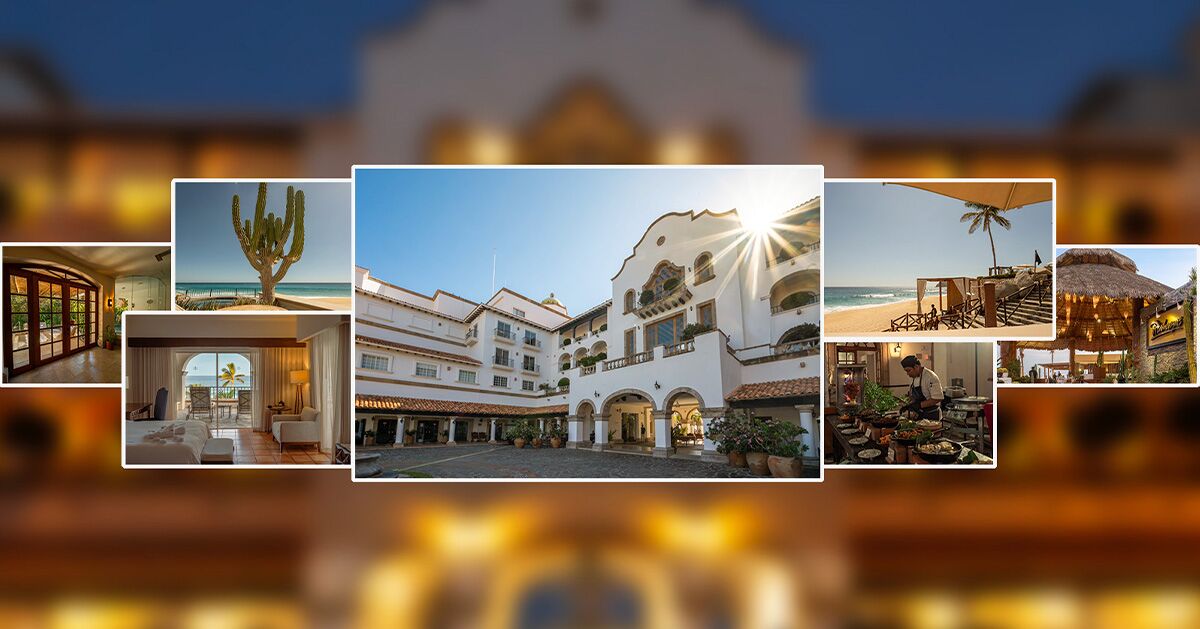
Despite the operational changes, the physical footprint of Hacienda del Mar remains a testament to its origins. The property spans vast, lush grounds featuring hand-painted tiles, stone walkways, and a notable collection of religious art, which distinguishes it from the high-rise concrete structures that have become common in the region.
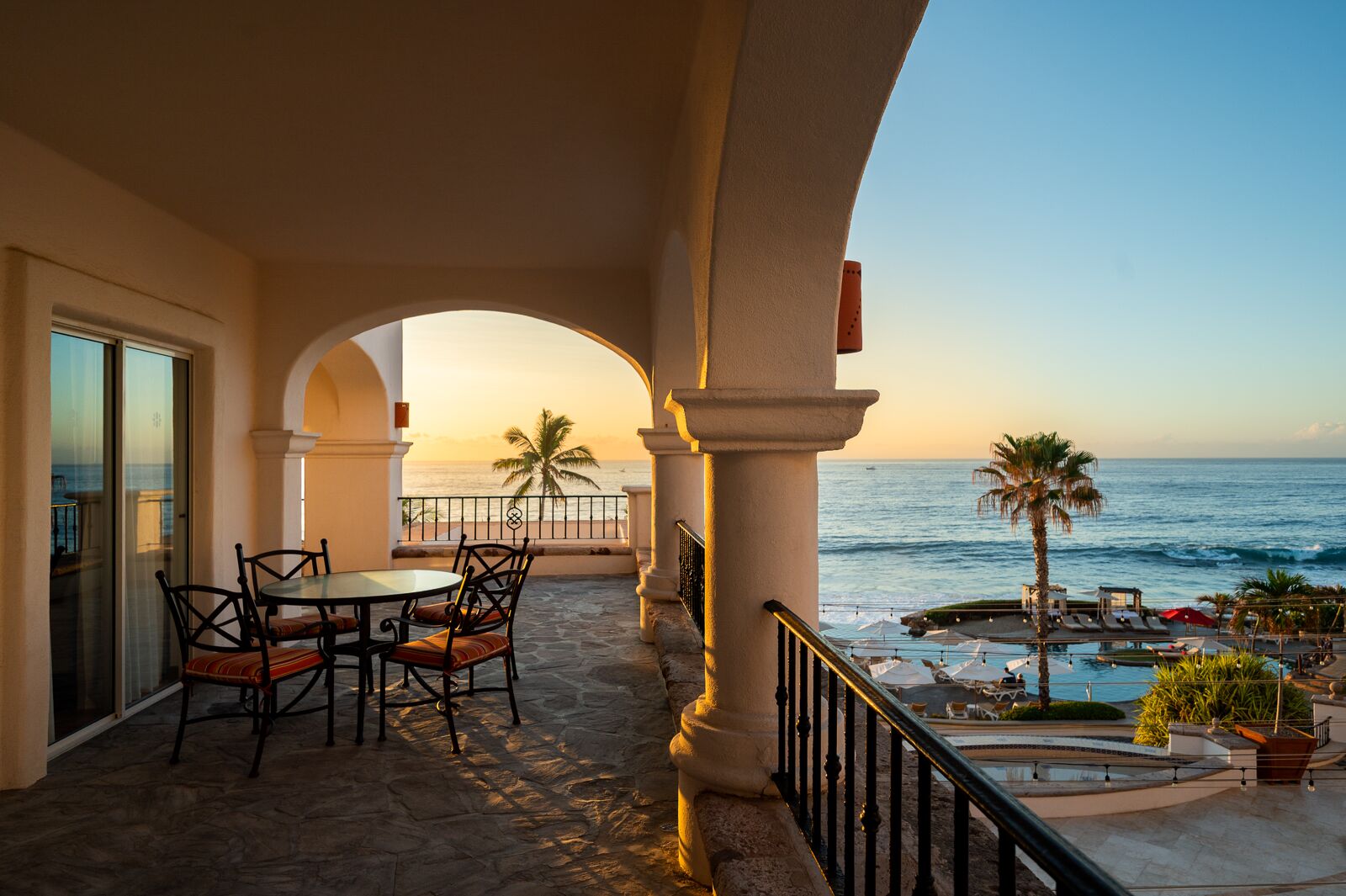
The rooms reflect this design philosophy, maintaining heavy wooden furnishings and traditional floor plans that prioritize space and outdoor access. Each unit features oversized balconies—often equipped with full lounging and dining configurations—offering direct views of the Gulf of California. While the interior design has undergone modern refinements, such as the installation of contemporary glass-walled showers, the structural integrity remains firmly anchored in the 1990s aesthetic. This continuity provides a sense of place that many newer, purpose-built all-inclusive resorts struggle to replicate, offering an atmospheric authenticity that appeals to long-term repeat visitors.
Culinary Strategy in an All-Inclusive Context
The primary challenge for any luxury property transitioning to an all-inclusive model is maintaining the perceived quality of its culinary offerings. At Hacienda del Mar, the management has opted to preserve its existing, high-end restaurant infrastructure rather than replacing it with standard buffet-heavy facilities.
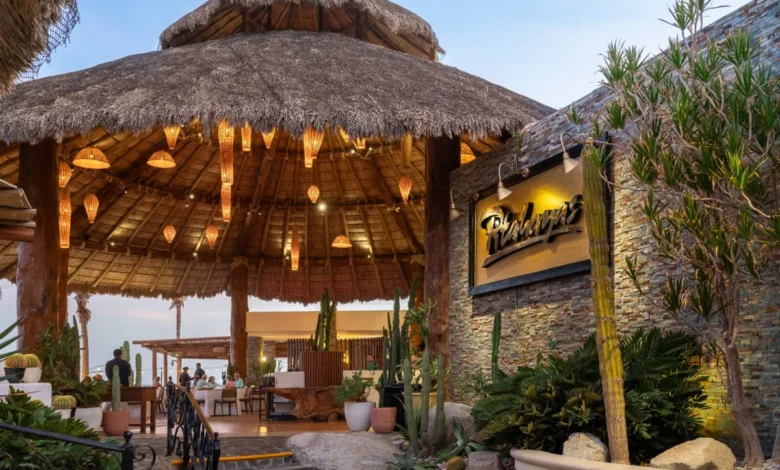
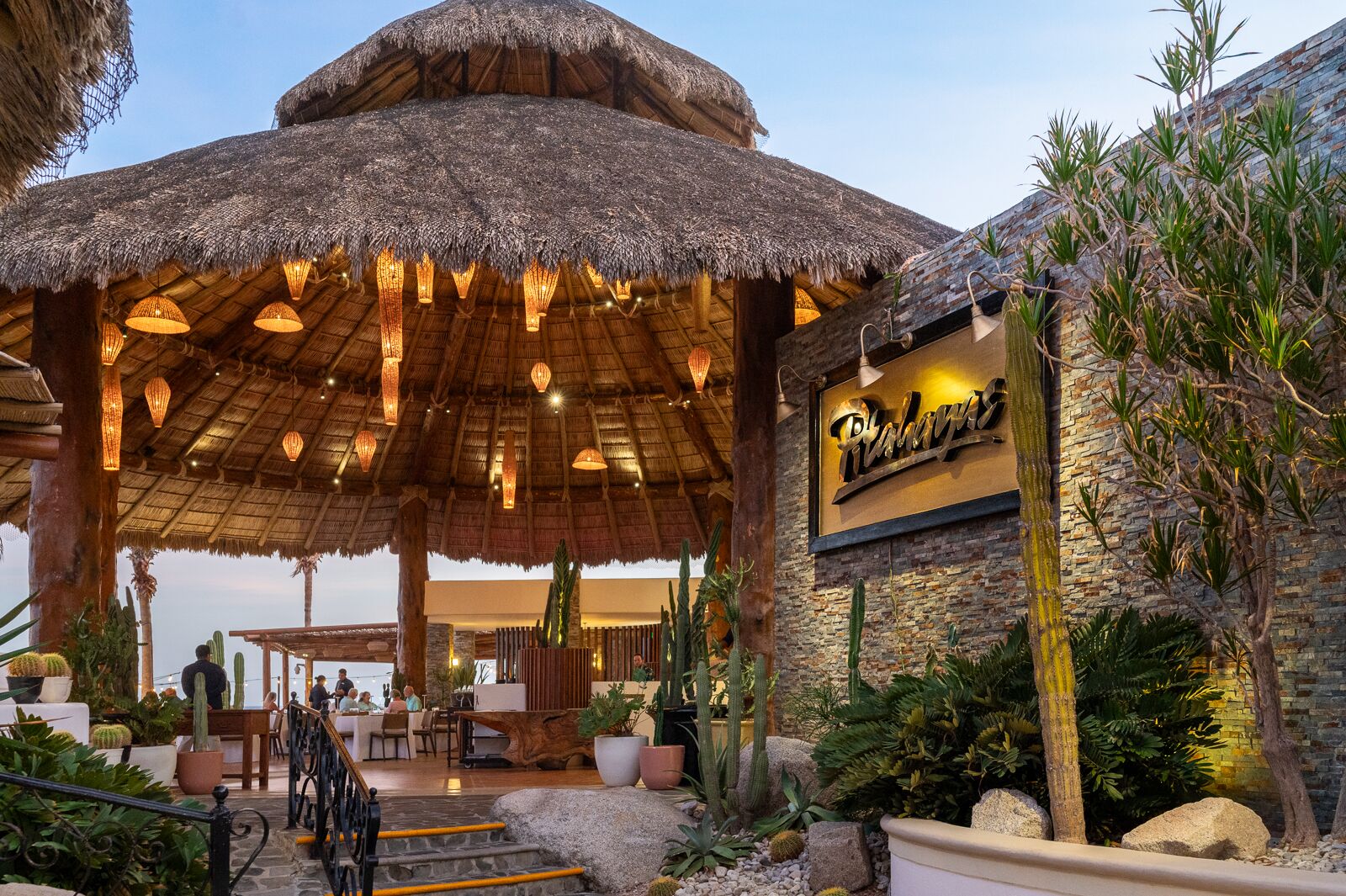
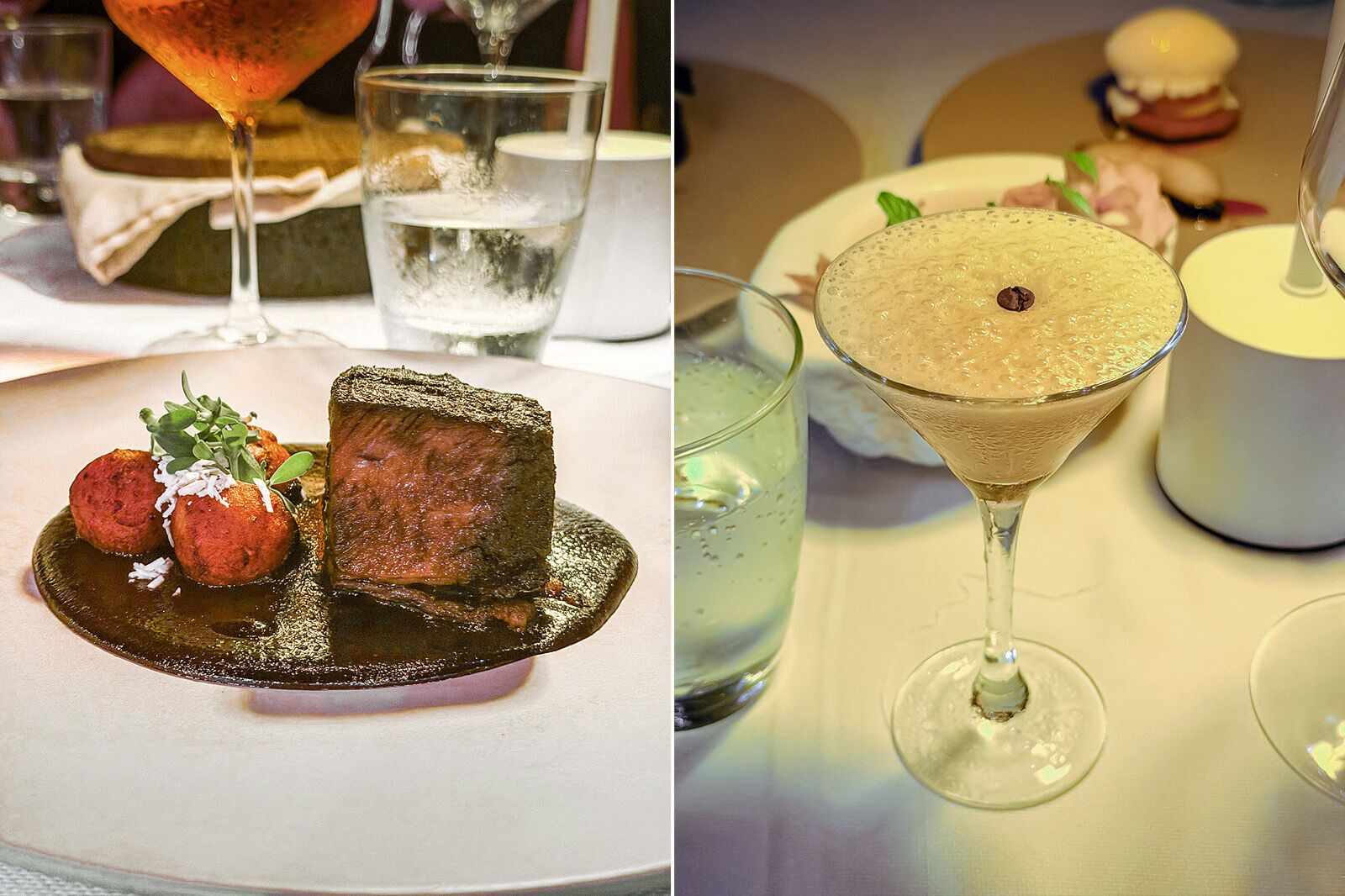
Central to this strategy is the Pitahayas restaurant, a venue that has operated since 1995. Originally built to showcase Pacific Rim cuisine, the restaurant has evolved to focus on regional Mexican ingredients. By retaining Pitahayas as a featured component of the all-inclusive package, the resort creates a value proposition that differentiates it from competitors. Chef José Lazcarro, who oversees the resort’s dining program, has implemented a menu that spans seven distinct restaurants.
Supporting data suggests that food and beverage quality is the leading driver of guest satisfaction scores in the luxury all-inclusive segment. By integrating specialized dining—such as the regional specialties served at the breakfast buffet, including molotes, tetelas, and panuchos—the resort avoids the “commodity” trap of mass-produced, bland hotel food. While premium selections, such as high-end vintages from the wine list, remain an extra charge, the inclusion of sophisticated dining within the base rate serves as a key indicator of the property’s commitment to its historical standards.
Balancing Activity with Seclusion
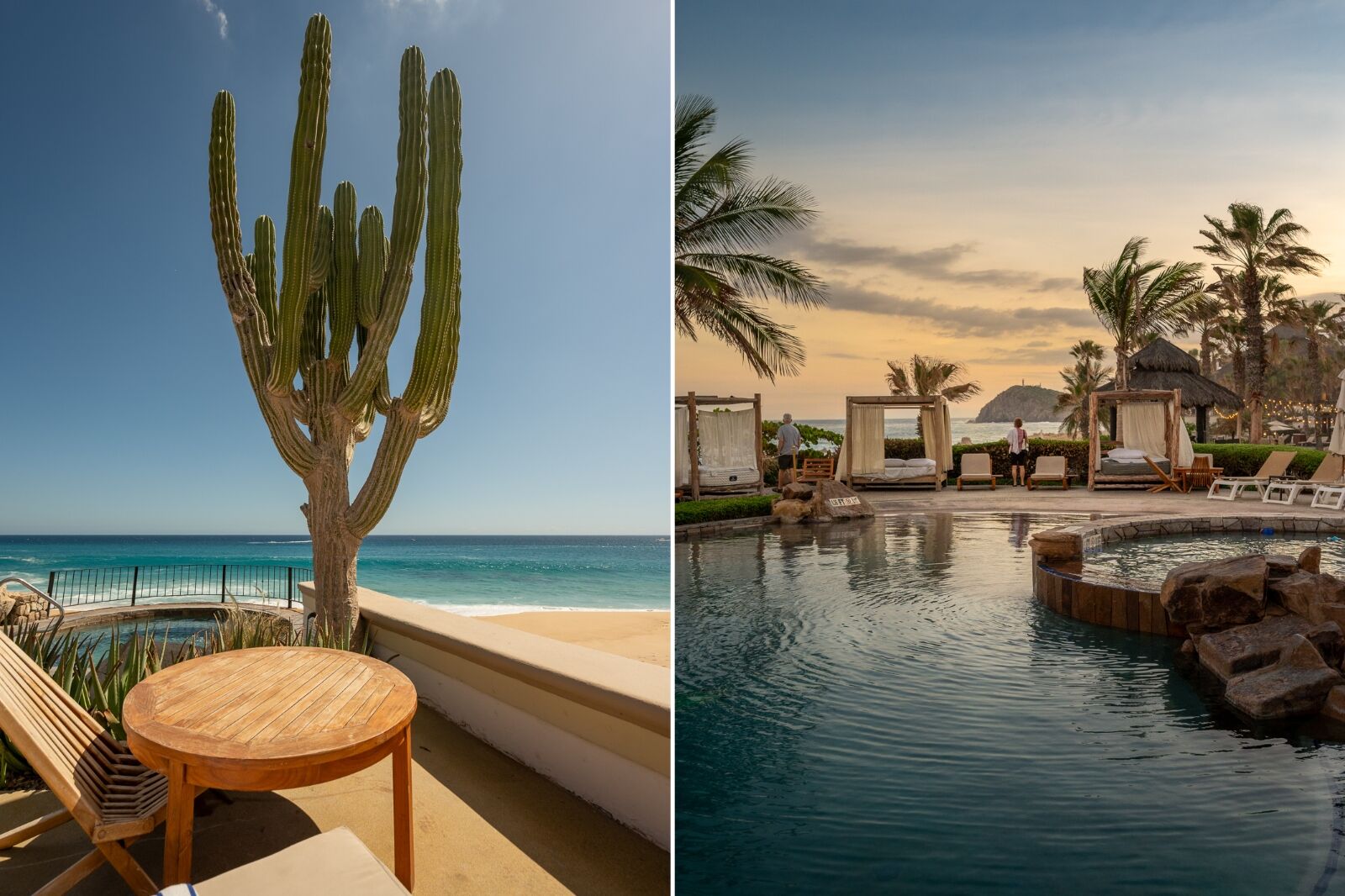
Hacienda del Mar operates on two distinct functional planes: the vibrant, high-energy pool and entertainment area, and the quiet, wellness-focused zones. This duality is a common, yet difficult, objective for large-scale resorts.
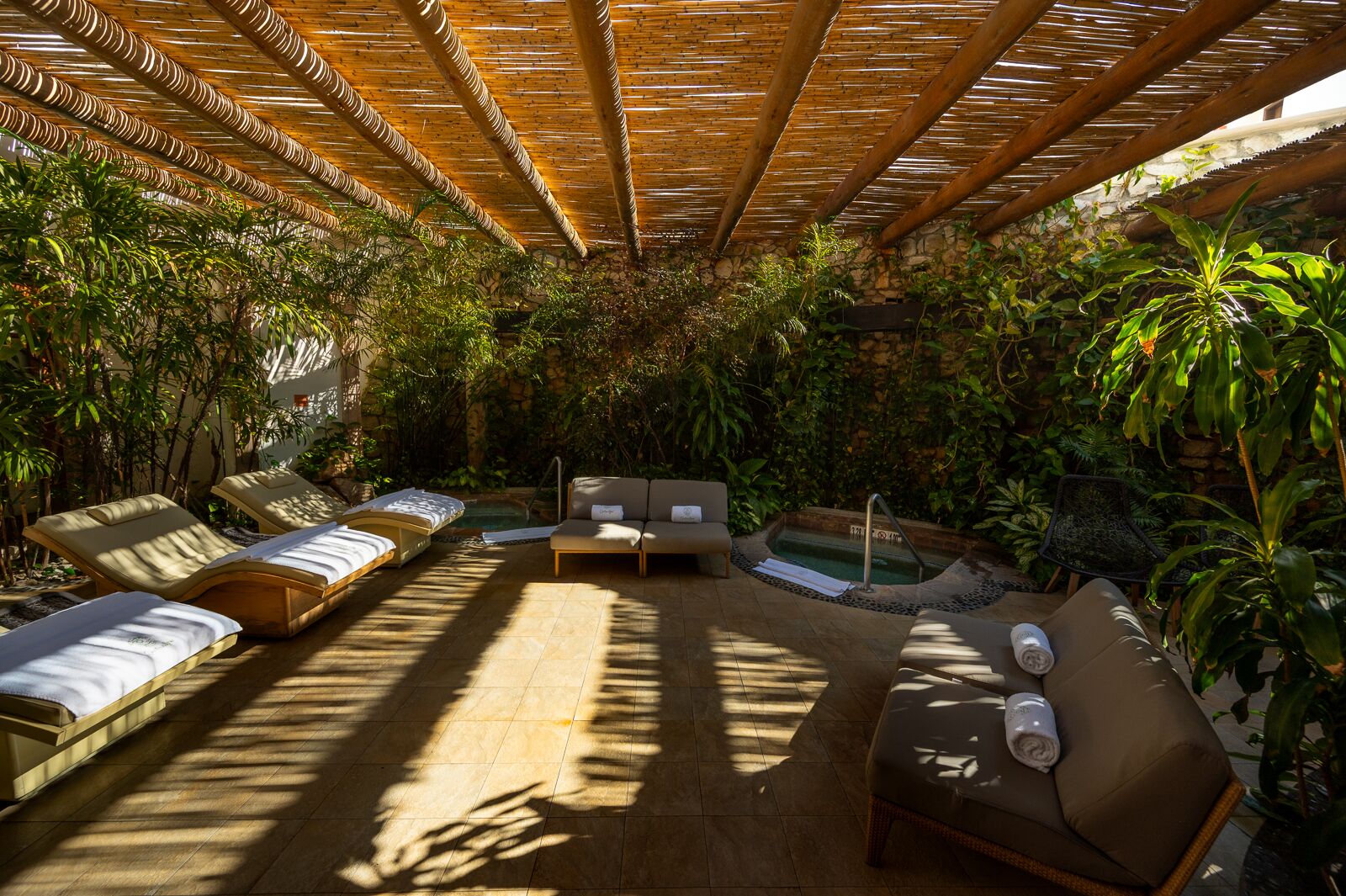
The resort’s Cactus Spa serves as a focal point for the latter. Its design, which features an indoor courtyard shaded by a wood-mesh ceiling and a specialized hydrotherapy circuit, offers a stark contrast to the lively atmosphere of the main pool decks. This quietude is essential for attracting a multi-generational demographic. Data from the global wellness tourism market indicates that travelers are increasingly selecting destinations based on the quality of their spa and mental health facilities, and the intimate, serene nature of the Cactus Spa provides a necessary reprieve from the social density of the main resort areas.
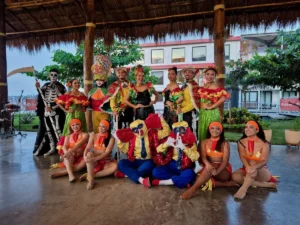
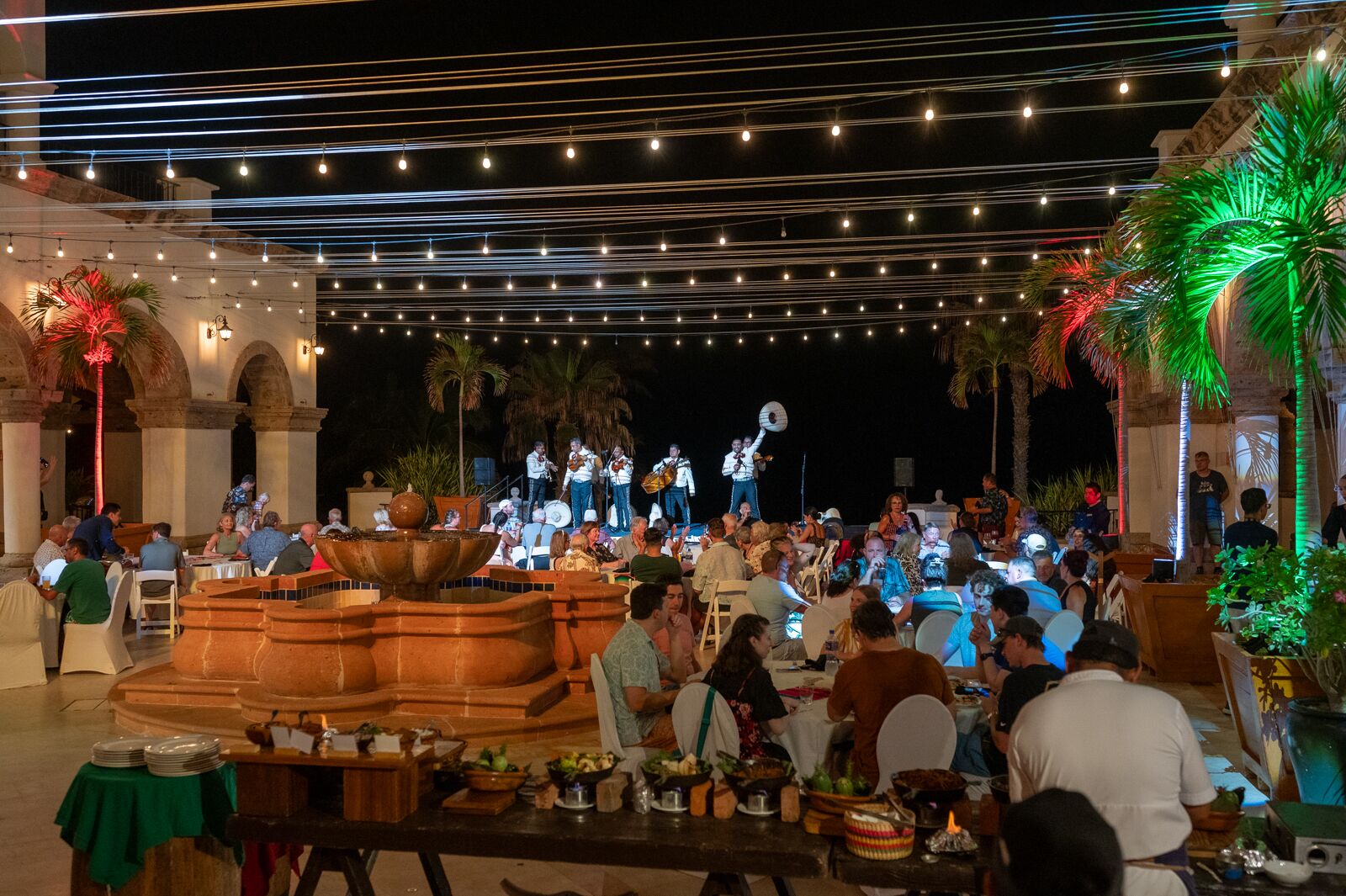
Conversely, the entertainment program—which includes weekly Mexican cultural festivals featuring mariachi, folkloric dance, and ceremonial tributes—leverages the resort’s large footprint to host large-scale events. This programming is designed to provide an “all-in-one” experience, reducing the need for guests to venture off-property for cultural immersion.
Market Implications and Future Outlook
The decision of Hacienda del Mar to transition into an all-inclusive model is a reflection of a broader market trend. As consumer preferences move toward “frictionless” travel, where costs are predictable and convenience is maximized, traditional resorts are finding it increasingly necessary to adapt. However, the risk of such a transition is the dilution of the brand’s original prestige.
The success of Hacienda del Mar in this new era rests on its ability to maintain its distinct, non-corporate personality. In a region like Los Cabos, which is becoming saturated with modern, glass-and-steel luxury resorts, there is a tangible market gap for "classic" properties that offer a sense of history. By avoiding the temptation to undergo a full-scale, generic renovation, the resort has managed to retain its character while adopting the operational efficiency of an all-inclusive.
The implications for the local tourism economy are clear: the property remains a vital player in the Los Cabos tourist corridor, providing an alternative to the ultra-modern luxury resorts that dominate the surrounding coastline. While the mix of old-school charm and modern all-inclusive logistics does not always align perfectly, it provides guests with a level of choice and autonomy that is becoming rare in the hospitality industry.
Ultimately, the transformation of Hacienda del Mar serves as a case study for legacy properties attempting to survive in an era of rapid industry disruption. By betting on the strength of its existing infrastructure and the quality of its culinary heritage, the resort is betting that the modern traveler values a unique, authentic experience over the homogenized luxury of newer, mass-market developments. As the resort continues to refine its all-inclusive offerings, its success will depend on its ability to continue honoring its thirty-year history while simultaneously delivering the high-touch, inclusive service that the current market demands.