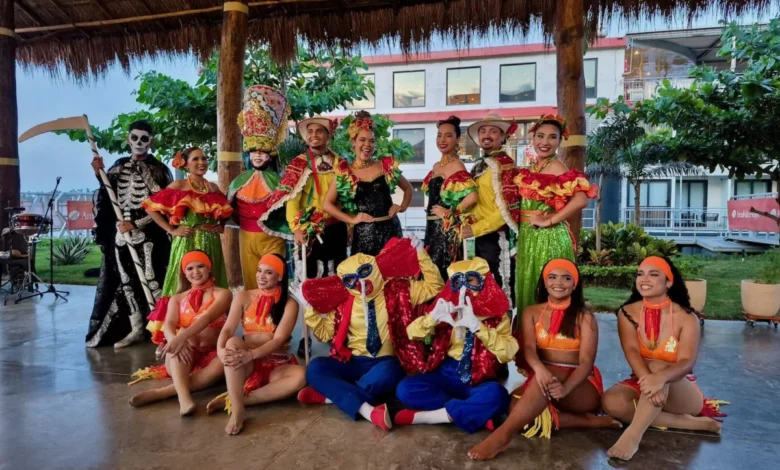
The Magdalena River, Colombia’s principal artery, has long served as a lifeline for trade and transport, but it is currently undergoing a transformative shift toward high-end, community-focused tourism. As the first luxury river cruise line to operate in the region, AmaWaterways has introduced the Magic of Colombia itinerary, an experience that mirrors the cultural intensity of the Barranquilla Carnival. This transition represents a significant pivot for the region, as luxury travel infrastructure replaces traditional commercial barge reliance, bringing global travelers into intimate contact with the country’s diverse Afro-Colombian and indigenous traditions.
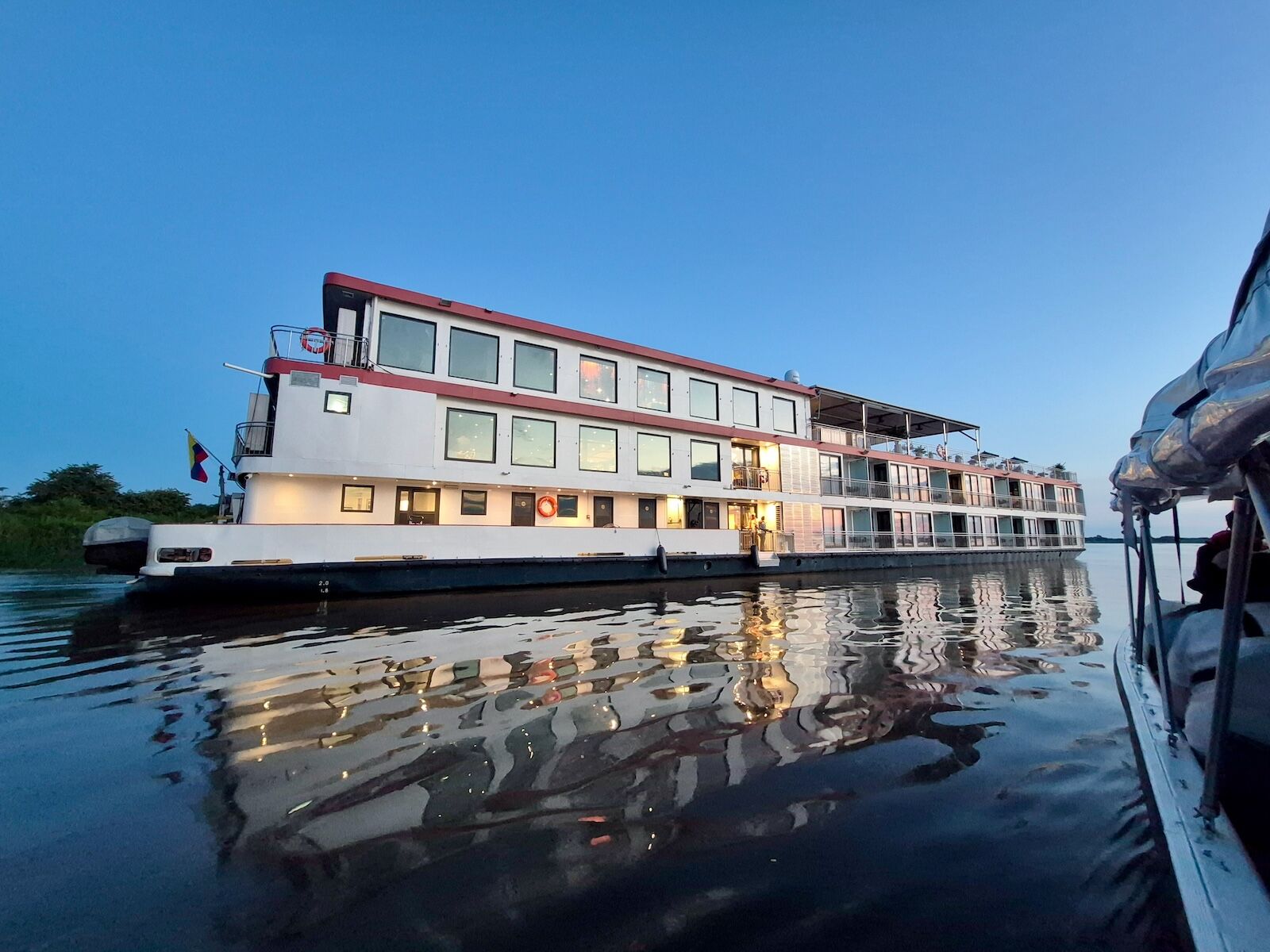
The Barranquilla Carnival, an UNESCO Masterpiece of the Oral and Intangible Heritage of Humanity, serves as the thematic and operational foundation for this cruise experience. Held annually in the days leading up to Ash Wednesday, the festival is a sprawling manifestation of Colombian folklore, featuring a fusion of European, African, and Indigenous influences. By integrating elements of this celebration into the onboard programming, AmaWaterways has attempted to bridge the gap between static tourism and participatory cultural immersion. Passengers on the AmaMagdalena—a vessel designed with a 60-guest capacity—are not merely observers; they are invited into the rhythmic landscape of the river through workshops, local performances, and guided interactions with communities that were previously isolated from international tourism circuits.
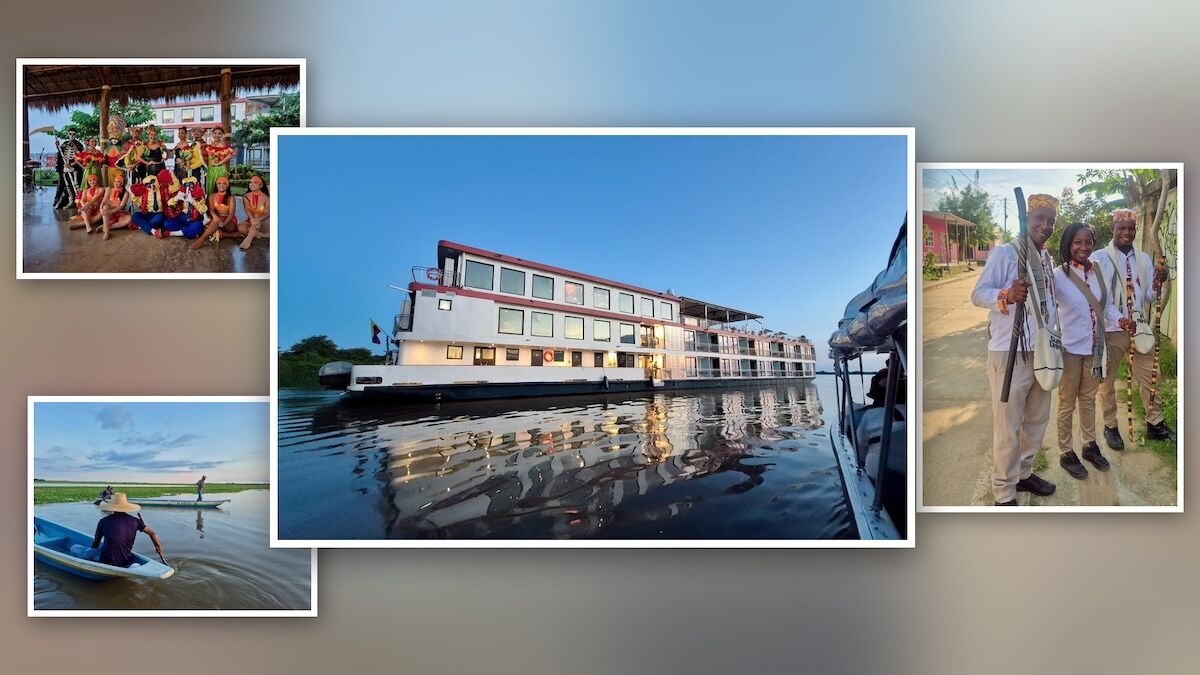
The Geography of Rhythm: A Cultural and Environmental Context
Colombia is frequently characterized by two distinct yet intersecting descriptors: the "land of a thousand rhythms" and the "land of a thousand rivers." With over 1,000 distinct musical styles and a complex network of waterways, the Magdalena serves as the connective tissue for these expressions. The river, stretching roughly 948 miles from the Colombian Andes to the Caribbean Sea, has historically been the primary conduit for the movement of goods. Today, however, the introduction of cruise vessels like the AmaMagdalena and its sister ship, the AmaMelodia, is creating a new economic model for riverside settlements.
This shift is not without its challenges. The Magdalena is subject to extreme hydrological volatility, influenced by phenomena such as El Niño, which has led to record-breaking droughts and fluctuating water levels. These environmental realities dictate the cruise’s itinerary. For instance, while the town of Santa Cruz de Mompox remains a high-priority destination, low water levels often necessitate tactical adjustments, such as bringing local performers directly to the ship at more accessible ports like El Banco. This adaptability is essential for maintaining the integrity of the passenger experience while respecting the environmental limits of the river basin.
A Chronology of Discovery and Cultural Exchange
The trajectory of the voyage begins with the recognition of the river as a living library of Colombian identity. Early in the journey, passengers encounter the intricate language of cumbia—not merely as a dance, but as a socio-historical narrative. In El Banco, often cited as the birthplace of cumbia, local ensembles explain the significance of the guache, which mimics the sound of the ocean, and the caña de millo, which translates the melodies of local birdsong.
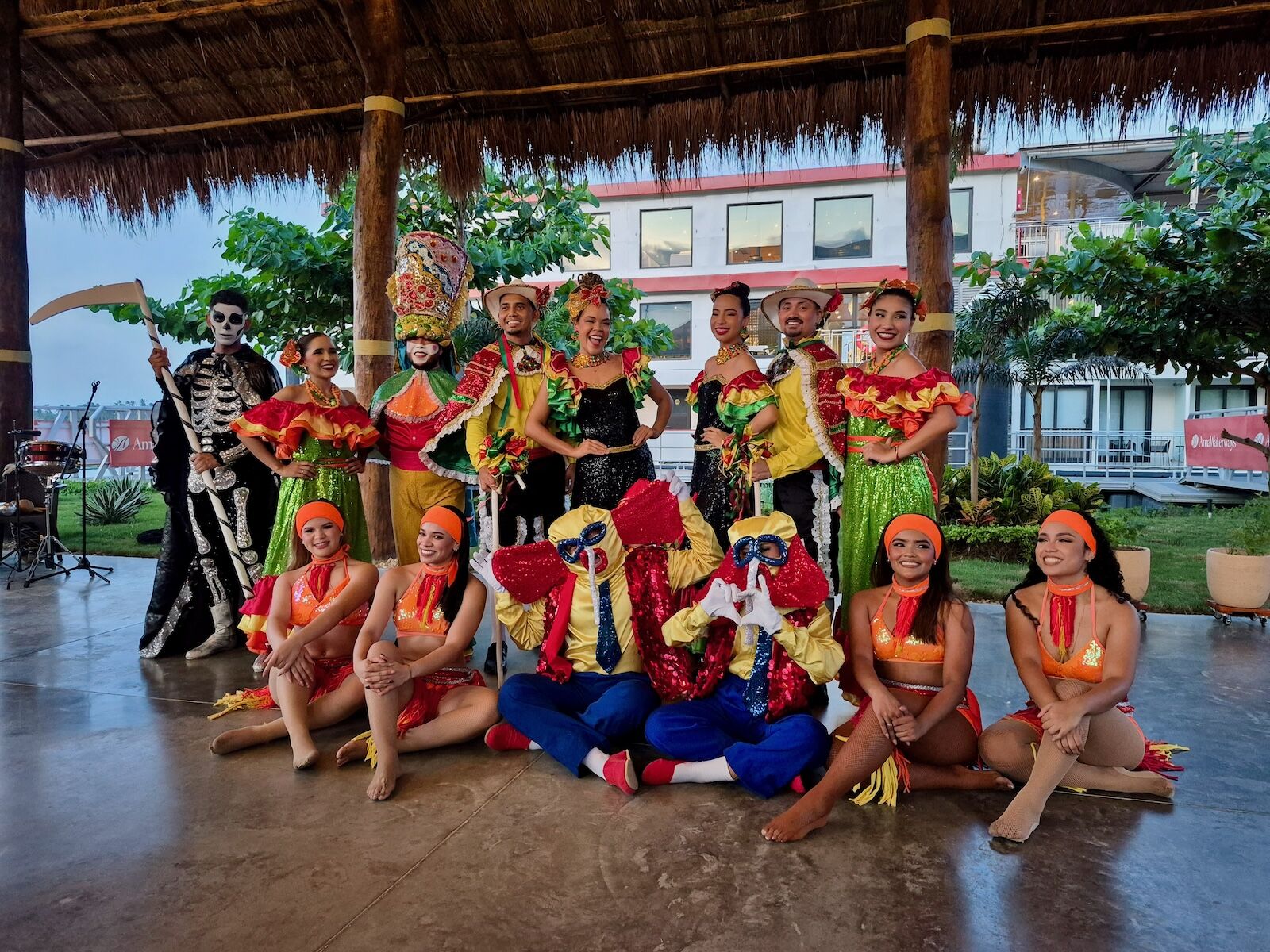
As the vessel travels further along the Magdalena, the programming transitions from musical appreciation to historical reclamation. In the town of Calamar, located in the Bolívar Department, visitors witness the Son de Negro. This performance is a direct commentary on the colonial past, featuring dancers with blackened skin and red-feathered headdresses. The exaggerated movements serve as a satirical, empowering reclamation of history, mocking the Spanish enslavers who once held authority over the region.
The journey reaches a significant milestone in San Basilio de Palenque, the first "free" Black town in the Americas. Founded by individuals who escaped slavery, Palenque remains a bastion of Afro-Colombian sovereignty. The presence of the Guardia Cimarrona—a volunteer community security force—highlights the village’s unique governance structure. Here, the focus shifts to the Mapalé, a high-intensity dance symbolizing freedom and stamina. The integration of modern elements, such as the hip-hop/traditional fusion group Kombilesa Mí, illustrates how the community is actively preserving its linguistic and musical heritage while engaging with contemporary global culture.
Economic Implications and Community Development
The arrival of luxury cruise lines has catalyzed a unique economic development model within the Magdalena River Valley. Prior to the launch of the cruise operations in 2025, the local economy relied heavily on artisanal fishing and small-scale agriculture. The depletion of fish populations, particularly the bocachico and catfish, has put pressure on these communities. The tourism influx, when managed responsibly, provides an alternative revenue stream that incentivizes the preservation of the wetlands.
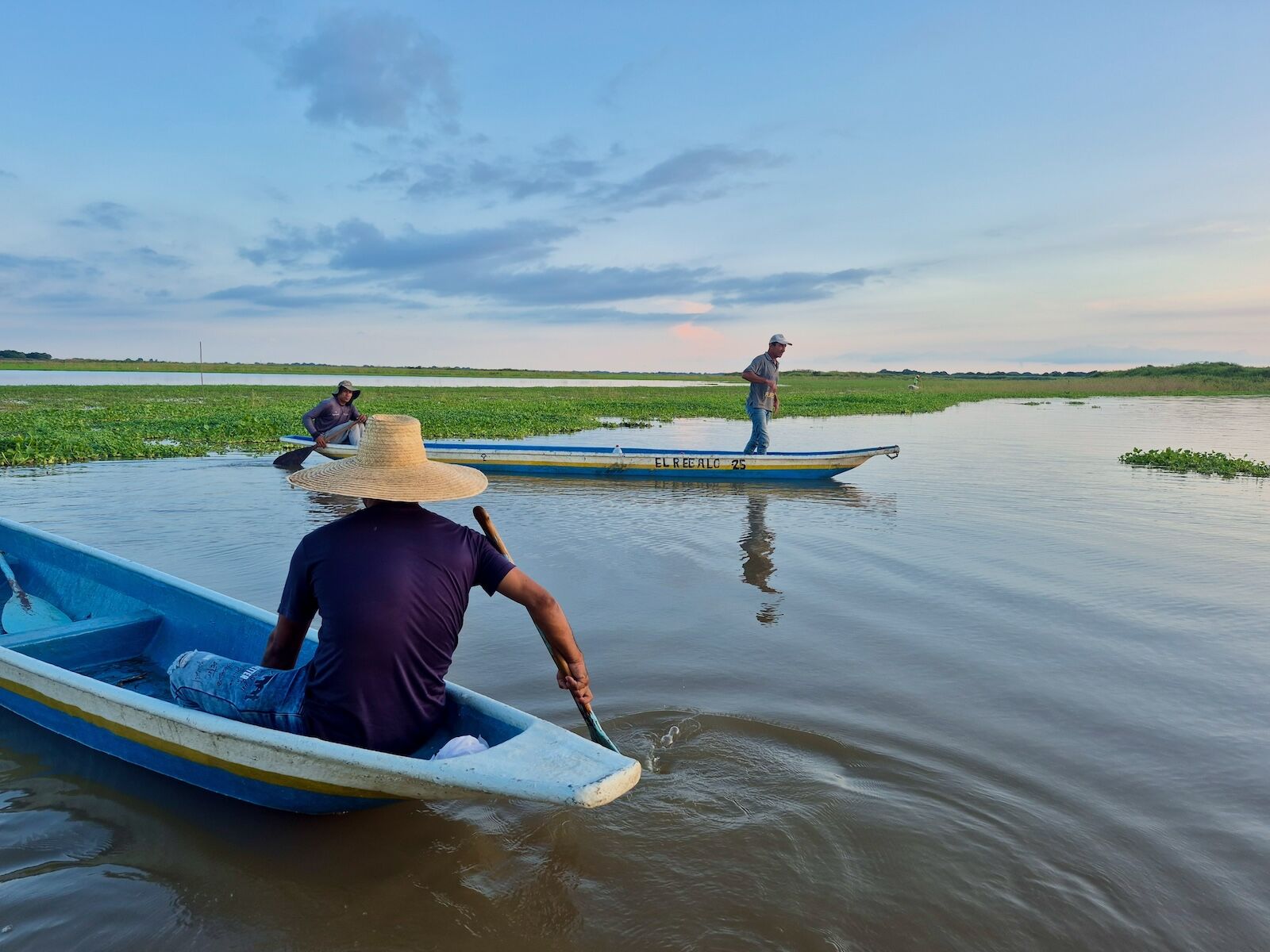
The development process for these cruise lines was notably inclusive. Before the launch, the AmaWaterways team spent significant time exploring 900 miles of the river by canoe, engaging with local leaders to determine the feasibility and impact of tourism. This collaborative approach ensured that the project was not an extractive venture but a partnership. Local artisans were commissioned to create the interior furnishings for the ships, and regional residents were hired for construction and operational roles. By turning the cruise into a "floating festival," the company has ensured that a portion of the tourism spend remains within the communities, supporting schools, cultural programs, and infrastructure projects.
Analyzing the Sustainability of River Tourism
The long-term viability of the Magdalena as a luxury cruise destination depends on the balance between market demand and environmental stewardship. The cruise industry’s presence creates a "multiplier effect" in local economies, yet it also necessitates rigorous oversight.
From a sustainability perspective, the cruise line’s commitment to low-impact navigation is a key factor. The ships are constructed to navigate shallow waters, minimizing the need for dredging or disruptive port infrastructure. Furthermore, by focusing on "community-led" tourism, the program avoids the pitfalls of mass tourism. Instead of overwhelming small villages with large crowds, the tours are small-group oriented, fostering genuine interaction.
However, observers note that the success of this model will depend on the continued cooperation between the cruise lines, the Colombian government, and the indigenous and Afro-Colombian councils. The Guardia Cimarrona in Palenque, for example, represents a self-governing entity that demands respect for local customs. The success of the cruise line in this region is predicated on the fact that they have acknowledged these local authorities, rather than attempting to bypass them.
Conclusion: A New Chapter for the Magdalena
The integration of the Magic of Colombia cruise into the Magdalena River’s ecosystem is a testament to the changing face of South American tourism. It marks a transition from a purely commercial, trade-based river economy to one that values cultural heritage as a primary asset. By embedding the sounds, history, and social structures of the riverside communities into the fabric of the cruise itself, the organizers have created a product that offers more than just luxury; it offers a profound educational experience.
As the industry moves forward, the primary concern remains the environmental health of the river. The "land of a thousand rivers" is under pressure from climate change, and the ability of the cruise line to navigate these challenges will determine its longevity. For the time being, the interaction between the visitors and the inhabitants of the Magdalena is characterized by a mutual, if cautious, optimism. Through the lens of the carnival, the music, and the history of the palenques, both the traveler and the local community are finding a new, synchronized rhythm—one that promises to define the future of sustainable, high-end travel in Colombia.
Related posts: