Valdivia: The German-Chilean Legacy and the Modern Evolution of Chile’s Capital of Beer

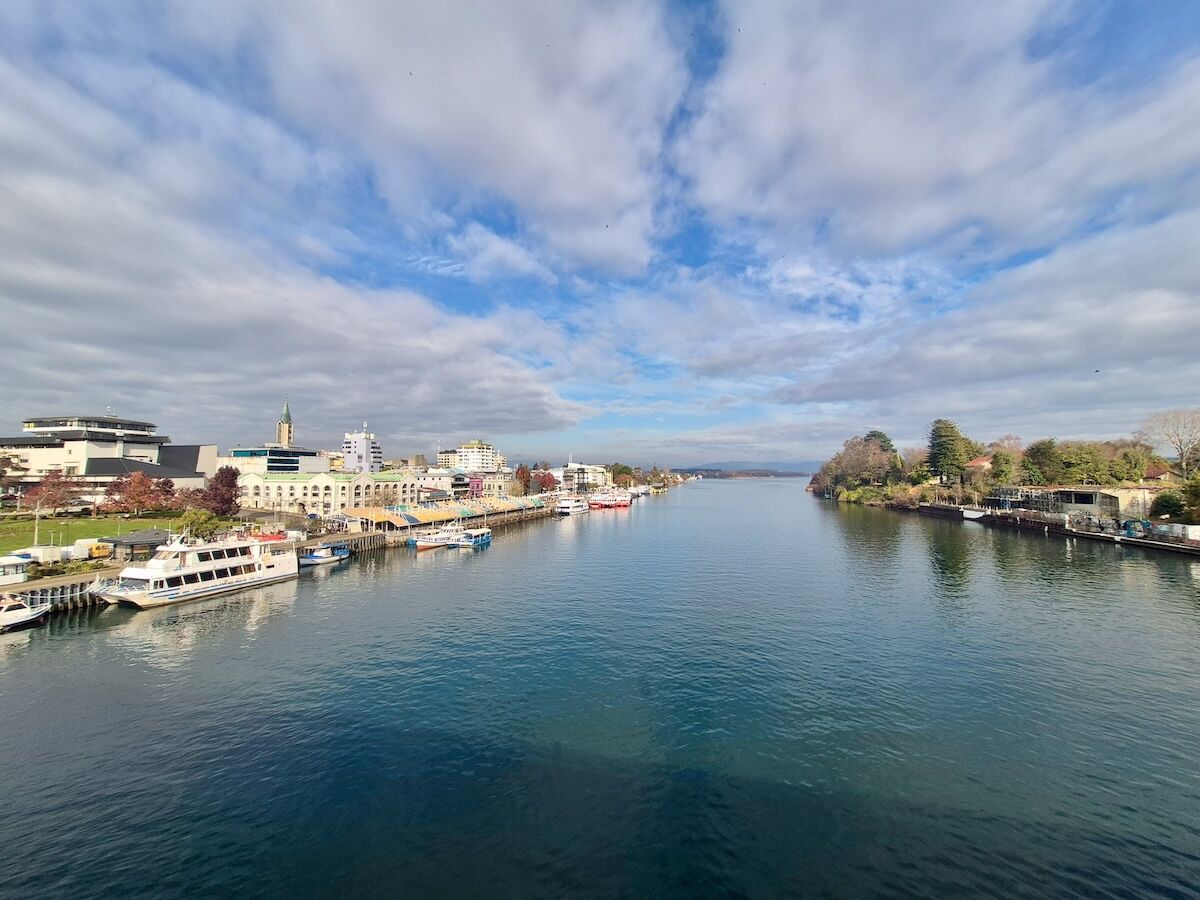
The city of Valdivia, nestled in the heart of Chile’s Los Ríos region, serves as a unique nexus of European heritage, seismic history, and a burgeoning craft beverage industry. Long recognized as the country’s premier destination for beer enthusiasts, Valdivia offers a narrative that spans from 19th-century German immigration to a modern, diversified tourism economy. The city’s identity is intrinsically linked to its waterways, which were reshaped by the most powerful earthquake ever recorded, and its industrial evolution, which transformed from colonial fortifications into a hub for international beer production.
A Chronology of Brewing and Immigration
The foundation of Valdivia’s current status as a brewing epicenter traces back to the mid-19th century. In 1845, the Chilean government passed the Law of Selective Immigration, seeking to populate the southern territories with skilled laborers and artisans. This policy led to a significant influx of German settlers. Among them was Carlos Anwandter, who arrived in 1851 and established the first major commercial brewery in the region.
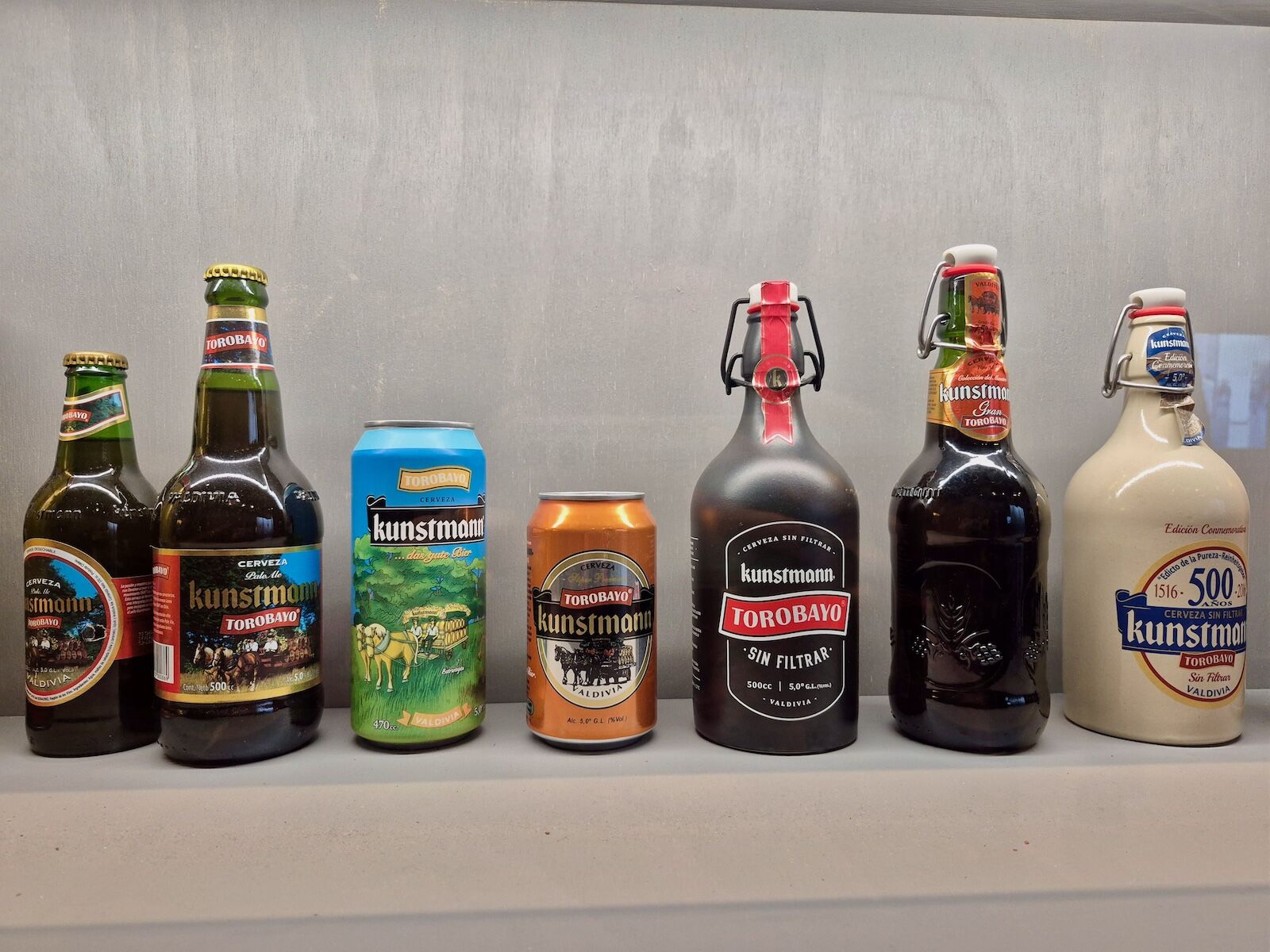
Anwandter’s impact was immediate, setting a standard for German-style lagers that would influence the local economy for generations. While the original brewery was destroyed in the aftermath of the 1960 Great Chilean Earthquake—a magnitude 9.5 event that leveled much of the city—the cultural imprint remained. In the 1990s, the tradition was revitalized by Armin Kunstmann, who founded Cervecería Kunstmann. This enterprise not only restored the commercial viability of brewing in the region but also institutionalized it, creating a museum and facility that now serves as a central pillar of the city’s tourism sector.
The transition from traditional German brewing methods to a contemporary craft scene has been marked by a diversification of styles. While Kunstmann maintains a firm commitment to the Reinheitsgebot (the German Beer Purity Law), the arrival of younger, international brewers has introduced Belgian and American influences. Establishments such as El Growler, founded by Oregon native Joel Driver, reflect this shift, incorporating West Coast IPA techniques and experimental stouts into the local market.
Seismic Impact and Geographical Transformation
The geography of Valdivia was permanently altered on May 22, 1960. The Valdivia earthquake, which registered 9.5 on the moment magnitude scale, resulted in widespread subsidence, causing the city’s elevation to drop by up to two meters. This seismic shift transformed dry land into the vast Estancilla wetlands and permanently altered the flow of the city’s three intersecting rivers.
The hydrological consequences of the earthquake are central to the modern brewing industry in the area. Experts note that the unique mineral profile and abundance of water in the Valdivian rainforest environment provide an ideal foundation for brewing. The integration of these natural resources into the production cycle has become a core element of the local marketing strategy, with tours now highlighting the ecological synergy between the pristine wetlands and the facility’s output.
The O’Brien and Military Maritime History
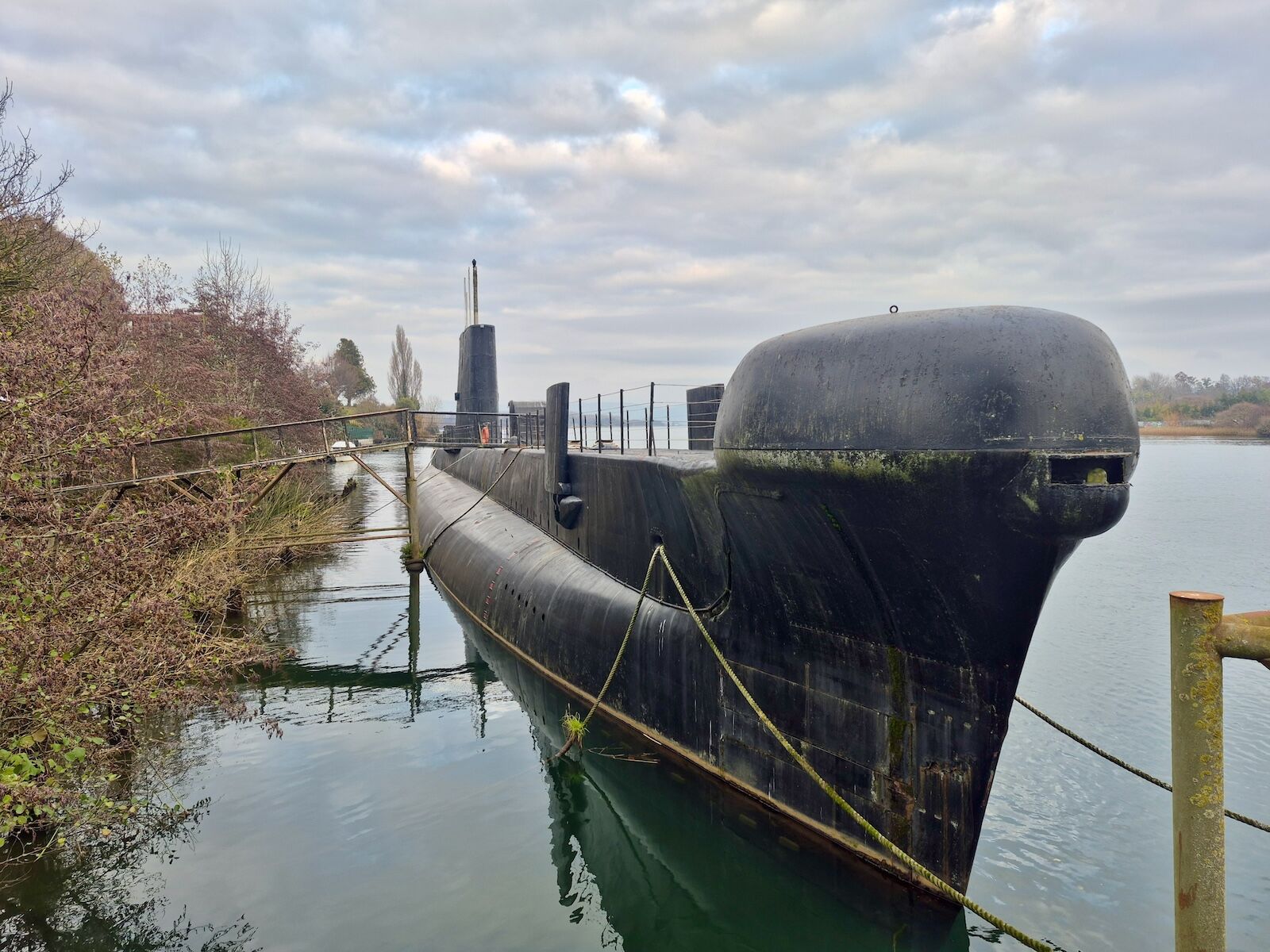
Beyond the brewery sector, the city’s maritime infrastructure serves as an unexpected educational resource. The O’Brien, a decommissioned Oberon-class submarine, provides a tangible link to Chile’s naval history. Constructed in Scotland in 1971 and commissioned by the Chilean Navy, the vessel was deactivated in 2001 and subsequently transformed into a museum.
The submarine’s presence in the river system offers visitors a technical look at Cold War-era naval engineering. Its maintenance as a public site, overseen by local municipal authorities, serves as a testament to the city’s focus on preserving diverse historical artifacts, ranging from colonial-era Spanish fortifications—such as the Castillo de Niebla—to 20th-century military hardware.
Economic and Sociological Implications
The evolution of Valdivia from a frontier town to a modern regional capital has not been without challenges. The integration of tourism as a primary economic driver, alongside traditional industries, has required significant investment in public infrastructure. The city’s administrative reclassification in 2007, when it became the capital of the newly created Los Ríos region, facilitated greater autonomy in managing local development and tourism initiatives.
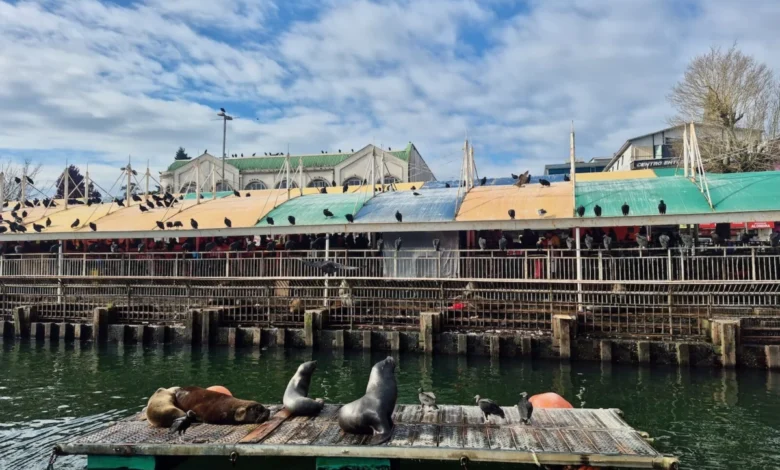
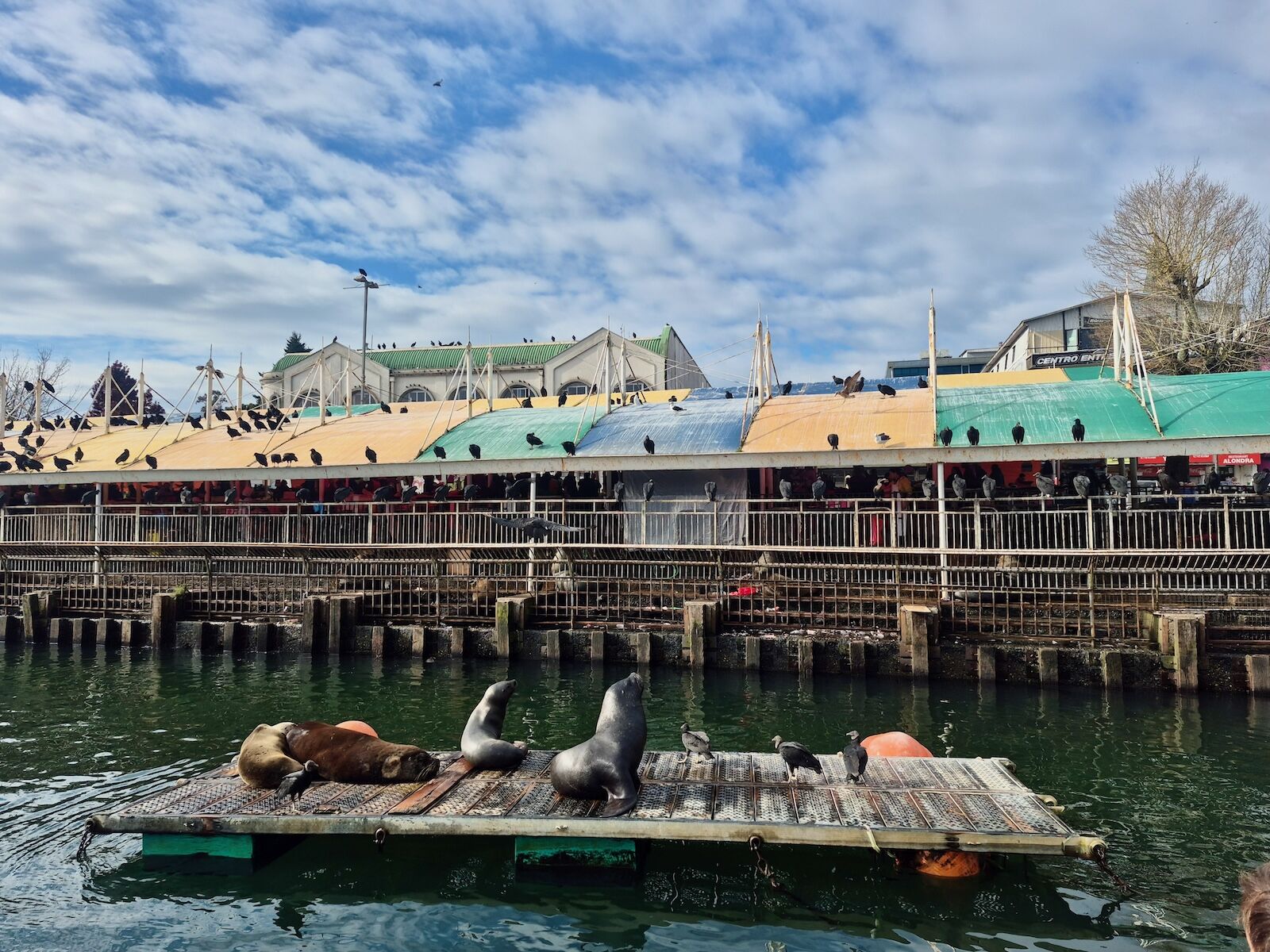
The presence of the resident population of Otaria flavescens, or South American sea lions, provides a unique ecological case study for urban planning. These animals, which frequent the Mercado Fluvial, have become a staple of the city’s tourism identity. Their integration into the urban landscape—often interacting with fishmongers and tourists—highlights a rare coexistence between local wildlife and human activity, necessitating careful environmental management by the city’s port authorities.
Statistical Context and Future Projections
The economic viability of the Valdivian tourism sector is supported by a steady increase in seasonal visitation. The Kunstmann Bierfest, held annually between late January and early February, serves as a critical period for the city, attracting thousands of visitors and contributing to a significant seasonal spike in the hospitality sector.
Data from local hospitality associations indicate that the proximity of the Universidad Austral de Chile (UACh) contributes to a stable year-round demand for services. The university, which manages the Jardín Botánico and supports various research initiatives in the Los Ríos region, acts as a stabilizing force for the city’s economy. By providing a nexus for education, research, and high-end services, the university allows the city to move beyond the volatility of seasonal tourism.
Navigating the Region: Transportation and Infrastructure
Access to the region has been streamlined through investments in the national highway system. The city is connected to the Carretera Austral, making it a natural stop for travelers exploring the Los Lagos region. Transportation options include frequent regional bus services, such as those provided by Turbus and FlixBus, which connect the southern region to the metropolitan area of Santiago.
For travelers seeking to understand the historical depth of the region, the maritime route to Niebla remains the most illustrative. The remnants of the Spanish colonial defensive network, designed to protect the river mouth from foreign naval incursions, provide a stark contrast to the modern leisure cruises that navigate the same waters today.
Broader Impact and Conclusion
The trajectory of Valdivia suggests a successful model for regional development based on the preservation of heritage and the sustainable use of natural resources. By leveraging its German-Chilean cultural identity and the natural environmental legacy of the 1960 earthquake, the city has created a multifaceted identity that appeals to both history enthusiasts and the modern culinary traveler.
The ongoing transformation of the beer scene—from rigid adherence to traditional German recipes to the experimental fusion of global craft trends—serves as a metaphor for the city itself. Valdivia continues to adapt, balancing the preservation of its colonial and seismic past with the demands of an evolving, globalized economy. As the city continues to navigate its role within the Los Ríos region, its reliance on its rivers, its academic institutions, and its industrial legacy remains the bedrock of its future growth. The synthesis of these elements ensures that Valdivia remains a significant, if often overlooked, center of gravity in the southern cone of South America.