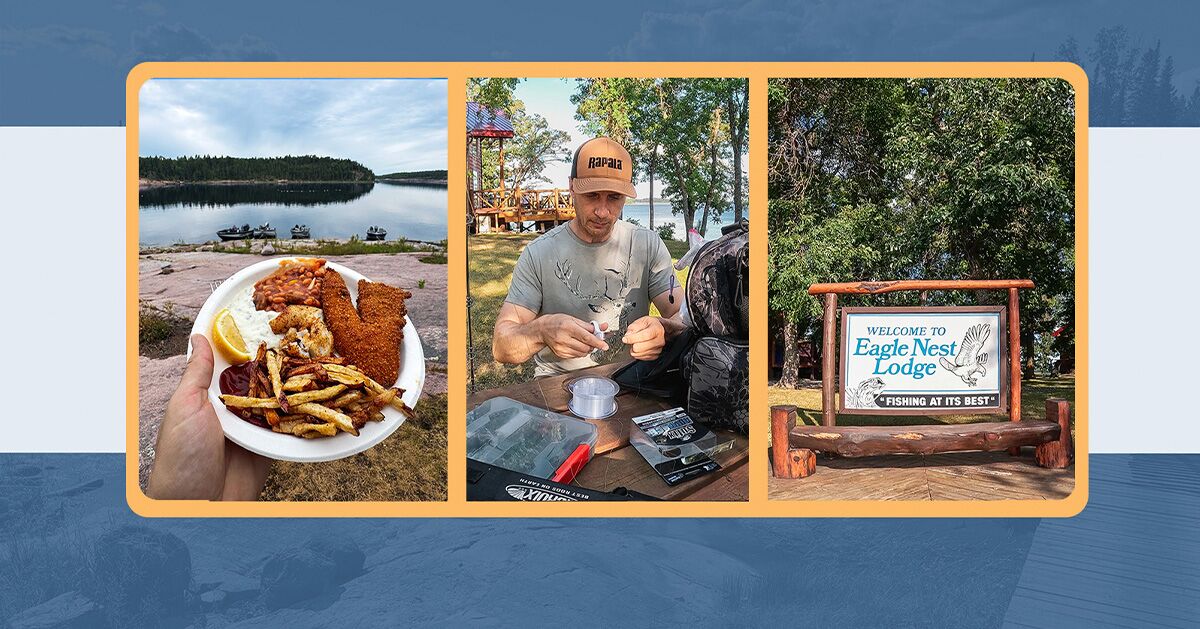
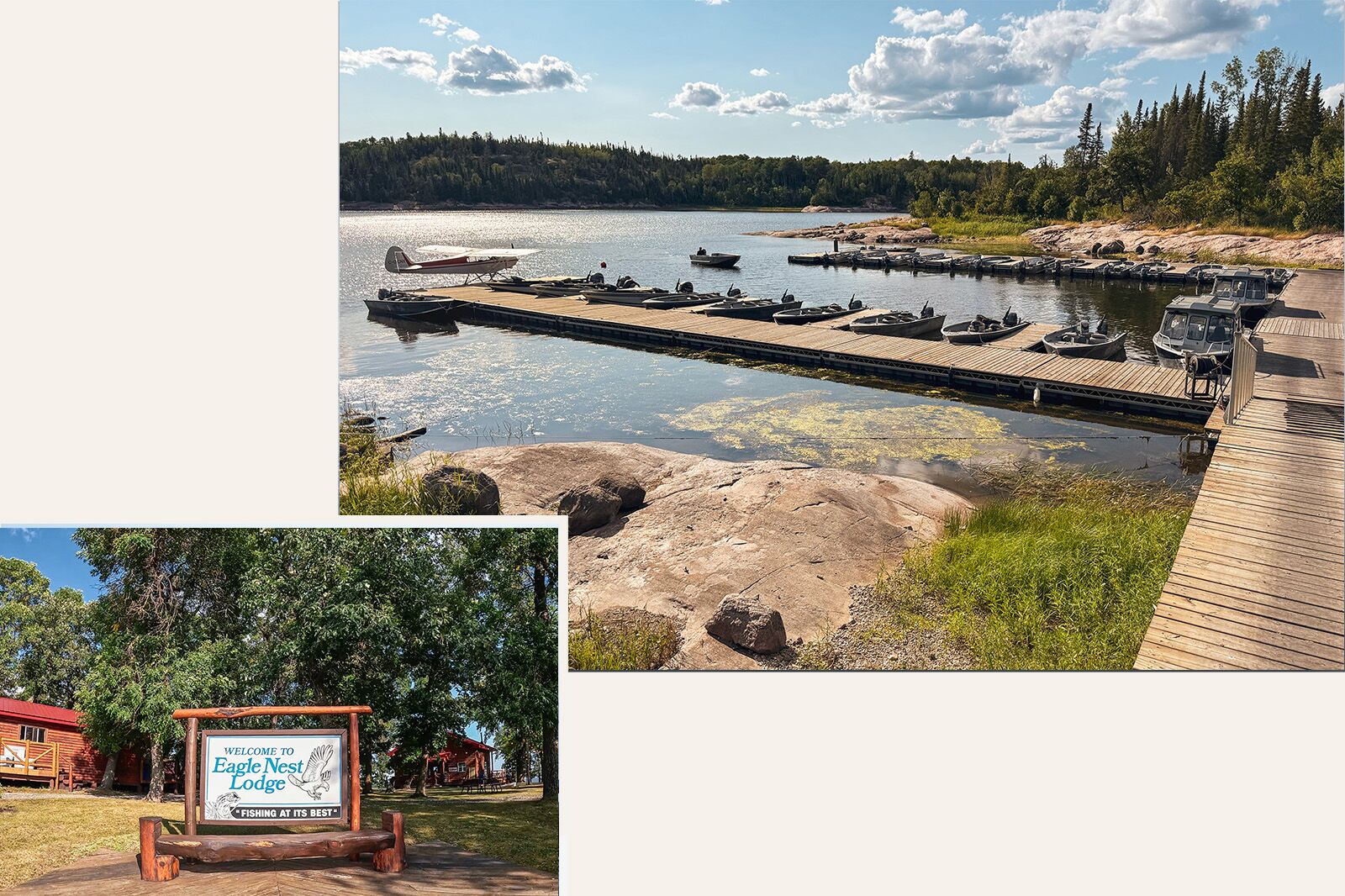
Situated along the upper reaches of the Winnipeg River, approximately 70 miles northeast of Winnipeg, Manitoba, Eagle Nest Lodge stands as a significant destination within Canada’s remote wilderness tourism sector. For more than 60 years, the lodge has been maintained by three generations of the Pedruchny family, establishing it as a pillar of regional hospitality. Currently under the stewardship of Shaun and Jessica Jackson, the facility serves as both a gateway to the boreal forest ecosystem and a case study in the longevity of family-owned remote outposts.
The operational history of the site extends far beyond its current incarnation as a sporting lodge. The land occupied by the main lodge and dining hall has historical ties to the North West Company, dating back 200 to 300 years to the peak of the North American fur trade. This historical significance is reflected in the lodge’s interior, which features artifacts such as recovered muskets and displays that document the transition of the region from a commercial trade hub to a center for recreational angling and wilderness exploration.
Logistics and Accessibility
Reaching the lodge requires traversing the rugged terrain of eastern Manitoba. While ground access is possible, the preferred method for many guests involves aviation. The lodge utilizes partnerships with regional operators, such as Adventure Air, to facilitate transport via the Cessna 208 Caravan. This amphibious aircraft, capable of both runway and water-based operations, provides a direct link between the air base in Lac du Bonnet and the lodge’s waterfront. The flight, which spans approximately 15 to 20 minutes, offers a perspective on the topographical challenges and natural beauty of the Manitoba wilderness, characterized by vast coniferous forests and an intricate network of waterways.
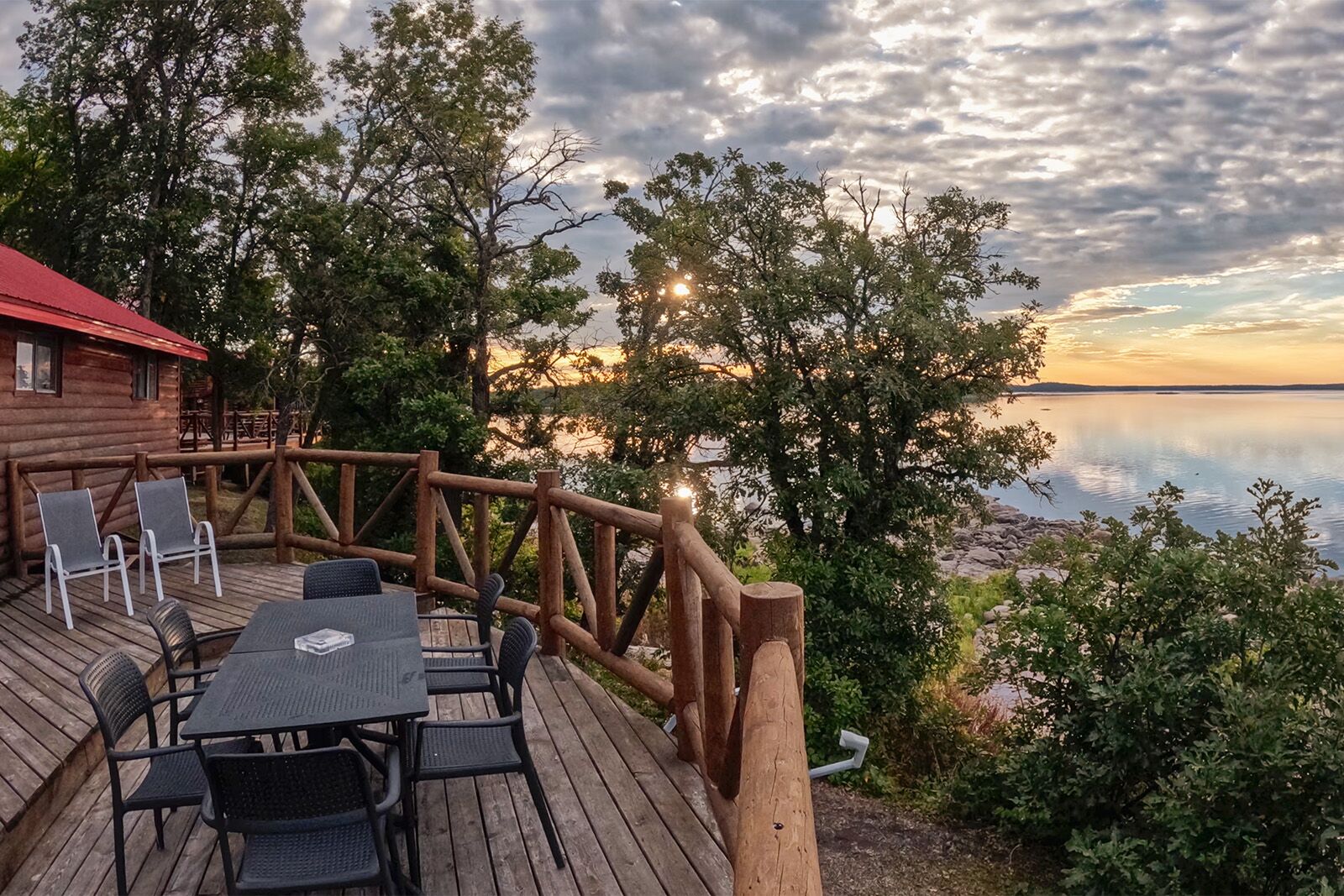
Upon arrival, the logistical framework of the lodge is designed to transition guests seamlessly into their stay. The property features six distinct cabins with a total capacity of 40 beds, ranging from the five-bedroom "Dancing Bear" (accommodating 12) to the "Sleeping Wolf" (accommodating seven). Infrastructure upgrades include the installation of modern amenities—HVAC systems, satellite television, and updated sleeping quarters—within structures that retain a traditional aesthetic. The property also functions as a self-contained community, featuring a central "Club Room" that acts as a focal point for guest interaction, complete with a gym, billiards, and a bar service specializing in curated beverages.
Culinary Standards in Remote Environments
The dining program at Eagle Nest Lodge represents a significant departure from the traditional, minimalist expectations of remote fishing camps. The management has implemented a high-end culinary strategy that integrates locally sourced ingredients with sophisticated preparation methods. Daily breakfast services feature varied menus ranging from artisanal waffles with fresh berries to protein-heavy, Southwest-inspired hashes.
Evening dining is structured as a multi-course experience, beginning with salads and seasonal fruits, followed by high-quality proteins such as prime rib, pork chop, and barbecue beef brisket. The commitment to fine dining extends to the dessert menu, which has included items such as crème brûlée and candied apple mousse. This emphasis on gastronomic quality serves a dual purpose: it provides a high-value experience for international travelers and demonstrates the viability of high-end logistics in remote areas, where supply chain management is inherently complex due to the reliance on air-lifted or water-transported provisions.
The Sport Fishing Economy
The primary economic driver for the lodge remains its proximity to prime habitats for walleye, smallmouth bass, and northern pike. Fishing at the lodge is governed by strict provincial regulations designed to ensure the long-term sustainability of these fish populations. For example, in the specific stretch of the Winnipeg River surrounding the lodge, regulations mandate that walleye exceeding approximately 17.7 inches must be released.
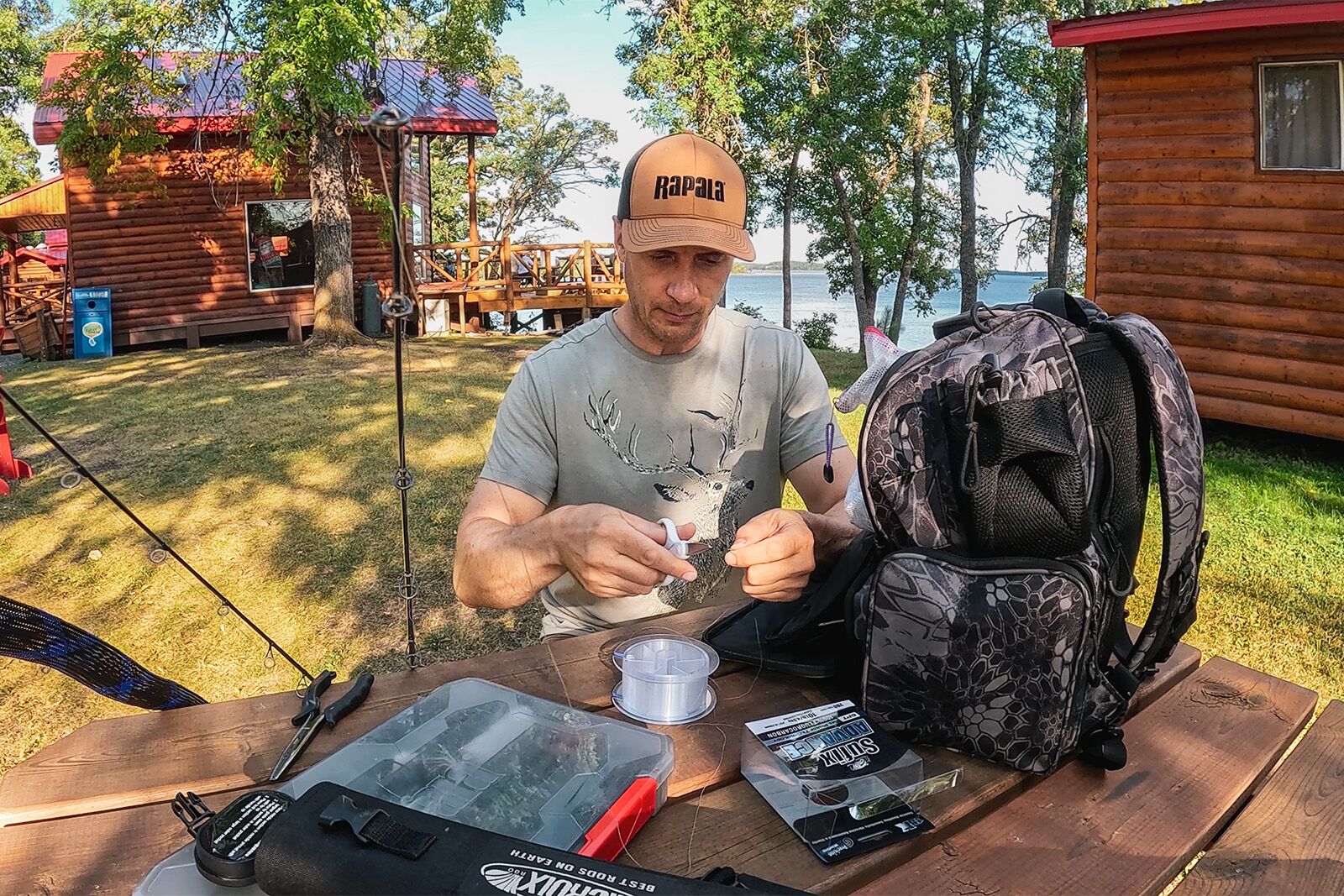
The strategy for guests often involves targeting "eater" walleye—specimens between 14 and 17 inches. These fish are considered the most desirable for consumption, and their harvest is integrated into the "shore lunch" tradition, a cultural staple of Canadian fishing lodges. Guided excursions to locations like "The Oaks"—a high-traffic rock shoreline where current and depth converge—highlight the technical expertise of the lodge’s guides. These professionals manage boat positioning and provide instruction on both traditional live-bait techniques and modern artificial bait presentations, such as soft-plastic swimbaits.
Shore Lunch: A Cultural and Culinary Ritual
The "shore lunch" at Eagle Nest Lodge is a highly refined version of a traditional wilderness meal. Beyond the consumption of freshly caught walleye, the event involves a structured preparation process performed by guides on the riverbank. The menu typically includes fried potatoes, caramelized onions, baked beans, and unique additions like breaded mushrooms.
From an analytical perspective, this ritual acts as an essential component of the wilderness tourism product. It bridges the gap between the activity (fishing) and the service (hospitality), reinforcing the connection between the landscape and the guest. By formalizing this practice, the lodge creates a memorable experience that differentiates it from more generic outdoor travel options.
Broader Impact and Industry Analysis
The success of Eagle Nest Lodge offers insights into the stability of the wilderness tourism market in Manitoba. Despite fluctuations in global travel trends, the demand for specialized, high-service outdoor experiences remains robust. The reliance on family-based management ensures a consistent service philosophy, while the ongoing investment in infrastructure allows the lodge to compete with more modern, corporate-owned competitors.
According to industry trends in the Canadian tourism sector, lodges that combine historical narrative with modern comfort and high-quality culinary offerings see higher rates of repeat visitation. The investment in staff training—specifically regarding the "shore lunch" preparation and guide technical skills—serves to mitigate the risks associated with the short seasonal window of the Canadian north.
Furthermore, the integration of Travel Manitoba and other regional tourism bodies into the guest experience indicates a coordinated effort to promote the province as a premium destination for angling. The lodge’s ability to manage its environmental footprint while maintaining a 40-bed capacity is critical for regulatory compliance, particularly as provincial authorities move toward more stringent conservation mandates to protect the Winnipeg River watershed.
Conclusion and Future Outlook
Eagle Nest Lodge continues to function as a focal point for regional tourism in Manitoba, successfully balancing the preservation of historical heritage with the demands of modern luxury travel. By maintaining high culinary standards and emphasizing sustainable fishing practices, the lodge has secured its position within the competitive landscape of the Canadian outdoors. As the industry evolves, the model provided by the Jackson family—focusing on guest-centric service, reliable logistics, and environmental stewardship—will likely remain the benchmark for success in remote hospitality. Through the combination of rigorous operational planning and the promotion of the unique aesthetic of the Winnipeg River, the lodge provides a comprehensive experience that extends well beyond the act of fishing, confirming its status as a premier destination for those seeking a sophisticated encounter with the Canadian wilderness.
Related posts: