Virgin Atlantic bets on the long-term structural shift toward premium travel demand

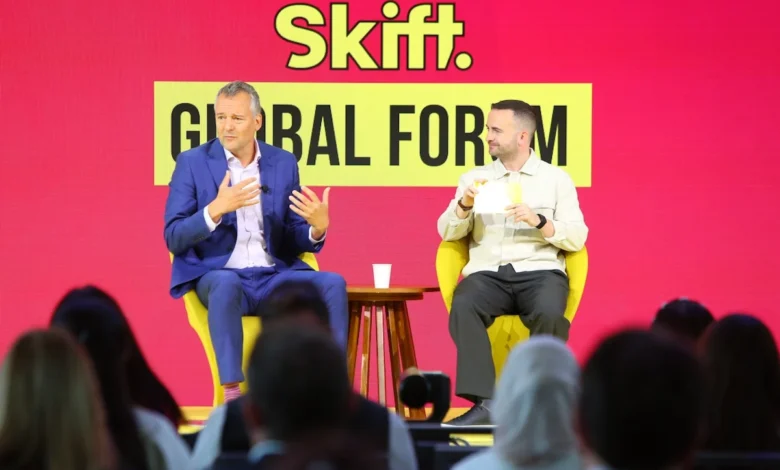
The aviation industry is currently witnessing a profound transformation in cabin configuration strategy, headlined by Virgin Atlantic’s aggressive pivot toward premium-heavy aircraft layouts. During a recent high-profile discussion at the Skift Global Forum, moderated by Gordon Smith, Virgin Atlantic CEO Corneel Koster articulated a bold vision for the future of long-haul travel. By reconfiguring its fleet to feature a near-parity between premium and economy seating, the airline is betting that the recent surge in demand for upscale travel experiences is not a temporary post-pandemic phenomenon, but a permanent structural evolution in consumer behavior.
A Decade-Long Strategic Pivot
For years, traditional full-service carriers operated under a rigid hierarchy: a massive economy cabin supported by a modest business-class section. However, the post-2020 landscape has fundamentally altered this calculus. Koster noted that Virgin Atlantic had been “underweight” in its premium cabin capacity for years, failing to capture the full economic potential of a passenger demographic that increasingly prioritizes comfort, service, and dedicated space over lowest-cost fare options.
Rather than framing the current fleet reconfiguration as a speculative gamble, Koster defined it as a calculated, long-term investment. This strategy is designed to span the next decade, anticipating that the “insatiable” appetite for premium seating—which includes Upper Class, Premium, and enhanced economy offerings—will continue to serve as the bedrock of the airline’s profitability.
The Evolution of Premium Demand
The shift toward premium cabins is supported by a broader trend observed across the transatlantic and long-haul markets. Following the global lockdowns, there was an initial surge in “revenge travel,” where consumers spent significant savings on luxury experiences. Many analysts predicted this would taper off as inflation bit into household budgets. Instead, the demand for premium cabin space has remained resilient.
Data from the International Air Transport Association (IATA) indicates that the share of premium travel as a percentage of total international traffic has stabilized at levels higher than those recorded in 2019. Corporations have also adjusted their travel policies; while internal meetings may now occur via digital platforms, high-stakes, in-person client engagement is being prioritized, with firms increasingly willing to approve premium-class travel to ensure employee productivity and well-being during long-haul flights.
Chronology of Cabin Innovation
Virgin Atlantic has a storied history of pioneering cabin innovations. To understand the current strategy, one must look at the carrier’s evolution:
- 2003: Virgin Atlantic introduced the industry-leading Upper Class Suite, featuring the longest flat-bed seat in business class at the time, establishing a benchmark for the sector.
- 2019: The launch of the Airbus A350-1000 featured the “Social Space,” a move away from the traditional standalone bar toward a lounge-style environment, signaling a focus on the premium passenger experience.
- 2022-2024: The implementation of the “Retreat Suite” on the A330neo fleet solidified the airline’s commitment to ultra-premium, high-margin product offerings.
- 2025 and beyond: The current strategy of increasing total premium seat density across the entire fleet reflects the final stage of this long-term investment cycle, moving away from being an economy-first carrier.
Supporting Market Data and Economic Context
The economic rationale for this shift is rooted in yield management. Premium seats typically command significantly higher margins than economy seats, often providing a return on investment that justifies the reduction in total passenger count per aircraft. In an era of high fuel costs and volatile labor expenses, maximizing the revenue generated per square foot of cabin floor space is essential.

Recent financial reports from major global airlines support this sentiment. Carriers such as Delta Air Lines, which maintains a strategic partnership with Virgin Atlantic, have consistently reported that their premium products are driving the majority of their revenue growth. For Virgin Atlantic, which operates a smaller, more focused fleet compared to the global giants, the ability to command higher prices through premium offerings is a defensive mechanism against the cost-cutting pressures of low-cost, long-haul competitors.
Official Responses and Industry Sentiment
Industry analysts remain divided on the sustainability of this model, though the consensus is shifting toward support. While some critics argue that an economic downturn could lead to a rapid evaporation of leisure-premium demand, proponents—including Koster—suggest that the structural change is rooted in a shift in corporate culture and a global rise in high-net-worth individuals who view travel as a lifestyle necessity rather than a luxury.
“If you build it, they will come,” is the underlying philosophy, but it is tempered by rigorous data analytics regarding route profitability. Virgin Atlantic’s focus on core business hubs like New York, Los Angeles, and London allows them to concentrate their premium-heavy fleet on routes where the concentration of corporate and affluent leisure travelers is densest.
Implications for the Competitive Landscape
The decision by Virgin Atlantic to lean heavily into premium capacity forces a strategic response from competitors. Legacy carriers are now forced to accelerate their own cabin refurbishment schedules to avoid losing market share to those who offer more modern, comfortable, and privacy-focused accommodations.
Furthermore, this pivot has implications for airline operations:
- Revenue Management: The complexity of managing high-premium inventories requires sophisticated AI-driven pricing models to ensure that seat occupancy remains high without cannibalizing the revenue of the most expensive fares.
- Sustainability Targets: While premium seats take up more space and weight per passenger, they are often on newer, more fuel-efficient aircraft like the A350 and A330neo. This helps airlines balance their carbon reduction goals while maintaining high profitability.
- Customer Loyalty: By standardizing a premium-heavy experience, Virgin Atlantic aims to deepen its relationship with its “Flying Club” members, creating a virtuous cycle where high-frequency travelers become brand advocates.
The Question of Structural Sustainability
The central question for the airline industry remains: is this demand truly structural? If the premium market is indeed permanent, Virgin Atlantic’s move is a masterclass in market foresight. If, however, the demand is cyclical and tied to specific economic conditions, the airline faces the risk of being over-exposed to a segment that is sensitive to corporate budget tightening.
Koster’s assertion that this is an “investment” rather than a “bet” suggests that the airline has stress-tested its fleet configuration against various economic scenarios. The strategy appears to rely on the fact that even during minor recessions, the segment of travelers willing to pay for premium services remains the most resilient. By catering to this demographic, Virgin Atlantic is positioning itself as a boutique, high-service alternative to the more commoditized offerings of larger competitors.
As the industry moves forward, the success of this reconfiguration will be measured not just by passenger numbers, but by the “Revenue Per Available Seat Mile” (RASM) performance in the premium cabins compared to the fleet average. For now, the narrative from the C-suite is one of unwavering confidence. The airline has clearly signaled that the future of long-haul aviation is not about packing more people into the sky, but about providing a superior experience to those who are willing to pay for it. The coming years will serve as the true test of whether the global appetite for premium travel has the depth to sustain this bold, high-stakes reconfiguration of the skies.
Related posts: