Over the past decade, Albania has emerged as one of southeastern Europe’s most dynamic tourism frontiers, transitioning from an isolated Balkan state into a premier destination for adventurous motorists and cultural travelers. A ten-day, 1,200-kilometer itinerary stretching from the rugged northern highlands down to the sun-drenched Ionian coastline reveals a landscape of dramatic geographic contrasts, medieval architecture, and rapidly modernizing infrastructure. However, navigating this trans-national route requires careful planning, as topographical challenges and unique local driving conditions continually test even experienced motorists.
Infrastructure Developments and Regional Connectivity
Recent years have seen substantial capital investments aimed at modernizing Albania’s transit corridors, funded largely through domestic allocations and international development loans. The completion of major road projects—most notably the full asphalt paving of the SH21 highway leading to the remote northern village of Theth in 2021—has unlocked formerly inaccessible regions for standard passenger vehicles.
Concurrently, the introduction of electronic toll systems and strategic engineering feats, such as the nearly six-kilometer Llogara Tunnel inaugurated along the southern coast, have significantly altered transit times. The Llogara Tunnel reduces a winding, half-hour mountain pass traverse between Dukat and Palasë to a brief seven-minute drive, streamlining commercial and tourist traffic alike. Nevertheless, regional authorities continue to implement variable toll structures—such as fees on the Thumanë-Kashar and Kalimash segments—requiring motorists to maintain small local currency reserves despite the proliferation of digital payment options in urban centers.
Chronological Itinerary and Geographic Overview
A balanced ten-day expedition across Albania typically adheres to a structured geographical progression, prioritizing weather-sensitive mountain passes before descending toward coastal plains and the Mediterranean Riviera.
Days 1 to 3: The Northern Highlands and Shkodra
Travelers typically commence their journey in the capital city of Tirana, acquiring a rental vehicle before heading north via the A1 corridor toward Shkodra. Serving as the primary staging post for northern excursions, Shkodra bridges urban Albanian culture with the untamed Albanian Alps.

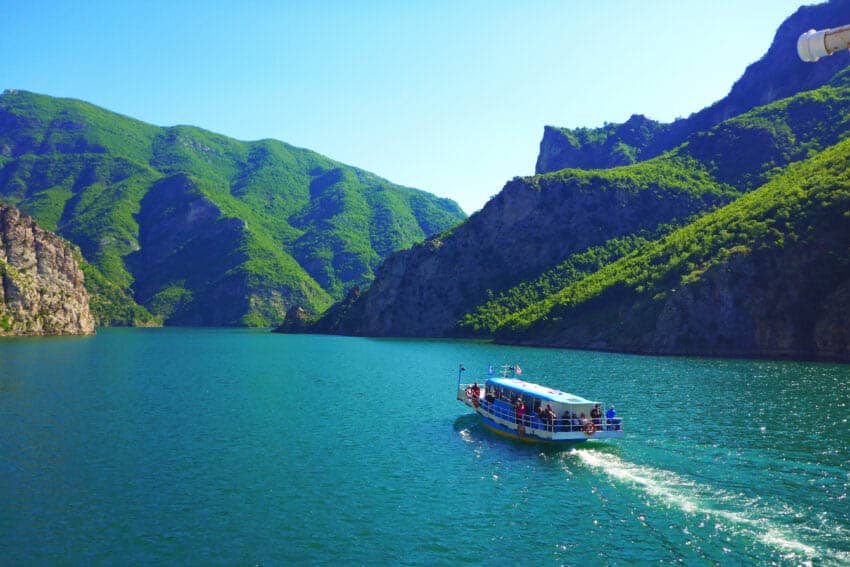
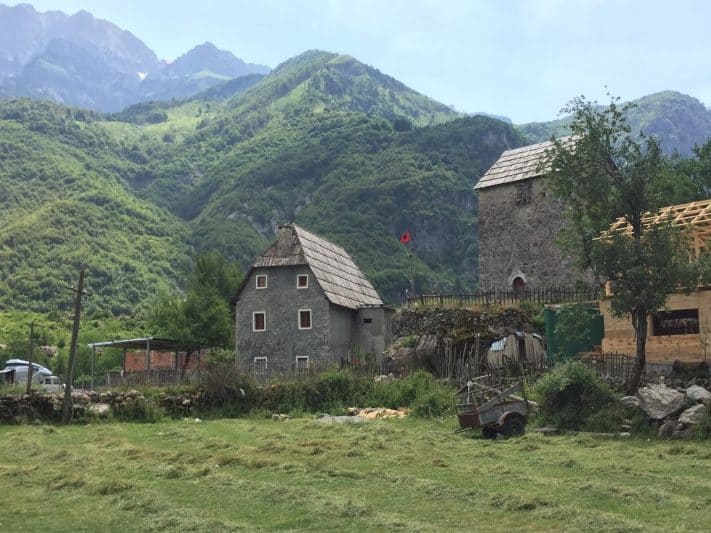
From Shkodra, visitors face a logistical choice between traversing the Koman Lake ferry—a three-hour passage through a dramatic flooded gorge often compared to Scandinavian fjords—or driving the grueling yet spectacular SH21 mountain pass. The descent into Theth features approximately 27 precipitous hairpin turns, terminating in an isolated valley renowned for its historic stone architecture, traditional lock-in towers linked to historical blood feuds, and nearby natural wonders like the Blue Eye spring.
Days 4 to 6: Ottoman Heritage in Central Valleys
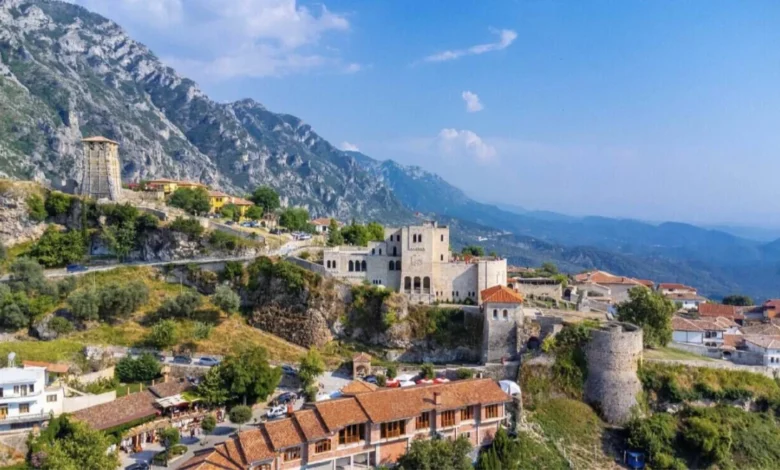
Shifting southward from the northern peaks, the topography flattens across agricultural plains before folding back into dramatic hills leading to Berat. Designated as a UNESCO World Heritage site, Berat exemplifies Ottoman-era urban planning, featuring cascading white-façade houses and a continuously inhabited medieval castle district.
Continuing further south, travelers arrive in Gjirokastër, a sister city characterized by gray stone architecture, steep cobbled lanes, and a historic fortress housing artifacts from Albania’s complex geopolitical past, including a Cold War-era reconnaissance aircraft.
Days 7 to 10: The Ionian Riviera and Coastal Destinations
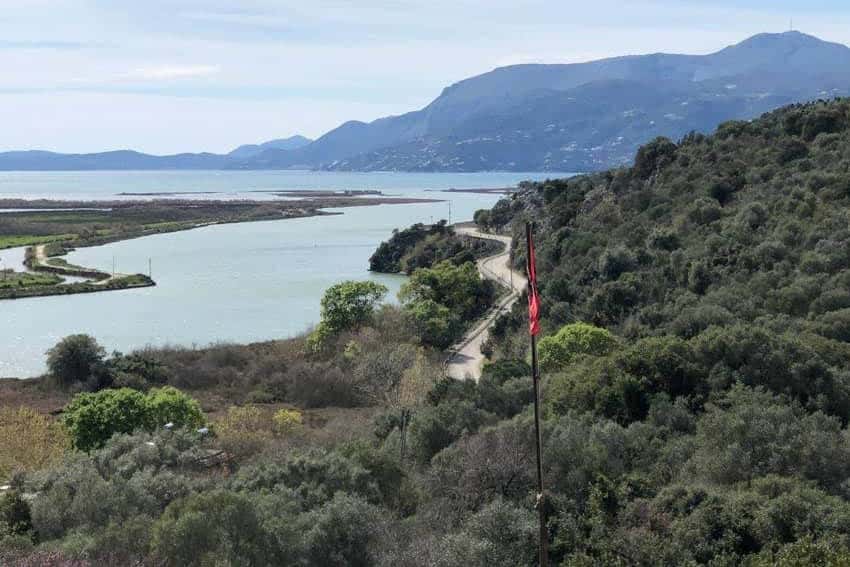
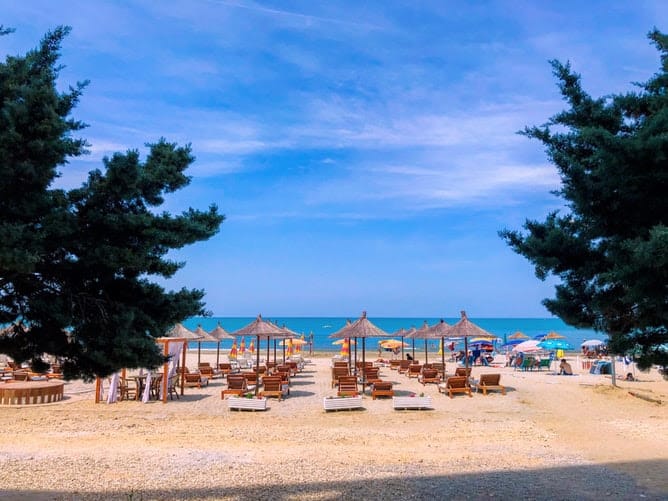
The final leg of the journey navigates the Muzinë pass toward Saranda and the coastal enclave of Ksamil, known for its offshore islets and proximity to the ancient archaeological ruins of Butrint. Heading north along the Albanian Riviera, motorists encounter historic coastal settlements such as Himara, Borsh, Dhërmi, and Jala. This region showcases the intersection of rapid coastal tourism development with traditional maritime landscapes, though access to secluded beaches often necessitates negotiating unpaved tracks that test vehicle suspension and clearance limits.

Economic and Logistical Considerations for Travelers
Automotive travel in Albania involves specific economic and regulatory frameworks that differentiate the nation from neighboring European Union member states.
Rental Sector Dynamics
The car rental market is broadly divided between international franchises and local family-operated platforms. Industry data indicates that local aggregators frequently offer competitive rates—ranging significantly below major multinational brands—while often providing flexible delivery options to airport terminals without demanding extensive credit card security deposits. However, renters must carefully verify insurance policy exclusions, particularly regarding unpaved rural roads.
Fuel Economics and Regulatory Compliance
Fuel pricing in Albania ranks among the highest in the region, with gasoline hovering around 205 lek per liter, surpassing neighboring Montenegro and Greece. This necessitates careful itinerary budgeting, particularly because filling stations become sparse at elevations exceeding 800 meters.
Strict regulatory enforcement governs road safety. Albania maintains a near-zero blood-alcohol concentration limit of 0.01 percent, backed by frequent police checkpoints. Furthermore, international conventions require motorists from countries such as the United States and the United Kingdom to carry an International Driving Permit alongside their domestic licenses.
Road Safety Implications and Broader Socio-Economic Impact
Despite infrastructural upgrades, road safety remains a critical public policy concern in Albania. National and international transit data consistently highlight the country’s road fatality rates as among the highest in Europe. Traffic safety experts attribute these statistics to a combination of aggressive driving behaviors, occasional infrastructural deficiencies outside primary highways, and significant hazards encountered during night driving—including unlit livestock, agricultural carts, and oncoming vehicles operating with high-beam headlights. Consequently, travel advisories strongly recommend completing all inter-city transits during daylight hours.
The rapid expansion of vehicular tourism has generated profound socio-economic transformations across rural and coastal communities. Historically isolated mountain villages like Theth and remote coastal hamlets have experienced a surge in localized guesthouses, culinary tourism, and small-scale enterprise, reversing decades of demographic decline and youth migration. At the same time, regional planners face mounting challenges regarding sustainable environmental management, waste infrastructure, and water resource allocation as seasonal visitor volumes continue to scale upward year-over-year.
Related posts: