Conquering the Heaphy Track: A Comprehensive Guide to New Zealand’s Longest Great Walk Logistics and Biodiversity

The New Zealand Department of Conservation manages a premier network of ten tracks designated as Great Walks, among which the Heaphy Track stands out as the longest footpath-based excursion in the country. Spanning approximately 84 kilometers through Kahurangi National Park on the South Island, the route connects the rugged West Coast near Karamea with Golden Bay to the north. Despite its status as a premier outdoor destination, the trail has historically presented significant logistical challenges for independent hikers due to the geographical separation of its trailheads. Recent developments in regional aviation and shuttle services, notably through operators such as Golden Bay Air, have streamlined access, encouraging increased participation in backcountry exploration while highlighting the vital intersection of infrastructure, conservation, and wilderness recreation.
Logistical Challenges and Transport Solutions
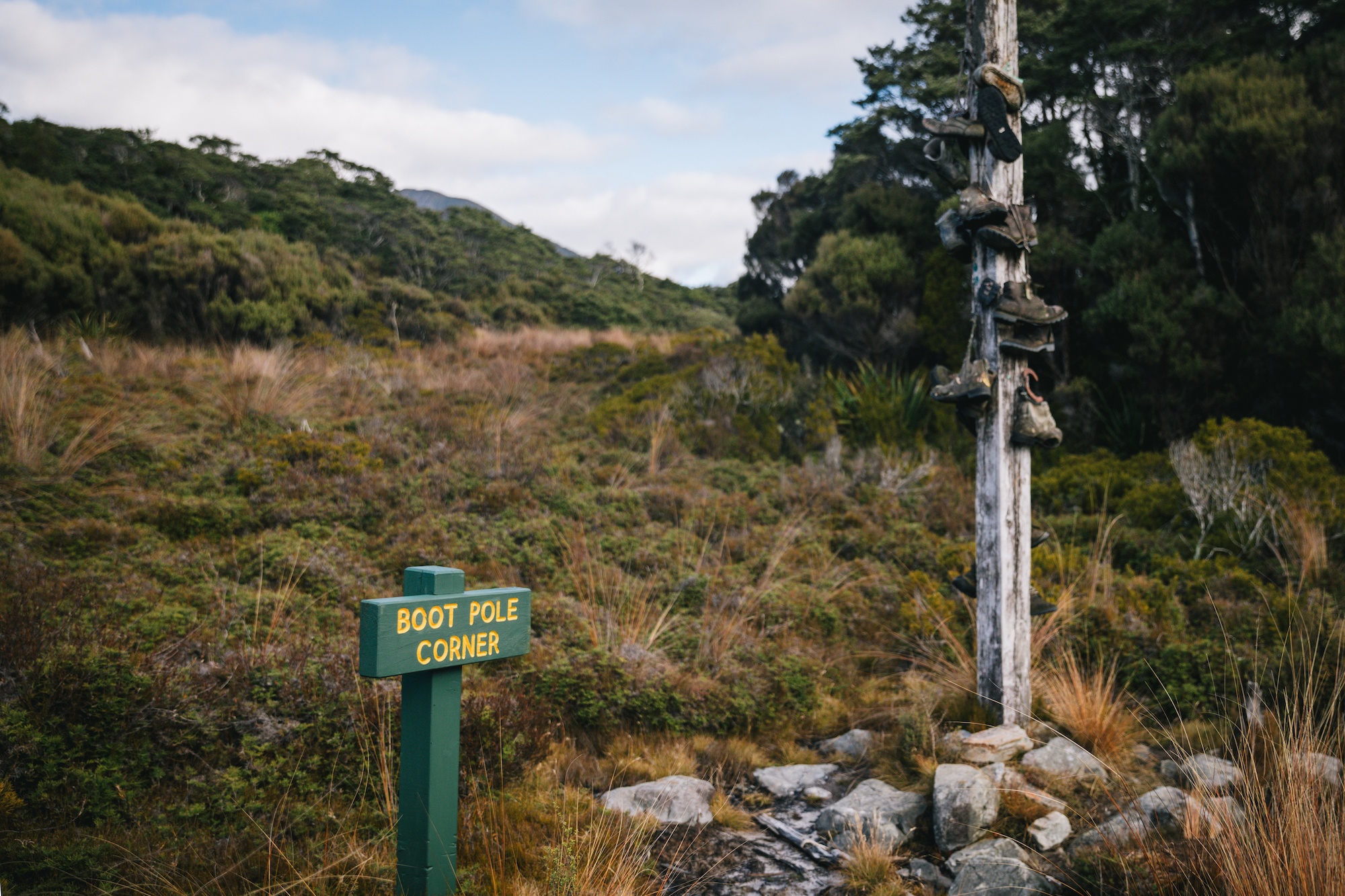
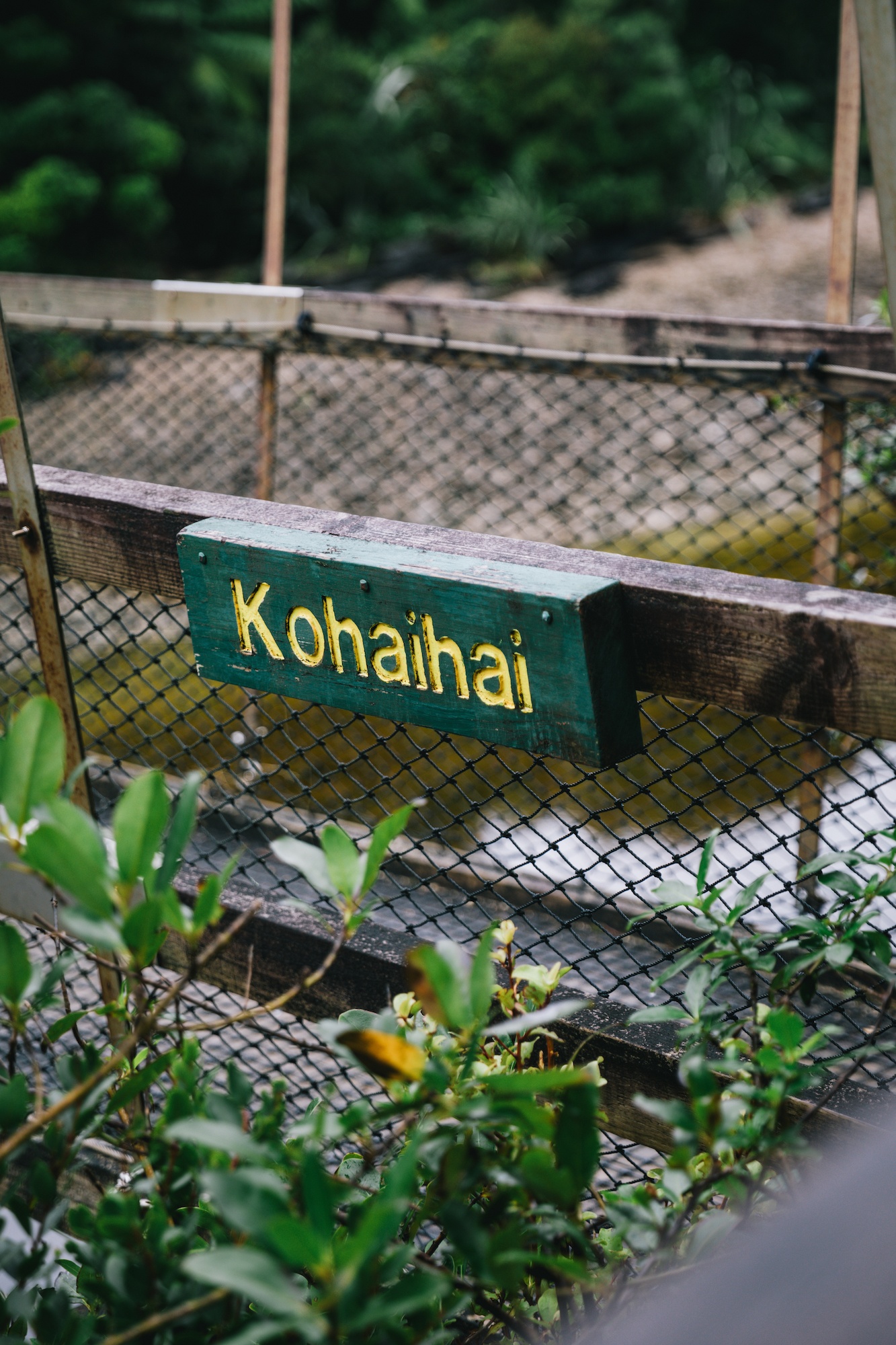
The primary deterrent for independent hikers undertaking the Heaphy Track has long been the vehicular distance between the Brown Hut trailhead in Golden Bay and the Kohaihai shelter near Karamea. A direct drive between the two points requires approximately seven hours of travel time, spanning roughly 450 kilometers. For solo trampers, this geographical displacement necessitates either paying substantial vehicle relocation fees—often exceeding $500 NZD—or enduring lengthy, costly detours dependent on rising fuel prices.
To mitigate these barriers, regional transport providers have integrated boutique air services with ground shuttles. By utilizing small-aircraft connections between local airfields in Takaka and Karamea, travelers can circumvent the multi-hour road journey. This integration reduces transit times and allows hikers to complete a point-to-point traverse without the financial and operational burden of managing a personal vehicle at opposite ends of the national park. Aviation and ground transfer packages have effectively centralized the planning process, aligning transit schedules with standard four-to-five-day tramping itineraries.
Trail Profile, Terrain, and Physical Demands
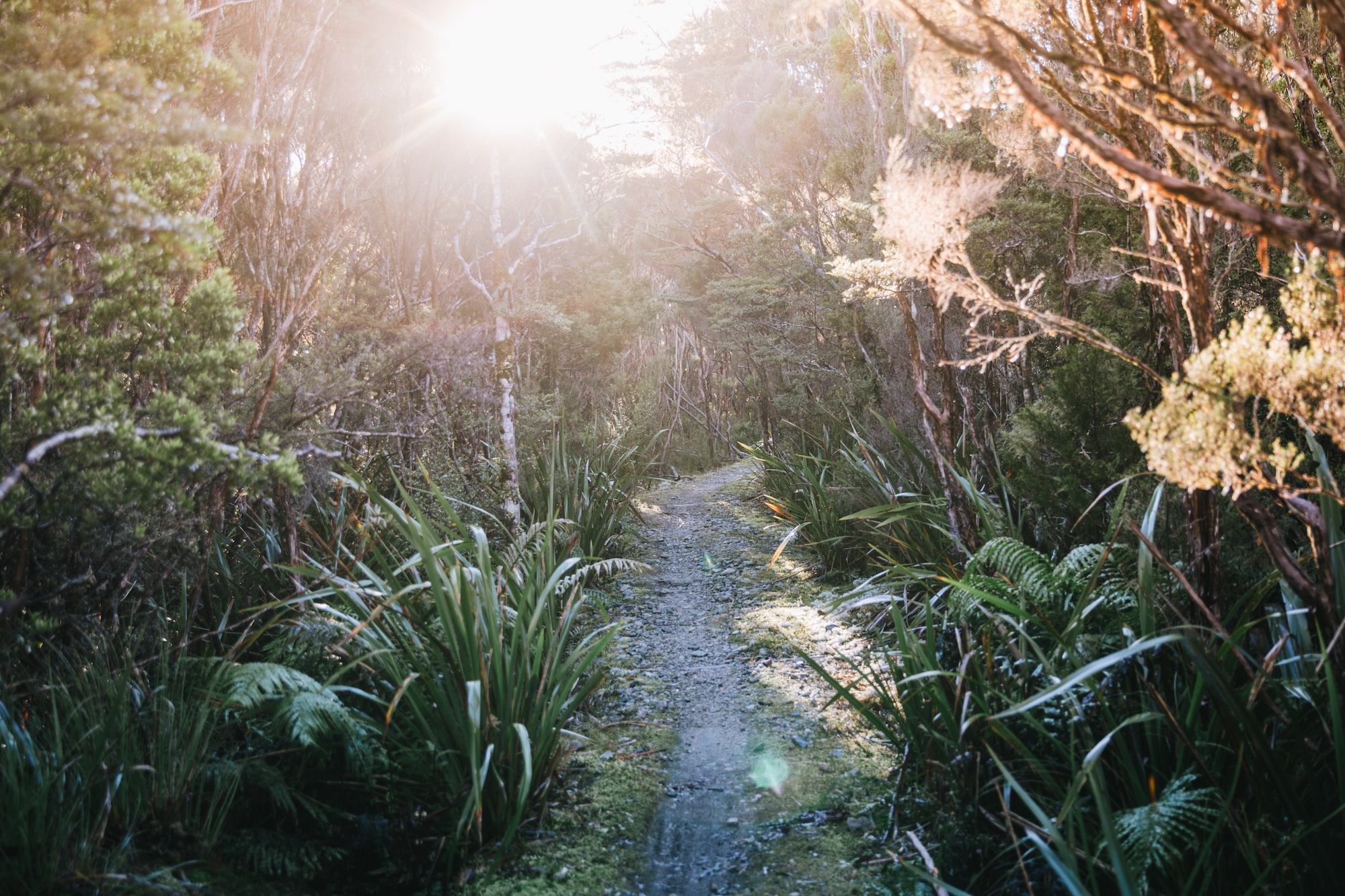
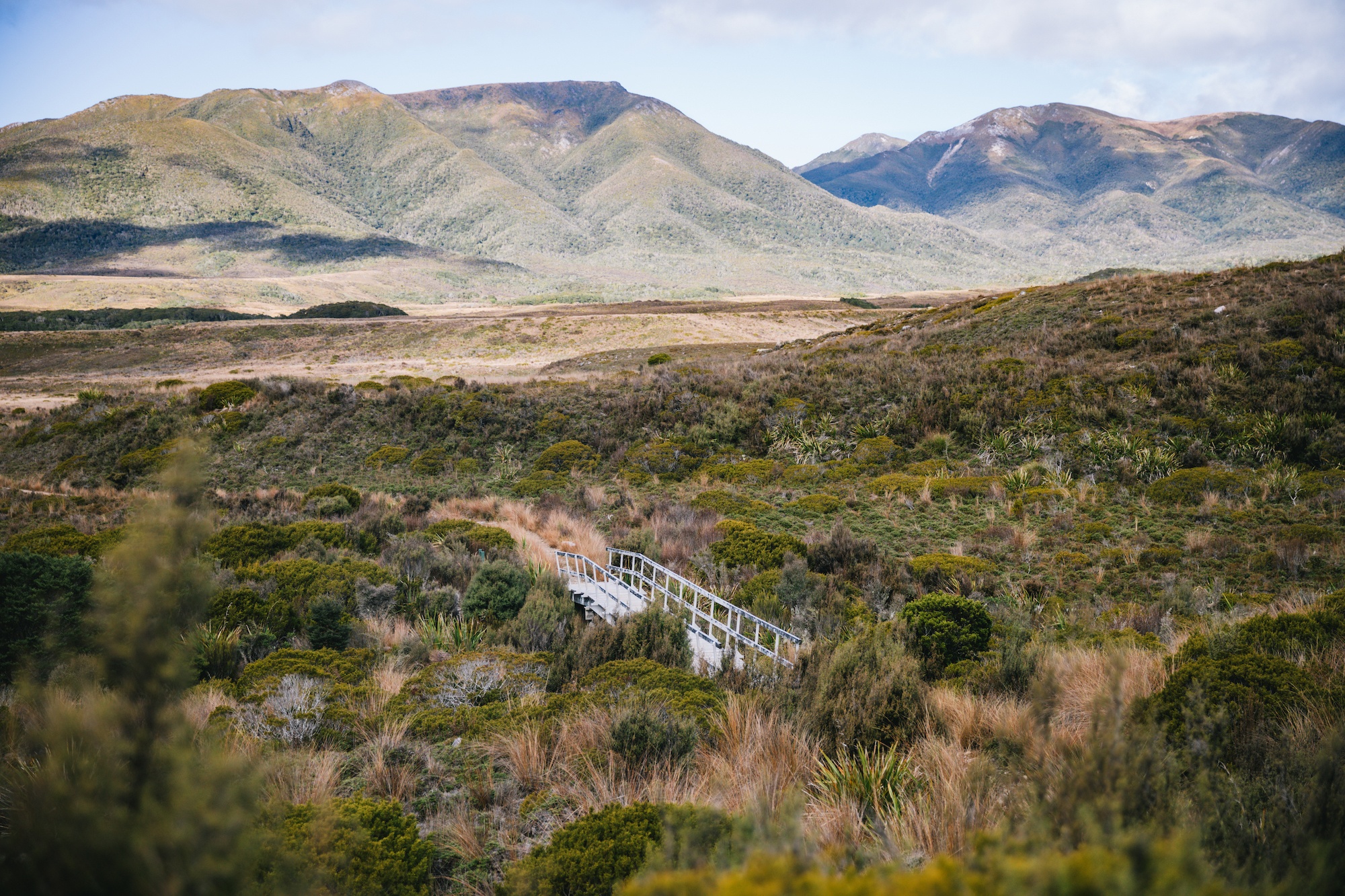
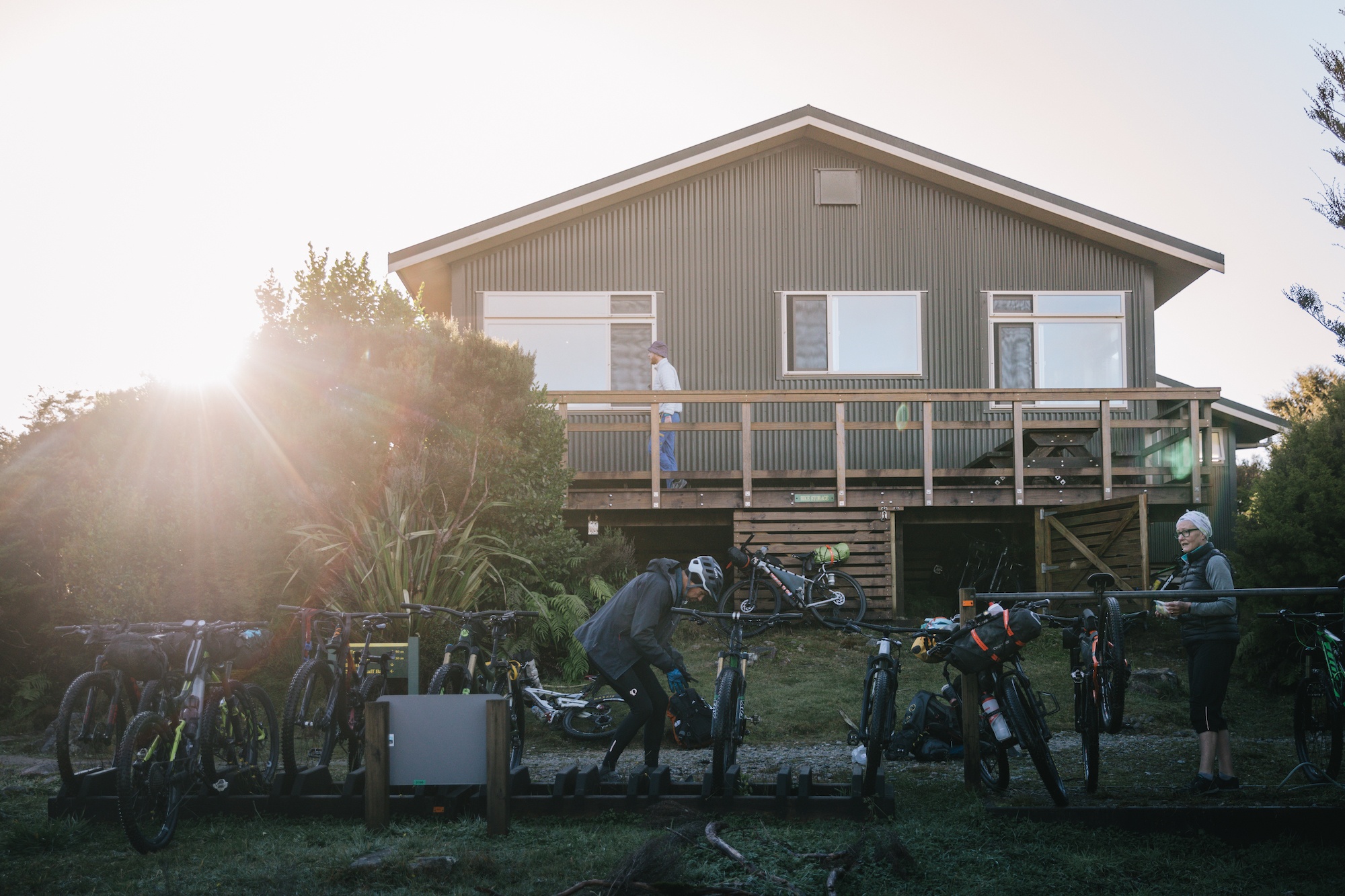
The Heaphy Track is engineered to a higher standard than traditional backcountry routes, featuring wide, well-maintained paths and substantial bridges that accommodate both hikers and, seasonally, mountain bikers. Cycling is permitted on the trail from May 1 to November 30, a regulatory measure that necessitates the absence of restrictive infrastructure such as steep staircases.
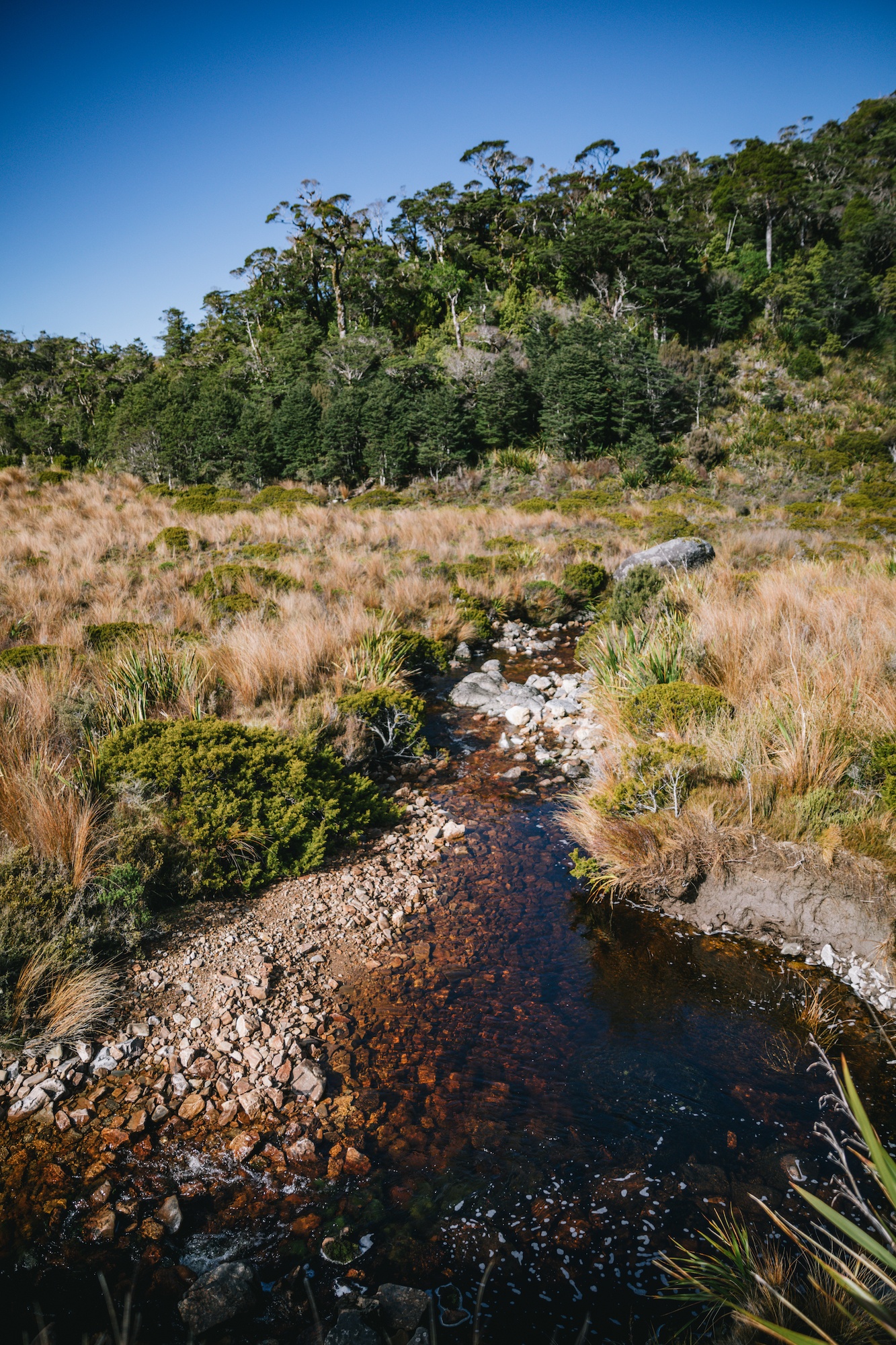
Geographically, the route presents a deceptive elevation profile. Ascending to a maximum altitude of approximately 1,000 meters over a span of roughly 20 kilometers, the incline is notably gradual. Consequently, daily segments averaging 16 to 25 kilometers typically require four to five hours of moderate exertion. While the physical gradient remains forgiving, participants frequently report increased muscular fatigue due to the heavier pack weights associated with multi-day provisions and specialized equipment, such as photographic gear.
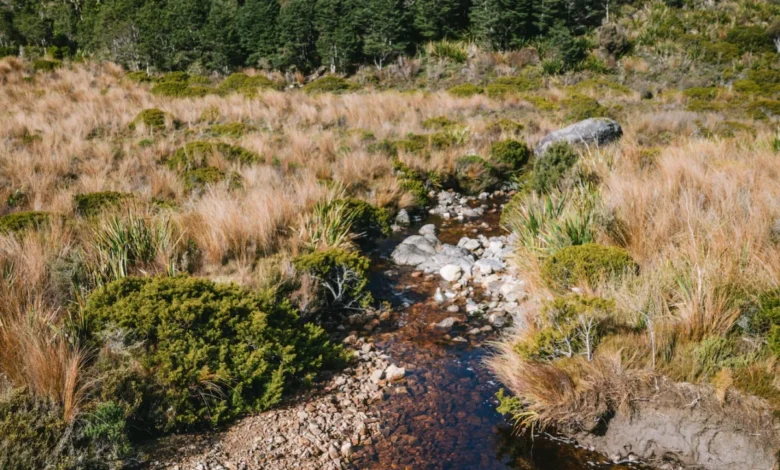
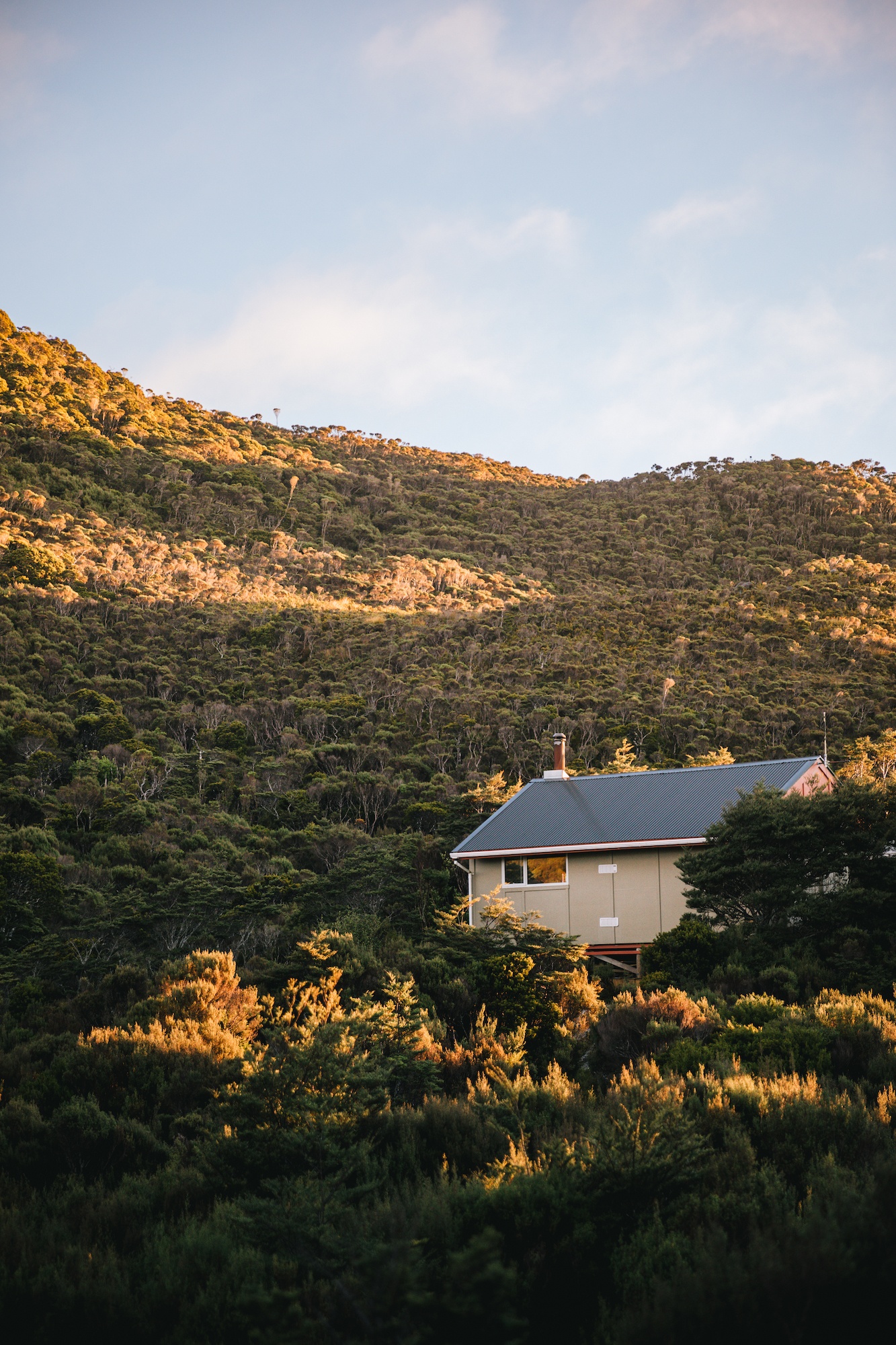
Water resources along the path are abundant and potable, though typically stained amber by natural organic tannins derived from decaying forest foliage. Department of Conservation guidelines advise that while the water is safe for consumption, hikers must remain vigilant regarding changing weather patterns. Severe meteorological events can induce localized river flooding, potentially stranding visitors in the network’s numerous serviced huts and emergency shelters. Consequently, standard safety protocols dictate the inclusion of emergency rations and a registered Personal Locator Beacon (PLB).
Conservation Milestones and Biodiversity
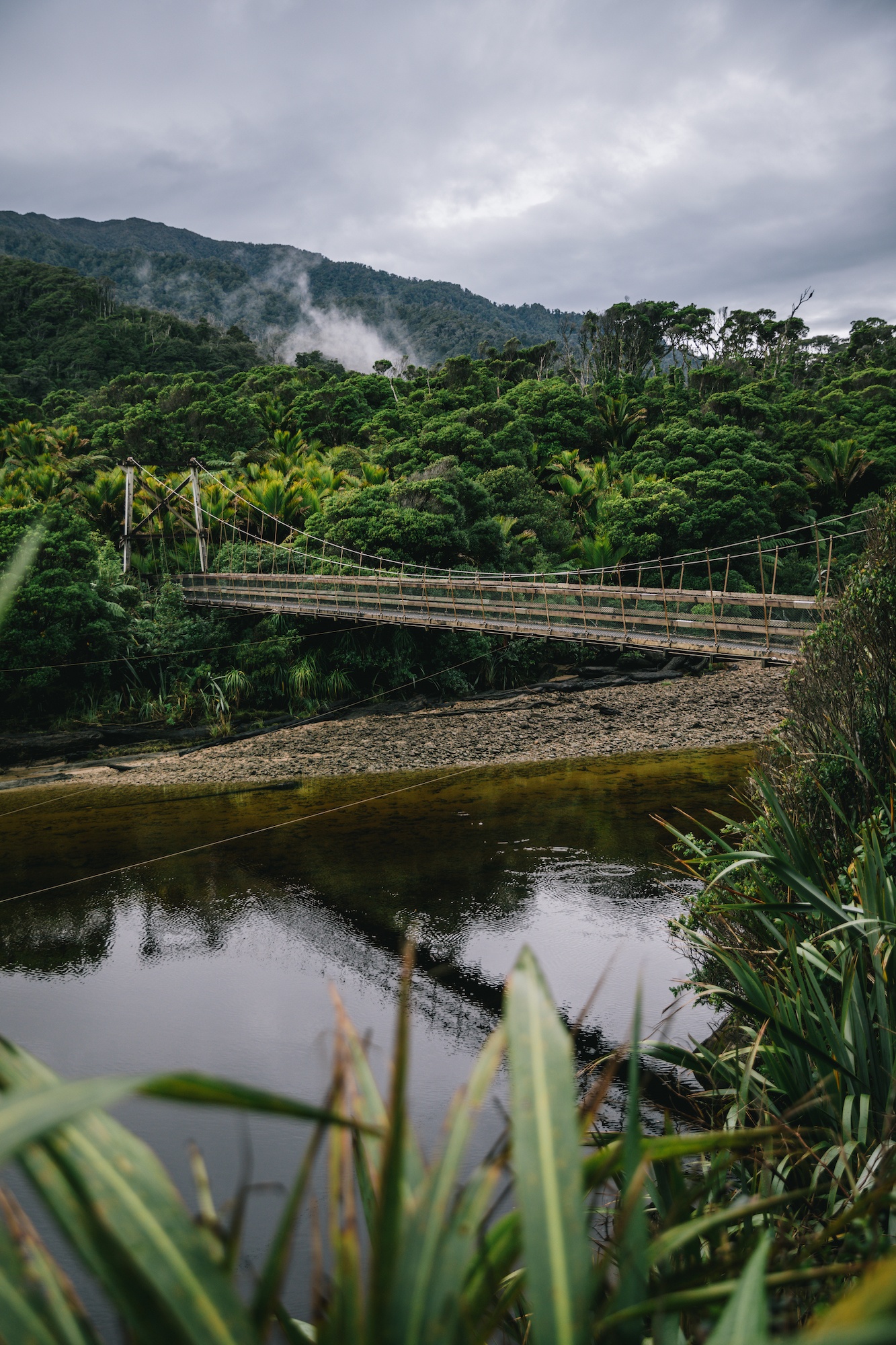
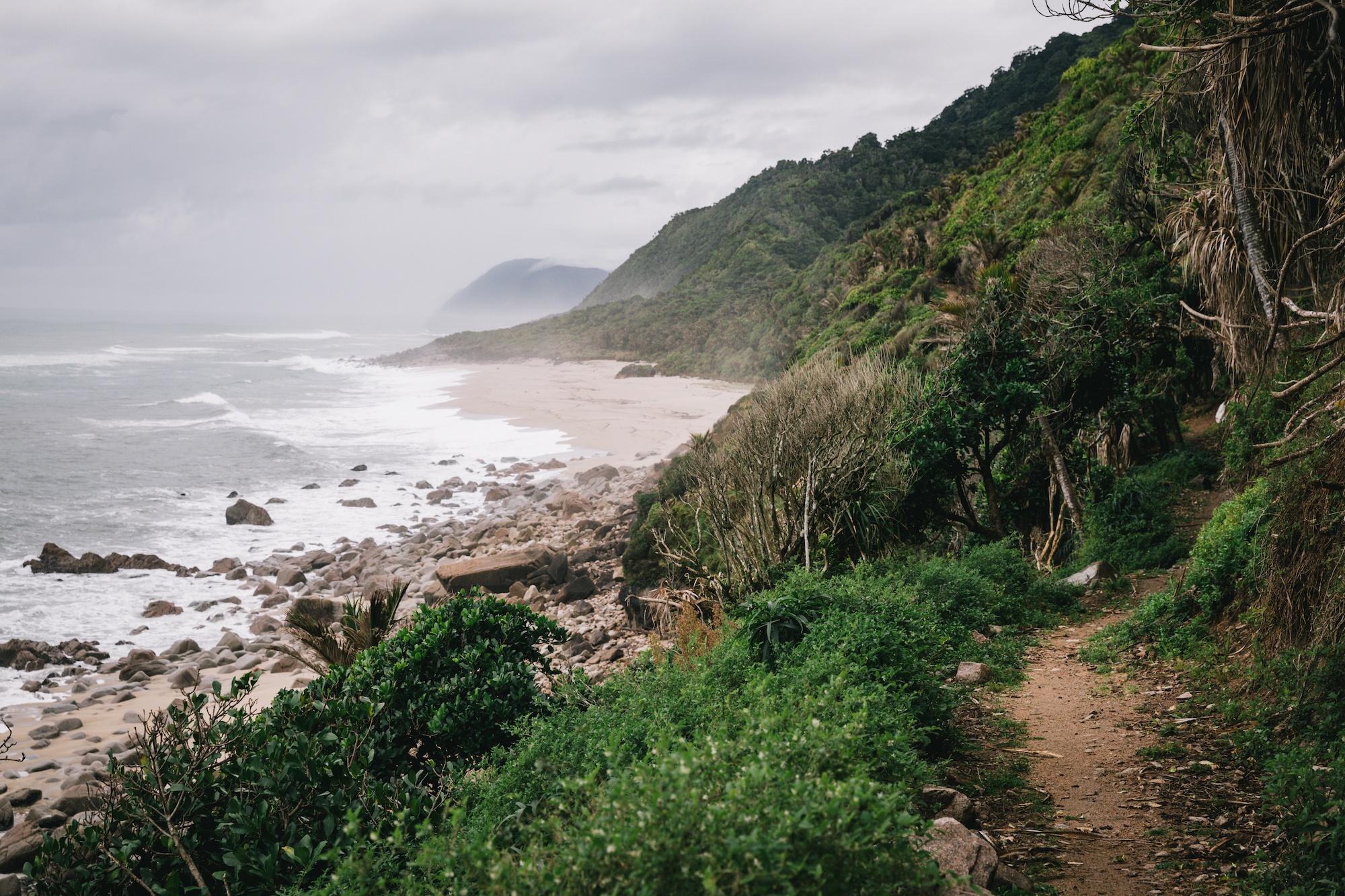
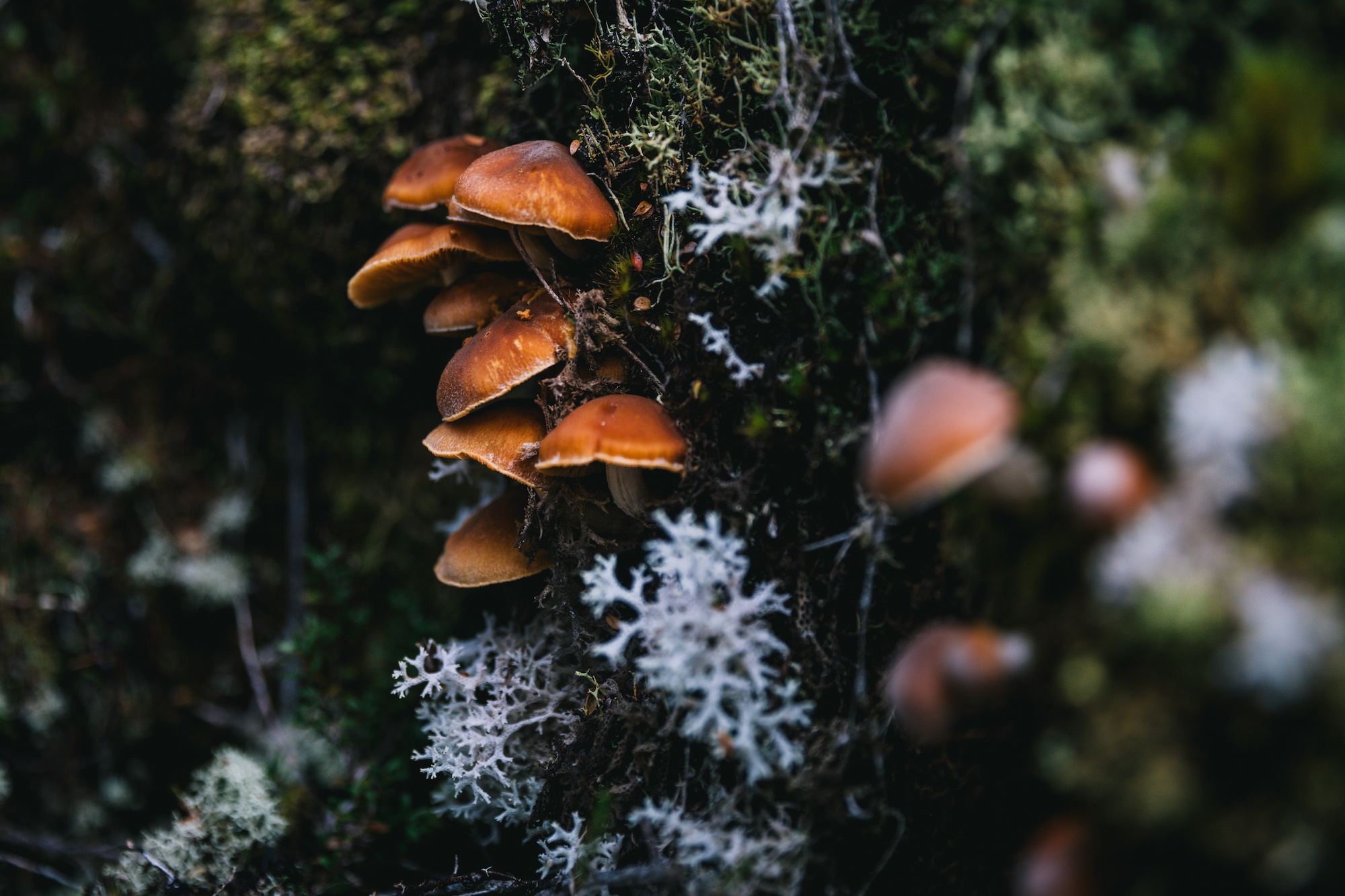
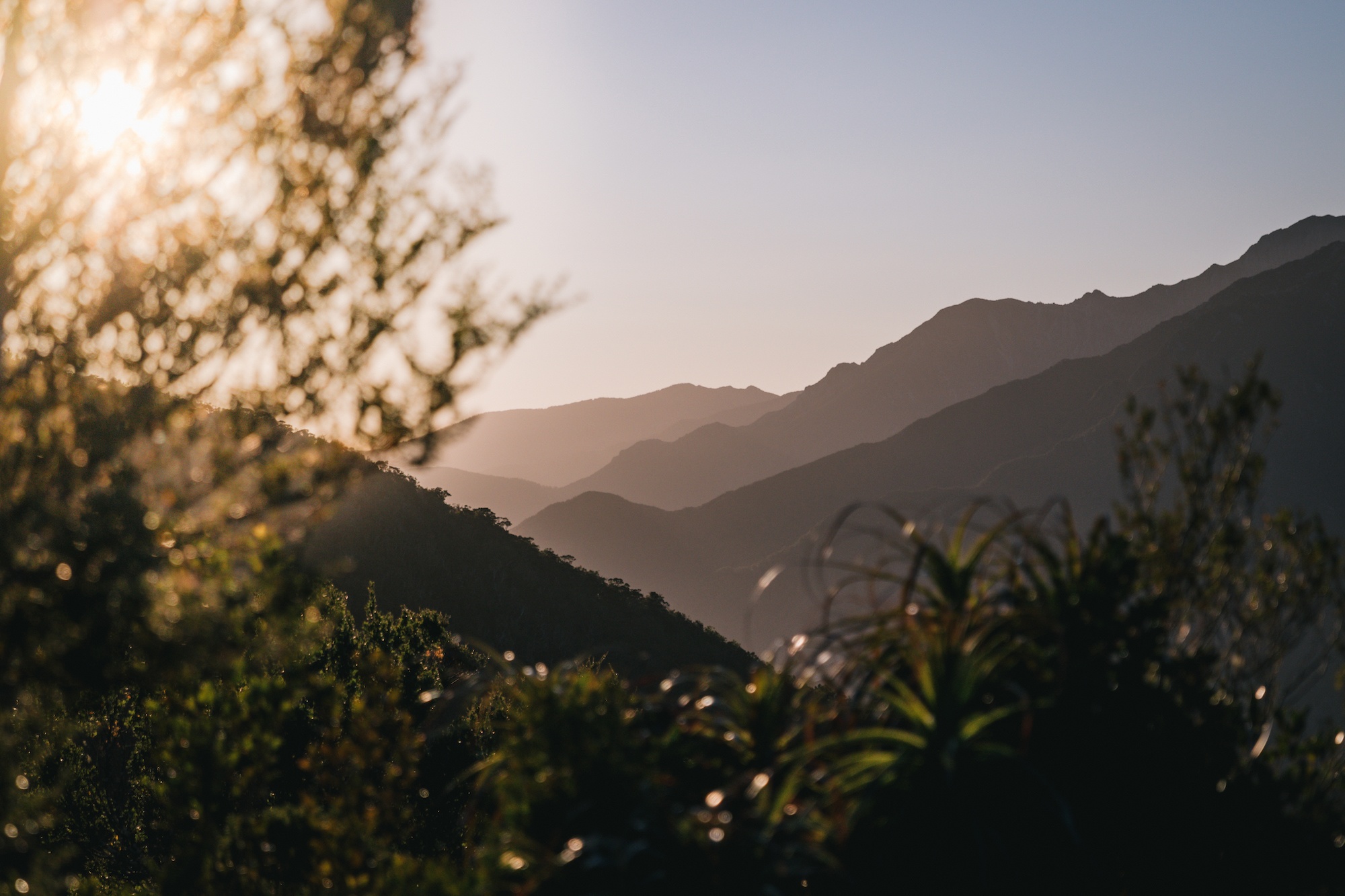
Beyond its recreational utility, the Kahurangi National Park serves as a critical sanctuary for endemic New Zealand flora and fauna, benefiting from extensive, ongoing predator-control initiatives targeting introduced mustelids, rats, and possums. The landscape transitions distinctly from the humid, nikau-palm-studded coastal environments of the West Coast to temperate beech forests and expansive sub-alpine red tussock plains.
The region’s ecological significance was substantially enhanced in 2018 with the release of a wild population of takahē (Porphyrio hochstetteri) within Kahurangi National Park. This initiative marked the establishment of only the second wild population of the flightless blue bird in New Zealand, following decades of intensive recovery efforts led by conservation scientists and the Department of Conservation. The takahē, famously rediscovered in the Murchison Mountains of Fiordland in 1948 by Dr. Geoffrey Orbell after being presumed extinct for fifty years, currently numbers approximately 500 individuals nationwide.
In addition to the takahē, the Heaphy Track provides a habitat for a diverse array of native avifauna, including the great spotted kiwi (roroa), whio (blue duck), kea, tūī, bellbirds, and the critically endangered giant carnivorous Powelliphanta land snails. The presence of these species underscores the efficacy of landscape-scale pest management strategies designed to restore South Island ecosystems to pre-human baselines.

Socioeconomic Impact and Year-Round Accessibility
The Department of Conservation’s management model for the Great Walks balances high visitor demand with environmental preservation. Unlike alpine tracks subject to severe winter avalanche risks, the Heaphy Track remains accessible throughout the year. While the winter months bring colder, less predictable weather conditions, they offer solitude for experienced backcountry travelers equipped for self-reliance.
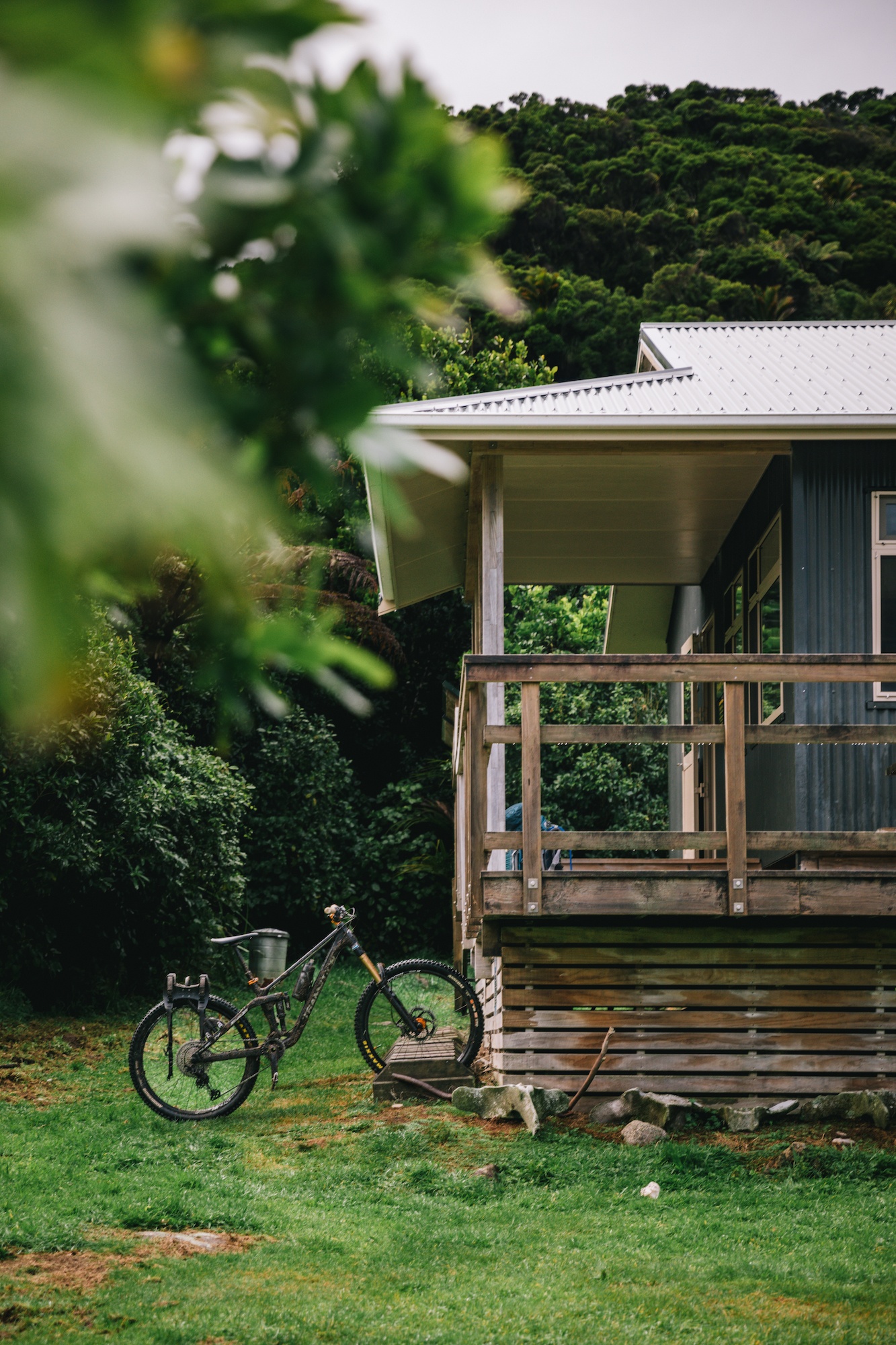
The integration of multi-use regulations, such as seasonal mountain biking access during the autumn and winter shoulder months, reflects a broader economic strategy to distribute tourist traffic across regional economies in Golden Bay and the West Coast. By facilitating seamless transitions between transport nodes and maintaining robust infrastructure, local operators and government agencies continue to support sustainable nature-based tourism while safeguarding the delicate ecological balance of New Zealand’s largest national park.