Six Essential Reads: Exploring Indigenous Stewardship, Forgotten Wetlands, and the Human Relationship with the Natural World

The latest edition of Adventure Journal (AJ 42) has curated a compelling reading list for outdoor enthusiasts, historians, and environmental researchers alike. Featuring six distinct literary works published between 2025 and 2026, the collection spans global geography—from the remote subarctic tundra and the mist-shrouded valleys of Yosemite to the vital, overlooked ecosystems of global wetlands. Rather than focusing solely on traditional tales of exploration and conquest, this season’s recommended reading highlights a profound shift in modern adventure literature: a growing focus on ecological interconnectedness, historical reckoning, and the indigenous stewardship that has sustained natural landscapes for millennia.
Main Facts and Publication Overview
The curated selection brings together works of narrative nonfiction, historical fiction, environmental science, and memoir. Each book addresses humanity’s complex, often contradictory relationship with the natural environment. The featured titles include Kiliii Yüyan’s photographic exploration of native lands, Guardians of Life; Merritt R. Turetsky’s scientific defense of peatlands in Bogland; Daniel Duane’s reflective memoir Yosemite Falls; Chi Zijian’s novel of reindeer herding, The Last Quarter of the Moon; Allegra Goodman’s historical survival narrative Isola; and Robert Moor’s philosophical investigation of botany and evolution, In Trees.
Together, these works present an expansive view of the outdoors, moving beyond recreational adrenaline to examine the scientific, political, and cultural realities shaping global landscapes today.
Indigenous Stewardship and the Future of Conservation
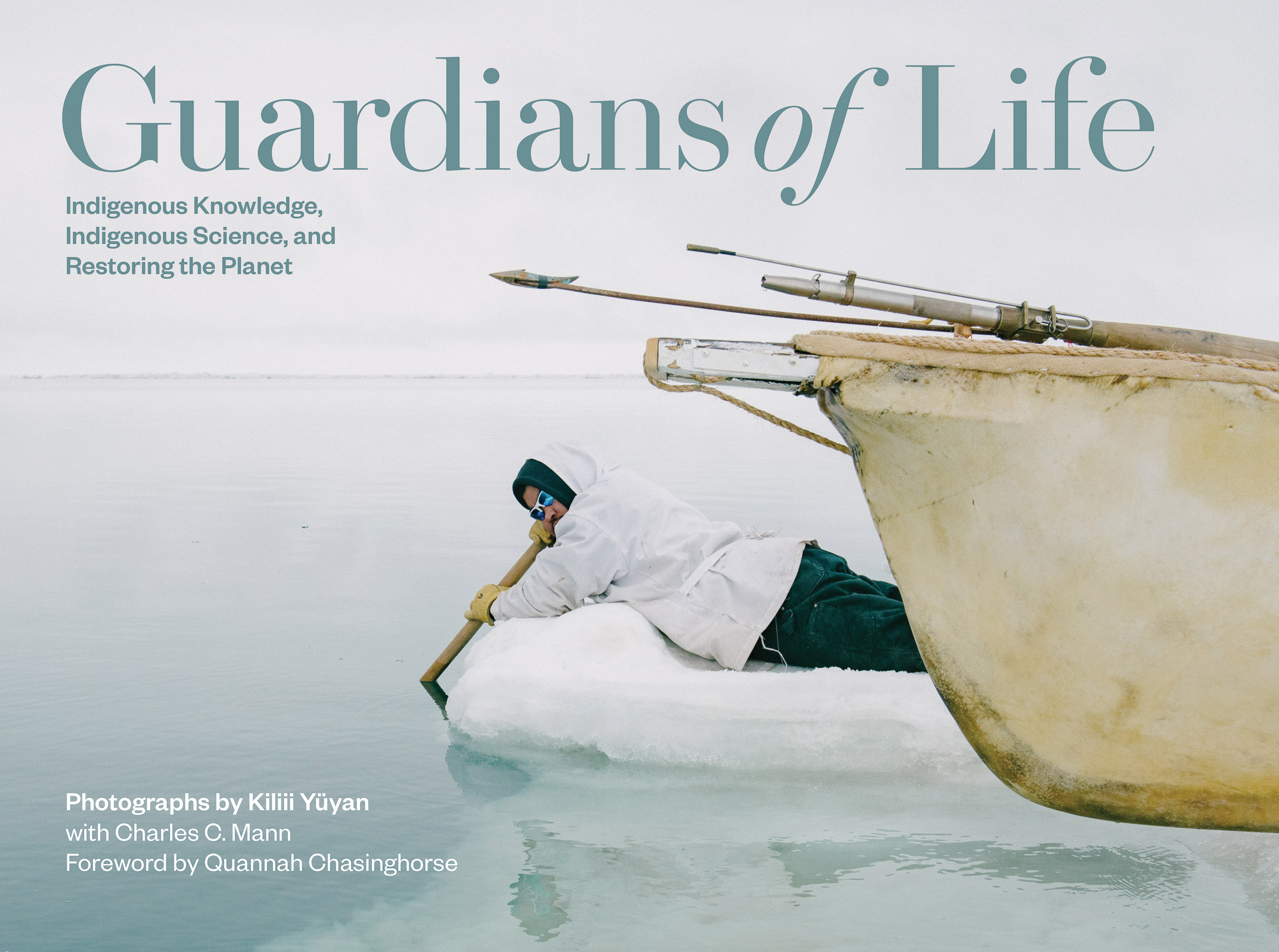
At the forefront of the AJ 42 reading list is Guardians of Life by National Geographic photographer Kiliii Yüyan, scheduled for publication by Braided River in 2026. The book tackles one of the most pressing ecological debates of the modern era: the management and preservation of the world’s remaining wildlands.
Yüyan’s work underscores a critical data point: Indigenous territories currently comprise approximately 37 percent of all remaining natural lands on Earth while safeguarding nearly 80 percent of global biodiversity. To illustrate this thesis, the book highlights the historical precedent set by the Iñupiat people. In 1977, the International Whaling Commission imposed a ban on Iñupiat bowhead whale hunting, disrupting a millennia-old tradition. Through subsequent legal challenges, the Iñupiat successfully secured management rights over the whale populations, resulting in a threefold increase in the bowhead whale population over a thirty-year period.
Featuring nearly two hundred images drawn from nine distinct Native communities, Guardians of Life argues that modern conservation efforts must transition toward empowering Indigenous stewardship. The volume combines hard statistical analysis with intimate visual storytelling, demonstrating how cultural survival and ecological health remain deeply intertwined.
Unlocking the Ecological Value of Boglands
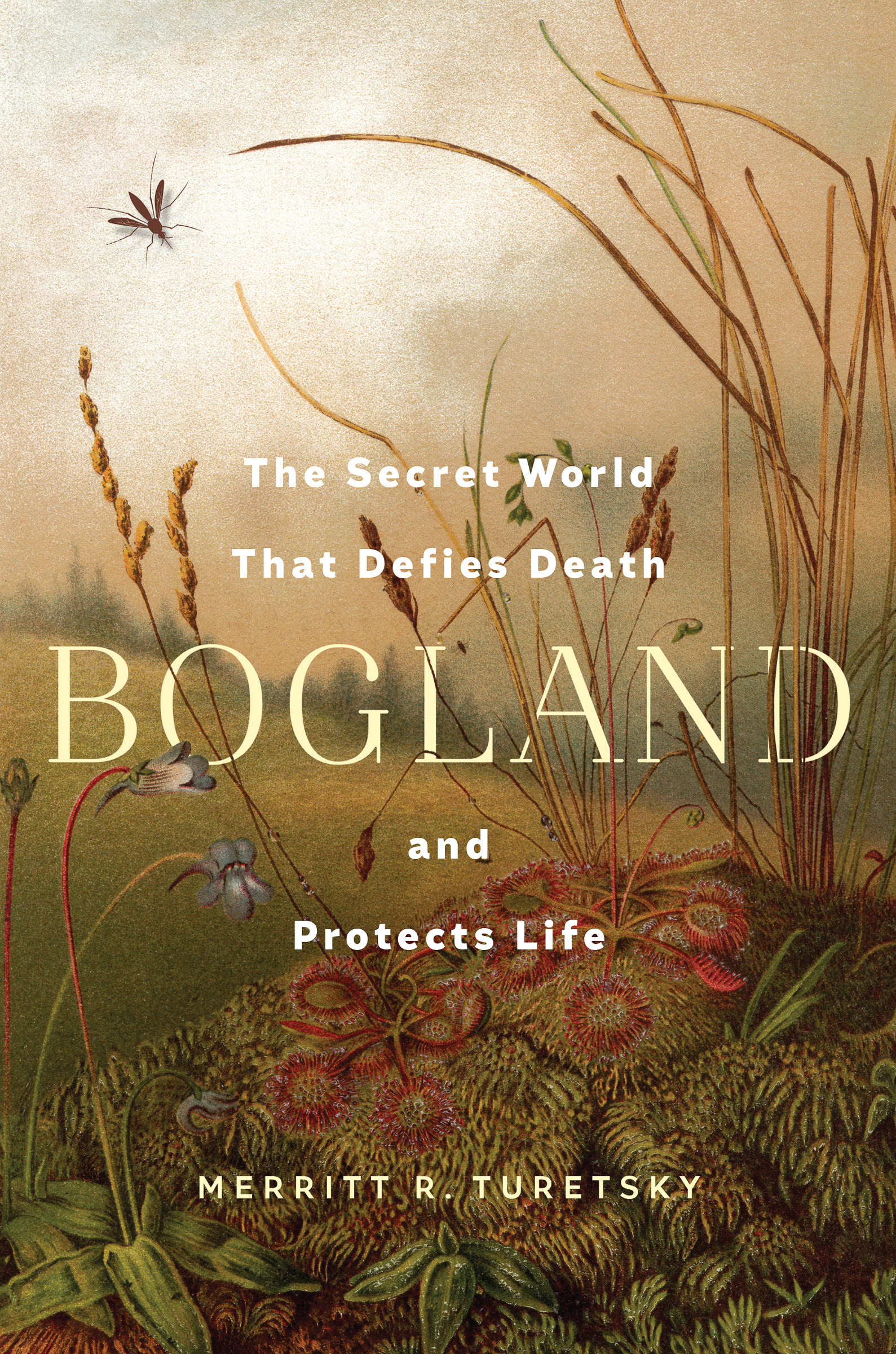
Shifting focus from arctic coastlines to hydrological systems, Merritt R. Turetsky’s Bogland (WW Norton, 2026) offers a rigorous scientific and cultural reevaluation of wetlands. Historically maligned, drained, and culturally associated with stagnation or peril, bogs and peatlands are increasingly recognized by climate scientists as critical components of the global carbon cycle.
According to data cited in the text, wetlands and peatlands cover roughly 3 percent of the Earth’s land surface yet store approximately 30 percent of the planet’s soil carbon. This delicate balance leaves global climate systems vulnerable; widespread thawing of permafrost and peatland fires risk releasing massive stores of greenhouse gases into the atmosphere.
Beyond hard science, Turetsky integrates historical and archaeological perspectives, detailing the preservation of Iron Age bog bodies and the centuries-old role of wetlands as refuges. By blending field research with accessible prose, Bogland advocates for a fundamental cultural reassessment of the world’s bogs, reframing them not as wasteland, but as vital planetary lifelines.
Reckoning with Environmental Legacy in Yosemite Falls
The intersection of personal history and public land management is central to Yosemite Falls (North Point Press, 2026) by Daniel Duane. Recognized as a capstone in Duane’s environmental writing career, the memoir reflects on a childhood spent navigating the granite monoliths and backcountry trails of the Sierra Nevada under the influence of a demanding parental figure and the towering conservation legacy of John Muir.
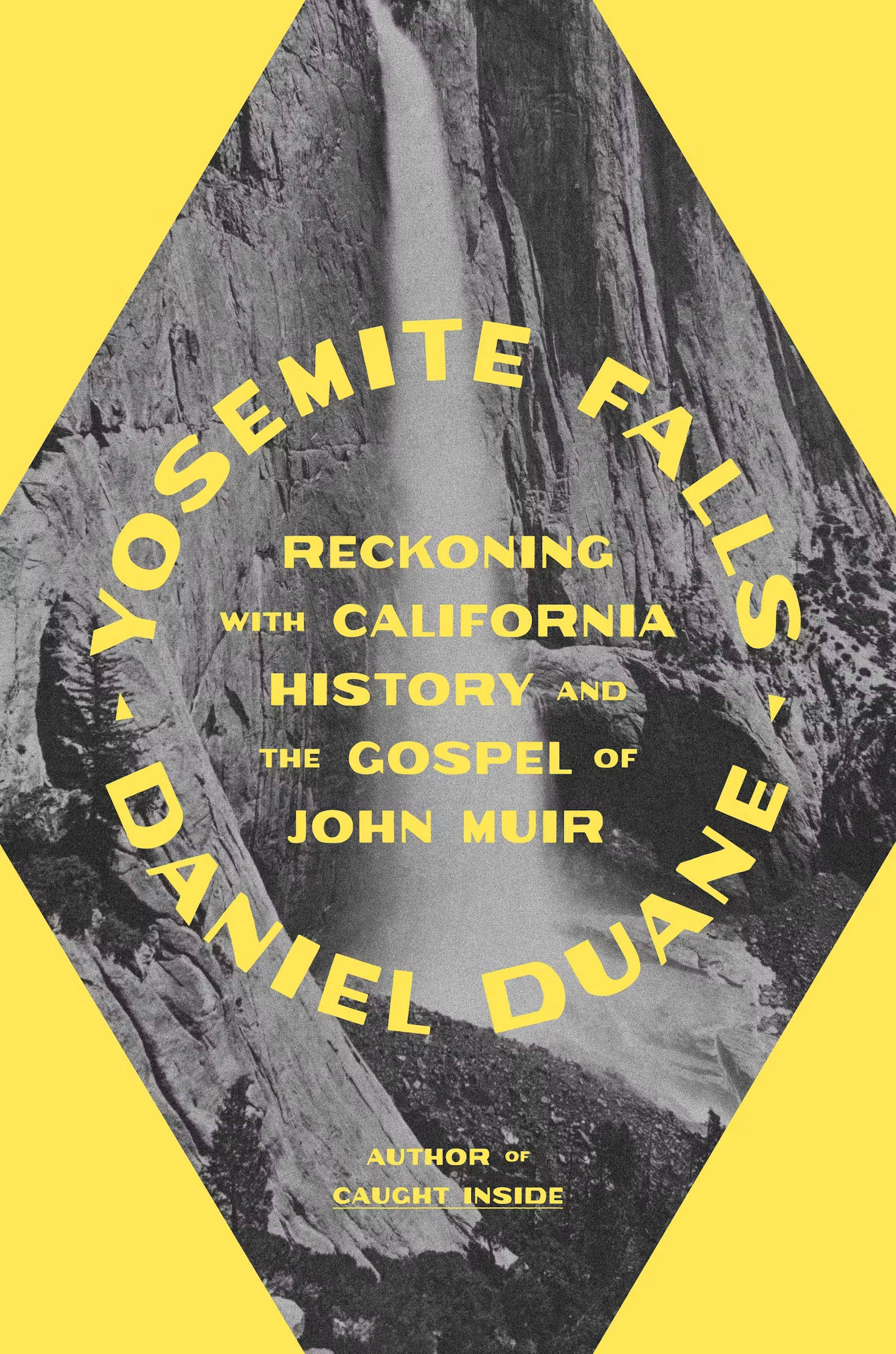
Duane’s narrative goes beyond traditional outdoor adventure writing by confronting the darker historical realities underlying America’s national parks, including the displacement of Indigenous populations and the sanitization of conservationist histories. Despite these systemic reckonings, the book maintains an energetic, celebratory relationship with the landscape. Duane documents climbing the same routes with his own daughters, offering a self-implicating, humorous, and clear-eyed perspective that avoids simplistic redemptive arcs while reaffirming a lifelong commitment to the outdoors.
Elegy for a Vanishing Way of Life: The Last Quarter of the Moon
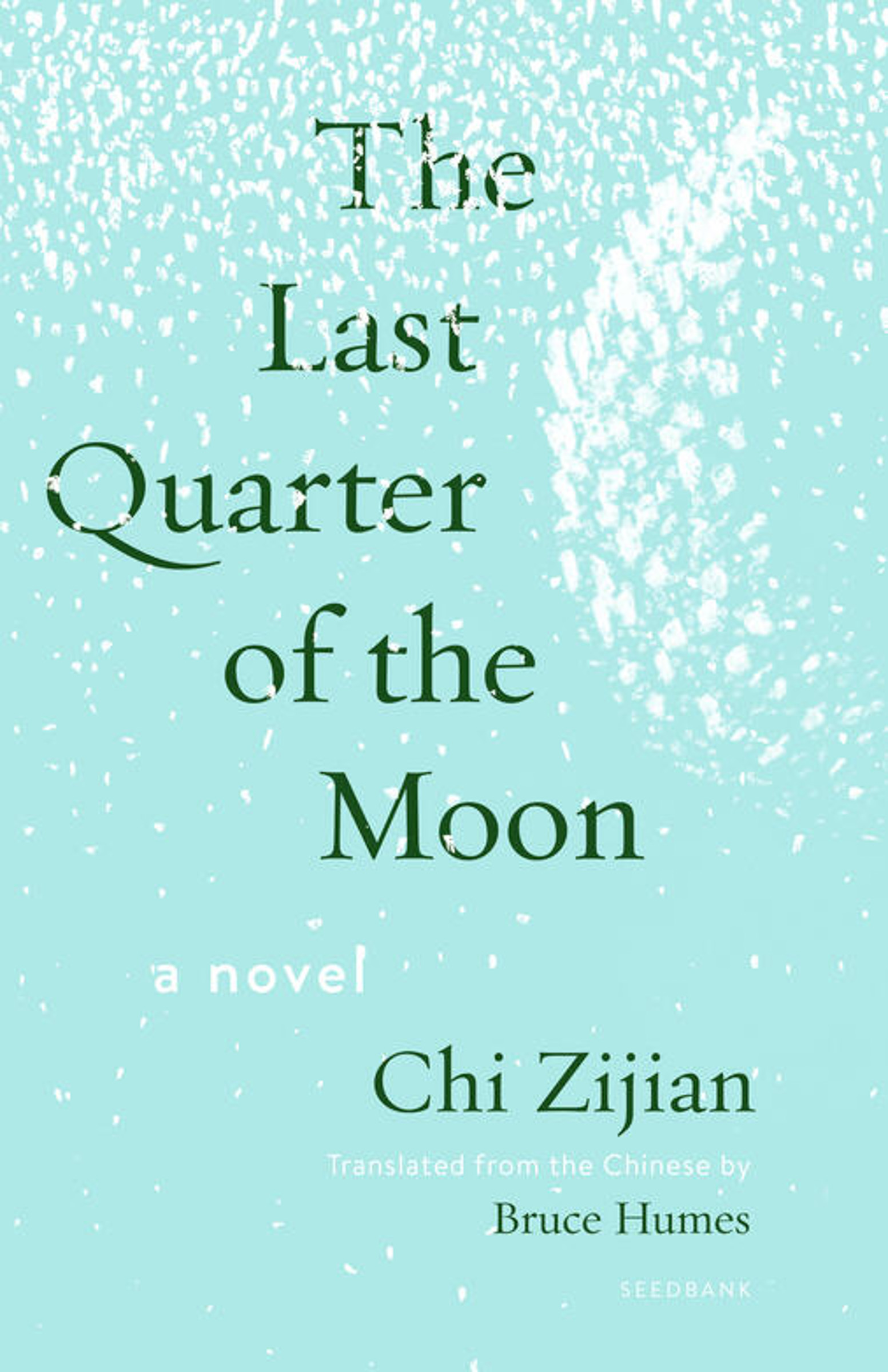
Translated by Bruce Humes and published by Milkweed Editions in 2026, Chi Zijian’s The Last Quarter of the Moon transports readers to the boreal forests of northern China. The novel employs a unique narrative structure, told over the course of a single day by a ninety-year-old Evenki woman—the wife of the clan’s final chieftain—as she reflects on a century of her people’s reindeer-herding culture.
The narrative captures a pivotal historical moment as younger generations transition to government-mandated settlements, leaving the protagonist behind to commune with the elements under the watchful eye of a waning moon. Without relying on heavy explanatory glossaries, the novel immerses readers in the specific terminology and spiritual worldview of the Evenki, presenting mortality and cultural displacement with a flat, unflinching realism that elevates the work into a profound elegy for vanishing traditions.
Survival and Subversion in Early-Sixteenth-Century Isola
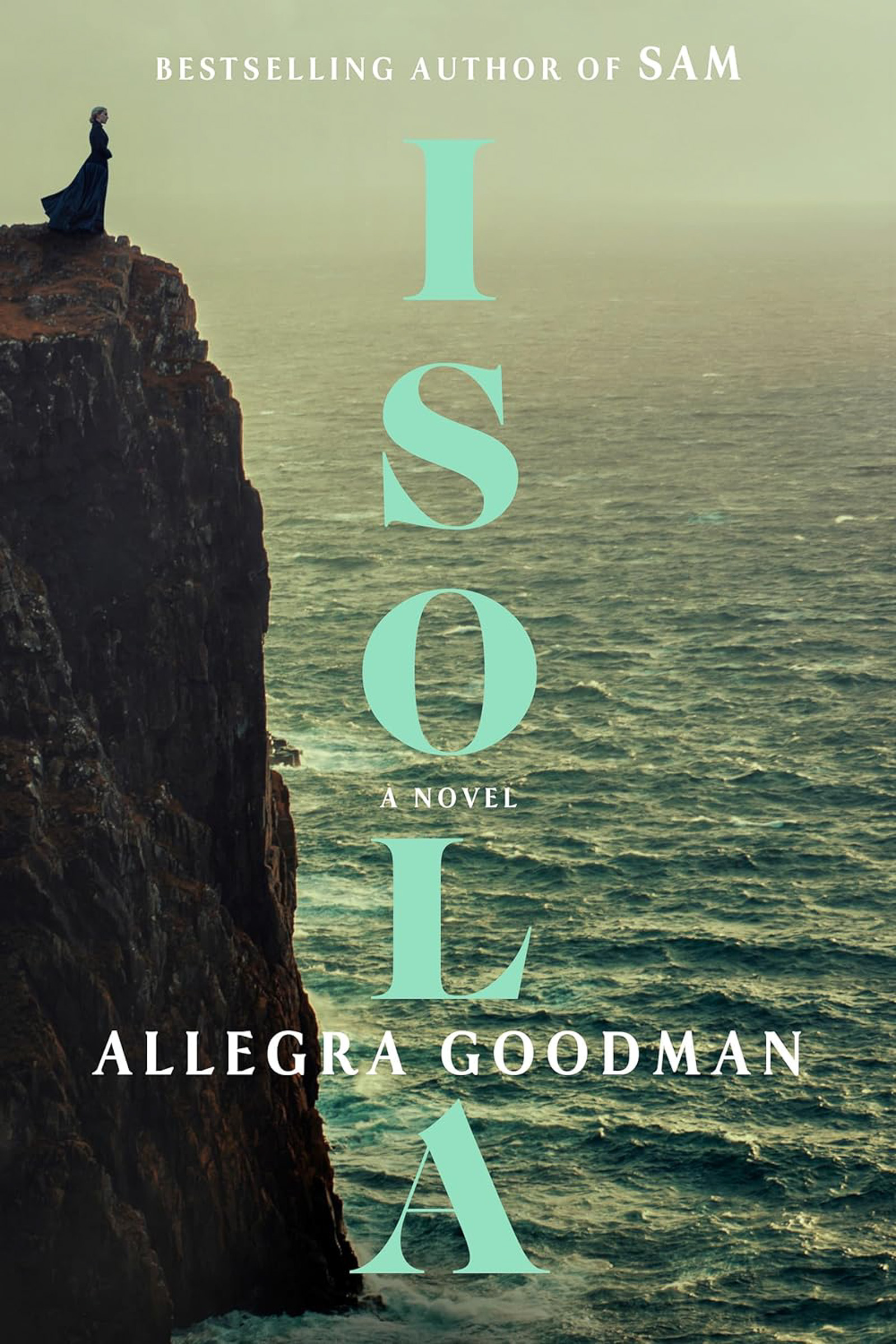
Moving into historical fiction based on real events, Allegra Goodman’s Isola (Dial Press, 2025) presents a harrowing tale of maritime exploration and survival in the early 1500s. The narrative follows Marguerite de la Rocque de Roberval, an orphaned French noblewoman whose fortune is seized by her guardian and prospective suitor.
Upon being forced onto a colonizing vessel bound for North America, Marguerite finds refuge in a forbidden romance with a shipmate. In retaliation, her guardian abandons the couple on a remote, freezing island in the Gulf of Saint Lawrence. The novel details their grueling struggle against harsh sub-arctic winters, culminating in violent confrontations with polar bears. Beyond its function as an adventure yarn, Isola serves as an incisive critique of the gender and class constraints defining early modern European society.
Trees as a Lens for Global Wisdom in In Trees
Concluding the curated selection is Robert Moor’s In Trees (Simon & Schuster, 2026). Following his acclaimed work on trails, Moor pivots to botany and evolutionary biology, proposing "treethinking"—a framework characterized by slow growth, deep roots, and long-term perspective—as an antidote to modern acceleration.
Moor’s research spans global ecosystems, including ascending giant sequoias alongside naturalist David Attenborough, studying classical bonsai culture in Japan, observing chimpanzee nesting habits in Tanzania, and examining his own family’s historical archives in Alabama. While the central metaphor of arborescence occasionally stretches across diverse subjects like human cognition, evolutionary theory, and racial history, the book delivers an ambitious, wide-ranging exploration of how arboreal systems can model complex ecological and social understanding.
Broader Impact and Implications of the AJ 42 Collection
The books highlighted in AJ 42 reflect a broader maturation within outdoor literature and environmental journalism. Rather than treating nature as an untouched backdrop for human conquest or solitary recreation, contemporary authors increasingly frame the natural world as an interconnected system defined by human history, indigenous knowledge, scientific urgency, and historical accountability.
As publishing houses continue to release works that bridge hard scientific data with narrative memoir and historical recovery, readers are presented with a more nuanced understanding of global landscapes. Whether examining the carbon sequestration of peatlands, the sovereign land rights of Indigenous communities, or the ethical complexities embedded within national park histories, these six titles offer vital insights for navigating the environmental challenges of the twenty-first century.