The slopes of Manaslu, the world’s eighth-highest mountain at 8,163 meters, have transformed into a theater of high-stakes tension as a narrowing weather window, an encroaching cyclone, and an urgent desire for summits collide. The tragic death of two climbers on Sunday has cast a pall over the mountain, serving as a grim reminder of the volatility inherent in high-altitude mountaineering. As over 1,000 climbers and support staff face a rapidly approaching meteorological crisis, the mountaineering community remains deeply divided between the pursuit of personal goals and the necessity of absolute safety.
A Fatal Miscalculation at Camp 3
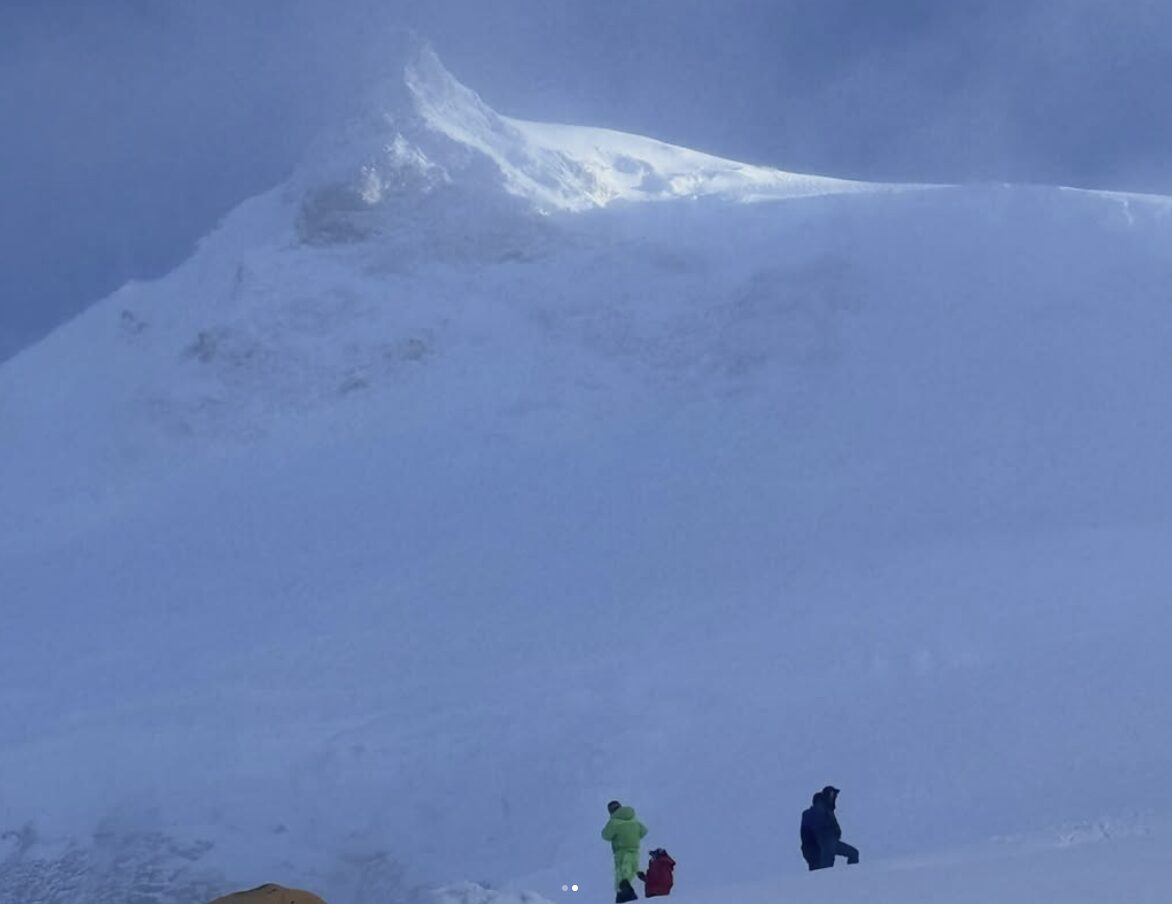
The latest tragedy occurred when an Indian-German climber, Dhruba Jyoti Guha, and his guide, Phursemba Sherpa, were struck by a slab avalanche while occupying a tent at Camp 3. While other teams had retreated to the relative safety of Base Camp due to severe weather conditions on Saturday and Sunday, Guha and Phursemba opted to remain at altitude, hoping to secure an early position for the anticipated summit window.
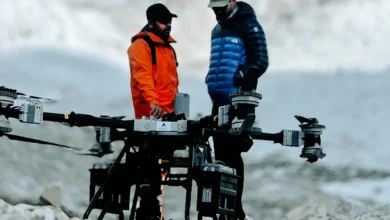
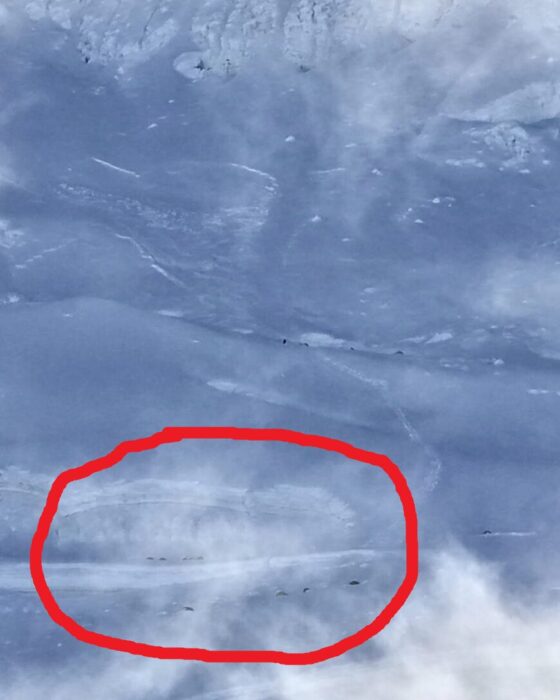
The alarm was raised when the pair failed to respond to radio communications. A search-and-rescue operation, involving a team of Sherpas, was immediately launched. The recovery was harrowing; the bodies were located beneath two meters of compacted snow. Preliminary analysis, supported by drone footage captured on Sunday evening, reveals a clear fracture line in the snowpack, confirming that a slab avalanche—a common but lethal phenomenon on Manaslu—was the direct cause of the incident. The loss of life has reignited debates regarding the safety culture on 8,000-meter peaks, where the pressure to justify the high costs of expeditions often conflicts with the harsh realities of the terrain.
A Narrowing Meteorological Window
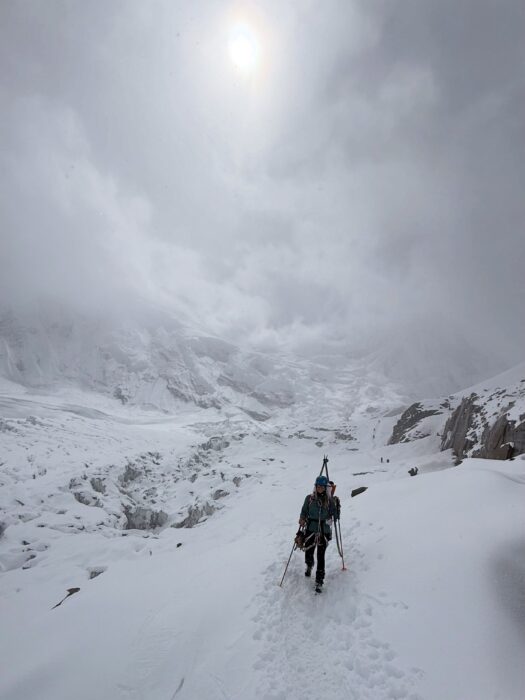
The current season on Manaslu has been characterized by instability. Following the successful fixing of ropes to the summit last Friday, a rush of climbers moved toward higher camps. However, the subsequent 48 hours brought fierce storms, heavy snowfall, and whiteout conditions that forced most expeditions to descend.
The situation is now compounded by a significant meteorological threat originating in the Bay of Bengal. A developing cyclone is projected to track toward Nepal’s high-altitude regions, with impacts expected between Wednesday and Friday. This creates an extremely compressed timeline for any remaining climbers. Those who intend to summit must reach the top and descend to Base Camp before the cyclone hits, as rescue operations become functionally impossible during such extreme weather events. The combination of high-altitude exhaustion, potential oxygen depletion, and the imminent storm surge has left teams with a narrowing set of choices: retreat, wait out the conditions indefinitely, or press forward into a high-risk environment.
The Voices of Experience: Safety vs. Summit Fever
Prominent figures in the mountaineering world have been vocal regarding the current state of the mountain. Simone Moro, an accomplished climber on his seventh expedition to Manaslu, has been a leading voice for caution. After assessing the conditions at Camp 3, Moro elected to return to Base Camp, citing the obvious danger posed by the unstable snowpack.
"All 400 people currently in Base Camp have a wonderful opportunity to show that safety is the most important, or to show the world that we don’t care about the danger, and we try to make a Russian roulette climb," Moro stated. He emphasized that in such conditions, waiting for weeks is often the only responsible course of action, regardless of the financial or logistical pressure to summit.
Reinhold Messner, a legendary figure in high-altitude climbing, echoed these sentiments, noting that no summit is worth the cost of a human life. "Life is worth more, so are the lives of those waiting at home," Messner remarked. "Better to stay down once than to risk everything."
Mingma G, a renowned guide and leader of Imagine Nepal, has also expressed grave concerns. Drawing a parallel to the recent tragedy on Broad Peak—where a massive avalanche claimed the lives of ten climbers—Mingma G highlighted the need for greater government oversight and emergency preparedness. He noted that the current influx of climbers on multiple peaks, including Manaslu and Dhaulagiri, requires a synchronized response from both expedition operators and the state to ensure that support systems can handle potential mass-casualty events.
Diverse Strategies: A Breakdown of Current Movements
As of Monday, the climbing community on Manaslu has split into three distinct operational categories:
1. The Strategic Wait
Teams like the Russian expedition led by Arten Tsentevitski and the Elite Exped group have prioritized survival over the immediate summit. By choosing to wait, these climbers are acknowledging that the mountain’s current state is not conducive to a safe ascent. This approach is often favored by alpine-style climbers who prioritize experience and safety over the "checklist" mentality of commercial expeditions.
2. Organized Withdrawal
Some expeditions have officially called off their attempts. American guide Luke Smithwick, whose team was equipped for skiing, opted to pack up and leave. Having survived multiple cyclones in previous years, Smithwick identified the upcoming weather event as a critical threshold that should not be crossed. His decision underscores a "zero-risk" tolerance policy that many feel is missing from larger commercial ventures.
3. The Aggressive Push
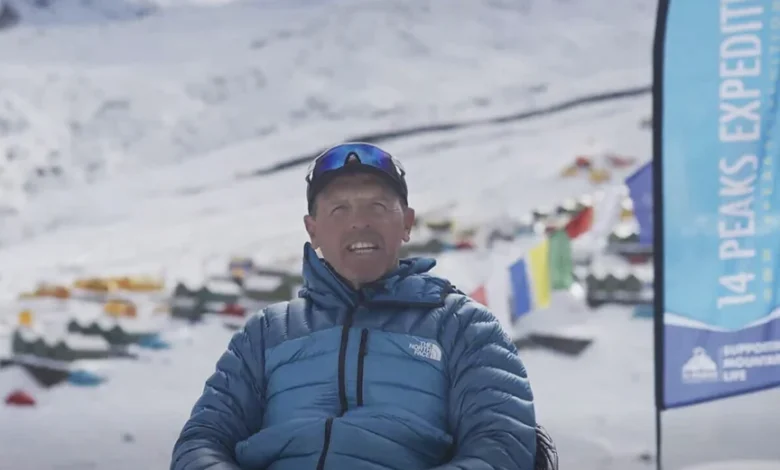
Despite the warnings, several large-scale operations are continuing their ascent. 14 Peaks Expeditions, 8K Expeditions, and the 7 Summits Club have indicated that their teams are either currently at or moving toward Camps 1, 2, and 3. These leaders maintain that conditions are assessed on a per-camp basis. While some clients, such as Justin Sackett and Ryan Mitchel, have expressed a willingness to turn back if conditions prove unstable, the logistics of moving hundreds of people through narrow, high-risk sections of the mountain create a "bottleneck" effect that increases exposure time for every individual involved.
Analysis: The Structural Risks of Commercial Mountaineering
The situation on Manaslu serves as a case study for the systemic risks inherent in modern high-altitude tourism. Unlike the historical era of mountaineering, which was dominated by small, highly trained teams, current operations on 8,000-meter peaks often involve large groups with varying levels of experience.
The reliance on fixed ropes and supplemental oxygen creates a dependency on infrastructure that can fail instantly. When a slab avalanche hits a route heavily populated by climbers, the potential for a mass-casualty event increases exponentially. Furthermore, the "summit fever" phenomenon—a psychological state where the drive to reach the top overrides environmental warning signs—remains the greatest internal threat to the climbers.
Data from recent years suggests that Manaslu is increasingly susceptible to climate-induced changes. The rising temperatures in the Himalayas lead to more frequent freeze-thaw cycles, which in turn cause the snowpack to become unstable. As the mountain sees more traffic, the physical presence of hundreds of people also increases the vibration and pressure on slopes, potentially acting as a catalyst for avalanches.
Implications for the Future
The tragedy of the last few days has forced a conversation about the responsibilities of expedition outfitters. While clients pay for the expertise of their guides, the guides themselves are often under immense pressure to deliver a summit, fearing the loss of reputation or future contracts if they turn back.
The Nepalese government, which oversees these permits, faces increasing pressure to regulate the number of climbers on the mountain simultaneously. Critics argue that the current model, which prioritizes volume, is unsustainable. As the cyclone approaches, the coming days will serve as a definitive test of the decision-making processes of these various teams. Whether they choose to descend or to push through the storm, the events on Manaslu will undoubtedly lead to a rigorous post-season review, potentially shaping the future regulations and safety standards for Himalayan expeditions for years to come.
For now, the mountain remains in a state of suspended animation, with hundreds of eyes turned toward the sky, hoping that the weather window holds—or, more importantly, that the climbers possess the wisdom to prioritize their descent over their destination.