New Cyclone Arnab Approaches Nepal Threatening Mountain Regions with Massive Snowfall

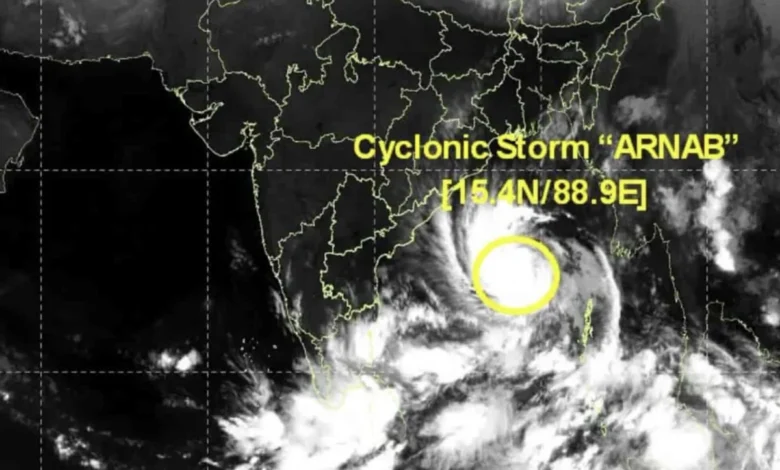
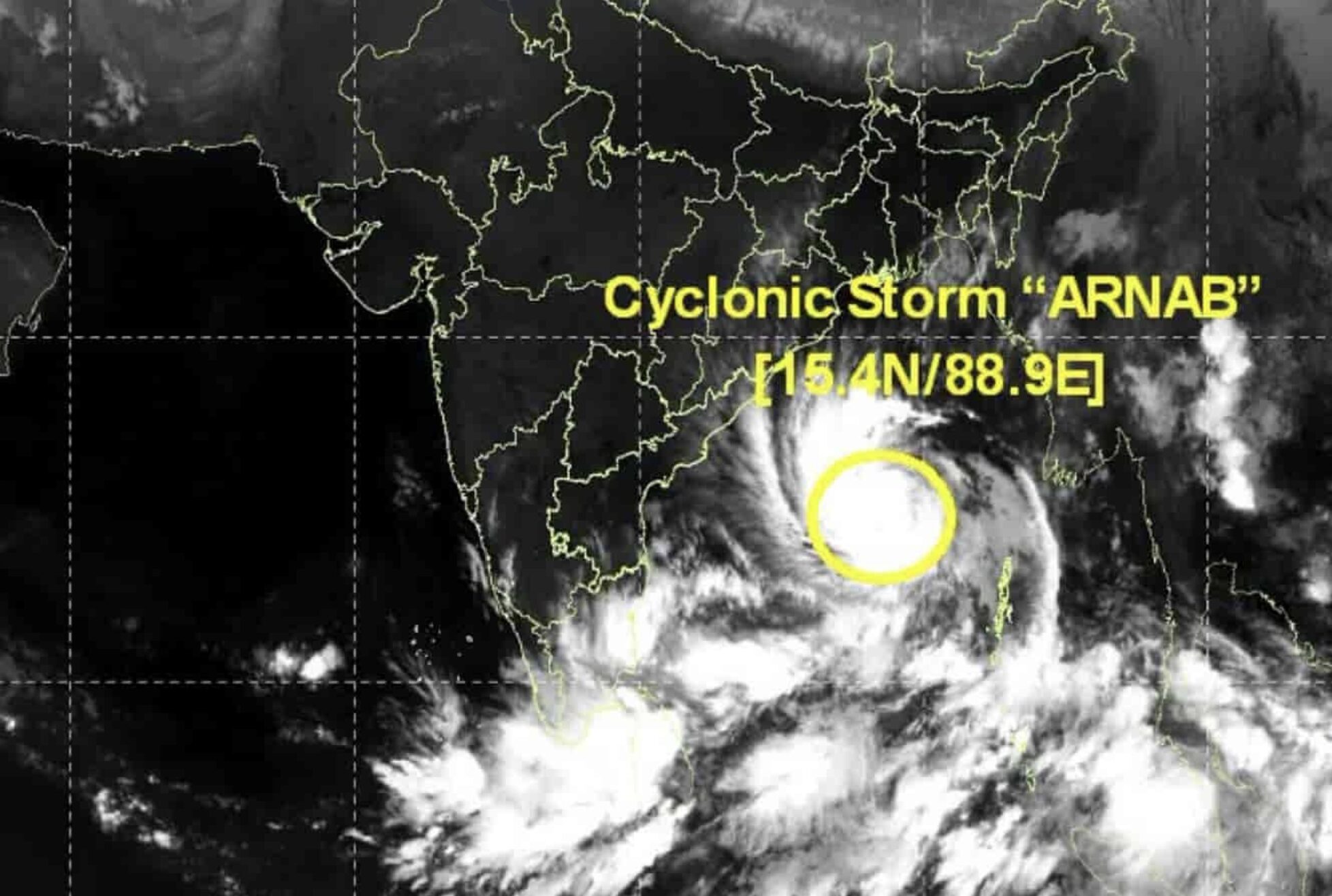
For the second time in just over a month, a violent meteorological system is bearing down on the Himalayan nation of Nepal, placing trekking routes and high-altitude climbing expeditions under immediate threat. Following a catastrophic weather event in late September that resulted in significant loss of life, the arrival of Cyclone Arnab—a deep depression currently forming in the Bay of Bengal—is expected to deliver up to two meters of fresh snow to the region’s already overburdened mountain ranges. This latest atmospheric disruption comes at the zenith of the autumn climbing and trekking season, forcing a scramble for safety among hundreds of climbers, guides, and support staff currently operating in some of the most remote, high-altitude terrain on the planet.
Meteorological Context and Forecast
The India Meteorological Department (IMD) has been closely monitoring the development of the system, which has intensified from a low-pressure front into a formidable cyclone. Meteorologist Krishna Bhakta Manandhar, working in coordination with the Nepal National Mountain Guides Association, has issued a comprehensive advisory warning of the system’s trajectory.
According to current models, the outer bands of the cyclone are expected to begin impacting Nepal’s eastern mountain ranges—specifically the Khumbu and Kanchenjunga regions—starting October 28. The system is characterized by its high moisture content, which, when forced upward by the topography of the Himalayas, will result in intense, prolonged snowfall at elevations above 6,500 meters. The precipitation is forecast to expand across the country throughout the remainder of the week, bringing heavy rainfall to lower altitudes and blizzard conditions to the high passes that serve as critical transit points for trekking circuits.
A Chronology of Instability
The current threat is exacerbated by the fragile state of the landscape following the tragic weather event that occurred in late September. That storm, which struck with little warning, effectively ended the climbing season on Manaslu. The tragedy was marked by an avalanche that claimed the lives of 16 base camp staff on Himlung, a disaster that underscored the inherent risks of late-season Himalayan mountaineering.
Despite the devastation, several commercial expeditions opted to remain on the mountain, hoping for a window of stability to launch their summit bids. The subsequent weeks have seen a series of infrastructure failures, including flash floods and trail damage that have rendered several established trekking routes in the Annapurna and Manaslu regions impassable. The arrival of Cyclone Arnab threatens to bury these damaged areas under an additional two meters of snow, potentially trapping individuals in remote valleys where communications are limited or non-existent.
The Impact on High-Altitude Expeditions
The logistical strain on current expeditions is immense. Professional climbing teams, many of which utilize alpine-style tactics to minimize time spent in the "death zone," are now forced to weigh their objectives against rapidly deteriorating safety margins.
In the Kangchenjunga region, a Russian team is currently in the midst of an acclimatization phase for an ascent of the 7,710-meter Jannu. Their latest field reports indicate a tactical pivot; they had aimed to reach 7,000 meters to condition their bodies before the primary push. However, with the cyclone looming, the team must now decide whether to bunker down at lower elevations or risk the exposure associated with high-altitude camps.
Elsewhere, the West Ridge of Everest has once again proven to be a formidable adversary. A separate Russian team, led by Andrei Vasiliev, Serguey Kondrashkin, and Vitaly Shipilov, has been forced to retreat to Kathmandu. The team, which is attempting a rare oxygen-less ascent, reported significant health challenges, including lung complications and fatigue. Their failure to push past the 7,500-meter mark during their second foray last Friday has proven fortuitous, as the retreat to the safety of the capital likely spared them from being caught in the impending storm.
Challenges for Soloists and Remote Trekkers
The situation is perhaps most precarious for independent climbers and those undertaking solo projects. Jost Kobusch, the German alpinist known for his ambitious winter solo attempts on Everest, has been forced to halt his acclimatization process. Kobusch, who was operating in the Cholu range before moving to the Manaslu area, has found his path blocked by the dual threats of flood-damaged trails and the encroaching cyclone.
"The flood cut our planned path and, according to forecasts, the incoming cyclone will leave up to two meters of snow," Kobusch stated from Samagaon. His experience serves as a microcosm of the broader situation: even for elite, highly experienced mountaineers, the unpredictable nature of the current season is rendering long-term planning nearly impossible.
Broader Implications and Safety Warnings
The Nepal National Mountain Guides Association and local authorities have issued urgent warnings, explicitly advising against travel in areas with high passes or near riverbanks. The primary concern among search and rescue coordinators is the vulnerability of trekkers who lack robust communication infrastructure, such as satellite phones, Starlink terminals, or Garmin InReach devices.
The implications for the tourism sector are equally significant. Nepal’s economy relies heavily on the stability of the trekking season, which typically runs from October through November. Two major weather disruptions within a six-week period represent an anomaly that may lead to a reevaluation of seasonal safety protocols. Analysts note that while the Himalayan climate has always been subject to sudden shifts, the increased frequency of deep depressions originating in the Bay of Bengal points to a changing meteorological pattern that complicates traditional windows of opportunity for mountaineers.
Analysis: A Season of Uncertainty
From a logistical standpoint, the primary danger is not just the immediate snowfall, but the long-term impact on the mountain environment. Two meters of fresh snow on top of existing, unstable snowpack creates an extreme avalanche risk. Furthermore, the saturation of the soil from the preceding floods, combined with the new precipitation, increases the probability of landslides in the lower, heavily trekked foothills.
Climbing teams must now contend with a "triple threat": the physical danger of the storm itself, the isolation caused by destroyed infrastructure, and the psychological toll of operating in a region where the margin for error has evaporated. For the commercial operators who decided to keep expeditions open following the September fatalities, this latest storm raises difficult questions regarding the ethics of keeping teams on the mountain during periods of heightened environmental instability.
As the week progresses, the international mountaineering community will be watching the situation in Nepal with intense concern. With communication lines expected to be strained, the reliance on local agencies to monitor the welfare of thousands of trekkers and climbers will be the defining challenge for the coming days. The priority for authorities remains the safe extraction or sheltering of those in the high-altitude zones, a task that will require flawless coordination between local guides, mountain rescue teams, and international meteorological services. Until the system passes and the risk of avalanches stabilizes, the mountains of Nepal will remain in a state of enforced, dangerous, and uncertain dormancy.