The Evolving Landscape of Private Aviation: An In-Depth Look at the Wheels Up Transformation and Delta Air Lines Partnership

Founded in the United States approximately 13 years ago, Wheels Up has undergone a radical metamorphosis, evolving from a niche short-haul private aviation startup into a comprehensive global charter and membership powerhouse. This transition, accelerated significantly by a strategic partnership with Delta Air Lines in late 2023, has repositioned the company as a key player in the "sensible aviation" sector, emphasizing flexibility and multimodal travel over the traditional, rigid fractional ownership models that have historically dominated the industry.
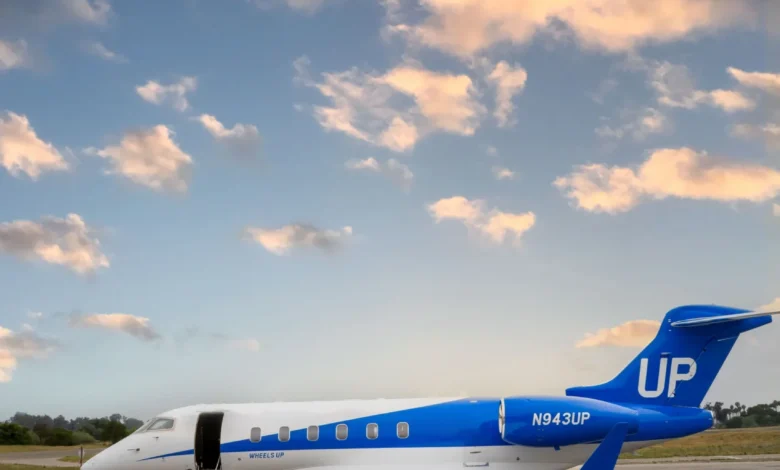
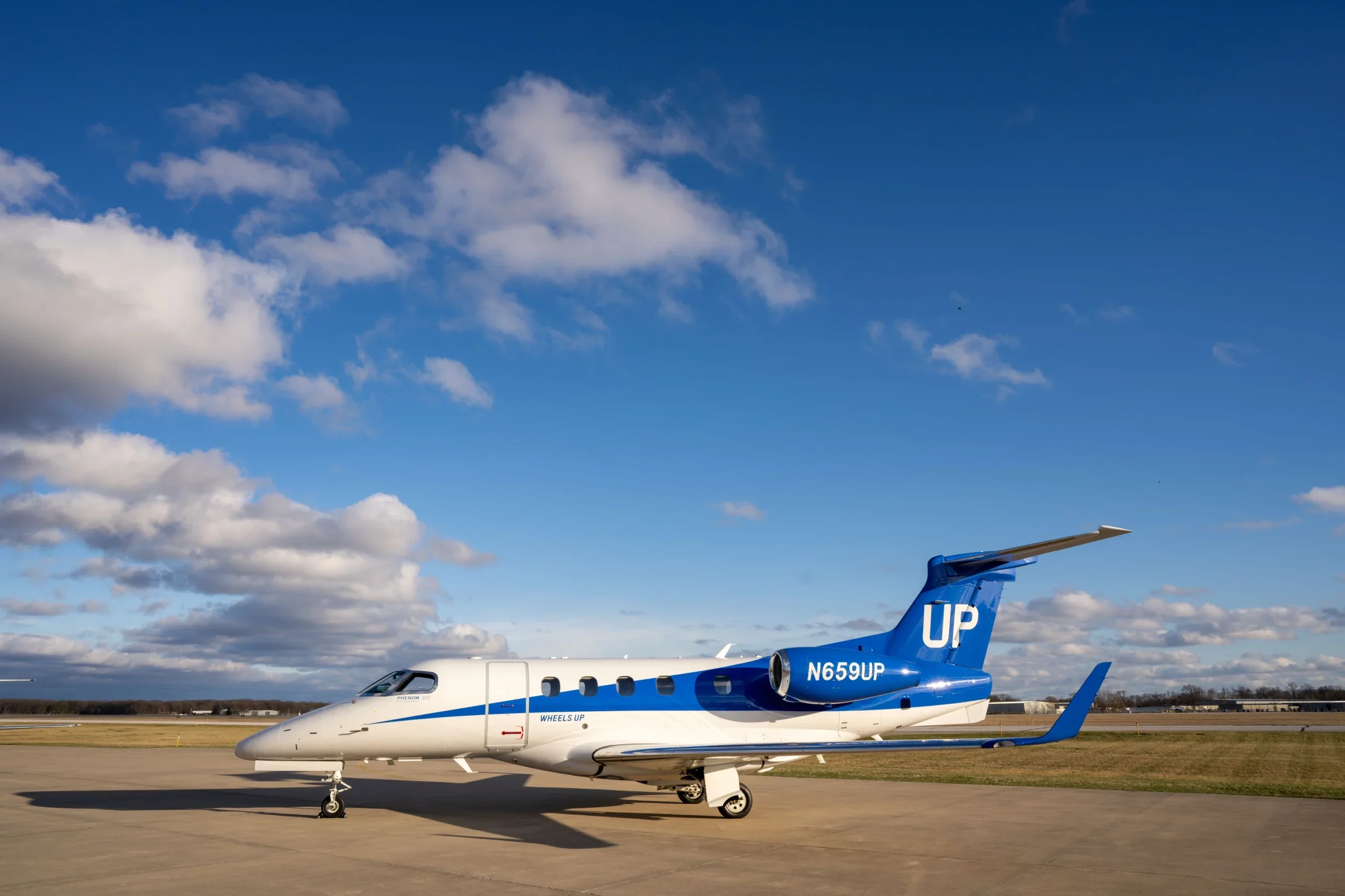
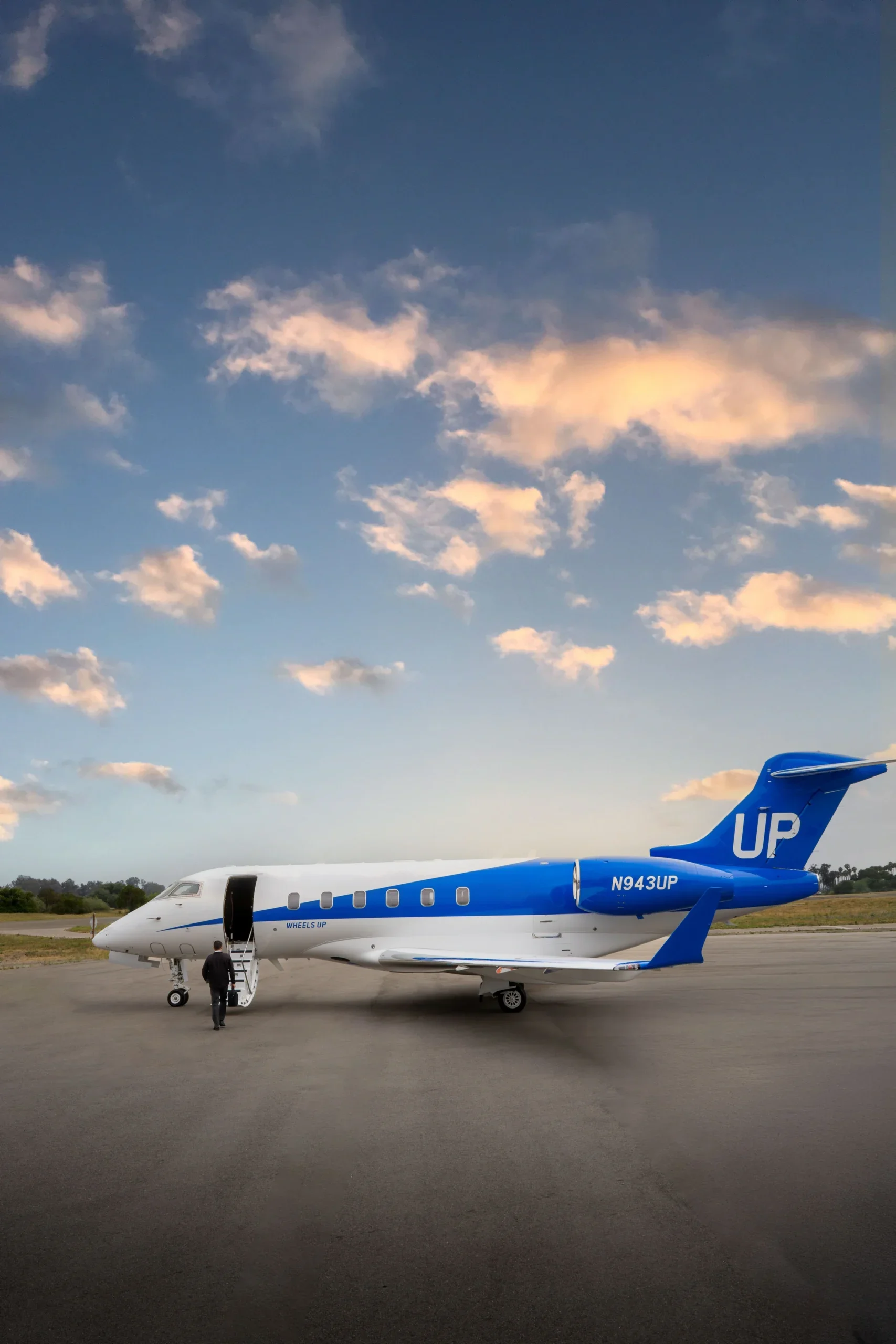
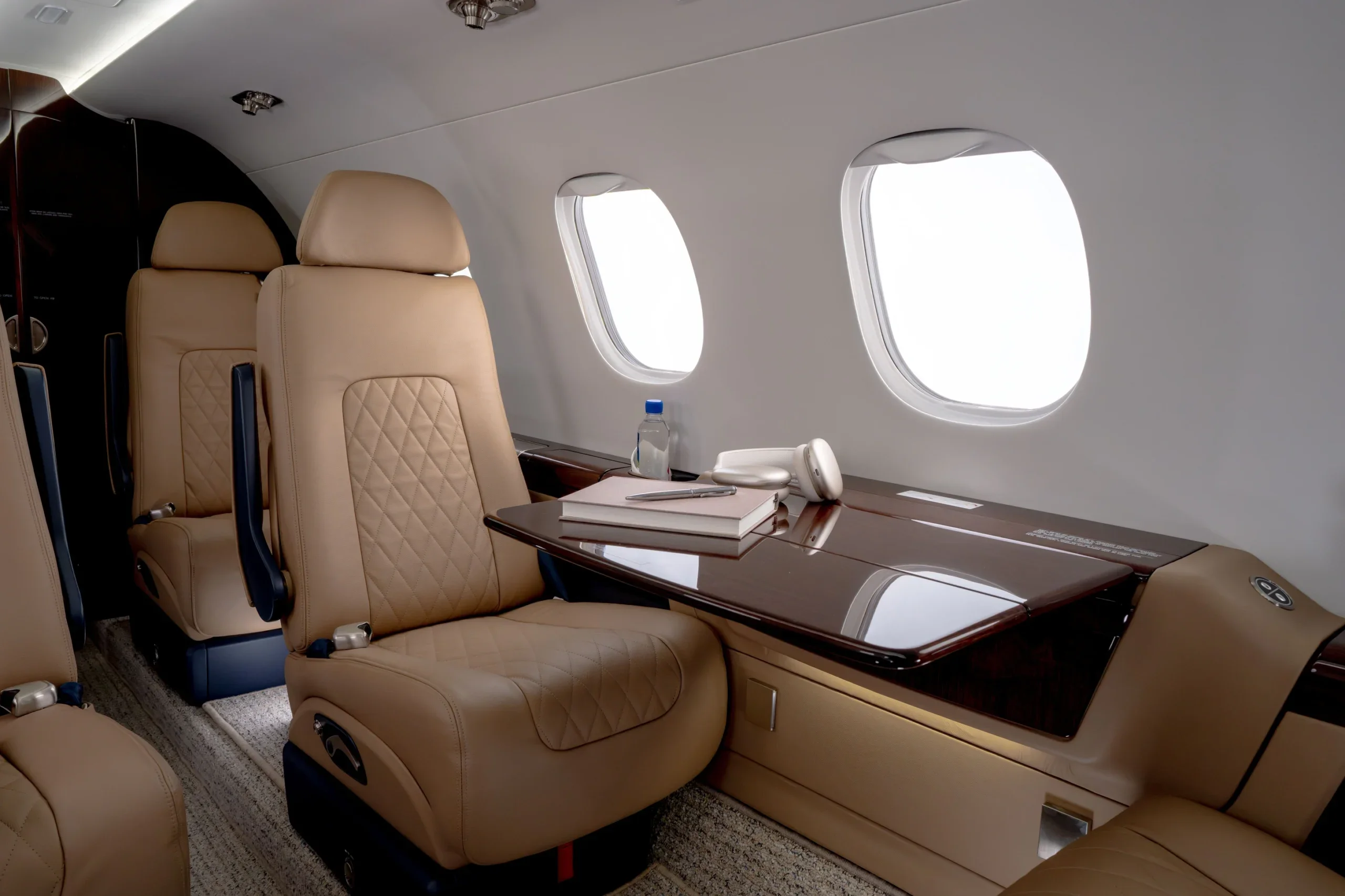
The company’s modern identity is defined by a hybrid operational model that leverages both a proprietary fleet—centered on modern Embraer Phenom and Bombardier Challenger jets—and a vast, global network of safety-vetted third-party charter operators. Under the leadership of CEO George Mattson, a veteran of the Delta Air Lines board of directors for over a decade, Wheels Up has moved away from the binary choice of fractional ownership versus pure on-demand chartering. Instead, it is championing a bespoke approach where the mission dictates the aircraft, rather than the aircraft dictating the schedule.
A Chronology of Growth and Strategic Alignment
The trajectory of Wheels Up is a study in the consolidation and professionalization of the private aviation market. Initially launched as a service focused on King Air turboprops—ideal for the regional, short-hop routes common in the northeastern United States—the company recognized early on that its clientele required more than just local connectivity.
The most significant inflection point in the company’s history occurred in October 2023, when Delta Air Lines became the largest shareholder and a primary commercial partner. This move was not merely a financial injection; it was a structural integration of services. Following this partnership, George Mattson assumed the role of CEO, bringing his extensive experience from the commercial aviation sector to steer the company through a period of intense operational transformation.
By September 2025, the company launched its "Signature" membership program, a simplified financial model that replaced traditional, complex hourly allocation schemes. Within its first year, the program onboarded over 1,500 members, signaling a market appetite for the "dollar-balance" approach rather than the rigid, hour-based contracts that often lead to "use-it-or-lose-it" inefficiencies for the consumer.
Decoding the Financial Model: The Signature Membership
The hallmark of the current Wheels Up strategy is the Signature membership, priced at $500 per month. This fee provides members with guaranteed availability, preferred pricing, and recovery services across the company’s domestic fleet. Unlike traditional programs where customers purchase a "share" of an aircraft or a fixed block of flight hours, the Signature model functions more like a managed, flexible travel account.
Members deposit funds that are drawn down on a dollar-for-dollar basis as they fly. This structure offers a unique advantage: it removes the pressure to correctly estimate annual flight hours. If a member’s travel needs fluctuate, the account balance remains flexible. Furthermore, unused funds roll over to the next contract term without penalty, effectively eliminating the expiration risks inherent in many competitor programs.
This flexibility extends beyond the private jet cabin. Signature funds can be deployed for a diverse range of travel assets, including seaplanes, helicopters, and even commercial Delta Air Lines services. By consolidating these disparate travel modes under one management team, Wheels Up effectively serves as a comprehensive travel concierge for high-net-worth individuals and corporate flight departments.
The Economics of Modern Chartering
For those who prefer not to commit to a membership, Wheels Up maintains a robust on-demand charter business. This is particularly prevalent for international clients, including those based in the United Kingdom and Europe, who may not require the domestic-focused benefits of the Signature membership.
The cost structure of these flights remains variable, driven primarily by two factors: the physical specifications of the aircraft and the total duration of the mission. For an Embraer Phenom 300, a light jet popular for its efficiency, indicative hourly rates hover between $8,000 and $8,500. For larger, long-range missions utilizing a Bombardier Challenger, costs rise to approximately $11,000 to $12,000 per flight hour.
To put these figures into a real-world context, a flight from New York to Florida typically costs in the low $20,000s, while a transcontinental journey from New York to Los Angeles ranges between $45,000 and $50,000. While these costs represent a significant premium over commercial first class, the company maintains that the value proposition lies in the optimization of time and executive productivity. Mattson is quick to note that private aviation should be used when it makes logical sense—a philosophy he applies to his own travel, where he balances private charter with Delta’s commercial network to optimize his own professional schedule.
The Delta Synergy: Bridging the Gap
The integration of Wheels Up with Delta Air Lines represents one of the most sophisticated examples of multimodal travel management in the industry. The primary goal of the partnership is to eliminate the friction that exists when transitioning between private and commercial aviation.
For example, a group of travelers departing from a regional hub with poor international connectivity can charter a Wheels Up aircraft to a major international gateway like New York’s John F. Kennedy International Airport (JFK). Upon arrival, the Wheels Up team coordinates the seamless transfer to a long-haul Delta commercial flight. Mattson estimates that for a group of four or five, this "hybrid" journey can save up to eight hours of transit time compared to a standard commercial connection, at an incremental cost of roughly $10,000.
Currently, these complex itineraries are managed manually by the Wheels Up service team. However, the company is actively developing the digital infrastructure to bring these capabilities into the Delta mobile application. This will eventually allow users to see a consolidated view of private and commercial options, enabling real-time price comparisons and direct booking for mixed-mode travel.
Global Reach and Strategic Partnerships
While the company’s core membership program is U.S.-centric, its charter network is truly global. Wheels Up utilizes a vetted network of over 7,000 aircraft operated by third-party providers. Each provider undergoes a rigorous safety assessment, ensuring that the standards of service, maintenance, and regulation are consistent with the company’s internal requirements.
This global reach is critical for clients with complex travel needs. Mattson cites the example of a multi-leg journey involving a major commercial airline arrival in Johannesburg followed by a charter flight on a turboprop to reach a remote, unpaved airstrip in Mozambique, and finally proceeding into Botswana. Such itineraries require local expertise regarding permits, slots, and airport regulations—a level of service that differentiates the company from simple flight brokerage platforms.
Furthermore, Wheels Up is expanding its ecosystem through strategic alliances, such as its recent partnership with Fraser Yachts. This collaboration aims to create a "sea-to-air" travel experience, where customers can seamlessly connect from a private jet to a luxury yacht in destinations like the Bahamas or the Mediterranean. By integrating seaplane transfers directly into the booking process, Wheels Up is moving toward a future where the entire luxury travel experience is managed through a single, unified interface.
Implications for the Future of Aviation
The transformation of Wheels Up reflects a broader trend in the private aviation sector: the move away from capital-intensive asset ownership toward service-oriented accessibility. By partnering with a major commercial carrier, Wheels Up has mitigated the risks associated with market volatility while providing its customers with a more scalable and resilient travel solution.
The emphasis on "sensible aviation"—the idea that private flight should be a strategic tool for time-saving rather than a status-driven commodity—is resonating with a new generation of business leaders. As the company continues to refine its digital booking platforms and deepen its operational ties with Delta, it is positioned to become a dominant force in the global travel market.
Ultimately, the success of this model will depend on the company’s ability to maintain high service standards across its third-party network while keeping the "sensible" value proposition attractive to a demographic that is increasingly cost-conscious regarding corporate expenses. By successfully balancing the agility of on-demand chartering with the consistency of a membership program, Wheels Up has carved out a sustainable, high-growth path that challenges the traditional assumptions of the private aviation industry.