The Ultimate Guide to Elevating Your Seasonal Apple Desserts from Streusel-Topped Cakes to Innovative Savory Twists

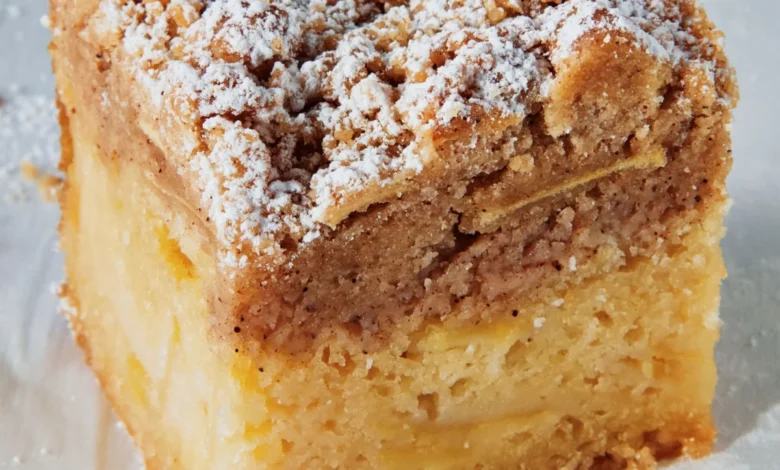
As the autumnal transition brings cooler temperatures and shorter days, the culinary focus shifts toward the seasonal bounty of orchard fruits, specifically the apple. This fruit, a staple of temperate-climate agriculture, becomes the centerpiece of home baking and professional pastry kitchens alike during the fall months. Whether utilized in traditional forms—such as Dutch apple snacking cakes, glazed fritters, and classic pies—or through contemporary experimental methods like salt-forward, cracker-infused desserts, the apple remains one of the most versatile ingredients in the baker’s pantry.

The Science of Selection: Choosing the Right Apple
Achieving success in fruit-based desserts requires a fundamental understanding of pomology as it relates to heat application. Culinary professionals emphasize that the choice of apple cultivar dictates the structural integrity of the final product. Apples contain varying levels of pectin, sugar, and water, which react differently when subjected to thermal energy.

For baking applications requiring the fruit to maintain its shape, such as a lattice-topped pie or a structured crisp, firm, high-acid varieties are preferred. Cultivars like Pink Lady (Cripps Pink), Honeycrisp, and Braeburn are frequently cited by experts for their ability to withstand prolonged baking times without collapsing into an undesirable purée. Conversely, softer, high-sugar varieties like Golden Delicious are often selected for apple sauces or fillings where a uniform, thick consistency is desired.

Data from the U.S. Apple Association indicates that while over 2,500 varieties of apples are grown in the United States, only about 15 to 20 varieties account for the vast majority of commercial production. This consolidation of supply means that home bakers are often choosing from a limited, albeit high-quality, selection at major retailers. Experts recommend sourcing from regional farmers’ markets for heirloom varieties—such as Northern Spy or Rhode Island Greening—which often offer superior acidity profiles for balanced pastry work.

A Chronology of Apple Consumption
The domestication of the apple (Malus domestica) traces back thousands of years to the Tian Shan mountains in Central Asia, with the fruit traveling along the Silk Road to Europe and eventually being brought to North America by European colonists in the 17th century.

Historically, apples were primarily used for cider production, as the fruit was often too tart or hard for fresh consumption. It was not until the 19th and early 20th centuries, with the rise of selective breeding and improved transportation logistics, that the "dessert apple" became a staple in the average household. By the mid-20th century, the proliferation of standardized baking recipes—helped by the widespread availability of home ovens and affordable granulated sugar—cemented the apple pie as a symbolic pillar of domestic culture.

In the modern era, the evolution of apple desserts has shifted toward high-contrast flavor profiles. The recent trend of incorporating salt-forward components, such as the use of cheddar-style crackers like Cheez-Its in crusts or toppings, represents a move toward the "sweet-savory" palate that has gained popularity in professional culinary circles over the last decade.

Nutritional and Economic Context
Beyond their utility in desserts, apples hold significant economic importance. The apple industry is a multi-billion-dollar sector in the United States, with Washington state producing approximately 60% of the nation’s supply. The volatility of harvest seasons, often impacted by climate conditions such as late-season frosts or drought, directly influences the retail price of produce, which in turn affects the accessibility of high-quality ingredients for home bakers.

Nutritionally, while the heat of baking can degrade some heat-sensitive vitamins, such as Vitamin C, the fiber content and polyphenols found in apple skins remain relatively stable during the cooking process. Nutritionists note that when paired with high-fat, high-sugar additives like streusel or heavy creams, the health profile of the dessert shifts significantly, yet the inclusion of whole fruit provides a fiber-dense base that differentiates it from confectionery lacking fruit content.

Culinary Techniques and Best Practices
The transition from raw fruit to a cooked dessert involves a series of chemical processes. Caramelization is the most critical; as the fruit is heated, the natural fructose and glucose molecules break down and reform into new flavor compounds.

Professional pastry chefs often utilize a two-stage cooking process for complex desserts:

- Maceration: Tossing sliced apples with sugar and spices (such as cinnamon, cardamom, or nutmeg) draws out excess moisture through osmosis. This prevents the "soggy bottom" phenomenon frequently encountered in fruit pies.
- Controlled Heat: Baking at a high initial temperature (approx. 400°F) helps set the structure of the pastry, followed by a lower, steady temperature to finish the fruit without burning the exterior sugars.
Regarding the debate over peeling: the decision is largely dependent on the intended texture. Leaving the skin on provides structural support and introduces pectin, which assists in thickening the juices. Removing the skin results in a softer, more homogenous filling. The culinary consensus favors leaving the skin intact for rustic, country-style desserts, while recommending peeling for refined, delicate tarts or mousses.

Industry Perspectives on Innovation
Food scientists and culinary developers note that the "snacking cake" category has seen a resurgence. Unlike traditional layer cakes, which are labor-intensive, the snacking cake—often a single-layer, dense, butter-based cake topped with fruit—aligns with current consumer trends favoring convenience and reduced preparation time.

"We are seeing a move away from the hyper-decorated, labor-intensive cakes of the 2010s," says one culinary analyst. "Today’s baker is looking for ‘low-effort, high-reward’ desserts. The Dutch apple snacking cake, for instance, offers the comfort of a pie without the technical difficulty of managing a laminated dough."

The incorporation of unconventional ingredients—such as savory crackers—is viewed by food historians as a modern adaptation of the classic cheddar-and-apple pairing. By integrating salt directly into the crust or streusel, bakers are effectively balancing the high sugar content of the fruit, a technique that has long been utilized in professional pastry but is only now becoming a mainstream home-baking trend.

Broader Implications and Future Trends
As global food supplies become more intertwined, the accessibility of diverse apple varieties will likely continue to influence domestic baking. The future of apple-based desserts appears to be heading toward a more minimalist approach, focusing on the quality of the fruit rather than excessive sweetening.

Furthermore, the rise of home-based "baking creators" on digital platforms has accelerated the dissemination of experimental recipes. While this has fostered a wave of innovation, it has also created a market demand for higher-quality, specialty apples that were previously only available to commercial producers. Retailers are responding by offering more diverse selections, such as Cosmic Crisp or Opal, which offer unique textures and flavor profiles that cater to a more educated, curious consumer base.

The culinary cycle of the apple remains one of the most reliable and deeply rooted traditions in Western baking. As techniques continue to evolve—blending the lines between the orchard, the pantry, and the laboratory—the humble apple remains a versatile, essential element of the dessert canon. Whether it is a simple, spiced cake shared during a weekday afternoon or an elaborate, experimental creation for a special occasion, the application of heat and timing remains the ultimate arbiter of quality in the pursuit of the perfect apple dessert.