An Inside Look at Chez Wong: Lima’s Legendary Culinary Sanctuary Run by Master Chef Javier Wong

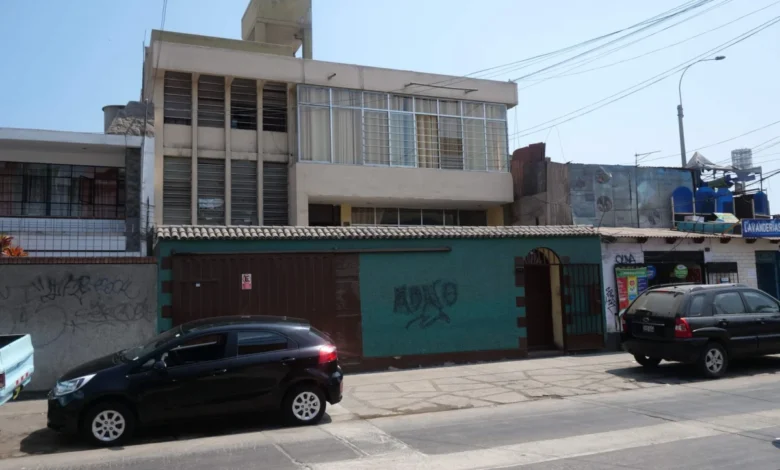
Lima, Peru, has firmly established itself as a premier global destination for gastronomy, drawing travelers from every corner of the world eager to explore its vibrant and diverse culinary landscape. Within this bustling food capital, certain dining establishments have achieved legendary status—so much so that a single meal can justify an international journey. Among these culinary landmarks is Chez Wong, an unassuming restaurant operating out of a residential neighborhood in Lima, presided over by master chef Javier Wong. For culinary enthusiasts and global food critics alike, an experience at Chez Wong transcends a standard dining reservation; it is an intimate masterclass in the intersection of Peruvian ingredients and East Asian cooking techniques.
Background Context: The Cultural Fusion of Nikkei Cuisine
To understand the significance of Chez Wong, one must examine the broader historical context of Peru’s culinary evolution. Peruvian cuisine is celebrated globally for its rich history of cultural synthesis, most notably the fusion of traditional Indigenous Peruvian ingredients with Chinese and Japanese culinary traditions. Japanese immigration to Peru, beginning extensively in the late 19th and early 20th centuries, gave rise to Nikkei cuisine—a distinct gastronomic movement characterized by precise knife work, delicate marinades, and the application of Asian cooking methods, such as wok-firing, to indigenous seafood.
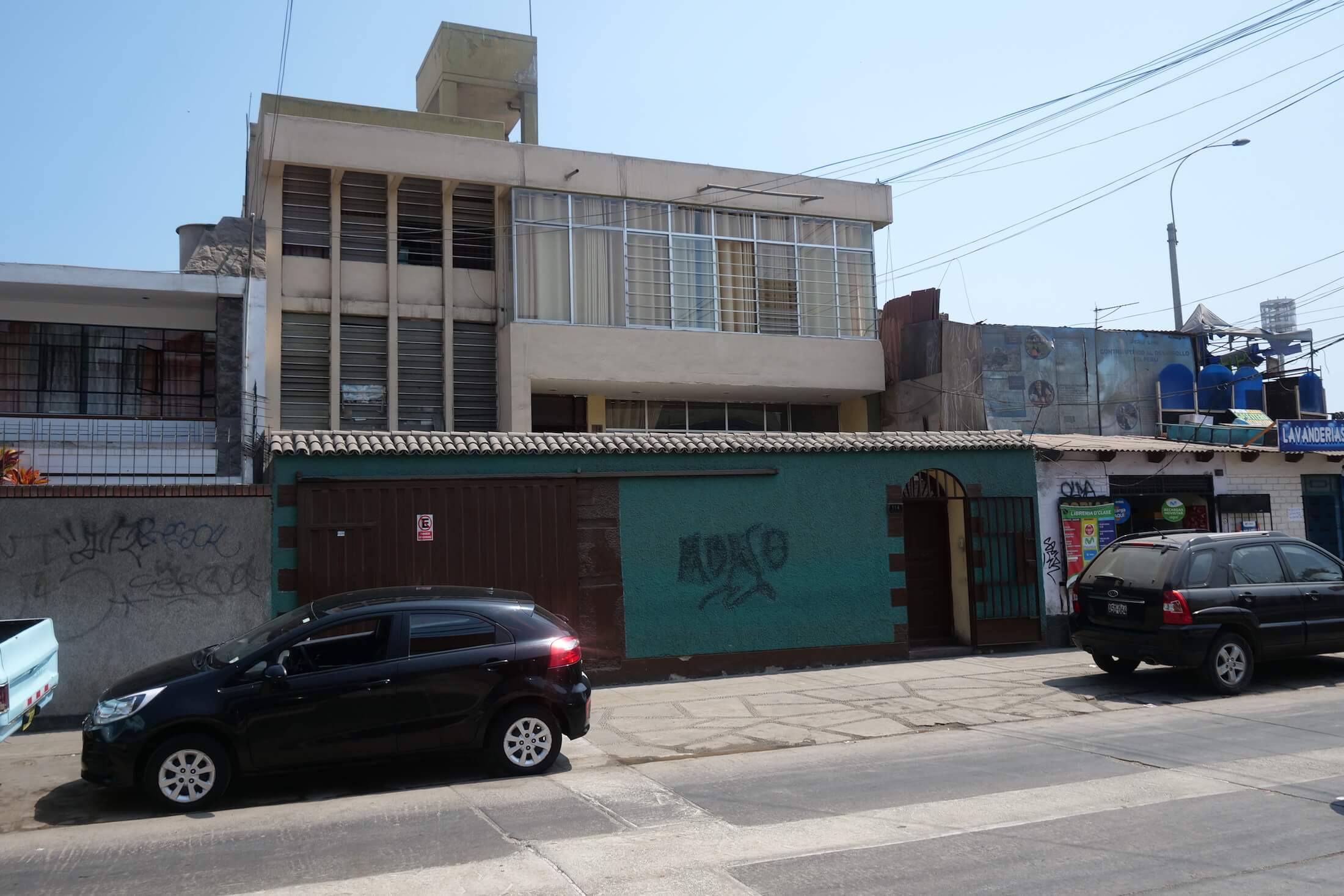
Chef Javier Wong is widely recognized as a pioneer and master within this tradition. Operating out of his own home in the La Calera de la Monterrico neighborhood of Lima, Wong has spent decades refining a menu centered almost entirely around a single species of fish: Dover sole, a type of flounder. Despite international acclaim, including features on global television networks and recognition from prestigious culinary organizations, Wong maintains an operation that fiercely resists commercial scaling, preserving the intimacy and authenticity of his craft.
Chronology and Operations: The Reservation-Only Model
The operational model of Chez Wong is as unique as its menu. Operating strictly on a reservation-only basis, the restaurant is open five days a week, Tuesday through Saturday, exclusively for lunch service between 1:00 PM and 3:30 PM. The establishment is closed on Sundays and Mondays.
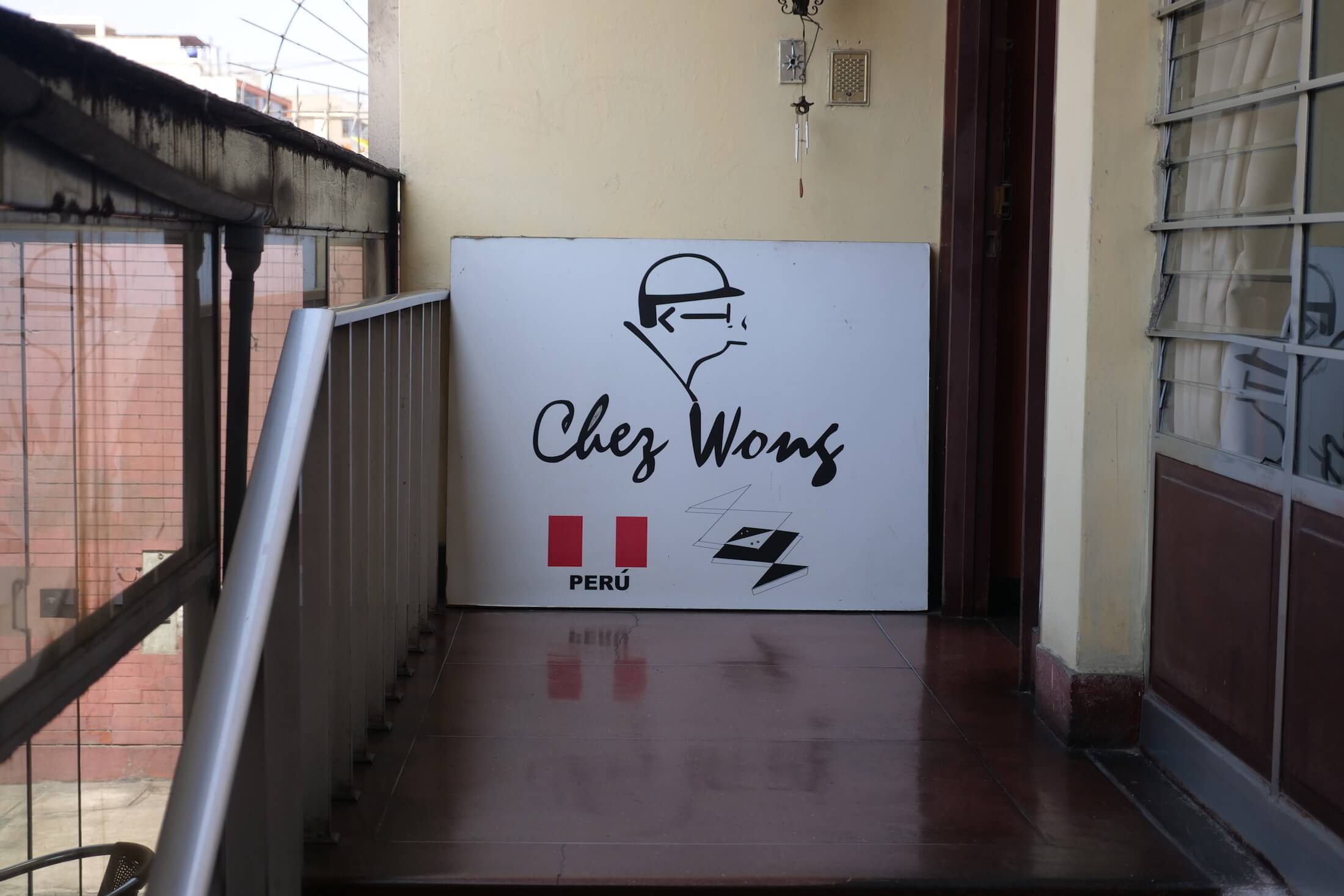
The procurement process dictates the rigid schedule of the restaurant. Chef Wong personally visits the local market each morning to purchase the exact quantity of fresh seafood required for the day’s confirmed guests. There is no surplus, and walk-in diners are routinely turned away—not out of exclusivity, but due to the precise arithmetic of fresh market sourcing. Prospective diners often face a waiting list spanning weeks or even months to secure one of the limited eight tables available in the modest dining room.
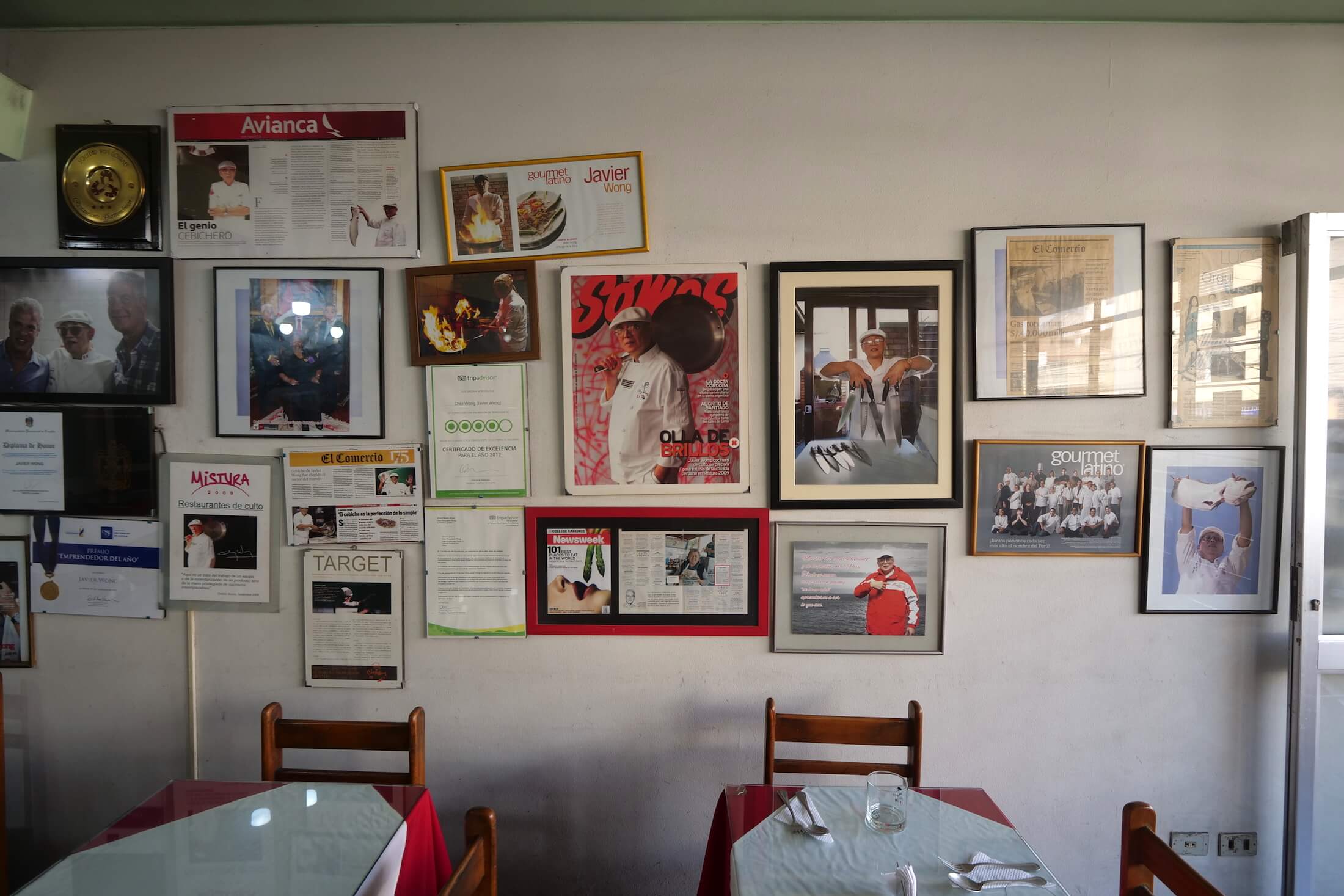
Upon arrival, guests relinquish the traditional ordering process. There are no menus to peruse, nor choices to make regarding portion sizes or courses. Diners simply order beverages and surrender the dining experience to the discretion of Chef Wong, who orchestrates the meal course by course in full view of the patrons.
The Culinary Experience: Precision, Simplicity, and Mastery
The meal at Chez Wong typically unfolds in distinct phases, beginning with Peru’s national dish: ceviche.
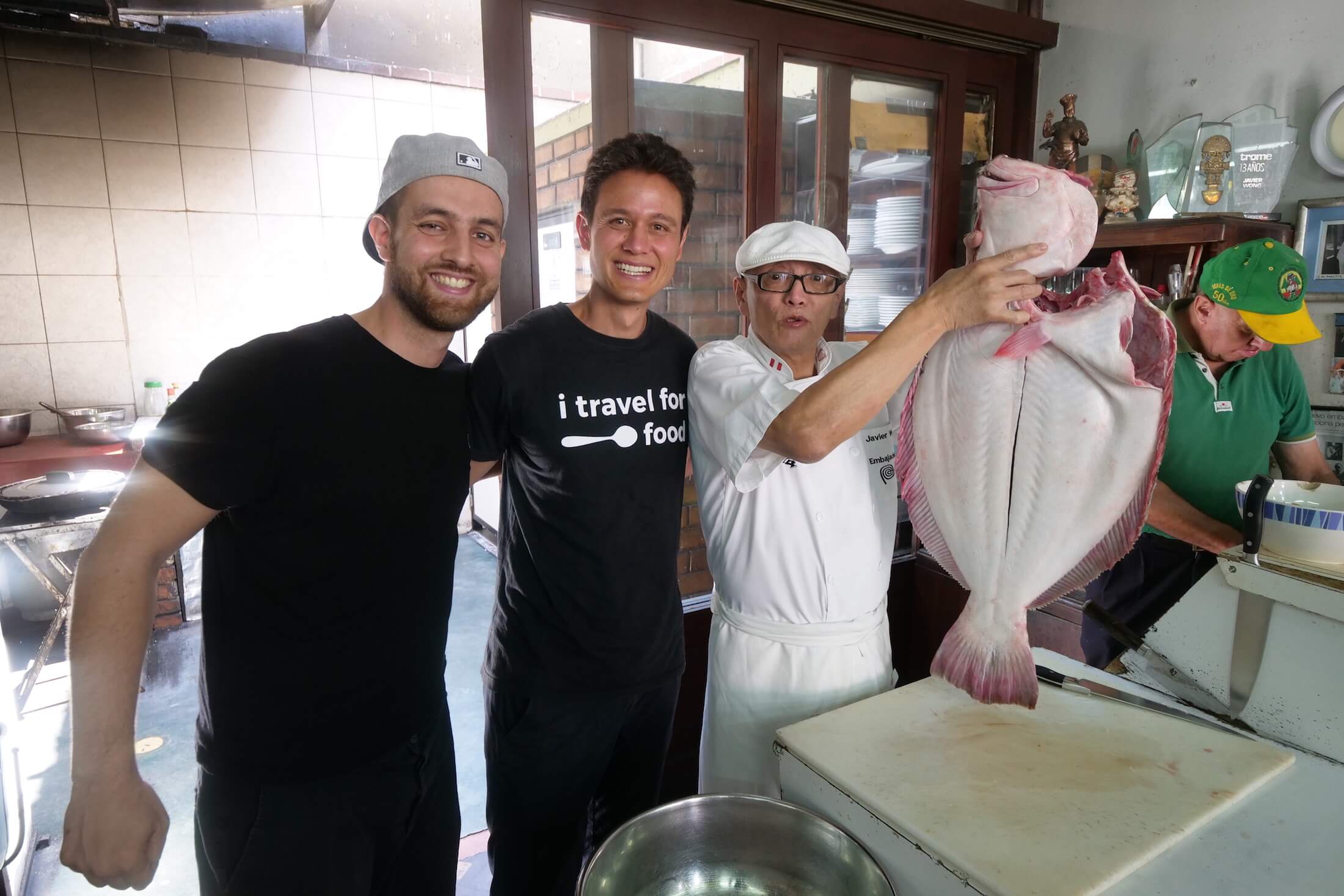
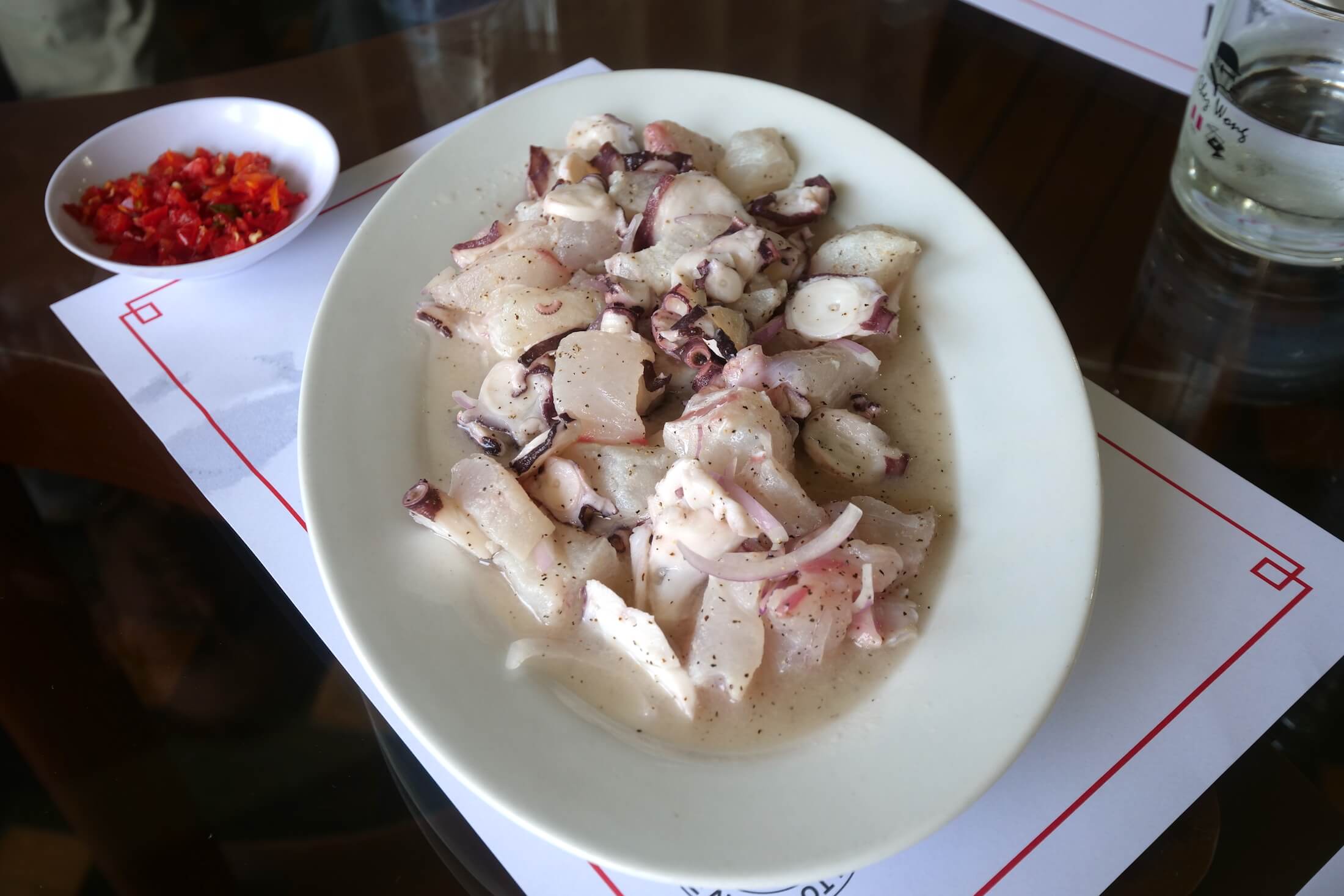
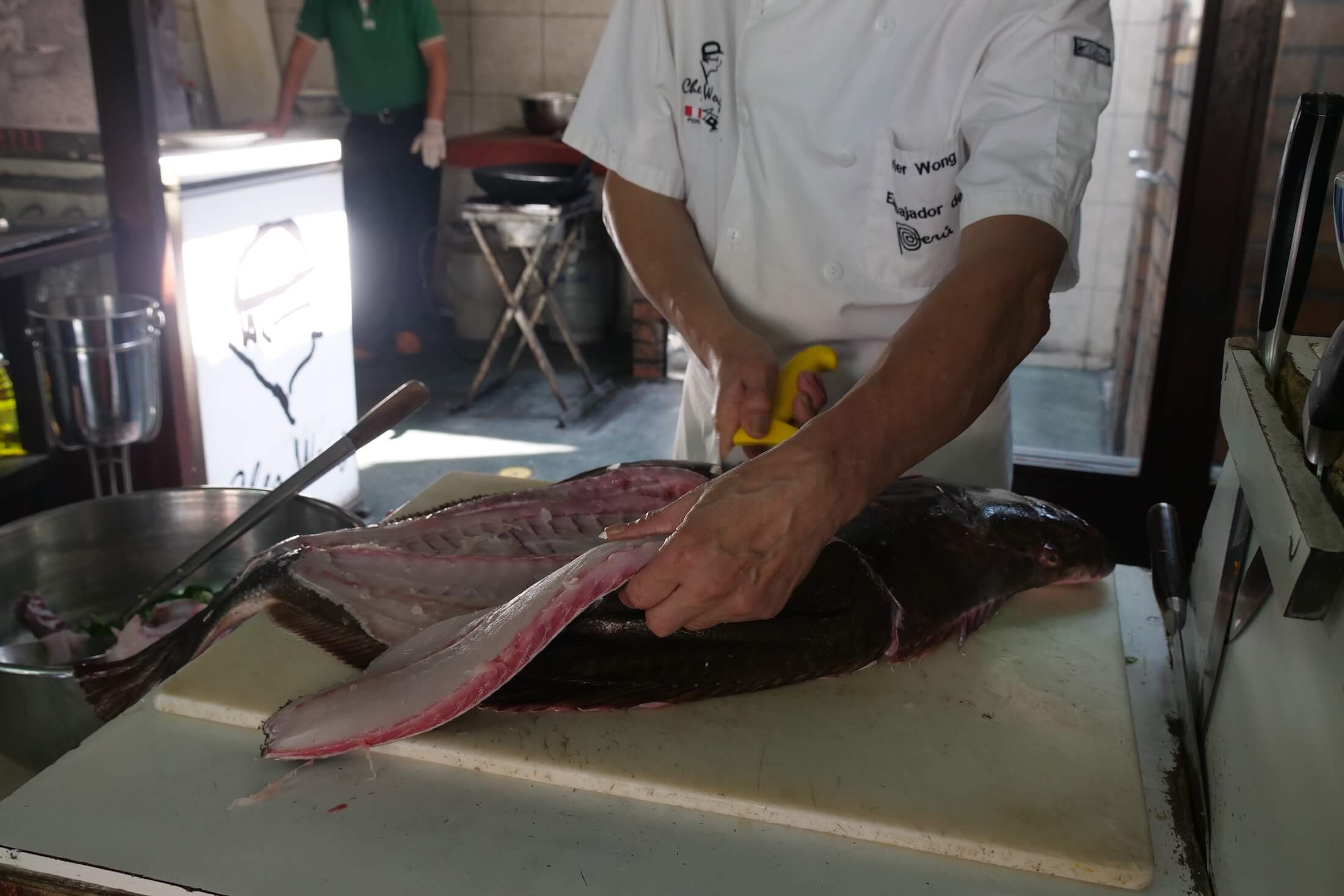
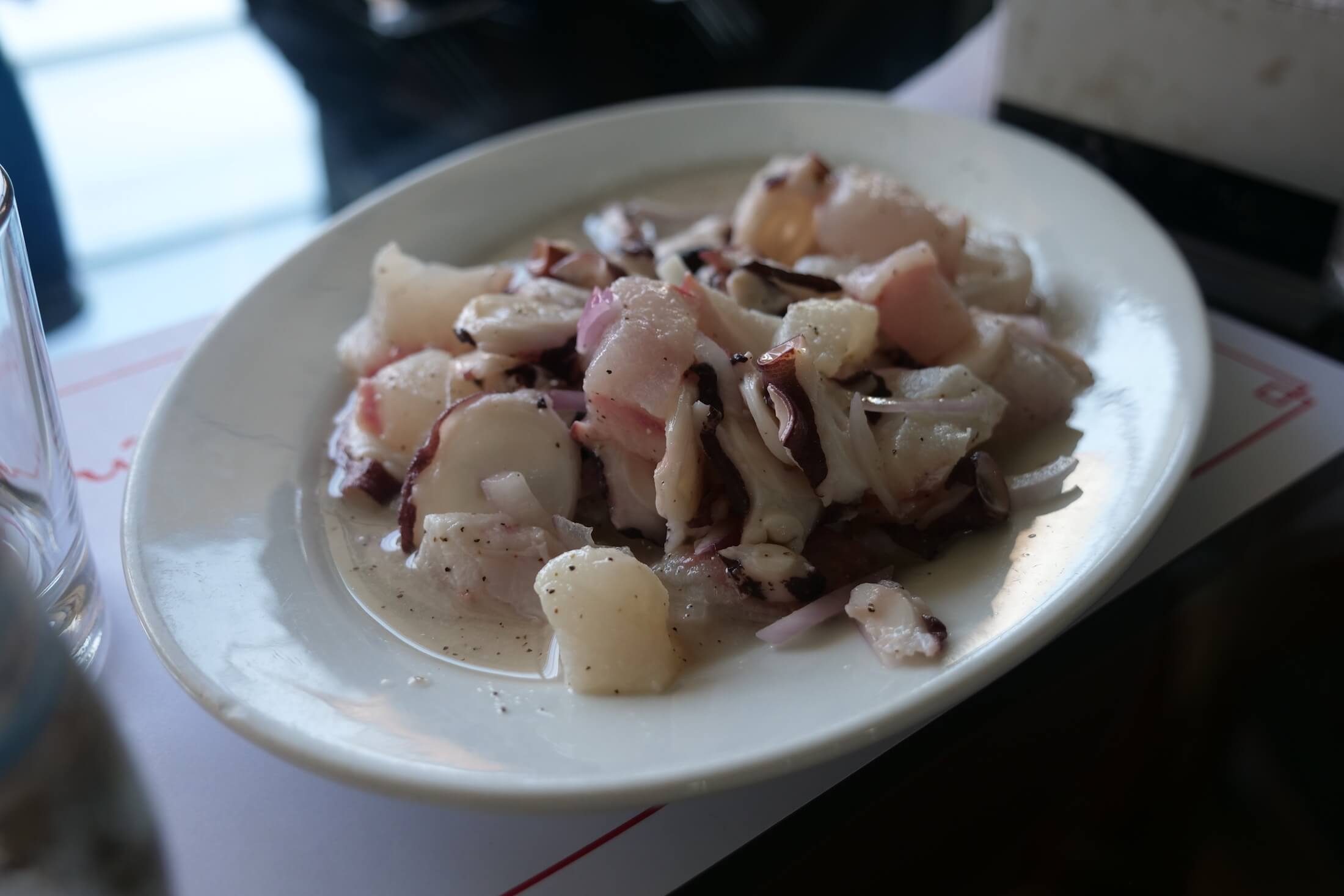
Ceviche, a deceptively simple dish requiring fresh seafood cured in citrus juice, is elevated under Wong’s knife. Working with massive specimens of fresh Dover sole weighing up to 10 kilograms, Wong demonstrates decades of muscle memory. His knife moves through the fish with blinding speed, effortlessly separating the thick filets from the bone.
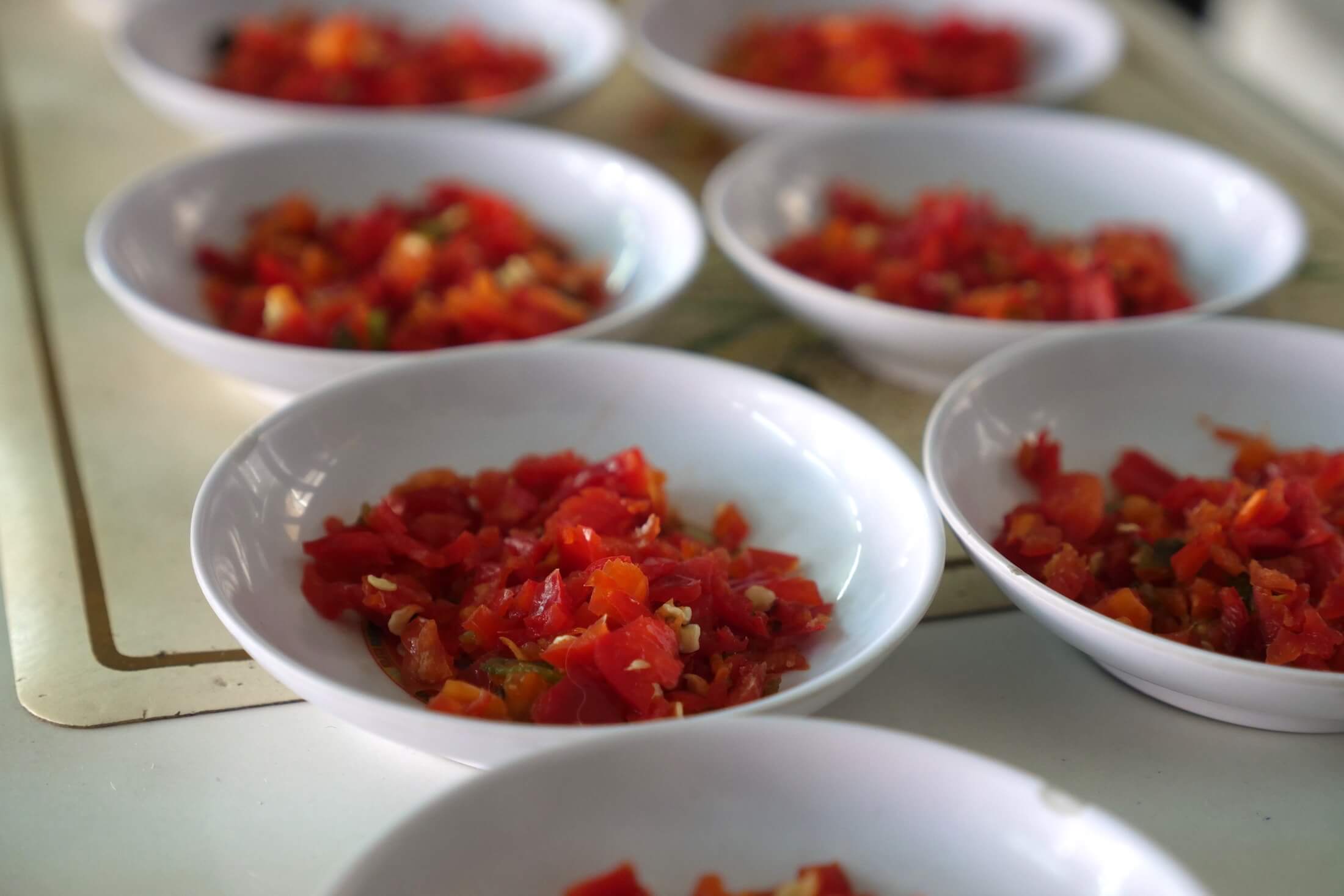
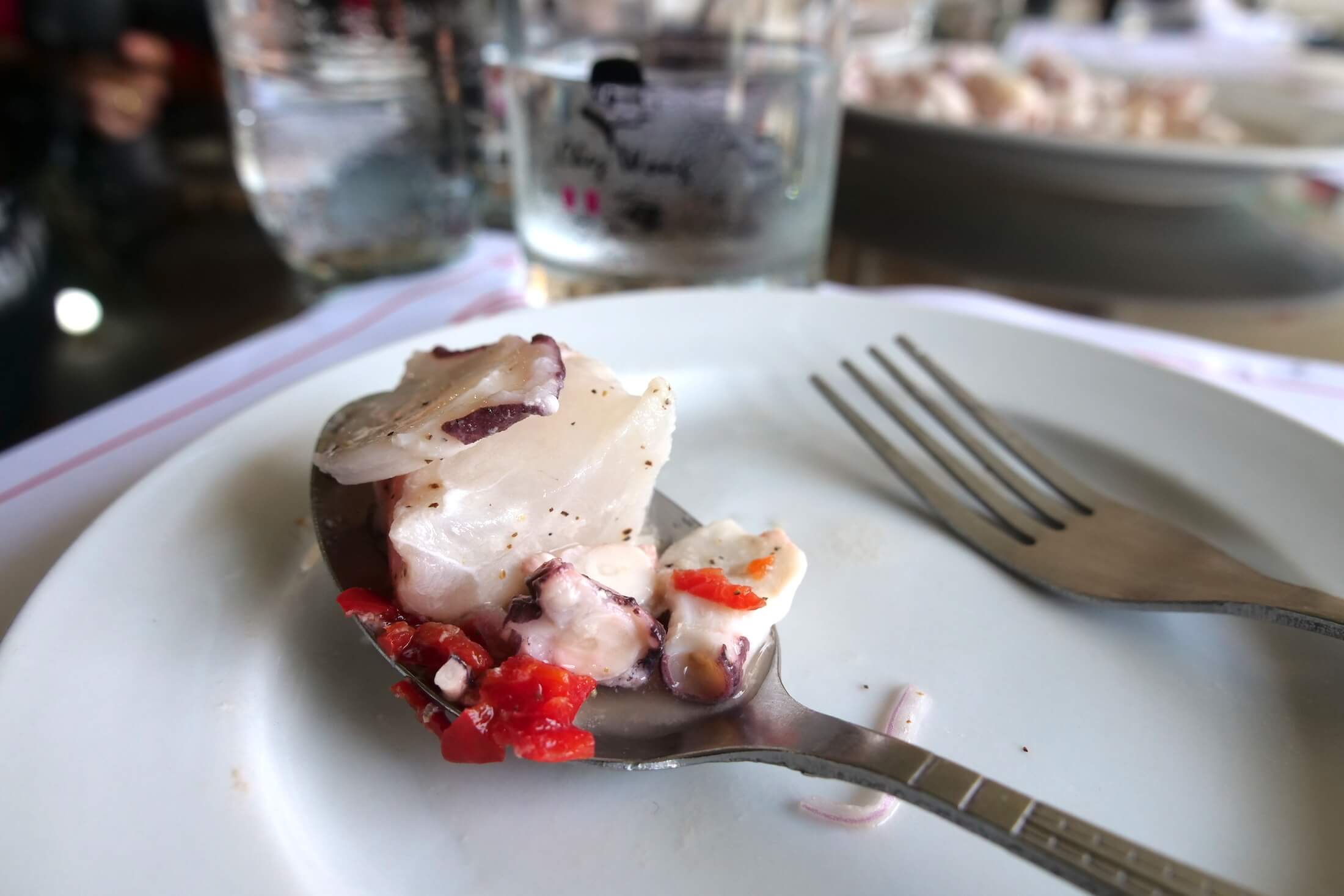
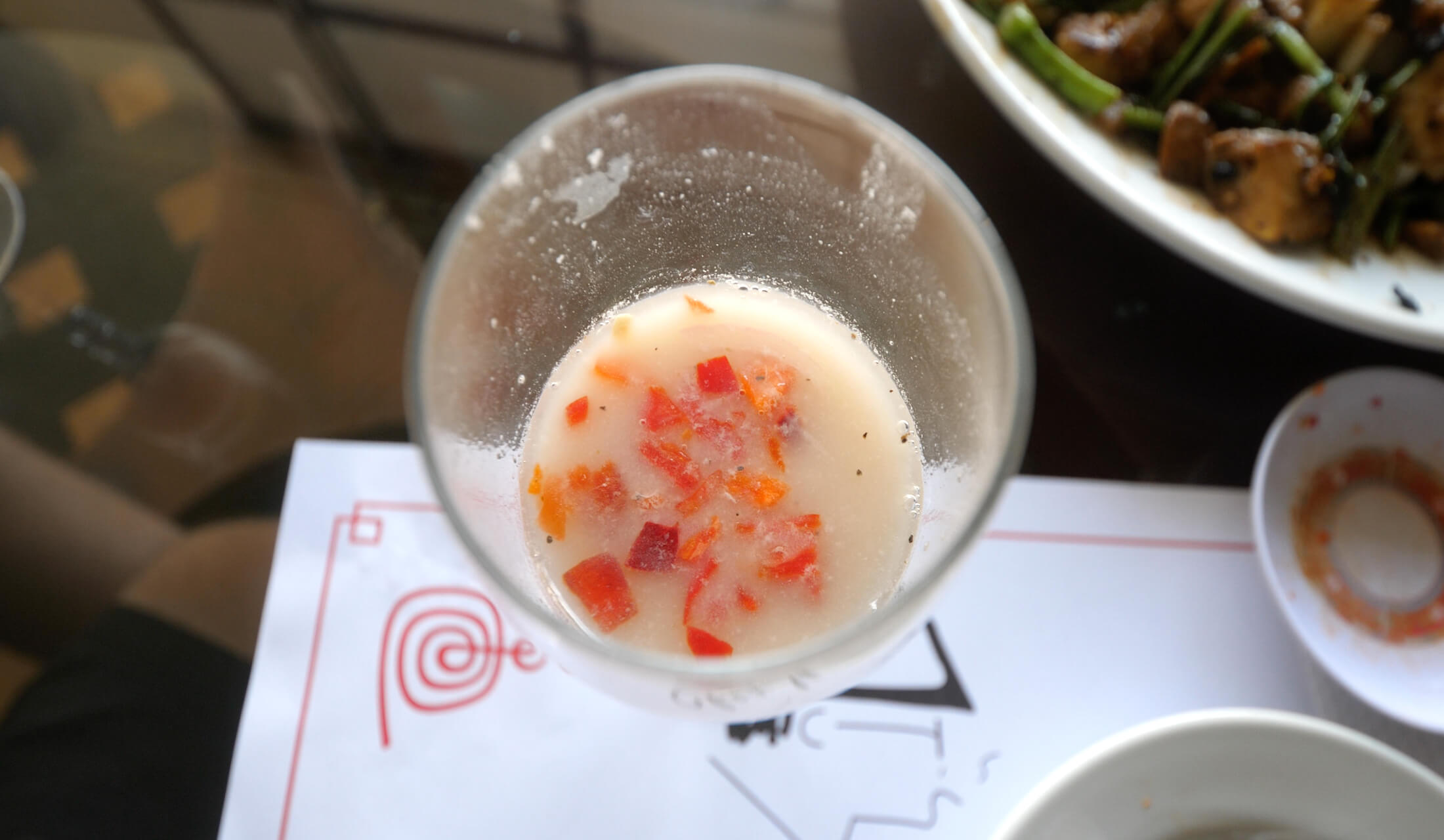
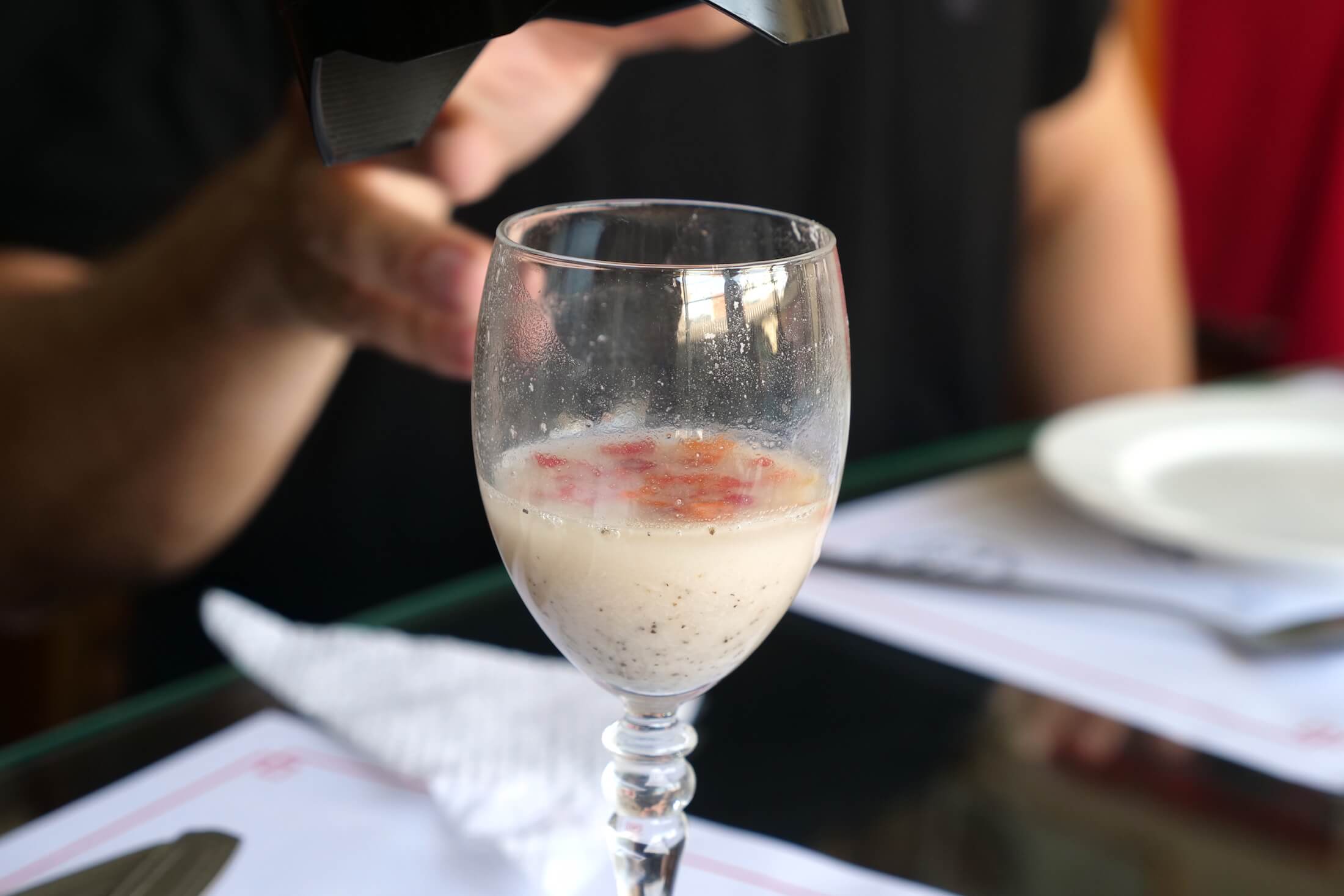
Unlike the thin, delicate slices common in traditional street-side ceviche carts, Wong’s ceviche features substantial, cube-like chunks of Dover sole paired with lightly blanched octopus. The ingredient list for the dish is famously minimalist, relying on just five core components: the fish, octopus, freshly squeezed lime juice, salt, and black pepper. The raw fish is cured via the citrus acid—a process that alters the protein structure, turning the flesh opaque without cooking it with heat—and served alongside native Aji chili peppers placed individually around the workstation to allow diners to calibrate the spice level.
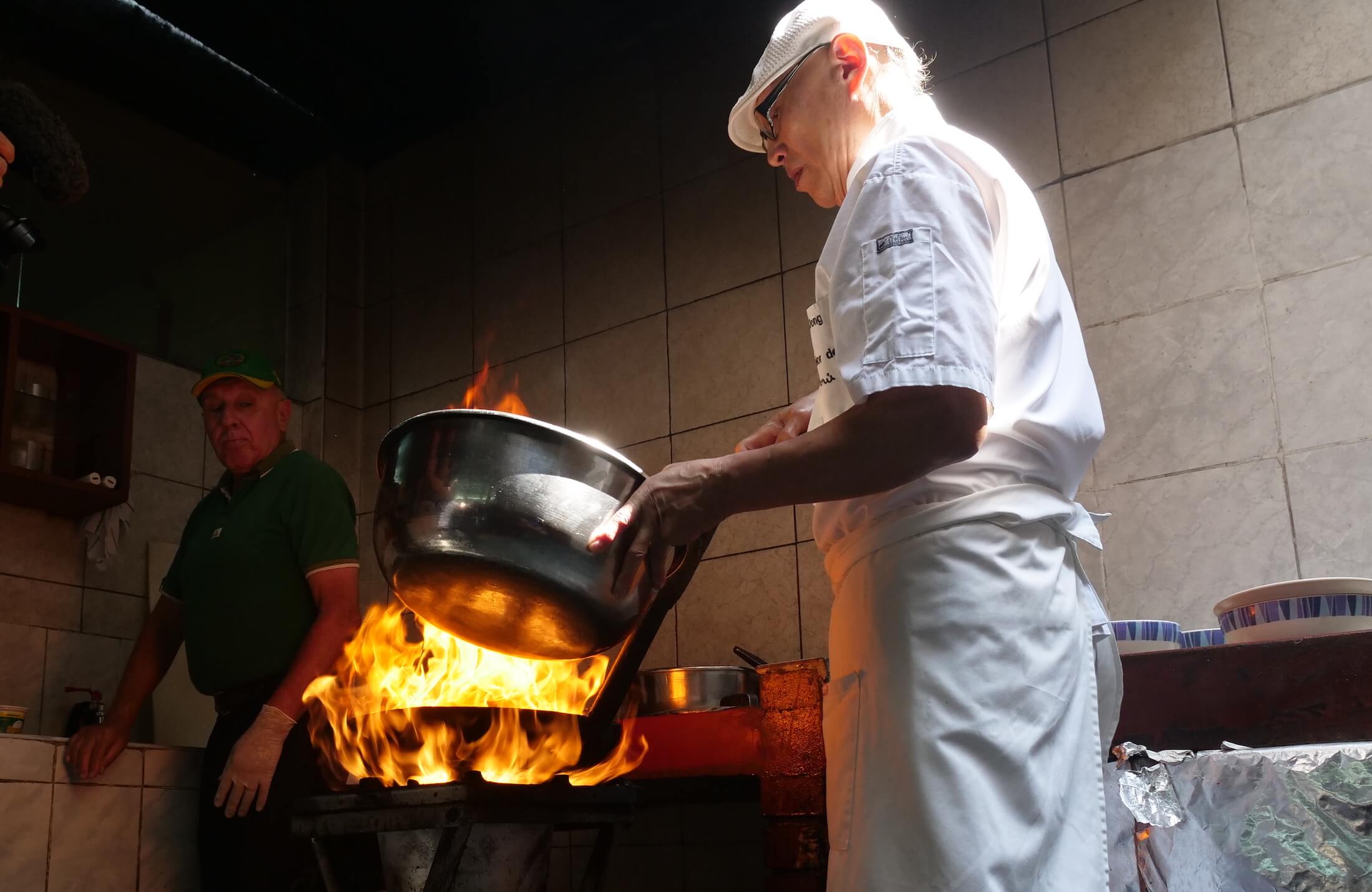
Following the ceviche, the culinary performance shifts toward high-heat execution. Guests are treated to a second course: a fish and vegetable stir-fry prepared over an industrial gas burner. Wong utilizes immense flames that routinely reach the ceiling, tossing the ingredients in a wok with practiced fluidity. Despite the roaring fire, Wong does not use a utensil during the active flaring phase; he relies entirely on the kinetic energy of the wok to distribute the heat, utilizing a metal spoon only at the conclusion to transfer the steaming contents to serving plates.
The stir-fry showcases an unexpected yet harmonious blend of ingredients: thick chunks of Dover sole, snow peas, chard, bok choy, round mushrooms, and a surprising secret ingredient—fresh tangerine. The inclusion of citrus fruit within a high-temperature stir-fry provides a sophisticated balance of sweetness, acidity, and umami, complemented by a modest touch of soy sauce that highlights rather than masks the natural flavors of the seafood.
Supporting Data and Financial Overview
The exclusivity and meticulous preparation of a meal at Chez Wong are reflected in its operational metrics and pricing structure:
- Seating Capacity: 8 tables, ensuring an intimate dining environment.
- Weekly Schedule: Tuesday through Saturday, 1:00 PM to 3:30 PM.
- Core Ingredients: Exclusively Dover sole (flounder), fresh octopus, local limes, salt, black pepper, and seasonal vegetables.
- Pricing Example: A recent group dining experience for four guests totaled 545 Nuevo Soles (approximately $165 USD), encompassing the multi-course seafood menu and beverages.
Broader Implications and Culinary Legacy
The enduring success of Chez Wong offers a fascinating case study in contemporary gastronomy. In an era dominated by large-scale restaurant groups, algorithmic reservations, and standardized global menus, Chez Wong remains an artifact of traditional, artisanal dedication. Javier Wong’s philosophy demonstrates that culinary excellence does not require elaborate complexity or extensive ingredient lists; rather, it thrives on uncompromising ingredient quality, decades of accumulated technique, and a profound respect for cultural culinary heritage.
For travelers and food scholars visiting Lima, securing a reservation at Chez Wong is more than an opportunity to sample world-class seafood—it is an encounter with a living legend who continues to define the pinnacle of Peruvian Nikkei cuisine, one meticulously prepared plate at a time.
Related posts: