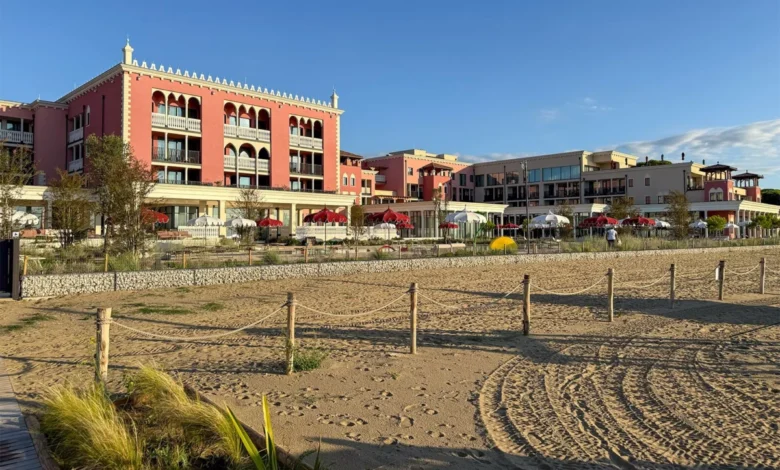
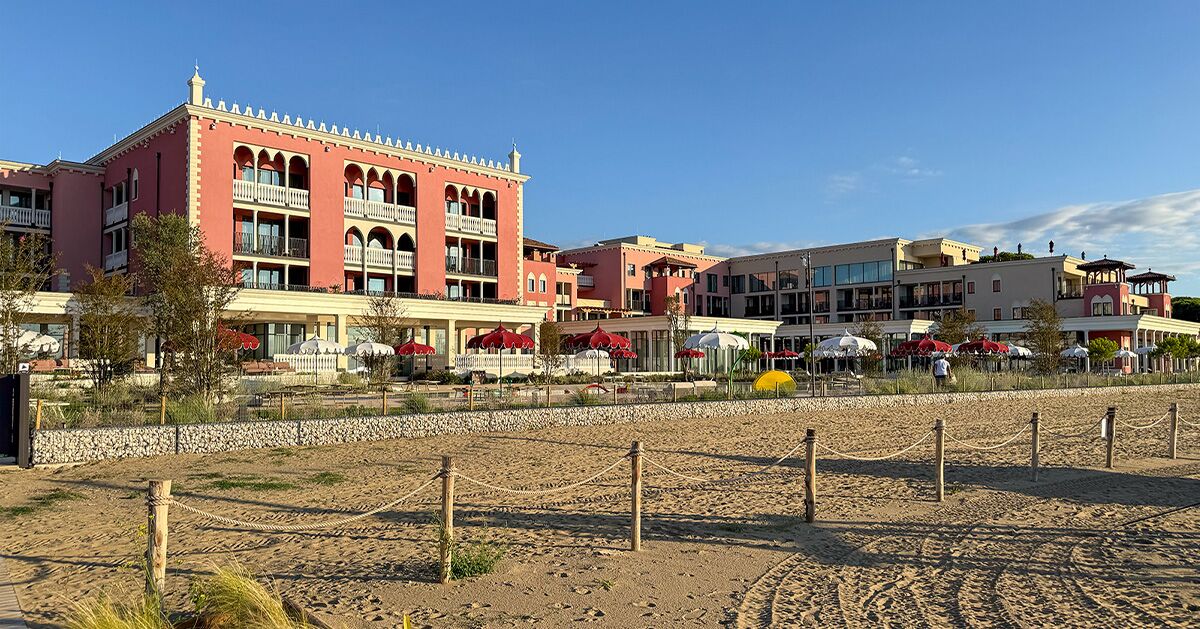
Cavallino Bianco Caorle, located on the Adriatic coast approximately one hour from Venice Marco Polo Airport, occupies a unique niche in the European hospitality sector by operating exclusively as a family-centric destination. While the property, known for its distinctive pink facade and oversized mascot, Lino, typically restricts bookings to groups traveling with children, it offers a distinct operational model that prioritizes the balance between parental respite and child engagement. For the solo traveler, visiting such a space provides a rare vantage point into the logistics of high-end family tourism, where the architecture and service standards are engineered to facilitate "four types of time": personal time, couple’s time, children’s time, and family time.
The Genesis of the Family-Only Concept
The Cavallino Bianco brand established its reputation nearly two decades ago at its flagship location in Ortisei, nestled in the Dolomites. The Caorle property serves as the brand’s expansion into coastal tourism, maintaining the same rigorous standards. According to General Manager Gianluca Innocenti, the strategy is predicated on the understanding that modern parents are not merely seeking accommodation, but a comprehensive service environment that removes the friction of travel. By segmenting the day into structured blocks, the resort allows parents to utilize professional childcare while pursuing personal wellness or leisure activities, a model that has proven highly effective in attracting the Northern European demographic, particularly from Germany and Austria.
Structural Design and Operational Logistics
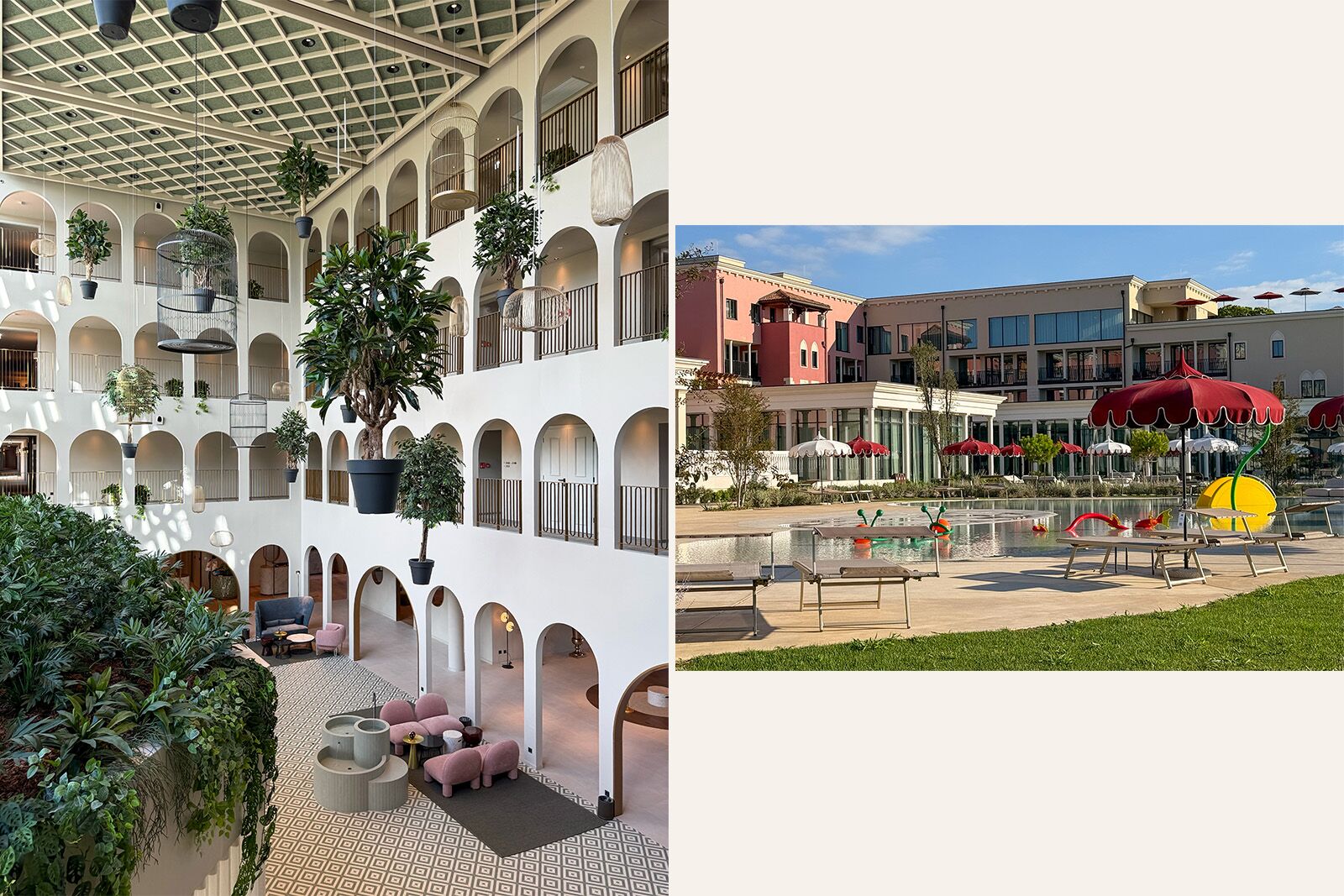
The resort covers a significant footprint, featuring 43,000 square feet dedicated solely to spa and wellness facilities. The property’s layout is designed to minimize the logistical burden on parents. Every suite is categorized by a specific animal theme to assist children with wayfinding. These accommodations, ranging from 495 to 1,270 square feet, are intentionally partitioned to allow for separate zones for adults and children, ensuring that the "family-only" mandate does not compromise individual comfort.
The technology integration is central to this experience. Each guest is provided with a wearable wristband that serves as a room key, a payment method for incidentals, and a security pass for the private beach access. This gate system ensures that the 12-acre beach, which holds Blue Flag status—a certification recognizing high standards for water quality, safety, and environmental management—remains secure.
The Ecosystem of Childcare: Lino Land
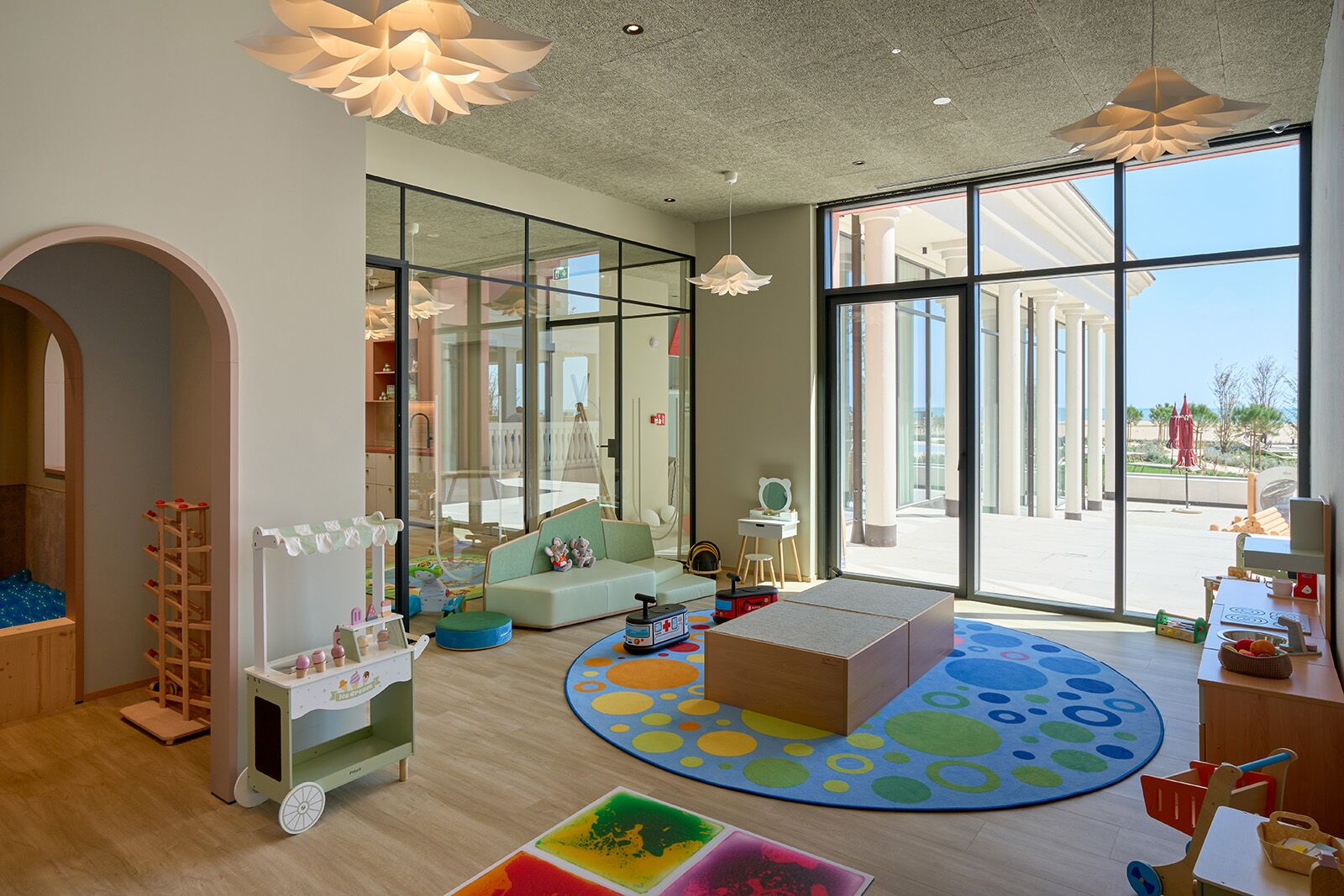
Central to the resort’s appeal is Lino Land, an extensive children’s facility subdivided into five age-appropriate zones. Unlike standard hotel "kids’ clubs," which often serve as passive supervision, Lino Land operates with a pedagogical approach. Infants are provided with dedicated care areas, while preschoolers engage in creative workshops and structured play. Older children and teenagers have access to a variety of extracurricular activities, including interactive "iWall" gaming, science experiments, and cooking classes.
This environment is reinforced by the "Ladies and gentlemen serving ladies and gentlemen" philosophy, an organizational ethos prominently displayed at the reception. This internal culture is designed to foster a sense of familiarity, where staff are encouraged to provide a level of care—such as preparing off-hours meals for arriving guests—that mirrors domestic hospitality rather than transactional hotel service.
Wellness and Adults-Only Infrastructure
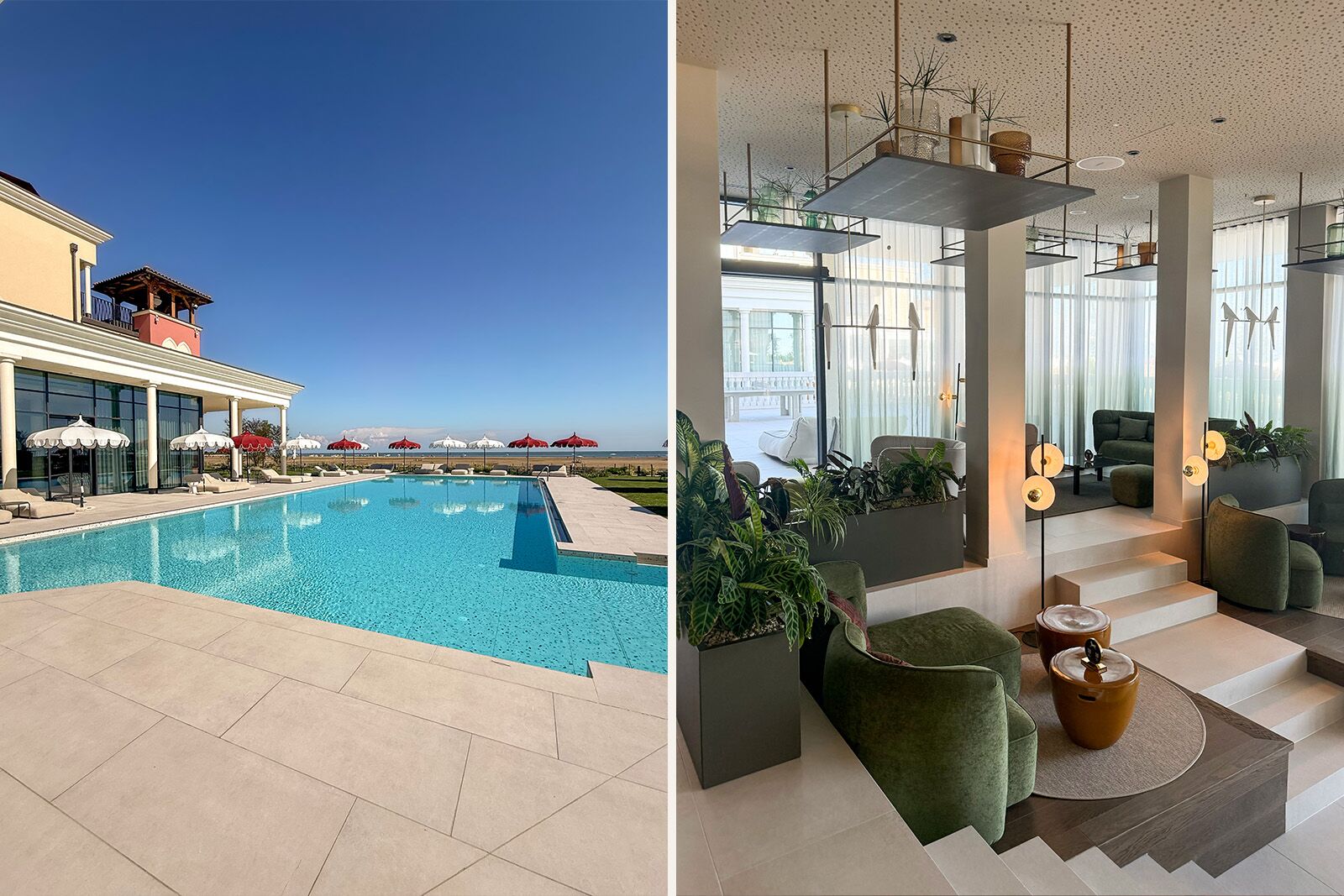
Despite the focus on family, the property maintains strict boundaries for adult-only leisure. The top floor of the resort is dedicated to Lea’s Beauty & Spa, a facility equipped with ten treatment rooms, a Finnish sauna, a biosauna, and a Turkish bath. This floor also houses Cielo, an infinity pool designed for quietude, intentionally separated from the high-energy water slides and fountains of the main family pool areas.
The spa services are notable for their inclusion of both children and parents. By utilizing an in-house skin care line, BelLino, the resort offers age-appropriate treatments for minors, such as infant massages and family-oriented scented baths. This inclusive approach to self-care is a calculated strategy to ensure that wellness becomes a communal family activity rather than a solitary pursuit for the adults.
Culinary Standards and the "All-In" Formula
The resort’s dining program, labeled the "All-In Formula," is designed to simplify the vacation experience. The main dining hall is inspired by the architecture of a Venetian piazza, providing a communal atmosphere, while a secondary, smaller restaurant is reserved exclusively for children under staff supervision. This separation allows parents to dine in an adult-only environment, a service feature that the management plans to expand with a dedicated adults-only restaurant in the coming year.
The culinary offerings follow a daily rotating menu categorized into land, garden, and sea-based dishes. For families with infants, the resort provides a dedicated kitchen corner, accessible 24/7, stocked with bottle warmers, microwaves, and nutritional staples. This level of service infrastructure significantly reduces the amount of luggage families must transport, a key selling point for the property’s target demographic.
Regional Integration: The "Little Venice" Factor
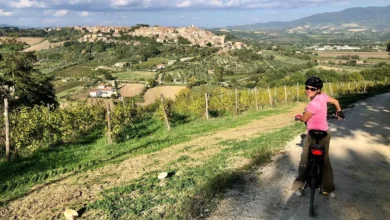
The resort’s location in Caorle serves as a strategic advantage. Historically a fishing town, Caorle is known for its preserved old town and proximity to the lagoon, where traditional reed huts, or casoni, provide a glimpse into the region’s maritime past. By encouraging guests to utilize the resort’s bicycle fleet, the management facilitates a deeper engagement with the local community. The town’s safety and pedestrian-friendly infrastructure allow for short-term excursions, effectively balancing the insular nature of an all-inclusive resort with the cultural exposure of a European holiday.
Economic and Sociological Implications
The success of the Cavallino Bianco model reflects a broader shift in the luxury travel market toward "frictionless parenting." As families face increasing pressure to balance work and home life, the demand for resorts that offer not just amenities, but an outsourced, highly professionalized childcare structure, has increased. The resort’s ability to maintain high occupancy during the shoulder season—often utilizing staff-led activities to occupy guests during inclement weather—demonstrates the resilience of the all-inclusive model when it is supported by robust, site-specific programming.
Furthermore, the data-driven approach to guest satisfaction, such as the use of the resort app for activity scheduling, suggests that modern family resorts are increasingly operating as high-tech service hubs. By standardizing the guest experience—from the wristband payment systems to the age-segregated dining—Cavallino Bianco has created a replicable format that mitigates the unpredictability of travel with young children.
Conclusion
The Cavallino Bianco Caorle stands as a case study in specialized hospitality. By defining its target audience with precision and tailoring its physical and service architecture to meet the specific needs of that group, it has managed to sustain a high level of operational efficiency. For the solo visitor, the experience provides a clear insight into how modern hospitality is evolving to address the complex requirements of the contemporary family unit. As the travel industry continues to recover and expand, such specialized, service-intensive models are likely to set the standard for regional resort destinations across the European continent. The success of the "four types of time" philosophy serves as a reminder that in the competitive landscape of international tourism, the most successful properties are often those that solve the most fundamental challenges of their guests’ daily lives.