Beyond the Shoreline: Exploring the Dual-Nation Heritage, Outdoor Recreation, and Resilience of St. Maarten and St. Martin

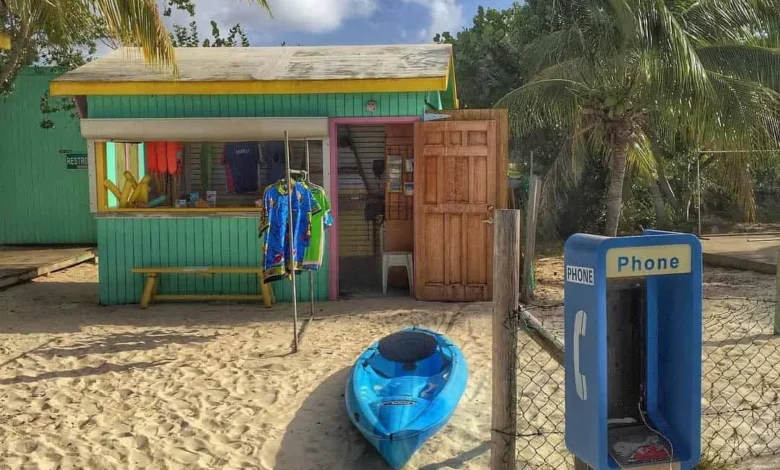
St. Maarten and St. Martin, a single 34-square-mile island situated in the northern Leeward Islands of the Caribbean, represents one of the region’s most unique geopolitical entities. Divided since the Treaty of Saint первую in 1648, the southern portion, known as St. Maarten, operates as an independent constituent country within the Kingdom of the Netherlands, while the northern sector, St. Martin, functions as an overseas collectivity of France. Together, this bi-national territory manages a dense permanent population of approximately 80,000 residents while absorbing an estimated 3.7 million annual visitors, primarily driven by a robust cruise ship industry and extensive commercial aviation links.

While international tourism marketing overwhelmingly concentrates on the territory’s world-famous white-sand beaches, comprehensive itineraries implemented over extended stays reveal a diverse landscape defined by rugged coastal topography, maritime history, and distinct European-Caribbean cultural influences. Recent tourism analytics indicate an ongoing strategic shift toward promoting diversified regional activities—ranging from historical cycling and ecological kayaking to deep-sea regattas and island-hopping excursions—aiming to distribute visitor density more evenly across both the Dutch and French jurisdictions.
Geopolitical Framework and Cultural Duality
The historical division of the island, spanning more than 350 years, has fostered two distinct administrative and cultural zones unencumbered by formal border checkpoints. Travelers crossing between the Dutch south and the French north experience immediate shifts in architectural styles, municipal planning, and linguistic environments. The Dutch side, anchored by the capital of Philipsburg and the primary air transportation hub at Princess Juliana International Airport (SXM), has historically leaned toward commercial development and tourism infrastructure inspired by North American service models. Conversely, the French side, encompassing administrative centers like Marigot and culinary hubs such as Grand Case, maintains strict adherence to European Union regulatory frameworks, resulting in preserved natural coastal zones, lower building density, and a prominent culinary scene centered on traditional French gastronomy and open-air seaside grills.

Local economic authorities note that this dual identity serves as a primary economic stabilizer. The integration of Euro and U.S. Dollar circulation alongside dual-language integration provides a seamless operational environment for international travelers. However, municipal planners face ongoing infrastructural challenges related to traffic congestion along primary arterial corridors, high population density relative to land mass, and the continuous requirement for climate resilience following significant meteorological disruptions.

Historical Context and Post-Disaster Reconstruction
The contemporary infrastructure of St. Maarten and St. Martin is inextricably linked to the legacy of natural disasters, most notably Hurricane Luis, a Category 4 storm that devastated approximately 90 percent of the island’s structures in September 1995, followed by the catastrophic impact of Hurricane Irma in September 2017. These events necessitated sweeping structural overhauls across both territories, prompting stricter building codes, upgraded resort facilities such as the newly modernized Morgan Resort in Maho Bay, and the rebuilding of iconic local landmarks.
Historical preservation efforts, however, persist alongside modern developments. Key heritage sites, such as the 17th-century Fort Amsterdam perched on the peninsula near Philipsburg, underscore the island’s turbulent colonial past marked by shifting strategic control among Spanish, Dutch, and French naval forces. Tales of historical figures—such as Peter Stuyvesant, who lost a limb defending Fort Amsterdam before later governing New Amsterdam (modern-day New York)—link the local geography directly to broader early modern transatlantic history. Similarly, community fixtures like Hilma’s Windsor Castle in Simpson Bay, operated for decades by long-term residents despite storm-related setbacks, reflect the enduring resilience of the local population amid rapid commercial expansion.
Diversified Tourism Offerings and Off-the-Beaten-Path Itineraries
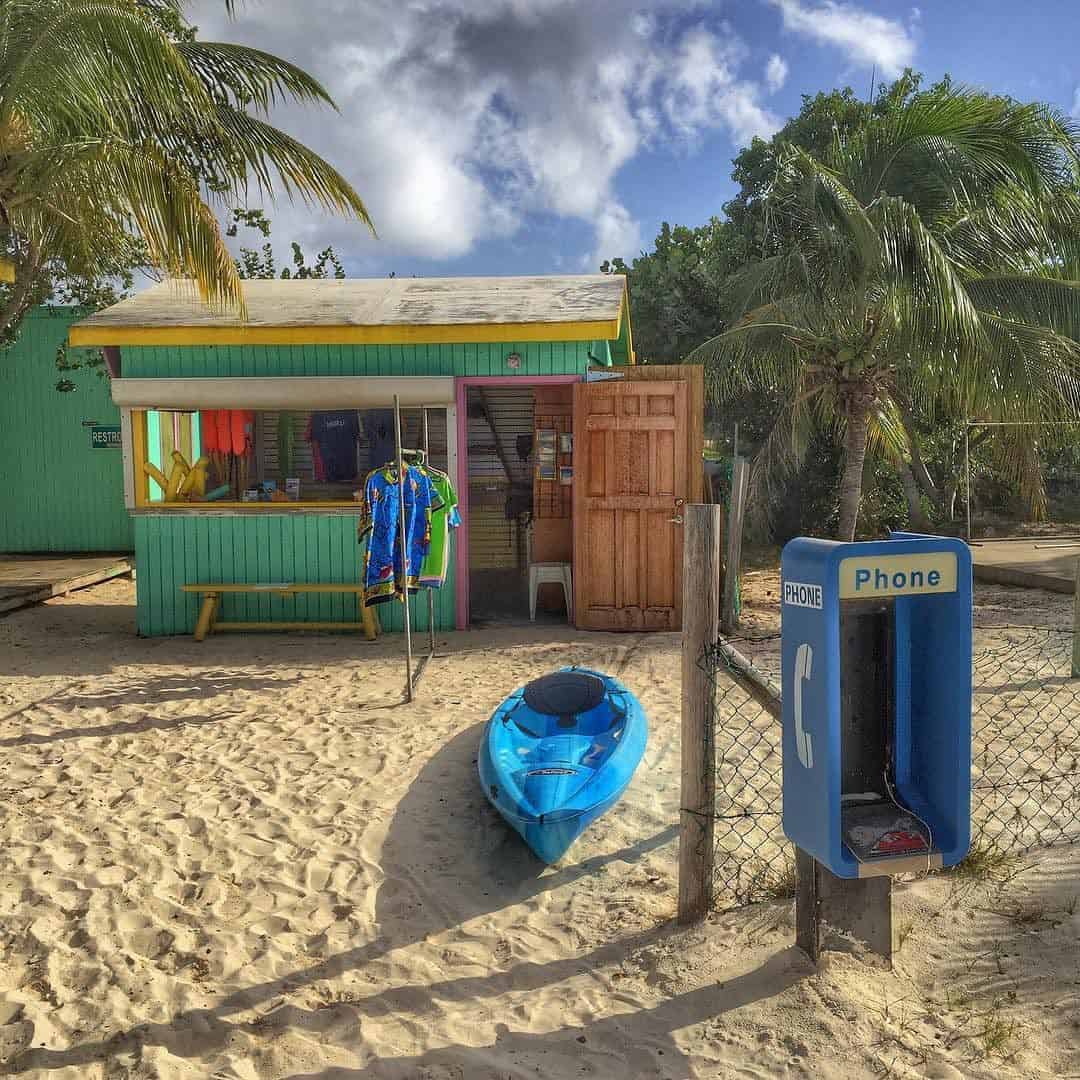
To mitigate the environmental pressures associated with concentrated beach tourism, regional tourism boards and private operators have increasingly emphasized low-impact outdoor recreation. Prominent alternative activities integrated into extended travel itineraries include:
- Competitive Marine Sports: Participation in regatta experiences aboard historic racing vessels, such as the 12-Metre Challenge utilizing actual America’s Cup yachts like Stars & Stripes, provides visitors with direct insight into competitive maritime teamwork.
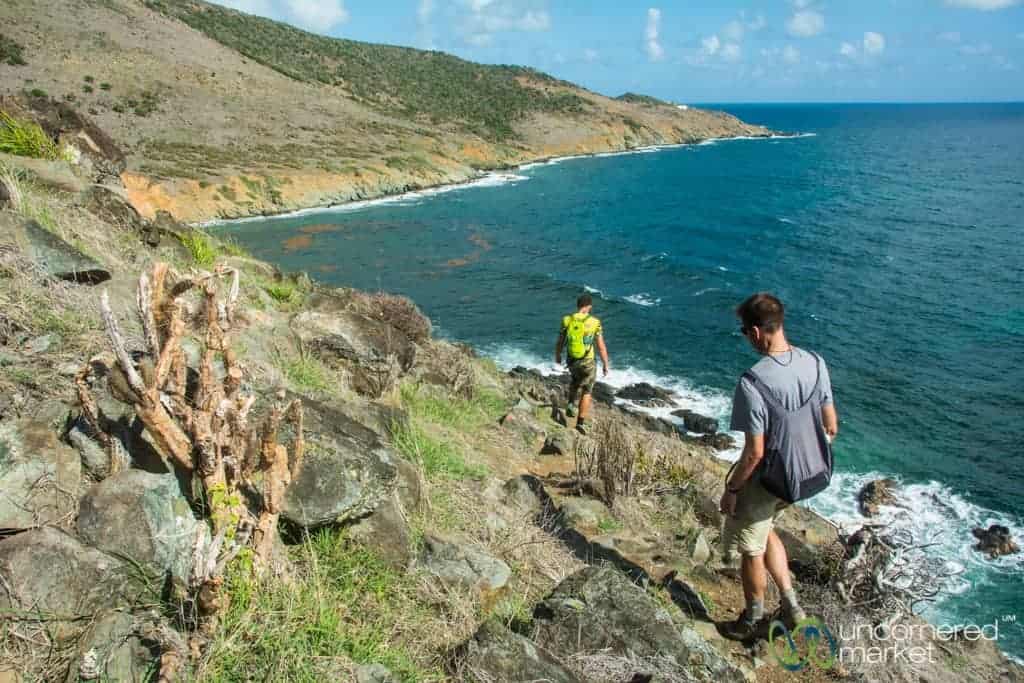
- Coastal Trekking: Designated hiking corridors, including the Guana Bay to Pointe Blanche trek on the southeastern coast and the rugged Sentier des Froussards coastal path along the northern cliffs of St. Martin, offer access to protected landscapes and remote marine environments largely untouched by commercial development.
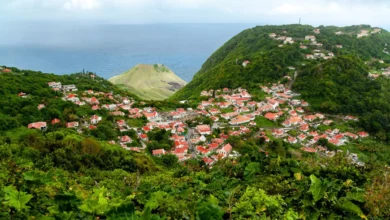
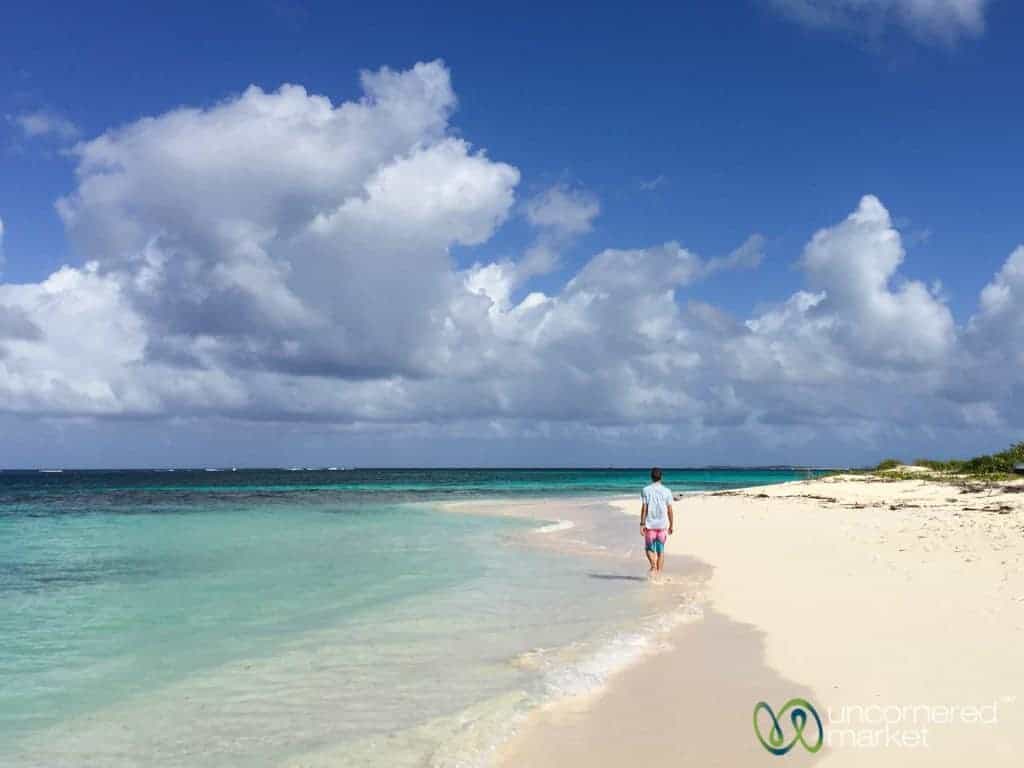
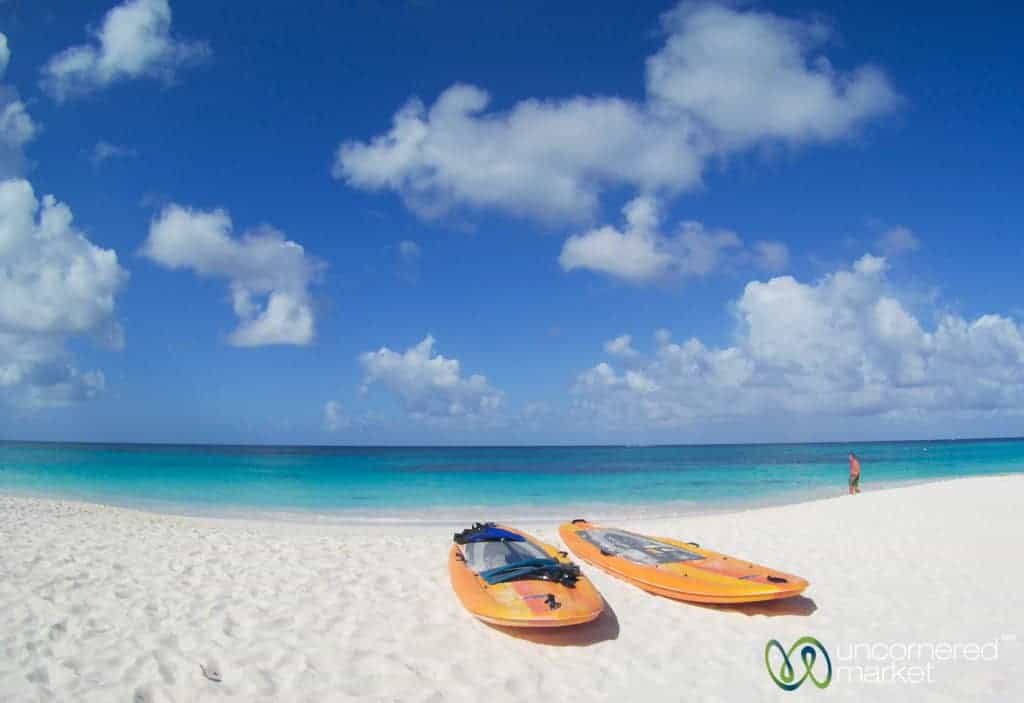
- Marine Conservation and Day Excursions: High-speed marine links facilitate same-day excursions to neighboring sovereign territories, including Shoal Bay in Anguilla—frequently cited among the premier beach destinations in the Caribbean—and specialized scuba diving expeditions to the volcanic island of Saba, renowned for protected coral gardens and marine biodiversity.
- Agritourism and Local Manufacturing: Emerging boutique industries, including local rum distilleries utilizing traditional blending techniques and independent agricultural initiatives emphasizing sustainable sourcing, contribute to a more comprehensive culinary tourism profile.
Economic Implications and Sustainable Tourism Outlook
The economic viability of St. Maarten and St. Martin relies heavily on the continuous recovery and adaptation of its tourism sector. Fact-based analysis from regional hospitality associations indicates that diversification into ecological excursions, cultural heritage tours, and inter-island transit significantly extends average visitor length of stay and increases daily tourism expenditure within locally owned establishments.

At the same time, municipal authorities face the persistent challenge of balancing large-scale cruise tourism—which frequently concentrates thousands of transient visitors in Philipsburg for single-day port calls—with sustainable resource management. Environmental impact assessments emphasize the necessity of protecting delicate marine ecosystems, mangrove lagoons, and coral reefs against over-use and coastal erosion.

Ultimately, the long-term outlook for the bi-national island depends on collaborative cross-border governance between Dutch St. Maarten and French St. Martin. By standardizing environmental protections, upgrading shared transport networks, and continuing to promote the territory’s rich multicultural heritage alongside its natural geography, the destination seeks to maintain its status as a premier Caribbean hub while safeguarding the socioeconomic well-being of its permanent inhabitants.