Lazio, Italy: Wide Open, Untouched, and Ready for Exploration
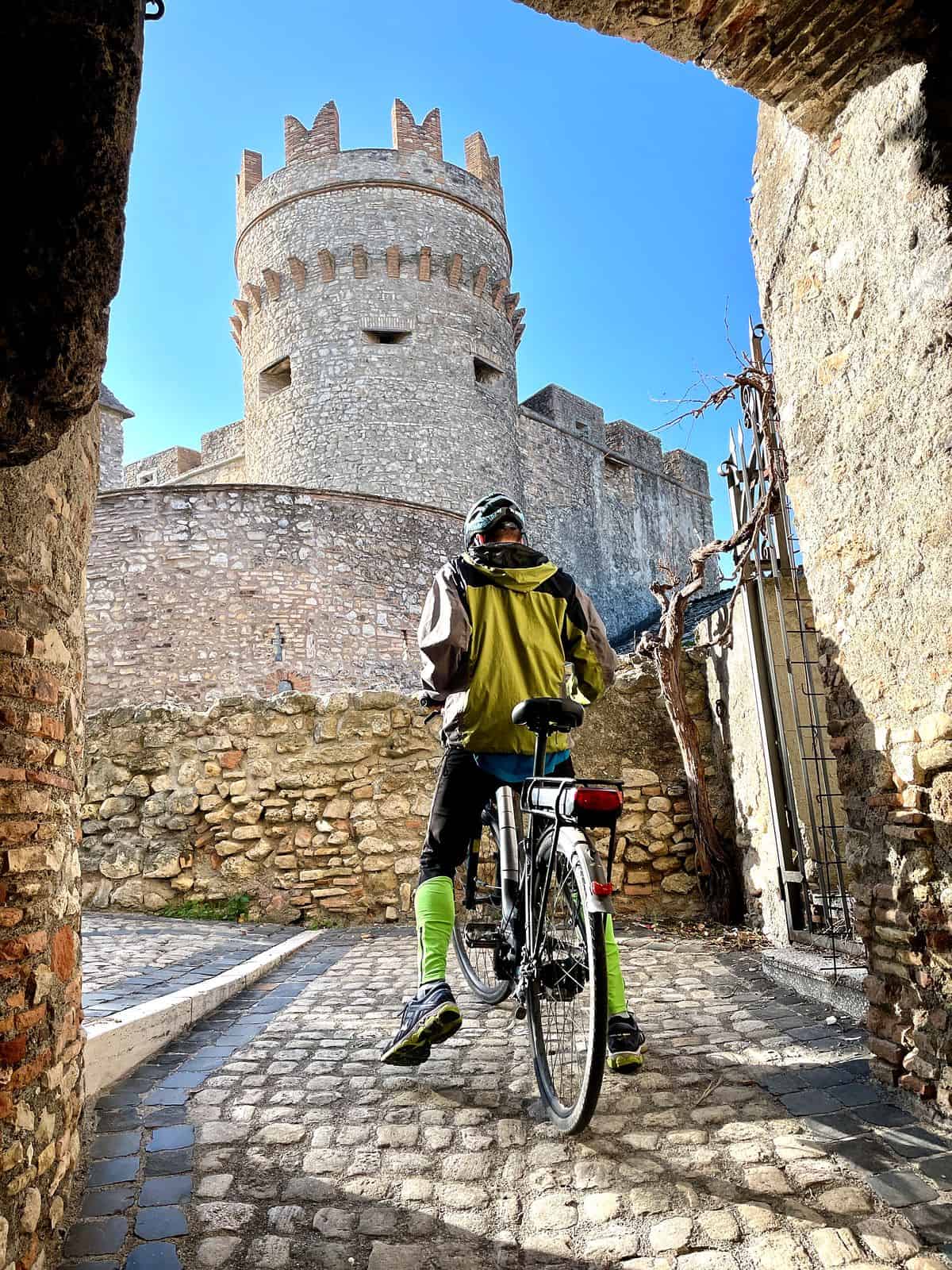
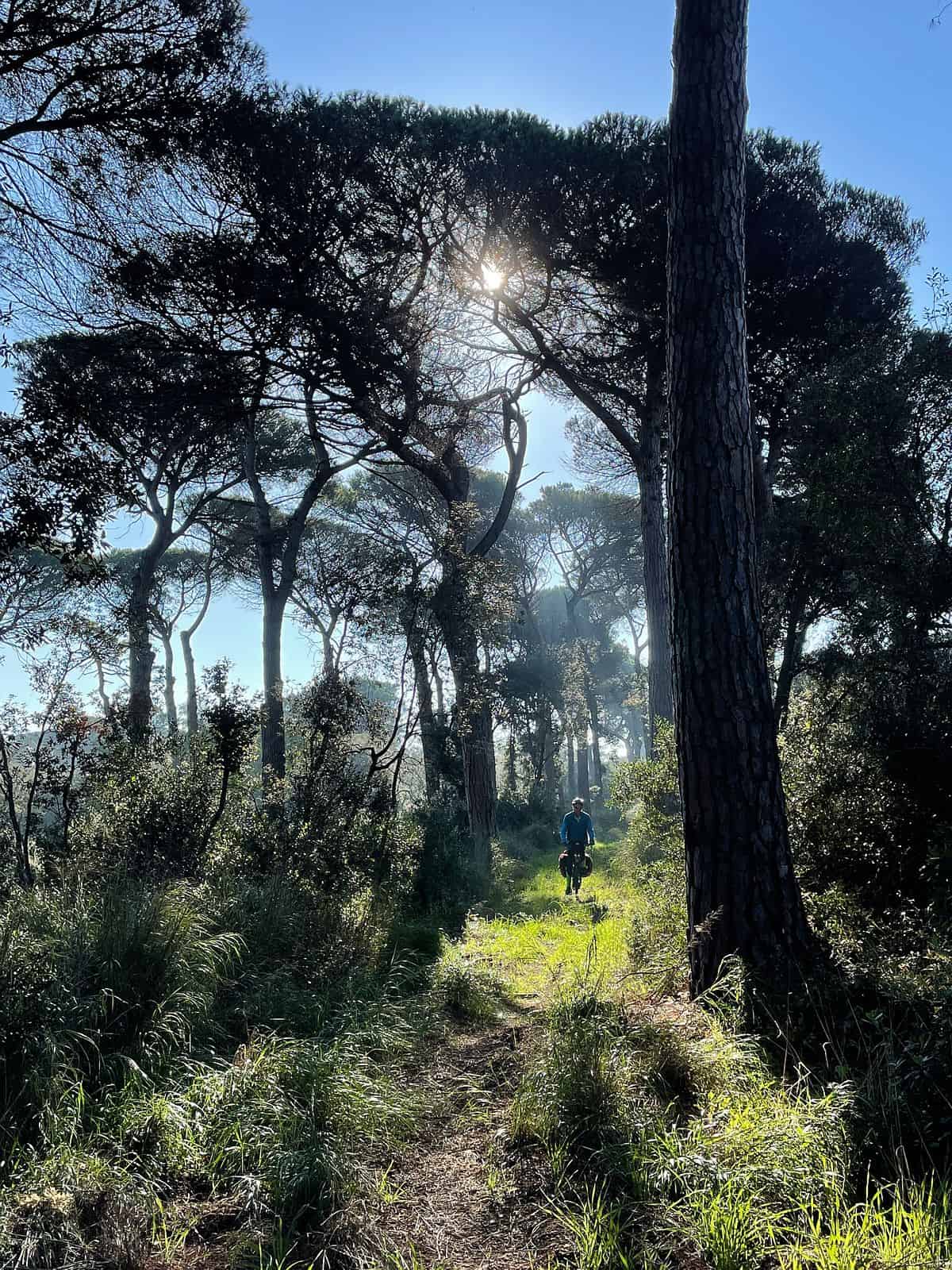
The gentle hum of e-bike tires on ancient cobblestones set the rhythm for an early morning exploration that wound through verdant meadows and the shaded canopies of a nature reserve along the Tiber River in central Italy. This immersive journey revealed a region rich in history, culture, and natural beauty, yet remarkably free from the throngs of tourists that often characterize more frequented Italian destinations. As the path ascended, veils of mist rose from the winding river below, hinting at the timeless landscapes that define Lazio. The discovery of a 13th-century castle, its silhouette softened by the morning haze and framed by distant hill towns, served as a tangible reminder of the region’s medieval past, a history punctuated by power struggles between barons and popes. This is Lazio, a region that encapsulates the archaeological treasures, culinary delights, natural splendor, and romantic allure one expects from Italy, but with the added benefit of serene, uncrowded spaces.
Lazio, Italy: A Region of Unforeseen Depths
The question, "Where is Lazio?" often arises among those familiar with Italy’s more renowned regions. Despite numerous prior visits to Italy, our own knowledge of Lazio was limited before embarking on a project initiated by the Thybris River Experience and supported by the Lazio Region. The objective was to develop new guided e-bike itineraries, highlighting the often-overlooked attractions of this central Italian territory. Geographically, Lazio is home to Italy’s capital, Rome, and while its proximity to the bustling metropolis might suggest urban sprawl, the region offers a vastly different experience.

Our guide, Giorgia, a professional guide and cycling enthusiast, painted a picture of Lazio as a region positioned between the ancient, ritualistic Etruscans to the north in Tuscany and the vibrant, Bourbon-influenced provinces of southern Italy. This transitional geography, she explained, imbues Lazio with a unique character, a blend of influences that often places it at a fascinating crossroads. The very name "Lazio" is derived from the Latin word "latus," meaning "wide." While this originally referred to the low-lying plains around Rome, the concept of Lazio as "wide open" for exploration resonated deeply as we ventured further into its embrace. Much of what we encountered felt genuinely undiscovered from a tourism perspective, offering a rare opportunity for authentic engagement.
From the remarkably preserved ancient port of Ostia Antica to the artistic legacy of film legends and philosopher-poets like Pier Paolo Pasolini, the areas surrounding Rome, often referred to as "Greater Rome," offer a rich tapestry of experiences. Our daily explorations included leisurely espresso breaks in charming hill towns, discoveries of hidden sculpture gardens, visits to migratory bird observation points, and stays in beautifully restored villas. These experiences were punctuated by serendipitous encounters and the simple pleasure of enjoying local pastas crafted with regional ingredients, all complemented by excellent local wines.

Developing Guided E-Bike Itineraries in Lazio
Our ten-day journey through Lazio involved e-bike excursions across three distinct geographical areas, each accessible within approximately an hour’s train ride from Rome. The aim of these evolving itineraries is to guide travelers through lesser-known hill towns, protected natural areas, cultural curiosities, and historical sites along the Tiber River, from its northern reaches through Rome and out to the Tyrrhenian Sea. These customizable two- and three-day trips are designed to connect visitors with these relatively undiscovered regions, fostering a deep appreciation for local communities, artisans, and authentic experiences.

Central to these guided tours are the principles of sustainability, community engagement, and a commitment to local providers. While these destinations can be reached by various means, e-bikes were our primary mode of transport, supplemented by occasional regional train journeys. This approach maximizes local economic benefit and minimizes environmental impact. Across the three multi-day itineraries, we encountered a wealth of people and places that exemplify the region’s unique offerings.

We extend our sincere gratitude to Giorgia Cadinu, a dynamic professional guide based in Rome and a passionate cycling advocate. Her initiative and profound curiosity for the Tiber River and the Lazio Region were instrumental in shaping this project. For those interested in booking or customizing these guided itineraries, the Thybris River Experience is the point of contact. Their website details tours named Pomona (Tuscia and Teverina), Bona Dea (Tevere Farfa Reserve and Nazzano), and Leucotea and Egeria (Ostia Antica, Fiumicino, and Isola Sacra into Rome).

1. Tuscia and Teverina: Hill Town and Villa Life
Just an hour north of Rome by train lie the Tuscia and Teverina districts, bordering Umbria and Tuscany. Despite their proximity to the capital, these areas offer a distinctly different world, characterized by rolling landscapes, vineyards, and historic palazzi and manor houses that whisper tales of ancient baronial power struggles.

Exploring the Hill Towns of Tuscia by E-Bike
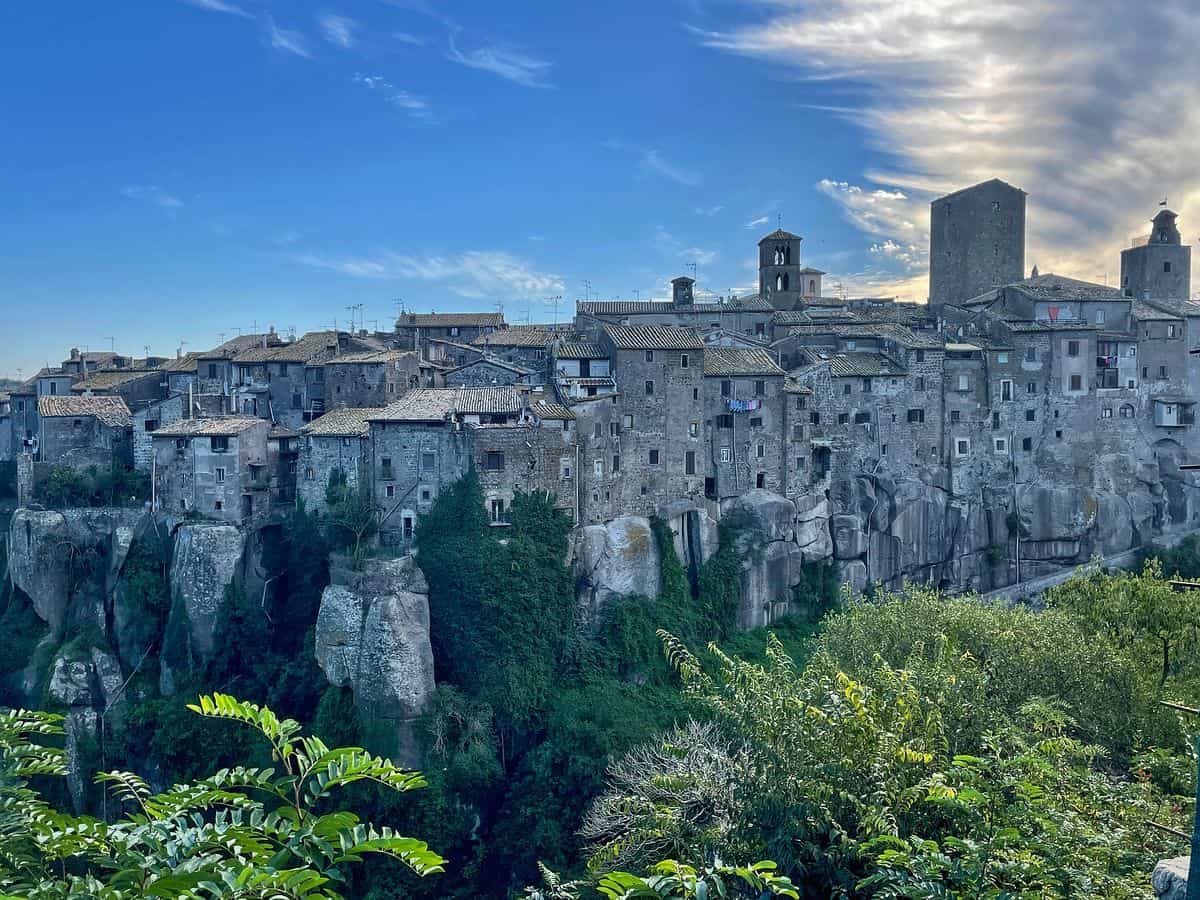
While Tuscany and Umbria are celebrated for their picturesque hill towns, Lazio boasts its own collection of medieval gems with melodious names like Civitella d’Agliano, Celleno, Roccalvecce, Sippiciano, and Vitorchiano, perched high above the Tiber River valley. These towns offer an authentic glimpse into Italian history without the overwhelming tourist presence. The e-bike journey between these towns allows for an intimate appreciation of the evolving landscapes, from dense forests to gentle hills, and the subtle shifts in character of each community.

One notable destination is the town of Vitorchiano, dramatically situated on a cliffside, catching the early morning light. The medieval walls of Roccalvecce also provide a stunning backdrop for cycling excursions. The rolling hills and vineyard-dotted countryside of Teverina offer further scenic beauty, making every turn of the pedal a visual delight.

Trebotti Wine Farm: Taste Volcanic Wines from a Fully Sustainable Winery
In the heart of Tuscia’s hills, the Trebotti winery stands as a testament to a deep-rooted commitment to sustainability. For over two decades, this family-run operation has integrated eco-conscious practices into every facet of its work. This includes the preservation of an ancient Etruscan cellar for sparkling wine storage, a focus on indigenous grape varietals grown in volcanic soil, the use of lightweight glass bottles, and an advanced self-regulating air circulation system to minimize energy consumption. Their dedication ensures operation in harmony with nature, upholding organic labels and minimizing environmental impact. Federico, our host, eloquently summarized their philosophy: "To be sustainable is to respect the land."

Our wine tasting experience at Trebotti was exceptional, featuring five distinct wines expertly paired with homegrown produce and homemade delicacies. We savored the local Grechetto, a white wine varietal common in Lazio, alongside a refreshing rosé and an intriguing orange wine. These were complemented by semi-dried tomato confit, crostini, and local cured meats. The tasting concluded with two red wines, including their signature Gocce Rosso made from Violone (the local name for Montepulciano d’Abruzzo). This was paired with a 72-month aged caciocavallo cheese and a homemade salted chocolate nocciola red wine crema, an astonishingly delightful conclusion.

La Serpara: Discover the Hidden Sculpture Garden
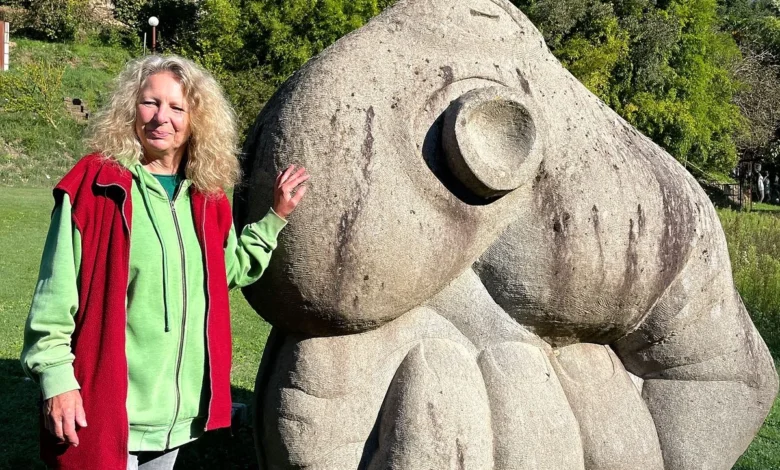
For over 25 years, artist Paul Wiedmer and his wife Jacqueline have cultivated La Serpara, a unique home-atelier nestled in the hills near Civitella d’Agliano. This space serves as an inspiration for artists, encouraging them to harness their creative spirit through immersion in nature. Today, La Serpara is open for private visits, offering guided walks through sculpture gardens and bamboo forests dotted with contemporary art installations. Visitors can learn about the site’s history and the diverse works created by artists-in-residence over the years.
Civitella d’Agliano: Craftsmen Bicycles and Castles
The town of Civitella d’Agliano is home to Il Mulino dei Mestieri (The Mill of Craftsmen), a remarkable private collection of early to mid-20th-century Italian craftsmen’s bicycles. These meticulously restored bicycles showcase the ingenuity and adaptability of professions such as knife sharpeners, priests, portrait photographers, mattress cleaners, hairdressers, and even obstetricians, all of whom utilized specialized, elaborately outfitted bicycles for their trade. Alessia and her husband Daniele have dedicated over a decade to collecting, repairing, and restoring this unique collection, offering a vivid snapshot of 20th-century village life. The ingenuity displayed in integrating tools and equipment onto bicycles is truly astonishing, highlighting a bygone era of resourcefulness and personality in delivery services.

Celleno: Il Borgo Fantasma
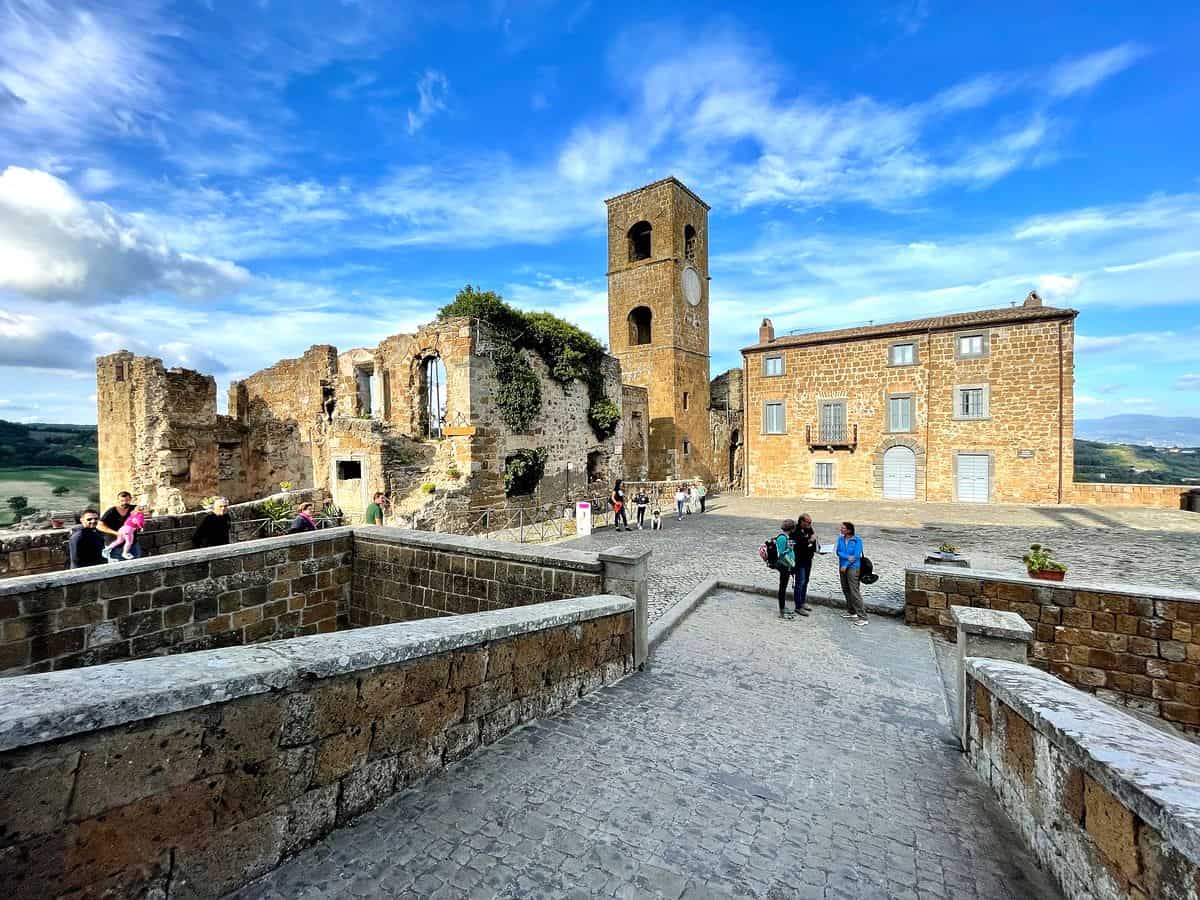
Celleno, known as "Il Borgo Fantasma" (the Ghost Town), carries a poignant history. For over a millennium, it thrived as a living hill town until a series of earthquakes and landslides in the mid-20th century rendered it unsafe. Despite official efforts to relocate residents, their deep connection to the town meant they often returned. Eventually, in the 1950s, most of the old town buildings were demolished, leaving behind evocative ruins.

Today, some of the surviving medieval structures have been transformed into an open-air museum and exhibition spaces. These include a collection of 20th-century sound and recording devices, and an exhibition of antique artifacts centered around an 800-year-old multi-story medieval trash tunnel. These "medieval trash heaps" offer a fascinating historical perspective and prompt reflection on our own era’s waste generation. Celleno’s story is one of rescued history, both beautiful and intriguing.

A Taste of Tuscia with a View at San Rocco Restaurant
In the inhabited "new town" of Celleno, just outside the ghost town’s ramparts, San Rocco Restaurant offers a culinary experience focused on local Tuscian fare – specifically, the cuisine of the Tuscia region, encompassing towns like Celleno and the nearby city of Viterbo. Our visit coincided with the porcini mushroom harvest, and the fresh mushrooms, picked from the forest below our lunch terrace, were a highlight. We also enjoyed rabbit stew, gnocchi with cime di rapa (broccoli greens), and a hearty plate of stewed fagioli (beans). These dishes were expertly paired with a local Lazio Pinot Grigio, Satres from Le Lase vineyards, notable for its orange hue resulting from extended skin contact.

Stay in the Restored 18th Century Villa Lais
A particularly memorable highlight of our itinerary was a three-night stay at Villa Lais, located just outside Sipicciano. Maddalena, the artist proprietor, purchased this 18th-century compound nearly a decade ago and has since lovingly renovated it. The villa’s interior, with its inlaid wood ceilings and walls adorned with muted yet dazzling illustrations, mesmerizes with detail and storytelling. Maddalena’s discerning eye for design is evident in every element, from the furnishings to the glassware, creating an atmosphere of living history and seamless continuity with the villa’s past. The welcoming presence of four dogs and ten cats further enhances the feeling of home.

Sacro Bosco, the 16th Century "Park of the Monsters"
Sacro Bosco, affectionately known as the Park of the Monsters, is a more established tourist destination in Lazio. Commissioned in the mid-16th century by Prince Pier Francesco Orsini, it served as an expression of his grief following the death of his wife and the brutalities of war. The park features a collection of large stone sculptures depicting fantastical and often unsettling creatures, scattered throughout a forest near the hill town of Bomarzo. While the admission fee is substantial, and the park has a decidedly commercial feel, its unique vision and historical significance make it a noteworthy visit.
2. Tevere-Farfa Reserve and Nazzano: Nature, Hill Towns, and Art
Our exploration continued along the Tiber River within the Tevere-Farfa Natural Reserve. Here, the Tiber’s environment takes center stage, with lush landscapes and a reflective pace, despite being only an hour northeast of Rome by train. Hill towns serve as backdrops to natural wonders, including wild boars swimming across the river, and offer moments of contemporary culture, artistic expression, and surprising historical insights.

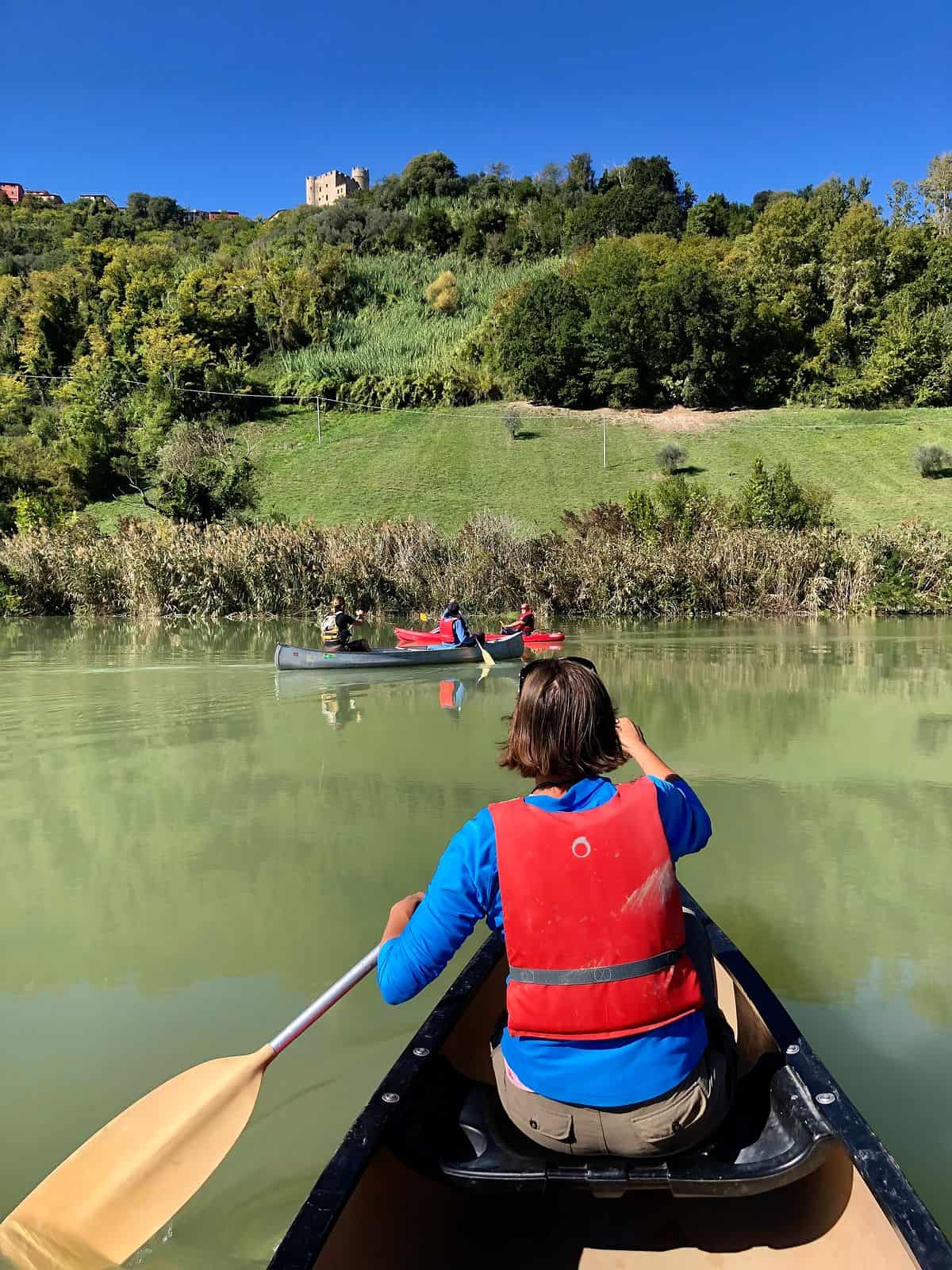
Canoeing the Tiber River
The Tevere-Farfa Natural Reserve is defined by the meandering bends of the Tiber River amidst expansive green spaces. The landscape is characterized by exposed volcanic tufa rock and castles perched atop hills overlooking the river valley. Wildlife thrives here, and we were fortunate to witness wild boars swimming across the river. During our canoe excursion, we observed grey herons, egrets, and various migratory birds.

Eat Farm-to-Table at La Fattoria Campo di Contra
At La Fattoria Didattica Campo di Contra, founded by Mauro, we experienced a delightful farm-to-table lunch. Dishes were prepared with produce fresh from his organic garden and ingredients sourced from local farms. We enjoyed a range of small plates, including zucchini flower fritters with local honey, antipasto locale, grilled eggplant and peppers, and fresh bean salad, all accompanied by Mauro’s homemade wine. Mauro’s vision for his land and for connecting visitors with nature was palpable throughout the meal.
Medieval Hill Towns and Castles to Explore
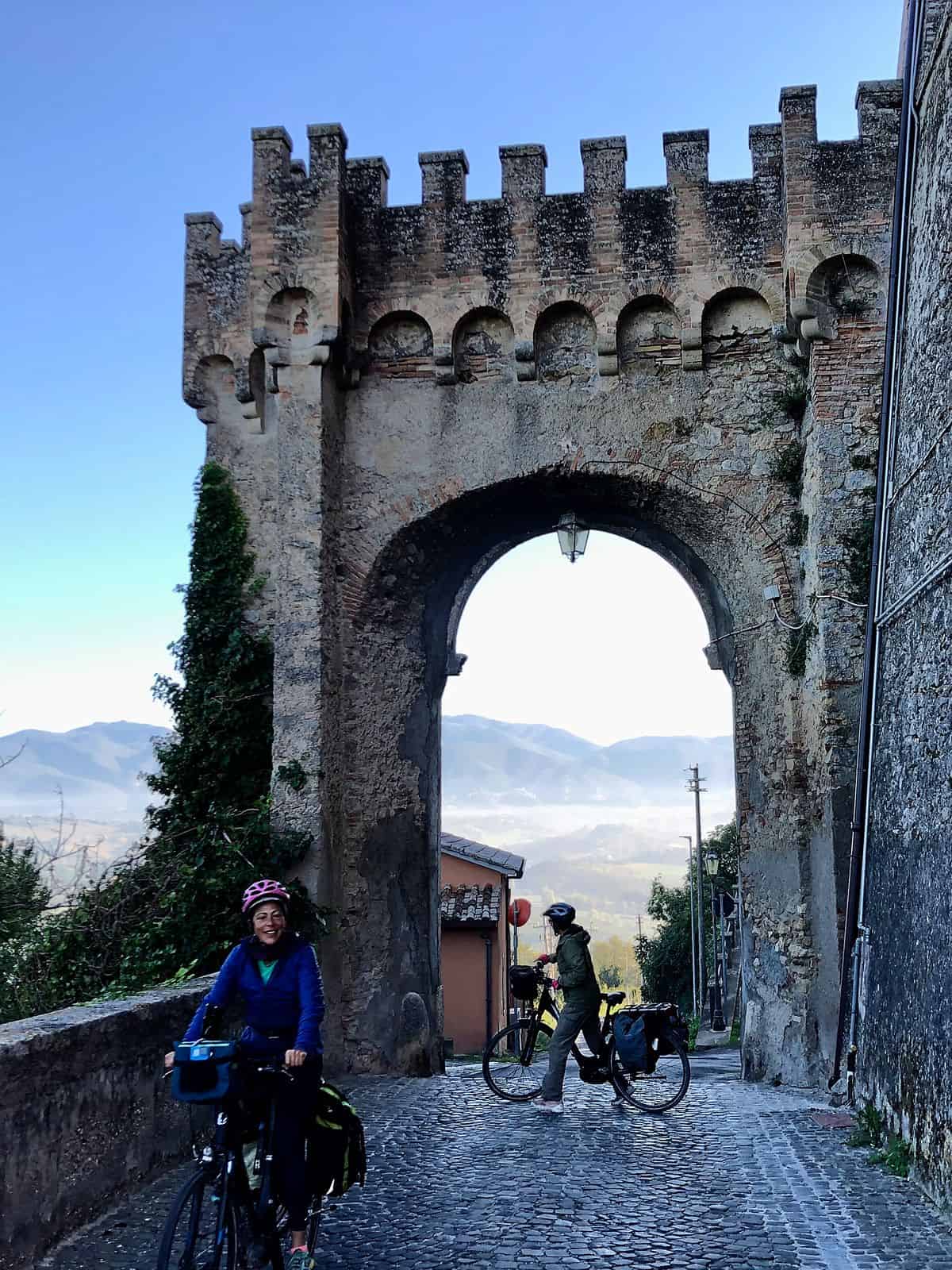
The Tiber River valley is dotted with charming hill towns, including Nazzano, a visual favorite. Historically, its elevated position likely served as a strategic vantage point for observing the Tiber’s flow of goods into Rome. As we explored Nazzano, the listings in local real estate windows sparked dreams of restoring one of its historic buildings. Other stops included Filacciano, where we enjoyed espresso breaks with locals and sampled delicious "suppli di telefono" – warm rice croquettes with stringy mozzarella.

Hike and Cycle the Trails of Tevere-Farfa Natural Reserve
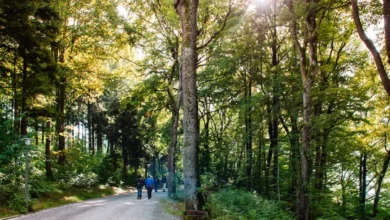
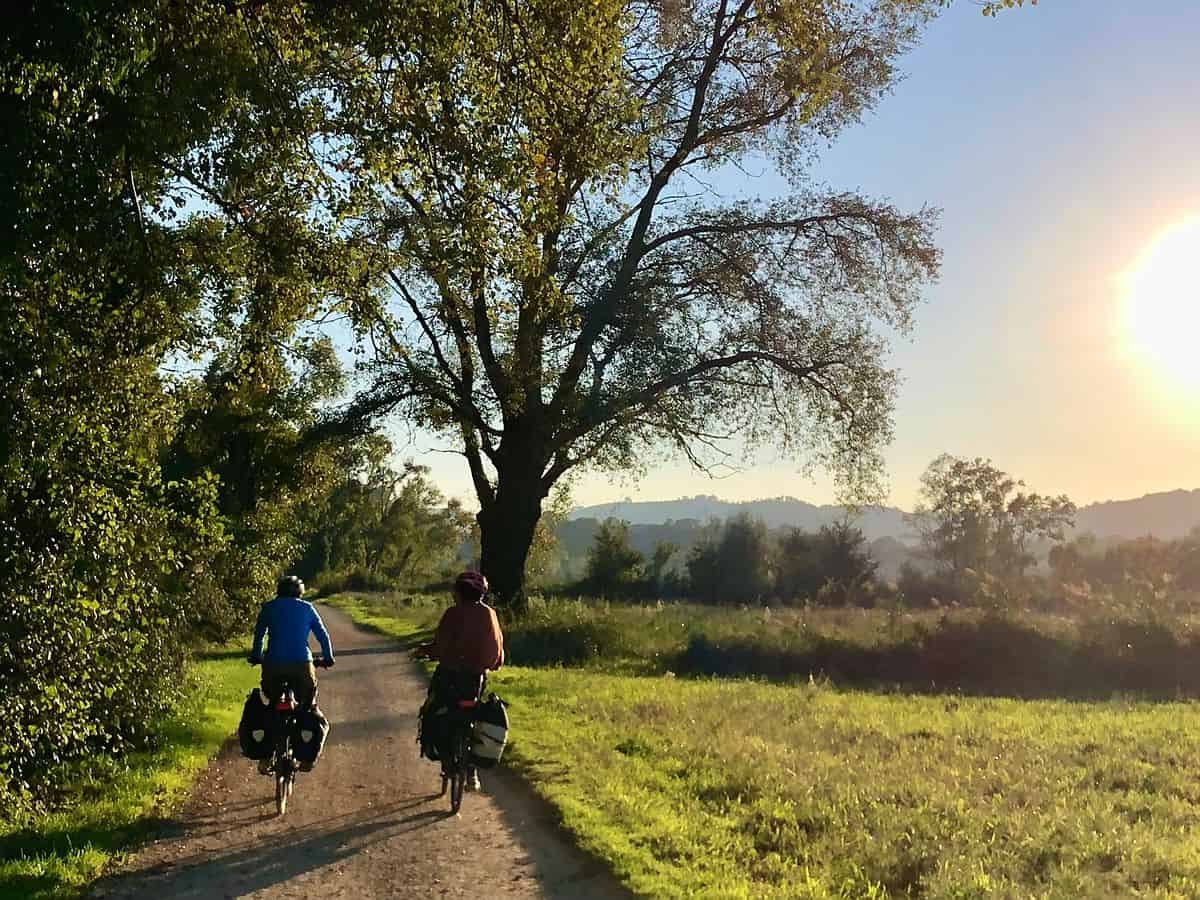
The Tevere-Farfa Natural Reserve, the first protected area in Lazio, offers an immersive natural experience. Upon entering, we were immediately surrounded by nature, with sunlight filtering through trees and the presence of local boar families. Gentle strolls and cycling excursions along the trails that wind through the reserve provided opportunities to connect with the environment. Our base for exploring the reserve was Ecoturismo Tevere Farfa, an accommodation located on the site of an old organic farm cooperative, functioning as an educational and community hub.

Ponzano Romano: Enjoy a Conversation with a Local Artist
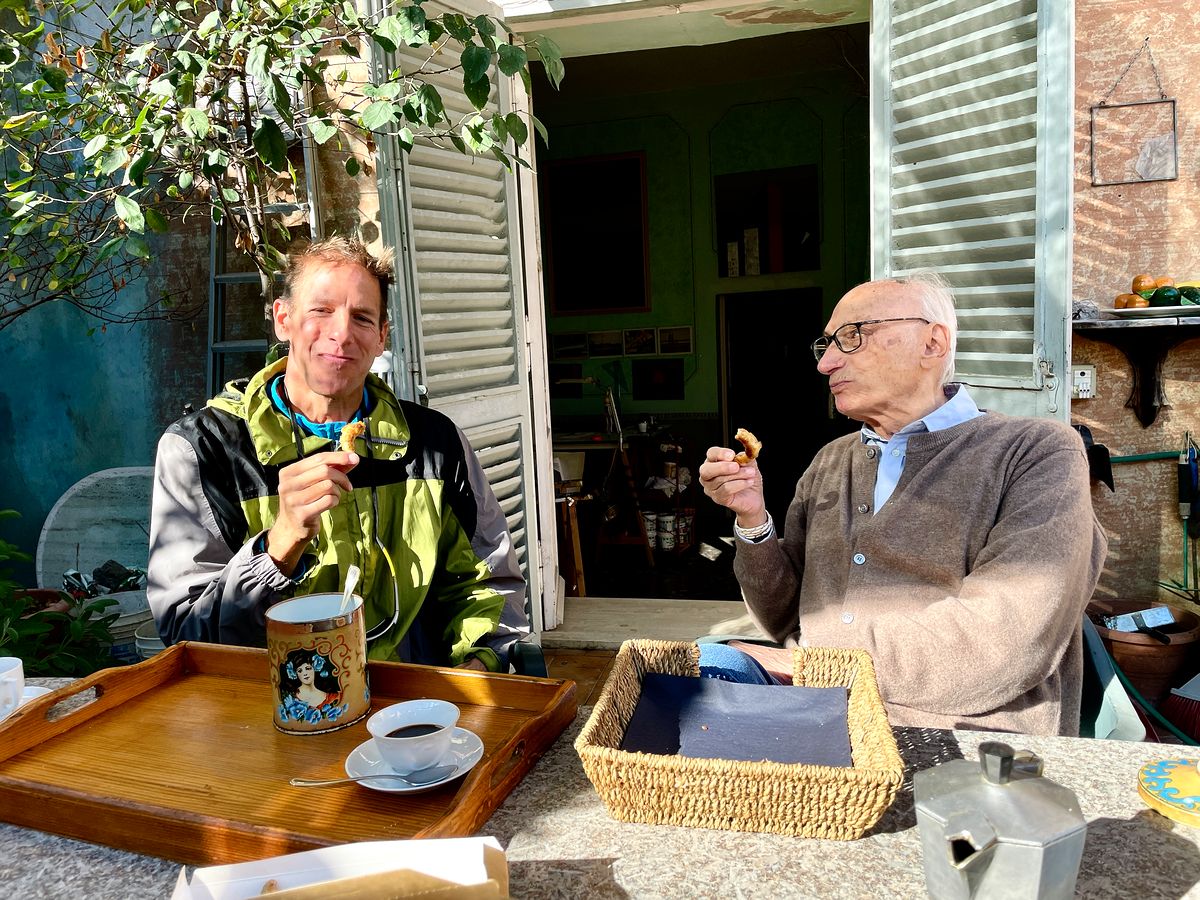
Michele Longo, a former film director from Rome, now dedicates his time to painting and creating mixed-media art in his studio in the hill town of Ponzano Romano. On his sunny veranda, surrounded by plants and fruit trees, we engaged in a conversation over Cornettino di Ponzano Romano (a savory crisp croissant twist) and espresso. Longo’s passion for his art and his concerns about the erosion of societal elements that foster creativity were eloquently expressed. At 82 years young, his wisdom and spirit were truly inspiring. Ponzano Romano also boasts a contemporary art museum, though it was closed during our visit.
Bunker Soratte: Go Deep in the WWII and Cold War Tunnels
The Bunker Soratte, a massive tunnel complex atop Mount Soratte near Sant’Oreste, offers a profound and sobering glimpse into 20th-century military history. Carved into the mountain between 1937 and 1939 under Mussolini’s orders, it served as the Supreme Command of the South for Nazi Germany during WWII and later as a nuclear fallout shelter for Italian government officials during the Cold War. The four-kilometer tunnel network is a testament to engineering and a stark reminder of past conflicts. The site is steeped in lore, including tales of allied espionage and lost Nazi gold, making it a compelling, albeit heavy, historical experience.
Fondazione Serpone: Art, Nature, and a Surprising Chapel
Fondazione Serpone in Torrita Tiberina showcases a private collection of outdoor sculptures and art installations, open to the public by appointment. These thoughtfully placed pieces interact beautifully with the natural landscape. The chapel installation, created by Austrian philosopher-artist Hermann Nitsch, offers a surprising and challenging interpretation of the spiritual, a testament to artistic expression that has even received the local bishop’s blessing.

Ecofattorie Sabine: Terrace Lunch on an Organic Farm
Ecofattorie Sabine in Poggio Mirteto provides an ideal location for a meal before catching a train to Rome. This organic farm offers fresh, seasonal dishes prepared with ingredients sourced directly from its gardens, chicken coops, and beehives. We enjoyed honey-bathed ricotta, gnocchi with pumpkin cream, pici pasta with walnut pesto, and cicory greens. The meal was paired with a Lazio Tragugnano Orvieto DOC, an organic white wine blend featuring the Grecchetto varietal.

III. On Rome’s Edge: Ostia, Fiumicino, and Isola Sacra
Beyond the immediate vicinity of Rome lie remarkable sites that often escape the notice of tourists. Ostia Antica and Portus, ancient Roman gateways for commerce and exchange, offer impressive historical ruins without the crowds. These sites, along with encounters with local individuals and projects, highlight the connections between community, history, and nature in Fiumicino and Isola Sacra.

Ostia Antica: The Ancient Roman Empire… Just Outside Rome
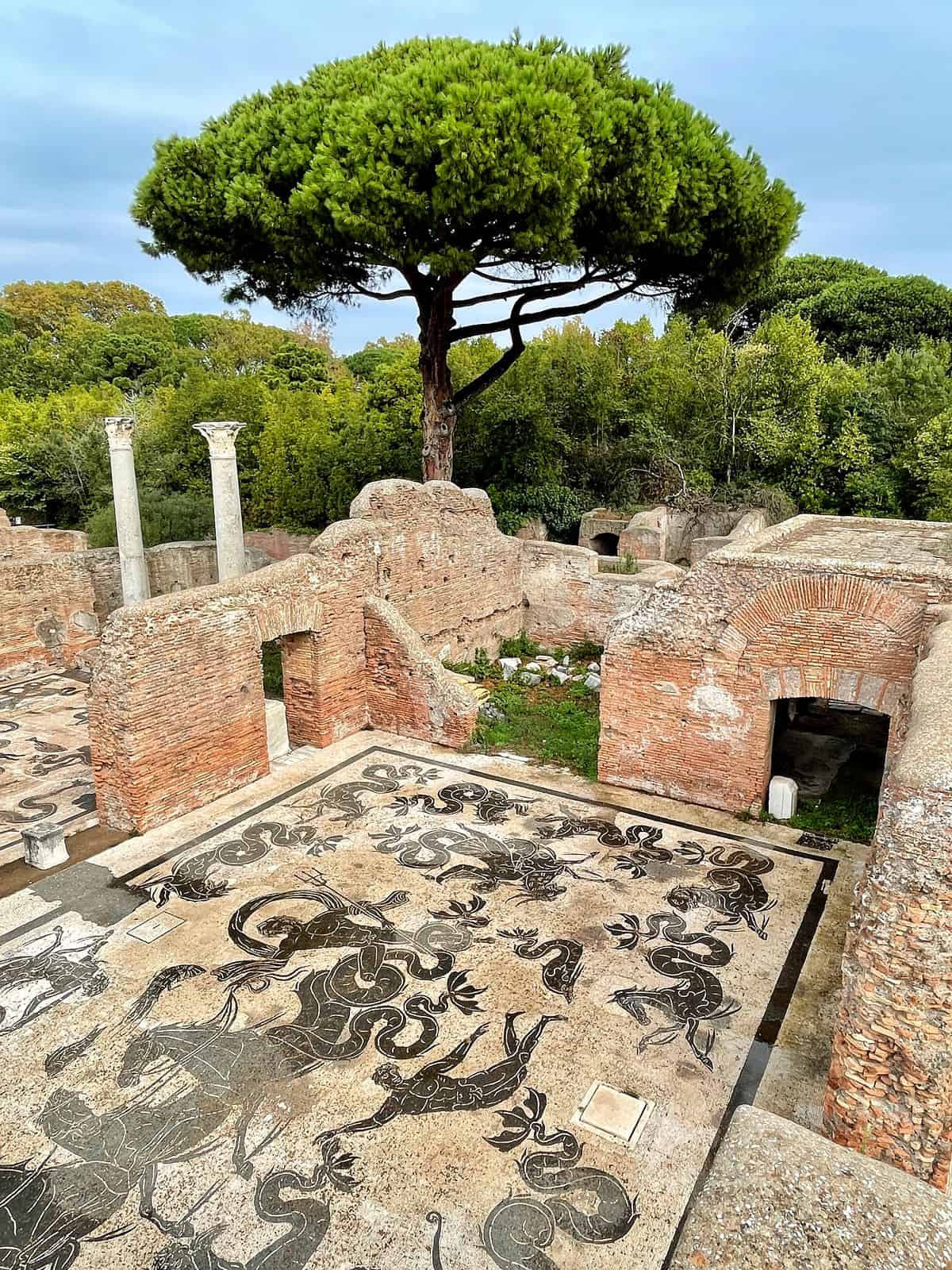
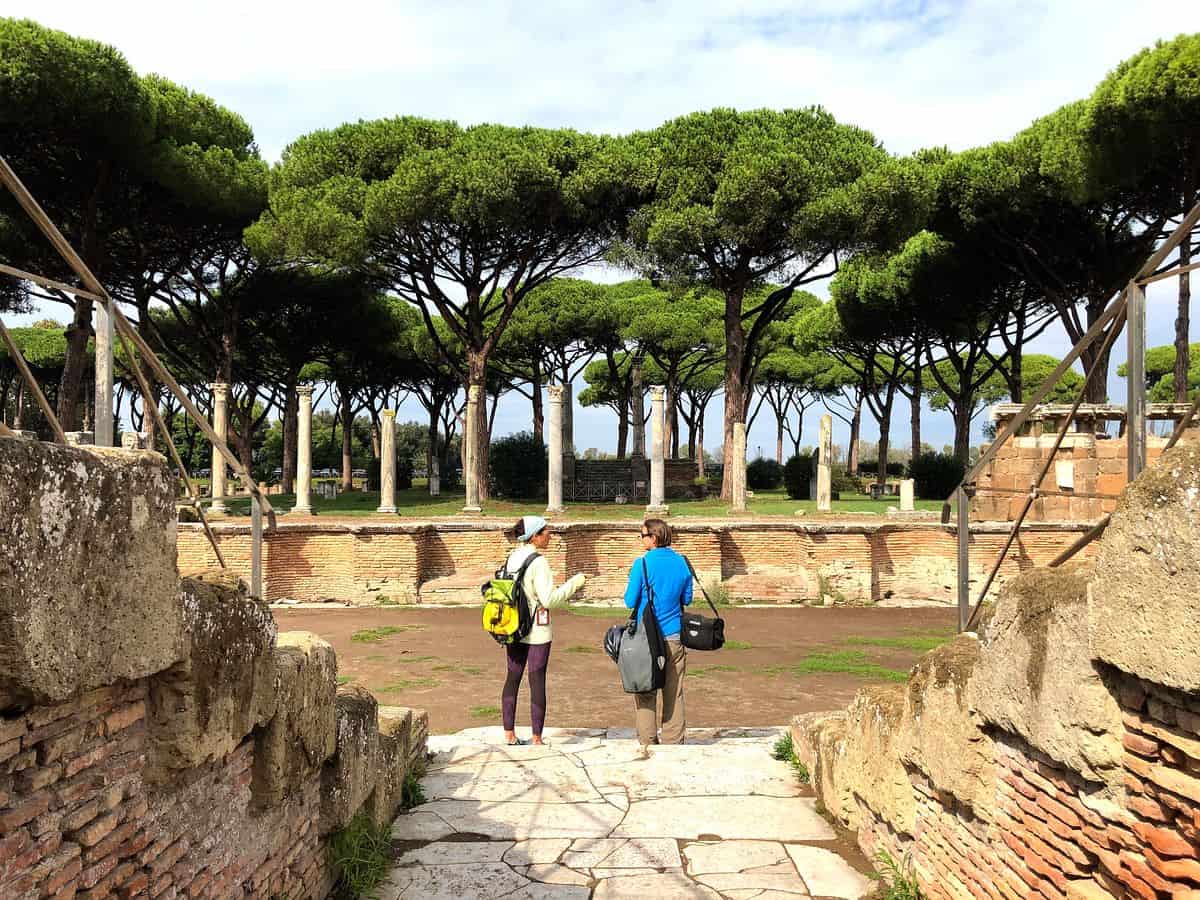
Ostia Antica, the ancient port city of Rome, presents a remarkably preserved glimpse into Roman life approximately 2,000 years ago. Visitors can stroll through ancient streets, explore homes, a theater, and businesses. The site boasts marble-topped bars and street food stalls, showcasing its importance as one of Rome’s earliest colonies. The Roman Theatre, dating back to the 1st century AD, still hosts performances today. The intricate mosaics in the Roman baths of the chariot drivers offer further evidence of the city’s prosperity.

Portus (The Port of Claudius and the Harbor of Trajan)
Adjacent to Ostia Antica, near Fiumicino Airport, lies Portus, the archaeological area of the Imperial Harbours of Claudius and Trajan. Walking through the ruins of this once bustling port, it’s challenging to envision that this artificial, hexagon-shaped harbor, now situated inland, was once the primary maritime gateway to Rome. Goods were transferred from sea-bound vessels to smaller boats on the Tiber River for transport to the capital. Portus achieved city status in the 4th century but eventually fell into disuse. Much of the site remains unexcavated, hinting at further historical discoveries beneath the modern landscape.

Explore the Ancient Tombs at the Necropolis of Portus
The Necropolis of Portus on Isola Sacra offers insight into Roman funerary practices. This vast cemetery, dating from the 1st century AD, reveals a stark contrast between the elaborate mausoleums of the wealthy, with their intact mosaic floors, and the more modest burial niches of port workers and tradesmen. The site is a poignant reminder of the social stratification of ancient Rome and is a significant historical discovery.

Eat and Drink Local in Fiumicino
For a riverside lunch in Fiumicino, 4112 – Quarantuno Dodici Restaurant, a more casual counterpart to the Michelin-starred Il Tino upstairs, offers a delightful experience. We enjoyed a palate-cleansing starter of salted codfish and red beet carpaccio, followed by a whole Mediterranean bream, paired with a Lazio Fioranello Bianco. At BioAgricola Traiano, located on the edge of an organic garden, we indulged in a hearty lunch of fried polenta with cicoria greens and homemade pasta with zucchini pesto, showcasing the freshness of local ingredients.

Meet a Local Historian at Museo della Cultura Contadina
The Museo della Cultura Contadina in Isola Sacra bridges past and present. Our host, Oswaldo, a descendant of the area’s early settlers, shared the history of Isola Sacra’s transformation from a swamp into productive agricultural land. This area was developed in the early to mid-20th century, attracting Italian World War I veterans to establish a community and cultivate the land. The museum preserves this unique story of economic development and community building.
Check out the Pietro Micca Steam Tugboat
Along the Tiber River, Giulio, the passionate owner of the Pietro Micca steam tugboat, preserves a piece of maritime history. This vessel, dating back to 1895, has served various roles, from a tugboat to a support ship for a U.S. military base. Giulio aims to keep its history alive, illustrating the evolution of technology and energy use, with a future vision of converting the ship to electric power.
Birdwatch at LIPU Oasis and Witness the Regeneration of Nature
Two decades ago, Alex Polinori of LIPU Oasis (Centro Habitat Mediterraneo Ostia) embarked on a mission to transform a former garbage dump into a suburban sanctuary for migratory birds. Through the planting of over 7,000 trees, this reclaimed wetland now attracts a diverse array of bird species and local wildlife. LIPU Ostia serves as a case study in land reclamation and regenerative tourism, offering birdwatchers an opportunity to observe nature undisturbed from two dedicated hides. Depending on the season, visitors may spot flamingos, pelicans, rare duck species, woodpeckers, and more.

Sentiero Pasolini and Regina Ciclarium: A Return to Rome
From the coast, the Sentiero Pasolini (Pasolini Path) leads inland, eventually merging with the Regina Ciclarium, a network of cycling and hiking trails that wind through Rome’s suburbs. These paths, maintained by the community, pass by street art, ancient Roman infrastructure, and offer a connection to the legacy of Pier Paolo Pasolini, a prolific poet and filmmaker. Emerging from these trails, the iconic Roman Colosseum comes into view, marking a return to the heart of the city.
Disclosure: The experiences detailed in this article were facilitated in collaboration with a Lazio Region-funded consulting project with Thybris River Experience, focusing on product advisory, marketing, and destination positioning. The insights and observations presented here are entirely our own.