Sydney, the provincial capital of New South Wales and Australia’s most populous urban center, continues to serve as a primary gateway for international visitors. Despite its status as a global tourism hub, the city presents a complex logistical landscape for first-time travelers. Recent travel data indicates that the average stay for international tourists in Sydney is approximately five to seven days, a timeframe sufficient to balance the city’s high-density central business district (CBD) with its expansive coastal geography. This report outlines a structured approach to optimizing a five-day visit to Sydney, prioritizing transportation efficiency, landmark accessibility, and an understanding of the city’s urban evolution.
Chronology of an Urban Itinerary
The logistical framework for a five-day visit is predicated on the integration of Sydney’s multimodal transit network, which includes the iconic ferry system, light rail, and heavy rail services.
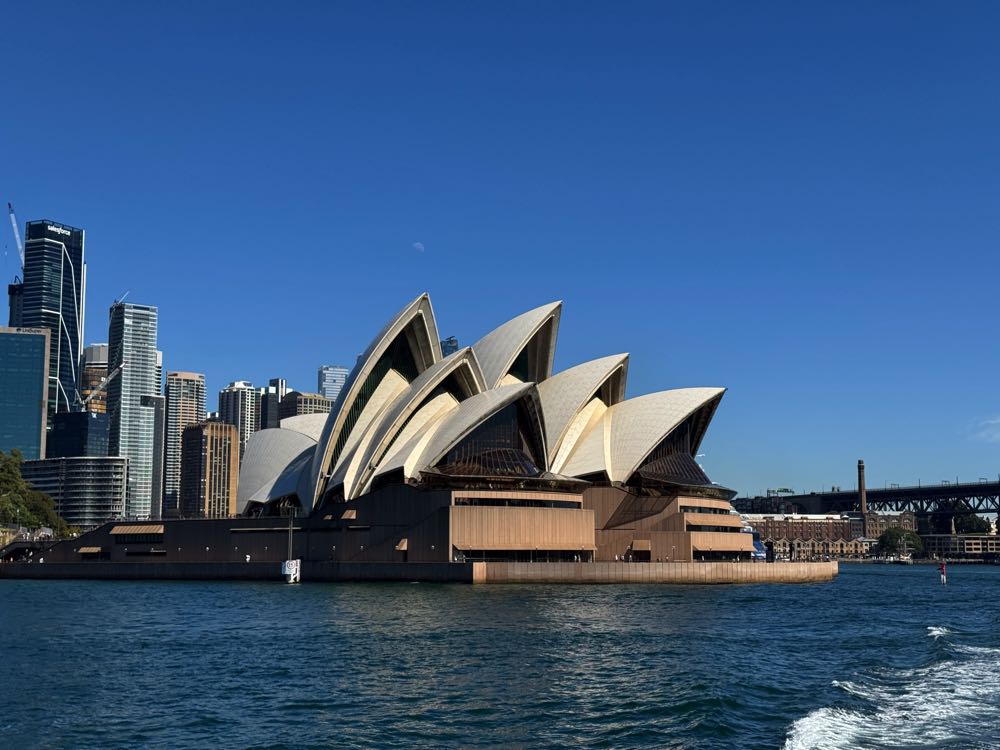
On the first day, focus remains on the Sydney Harbour precinct, which serves as the city’s historic and economic anchor. Circular Quay serves as the nexus for transit and tourism, providing immediate access to the Sydney Opera House and the Sydney Harbour Bridge. The Opera House, a UNESCO World Heritage site since 2007, represents a landmark in 20th-century architecture. Visitors are advised to utilize the public pedestrian access points along the quay to view the structure before transitioning toward The Rocks, the site of the original European settlement in 1788. The area maintains its historical integrity through preserved laneways and sandstone architecture, currently housing some of the city’s oldest licensed premises, including the Fortune of War. Evening activities in this sector often leverage the maritime perspective, with dinner cruises providing an objective vantage point of the illuminated skyline, a significant departure from the ground-level perspective.
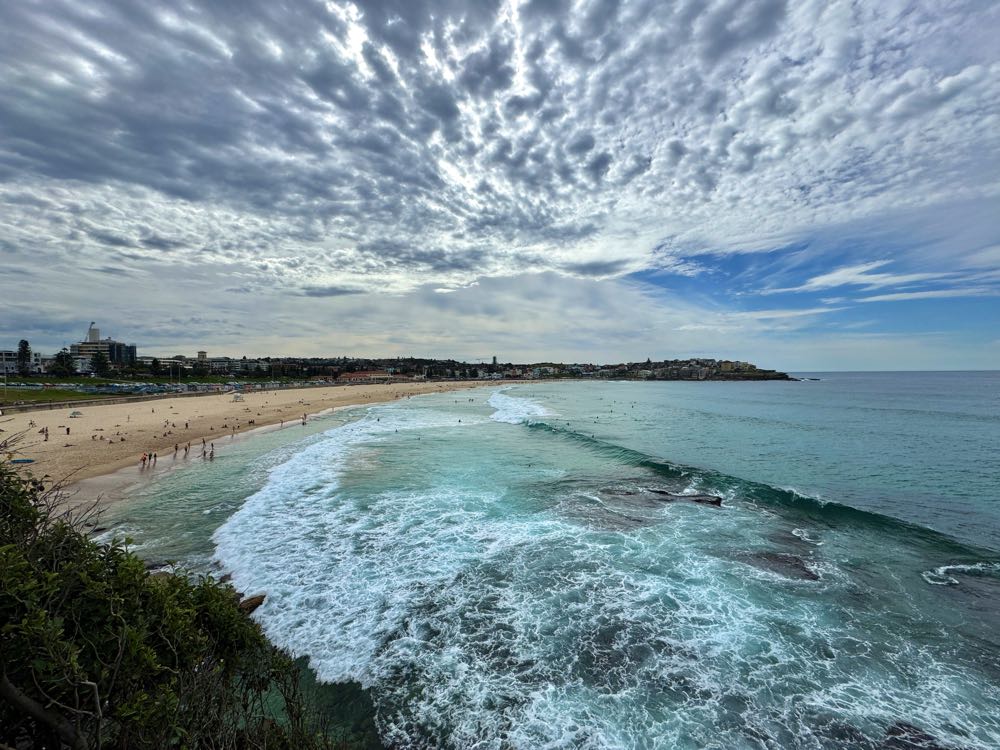
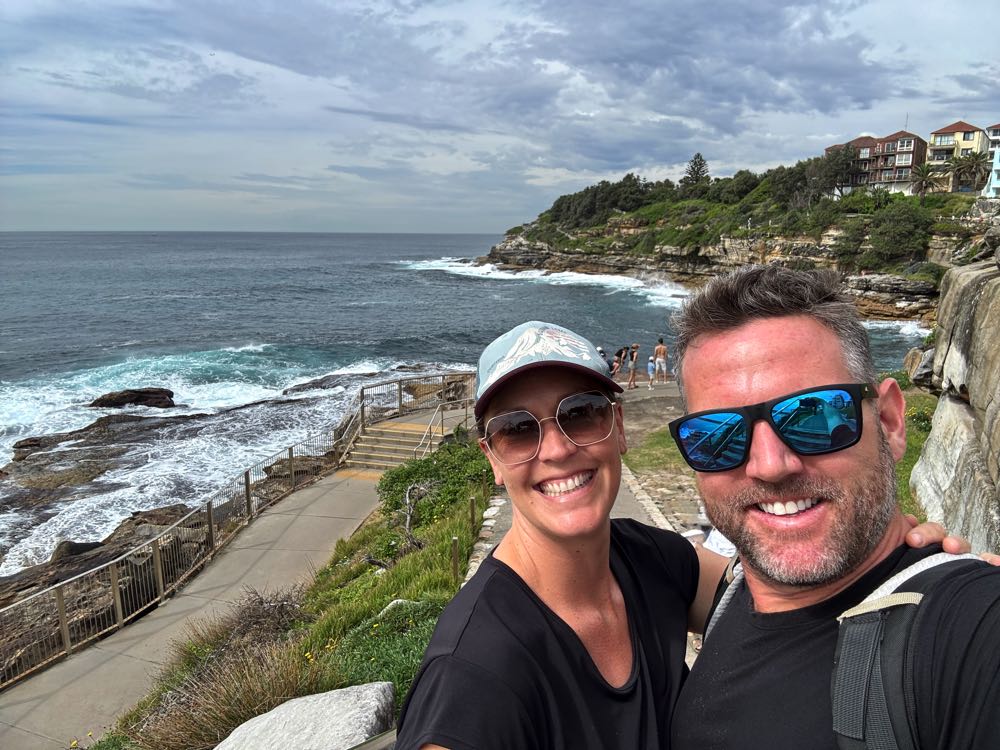
The second day necessitates a transition from the urban core to the Eastern Suburbs. The Bondi to Coogee coastal walk, a 6-kilometer public pedestrian path, serves as a primary case study in Sydney’s integration of natural topography with urban planning. This route traverses several distinct coastal neighborhoods, including Tamarama and Bronte. Statistical data from local councils suggests that this corridor experiences significant foot traffic throughout the year, serving as a critical piece of recreational infrastructure. Visitors are encouraged to utilize the transit hub at Bondi Junction to facilitate arrival, noting that regional bus services provide the most reliable link to the coastline.
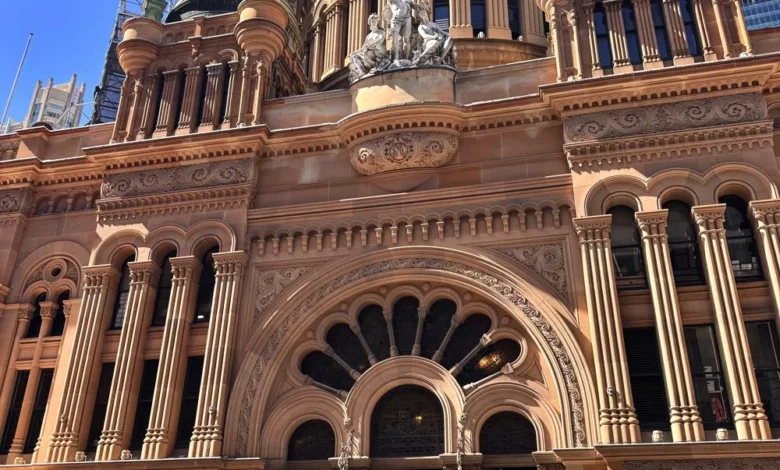
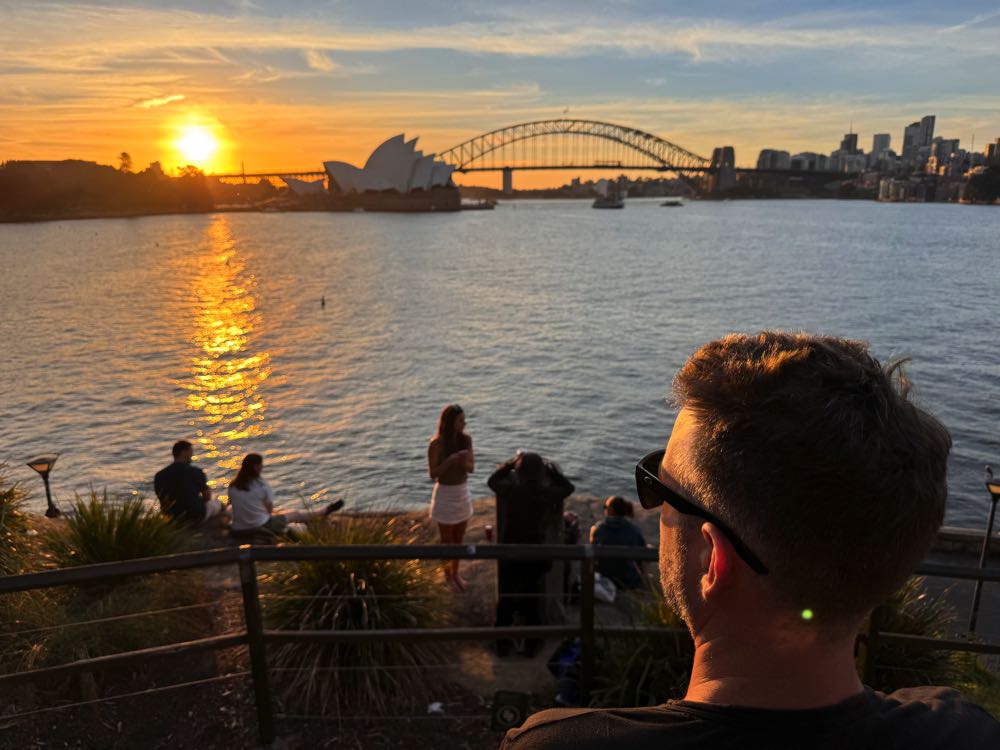
The third day focuses on the interior CBD and the Royal Botanic Garden. This area, established in 1816, is the oldest scientific institution in Australia and functions as a biological buffer against the surrounding high-rise development. The Queen Victoria Building (QVB), an architectural example of Romanesque Revival, serves as a focal point for heritage conservation within a modern commercial environment. The day concludes at Mrs. Macquarie’s Point, which offers a longitudinal view of the harbour, providing a unique vantage point for the sunset, an experience that remains a consistent highlight for international visitors.

The fourth day emphasizes regional connectivity via the Sydney Ferries network. A transit to Manly—a trip that traverses the entirety of the inner harbour—provides a necessary perspective on the city’s scale. Manly’s geography, defined by its dual-sided access to the harbour and the Pacific Ocean, creates a distinct micro-climate and social environment. Shelly Beach, a protected marine reserve, serves as a critical site for ecological preservation and public recreation.
The final day is reserved for analytical review and historical context. Engaging in a structured walking tour of the CBD or the historical Rocks district allows for a deeper understanding of the colonial and post-colonial development of the city. The Sydney Tower Eye, standing at 309 meters, provides a vertical perspective, offering 360-degree visibility of the Sydney Basin. This elevation allows visitors to synthesize the spatial relationships between the coastal beaches, the harbour, and the inland suburbs.
Supporting Data and Transit Efficiency
Sydney’s public transport system, operated by Transport for NSW, relies on the Opal card or contactless payment systems. The integration of these payment methods across trains, buses, ferries, and light rail is essential for maintaining the fluidity of a five-day itinerary. Data from the Australian Bureau of Statistics confirms that Sydney’s population density in the inner-city regions requires high-frequency transit, with peak hour intervals on the rail network often falling below five minutes. For the transient visitor, reliance on private vehicle rentals is statistically discouraged due to high congestion levels and limited parking infrastructure within the CBD.
Furthermore, the city’s culinary sector reflects its demographic diversity, with significant clusters of Asian cuisine located within the CBD and surrounding suburbs. Independent economic reports highlight that the hospitality sector in Sydney has seen a robust post-pandemic recovery, driven by both domestic tourism and a resurgence in international arrivals.
Official Perspectives and Regional Impact
Local urban planners have frequently cited the "Sydney 2056" strategy, which aims to ensure that major landmarks and essential services remain accessible via public and active transport. The preservation of areas such as the Royal Botanic Garden and the coastal walks is balanced against the ongoing development of the Metro network, which is designed to reduce reliance on the arterial road network. Tourism authorities emphasize that the five-day window allows for a "sustainable pace" of exploration, reducing the burden on local infrastructure while ensuring that visitors contribute to the economic vitality of both the central district and the outlying coastal communities.
Broader Implications for Urban Tourism
The effectiveness of a five-day itinerary in Sydney demonstrates a broader trend in global tourism: the move toward "slow travel" within high-density urban environments. By decentralizing the experience—moving from the Opera House to the coastal trails of the Eastern Suburbs and the ferry-accessible northern beaches—visitors gain a more accurate understanding of Sydney’s socio-economic fabric.
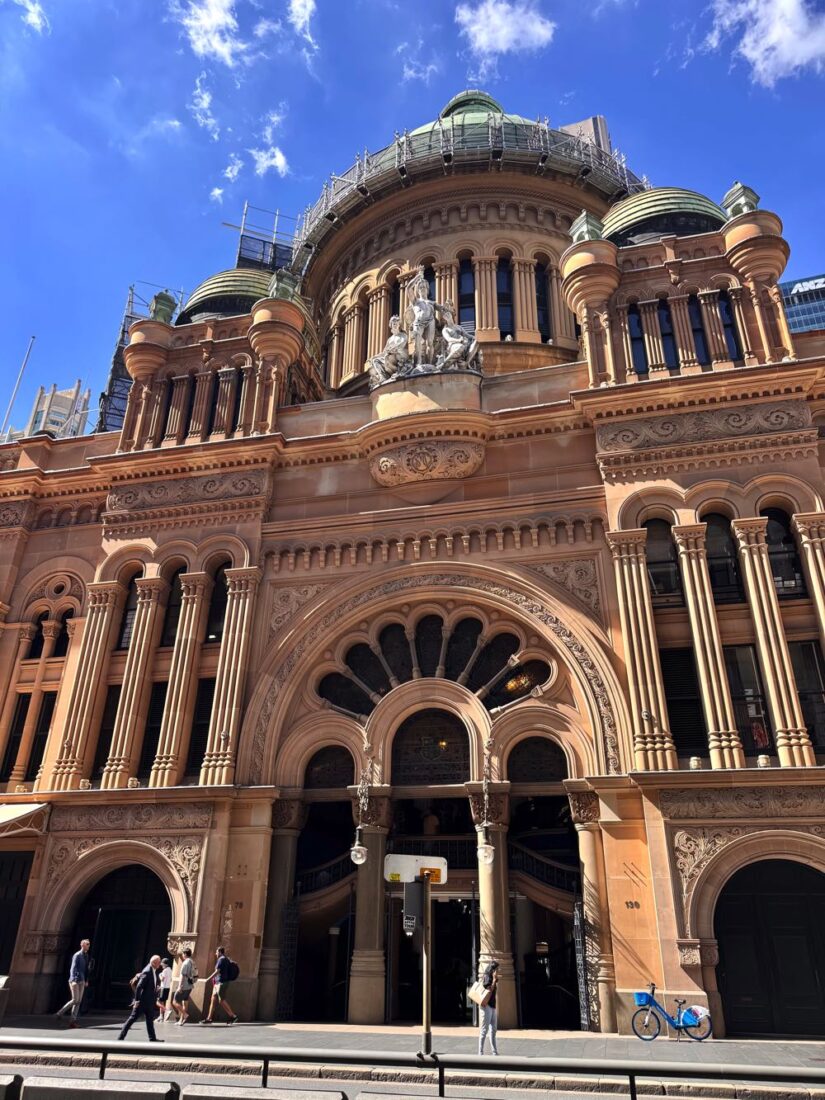
The integration of heritage sites like the QVB and The Rocks with modern infrastructure like the Sydney Tower Eye and the extensive ferry network underscores the city’s capacity to function simultaneously as a historical entity and a modern metropolis. For the international traveler, the primary takeaway is the necessity of leveraging public transit to navigate the city’s complex geography, ensuring that the visitor experience remains both environmentally conscious and logistically sound. As Sydney continues to grow, the ability to balance its natural coastal beauty with its status as a financial capital will remain the defining feature of its appeal as a global destination.