The Ultimate Guide to Connecting Across Borders: How eSIM Technology is Revolutionizing Mobile Data for Travelers in Europe


The landscape of international travel connectivity has undergone a massive structural shift over the past several years, moving away from cumbersome physical plastic SIM cards toward embedded digital alternatives known as eSIMs. For decades, international voyagers arriving in Europe faced a frustrating ritual: hunting down airport kiosks to purchase local prepaid SIM cards, fumbling with tiny metal ejection tools, and risking the loss of their primary domestic microchip. Today, the widespread adoption of embedded subscriber identity module technology has streamlined this process, allowing globe-trotting tourists and business travelers alike to download and activate regional mobile networks directly through their smartphones before even stepping foot on a plane.

Background Context and Technological Evolution
The genesis of eSIM technology traces back to consumer electronics standardization efforts initiated by the GSMA, the global association representing mobile network operators, in the mid-2010s. Initially integrated into smartwatches and tablets, the technology steadily made its way into flagship smartphones. A major tipping point occurred in the consumer market when Apple removed the physical SIM tray entirely from United States models of the iPhone 14 lineup, compelling millions of consumers to embrace fully digital profiles.

Concurrently, regulatory frameworks within the European Union catalyzed a uniquely favorable environment for digital roaming. Under EU directives implemented to eradicate internal communication penalties, mobile data roaming fees were officially outlawed across member states. Consequently, a consumer who purchases a prepaid data profile originating in France can utilize that same allocation seamlessly while transiting through Italy, Germany, Spain, and beyond. This regulatory harmonization created an ideal market for third-party travel tech providers and major European telecommunications giants to launch specialized, cross-border digital data packages tailored specifically to short- and medium-term visitors.
The Economic Argument: Third-Party eSIMs Versus Domestic Carrier Plans

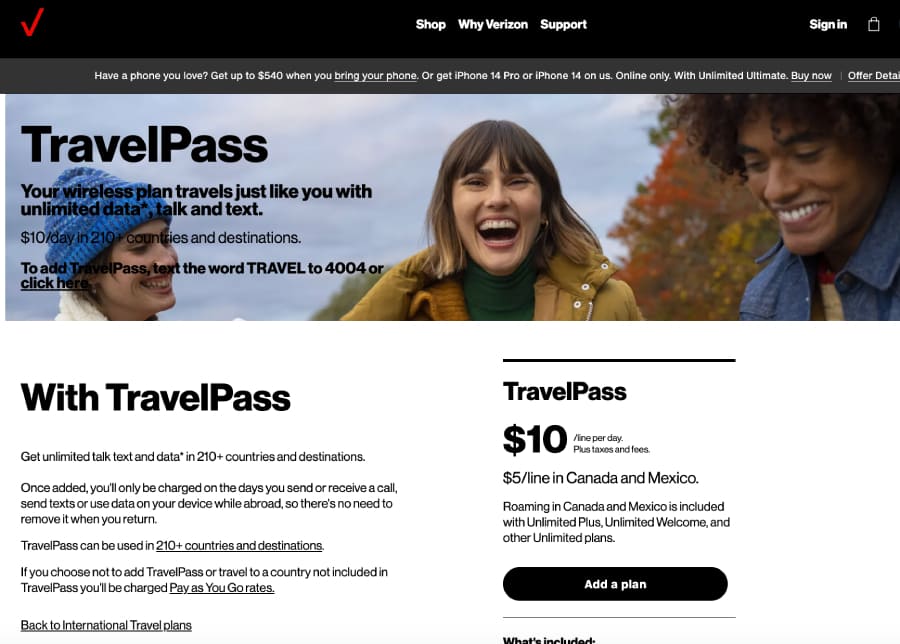
While major domestic telecommunications providers based in North America and Oceania—such as AT&T, Verizon, and T-Mobile—offer international roaming add-ons, industry analysts and consumer advocates frequently point out the exorbitant cost structures associated with these legacy options. Traditional carriers typically levy daily flat fees, such as ten dollars per day, or offer constrained monthly allotments burdened by severe overage penalties or throttled speeds.
For instance, standard daily international passes can quickly accumulate into hundreds of dollars over a multi-week vacation. In stark contrast, specialized prepaid European eSIM providers offer high-speed packages averaging between two and five dollars per day. Independent travelers utilizing platforms such as Holafly, SimOptions, Orange, and Bouygues Telecom frequently save up to eighty percent on mobile data expenses compared to traditional roaming packages administered by domestic home carriers.
A Comparative Overview of Leading European eSIM Providers
Navigating the contemporary marketplace requires understanding the distinct offerings of various providers, as plans vary significantly regarding data caps, duration limits, and voice call capabilities.

Holafly has established a prominent market presence by offering unlimited data packages configured for durations ranging from one to ninety days. Operating primarily on major tier-one networks, Holafly targets heavy data consumers who require constant connectivity for streaming, navigation, and remote work without monitoring gigabyte consumption.
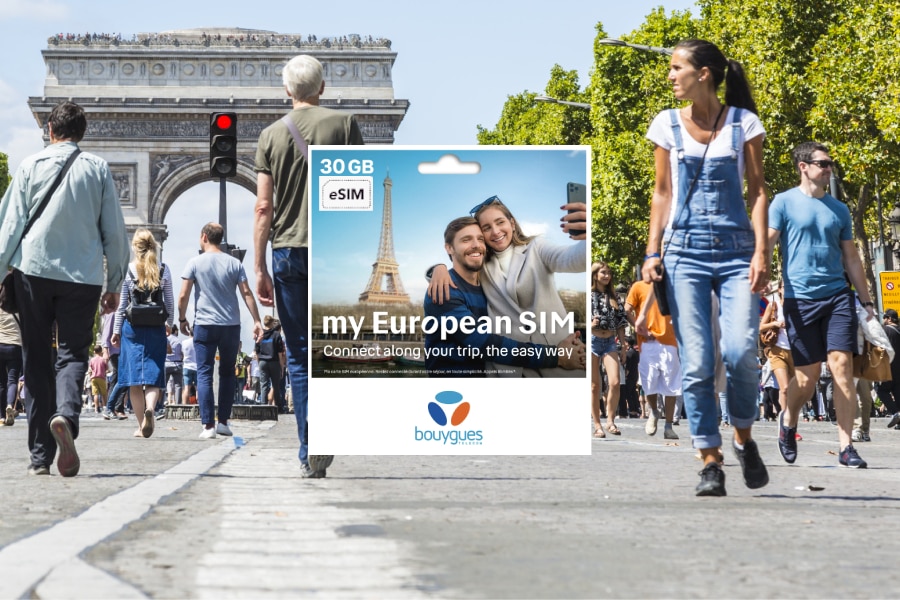
SimOptions functions as an official digital marketplace retailing prepaid packages directly from premier European carriers, including Orange, Bouygues Telecom, and O2. These offerings typically range from ten gigabytes to seventy gigabytes. Crucially, several of these infrastructure-backed plans assign the user a functional European telephone number—originating primarily from France—which enables traditional voice calling and text messaging across the continent.
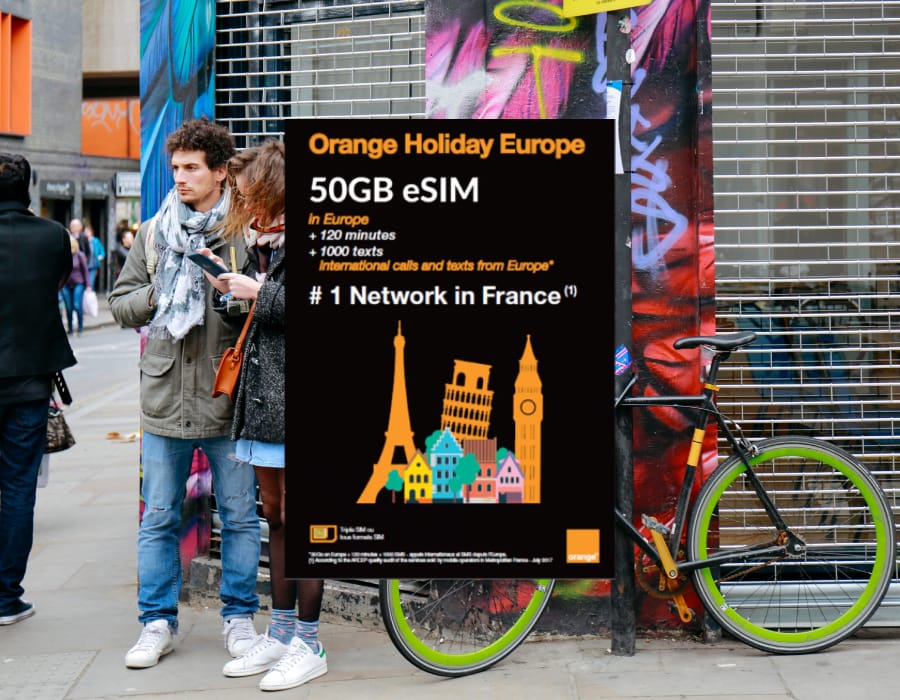
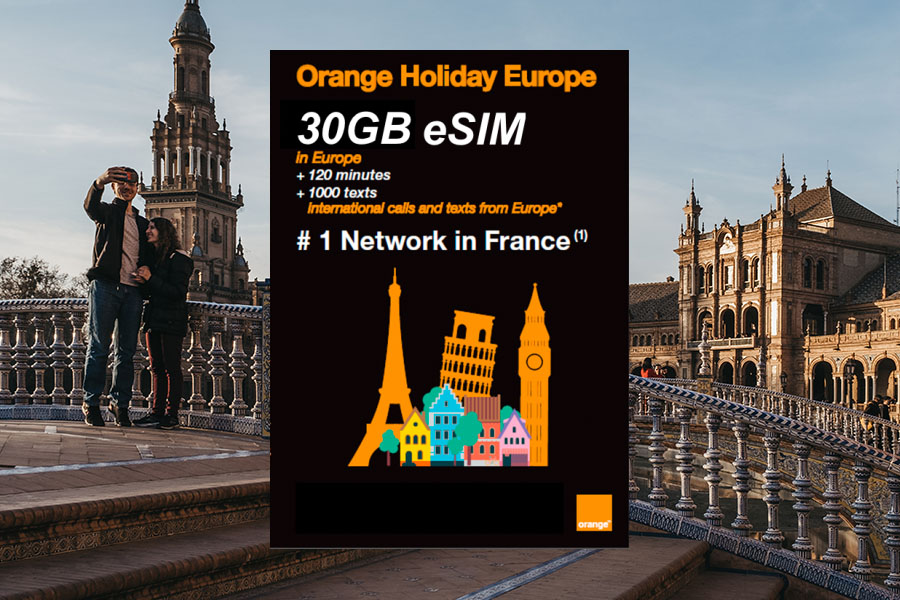
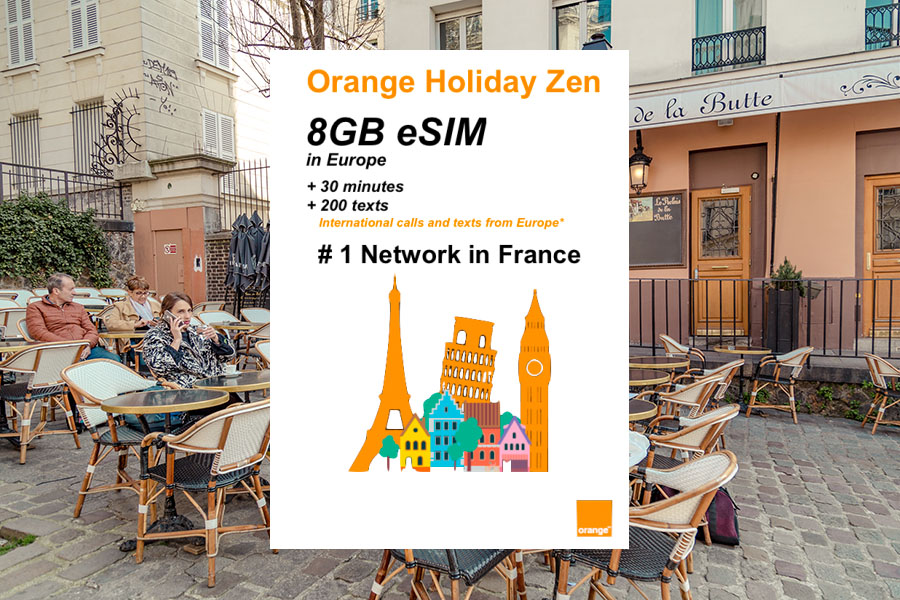
Orange Holiday Europe remains a gold standard among seasoned travelers. Its robust offerings, such as the fifty-gigabyte and seventy-gigabyte configurations valid over twenty-eight-day windows, provide extensive high-speed data alongside native European phone numbers, SMS capabilities, and mobile hotspot functionality. Meanwhile, budget-conscious consumers often gravitate toward leaner alternatives like the Smart Comfort X eSIM, which delivers a streamlined, data-only experience tailored to light users who primarily rely on internet-based messaging applications like WhatsApp or Apple iMessage.
The Indispensability of Mobile Data in Modern European Infrastructure

The transition toward a cashless, ticketless society across Europe has transformed mobile data from a luxury vacation amenity into an operational necessity. Contemporary European travel relies heavily on instant digital verification. High-speed rail networks, municipal subway systems, museum entries, concert admissions, and airline boarding passes are predominantly issued in digital formats requiring dynamic barcode scanning. Furthermore, the widespread post-pandemic adoption of digital restaurant menus accessible via quick response codes, alongside the necessity of real-time transit mapping and ride-sharing applications, means that arriving in a European city without reliable connectivity can severely disrupt an itinerary.
Technical Prerequisites and Device Compatibility
Before procuring an international eSIM, consumers must verify two critical hardware criteria: device compatibility and network unlocking. Essentially all modern smartphones manufactured from 2019 onward—including Apple iPhones from the iPhone XS onward, Google Pixel devices, and recent Samsung Galaxy flagships—incorporate dual-SIM functionality supporting at least one digital profile alongside a physical nano-SIM slot.
Furthermore, travelers must ensure their handsets are officially unlocked by their domestic carriers. Devices locked via carrier financing agreements or network restrictions will reject foreign digital profiles. Once unlocked, the activation sequence has been further streamlined by recent software updates—such as Apple’s iOS 17.4 framework, which introduced automated eSIM installation protocols that minimize user friction during setup.
Operational Implications and Practical Best Practices for Travelers
Industry experts recommend adhering to a strategic timeline when managing digital travel profiles. Travelers should purchase and install their eSIM profiles prior to departure while connected to stable domestic Wi-Fi networks. However, to prevent premature expiration of validity periods—which typically begin ticking the moment the profile registers on a foreign network—users are advised against fully activating the digital line until physically arriving at their international destination.
To maximize efficiency and manage power consumption while navigating abroad, seasoned travelers employ several proven methodologies:
- Maintaining a portable external battery pack, such as an Anker PowerCore, to counteract the rapid battery drain caused by continuous Global Positioning System tracking and digital photography.
- Downloading offline municipal maps via applications like Google Maps to preserve data allocations during transit through subterranean transit systems or remote rural areas.
- Utilizing dual-SIM capabilities to keep domestic physical SIM cards active at a low-power state, ensuring receipt of critical two-factor authentication security prompts from domestic financial institutions while routing primary data consumption through the affordable travel eSIM.
- Leveraging messaging platforms like WhatsApp for local communication with lodging hosts and dining establishments, circumventing the need for international voice dialing.
Broader Industry Impact and Future Outlook

The rapid mainstream adoption of eSIM technology signifies a broader consumer demand for digital autonomy and transparent, borderless pricing structures within the telecommunications sector. As handset manufacturers increasingly phase out physical hardware slots in global markets, legacy carriers are under mounting pressure to reform their high-cost international roaming models. For the modern European traveler, the digital SIM card has successfully eliminated the friction of physical logistics, ensuring seamless, high-speed connectivity at a fraction of historical costs.